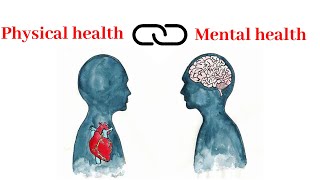
In this webinar-style discussion, Dr. Sneha, Dr. Priti Nanda Sibal, and Dr. Ruha explore the deep interconnection between physical and mental health, challenging the conventional view that treats them as separate domains. Dr. Sibal, a functional medicine practitioner with a background in allopathic medicine and former head of VLCC Pan India, emphasizes that many mental health issues originate in the gut, noting that a large proportion of the immune system and neurotransmitter production resides there. The conversation highlights the importance of addressing root causes rather than symptoms. The panel also shifts to practical coping strategies for managing stress during the COVID‑19 lockdown, with Dr. Sneha prompting Dr. Ruha to share personal habits and tips for maintaining mental well‑being amid uncertainty.
Like sometimes there's— we tend to distinguish between physical health and mental health, but I think there is not really a clear-cut demarcation there, and it's as important to take care of your physical health as mental health because at the end of the day these are very entwined with each other.
I will want to add something here because you have said something like that. I practice functional medicine, so I'm an allopathic doctor from Amritsar Medical College, '89 batch, right? After 25 years of working, my last job was I was heading VLCC Pan India, and I realized the connect is missing. And the connect missing was this: we were thinking physical health and mental health are two separate things. But in functional medicine, we work on the cause of the disease. And it is so phenomenal to see that 90% of your mental diseases also arise from your gut. When we say 70% of your immune system is gut, it is shocking that we never realized that 80% of the neurotransmitters in our brain are made in the gut. So yeah, so our old—
yes, yes, it doesn't come that with patients. And yes, it's often missed, and we cannot underline the importance, like we cannot state it again and again. But yes, it's very important. Coming to Dr. Ruha, Dr. Ruha, like Dr. Preeti suggested, do you also feel there are certain, like, any practical steps that you follow for staying sane during the lockdown? Like, certain practical tips to manage the stress during this time of uncertainty?
First of all, again, I'd like to just echo what Dr. Preeti said. Thank you, Sneha and the team of Redoktor, for organizing this, and congratulations on having your third webinar. I'd also like to give a brief background about myself so that the audience can understand where I'm coming from. It's bright right now. I'm in Boston, so it's early morning. I just wrapped up my graduation from Harvard, and I'm the founder of a not-for-profit currently. I've spent the last 2 years in Boston working on and studying public policy, and also spent a substantial amount of time working with the Bill and Melinda Gates Foundation, which is one of the largest donor agencies that we have for public health. The reason I'm telling you this background is not to name-drop, but is to tell you that The number of people I've met in these circles who are experiencing high levels of anxiety right now is amazing. So where I'm located right now, you have Harvard University and Massachusetts Institute of Technology like 2 kilometers apart. And I obviously, like every normal person, go for therapy. So when I was talking to my therapist at one point of time, he described this area as a pressure cooker. First of all, nobody uses the word pressure cooker, so I was surprised that an American doctor knew the word. But he said the amount of stress that people witness between these two universities is amazing, and our number of psychiatrists per 100 population is really high. But even in that, obviously this pandemic has brought that to a higher level. That being said, I want everyone who's on this call who's experienced any sort of difficulty or exacerbated anxiety or any other concerns, you are not alone. I am in that boat with you, so, and I haven't figured it out. I'm just going to share things that I do that might help you or might not help you, but it's also a lot about self-reflection and a self-journey during these days. That being said, I'd also like to echo what Dr. Preeti said about this mental health and physical health distinguishing. And this gets to the question that you asked me, Dr. Sneha, is how am I managing during the pandemic? So I like working out, I like going to the gym, and as we all know, working out leads to endorphins and it gives you this buzz. That was mental health for me. And that's wrong. You deriving satisfaction from working out is not you being a mentally healthy person. It is literally you taking drugs, like you just have endorphins in your blood right now. You have not dealt with any of the things that are going on in your head. And that's why mental health becomes even more important because people like me who were faking it, we can't fake it anymore because it's not easy to work out. So you're forced to tackle mental health head on and not try to solve it through just being physically fit anymore.