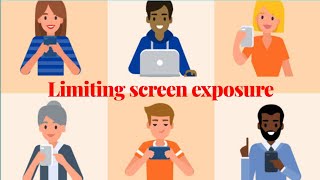
In this short webinar segment, Sneha and a second speaker discuss the risks of excessive screen exposure during the COVID‑19 pandemic and share practical strategies to limit it. They note that most learning, entertainment, and even fitness activities have shifted online, increasing the time spent in front of screens. The speakers recommend scheduling the day to naturally reduce screen time, and maintaining screen‑use hygiene: taking a break every 30–45 minutes to look at a distance, stand up, move the body, practice eye‑exercises (blinking, focusing far away, keeping eyes moist) and protect the spine. They also suggest substituting visual content with audio formats such as podcasts and audio clips to give the eyes rest. The tone is conversational and instructional, with a supportive and mildly urgent sentiment about preventing eye and spine problems.
Chapters
Another thing that we discussed here was the screen exposure. Ru has mentioned about webinars and the number of webinars we are watching in a day, and also Dr. Preeti has mentioned about it. So how to go about limiting screen exposure? So most of the learning that is happening these days is through screens, right? And even schools or colleges, they are operating, everything is operating. The other things that we are learning, even if it's YouTube, yoga or cooking or whatever meditative exercises they are trying to learn, it's through screen exposure. So how do we limit our screen exposure? And is there a wrong side to it?
Definitely, Sneha, there is a long wrong side to it, and that's a big problem, right? Because the worst thing which will happen is we come out of something and land in another bigger problem. Right. And the way I look at it is I would say that though, of course, I don't have a solution to this, but yes, few things. One, if you schedule your day properly, you will finally end up decreasing your screen time substantially. That's one. Second is the hygiene you have to maintain while you are using screen. For example, every 30 minutes, it's important that you move. For example, now it's almost 50 minutes plus we've been on this webinar, and I've been, you know, looking at the screen since then. So I felt the need to look at a distance so that my eyes, you know, get that relief. Very important, every hour you must get up, every 45 minutes get up, move your body, learn sitting yoga, keep doing your eye exercises like blinking your eyes, moving, seeing at a distance, keeping them Wet properly so that you don't land up with dry eyes and all. These are certain things which I think we should bring in our normal routine, which generally when we were not using so much of screen time, we could afford to forget these, right? But now I don't think we can afford to forget this.
Absolutely, I agree with you, ma'am. Yes, definitely, this is all the more time to focus on taking care of your eyes, per se, because most of the learning is happening through there.
Eyes and spine. Eyes and spine.
Yeah, but I also feel that there's another option where to give your rest to your eyes, people can move to audios, audio clips and podcasts which are available, which are pretty informative, and they are available on a lot of subjects. So that is one way to go about it.