1:14

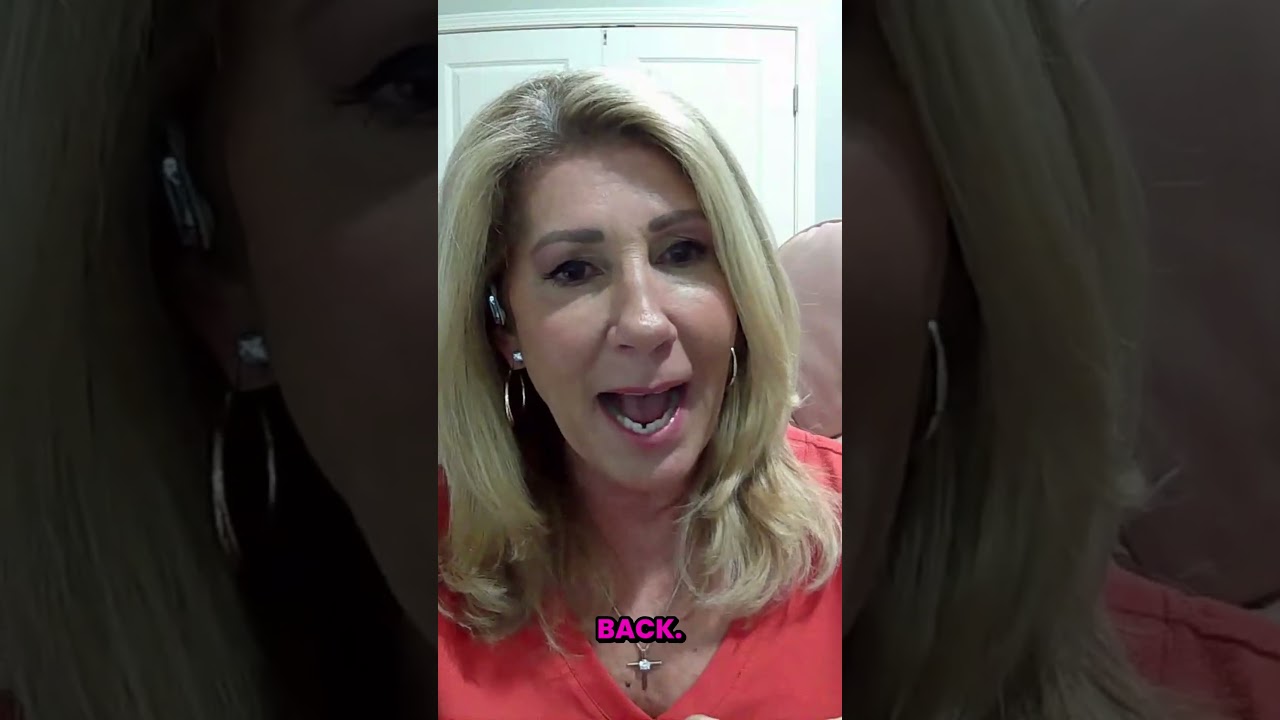
In this interview segment, Dr. Betty Murray and Speaker B discuss the emotional aftermath of surviving a long‑term abusive relationship. Speaker B describes the intense anger, self‑blame, bitterness, and resentment that arise when a loved partner becomes an abuser, highlighting the cognitive dissonance of feeling both love and hatred toward the same person. The conversation emphasizes the difficulty of accepting that the person once cherished is now a destructive force, and underscores the importance of granting oneself grace and compassion as a first step toward releasing emotional weight and moving beyond bitterness.


Chapters

More from Dr.

0:42
youtube.com

Hormones Aren’t a Magic Solution for Every Symptom

1d ago
46:44
youtube.com

Histamine, Mold, & Menopause: Why Your Symptoms Suddenly Change

2d ago
0:44
youtube.com

Amygdala-Insula Retraining: A New Tool for Perimenopause Symptoms

4d ago
0:55
youtube.com

Menopause: The Biggest Aging Event in a Woman’s Life?

5d ago
0:50
youtube.com

Menopause Isn’t Just a Life Event—It’s an Aging Event

6d ago
0:56
youtube.com

The Mind-Body Connection: Can You Retrain Your Brain?

1w ago
1:11
youtube.com

New Research Reveals What Happens During Menopause

1w ago
22:35
youtube.com

Can Brain Retraining Help Perimenopause Symptoms? Inside a New Research Study

1w ago
1:02
youtube.com

Women Deserve Better Healthcare—And We Have to Demand It

1w ago
0:56
youtube.com

Autoimmune Disease: Is Your Body Crying Out for Help?

1w ago
0:27
youtube.com

Is Depression Linked to Neuroinflammation?

1w ago
See all content