0:55

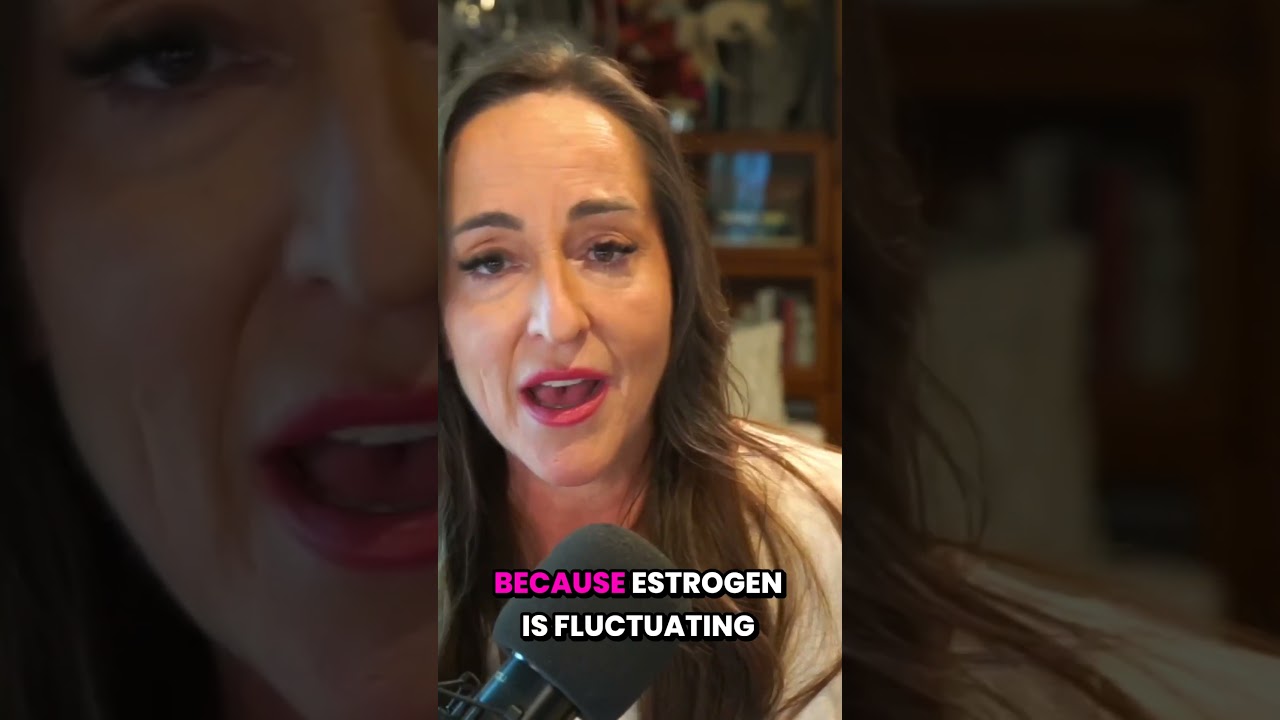
In this monologue Dr. Betty Murray explains why midlife hormonal changes are often overlooked. She recounts a viral clip that resonated with women who felt dismissed by narrow diagnostic criteria. Murray describes the physiological cascade of perimenopause: fluctuating and declining estrogen, concurrent shifts in androgens such as DHEA and testosterone, and a pronounced drop in progesterone. She emphasizes that for roughly one in seven to eight women—those expected to develop Perimenopausal Mood and Ocular Syndrome (PMOS)—perimenopause is not a simple transition but a complex metabolic collision of multiple hormonal systems, which clinicians frequently fail to recognize.


Chapters

More from Dr.

0:42
youtube.com

Hormones Aren’t a Magic Solution for Every Symptom

1d ago
46:44
youtube.com

Histamine, Mold, & Menopause: Why Your Symptoms Suddenly Change

2d ago
0:44
youtube.com

Amygdala-Insula Retraining: A New Tool for Perimenopause Symptoms

4d ago
0:55
youtube.com

Menopause: The Biggest Aging Event in a Woman’s Life?

5d ago
0:50
youtube.com

Menopause Isn’t Just a Life Event—It’s an Aging Event

6d ago
0:56
youtube.com

The Mind-Body Connection: Can You Retrain Your Brain?

1w ago
1:11
youtube.com

New Research Reveals What Happens During Menopause

1w ago
22:35
youtube.com

Can Brain Retraining Help Perimenopause Symptoms? Inside a New Research Study

1w ago
1:02
youtube.com

Women Deserve Better Healthcare—And We Have to Demand It

1w ago
0:56
youtube.com

Autoimmune Disease: Is Your Body Crying Out for Help?

1w ago
0:27
youtube.com

Is Depression Linked to Neuroinflammation?

1w ago
See all content