Building your continuous Growth Loop
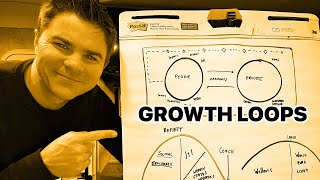
Drew Bridewell walks product designers through building a personal growth loop: map your 6-8 key collaborators and team processes, then cycle through reflect, learn, train, and plan-act. Weekly status updates and one-on-ones keep you aligned while you level up.
Chapters
Hey there. Good morning. So today I just wanted to talk to you a little bit about something that I think is one of those things that kind of just unlocks so much more potential. It unlocks so much more awareness, and it's just a fun thing to know about yourself as you transition or as you flow throughout your career as a product designer, as a product maker, or if you're just getting into the field and you're trying to figure out how you can be more productive, you can have more clarity, you can have more energy, and you can also have more impact. So what we're going to do is talk about one of the things that I love talking about, and it's called the growth loop. Now, the growth loop is a way for you to kind of draw out the most important actions and routines that you do on a weekly, monthly, even a daily basis. So what we're going to do is I'm going to teach you how to do this right on this backboard here, and then this is going to be your first go about. So I don't want you to feel so much pressure to actually have to do all these things at once, because what you'll do is you'll learn these things over time. And we're going to draw together. So what you need to actually start this with me, you need an 8 1/2 by 11 sheet of paper. Or if you have a big giant whiteboard, that's completely fine, too, because what we're going to do is we're going to draw it together, and I'm going to do it step by step with you. This will probably only take about five to 10 minutes for us to knock out. So let's get right after it. So when it comes to design energy or design clarity or design impact or design productivity, there's two things that really come into play. There's the people that you work with, there's the processes that you go through every single day, and then there's your identity and your growth loop. So we're going to draw both of those today right now. So let's get right after it. Are you ready? All right, here we go. So the first thing that we're going to do is draw. We're going to draw a figure eight. All right? So draw one of these. And then we're going to draw a rectangle, and I'm gonna see if I have another marker. All right, so we got these two. So up here we're going to talk about the people and the processes, and then down here, we're gonna, we're gonna start building your growth group out. So let's talk about the people. One kind of looks like a cool little boombox that you're making here. So let's inside of this with another marker, write people, and in this box write processes. So we have people and processes. We have a stream. A stream. Okay, now, now that we have people and we have processes, what we need to do is start thinking about, well, who are all the people that I need to engage with? Who are the people that I need to interact with? Who are the people that are going to really help me understand what's actually happening around the projects that I work on? So if you're a product manager, if you're a product designer, if you're an illustrator, whoever you are, you're going to be working with about six to eight people on a recurring basis in your career and in your field. Yes, you could probably do something by yourself, but if you think about it, you're going to want to work with other people. The faster and the more integrated you work with other people, the better the outcome. So we're going to think about like, you know, A to Z. I want you to fill in the types of people that you work with. So I might say product, I might say design, I might say marketing, I might say ads, I might say engineering, I might say maybe the social team. Let's see. And content. So I have all these people that I need to interact with on a regular basis. So it's really important for me to know what they need, what they want, what they're trying to do, what their goals are, what they're trying to achieve. And now I'm understanding and I can go deeper into those systems. Right then when it comes to the processes that we have, like, what are all the processes that really help the team be most efficient? So a process might be like plans, it might be the development life cycle, it might be the design process, it might be our, you know, all the little, little details that make up the process that you're flowing through on a regular basis. This is like really critical stuff to be able to help you be a little bit more efficient in your process. So even when you're thinking about your process, these things always typically change depending on your team, depending on, you know, what you got going on. But you want to understand, like, your plans, you want to understand your development life cycle, you understand how you do things. You. All the little processes that make up your team, you want to be able to document those things. Because what we try to do, we treat another dotted line at the top. And in this dotted line we have milestones that we're working towards together to reach our goals. So we have these little like dotted lines. But really what we're trying to do is create harmony with the team because we are understanding all of our processes, we're understanding what the people's need and we're taking time to really understand this. We're establishing norms, we're establishing basic expectations with our team. Then we come in and we have milestone learning insight. Milestone learning insight. Milestone learning insight. And these things are really important for you to be able to just get into the details with your team to set you up for success. Now, now that we have like the processes in this, like, this is going to help with productivity, this is going to help with design clarity because you know what the team's working on, you know what they're doing, you are going to be able to have a little bit more impact because you're working towards your milestones together and you know what everybody is doing. So this is a good leadership practice. It's also, if you're even IC an individual contributor and you're working towards this with your partners, you still want to know what these things are. But now that we understand the team and we'll work towards this on a reoccurring basis, we'll learn what these things are. Now what we need to do is master the growth loop. So when I think about the growth loop, I'm thinking about reflection. So I want you to write, reflect in the top left corner. Then what we're going to do, write, train and practice at the bottom. Then at the top of this training, practice, we're going to look at learn, we always want to be learning. And then down the bottom, we're going to be looking about planning and taking action. So we have reflect, we have trained and practice, we have learn. And now this, my friends, is the growth loop. But it doesn't stop there. It doesn't stop there at all. Because what we have is a division of our work and our effort and how we spend time doing things, making progress, progression and learning about it. So what we're going to do now is we're going to fill in this box. I know I'm out of the window here. It's just a little easier to draw down on the floor. But what we need to do now is think about how we fill in our reflection and planning and taking action, responsibilities and actions. Then we need to figure out, like, well, what are we doing to learn and what are we doing to train and practice? So to do that, I'm going to fill in this in and help you out a little bit to give you an understanding of how this is going to help dial you in. So let's just get started on this. Okay, so on this first, on this first block, what are some things that we need to do to reflect? And I think one of the big things is journaling. How many times do you think about writing things down when you have an experience or you have a meeting and you're like, oh, how did that go? What could I have done better? How could I have showed up better for my team? Or just what could I have done? That's really important thing to do, but it's also important to be able to benchmark. Now benchmarking is important when it comes to design impact because you need to be able to know where you're currently at so you know where you need to go. You need to know where you're at so you know how you can improve to get to that next step. So we have benchmarking and journaling. The next thing that we need is to understand our priorities and we understand our planning. So our priorities are going to fill in. Let me just turn this off for a sec. So here we have our priorities and then down we have our planning. So what are we planning, what are we prioritizing and what are our priorities, which is really important. Then in the second box here we have execution and we also have the outcomes that we're working towards. Okay, so execution and outcomes. This. Then we have the meetings that we need to have every single week with our team and then we also have like our weekly status updates. Now let me talk to you about these two things. One on ones. What are one on ones? So if you haven't yet had a one on one with your manager or your team, this is an opportunity for you to course correct and know that you're on the right path. One on ones are the perfect opportunity for you to ask your manager to understand like, oh, am I doing well? Am I on the right track? Are the things I could be doing better? And then also surfacing up some of the challenges that you're facing and seeing how your manager can also help you work through those challenges. It's not about them solving all your problems because they want to help you grow, they want to help you level up. So the 101 is a great place to that. Now the weekly status updates are your weekly checkpoints and your Benchmarks to be able to know that. What did you accomplish this week? What are things that are in your way? What are some blockers? What are some things that you're moving the needle on? What are the advancements inside your projects? These weekly status updates are a way for you to make sure that you're on the right path beyond your one on ones. Because your one on ones is more about like a coaching session or a feedback session for your manager or like a performance, you know, enhancement. But the status update is things that are tied to your projects, things that you are advancing. So right here, this is already so impactful for you to have these sorts of elements inside of your repertoire. Now let's go into the learn area and figure out how we're going to do this and get better at our learn and our training set. So the things that we need to think about are wellness, right? The wellness of what we're doing inside and how we're understanding how we're going to execute. Because we need a lot of time to get through our work and to fix things and to get it going. We need to practice, play and. And participate. So we're practicing, we're playing, and we're participating, and then we're watching, reading, listening. All right, let's talk about the. So inside the learn experience, we have a series of watching, reading, and listening. Now, learning is something that you can do every single day. It's something you can open up an audiobook or you can actually go in to your. Whatever you like to go. I like LinkedIn learning. I like masterclass. I like Netflix. I like documentaries. I like learning things, and I like reading, listening to audio books, and I like listening to things, just listening and learning through my listen. Then we have practice playing and participating. You got to show up and you got to participate in the things that are most important to all. The different project work that you're actually going through and working through. But it's not enough just to be practicing and playing and listening and learning. You got to take care of yourself. You got to have a big block where you're executing work, executing work and taking care of your wellness. Executing your work, taking care of your wellness. There's no joke with this because your manager and the people around you are not gonna. They're not gonna tell you to go work out, to get physically. To get physically strong, to take care of your health and wellness, to eat well. They're not gonna do that. That's up to you. So when you can think about how you take care of yourself and then how you execute your projects and having like two to three locked time periods every single day so you can really move things forward. Now we're talking. Now we're on fire. Now we're thinking about all the systems and things that are truly take you to the next level. But you know what, it doesn't stop there because after you start figuring out what your growth loop is, then we get to go in to the second phase of this where we coach and we teach. We coach and we teach at the epicenter of everything we're doing. Depending on the level you're at, you can still teach and coach other people because you are growing as well. And as you start mastering your processes, your people, your people, relationships, and in understanding the things that are going to really make you successful in your career, now it's time to coach that back to teach people how to get more awareness themselves, but also so that you can start teaching the things that you're learning. Because as you level up in your craft, you're mentoring other people, you're helping them grow as well. And this is a really great way for you to build that solid foundation. So we talked about the growth loop. We talked about the elements that help with design energy, design clarity. So what is this actually helping you do by knowing the people and the processes, this is how helping you know where the team's gaps are. This is helping you know what the team actually needs, but it's not getting this helps you identify problems so that you can actually be like, oh, this is a problem for the team. Where can I fill the gap and how can I help progress and move this a little bit further? It is all about understanding the people, the processes, and yourself. And that is, my friends, what's going to help you get to the next level. So I hope you enjoyed this quick little. I know it was a quick. But I mentioned earlier that you want to be able to draw this on there. So let me just actually do that for you, just so I don't leave you hanging there. And then you go in, you fill it out, and that's it, ladies and gentlemen. That's how you can actually go in and start learning about your productivity, your design clarity, your design energy. So what does design productivity do to help you? It helps with your systems, it helps with your craftsmanship, it helps with the velocity and the speed of what you're doing. Design clarity is going to help with communication, collaboration, and elevating your work. I'll say it again. Communication, collaboration, and elevating the Work, then the design energy of all this and how you were like, getting things done and doing it in a harmonious way. You're thinking about consistency, you're thinking about focusing on the certain things that the team needs you to focus on. And you're also building excitement because you know exactly what you need to do. You have your team's people or people, and you know who's doing what. You have the processes engaged, so you know how to set yourself up for the processes. And now you're starting to really build a lot of chemistry on what it is that's going to help you perform and get to that next level. And I'm grabbing a card right now real quick so you can actually see this. Here's another way to think about it. You know, when you have, when you draw, this is what you're trying to draw, right? You're trying to understand the people and the processes. And the processes is like, okay, all that knowledge transfer that's going on, all the craftsmanship that's going on, the communication, the collaboration, the clarity that you're building, this is what we're trying to do. And this is what we have going on up here, right? We're trying to build our systems here, so probably. There we go. That's one thing that we want you to do, right? And if I'm going to show you the other one around growth loop. So that's what we're trying to build as well. We want to build your growth loop. So these two things, we can draw these and put these on your paper and there we go. This is going to help you be more effective, be more efficient, and that's what we're trying to do today. So I hope you enjoyed this quick tutorial on just building. You know, I mentioned it before, design productivity, design energy, design clarity, and design impact. Because the design impact, this is going to help you benchmark where you're at so you can continuously learn and so you can design the life that you want to live. You can design the team and the environment that you want to live for your team. And I think that's just like a beautiful thing to have because you deserve, you deserve harmony, you deserve to be more effective and efficient. You, you deserve to understand how these systems work so that you can perform a little bit better on the daily, monthly and even weekly basis. And that's what we're trying to do. And even if it's just 1% better every single day, that is a step that is worth taking. And I just want to encourage you today to go and build your growth loops, build your systems, learn about them, and take that first step into getting to your next level. Have a beautiful rest of your day and I will see you in the next one later. Sa Sam.










