Making Action Planning a Necessity
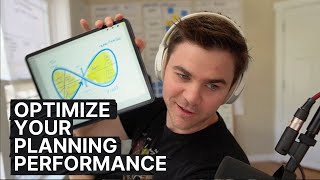
Drew Bridewell walks through why action planning matters and how to build it into your routine. He shows the Growth Day app's planning features, explains a growth loop of reflect-plan-practice-learn-teach, and covers priorities, rituals, and time-blocking to actually stick with your goals.
Chapters
All right, cool. What's up everybody? How's it going? Happy Thursday. I'm sure some of you maybe attended the Wednesday session from yesterday. We had Jonathan Fields go live with Anthony Trucks. We had Lori Hardy. It was amazing session yesterday on starting your dream. If you haven't had time to check that out, that's over in the learn section. We'll talk about the learn section today. And, but before we kind of jump into this growth group one, I'm so honored and excited that you're all here first off. So thank you for being here. The second thing that I'm really excited to talk about today is, you know, every one of these growth groups I have like kind of a theme. And this week's theme is what I call action planning. There's so many ways to action plan in this product. We're going to talk about those this today, but I also know that you're probably going to have questions about, you know, things with the tools, things with community, things with courses or learning. And I want you to feel comfortable and free to ask those questions in the chat. I will make sure that I answer all of them and if I can't answer them today, then I'll go find get the answers for you. So before we get started too, my name is Drew Bridewell. I'm head of product and design here at Growth Day. I've been a part of Growth Day since it was founded, since we came into beta and since we launched this incredible tool. And I'm really excited to be able to be supporting and using growth groups with you now just to help you learn how to get most out of this tool. And, and this series is a, you know, it's a 12 week series. We're in the third session of this series and again we're focused on action planning. Next week we're going to talk about practice, just simple practice, like how do you build a good practice in practicing this, which is going to be super fun. So let me just check the chat here, see where everybody's coming from. Sweet, sweet, sweet. Nice. Okay, so we got some some time with Danny. Awesome, awesome, awesome. Cool. Well, y', all, I'm just, let's just dive right into it. So a couple of big ideas for you that I want to kind of start to kind of set the tone for today with planning is obviously there are, you know, hundreds of different ways and strategies and programs and different, like different ways that you can set up a plan or set up a way for you to do action planning inside this tool. And you Know, why do we currently even need a plan? What I like to say is, like, no plan, no map, no intention, no purpose. It's really hard to know where to point your energy. And you all are incredible makers, creators, innovators. So you got to make sure that you're pointing that energy that you have inside of you into the right direction so that you can actually achieve the things that you want to achieve, the goals that you want to achieve, the dreams that you're really shooting for, making sure that you're pointing in the right direction. And if you go back in and listen to all of the tips from the coaches yesterday, and I'll actually show you my notes from yesterday, just so you also know how you can take notes in the platform and even in these growth groups, take notes so that you can share them with your friends. You could share them in the community, and you can also just get a ton out of the whole entire platform. All right. Yeah. If you fail, the. Great, great. There's just so much goodness in the chat too. So thanks for sharing. Let's go, let's go, let's go. And yeah, and we also have Britta is here helping with. She's co hosting this event. Britta is one of our new product principal product leaders here at Grotesque. We're super excited to have her on the team, too. We're just growing and building this platform for y', all, so. But let's get after it. Let's get after it. So the first thing that I want to kind of bring your attention to is what is one of those big, giant challenges of planning? What? You know, I just want you to put in chat. What is the most difficult thing that you think when it comes to planning? What is the thing that's blocking you from doing plans? What is the thing that's kind of stopping you from, like, starting a plan? What's the biggest, like, just thing that stops you or blocks you? Can you put it in the chat? Let me know what you're thinking about this. When you hear the word plan, what do you think about? I see. Sticking to the time blocks. Right. That's a good one. Not following the time blocks. Right. It's like that. Maybe it's a little bit of that. Yeah. Not being granular enough for knowing how to break things down. Getting stuck in the planning phase. Okay. Yeah, these are great. These are great. Over planning or not over planning? Commitment, lack of vision. Over planning. Yeah, these are really great, great things. Now, the thing is, with a plan, the same thing that you are going to come back to every single day, every single week, every single month is essentially like your systems of things that you do and your routines. And you're also the rhythms. You'll Brendan talk about rhythms quite a bit. And that's probably one of the things that helps you stay on track. It helps you stay focused on actually doing the things that you say you're going to do during those time blocks or. Or having very, very, very, very good discipline and commitment around what it is that you're doing now. I had a growth group early this morning, and I was talking about this, and I was thinking, well, where do we start? Like, in our mindset when we are starting playing, you know, you got these big dreams, you know, you got these big things that you want to do. But the thing is, the big thing that we typically kind of bypass and kind of avoid with these action plans is we kind of lose track of why we're doing it, why we're actually connecting, and why we want to create these big giant plans. You know, you might have started there, but whether or not you're. You're continuously, like, touching base, connecting with these plans, or connecting with the intention of these plans, and that's where it comes back to clarity. You know, clarity is one of the big high performance habits. And, you know, the big. The big clarity of, you know, what it is that we're doing helps you make sure that not only are you going to know why you're doing it, but you're going to understand your priorities inside that plan. You're going to understand the purpose inside of that plan. You're going to understand how you want to show up during the weeks, during the days, during the months in that plan. You want to be able to understand what success looks like for that plan. And you're going to want to understand how you are going to interact, like with your family, with your friends, with your teammates, with people that are going to support you during this plan. So, Right. That's just clarity in its sense. Right. We talked about. That's like six questions that you could just ask and immediately get more clarity before you start operating those plans. Because if I have these big, giant plans, like, okay, we're going to ship like before we even built growth day and before we built the tools, before we built growth groups. Right. It all started with an initiative, an idea. We're like, okay, we have all these tools that we need to build. How are we going to consolidate them and bring them all into one place? Right? That's the big dream. That's the big idea. But basically, all of those things still have a series of needs. They have a series of, like, priorities. Like, what do we do first? Do we do this one first, or should we do this first? Like, all of those things are consistently going to come into your life, whether, you know, whatever it is project that you're going to be taking on. So I just want to encourage you today, when you think about your plans, think about how you build clarity. So how do you build clarity in this tool? Right, you can. And let me just share my screen so we can actually do a walkthrough of this product. And we're going to start at the dashboard clarity every day. You know, what is the way that you start building clarity? Because it does start when you're starting a plan. When you're starting a plan, we have to think about how we are interacting with our plans. And think of your plan as, like, what kind of relationship do you even have with your plan? Is it something that you talk to once a month? Is it something you talk to once a year? If you had a relationship with your plan where you're talking to it once a month or once a year, do you think you're gonna get it done? Do you think you're gonna move it forward? Maybe not. So one thing that I do every day that is part of my routine is a I come to the dashboard of growth day. And with that, what I will. Okay, cool. It was just a little slow. So there was a question, like, how am I seeing my journal at the top? There's a really cool feature, y', all, where you can hover over the journal or over the section, and you can drag it and move it up or down. I hope you saw that. So I want you to try to do that yourself. Like, move. Move the things that you love the most up to the top. And we do have an iteration of this coming where it will stick. Like, for this instance, right now, it does reset. So what we're doing right now, we're going to build an iteration of this where it just saves. So you always have your favorites at the top. It's not about, like, they're not called favorites. They're just dragging and moving around and customizing your dashboard so you can have the things that you need up top. Like, if I didn't want. If I wanted my plan or my life scores to be up, I could just drag it and move it up, and then it sticks, and then you're going doing good. So journals at the top. So when I do This I also am like, okay, well, I want to start journaling. I want to start journaling. And when I do this, and I'm just going to hit the morning mindset so I can come in here so you can see this stuff. When I'm starting my day and when I'm starting my plan, I like to journal. And it doesn't always necessarily lead with, like a morning mindset, but I want to encourage you to know that you can use this to just get your mind right and get going before you actually step into those big plans, before you get. Start getting super strategic and getting after it. So you can use your journal to be able to do that. And if you don't want to have all these prompts, there's this little clear prompt at the very top. You know, let me just. Okay, cool. So you have this clear prompt at the top, and that allows you to kind of go through and be able to see the elements and just clear it whenever you don't want it. So that's really straightforward and really basic. Right. This is really helpful when you're trying to just build clarity right out the day. Like, how am I going to feel during the day, what I'm going to do? Like, obviously, there's different things that you could ask yourself all day long to do this, but we got to build that clarity. So we have. Then after we have clarity, we have to understand, like, well, okay, I got clarity. I'm going to connect with my clarity every day. Get. Get a boost of where I want to be, what I want to do. Then we can also start thinking about for this plan, like, what are the goals of this plan? Now, obviously, in goals, there's two different ways that you can write goals inside the system. There's plan, which will allow you to go in and like, so you're kind of seeing my plan. I'm going to zoom in just a little bit more so you can see this, and I'll move you to this side. All right, so my plan, I'm actually. I have a Year of Mastery plan, which I've been following Brendan's Year of Mastery with all access. And what I've been doing here is I've been trying to keep notes of the big goals that I have for just this month of what I'm learning, what I'm doing. Like, I have this week ahead. So this is kind of like my week ahead framework that I have that I'm jumping in and doing every single Sunday. That's going to help me know, like, this is what you gotta do before you lead, before you step into the week, Drew. So these are, like, my goals. And then I have my Q1 rocks, which. These are the things that we're doing at Growth Day. You know, I have 16 things inside there that I'm really focused on and making sure that they're happening in Q1. So that's three months. What am I doing across those? And I have deadlines and timelines for each of those. And then I have my family rituals, routines, and. And the. The, you know, my schedule of when I'm getting reminded of those things. So I could go. Let me just tap into this for a second. So inside of my year of mastery, he had talked about these three E's. So I had used this training in here. I'll just copy and paste this and drop it over to you. So there was. These things are, like, what I was putting in there for how I want to show up during these moments. And then if I come back to these three E's, there was these three questions, like, what can I get excited about this week? What can I do to make that experience even better? What can I do to make this an excellent. Make that even more excellent? So these were, like, kind of questions, but I created a plan doing this, and you can. You can also do that, or you can go over into the profile, the growth profile, and you can create standalone goals as well. So let me do that, and I'll show you how to what that looks like. All right, so. So we have goals here, but we also can have goals over in our growth profile. Now, the thing with the plan, we built it in an agnostic way so you can actually create your system, your growth system in a way that's. That works for you. Like, we didn't want to prescribe so many different, like, templates and different ways to do it inside the plan, because it's really up to you. And building your growth system of, like, your rituals, your habits, your routines, we want you to take ownership over your growth. So please feel free to use the plan in different ways that make sense to you. Like, I'll be watching a course, for example, and I'll go in, and if I'm learning, like, key takeaways in a course, I will actually build those. Build those into a plan so that I can get reminded about those things so I can start learning those things and go practice them. Because if I had to go in and take notes for a course and I'm not looking at those notes every day, or I'm not Like getting that, that you know, I'm not building that muscle memory from the things that I actually need to do. And you know, I was a total jock in school. Like I was a, I was an artist but I was also like a, you know, baseball player and I was a catcher. So in catch, when I was a catcher, I learned and I played collegiately and I got a scholarship to play baseball. So I was like pretty competitive and I wanted to play professional. But I realized that like through that process I studied the batters, I studied the pitchers, I studied, I studied everything that my team was doing. I had a full visibility out into the field. And I want you to really think about that for yourself. You know, when you're, when you're taking a step back and you having a, you're big, you're building clarity every day, you have goals every day. But how do you visualize and look out into the field as a catcher and what are you taking in and what are you putting out? And when you're building an action plan, it's about action. It's not about like I might do this one day, I might do this another day. So we, when you say you're going to build something and you put it inside the Growth day app, use that as a trigger for you that this is something that's a self rule that you're going to actually take initiative. You're going to make commitment and discipline to the things that you say you're going to do. And you know, it's not like it's not in notion. It's not in like my notes inside of my imac. It's not in like some random thing like when you come to Grote, this is your place to grow. So I want to encourage you. So when you put something in there, it's, it's your, it's your special space to go get after it and set those reminders and go do, do the work. Now on this growth profile, I have just want to remind you that if you haven't yet seen this and you haven't gone in and started creating your own, you can change the image at the top. You can change your profile photo. This is what people see. When you're inside the growth group, you can also come in and add your big Y Oops, sorry about that. You can go in and add your big why and you can come in and choose some focus areas for yourself. We did this, we picked to the high performance habits just so you can decide like oh yeah, these are what I'm Going to be focused on. It's a pledge. Yes. I love that. And these are the things that you can do that are going to honor yourself and honor your family. Honor the things that you want to be able to do. To go in and start crushing. Like when I say crush it, I mean just get after it. Like go swap mode on things. The other thing that you can have inside of here is your goals. Now, each of the goals can have what we call milestones. A milestone is just a breakdown of the goal. So if you have one goal, it's to like. I have one to write a book on design intention. The power of design intention is something I'm greatly passionate about. And this year I want to start writing that book. So after I go through some other series of trainings and things, I want to start writing a book. And then I have. I only have one milestone in there right now, but I'm going to start building out. When I start that, that effort, I'm going to start learning how to action plan for the 12 chapters. I'm going to write out those milestones and then every month I'm going to start writing a chapter. Boom, boom, boom, boom, boom. I also use my Growth Day app to have my wife's goals in there because I want to be making sure that I'm supporting her and her goals as well. So I have these goals, I can look at them and I can make sure that we're tracking towards those things. I also have a big goal to build and buy a home. So I have these three action plans that I'm trying to attract towards that. I want to host some things. So I want you to also know that you can come in here and really get specific on your goals and then you can even come in here. If I click on one of these, click on the sidebar, I can add focus areas, I can select the date, and I can select a plan that it's attached to. Now, you can't link these to other things, but let's just say I have a plan and I wanted to. I could click on this and then I could go through and start building out linkings to my plan. Just so I'm aware, like, I have a plan for this. I have a plan for this goal. I have a plan for the things that I'm doing. And I think when I'm sharing my screen and broadcasting, it's a little slow. So I can attach these plans, I can confirm, and then it's a linked plan to my project. So it's just going to come back down in a second. Let's just see. Come back down. Cool. And there you have it. So you have your. It's just kind of loading up here. There we go, the home. Woohoo. Yeah, it's pretty cool stuff. So I have my January plan. And so I've just wanted to show you that, how that works. So you have two places, right? You can have goals on your growth profile or, or you can have them over in the plan. It's completely up to you. But this is more of a dedicated thing. It's your growth profile, it's what you're doing. And the cool thing about this, like everything that you're taking, even the notes that were here, it's a good segue over to the right sidebar here, where you can see my growth notes. And I had a session earlier and this is actually the session we're in right now where these are my notes from this session. Like, I wanted to talk to you all about the breakdown and that's a great, a great step that we'll actually end up talking about probably in a little bit. But the breakdown is like, okay, great, you got clarity, you got goals. Now how do we build systems, rituals, routines and habits that are going to help us sustain and take down these goals? Like march towards these goals and break them down and get after it? I call that the breakdown. And the breakdown is something that I think you're all going to do for the rest of your life. If you got any initiatives that you're working towards, you're going to have these big things, these big rocks, and you're going to break them down into smaller chunks. And as you break those things down into smaller chunks, you're going to make sure that those things that you break down are very specific, that they're very actionable, that when you finish those things, you're going to be like, I did this, I accomplished this. But if it's something like, you know, like something that isn't really moving the needle for the thing that you're trying to create or get to or obtain, you're not going to probably feel that sense of dopamine, that this was an awesome accomplishment. Like, if it's just like, you know, a little small thing that took you like five minutes to do, that's not big level thinking. So I want you to really, when you build your action plans, I want you to think a little bit more for yourself. I want you to think a little bit, like kind of stretch, stretch yourself a little bit. Like you got a Big goal to, you know, to do something. Think about that big goal, break it down into five, you know, four or five milestones. And then once you have those four or five milestones, then you can break them down into actions and then we have action planning. So let me just jump over here to the notes section real quick. So if you want to follow along too, you can go to the notes. So I can click notes here. So big thing with notes. Any note you take in the tool, whether it's a past replay, whether it's course, whether it's a challenge, whether it's a growth group, all your notes are going to be in one place. So this is really cool because when you come back through and we'll add searching abilities to the products, like, this is really important. We know we need to be able to search journal. We know we need to be able to search notes. We're working on those things and learning about best ways to implement those. But when you come into your notes and you start thinking about coming back in and building in ways for you to come back in and think that these things are super important. These are the notes that I wanted to make sure I was capturing with you all today. Like, I had my clarity, the big things that we need to do. My goals, how I want to think about action planning. And I even wrote down here, like, for action planning to be very successful, we got to understand, like the phases of, the phases of how we do things, right? We need to think about it in like long. It's a long, It's a long game for us. So how, how do we do that? Well, one thing that we also, also encourage with a high performance planner and then also with your journal is thinking about your top three, maybe two to three priorities of the day. Like, what are the top two or three things that you just have to do today that are going to really make you feel like you accomplished something? And the other thing with that is like, okay, great. So I know my top three priorities for today. It's good. What about my top three priorities for the week ahead? Like, when I'm planning out my week ahead, I know I have a plan that I need to go execute. What are the top three things that I want to achieve next week? Keep it super simple. Then, okay, I'm planning out the next month. What do I need to do this next month? And then these are bigger things, right? Because you can accomplish a lot in a month. But if you start thinking about, like the types of themes of things that you want to achieve and the types of things that you want to achieve or work towards, you can put them into the tool and track them. Right, track them and then leverage life scores for benchmarking, like, how you're feeling during these moments. Then we can use journaling to make sure that, like, you know, we're working through any of the challenges, the stress, anything that might be getting in our way. Okay, great. We can turn those negative things into positive, positive next steps. We can turn the problems into opportunities and reframe those opportunities into, like, our next meaningful actions so that we can actually try to get better at things. Because we're human, we need to improve on things. The same thing goes for, like, okay, what do I need to do this quarter? What are the top things I can do in three months? And then what are the top three things that I want to do this year? And I'm not going to bend on that. That's what I'm going to do. So I think understanding this part, these five questions, just as a, like, as a primary discipline for you, it's going to help stretch you a little bit more when you, when you know these things. If you feel overwhelmed by these three things or these five things, just start with one of them. You'll get better at it, and you'll get less overwhelmed the more you get comfortable planning. And remember, no plan, no action. Like, if it's like pointing your energy towards something that you don't really know why you're doing it. So that's why. That's why plan is such an important pillar of the Growth Day platform, and it's also part of the growth loop. If you've ever seen the growth loop, where I talk about how to really get into a good rhythm, the growth loop allows you to be able to get into that good rhythm where you're reflecting with the journal, you're planning with the plan tool, you're training with the courses and the learning experiences and challenges, and then you're coming through and, like, learning and like learning and practicing these things that you're doing. It's really important. Yes. Let's go, Cheryl. I see that. I just want to remind you, you have the Growth Day tool to do this. And I want you to think about other tools that you probably have in your life right now that you're using for planning for, you know, just basically executing your goals and consolidate them. Like, if you don't need all these other tools, then maybe weed them out so that you can make sure that you're focused on the. On the tools that are serving you and they align with your values. They align with, you know, the energy that you're spending and putting into your days. I also use for design, I use Figma and I use Miro. These are two design related tools. And then for communication, instead of me using like 10 different communication tools, I use Slack and. But I don't use teams, but I just use Slack and I use, you know, like messenger for how I communicate with family. So think about like what your tools are and we can go now. What I'll do also is to show you really quickly. What I want to do now is show you, like even from the notes that I took yesterday in the growth groups. So Laurie, Anthony and Jonathan went live yesterday. So in this experience I can click on this header and it will take me back to their landing page of when that event happened or so I can rewatch it. But I also have the notes that I was taking during the session and from each of those sessions. So I know that's like, whoa, there's a lot of notes. Like the cool thing is when you're at these live experiences, our community and Sherry specifically on our team is posting these comments and these notes for you. So you can copy and paste them into your notes during the session. And then you are also hearing and seeing what other people are saying in the chat. So this is like a compound effect. Cause you're getting support, you're getting help, you're getting the, you know what, like really just a boost of that good positive energy to be able to support you and do these things. So these are some really incredible frameworks. And you can also go back into the community and see people, you know, writing those things up. And you. If I just keep scrolling through my notes, you can see like I have Hundreds, I have 237 total notes. Oh boy, I need a search for this, don't I? Awesome, awesome, awesome. All right, cool. So we understand the notes. I'm going to keep going back over here and you can see the notes where in the chat session. So if I go back to the course or if I go back to the landing page of this growth group, there's three, there's three tabs on the top, right? There's chat, there's notes, and then there's agenda. So in the middle section there's notes and you can be taking those throughout the session. Ah, Deb, great question. So if you wanted to print your notes, it's as simple. I mean I think it's as simple as like either copying and pasting like into just like Word or Google Docs or something. And you could have your notes that way, but we don't have like a, like a right click print. But you can also, you know, if you highlight everything, there is native functionality in, in a lot of PCs and Macs that will allow you just to print your screen. And you could, depending on how long your notes are, you can just like do Command P or Control P on your keyboard. And you should be able to print these things or create a PDF and then print them. So we haven't like specifically built a print function in here, but that's something we can consider over the long term. But just as an FYI, these are some really great tools or great ideas for features. If you have feature ideas, then we'd love to hear those things. So when you go to the feedback tool in the bottom left, you can hit 8 on your keyboard or just click this feedback button. And what this will do is this will open up this modal and you can come in and give us support around the specific topic. You can submit a bug or you can give us feedback and give us like feature suggestions, you know, general feedback or stuff about growth groups. And you can go in there and put it in there, you can draw, attach a screenshot. And this is a really helpful way for giving us your feedback and letting us know how we can improve the product. So hope that is helpful. That's eight on your keyboard if you ever want to give us feedback. Feedback. So we looked at the journal, we looked at plan, which is an obvious thing for action planning, which is super important. And you know, my definition for action planning is literally the art of breaking down your priorities and knowing how to execute them with harmony. Like there's, there's just so many different ways to plan things in life. And I think, you know, if I was, if I was to share anything and I've, you know, I've worked at, I've worked at some of the top tech companies in the world. I worked at Facebook, I worked at LinkedIn, I worked@lynda.com, i worked at Envision, and now at Growth Day and just being exposed to all the different types of ways that teams build and plan and execute products. I gotta say, the most important thing is to do it in harmony, to do it in flow. Like, not get stressed out about the work that's ahead, get excited about the work ahead, but build better rituals, routines and habits with your team and the people that are going to support you in your goals so that you can actually work through these things in harmony. It's, you know, we. There's just so. There's just so much, like, beautiful work to do. It's just not about working like ourselves into the ground. It's about working cohesively with great rhythm, with great harmony. So important. So if you're feeling like you're always chasing things, then that might mean that we need to kind of recalibrate our rhythms and recalibrate how we get things done so that we can build better time blocks. Like you all said in the very beginning of this call, time blocks, those are really great ways. And I like to recommend, like, at least two to three, two to three hour sessions a week where you are undisturbed, you have no distractions, and you can really dive in deep. I typically like to do that in the mornings before everybody wakes up, before my team's up, before everybody's up. And I like to have very focused, dedicated time. That's something that I've been doing for multiple years. And it's just something that serves me. And I like that piece. I like that quiet. It gets. Helps me get super intentional with my time, what I'm doing. And then when the day starts for the rest of the crew, then it's about supporting the them and helping them achieve their dreams, goals, and our project. Our projects. So this was something that it's absolutely love. All right, so what I want to do now is let's just talk about, like, the initial thing with action planning, right? We got to have some clarity around what it is we're doing. We got to have some goals so we know, like, something exciting to look forward to achieve. The action planning is the operation of us doing the work, showing up. So I think if you struggle with doing the work and showing up on time, you got to think about one of the things that Brennan has in his high performance habits book, which is something that I go back to every day. Every day it's necessity. Necessity. The ability for you to just put a necessary and purposeful intention behind the things that you're doing. So for me, it comes back to my beautiful wife, Jamie, and my beautiful son Jude, and what they're trying to achieve and what they're doing. And why I work so hard is because I want to provide, I want to support, I want to help them achieve their dreams and goals. So I'm going to come back and think about them every day, make sure that I'm giving them love. I'm showing up for them. I'm showing up for them. And then it's like, showing up for my team. I love team. I love. I love that ability to grow and develop products and services with team. So that's something that's going to drive me also. I'm very passionate about, like, my just ability to have energy. And if I feel like I'm low on energy, then it's no, I know I need to. I need to take care of my body. I need to drink more water. I need to do some of these other things. So I think it's like when you feel like you're off tilter, off schedule, like, go back in and think about, you know, that necessity in the product. You can do that with journaling as well. Building a framework for yourself that makes it fit into your lifestyle, into the way that you want to show up is really important. Obviously, there's so many templates and things that you can use across the Internet. But, like, I like thinking, like, three big rocks, three big things that I'm going to focus on today or this week or this month or this year, and I like to break those things down and have them ready to go. Yeah. If you feel like you're always chasing something, then it's time to reave out the rhythm and flow. It's so true. It's so true. Like, I. That's why. That's why I think this, like, growth loop is so kind of critical. Let me. Even if everybody is kind of down, I'm gonna draw it for you. Let me see if this works. So I'm gonna click my iPad. Let's see if this works. Hello. All right, you can see it. I see it. Cool. Let's come back. Okay. So this is my iPad. And what I'm going to do is just draw this growth loop for you. Okay. So the growth loop is really cool because this is how I like to stay on track, is I like to reflect. Okay. I'm gonna come back out. The next thing that I like to do is think about. Okay. And you can use the journal for this. Right? So this is like, you have journal, and then you have life scores. Okay, cool. Then. And you could draw this along with me, too, if you want. Okay. And we come back, make this a little bit bigger. And then we have plan. We have the plan because after you reflect on something, you have the opportunity to take action with a plan. Okay. Then we come in and we're thinking about. Okay, now that I have a plan, how do I make sure I'm gonna do this? Well, so this means we have to train and we have to practice. And next week, I'm going to talk about practice. And then down below. And then after we train and practice, we got to learn. And that's where you can go to the courses section and be able to do these things. So we have these. These. This system, the system of growth. And this is going to be your growth loop. Now inside the system, we need to think about how we're compartmentalizing, how we're using our time to make sure that we are doing the reflection and learning. And we're also doing training and planning. So these things are things that we can do for all of our projects. So what I like to do in this regard is like to draw a little line, and then I'll draw a line here. Boom. Okay. And we're going to fill in these gaps in a second. I love this. I love this stuff because this is just like. And you can fill these blocks in with whatever you like. Really whatever you want, just so you can build a little bit of really good, solid awareness. So inside here, I have journal. Oops. Journal. Journal. And I'm also benchmarking. Like I was saying, I benchmark with life scores. It's really important to me that I'm doing this with life scores. I also have a really important. My one on ones, my one on ones with my family, my friends, my teammates, whoever. Then I have weekly status updates. I love my weekly status updates because this is where I. I basically benchmark my achievements on a weekly basis. I. I'll end up going back to this. Weekly status updates at the end of the. Well, actually every week, every month, every year. And I just read it. Just look at it. Spend time, look at it. Okay. And we'll zoom back out. So we already are filling up our bucket for reflection. So think about what are you doing in yours? The other side of this is execution. We have execution, and then we're working towards outcomes. Okay. And then we also need to understand our priorities and also what we are planning. Right. So I'm already finishing my side bucket, where I'm like, okay, well, I'm learning, I'm planning, I'm prioritizing. These are the things that I'm doing. And then now let's go over to this other side where we're training and practicing. This is really fun too, because this is a bigger bucket. If I want to do the things that I want to do in my life, I got to execute y', all, and I'm sure you do too. Right? We have to execute the other thing that we need to do to have sustained high performance is in wellness over the long term, is we need to really focus on our health and our wellness, like how we eating, how are we taking care of ourselves. And over on the right side, this is really fun too, is we have practice, play and participate, which is what you're doing right now. So why do we do these things? Because we need to practice the things we do. We need to have fun and integrate play into our life, right, with our adventures and the, you know, snowboarding trips and family, you know, cookouts and all the things that we want to do that are fun for us because that's going to bring us another level of dopamine and fun and joy and excitement in our life. And then we need to participate in these sorts of things so that we can see other perspectives and things that are happening. And we can also do this with all those beautiful platforms out there that we watch, that we read like books, yes, old fashioned books, and listen to podcasts and other voices just to hear other perspectives. So this is what I would call a growth loop. But guess what? There's more. We have to teach and we get to coach. Well, who do we teach and who do we coach? We're teaching things that we're learning. We're teaching things that we're growing in. We're teaching things that we need to get more clarity and more definition on what it is. But we also, we need to coach our family. Sometimes we need to coach. I mean, this, this is also. Sometimes you always want to coach your family. But you know, there's going to be moments where things happen and you got to become like a coach in the moment where you show up as a leader and you show up as a mentor or somebody that you're going to be, you know, helping evolve. So all of these things, if I come in and let me make this, I'll make this bigger. So when I do this every day, right, I'm doing this path. Come in, come in. And then I'm going through and I'm still connecting to these two things. I hope this makes sense for how you can fill your bucket. Because this is, this is a growth loop, y'. All. This is the things, is what the whole products. If you go back in and look at the products. Oh, it's opacity. If you look at the product, you'll notice that all these things are deeply connected. Right? We have the journal and the life scores at the top. When we reflect, we have the plan tool. We have training and practice with like social learning. So Ruth, what I do with this and then we have learn. So how do I use this? This is like my checkpoint to make sure that I'm doing. I'm filling my bucket with all the most important things in my life on a weekly basis. Now I've dwindled it down to these things because if I do these things, I'm going to be set up for success. Now I've built many zero to one products in my career, in my life. You know, I redesigned the entire like Lynda.com platform. I've built this platform with an incredible team. But this, this, all these things require discipline around your flow and how you're going to actually get things done. Now I've learned a lot over the years of things to do and things not to do. But I've also like understand if I know my priorities, if I know how to plan, if I know how to execute, I'm going to be coming in and spending a lot of time in this bucket over here of growth. On this right side here. You can't really see my mouse here. Let me do a different color. I'm going to be spending a lot of time over here. Oops. Let me do this. If I spend majority of my time, half my time over here during the week, and then I spend half my time over here during the week, then I'm going to set myself up for success. This is table stakes for me if I do these things. And I would just encourage you to understand what you do every single week or every day that's going to help move your initiatives forward and your big giant ideas and your big things. And look, there we go, this growth loop. Let's go. It's in real life anyway. I love this stuff and I love, I love just the fact that there's so many ways to do this. There's so many ways. And I think just having that flexibility in the platform to be able to do it the way that makes you feel good, it makes you feel like you can flow, you got to get after it. But like I said, I've been building products and services so my brain really goes to systems and it really goes to that, okay, what are the things that make up this system? How does it break down? And I think as you go through and you start using Growth Day for, you know, a year, two years, three years, four years, you'll start to see like you're just, you're building systems of growth for yourself. And you know, how you participate in that growth system is completely up to you and how you design it and architect it. It's completely up to you. And you'll get better. You'll get better, better and better the more intention you put into it. But definitely try not to take a back seat in it. Y', all, like, you got this. We're gonna. We're gonna all achieve so many amazing things while we're here together. And. And I think it's just about, you know, showing up, putting an effort and enjoying the process, enjoying every step of the way. Like, I was even just thinking about, like, even the way you answer a call, even the way that you jump into a meeting, even the way that you step into the work that you're going to do today or tomorrow, you have a decision to deliver that. You know, bring that energy into that session, bring that intention into the session. So it's just like, this is. It's a beautiful. A beautiful opportunity for all of us. So I love it. I love it. Oh, my gosh. Oh, thank you. Thank you. Thank you. Cool, Cool, cool, cool, cool. Anybody want to. We have eight minutes left. Like, let's go. So there's probably enough time for, like, one, one or two questions about anything that I was showing today, about anything with Growth. Growth Day. If you want to raise your hand, we can bring you up on stage. If not, just put the question in the chat if you. And I'll get to it, and we'll have some fun along the way. Now, just in case, while you're thinking about what question you might want to ask or, you know, what things that might be on your mind, we have some really fun things in store coming to the platform. Right? So you've been experiencing growth groups. These are growth groups. You also, if you wanted to host your own growth groups and bring people together around specific topics, like, I know Kim has been doing these, which is really cool. And. And a lot of people, like, actually, there's some other people here that have been hosting their own growth groups. Remember that growth groups are a safe space. You know, bring people together to talk about the things that you're most interested in, you're most passionate about, that you can facilitate a conversation, an intentional conversation about it, and that's going to be really, really fun for you. As far as pinning plans, you can drag up and down your plans, but you. There's no pin functionality. So if you're in your plan, you can drag it up on the left sidebar up to the very top, just to prioritize those things. Same with the task. Same with the you know, the actions inside the, inside the. Inside your plans. You can move them up and down. This is a good question. So let's just say. And I'll get to your question, Stacy, thank you for that question. So Cheryl had a question around. Can you take a note for a growth group or a Wednesday wisdom that you can't attend? And you absolutely can. You just have to take the note before the session starts. And if you're a member, you have to RSVP first to the growth group or to the live session. You RSVP and then you go to the notes section and you can write all your notes like, I really want to attend this session. I really want to go here. Or whatever notes you have. And if you can't make the session, that note will still show up in your notes panel even if you don't attend the session. Session. So, Stacy, I want to answer your question and then we can close down the growth group. So, yeah, so thank you for the question, Stacy. So what I've learned from, from just using the plan tool inside the tool. Yes, you can, you could go very, very specific. And we've had some strivers inside the platform go like, you know, 20 some different item list items inside of a plan. Now, obviously you can do that, but what I've learned is that by spending so much of your time writing out the long laundry list of things that you need to do, I wouldn't typically do that unless you know you're going to reuse that plan on a daily, weekly or monthly basis. Now what does that mean? It means, like, if you're making a grocery list of something that you want to do, you wouldn't want to have to recreate that grocery list every single day, or you would, or every single week. You would probably get burnt out. So you want to be able to optimize your time effectively so that if you're creating a grocery list, what are the top 15 things? Top 15, 20 things that you buy on a weekly basis that you need in your, in your inventory of your grocery. And the same thing goes for any of these other big giant lists that you're creating. You want to use the tool to help you build your systems, but you don't want to use the tool to just have, you know, laundry lists of things that you're writing and going through because you'll get burnt out from, from having to manage those, those individual, like, tiny lists. So I would encourage you to keep your big giant things that you're moving forward into, like maybe themes or time Blocks or scenarios. That way you're not like over analyzing or overworking yourself. If you feel like you're overworking yourself then, then you might be less motivated to take action and get after it. That's why I also have that visual for the growth system. Like I could draw it out and then put it up. Like I could. This is a system, right? These are the day to day tasks that I'm going to do. I could take this, print it out, put it, put it up on the wall so I can reference it and learn it and look at it so I can start building that muscle memory to be able to take it and do it on a reoccurring basis. So like to step back, look at it from 10,000 foot view. What are the things that you're going to do continuously as more like rituals or routines? And how can you list out those actions so that when you know that you're going to do those actions, you just show up and you're like this, I'm going to do this, this and this and this. You're not thinking about the little, tiny, tiny little details like if you're going to know you need to write an email or if you know you have to follow up on this task, like use the box time the block time to be able to go and execute those things. But don't, I don't want to say it's a waste of your time, but I'd encourage us all to think about our time in a way that we're going to show up and do do incredible work around these themes of things versus, you know, I have to design this wireframe for this specific page. I have to design this wireframe for page B, page C, page D, page E. I wouldn't teach my designers to do that because they're going to get burnt out from having to manage that list. I want them to know about the phases of the product development lifecycle. I want them to know about the needs of the team, of what the team's going to need at each different phase of the project so that they can make sure that they're showing up and thinking way bigger about the overall architecture and overall strategy for how they're going to show up and get it done. If you got more questions, then join us next Thursday. Y' all. Like it's going to be fun. We're going to talk about practice and the little different tactics for practicing and getting really good and habit stacking and you know, I've read all the, I've read all those Personal development books. It's going to be super fun to share the things that, like, work really well. Plus, it'd be really great to share them within with each other and just know that we're always growing together. We're always growing here. And there's a safe space. It's a place where, you know, you share your biggest goals, dreams and ambitions in the community and you can share them with people in this growth group. If you saw somebody in this growth group, you're like, that person's cool. I want to share my dreams and goals and ambitions with that person. You can go to the community and search for these people and then message them. There's messaging inside of the community here, which is pretty cool. And also, I'm going to also put this recording inside of the community. I usually do those. Those edits on Sunday, Saturday, Sunday, but sometimes I do it earlier. So I'll put those out to you so you can re watch this if you need that extra boost or if you want to share it with the teammate or friend member or family member or whatever. It's cool. Awesome. Thank you so much for coming. I really appreciate y'. All and gosh, I hope you all are really enjoying Growth Day and just getting a little bit out of it every single time you come into the tool. And be sure to, you know, next time if you want more people to come and hang out to share the links to these sessions. And look, there's some people joining in the last 15 seconds. We'll let them in and then we'll go. So y' all have a beautiful, beautiful rest of your day. And remember that we all have another level. It's just up to us to not work harder, but work smarter more intentionally.










