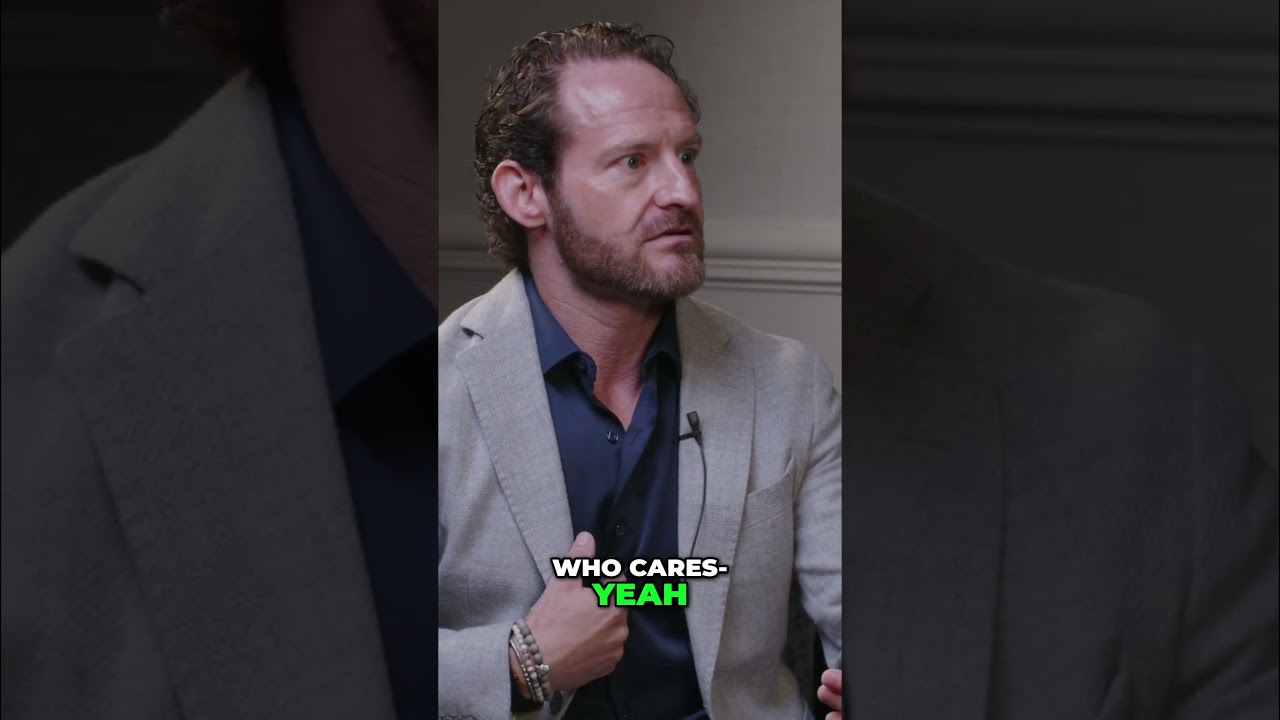
Dr. Joshua John-Ram Schacter argues that declining reimbursements from insurance companies reduce clinicians' time with patients, forcing providers to see more patients for fewer minutes and making comprehensive care and recovery-focused interventions difficult under the insurance reimbursement model.
Chapters
Declining reimbursement isn't just a problem of us getting less money. It's a problem of us getting less time with our patient. Declining reimbursement is a problem. Insurance companies control our reimbursement, and over time, we're receiving less and less for what we do. Everybody in the industry understands that declining reimbursement isn't just a problem of us getting less money, it's a problem of us getting less time with our patients. So as our reimbursements decline, we have to see more and more patients for fewer and fewer minutes. We really don't have as many minutes in the day with patients to really determine what's contributing to their health issues. How can we help them better? How can we make increase their performance or improve their recovery? Because we don't have time to spend with them. So I think staying with the insurance model, it makes it very difficult to do a complete job of caring for these patients.