Dr. Victoria Veytsman As A Panelist At The Biohack Your Beauty Event in LA
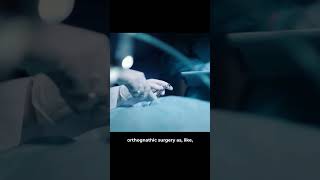
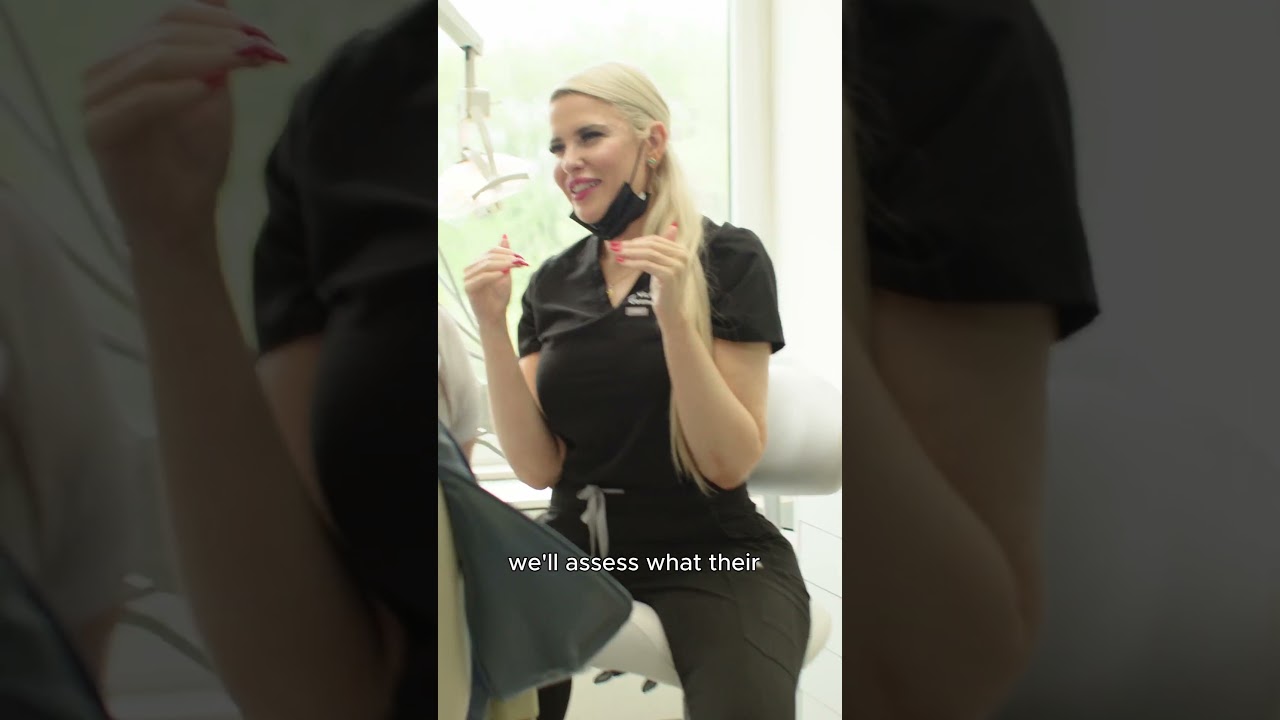
A panel discussion excerpt where Dr. Victoria Veytsman explains evaluating dental-facial aesthetics with attention to both appearance and function. She describes causes like narrow palate, tongue-tie, and macroglossia, and outlines treatment options ranging from orthodontics to orthognathic (jaw) surgery and full mouth rehabilitation using porcelain restorations to reopen and restore bites.
Chapters
More from Dr.
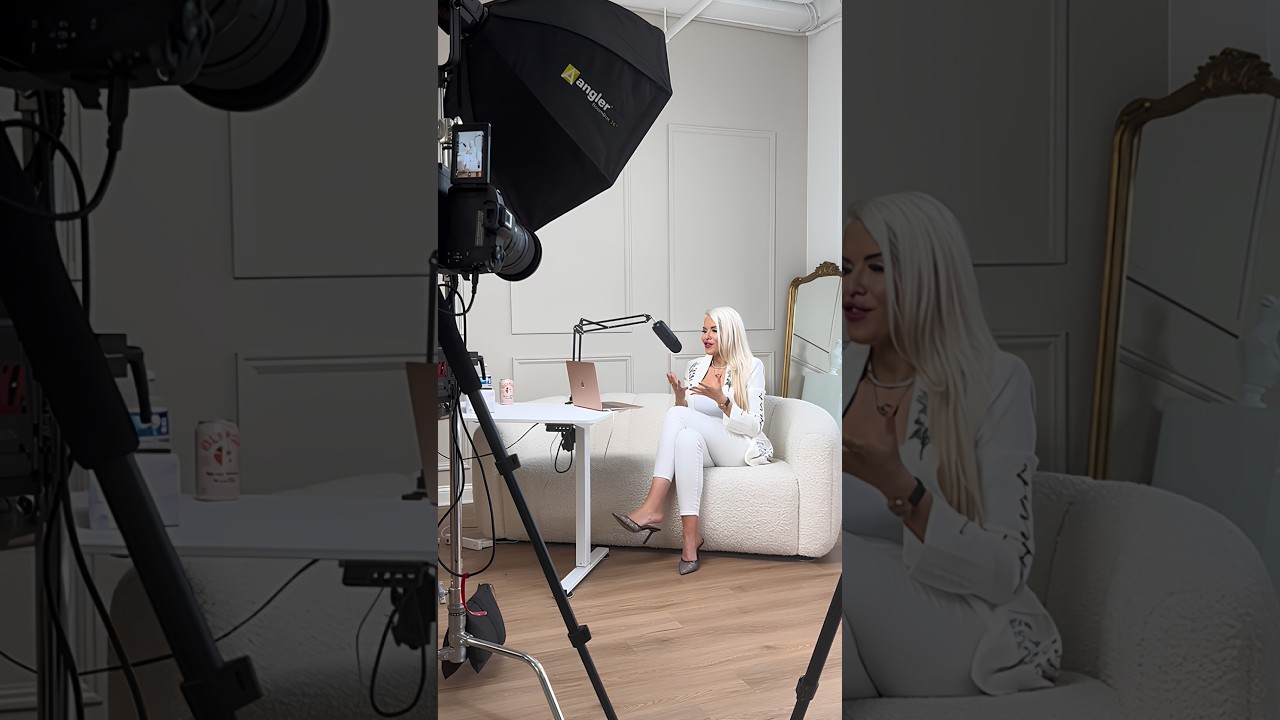
How Genetics Affect Your Smile & Oral Health | #oralhealth #cosmeticdentist #smilearchitect
As a woman who has built her own confidence over a lifetime, empowerment is the cause closest to us.
As an artist, I work with physical symmetry and dentofacial aesthetics every day. #cosmeticdentistry
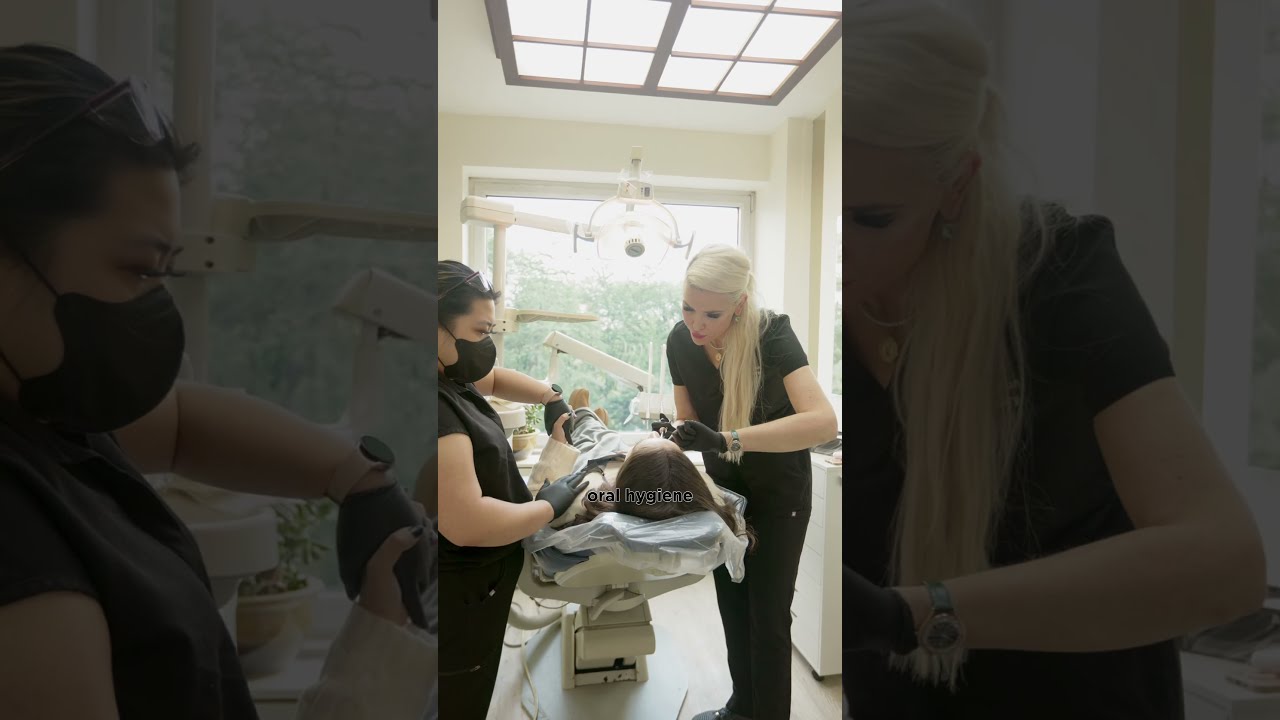
True dentofacial artistry is built on foundation of pristine health #cosmeticdentistry
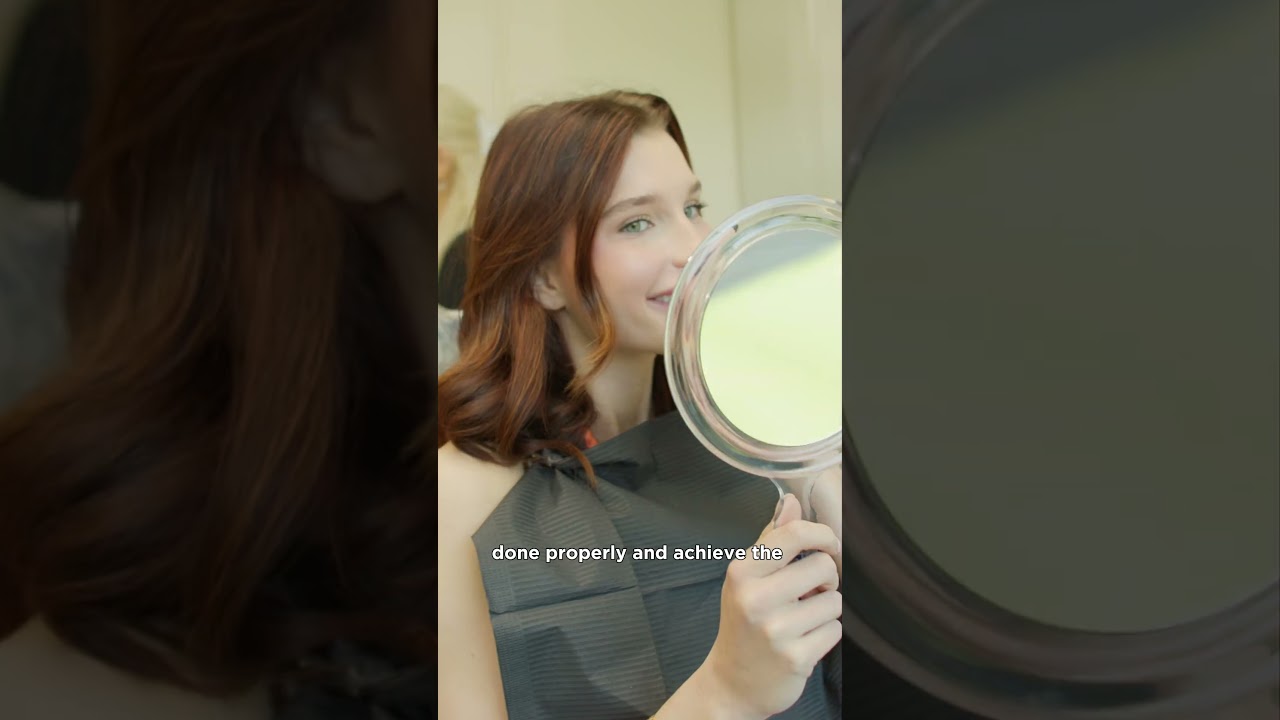
Before we think about placing custom porcelain veneers, we ensure your mouth is pristine. #veneers
We believe your smile journey should feel just as beautiful as the final result.#Veneers #dentalcare
You wouldn’t build a house without a blueprint, and your smile deserves the exact same care. #veneer

A smile makeover isn't just about teeth. #CosmeticDentistry #SmileTransformation #SmileMakeoverNYC

A smile should never be chosen from a template. #PorcelainVeneers #LuxuryDentist #SmileMakeover

When we design your smile, I don't just see teeth, I see a canvas. #PorcelainVeneers #SmileMakeover
A well‑informed patient is an empowered patient. #cosmeticdentistryconsult #smileconsultation