KISS To Sell Storytelling Masterclass
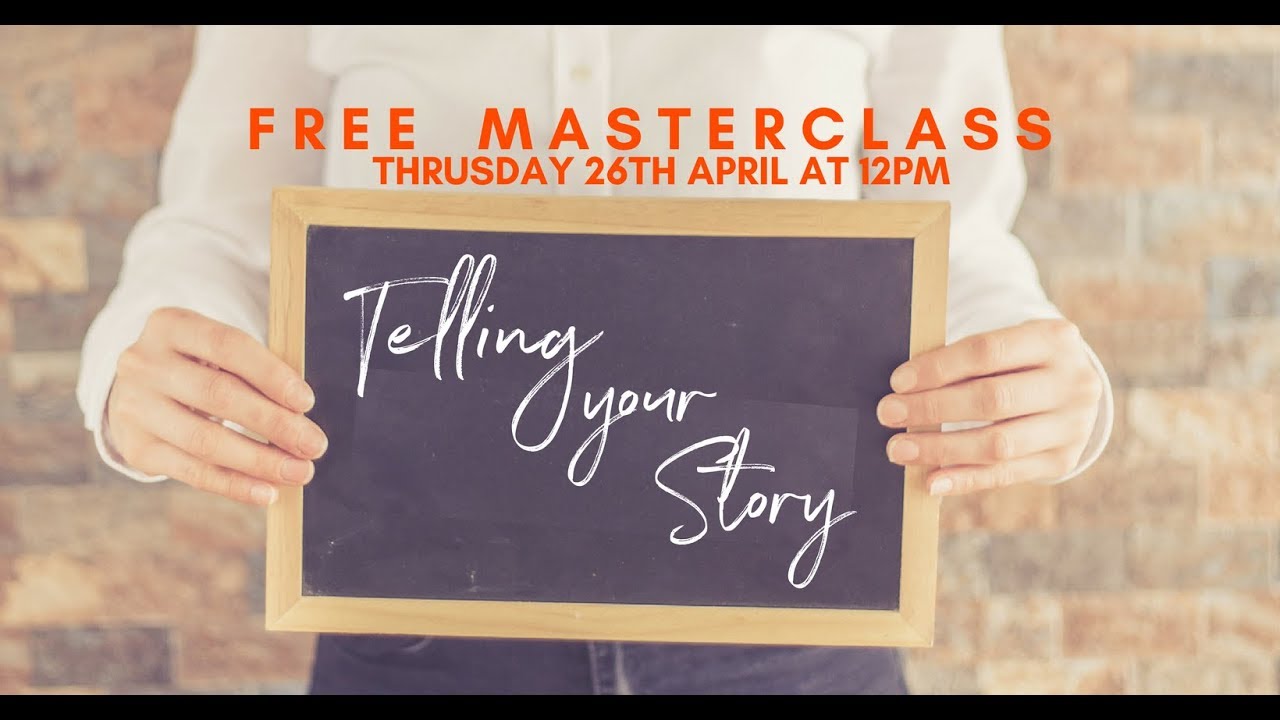
In this 45‑minute masterclass, Frances "Fran" Pratt teaches women entrepreneurs how to harness personal, client, and mistake stories to make sales conversations more human, engaging, and persuasive. She begins by explaining why storytelling works – it taps into humanity, emotion, and the innate need to see oneself in a narrative – and then walks participants through a simple three‑act structure (beginning, middle, end) that frames who they are, what they do, and why they matter. Fran introduces three core story categories: (1) "you" stories that reveal the seller’s origin, values, and unique value proposition; (2) client stories that showcase problems solved, outcomes achieved, and the client’s own voice; and (3) mistake/learning stories that demonstrate honesty, growth, and credibility. Throughout she stresses the importance of embedding emotion, a clear call‑to‑action, and the “why” from Simon Sinek’s golden circle. Practical tools include a downloadable workbook with interview prompts, a step‑by‑step story‑building worksheet, and suggested exercises such as interviewing existing clients and rehearsing stories in front of mirrors or peers. Fran also answers a live question about using stories with current clients and provides a template for price‑increase communication. The session closes with offers for a one‑hour storytelling coaching call and a group program called “Me Powered Selling,” plus an invitation to join her community for ongoing support.
Chapters
Hello everybody, and welcome along to Telling Your Story, a masterclass on how using your story can really help you with sales and engaging with your clients. So firstly, I'd like to say thank you so much for coming along, and for those of you who are listening along to the recording, thank you for doing that as well. I know that some of you have been here before or worked with me before or listened to me before, and for others, this is a new experience. So thank you all for coming along again or coming along for the first time. So just to let you know what's going to happen over the next 45 minutes to an hour or so, we've got a bit of a presentation. I love questions. So please, as we're going through, feel free to ask questions and put them in the chat box. I have muted everyone so that we can do that. And if you pop the questions into the chat box, then I can respond to them as we go through. As well as sending you a recording of today, as with all my masterclasses, I send you a workbook as well. The reason that I do that is because To me, listening to me is fabulous. Don't just believe me. But putting these things into action is where it's all at. So the workbook will absolutely help you do that. And that's where the gold is, in you applying and practicing and doing things for yourself. So a little, just a little bit about me. I know some of you already know about me, but I've been in sales and selling for over 20 years, and I've always loved it. I've always loved the client interaction. I'm— I've always been really good at it. But over the last 6 or 7 years, what I've really learned is how to teach others the hidden rules of sales and how to do it in their own way and find their own personal sales style and system. And to be honest with you, that's where I find my greatest joy. When I see women who are awkward and don't really like selling Turn around and really embrace it and embrace their clients and the whole buying journey and feel so much more comfortable and successful because they're getting clients on board. It just makes my heart sing. So, um, hopefully you will experience some of that today. And that's my aim and goal and mission. So Here we go. So I want to just start by talking about with you why storytelling actually works. Why is it that storytelling is such an important tool for you and your business? Then once we're all in love with stories, just like me, I want to show you how to build winning stories. And then people say to me, well, Fran, but what, what stories should we tell? So I've absolutely got that covered off for you. And with all my masterclasses and anything that you see from me, there'll be actions and things for you to practice. So the reason storytelling works and have worked for thousands and millions of years Is because they're about people. They're about engagement. There's a reason that we tell stories to our children. It's because they see themselves in the story. They engage with the story. They learn things. They get to like or hate or fall in love with the characters. So, there's so much richness in stories that is so deeply, deeply human. And often when people think about sales and selling, it's the dehumanized aspects that they don't like. They don't want to feel like they're being pushy or just telling people. Whereas if you can engage people with the stories and attract them and explain to them what working with you is like, then they get an experience about what you're like and what you might be like to work with. The reason stories are really pivotal in what I teach people about sales and why I focus on them so much is because they really work for people. When someone's standing up and talking about themselves, you know, what do you do? That question that we always get. When we tell a story, We, we disengage from it. And what that enables us to do is be more confident. So rather than saying, you know, I'm an accountant or I'm this or I'm that, it's, you know, the reason that I started my business was what I saw was— it's so much easier for us to talk like that and to tell a little story. And when we're easy and confident. Then the other person listening is much more likely to engage because we're not sounding stiff and like, oh, I hate that question. Why they work for other people is because it takes them on a journey. It gives them a much richer understanding of who you are, what you do, why you do the things that you do, why clients buy from you. And there's a myriad of stories. So you give people a much better insight just by choosing the particular words that you're choosing, choosing the pictures And things that you're going to, and I don't mean pictures as in pictures, but how are you going to picture your business for this person? And in saying that, you can see that a story actually is a picture because it paints a picture for the listener, and that's why it works for the other person, and it helps them really understand more about you and your business. So let's move on to how to build a story. So I know you're going to look at the slide and go, beginning, middle, and end? Great. But it's true. Great stories, just like the ones that we read to our kids, have a beginning, a middle, and an end. But let's unpack that a little bit. The beginning is where we set the scene, so it gives people context. It introduces the characters. It gives them something to hang on to, to understand. So often in the beginning, we might say, oh, look, you know, I often teach people that sometimes people come up with very flowery answers to what do you do, you know, like, I help individuals really Relinquish, you know, their dreams, or I don't know, they come up with some really strange things. And the problem with that is that there's nothing for someone to hang on to. Whereas if you give them a beginning, that is something they can hang on to, like, I'm an accountant. Then you can explore that further and become more informative as you go through that story. So the beginning is something that sets the scene quickly and easily for the person who's listening. Sets the character, the main characters, and gives them something to look forward to. The middle is where we introduce the meat of what are we good at? What's our unique value proposition? What are the things that people love about working with us? Why did we get into this business in the first place? What are our passions? What are our ideas? What are the things that set us apart and that are individual about us and how we flavor whatever it is that you do? And the end component is about giving them a summary. So using my, my idea of the accountant, so it might sound something like this. So the beginning is, I'm an accountant. It can be that simple. The middle is, the reason I got into being an accountant was because I always found that I was great at numbers. But more than that, I found that I really understood the story underneath them. And what I've learned is that my clients really appreciate me giving their numbers life so that they get a better understanding of their business and what they're doing. So the people I love to work with are etc., etc., etc. And so, yes. So here's the end bit. So it's kind of summarizing. Yes, I'm an accountant that loves numbers and I love the story of numbers. I'd love to help you understand The story that your numbers tell about your business and how you can change that story if that's what you want to do. So you can see that the ending part actually has a catch. It has a call to action. And if you think about, you know, people who've written stories thousands and thousands of years ago, like Aesop, at the end there was always a lesson. a moral to be learned. And the truth— the same can be true for your stories. And I think very often when people build their business stories and their sales stories, they completely forget about emotions. And that's why I've got it in capitals there. And the truth is that everybody in the world buys emotionally first. And we also know that people buy from people. People buy from people that they know, like, and trust. And if you can show them that they can know you through the beginning, show them that they can like you through the middle of the tapestry of it and the richness of it, and then show that they can trust you in the end, then that's the building blocks of an awesome, awesome story. So please, please, please don't forget the emotions because You will be absolutely leaving people high and dry if you don't include emotions in your stories. So I want to cover off how we go about building some stories. So the first and most obvious place to start with stories for your business Is you, your stories, and just like the roadmap that I have here on the slide, they're markers for people. So people, I don't know if any of you have heard of or watched the TED Talk by Simon Sinek. He wrote a book called *The Why of Business*, and he has a fabulous TED Talk, and I've included it in the workbook for you. But He talks about 3 concentric circles. And so on the outer circle is what you do. The circle— the smaller circle inside that is how you do it. But the most important thing in the center, the central circle, is why. And I often— I know I talked about just before know, like, and trust. So people know what you do. They like how you do it. But they really trust the why. So if they can understand why and how you started in the first place, what you've learned, then they will be able to engage with you as a human and engage with that story with you. The other thing to do is to think about what it was that gave you the impetus to get started. So when I think about my journey, the problem that I saw was that there's lots of sales training out there, but all of it was really aimed at people who they assumed loved sales. And I thought, but most people that I talked to in business cringe at sales. And so I saw a real need in the marketplace for training that was unjargoned. It didn't make the assumption that you're a rah-rah salesperson and wanted that style. It was a softer, more personal, more real style of selling. And you can see just from me describing that story that it gives you an insight into why I built this business, why the content is the way it is, and the types of people that it engages. So if you can see a problem in society or a problem, problem with the industry or a problem that needs addressing, that's a great story for you to tell your potential clients or people that you're talking to. The other thing about starting your business is you have an ambition. You want to achieve something. You want to do something. And we often don't share that with other people because we're— again, we, you know, we think, oh, we're being boastful, or people will think we're overambitious, or we're worried about tall poppy syndrome. But I think really people admire people who— and, you know, it doesn't have to be wildly, you know, that you want to take over the world. It can just be— That you set it up business to help other people, that you saw that what you knew was really going to help people have a better lifestyle, a better life, because they were going to be fitter and healthier, or whatever it is, or have more knowledge about sales or numbers or whatever it is that you do. So having that ambition and making that clear at the beginning, or when you're talking to people. Again, helps other people to engage, gives them a handle on who you are, why you started out, what was it, what is it that makes you tick. And as you can see from all these stories about you, I kind of think that's the central theme. That's the thing I'm trying to get across. How do you think? How do you feel? What type of person are you and how can you show that in the stories that you're talking about? So that you don't come across as sounding dry and disengaged. The second group of stories, and honestly, this is one of my favourite storytelling areas, because often when people feel worried about talking about themselves or worried about selling and being pushy and boastful and all of those sort of things. I don't get them to start on the you stories. I actually get them to start on the client stories because suddenly we're talking about somebody else. We're talking about someone who we helped. We're talking about someone whose problem that we solved. We can describe them and not us. And when we're painting a picture of that or telling a story about that, it seems much easier and it comes across and it comes out of you much better. And so you're more believable, you're more credible, and you're more engaging, and you're more likable because you're not so internally worried or have that anxiety around talking about yourself. So very, very often, if— and if this is you, if you feel awkward about talking about yourself, then I would encourage you to start with client stories. So the more you get to know your clients and why they buy from you and why they continue and what they, what, what they got out of it and what they say about you, the better you are able to build awesome client stories. So for some of you who came along to one of my other masterclasses I had, I did a little bit of a feature on this as well. And in the workbook, I've also put some questions that you can go and ask your clients to help you build your stories. So here's just some ideas. Why clients started working with you. What was the problem that they had? What was the ambition that they had? What was the thing that made them say yes to you? How did they find you? How did they discover what it was that you did? Why clients stay with you and come back. What value do they get from working with you? What— how would they describe it? I often say to people when I'm doing client interviews, if you were at a barbecue and you needed to describe me, how would you do that? Or if someone said, oh, I really hate selling, or I've really got a problem with that. How would you recommend— what words would you use when you say you've got to see Fran because— So knowing those words make it easier for you to build the stories because again, back in feeling awkward or cumbersome about talking about yourself, suddenly if you're talking about a client using their words, using their emotions, using their outcomes, you can paint that picture so beautifully. And well, that the other person gets the opportunity to engage with it. And if they have that problem and they like working with people in the same way that you like working with your clients, and they can see themselves in that story as a character, then that's the opportunity that allows them to say, oh, I'd love to do that too. And a great thing to know is what do people say about you? What do they value about you? What do they like? What's, what's the unexpected outcome that they get? And as I said, in the workbook— and I know I love talking about the workbook because that's where the gold is— in the workbook, I'll have some questions there that will help you tease that out a little bit more. But, um, If you don't have any stories yet, this would absolutely be the place that I would start. The 3rd area is probably the trickiest, and it's the trickiest because we think that people want us to be bulletproof. People think that the only stories that we should tell are all the wins that we've had and all the successes, and, you know, it's a little bit Like on Facebook at the moment, or not at the moment, Facebook in general, or online in general. People just tell the stories that other people want to hear. And I think we're a little bit sick of that, to be honest. And I think people know if you're dealing or have ever run a business or ever contemplated about running a business, we all know that we make mistakes, or even if you're human. No one, you know, grows up and starts walking the first time that they get up on their feet. We all fall over. We all make mistakes. And yet we think that we should only tell the walking stories and not the falling over stories. So I would love to encourage you to tell both. So your results are absolutely positive, and they're absolutely the wins that you've had. But I would also like you to add some spice or some Pepper and think about the mistakes you've made. Oh, yep. I used to work with clients like that, or I used to work, you know, clients used to ask me to do that and I used to say yes. But what I learned was that I actually wasn't helping them. And so saying yes to them actually was going against what I— the reason I set up my business in the first place. So now when someone asks me to do it in that particular way, what I say to them is, No, because I've learned that it doesn't work, and I don't want you to commit to something with me that I hand on heart know that doesn't work. So that's a mistake. It's got a moral, it's got a lesson, it helps engage the listener, it helps them learn why you're saying no about that particular thing. Mistakes are so important. No one sees a little toddler fall over flat on their face and says to them, right, that's it, you're never walking again. And yet we whitewash our world. So mistakes can absolutely help us in our sales stories, and they show a richness, they show an honesty, a trustworthiness about you. If you are Are willing to talk about your mistakes, that tells people something. If you are willing to share what you've learned, it shows that you're a learner. It shows that when you make a mistake, you're honest about it. It shows that when you make a mistake and you're honest about it, you actually change things. You do things differently next time. Because we all know Einstein's definition of insanity, don't we? Which is doing the same thing and expecting a different result. So we all deeply know That everyone has this evolutionary way of working, but we've forgotten that story in our businesses. So I'd like to reignite that story in your business, and I'd like to put that front and center. So absolutely build your client stories, but I want you to think about all the things that you've learned from running your business and from being in business and from working with people, because there's oodles of great characters there. There's great lessons. There's awesome reasons that you've changed the way that you do things. And I think the end result of that is this statement that I call, you know, what you hold to be true. It reminds me of Martin Luther King, you know, I have a dream. But when we tie together all the things that we've learned, all the things that we've done, all the successes, all the mistakes, All of those things, all the people that we've worked with, we build a body of truth. And these stories can culminate in that body of truth. So what you're doing through your storytelling is sharing people, sharing with people what that truth is. And that's— you can see I get very excited about stories. I love stories. So stories about you. Stories about your clients, and I want you to do some stories about results and absolutely the mistakes and what you've learned because they're more credible and they're more believable. So I'm an avid storyteller, and I am really, really good at helping other people craft stories. One of the things. That I've learned over the last, particularly last 2 years, is people can tell me snippets about their business and I can help them craft a story really, really well and a story that they love and that really engages. I think it's one of my superpowers. And that's why you'll see a little bit later on I've got an offer around helping you with exactly that if that's something that That you think you could do with some help along with. But then people say to me, well, which stories work? And I'm going to tell you, I don't know. And people go, what do you mean you don't know? But that's your superpower. And it is. But here's what I also know, and here's my wisdom and my truth. What I know to be true is that the best stories that really, really work for you are the ones that resonate with your clients, are the ones that get the response that you need from your potential clients so that they will take the next step with you. And I am not your potential client. Well, I might be, but I want you to take the stories and whether it's been one that I help you craft or one that you craft on your own, and then you've got to take it out in front of people. front of real live potential clients and ask them. Practice the story in front of them, refine it in front of them, and practice again. And in that, you will learn the things that resonate. You will learn the things that have meaning. One of the articles I wrote a long time ago was an article called What's Your Lean-In Factor? So to me, You know, a story resonates and the story has strength when the people listening lean, physically lean in. And that's a body language signal, signal that they're really engaging and going, oh my God, yes. So one of the things that I do when I'm networking, if people say to me, what, what do you do? I don't say I'm a sales coach. I don't say anything like that. I say I help people who hate sales learn how to sell. And so those people who are listening, who are in that group, they absolutely lean in. So I'm not in that little statement, and that took me years to refine. Because I just kept trying different things, kept trying different things until those people who were absolutely my clients had that, had that massive lean in. Oh my God, I've got to talk to you. Or I know the perfect person for you. So because we all either hate sales ourselves or feel uncomfortable with it or absolutely know someone who, who struggles with that. So that's why I say I don't know, because I can absolutely help you. I'm great with words. I'm great with finding a fit. But you are the one who has to deliver it. You have to practice it and refine it, and you will work out from doing that which things come naturally to you, which things come well for you, and which things get that lean-in factor, get that client engagement, because that's why we use stories in selling— to engage and convert. So where do we use stories? Everywhere. I don't think I go a minute of a day without telling a story. I tell stories to my kids. I tell stories to my clients. I tell stories all the time. I'm constantly making up stories and analogies and helping people understand things. So whenever you meet New people, absolutely, on your website and social media is a wonderful, wonderful place to tell your story, and just basically everywhere. So I'd love you to do some homework. The first thing that I'd like you to do Is to talk to an existing client and ask them for their story. So in the workbook, I will have some prompts for you to help you do that. And I want you to uncover their story—why they bought from you, what value did they see, what was unexpected about working with you—and then. I'd like you to take that story once you've kind of practiced it with yourself or in front of the mirror or with your mom or someone else. And I want you to use that story in front of a potential new client. And I want you to see how that goes. How did it make you feel? How did it make the other person respond? What worked? What didn't work? And all of those things will help you build better stories. As you go through. So, time for questions. So if anyone's got any questions, please feel free to pop them up. And as you're typing madly away about that, I will I will just tell you, I did say I had an offer for you, so I'll just share about that. Here's my— it is Storytelling Month this month, or at the end of it, but, um, and I'm offering a special 1-hour coaching call to help you craft your story. So if that is something that you would like my expertise with, it's one of my favorite things, and I would love to help you. So please Follow that link and I'd be really happy to help you with that. The other, I'm starting my Me Powered Selling group coaching in May, and if getting better and more intentional in selling is something that you want to do this year, then please join me for Me Powered Selling. I I would love it. And that link will take you through to more information on Me Powered Selling. Oh, and thank you. I've got a question here. And the question is, can I use stories with my existing clients? Absolutely. So here's some examples of stories that you can tell with your existing clients. So often people worry about increasing prices, and let me help you craft a story about increasing your prices. So we at the beginning, what I want you to do is give them context. How long have you had the price that you were using? What are the things that they need to know that have happened in your industry around costs or Or other things that have happened that have impacted on the price, your cost price, or their experience of the price? Have you added some new things? So then in the middle, I'd like you to tell them that you've made a decision. So I've made a decision that I'm going to increase my prices to this. And tell them why. Tell them that you understand that that will make it difficult for some people to continue to buy from you. So I think being honest about what the ramifications or responses might be is a really good thing to put in the middle. And at the end, I would go back to your value proposition. So I'd like to say thank you to all my clients who continue to work with me, and I really look forward to continuing helping you with the place where and the thing that you add value with. And I think existing clients, I think sometimes we bring them on board and we continue to learn and evolve, but we don't necessarily go and share those stories back with our existing clients. Often it's the new clients who get the benefit of that. So I like to go back to existing clients regularly. And it's going to be different for different styles of businesses and types of businesses. But just to say to them, hey, what's new? Because just as you change and evolve over time, so do they. And so if you ask them, what's new? You know, what are your plans for the next financial year? What What, what's, what's been happening with your business, whatever it happens to be. Then you can share with them about you and what you've learned over the last 6 months or 12 months and what your plans are for the future. And what you might discover is that there might be something that you can absolutely help them with, with that. And that's a great way to uncover new business from your existing clients. Because very often what I find is when I start working with companies and individuals are no different, that your existing clients, there's unmet needs there that you could absolutely sell new things and new products and even the same product over again, potentially. Pardon me. So thank you. Thank you for coming along. And I'd like to encourage you to keep coming along to my masterclasses. And as I said, I'll be sending you a recording of this and a workbook. And please feel free to come over on my Facebook page or email me directly. Or the Facebook group, whatever, and ask questions and just reach out if there's something more that I can help you with, because I want to make selling and all the skills around that accessible and easy for you. And the more questions that I get from people who are struggling or feeling uncomfortable, then the better I'm able to help you. So thank you again for coming along, and I I hope you have a beautiful rest of the day, and I'll see you again for our next masterclass next month. Take care. Bye.
More from Frances

Stop crocodile selling — help people buy. Snapping your way to selling JUST - DOESN'T-WORK.




Your 'shiny' sales words are killing your deals. How to build trust in sales. Architecture of trust.





