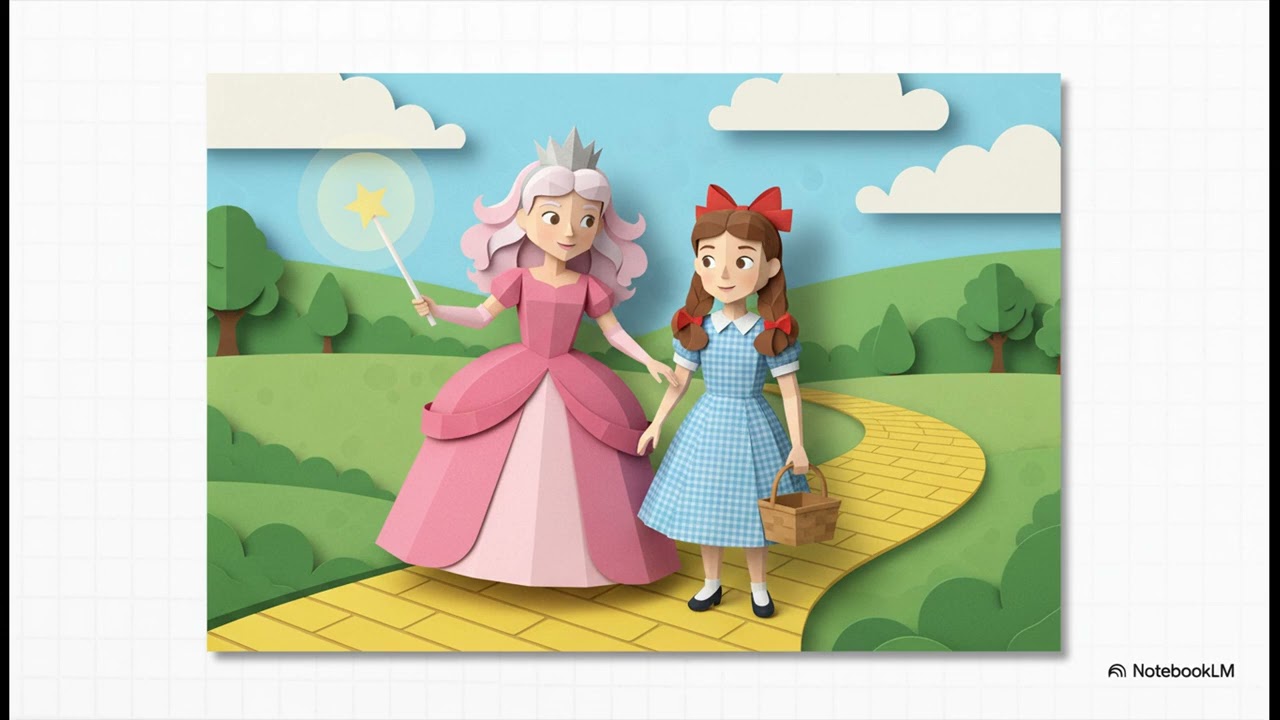
In this YouTube explainer, Frances Pratt reframes sales from a manipulative, push‑y experience to a trust‑based, helpful journey. She begins by diagnosing the "yucky" feeling many have toward selling, attributing it to an outdated "crocodile/dinosaur" mindset that equates sales with aggression and manipulation. Using the metaphor of the Yellow Brick Road, she shifts the narrative to view sales as a collaborative adventure where the seller acts as Glinda, the Good Witch, guiding the customer (Dorothy) toward a solution rather than forcing a sale. Pratt introduces a three‑key framework—brains (mindset), courage (action), and heart (how success is measured)—and emphasizes that all of these rely on a single foundational ingredient: trust. Trust is expressed as a simple formula: (credibility + reliability + intimacy) ÷ self‑orientation, with practical advice on building each component. The talk concludes that authentic, helpful behavior is the true sales superpower, urging listeners to start each interaction by asking, “What problem can I help someone solve today?” All concepts are drawn from her book More Sales, Less Marketing.
Chapters
All right, let's talk about something that makes a lot of people, well, uncomfortable. We're gonna talk about selling, but we're also gonna talk about how to take that sticky, kind of gross, yucky feeling out of it for good. You know, this quote from the guy who wrote The Wizard of Oz, it really hits home, doesn't it? Just swap out hating others with hating selling. We spend so much energy dreading it, but honestly, there's no fun in that. And it doesn't have to be that way. So let's just get right to it. Why does that word selling just feel so off? I think for most of us, it brings up these images of being pushy or maybe a little fake or trying to convince someone of something. It feels like a performance and not a very comfortable one. And that's the problem we're going to solve. To fix this, we've got to get to the root of that yuck factor. Where does it come from? Well, the source material for this explainer has a fantastic name for it. It calls this the age of crocodiles and dinosaurs, a perfect way to describe a very old and very outdated way of thinking. And here it is. This is the core of it. We hate the idea of selling because in our heads, it's linked to manipulation. We picture that slick, fast-talking salesperson, and our immediate reaction is, I never want to be that person. So what do we do? We just avoid selling completely. The book calls this bad selling, and I love this metaphor. It's a relic. It's an artifact. Just because there are still crocodiles around doesn't mean we're living in the age of dinosaurs, right? That old, aggressive way of selling is a dying breed, mostly because we as customers are way smarter and have way more information than ever before. And just look at the difference here. It's night and day. Bad selling talks at you. Great selling listens to you. Bad selling is all about them, them, them. Great selling is all about you, the customer. And this last one is huge. Bad selling tries to handle your objections like they're a nuisance. Great selling actually looks for objections because that's how you find the perfect solution and build real trust. These aren't just different styles; they're completely different things. Okay, so if we're leaving the age of dinosaurs behind, what's next? Where are we going? Well, that brings us to a new path forward, and the book uses this wonderful metaphor to show us the way. The Yellow Brick Road. Here is the big, crucial mind shift. Great selling— it is not about pushing something on someone. It's the art of helping someone fix a problem they have or get something they need. That's it. When you think about it that way, it's not yucky at all, is it? It's just helpful. And when you make that mental shift, everything changes. Suddenly, it's not a fight. It's not a negotiation or a battle. It becomes a journey, one you take with the other person. And that is the Yellow Brick Road. This whole idea transforms something we might dread into a shared adventure. It's about discovery, not conquest. So, if it's a journey, what's your role? Well, you're not the hunter anymore. You're the guide. You're Glinda, the Good Witch. Your job is to help your client, your Dorothy, find their own way home. Now listen, 'cause this is really important. As Glinda, it's not your job to drag Dorothy all the way to the Emerald City. No way! Your only job is to make her feel safe enough and confident enough to take that very first step off the porch. The pressure is completely off. All you have to do is help them get started. Okay, this all sounds great, but how do we actually do it? Well, the book gives us a super simple framework. 3 keys. And yeah, you guessed it, they're brains, heart, and courage. First, you need the brains, which is your mindset. You have to consciously reframe this whole thing as helping. Second, you need courage, which is your activity. You gotta get organized and, well, actually talk to people. And third, you need heart, which is how you look at results. You have to redefine success. It's not just about the final sale. A great conversation? That's a win. Making a new connection? That's a win. You gotta celebrate those small victories along the way. But here's the thing— none of this— the journey, Glinda, the 3 keys— none of it works without one single essential ingredient. What is that yellow brick road actually paved with? What's its foundation? It's trust, plain and simple. If your client doesn't trust you, they're never going to take that first step off the porch. Trust is the only currency that matters in great selling. Now, this might look like a scary math formula, but stick with me, it's actually just a simple recipe. Trust is built from credibility plus reliability plus intimacy, and all of that is divided by self-orientation. And notice where that is— it's the denominator. The bigger your ego, the more you focus on yourself, the smaller the trust gets. And here's how you put that recipe into action. Credibility? Just tell the truth. Be honest. Reliability? Simple. Do what you say you're gonna do. Intimacy? That just means you dare to ask good questions, and then you actually shut up and listen to the answers. And all of that is powered by keeping your self-orientation low. Make it about them. Always. So, we've walked the road, we've got the map, we understand the ingredients. How do we bring it all together? How do we find that power inside us to actually do this? Well, it's time to click your heels. And this is the secret, right? This is the big reveal at the end of the movie. Just like Dorothy, you've had this power all along. It was never about some special trick or some wizard behind a curtain. It was about realizing what was already inside you. Think about it. The things we've been talking about— connecting with people, helping them solve problems— that's not some weird sales skill you have to download into your brain. It's just a fundamental part of being a good human being. The big takeaway is this: you don't need a sales persona. In fact, that's probably the worst thing you could do. Your greatest power is your authenticity. Your success comes from being genuinely helpful and just being you. And so we end here. Your journey down the yellow brick road doesn't have to start with some big, scary pitch. It starts with a single, simple, generous step. Forget about asking for the sale. Instead, just ask yourself this one question: What problem can I help someone solve today? All of these fantastic ideas come from the book More Sales, Less Marketing by Frances Pratt. Thanks so much for walking down the yellow brick road with me today.