Day 1 Tourism Panel Kristine Thompson et al
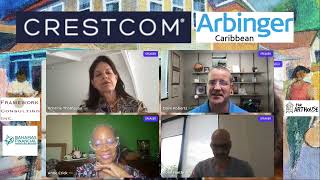
The panel, moderated by Ann Crick (UWI) and featuring Christine Thompson (CEO, Carbot St Lucia), Prof. Dave Roberts (Cornell), Koen (Marriott), and other industry leaders, examined how Caribbean tourism can recover and thrive after the pandemic. Participants framed strategy as the disciplined allocation of scarce resources and emphasized making hard trade‑offs about what to pursue and what to abandon. Key discussion points included market segmentation and source‑market targeting, brand authenticity and differentiation, the critical role of human capital and talent pipelines, sustainability and water‑intensive golf‑resort development, data‑driven decision‑making and KPI design, and the evolving nature of partnerships—from OTAs to media ambassadors and government agencies. The panel also debated the dangers of short‑term crisis thinking versus leveraging the crisis as an opportunity for strategic reset, pricing power, and industry consolidation. Throughout, speakers stressed the importance of culture, leadership, clear communication, and employee engagement in executing any strategy.
Chapters
people. And next up, they should be jumping on screen. We actually are moving into our tourism panel, and, um, it's, it's actually one of those industries that it's very pervasive. Of course, in the Caribbean, some, some islands are more focused on tourism than others, but we all benefit from it, and it's, um, and we're all impacted by it in many, many different ways. So I see the—
this— hello, hello.
Hi Christine, we are hearing you. Christine from Cabo San Lucas. Hi Dr. Craig.
Hi Anne.
Hi.
Anne is a former colleague and very, very happy to, you know, share this conversation with you or this panel with you. I'm handing right over for you to introduce your speakers this morning.
Okay, are you hearing me well, Lisa? Everybody hearing me? Okay.
Yes.
Okay, you are. Wonderful. All right, let me let you see me. Um, it is my pleasure to be here with this, this great panel. I have met them before, and I'm looking forward to their insights. As Lisa Marie just said, tourism is our lifeblood in the region, and, um, You know, one of the things I shared with the panel is that when we had the tourism cease, it was something that none of us could ever have imagined could happen even for a minute. And yet it happened, and yet we are still standing. But we really want to understand what do we do with this? How do we go forward? What are some of the strategies that we need to— undertake and what are some of the risks that we need to think about. So let me tell you a bit about myself briefly and then about the panel. So I am Ann Crick and I am a senior lecturer at UWI, University of the West Indies, I'm sorry, Mona, and I have a background in hospitality and tourism. And then before I jumped over to academia for reasons that I still am trying to figure out, All right. Then we have another female on the panel, Christine Thompson, who is the CEO of Carbot St. Lucia. And I see TT because I see you were working with Sunshine Snacks at TT. So you're like me, you cross fields, right? And she has expertise, great international expertise in Toronto, New York, Buenos Aires. So she's been around the block. So she's going to bring to us lots of great insights. Then we have to the right on my screen, at least, Prof. Dave Roberts of Cornell. So if you know anything, Cornell is crème de la crème when it comes to hospitality and tourism. You know, we used to say their name with reverence. He went to Cornell. So Dave is there, but before that, he was with Marriott. And for 22 years, I think you said, and then in 2020, like me, and maybe you have your reasons, he jumped into academia, and he is now at Cornell, and his focus is on business strategy and revenue strategy. And certainly, that is something that we really want to talk about, the how do we make money, and, you know, what are some of the changes we need to think about. And then we have Cone, Cone, sorry, down the road from me in Jamaica, I'm speaking to you from Jamaica. And he is also a Marriott person, Marriott times 2, right? Because he opened 2 of our Marriotts in Jamaica, and he's currently with one of them. And he's an awardee winner, Mustang awardee winner, and in 2015, and also a Mustang Edge winner. So he is clearly top of his field and thinking through what are the things that we can do to differentiate ourselves in a crowded marketplace. So that is the panel that you have in front of you, and what we decided to do, we'll have each of them make a few remarks, 5 to 7 minutes, and then after they've made their opening remarks, and we want you to be chatting. I was sitting in on the last panel, and I see that you are very interactive, so I'm going to believe that if IT can get that energy, so can tourism. So please keep interacting with us, I'll be taking your questions and I have a couple of my own that I will pose to you as well. So, Prof. Dave, over to you, your remarks.
Great. Well, thank you, Ann. It's a great honor to be on the panel with Koen and Christine. Thank you to the attendees for joining today. I did catch the tail end of the last panel also, and it was neat to see everybody so actively engaged. So we're talking about tourism and strategy, and these are turbulent times for tourism. The conference is about strategy, and this session is going to be about the application of strategy to address some of these challenges that we're facing. So I thought I would start and just set the context a little bit for some of the turbulence that we're facing. There's a lot of challenges in travel and tourism right now. Just to touch on a couple of them, there are cost increases. A lot of that's driven by inflation. There's significant margin pressure. There are labor challenges, labor challenges way beyond the cost issue. We can think of that in terms of human capital. There are demand challenges, obviously driven by COVID, but now we're focused on a post or with COVID recovery. They're increasing customer expectations and it puts some pressure on our ability to deliver on those expectations. And then there is the challenge of technology that the last panel just talked about, and it's expensive and we need to drive adoption of that technology, but also to get the value of that technology. So that was— I just want to set the stage for some of the challenges that tourism faces. So the question is, how do we develop a strategy? I'll go off on a little bit of a tangent here, if I may, Anne. In my view, strategy, the word, is the most overused word in business. And when I'm talking about strategy, I don't mean a mission statement. Or some sort of a lofty vision. I think of strategy as the allocation of resources, and I'm going to pause for a second to let that sink in. The allocation of resources. We have limited time and money, and so a strategy is what am I going to do, and then also what am I not going to do. And there are trade-offs, and those are difficult decisions. Um, I spent 3 years of my life in the travel business. I worked on airline strategy, I worked on individual hotel strategy, sets of hotels, and in fact, uh, the global portfolio of hotels strategy. Um, here's one thing that I've learned about strategy: if you cannot name something worthwhile, some worthwhile activity that you have chosen not to pursue, then you haven't made the tough trade-off decisions and you do not have a strategy. It's very easy to say I have a strategy and spell out what you're going to do. But if you can't name things that you're not doing, you haven't made those difficult decisions. So that's— I would say that's the most important thing I've learned about business strategy in 3 decades in the industry. So there's a lot of challenges that we talked about. Just to touch on them again. The demand, the recovery of demand. If you think about application of strategy to that, I think in terms of defining segments and source markets. So let's say you're running a hotel. Think about the segments of business that you're going to go after, and it has to be not all of them. And think about specific source markets that you're going to target, and again, it can't be all of them. And think about channel distribution partners that you're going to work with, And it, again, it can't be all of them. We can talk much more about that topic later. And then in terms of cost pressure, margin pressure, are there areas where you can reduce costs without a significant impact to the guest experience? One example that's talked about a lot in the industry now is housekeeping. And some people value daily housekeeping and they should be able to get it. Some guests, in fact some significant number, do not value daily housekeeping. In fact, they don't want it. Well, that's an area that you could figure out how to reduce costs there. And then the labor issue is enormous. And again, it's beyond costs. We're talking about acquisition of talent, development of talent. Human beings are meant to be cherished, and that's the same with associates that you work with. I'm going to cut that one short. I know Koen has a lot of ideas on that, and we can talk much more about that later. My point in all of this is that these are daunting challenges for hospitality, but all of them are addressable with the application of strategy. I'll stop there.
Thank you. Thank you very much. I think it's Stephen Covey who says that we have to think, what are we saying no to? Because you have to make the choice, and you're correct. So, I have often seen companies with, you know, strategic document, 8,000 things, and of course, a lot of them are not going to happen. So, we have to carefully think about that, and no time like the present when, you know, thank you for that definition about resources. Resources are always scarce. How are we going to use the scarce resources? Coming out of a lean time in tourism, so, you know, people are trying to recover their money, but how best should you go about doing that? Okay, so great. Let's go to you. Your name was mentioned, Mr. Cohen. So you go ahead and live up to your— our expectations.
No pressure.
Good morning, Paul and Dave. You really made me think even more after our last conversation about, you know, strategizing, what are we doing onwards. But, you know, when you talk about strategy, also, you know, KPIs come to mind. How do we monitor? How do we assess? How do we evaluate, you know, our strategies? Because we're coming out of these 2 years where we literally every month thought we could re-strategize and then to be pushed back again. So coming into this year where you really feel, you know, a new chapter is upon us, you know, we can start thinking more long-term strategy. And with long-term strategy also obviously come, you know, how do we measure what we do and how do we assess success or not? And what you say, you know, when it comes to segmentation, so powerful because and I'll talk a bit about this, but as a business, we are a brand. And if we decide in our efforts to recover and look at so many different channels to make market fun or diversify our product to the extent that our guests will not be able to recognize our core brand or our culture, we are making the wrong direction in terms of strategy. So we always have to align ourselves to who are we in essence. And that's the conversation that, you know, post-pandemic needs to be had. There needs to be this reset and, you know, where businesses revisit their brands. What was our brand in essence and how can we rebuild that? And yes, you know, we can venture into new directions because the world is not the same as it was 2 years ago. You know, people have different ideas about how they travel, how they conduct business, the length of their stays. You know, there's so much more diversification in a simple journey. So as a business, we have to respond to that. So brand becomes and remains critical. But how do we serve? How do we align our projects with the— sorry, product and our services with this new demand or these new expectations, and that requires strategic thinking. And then the other part which you mentioned, Dave, and it's critical, but it's the human capital. You know, you see in the last 2 years people have adopted different specialisms, they have adopted different, you know, goals in life. And where, for example, young students would look at hospitality for, you know, their first journey into a profession, they are starting to look at maybe more online, more entrepreneurial, you know, direction. So, so how does hospitality engage human capital? And, and, you know, deep recruitment always was, you know, in a sense, a topic where, you know, we would go and engage universities, where we would engage in internship programs. But we have to go further. Now, where we identify a customer journey, we now also have to identify our associate journey. Because it's no longer about businesses picking, you know, their future employees. It's about employees selecting the company they will be wanting to work for. So recruitment becomes more and more this, you know, two-way street. If we have people interviewing for positions in this hotel, we have to be punctual. We have to create an arrival experience. We have to make a presentation where people feel compelled to say, wow, 'This is really a place where I could see myself work.' And if we do less than that, you know, we're selling the business short and we're not attracting the right talent. And that's just the tip of the iceberg. You're talking about, you know, a package of compensation, primary, secondary, you know, what are we doing to create a future for, you know, our future assets. Because as a business, I think our core goals right now is redeeming the value that we had and that we saw before the pandemic, getting back there. We need to sell to the value of the business. And for that, you need engaged workforce. An engaged workforce can only be there if they feel engaged to the mission, engaged to the culture, and they're adequately rewarded for being there. You know, I think strategy comes in so many, many, many, many ways. And, you know, we have to redefine our KPIs, redefine, you know, turnover ratio in staff, development opportunities. And as you say, how do we align, you know, with the brand that we are? And I keep it to that, Anne, because I know we just have an hour. I think Dave and I would be talking for days if you'd let us.
Yes. And we— and there is at least one more person to speak. Questions coming in. Thank you very much for that. So what you have introduced, uh, put something into the conversation, is the, um, is the human capital. And that, that, that is huge, because without paying attention to our human capital in our strategy, then we, you know, we have no opportunity to do very well. And, um, that's often the element that's left out of strategic planning. You know, we We figure out what markets we want and so on, and then afterwards we say, okay, now how are we going to do it? And what I hear you, and I love the term, is it a Marriott term, the idea of journeys?
When you talk about journeys, we in our group, we talk about the journey for a customer, and it's, you know, everything is a journey at the end. So I think a journey, when we talk to our new team members, you know, everybody is on a journey. Yes. Regardless of it being professional, being personal, and I think it becomes relatable when you, you know, you're trying to create that perspective for them.
Right. So I love that, that is not just the customer journey, but it's also the internal customer journey that we will think about. I'm going to let Christine jump in and have her say, and then I see the questions mounting and we'll get to those. Go ahead, Christine.
Hi everyone, and thank you so much, and hello to fellow panelists and all of you listening in. Um, really interesting discussion. I think we are at a slightly different stage in that we are in development mode, so we're not operating yet, which actually creates the opportunity to— for a whole lot of strategic decisions because you're actually at that stage where you can Um, and so perhaps I could talk a bit about some of our thinking in terms of hospitality, um, operation in the region and, and, and so many things that we thought were important to our success. Um, one is that we had more concerns about, um, investing in plant— in other words, capital-intensive large-ticket item buildings. And so, um, and, and sort of getting a re— or expecting an acceptable return off of that alone. So we are going, um, the route that you would have seen like the Four Seasons and some of those sort of higher-end brands go, where there's a significant real estate component coupled with the hospitality operation. And what that allows— so, so, Cabo is building a golf resort but a real estate community around that. And I think what we've seen, interestingly, um, and, and the, the relevance to Caribbean hospitality is becoming more and more blurred, but we've seen a real explosion of real— of Caribbean real estate values, um, in the, you know, throughout the pandemic as people realize that they can sort of operate off the grid and spend more time outside of urban centers. And that is sort of, for us, being quite a sort of merger of the whole hospitality concept. So when you can sell real estate at, you know, attractive prices, that allows you to fund and operate a hospitality operation in, in a slightly different way. So that's been an important part of our strategy. Um, the— on the golf side, we are destination golf. So people will travel from all over the world to play golf, as opposed to being a resort with a golf course. And that was a very important distinction for us, and it allows us to sort of differentiate from other offerings. Um, another trend that I'm seeing a lot of I think there's been a whole rise in social issues, environmental issues, and we are very conscious of being much more integrated with community than perhaps we would have been before. And I think that's really important part of talent acquisition as well. So what is your responsibility to the environment, to the heritage, to the culture, to socially, et cetera? It allows you, I think, to also develop purpose. That is very much a part of talent acquisition. So young people want to work somewhere where there's a sense of purpose and values as opposed to just another job, right? Um, the— also the, um, diversity and inclusion piece. For example, you know, one of the things we're looking at is, you know, the introduction of women in golf, for example. So can you, you know, with which— for golf diehards is a really difficult conversation because it's been a very male-dominated sport and activity. Um, but all of a sudden now you have many families and couples where both members of the family are working, the men and the women. And all of a sudden, you know, when it comes to paying dues and club fees and HOA fees, they're like, well, whoa, um, you know, I'm not willing to put my, you know, my income into something where I feel that women are treated differently or are given a different level of service. So that now becomes very much front and center of the product offering. And of course, that is again another, another sort of cause that appeals very much to your workforce if you're trying to hire. In terms of marketing, we very much gave you some channels. We very much made the decision to do, um, all direct, so we don't really work through third-party channels. That's helped a lot on the cost side. I mean, it is a much sort of niche, uh, you know, high net worth market, but we've found a lot more success on strategic PR, um, you know, pieces, you know, hosting media trips, having, um, journalists from Financial Times and the New York Times and, you know, Global Mansion and all these places come down, Architectural Digest, and write about the development even, you know, a year before it's open. And that creates a whole lot of awareness, not only for the project but for the country as well, which works for the stakeholders like the government, like the tourist boards, etc. Um, strategically also, I think we're seeing the increased need to do better data mining to understand who the customers are. How many times have they come? What do they like to drink? What do they like to eat? What do their kids like to do? And sort of really developing a far more, far deeper and more real understanding of the consumer that goes beyond demographics. And really using that, um, in referrals. For example, tell us, you know, a few of your friends that you'd like to refer. And that is a are far more— we find a better way to target our, our, you know, our prime segment than just sort of a scattershot approach. Um, also looking into, you know, more loyalty programs, etc. And then I can't underestimate the importance of, of course, Some more, you know, you'd ask the question, and about taking it up a notch, we've definitely gone more upmarket. Why? Because that segment is less affected by economic shocks. Um, you know, they made a lot of money during the pandemic. They also lost a lot of money in the last 2 months, haven't we all, on the stock market. Um, but, you know, there is a certain amount of resiliency and so on and a buffer there that you don't have these, you know, volatile rise and falls as severe in that level of the market. And then the last thing I would say in terms of trends we're seeing is a greater focus on authenticity, authenticity of experience. So, you know, we operating in St. Lucia, yes, I wanna, you know, have a great F&B experience, but I also wanted to be in infused with local flavors, local ingredients. I want to go and see an authentic music festival. I don't want to really go and see a band playing Hot Hot Hot with people, you know, kind of— we know the conga lines around these hotels. Like, you want to be able to go outside the property and experience authentic, but let me be clear, not totally authentic like we as Caribbean people necessarily know. So it has to be some sort of hybrid that is still comfortable but gives a glimpse of authentic, but it's not too, too raw, if that makes sense. Yeah, so it's sort of finding that right balance, and I think that's what people are looking for in the Caribbean. And we tend to be, I think, sometimes apologetic as Caribbean people, like we try and sort of protect them from the gritty, you know. And I think we need to be really proud in what we uniquely offer in the Caribbean and be able to package that and present that in a way that, um, is not too uncomfortable or people feel threatened from a safety point of view, but allows them to get closer to what— who we are and what we represent. Than maybe they have been before in this sort of very packaged entertainment that they might, you know, experience in an all-inclusive, for example.
All right, thank you. And, um, I love this panel because what we have done so far, we have kind of done a wonderful map of everything because what you brought to that, to the discussion, is the whole environmental issue That, that is huge. And, you know, of course, one of the things we always say about golf courses is the amount of water that they use, you know, and how detrimental that can be. So, you know, when you're setting up a golf resort, you, you take that in mind and you, you do the things that allow you to be sustainable. You also brought in, um, the whole issue of diversity and inclusion, and we know that people are making choices based upon that. So, you know, that is something that as companies we have to put our values out there. But we don't just put out values and, you know, you know, mission statement on the wall and we value people, but you don't treat your people well because, you know, that will eventually leak out in this very transparent world. So I think that that is very, very important. And the other thing that you mentioned, well, authenticity is always— that's my passion. I could talk about that forever. But the whole issue of data mining. And it is an open secret in the Caribbean that we don't do a great job of capturing data about this number one industry. It's really hard for you to find out how many people are directly employed, indirectly employed, how much money we are getting off of things, what are the preferences, and so on. So that is one of the things I believe will really undermine us when we come to strategy. So thank you everybody for those initial thoughts. And, you know, we have people agreeing. I'm just running straight to the chat and they're agreeing with the idea that it's difficult to do everything and serve everyone. So you were very clear, Christine, when you're talking about this is who we are. We are upmarket and we are dealing with people who are coming, I guess your, your stay is pretty long when people come on the golf vacation. So your people don't just come to the place that happens to have a golf club, golf course. They're coming for that. So I think that is part of it. And then Lisa Marie says, who we are, who are we is a critical question for strategic success. Many organizations are losing their way. And I want to agree with that and maybe invite you, Koen, to speak a little bit about branding. You touched on it. A little bit, but I want you to maybe go a bit deeper into that.
Well, I think as a brand, right, and you can, I mean, Marriott, and they will attest, you know, is a very big hospitality organization with over 30 different brands. And you see as a business, and this can be, you know, a Marriott, but also a privately held hotel, you know, in any location, it is just very important that you establish what you are, what are your products, what are your services, how is your culture built, because a lot of it comes from, you know, from the people at the end of the day, the people will live and breathe your culture, you know, the extent to which you empower You know, your frontline will define the success of your business, and that represents, you know, a brand. So I'll take AC Hotel as an example. In essence, AC Hotel is a Mediterranean brand founded by Antonio Catalan. It is a lifestyle brand. So it also speaks to, you know, in a sense, a multi-sensory being is just not something you, you know, it's not the scent, it is not the sound, it is really how people feel when they enter an environment, you know, like that. And, you know, as a brand, for example, we boast a lot of art, we boast, there's even a brand scent. So I think what brands do is kind of have a product according to a set of, um, um, let's say circumstances where, where people can identify with. So for us, you know, we, we, we attract people that, that, you know, obviously come for business in this city of Kingston, uh, but that also have interest in art, that have interest in meeting or doing business in the hotel or, or socially mingling. So, so this brand really attracts to people who have certain expectations or purposes of visiting. And if I compare that to the Courtyard Hotel that I opened in the same city 5, 6 years ago, the Courtyard is really more focused as a brand on providing a stable base for people to work from. So you would see persons coming there for business, yes, but they would leave in the morning and come back in the evening. And if you would compare, you know, for example, the food and beverage in both of these areas, at the Courtyard you would see persons having dinner and opposite them would be an iPad where they would have either a movie on, a documentary, or home, right? And if you go to our AC Hotels food and beverage establishment, you see people talking people meeting others, having a drink socially, or even having work meetings. So the dynamic is just very, very different. And I think the big challenge is in terms of how do we recover as a business, because every business has suffered over the last year. So the first response will be like, you know what, we need to try everything to get as many people in this building as possible. So you could diversify and say, okay, no, let's also start selling sushi, or let's start doing, you know, Italian themes, or let's do this, or let's do that. But I think the first question always has to be, how does this connect to our core brand delivery and our promise?
Yeah, Dave, do you want to jump in? I see you nodding.
Yeah, Koen, those are excellent points. I just add one, one thought about the importance of branding. The younger generation in particular, but every generation is increasingly tuned into authentic-euphonium of branding. And unfortunately, there are too many examples of, well, not just hotels, but since we're talking about hotels that have a stated brand purpose that don't deliver on it. And it becomes painfully obvious. And there's a lot of, unfortunately, a lot of that around sustainability and green efforts, just to use one example, where hotels will talk about their green efforts and their focus on sustainability. And then a customer will look out the back and see the loading dock full of trash and food thrown away and lights left on and leaking water. And so what the hotel says they stand for is very clearly what they're not doing. That causes a problem with branding. So it's— and research has borne out that that's like a lot of things driven by the younger generation, but more and more picked up by older generations as well. This focus on authentic-euphonium, like if you say it, you got to do it.
Yeah, that's a really important point. So we're expanding on the definition of all the thinking around authenticity. So we did say that visitors come to the Caribbean or globally, they're looking for authentic-euphonium, they want street food, they want to eat what we eat and so on, safely, of course, as you said, Christine. But then they're also looking for, you know, are people well treated? As you said, the garbage, and are you recycling your water? Are you recycling your towels? I want to go one step further to say they're also looking at it, you know, are you doing this to save you money, or are you doing it as part of the brand? You know, um, so we really have to clearly, as we said, define our brand and, and, um, live that brand. Now, somebody is talking in the chat about the, the whole issue of, um, the people, and, um, they say very important points in the NACD Corporate 2022 Corporate Governance Outlook, directors cited increased competition for talent as a top trend that will have the greatest impact on business in the year ahead. So, um, Christine, perhaps as you're in the recruitment stage— are you recruiting for talent? So, um, in terms of strategic recruitment, tell us maybe a little bit about that.
Well, we— I mean, our goal is to be the most um, sought-after workplace in Saint Lucia. So, um, I don't think that that necessarily means that you need to pay top dollar necessarily. I don't think those two, um, are necessarily linked. You, you need to be competitive, but I think it— there's so much more to it than that. It's about a vision that people align to. It's about Um, that as someone said, your frontline is the most critical part of the whole business. So, um, you know, what opportunities are there for people to move up? What opportunities are for training and development? We've— and, and you'll hear things like, um, well, the labor pool is thin here. Well, okay, then it's our responsible responsibility to partner with the training institute So we just, well, a few months ago launched this Private Pairs Program, which is really a CSR initiative. But what we've done is partner with the Sir Arthur Lewis Institute to basically give scholarships and funding to increase the pool of talent that's coming into those businesses, to those institutes. And then also on a non-financial way, contribute training expertise So bring down chefs, bring down, you know, operations managers, and, you know, contribute from our own talent pool in training and actually creating the talent pool, as opposed to saying, you know, oh, we don't have the talent pool. Um, and I think that once you are really involved in those institutes almost from the womb and, you know, you give internship experiences to people that are part of the, of the program, you know, you can pick the best that you've seen actually function on the job in terms of attitudes and everything. Um, and then I think you have first dibs on our talent later on. Plus, you're really, as I say, expanding the pool of the country's capacity and the pool that you can actually, you know, tap into. Um, and then I think, you know, just things like, you know, supporting families, single women, whether it's, um, daycare or is it a fund that we can support. They— I mean, let's face it, people are really in this sector working to support children primarily. It's not, it's not an industry that's giving you a massive amount of saving at the lowest level. So they're doing it to support children. And, and if you sort of had a fund that could sponsor scholarships for children, um, that is what is going to give the employee the greatest amount of satisfaction, you know. So it's really supporting them, their objectives, and having them sort of aligned to purpose that they really believe in. And it becomes much more of an emotional connection to the company than just a financial one. That's what we really aim to do.
Uh, thank you for that. In, in the chat, people are talking about the, um, some, some companies that do benchmarking, for example, Great Places to Work. Lisa Marie is mentioning that, and we're both familiar with that from another setting where that is a way of not just getting the temperature of your organization, but also being able to compare to other organizations in the, in the same field. And, um, this is near and dear to my heart because I have been for the past— supposed to be 10 months, it's running into a year and a half now— being involved in an audit of HR within the, within the Caribbean, HR practices within the Caribbean. And, you know, as I look across so it's no criticism of any particular country or company. I see a failure or a lack of what you're talking about, Christine, they are using strategy to shape the environment. So as you said, a constant complaint is that, oh, we can't find the talent that we want. It's not out there. And what I hear you saying is that part of the strategy is how do we help to shape or to make that talent? So I guess what we're saying is that when we're thinking about strategy, it's not just within four walls. It may mean going out there. It may mean doing things that you mightn't want to, you mightn't have thought about. So one of the things we're looking at in that audit, for example, is gender equity. And women, of course, are very overrepresented in a lot of the lower-paying fields. Like housekeeping. And they also, when the pandemic hit, when you close down, you might keep your accountant, but you're definitely getting rid of your housekeeping staff. So they were more badly hit and so on. So what are we thinking about in terms of strategy as we reopen? So we do have to think through our strategy, as I said, beyond the four walls of our organization and reach out.
And if I could just add, you know, something we don't do well as Caribbean organizations, and you know, who knows what the roots are, but, um, we have a sort of very autocratic approach to management where, you know, you were treated like hell from your boss, so when you become a boss, you treat people like hell. Um, and I think the whole concept of just is simply listening, you know, constant communication frameworks, whether it's town hall meetings, but constant engagement with the workforce where you're listening to their issues, you're listening to things that could be done better, 360-degree feedback so that somebody is not penalized by a manager that's unreasonable, let's say. Um, and sort of, I think the simple task of listening and where people can be heard and feel like they have a voice is, um, you know, I think can have— I mean, the good news in the Caribbean is that when you do that, which is—
seems—
I'm sure, Dia, for you that's like pretty much motherhood and apple pie, but in this region you do it and you can have such, such greater impact because it's actually not done very frequently.
No, no, it is not. And I, I see somebody saying that that is a great point, and they're adding to the benefits that you mentioned the whole work from home. So it's very interesting how, um, you know, where we thought about the pandemic— is this an opportunity to, um, reset, or is it just a pause? And I think as I see some companies, it's really just a pause, and they're like, okay, let's rush back to the way things are.. And for some companies, it's really a chance to reset. So we know that if you're a housekeeper, you have to come into work, but does the financial controller have to be on the ground? What about the marketing person and so on? And as we go forward, you know, I think we're going to have to include that in the strategy, the fact that people have— I forget who said it, I think it was you, Colleen— that people are different now. That, and I've said to people before, the people who went into the pandemic are not the same people who are coming out of it. And I think that's why we're having this labor shortage, because people are saying, you mean that I don't have to work 6 days a week? You mean I don't have to work every Sunday and every public holiday or whatever? And they're rethinking, and as they rethink, are we rethinking? You look like you wanted to say something, Cone.
Yeah, you know, this just makes up for, I mean, this topic, right? There's two things coming from this. You know, we talk about culture, right? In this day and this age with this generation, I think also company cultures need to be aligned more from the top down. And this is often what the problem is. But from the top down, there's two keywords: respect and humility. I believe in letting your work speak for itself. I will never be the one raising my hand saying, look at what I did. And I teach that downwards. I preach that downwards to my management team. It's the same thing. Their success will be reflected on their ability to grow within their ranks. So if they grow, there needs to be someone growing with them. But these are all— this has to be adapted and immersed into a culture. So this also means that in this age to work with this generation. If you're here as a leader, you know, being arrogant, showing how great you are, how you establish this business, people, people are not impressed. People do not stay for that. People stay when they look and see a mentor, see someone that can help them shape into a professional or teach them values of how to be a professional and how to grow into a role with respect and humility. Because in the end of the day, you can pick up someone who only talks about what they do. But if you look further, you know, you see a whole lot of different— and there's, there's, there's, there are 3 factors. It is how you do your work, how do you manage peer relationships, and how others, you know, perceive you as a professional. And those 3 you can't control. And it's the balance of those three because you can be the hardest worker in the room, but if you do not manage peer relationships, you'll not be successful. You can be fantastic in managing peer relationships, but if you are not a hardworking professional or you make many technical errors, you will not get there. So, you know, those three factors that I mentioned have to be so important, have to be taught from the top down. And the second part is, you know, when you talk about an industry, it's so important that there's openness within companies to share critical information. I, in this location that I'm in, you know, the STAR report is an incredible valuable tool for industry, but because we have a lot of private-run organizations, hospitalities, hotels in Kingston, that report is not being subscribed to. So, you know, as a destination, you're not helping yourself, you know, establishing what is our value, what should our value be, and how can we learn from each other. So I think those two points are very critical towards, you know, how we strategize, you know, both for value of business and, you know, how do we manage culture.
Absolutely. Oh, now you spoke about culture and great point. So in the chat, Cecile Watson is saying culture eats strategy for breakfast. I'm sure I think that's Peter Drucker who made that point. So, I'd love members of the panel to respond to that. What is the intersection? Does it really eat it or how do they work together? Anyone can jump in.
I'll offer a thought on that. I do agree with that. Culture is more important than strategy. To be successful, you kind of need both. But you can't even have a strategy without a culture. And as both Koen and Christine have said, it comes down to leadership. And I'll share one of my, one of my favorite quotes about leadership. When I'm in the presence of a senior executive, I get the impression that that person is very important. When I'm in the presence of a leader, I get the impression that I am really important. And that supersedes a lot. In fact, there's, there's research that shows that if you're happy in your job, you're less likely to be upset with your compensation. So it turns out that when people are unhappy and they complain about their compensation, there's something else that triggered it that's not compensation. It's leadership. And I don't think there's any business leader out there that would look back on their recent past and say, you know what, I spent a bit too much time focused on the culture of this organization. I don't think anybody would say that.
Absolutely. Anyone else? Christine?
I think that you can't execute strategy without culture because you rely on, as Dave says, you're, you're a leader shaping strategy with, say, a couple of, you know, senior executives and hopefully some input from the rest of the organization. But then you rely on thousands of people to do their job to the best of their ability to be able to execute that. And especially in the hospitality institute, where you are dependent on a friendly smile and a can-do problem-solving approach, um, to resolving and, you know, surprising and delighting guests. I mean, if you have a disgruntled, unhappy employee, what's their motivation to go beyond, you know, the basics? Much less, you know. And then they need to— if they do it, they're faking it. And as we said, that's not authentic. So I think it is critical in any organization, and far more so here.
Absolutely, absolutely. So, um, there's a lot of passion around this one. I saw the hearts and the thumbs up as we spoke about culture, because it, it is really, um, very, very important for companies to think about. As we move towards pulling this together, I wanted to mention that we speak about— we've been through a crisis, an unprecedented crisis, but there's a thought that crisis is danger and opportunity. So I wanted you to think about, to speak about what are some of the dangers? We're thinking strategically now. What are some of the dangers and what are some of the opportunities that we have as we, you know, I hesitate to say we come out of the pandemic because it seems like it will never end, but as we begin to see, manage it better then, let me put it that way. So what are some of the dangers and what are some of the opportunities that we can leverage?
Let me say something very short. I think a crisis is a crisis as long as the perspective hasn't been placed yet. Right? So we are in crisis because we're seeking answers. But I think a crisis changes into a new normal once, you know, understanding has been created, new information comes to the scene. And, you know, that moment allows us to reset our strategy. And the danger is that we use a crisis to remove our long-term our long-term strategic vision, and we replace that with short-term and, you know, lose sight of that long-term vision. I think that's, in my opinion, the biggest danger there is. I think crisis is a platform that only exists, you know, if you're not adding new perspectives. And those new perspectives have to be recognized, you know, as soon as possible so that you can revert back to your strategic planning.
So that, that's pretty powerful. It's in the framing of it, I think I hear you saying. So instead of, you know, running for the hills screaming, it's how do you frame it and transmit that throughout your organization.
Great. I'll tell you with a very simple example. The first case of COVID in Jamaica, everybody went running to the supermarkets. Crisis, right? Yes. There's probably another 300 cases of COVID today, and you know, it's a Friday, so yes, the supermarkets will be busy.
End of month too.
Yes, but we'll not be stocking up on toilet paper. So what is the difference between then and what is the difference between now? It's information and perspective.
Yes, absolutely. Yes, thank you, Dave.
Yeah, I like, I like that answer, Cone, about putting it, putting things in their proper perspective. Um, I'll say a challenge, to answer your question, Anne, a challenge in my view is an overreliance on the immediate past. And what I mean by that is it's human nature to look at the very recent past and project that into the near and long-term future. Like, that's kind of how humans are wired. This is how we roll. We think what happened yesterday is what's going to happen every single day for the rest of my life. And that poses some business problems as well as other problems. But one of the business problems is that decisions need to be made on a forecast and a projection of the future. And that projection of the future, it ought to be made without emotion. It should be a logical projection of the future. And I like collecting quotes, so I'll share another one.
Sure.
All knowledge is about the past. All decisions are about the future. And what connects those two is a forecast. And if you can take the emotion out of that, you will make much better decisions going forward. An opportunity that I see, it's sort of related to that, and I'll be very very tactical here. I think an opportunity is pricing power. And having gone through a pandemic and having all sorts of shocks and all sorts of craziness in the world, it's easy to lose confidence. And if you lose confidence, you're not going to take advantage of some opportunities that are right in front of you, including pricing power. And many of the markets in Caribbean— in the Caribbean at least have pockets of strong demand where you can raise prices well before a sellout occurs. And so there is pricing opportunity across different segments at different points in time, and it just takes a level of confidence to go after it.
Absolutely. On the pricing, and where I think we're finding that people— if you give people what they want, they will pay for it. I find that to be very interesting. But what you have to align, and I guess that's part of the strategy, and the data gathering that somebody spoke about earlier, that you have to understand who your people are, what is it that they want, and you have to segment your market very carefully.
Christine? Um, I see some challenges, you know, later on this year in particular. I think that what we're seeing on fuel prices, on inflation, on interest rates, on food, on supply chain, I think I think we could have a situation where, you know, the, the capacity to travel of the average global citizen is reduced, um, by some real economic, you know, pressures. Um, so that is a challenge that I see. The, the opportunity there, I think, is that, you know, the airlines seem to have put most of the equipment into leisure travel with the reduction in business, um, travel. So that hopefully that revenge travel, you know, trend going on now continues because people really, you know, I think realized how much they missed getting on a plane. And the other opportunity I would say is that, you know, I think it's survival of the fittest. And for— I mean, first of all, if there's any industry that could weather a storm, it's this one. Um, so I think that the industry as a whole has built a whole lot of resilience. And then I would say that for the ones that stick to the basic principles, protect their brand, do a great job execution, um, executing, then I think you're gonna get some failure of the, um, lower-performing, um, competitors. And I think that it sort of is an industry shakeout that works really well for the ones that are doing it right. Um, so maybe the market shrinks, um, but you get a larger piece of the pie, and you sort of continue now to have, you know, dominance as a brand over, you know, these strategic markets. So I think that for, as I say, for those that are really doing it well, um, there's a bigger prize there.
Yes, thank you very much. Um, Lennox is making a point that history has proven repeatedly that crisis creates opportunities for value change and for those open-minded people and leaders. So I, I think I would agree with that comment that as we, we think through, um, being leaders that we have to really be open-minded, and that, that can definitely be a challenge not to repeat things the way that we have always done them. And I wanted to— we have, what is it, 14 more minutes, so we're going to use them very well. I wanted to ask a little bit about relationships because— and partnerships, because as I said, strategy is not just about what happens with us but what are some of the partnerships that we need to be thinking through? You know, Caribbean is— you pretty much have to sail here or fly here. So we are very dependent on airlift. And as I plan to travel in the summer, I'm getting a bit panicked at, you know, what is happening in all these airports with cancellations, with luggage piling up and so on. That's a partnership that is not working very well for us. But what are some of the other partnerships we, we should be thinking of and leveraging strategically. And in the meantime, everyone keep your questions coming. I will get to them once I see them. Dave, you had said you had wanted to talk maybe a little bit about, um, about the, the agents and, and, um, also Kuhn, how you, you kind of use that as an opportunity with, with travel agents. So maybe you could go ahead. But before you do, Cecile is Practical advice and a word to the wise. Everybody buy flight insurance.
It's true.
Buy flight insurance unless you want to be sleeping on the airport floor. Go ahead, Dave.
Yeah, it's a great question. So yes, I've been thinking quite a bit about channel partners and channel distribution. In fact, I built a course on that, a new course here at Cornell on that exact topic. And it, it involves strategic partnerships and having other companies and organizations help sell what you're selling. And in my view, for hotels specifically, I, I think it may be the most significant challenge facing hotels. And the reason I say that is that hotels are paying more and more to get their revenue. And, you know, to use a very simplistic example, if you're paying a 20% commission, which is probably low, and you're paying that on half of the volume of guests that come in, you've just cut your revenue by 10% off the top. That's before you've spent anything on sales and marketing or advertising or channel plays, before you've done anything on you know, bringing partners to visit before you've done anything on operations, it's, it's an enormous hit. And what's, what's challenging is that, that, that figure, the, the, the percent of revenue that you have to pay to bring that revenue in is actually ticking up slightly every year. And I've, I've worked on this and I've included this in the course, but the, the goals that a lot of hotels set on things like channel costs. Like, I would have a goal, a KPI, to reduce my channel cost or to reduce my third-party mix. I think, I think those miss the point. Those are important metrics, but they, they kind of mix— miss the crux of it. And in my view, a strategic approach to these kind of partnerships is to think of any third-party partner, not really as a booking channel or a booking engine, but as an acquisition play. So if you can work with a customer who's bringing in— sorry, if you can work with a channel who's bringing in customers who you haven't seen before and you would not have access to, that's a lot more important even than the cost of the commission.. And I think in a lot of cases our metrics don't quite reflect that. It's a daunting challenge. I could go on and on on this one, but it's a fascinating topic.
I think— yeah, so go ahead, Gordon.
I think when you're really looking at hotels, OTAs, the OTAs are a very powerful segment. And translate that for everybody else, the online travel agents talking about Expedia, Booking.com, With the current reality, a lot of businesses do not directly go to a specific organization's website, like Marriott.com would not be used. Businesses send their travelers to an OTA with an assignment saying, you know, probably an X amount of dollars can be spent on travel. So OTAs are used for initial travel into the market where businesses have comparisons straight on. To see, you know, what is the best value deal for their travel to, for example, Kingston. And I think in that sense, OTAs are an extremely important segment to manage and, you know, to maintain as well. Because yes, you know, we want to identify those travelers once they reach property, and hotels do a lot now just to see and identify them because coming through an OTA, you wouldn't immediately recognize them, but you can put things in play at property level. And it goes as far to walking into the lobby and looking at logos on t-shirts, but engaging those travelers on properties and then negotiating a preferred rate for businesses. But it's critically important for businesses to look at it that way because, you know, you might see it as a disadvantage, But it does bring the people and it does bring the business.
I think that's so important. And, you know, what I'm hearing from both of you, and I'll invite Christine to speak in a minute, is that we really have to maybe reframe our challenges. So I think in many instances, a lot of energy is spent in either badmouthing these middlemen like the Expedia and the etc. Or, or trying to, you know, push them down. And I have been a customer of, of these companies because that's kind of the way I book. And sometimes you are told, oh, because you booked that way, you can't get this. So like, I'm not a real customer, which is, you know, not making me feel valued. So maybe there are certain things you can't do, but how do we— you know, it's something we need to probably train our staff to to do. So in the same— to manage that conversation so that it doesn't make the person feel less than. And I think we don't spend enough time really strategizing on— the fact is that Koen and Christine, you're in your offices, you interact with your staff, of course, but who is interacting with the— I'm sorry, with your customers, but who is interacting with them every day and every hour. It's your front line, and we're not seeing them as maybe marketers, um, people who can— chief selling agents, etc., which is what I heard you say, Cole, that you work— you can turn them in. You know, you see this logo, you hear this conversation, what can you do? And we're not recognizing them. Christine, did you—
yeah, I think, um, you know, where I guess for our business, the media is a very, very important strategic partner. Yes. Um, because I think that they— and I think I would go even further to say it's even souped up even greater if, if it can be in partnership with the country as well. Uh, but I think that, you know, getting the brand and the recognition and the communication, even brand awareness out there, um, and, and And PR is quite inexpensive versus other forms of marketing if you get the right channels. And then I would say also ambassadors that go into segments where we're not typically represented. For, so for example, for us, most of, most of the, um, a lot of travel into St. Lucia would be US, US and Canada. So we have relationships now in the UK, in Europe, in, you know, and sort of, um, you know, ambassadors or agents or whatever you want to call them that are actually working in markets where they have, you know, geographic expertise and know the players and can sort of help, you know, spread the word there. So I think media marketing would be top on my list.
Okay, thank you. Um, all right, so we have about 6 minutes, so I would invite you to do your, your closing comments, anything you want to, to leave us with in terms of strategy for, for this industry as we go forward. Dave, I'll start with you.
Sure, I'll just say as a closing, one of, one of the pitfalls in, in business leadership is clarity of communication, and it's It's so easy, and I've seen this over my 30 years in the business. It's so easy to have a conversation with somebody about goals of your organization, and you speak with crystal clarity, and they understand with crystal clarity, but they don't understand what you said. And you think they did. And it's incredibly common. And that just adds to the challenge. So I would say probably the most important step of a strategy is to spell it out and articulate it and make sure that everybody that you interact with, especially within your same company and organization, that they understand precisely what that means and what their role is in delivering that. And I'll leave it at that.
I think that is so important because in the bad old days when I worked in the industry, we used to say front of the house and back of the house. Now we have— I hear people saying heart of the house, you know, because back of the house is like, oh, the people in the laundry, you know, and the guy who does the dishes. But, but you're right, everybody has that role to play. And helping the dishwasher to understand what his/her role is in part of the overall strategy, that comes only from you. Thank you.
Um, Christine? Yeah, and just to add to that, it's, you know, it's sort of, okay, if you're a housekeeper, my role isn't to make up beds. My role is contributing to an incredible, you know, memory of an experience. And, you know, so that it, it sort of becomes far more, um, inspiring than, you know, a task to do. Um, what I was going to say is that one thing I— one of the reasons that, you know, I switched over into this industry is that I actually think this is one of the not very many Caribbean industries that has the ability to be globally competitive. We have the resources to rival any tourism destination in the world, and that is a massive sort of, you know, platform to start with. I think we have a long ways to go in making really good use of that. But we can be, you know, top of our game. So it's really just sort of, you know, just figuring out how we best leverage, you know, the God-given, you know, resources that we have been given. And I do think that there is a resurgence of the Caribbean as a tourism destination. Happening. And so let's take, um, you know, take that opportunity and really figure out how to— I think we need to generally as industry step up to the next level, um, and be able to really capture the value that our assets, you know, basically have provided us the opportunity to do.
Thank you very much.
Very well said, Christine.
Yes, very, very well said. I, I just wanted to comment on the fact that, you know, as we had said earlier, we complain a lot about Caribbean workers, and but then, you know, yes, I see you shaking your head, but at the same time, in, in the two countries, two Caribbean countries represented here, um, we have a, an air, um, cruise line coming to recruit, uh, over the same workers we don't want. They're, they're coming to recruit, in one case 10,000, another 1,000, And people are lining up for those jobs. So people are good. The question is, why aren't we leveraging them? Over to you, Koen.
I was going to say, I was shaking my head because I literally feel I have the best team. And I say it to anyone who wants to hear. I think, you know, what Dave said, what Christine said, what I often tell my team members and my organization here is that we are the game changers. We are the innovators. And that is a message that I repeat and repeat and repeat. We need to never be who we are yesterday and today in terms of, you know, how we are. You know, we need to keep that enthusiasm. We need to keep our drive. You know, in our organization, we create platforms to, you know, to communicate, as Dave said. You know, we need to create platforms so that we continuously communicate to our teams about our mission and where we're going. Our plans, our team needs to be part of our plans. You know, we're expanding our pool deck, we're building a restaurant. Tell the team we are planning too, so it also instills and creates excitement for them, because with that comes opportunities. Yeah. So, so, so I believe the Caribbean rocks because, you know, we know, we all, we are always thinking about how we can get next level, you know, how we can innovate, how we can create new businesses. You know, and that entrepreneurship. I run this business as it is my own, and I want my managers to run this business like it's theirs. And team members should have that untapped potential coming to life because they're empowered, they're trusted to do the right thing. And it starts with, you know, we talk a lot about culture, respect, humility, being genuine, you know, and never stop looking at the ceiling because the ceiling don't exist. There's so much more space above it. And that would be my final word here. If we want to be excellent and we strive for excellence and we have everyone on board, there's no one to stop us. No one.
Thank you very much. And the teachers in the room, the headmistress. So I want to thank my wonderful panel. You guys have been awesome. Lots of food for thought. I see all the hearts and so on. So thank you very much, panel. I, you know, I just want to end with Nike: Just do it, everyone. Thank you very much. Over to you.
Awesome. Thank you so much. And then, you know, thanks to the panel. Really was very interesting discussion. But, you know, having sat— thank you so much. And it was really awesome discussion. And having sat in on the panels this morning, you know, the themes are the same. It's people, it's communication, it is getting everybody working together. Those are some of the tenets of successful strategy. And, you know, I love what Christine said about we have it in the region, um, we just need to leverage it. So I am really happy to, you know, round out this morning session. Uh, I think thank you so much to the audience. Some of you have stayed on and the engagement has really, really been tremendous. Francis, I'm vollying over to you to welcome our new host, or are we going to welcome her after lunch?
Well, I want to thank you first for being amazing and energetic and fun. And, you know, I thought Douglas was high energy and interesting and compelling, and you had him be that way.
Yes.
And then the panel were like, I, I couldn't keep up with the things I was learning and hearing for the first time. I was blown away. So thanks for setting the stage, maintaining the energy, keeping them on the edge. And I think this morning has been— it's way past my little expectations, I guess.
I get—
I could think I was pitching too low. I just—
it's the Caribbean.
It's, it's probably Caribbean, right?
It's probably something.
That's what it is.
It's the— we call it the Caribbean essence, you know, and And the theme this morning was that we have it here, we have it here, and now we just have to know how to leverage it. So which is a good segue. I see Daniel is already keyed up.
I think you're absolutely right. So folks, welcome Daniel Teruelong. I notice on my screen Lisa Maria is big and we're small. Are you guys seeing it that way?
Yes, we are.
I have no idea why.
I have no idea why. Well, I'm gonna say Is this my goodbye?
This— do I get to officially say goodbye and thank you for everybody?
Yes, please go ahead.
Thank you for the wonderful engagement. Thank you to Francis and Dale. This was an awesome start, and I know the next 2 days— it's going to be day and a half right now— it's going to be fabulous. So stay tuned. Bye, Daniel.
Bye.
Thank you, Lisa Maria. That was an incredible morning and just incredible energy, as Francis said. To everyone. We are heading out to lunch, but I just wanted to take a moment to introduce myself. I'll be taking you through the afternoon. My name is Danielle Terrylong, a communication strategist here in Kingston, Jamaica. And interestingly, because I believe in the development of the whole person, I'm also a life coach and, and coach many executives such as yourself in the area of health and wellness. I'm thrilled to be here with you to host you through the afternoon. And we're going to be having our financial panel, energy panel, and be— and be welcome. We will also welcome Dr. Richard from later this afternoon, encouraging you to come back in at 1:59. Go have some of that lunch and take pictures. Let us know.
More from Francis


Ep 35 Your Strategic Stagnation Isn't a Framework Problem—It's a Story Problem



The YouTube Strategy School: Why Your MBA Didn’t Teach You Strategic Thinking





