Integrating Direct Mail Campaigns in your ABM Strategy
In this panel discussion, Franco Caporale moderates marketers and sales leaders as they share practical tactics for embedding direct mail into account‑based marketing (ABM). The conversation covers how to secure sales buy‑in and incentivize SDR/BDR teams, the benefits of centralizing direct‑mail operations, and the importance of high‑quality contact data and address verification (e.g., Lead Genius, RankKing, DiscoverOrg). Participants discuss tracking shipments via FedEx, establishing a rapid post‑mail follow‑up cadence (the first two touches generate ~80% of responses, with 5‑10 total touches typical), and measuring ROI (low return rates, high response rates). They explore the role of gift‑card incentives, the limited impact of cold‑mail versus warm‑mail, and strategies for warming leads with email before mailing. The panel also highlights cross‑sell/upsell goodwill, rep‑generated mail (books, cupcakes) and how to systematize it, pilot programs that start with a handful of accounts and expand based on KPI, and multi‑channel integration with digital ads and LinkedIn. Throughout, the speakers stress data‑driven decision‑making, early sales involvement, and aligning incentives to drive meeting generation.
Chapters
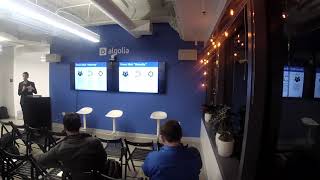
Alright, thank you everyone for joining us tonight. This is our third meetup of the year, so we are actually growing this group. Next year I'm planning to have at least double the number of meetups we did this year, so we're trying to do every 2 months. We'll have 6 meetups next year, different topics covering everything related to demand generation and account-based marketing. So stay tuned with the group, I'll announce soon some news. We're also working on a different kind of event, always related to account-based marketing, and we'll send some updates very soon. So I'm the host for the meetup, my name is Franco Caporale, I'm originally from Italy and I've been living here for a while. I founded this company called SaaS MQL. Consult for SaaS companies on demand generation and account-based marketing. And the agenda for tonight is pretty packed, so I'm trying to move fast. I'm going to give an introduction about direct mail, and then we'll cover the different examples and lessons and mistakes that you can learn by running these campaigns. So we have Moran Antarag from metadata.io, we'll have Ryan Gallagher from Proofpoint, and Tamar Mars from ServiceNow, sharing their knowledge on direct mail. And then we'll have a quick panel and Q&A at the end. So now just a few words from our sponsor tonight. First, Metadata. Where is Miranda?
There she is.
Hi.
Oh, you need this?
Yeah, for sure.
Scary. I think I'm loud enough, right? Yeah, I'm loud enough. We're an ABM Legion platform and we do basically predictive pipeline. And I'll show you very shortly the whole process.
Thank you. And Fanev from Algolia.
Yeah, I'm Fanev from Algolia. So we are super happy to have you here tonight. I'm leading demand generation here. And by the way, we are hiring, so feel free to connect. Find out places on LinkedIn if you need. And Algolia is a search API. So basically today, if you want your website to have a search engine or a search bar, you have two solutions: either you are building the solution using open source, or either you're purchasing the solution, and it's us.
Thank you. Cool, so let's move on. I have this new section on the meetup group which is about open demand generation roles. I got this one submission for this time which is from Qualia. They are looking for a demand generation marketing manager here in the city. So if you are interested, contact mattkaufman@matt.qualia.com and send your resume. I don't know if Algolia is also hiring, so check their open position. If anyone is hiring, please send me an email and I can add it to the next meetup. So let's get started about direct mail. Again, this is something briefly about me. I've been working here in San Francisco Bay Area for about 7 years now. Previously, I was at Couchbase, Duetto, Optimizze, and Branch. And now in January, I founded this consulting business to help SaaS companies with demand generation and account-based marketing. And this is exactly what we do at SAS MQL. We are focused 100% on SAS companies. We create new processes, implement different strategies, as well as running campaigns and training the team. Okay, so why direct mail? So as all of you know, you try to run email campaigns probably every day. But each one of us receives on average 121 emails every day, which means you're probably noticing maybe 10% of that. So obviously a lot of the emails are automatically going to spam, they get filtered. It's really, really hard to break the noise via email. Direct mail has actually— they have a higher response rate than email, way higher, from 0.12% of email to 4.4% of direct mail. There is much less competition since only 38% of the companies are using direct mail in B2B. So you are probably in a good spot if you are one of those companies. In fact, how many of you have received a direct mail piece from B2B companies in the last year? Okay, some of you. How many have received more than 10 in the last year? Wow, only one person. So you probably receive emails every day with different templates. They try mass emailing every single time, but I still remember probably every single direct mail piece that I received, especially those that were very well crafted. I remember I got one direct mail that was a box of cupcakes, 2 years ago. I still remember that. I remember the company very well. So that's how impactful they are. And so also because they show that the company has put some time to prepare. It's not something they just blasted out. And so they can be more memorable. And today they can actually be automated. So in my view, there are 3 levels of maturity when a company starts starts implementing direct mail. At the beginning, you start by sending one batch direct mail. You put together a list of 300, 500 people that you have selected, and you create this offer with a box, a package, some chocolate, whatever you want to add, and then you try to see how many responses you get. And then if that works, you do a second batch. And then if that continues to work, that's when you go to stage 2, which in my view is you try to incorporate your direct mail with the other channels that you're using. So you're running ads on LinkedIn, on Facebook, on AdWords, you're running email campaigns, you're running banner ads, you do events. And now you try to insert direct mail at the right step of the funnel. So you say someone who downloaded a white paper, If they don't reply to my email, let's add it to the next batch of direct mail. That's how you do it. And then eventually, once you see that there is a lot of value and you're starting to become pretty good at it and you have a good set of offers for your prospects, that's when you go to stage 3 and you want to automate that because now you're doing it at scale and now you want to do it in a trigger way so you don't have to create a batch of direct mail every time. But you can trigger it from Marketo, from Salesforce to send the direct mail or a box at the right time once the prospect does a certain action, which we'll cover later. I showed this during the last meetup, which is kind of my model for ABM and to engage the target accounts, but it's basically to show how you can warm up your prospect via ads and then via email, and then trying to nurture them always via email. Why? Because emails are very cheap. So if they engage via emails, that's perfect. But those that don't engage, or those that are particularly valuable, that's when you want to trigger a direct mail at the right moment. And so when you incorporate everything together, that's when you see the response rate skyrocketing compared to doing a one-off experiment. So these are different types of direct mail campaigns. The first one that I put on the left is generate meetings. So these are divided by goal and stage of the funnel. So on the left, I designed a campaign to try to get the prospect to take a meeting with my company, ideally a demo, or to sign up for something. So there is a clear call to action in the box that says, take a demo, buy X. And we'll send you, I don't know, an Amazon gift card, or we'll send you an Amazon Echo, or whatever electronics you want. And you have to incorporate this into an email campaign as well. So you don't want to just send the box without sending them an email sequence or a way to follow up with the people that receive the box. Then there are different types of— for example, you want to generate awareness. Then you don't have a clear call to action there other than introducing yourself and the company, and maybe you add some chocolate or cupcakes or caramels, whatever you want that is a nice touch and is a way to kind of open the door and then follow up with the different tasks, maybe an event, maybe an email campaign. And then talking about event, this is a way that you can either drive people to your booth if you're sponsoring a conference you should anticipate that effort with a direct mail campaign where you say, "Come to the booth and you can win a prize," or "You can get a t-shirt," whatever it is. You're starting to generate some attention before the conference. Or to follow up with the people that came to your booth. So, you know, you get 100 scans on a conference, only 5 people of those 100 engage, all of the others you can follow up with direct mail to try to stay on top of their mind. And then another very good use case is new client welcome, where when you sign a new client, you send them a nice box with swag and t-shirt, bottles, whatever you want to show your appreciation. I'm gonna go quickly through this, but this is a kind of a step-by-step to create a a direct mail campaign, particularly for the meeting maker campaign. So you put together the box, then you create a call to action, you select the list of contacts from your target accounts, you start an email sequence, you drive the contacts to the landing page, and then you follow up and track the results in Salesforce. This is when you do it in a batch way, so when you're getting started with direct mail. And then once you automate, like I was saying before, now you can become very sophisticated with your actions. So you can say, for example, if a prospect has a score of 30+ and this is the job title and they haven't clicked on any email in the last 6 months or 60 days, then trigger this type of direct mail. If they don't respond to that, trigger a second direct mail. So you can create very sophisticated flows in Marketo with the direct mail. PFL is one one of the vendors that offer this integration with, with Marketo. So before I close my introduction, a few mistakes that I see all the time that probably the other speakers will highlight again is the first number one mistake that I found with my clients is the contact list, how verified the data is, how good the data is that you're sending. I see a lot of times that packages bounce, that people, that person has left the company 3 years ago, but their database or their data source is really, really poor quality. And so that's when disaster happens. That's when your conversion rate becomes really, really low. So you have to have very good data and you have to target the right job title. I had one client who was sending me CEO of Walmart or CEO of Coca-Cola or Bank of America as their prospect to target. You don't want to do that. They're never going to get the package. It's going to be filtered much, much before it gets in their hand. And it's not the person that you want to reach to. You want to find the right level, and I think the speakers after me are going to touch on this. Always have a call to action when you're trying to get a call to action, if you're not just doing it for awareness. Don't do it as a direct, as a standalone program. You want to incorporate with the other channels. You want to track results in Salesforce every single time. If not, it's going to be hard to prove value and get additional budget to run a second campaign. And then you want to follow up multiple times with the people that receive that box. Don't just send the box and don't follow up via email. And calls if you can, or LinkedIn, use every single channel to follow up. Don't overthink and spend 6 months to design a box. I saw that as well. Keep it simple the first time. It's nice to spend some time thinking it, but don't overthink it because it matters more who you reach and what your message says. Don't spend too much time overthinking the design and don't over-personalize because it's very hard to scale. And a few last notes, you know, the investment can range between $10 to $100. You want to avoid the very expensive items because certain companies cannot take gifts over specific values. Take at least 4 weeks from initial planning to campaign launch. 4 weeks is kind of a stretch, it might take more than 4 weeks, but at least 4 weeks is a minimum. And then again, track everything in Salesforce. And with that, I'm gonna pass to our first speaker, Who is Moran from Metadata.
Thank you. I'm good.
We are recording, so you gotta—
Oh, okay. I'll try to— Thank you. Well, thank you everyone for coming. This is very strange for me. And thank you, Franco. So just to start, I got promoted from Franco's last side. I'm not VP Operations, I'm the COO and co-founder. So that was a very quick promotion. And this is how it looks before you start working for a startup. You're very well rested and you have more time. But basically I'm a late co-founder. I joined the company as VP Operations and then got promoted to be a co-founder after about 6 months. So we're located in San Francisco. We're about 14 people. Very small startup still on a seed round. Most of our main people are sitting in San Francisco. Some are kind of scattered all over. We have some developers in the Ukraine, some in Russia, some in— some in— some South America. Um, yeah, so this is me, and I tried to hide the fact that I'm from Israel, but someone got it. Two people got it very quickly. So 6 years here and I still, I still don't have it. Um, so the interesting thing is that I went to a LinkedIn event a few weeks ago and they said just to break the ice and get to know people. And this is a small, small group. Um, tell something— if you're presenting like a QBR or presentation, tell something about yourself that you, you guys won't be able to find from looking at my LinkedIn profile. And I'm sure like the first thing you did when you saw this, it's like, hey, I wonder who's that person? And you like went to my LinkedIn profile. So during the day in the event they all told something interesting, and during the night they said, tell something interesting that you think is weird. So that was the main difference. So something that you won't find about me from my LinkedIn profile that I think is weird is, um, I watch the weirdest YouTube videos. I watch planes land. That's what I do. I do it for hours. It's a thing. And the other thing you probably won't know, although you guys caught it, is that I went to the Israeli Army.
So we have to, 2 years.
This is what we do. If you guys want to share, please, if you guys when you present want to share, that would be great. So before we kind of jump into direct mailers and exactly how we did it, and to be transparent, Frankl really, really helped us, so we're on the customer list over there. What we do at Metadata is we generate leads. That's what we do. We don't just generate leads, we generate exactly the right companies and the right personas. So for example, our ICP is companies that are 100 employees and up in the US and EMEA, and we go after you guys. I don't know if you work in those companies, but marketing department, basically. Basically, manager and up. So you two for sure. We'll talk later, or Logan will talk to you later. So I'll just apologize in advance because we have a very good intern that is graduating today, so I'm going to do this presentation and then gonna run and see her present. So Logan is our Director of Growth and he's hiding in the back, and he'll, uh, he can answer any questions that you have. So this is the very complex way, but yet very simple, that metadata works. What we do to generate those right personas as leads and generate that predictable pipeline to your business, we do steps 1 to 8, and we keep on repeating 1, 2, 3, 7, and 8, basically. So what we do is in step 1, We connect to your CRM system, we have integration to Salesforce, and we pull all the data that you have that relates to opportunities, accounts, and contacts. So we want to know, based on what you have done so far, who you should target. So that's the first step, ICP. Is there anyone here that uses an ABM tool today? You do? Would you mind sharing which one?
Really?
Yeah. Which company? Where's M-Drive?
Which one?
Hi!
Cool, thank you. Wait, okay, uh, what's my name? Cool, thank you. And you said you're using someone for the whole process? Yeah, like an ABM tool.
No, that's our team.
Perfect. Great. Yeah, definitely. So in step 1, 2, 3, and 4, which is a nice-to-have step for us, we pull that information, we enrich it. So let's say you have an email, but you don't have the job title or the job function in your Salesforce or any other CRM system. We enrich that information from different data sources. So let's say ZoomInfo, InsideView, LeadFerret, LeadSift if you know them. And then we run our algorithm on the full dataset. And the algorithm basically will say, based on the opportunities that were successful, this is who you should go after in a firmographic and persona level. And also it will show you which opportunities were not successful. So which one were sitting in your Salesforce for a while, you invested a lot of time in it, but they didn't close. So you lost them. So that's step number— basically for us it's step number 1. And once we have that ICP, what we do on our platform, we want to create a— generate a list of people to go after. So as Franco mentioned, it's very, very important to go after the right people. So what we do is we go to the same data sources that I mentioned, so ZoomInfo, InsightView, LeadFerrit, and we create a list of emails, personal and business, to go after. So we basically combine the two. And we don't only do it with ICP, so with criteria, we also take a list of accounts, upload it to the system, and then from those accounts, look for the specific contacts that you want to go after. So ZenDrive, for you guys, can you give us your ICP? Just as an example, like who do you want to go after?
We're going after mobile-enabled fleets.
Okay. So, maybe some transportation fleet managers who care about driver safety and improving how safe their fleets are. Okay, cool. Yeah, I think we have a lot of internal meetings about you guys. Yeah, yeah, generating more leads. So yeah, so we build the ICP We try to find as many relevant people, so create a list that is as big as possible, and then basically target those people on Facebook, LinkedIn, display, and Twitter. So we combined social with display to reach those people wherever they are with ads. So we take— we'll ask our customers to give us a creative, a landing page, and messaging. And we take the channel that we work on, the audience that we want to target, the creative, the landing page, and the messaging. Each one is a variable. And then our platform automatically creates as many campaigns with those variables as possible, which is where basically if a person or a team needs to build it, it can take hours to build and probably going to have a few mistakes in the process. So this is where the system automatically creates it. And the campaigns are starting to run. When they're starting to run, leads will opt in. So either on a landing page or on a lead gen form, people will put in their data. As soon as they put in the data, it's being enriched again. So we only ask for an email and we enrich the rest of the information. And by the way, because Facebook and LinkedIn is usually personal email, we enrich the business one. And we push it back to whatever marketing automation tool you use. So it can be HubSpot, it can be Marketo, Eloqua, whatever it is. And then internally, I assume everyone are pushing it to what the CRM system that they're using by scoring, by priority, whatever it is. And the idea here is in step 6, we say we will run thousands of campaigns, depends on the budget that you have. And with those thousands of campaigns, our machine learning will very quickly optimize them. And they're going to optimize them first by impressions, clicks, cost per lead, but then how those leads are progressing down the funnel. So we had experiment 1 through 3 generating 100 leads, 80 MQLs, 2 opportunities worth $100,000, or experiment 4, 5, 6 generating 80 leads, no opportunity over time. So that way, this constant improvement of the audience generates our ability to predict the pipeline. So we can basically tell you if you're going to spend $100,000, this is the amount of opportunity you're going to get in return. Any questions? Makes sense? Amazing, you have never seen something like it?
Okay.
Cool.
So let's touch about ABM for us, for Metadata, and how we incorporated the direct mailers into it. So how do we know that our audience, the people that we're gonna send the direct mailers to, are the right people? So what we did is we actually use ourselves on ourselves. So we went to our platform and we found our ideal customer customer profile. So according to the opportunities that Logan and his team closed, this is who we should go after. And then we have different signals in our system that tells you, okay, you are going after companies with 100 employees and up, or $25 million in revenue and up, and you want them in the US and EMEA. That's great, but what else? You want people that have intent, people that are already looking for a tool And that's basically part of our secret sauce because we work with Bombora, we work with G2 Crowd, we work with Leadsift to recognize the companies that are currently searching for a solution. And we only want to invest our money in the companies that are actively looking and not really generate like a huge top of the funnel and focus only on the top of the funnel leads. We actually want people that are kind of mid mid-funnel, maybe even before a decision, but not too late where we're going into the game and they'll tell us we already took Terminus, just an example. So we know who our ideal customer profile is, we know who is currently searching for an ABM or a legion platform, who is not happy with competitors. G2 Crowd, you can learn a lot from G2 Crowd. If you go into, for us, demand-based determinist, their page and you go over it and you see people that score them low, you know they're not happy, you know you should probably go after them. So that's one tactic to use. Contracts coming up for renewals— BuiltWith, HEData, Aberdeen— very good tools that give you some of that data. And for EMEA, for us specifically, we're the only GDPR-compliant platform right now. So we know that if we're going after EU countries, the chances that we're going to win, we have no competitors. So it's either they're going to do everything in-house or they're just not going to take us for different reasons. And then for us, because we're Marketo and HubSpot partners, it's really important that the customers will actually use Marketo and HubSpot. And it doesn't mean that we can't take any other marketing automation tool, we just prefer that. So if we go and we do direct mailers, we prefer to already target people that have it, and AGData, DataNize, those are tools that we have that gives us that info. So once we've been through this process, Logan cleaned it up, we have a list of accounts, but also contacts that we should go after because our platform, that's what we do. We connect the account with the contact. So what we did is when we started working with Franco and he came up with this idea of direct mailers, we said, "Okay, let's give it a shot." And as you can see here, in the first 2 months, these are the intro calls, the calls that we actually— the meetings that we got from this. and in the first 2 months, it was okay, it's good, but not that promising. So what we did differently is around the beginning of June, we started running ads from our platform to the same audience, and you can see that after a month of running those ads, look what happened to the number of intro calls. So once people got the package but also started seeing our ads wherever they, they they went, they actually started implementing it and, and setting up the meetings. So what we did was super, super simple package. Um, you can see it says— well, it said metadata on the package. It was a one-pager, and if you were willing to hop on an intro call with us, you will get a $50 Amazon gift card. That's it. A little bit of chocolates, very easy, nothing too complex. It was a white package with metadata logo on it.
So how much did you pay for it?
Aha, good question. So $30. I knew that was it. And then if they took the meeting, it was a gift card as well. So it's still, for us, it's really worthwhile. And we did invest in the the actual ads. So that's additional budget, but altogether we ran, and it's not here, but we ran $5K a month on ads, Facebook and LinkedIn and display, and those exact people saw it wherever they went. So for us, these are the numbers, very transparent. We invested $30K in it. We sent 1,000 packages. You see it here. Accounts targeted at 704. It doesn't match the packages because in some companies we wanted the Director and the CMO and there were different titles that matched what we were looking for. So we would actually prefer to send several packages to the same company. We created 37 opportunities. So for us as a small startup, it's big. It's pretty big. Just from direct mailers. Paying $800-ish for an opportunity is not a lot for us, especially because you get an intro call immediately. You get a demo, we know that if they have intent and we got them on the phone, there's a really high probability we will close that deal. So for us to get that intro call is big. Again, transparency, this is the average deal size that we have in general, and this is what we got from direct mailers, so it's not necessarily higher or lower, but it's just the quantity that we got was for us generating this 1.7 in pipeline insane, and we closed 2 deals from it, so that's pretty good for us. And for ROI, it's better than any other channel or combination that we have made, even running ourselves on ourselves without direct mailers.
For how long are these metrics?
10 weeks, uh, so altogether 6 months. 6 months, yeah.
What's the time to close?
For us, uh, it's about a month is the quickest and 3 months, yeah, from, from first touch to close. Yeah, yeah. Um, so what we learned, obviously, because I'm here, is is that direct mailers work. So that's, that's the number one. We also learned, and again Logan can give you more details later, director level was our sweet spot. And as Franco mentioned, you don't want to go too high and miss it. You want to go directly to the right person. That's, I think, the main thing we learned, and we're probably going to run another campaign very soon when 2019 kind of kicks in. And then direct mailers work. As you've seen in the graph, the first 2 months got us meeting, but the combination of direct mailers and the ads really, really is what made the magic happen. So the fact that you got a package, but you saw it, even if you didn't click on the ad, everywhere you went you saw metadata, just worked for for us. And I think that's it. Questions?
Yeah.
I mean, as you mentioned, a huge impact was— you saw a huge impact after displaying a programmatic display ad campaign. What do you— or who did— I mean, who did you use for that? Multiview, or you guys, AdWords?
We use ourselves. So we use— We use ads on our ads, the example that I showed.
And you guys do cookie matching and IP matching?
Yeah, so we use LiveRamp for the cookie matching and we use the Trade Desk for the IP matching. So we grab the list that we pulled, we give it to— we have integration with LiveRamp, so we upload it, it matches the email to the cookies, we target those people, and then we pull the list of accounts, give it to the Trade Desk, they give us the IP. And we have reverse IP on our end where we can see if the right companies visited our site. So we know how to translate IP to company. If you guys ask questions, because we encourage it, keeps us honest, you'll get this very nice bag just behind you. It's so pretty. Yeah. Yes?
So how many platforms do you support for your ads? Do you do scenarios? How do you do it?
So we're not doing scenarios. We use Facebook. That's the platforms that we were talking about?
Like which platforms?
Facebook, LinkedIn, and display. That's what we did for that specific campaign. We do Twitter as well, but we haven't seen results in Twitter at all. I think display is the part that really works well just because of the low CPM. So you can do a lot of impressions for a very low, uh, especially for this specific tactic.
And like, for the display, who creates the, uh, the design? We use our, like, we have a creative person that we do it for your client.
No, so we did it for ourselves here, but our clients are supposed to give us the creative. We, we don't We look ourselves as an agency or a creative agency, so we focus only on generating leads, generating MQLs, generating opportunities.
And for leads, you display ads on the 3 platforms, like, in a random way?
So again, for direct mailers, it was— when we started, it was a month before and during that period of time. On an ongoing for our services, we do it all the time.
Non-stop.
We don't have like, we don't stop. We just, we usually get a goal of leads from our, or a cost per lead from our customers, and that's how we build it. Who are you guys using? Like, what do you guys use to send the direct mail? Is it like an alternate company, or are you doing it manually? We use PFL. Yeah, but there are other companies.
So PFL is like a shipping company?
I'm not familiar. It's pfl.com. Yeah, they run the campaigns, and they also have a platform that integrates with Marketo. There is someone from PFL here, right there. Oh, hey.
We can talk afterwards. I don't want to interrupt. No, please. So the short is PFL is our, I guess, early on phases, we were a print fulfillment company. Our claim to fame is we were the first online company, so we beat VistaPrint and all those other companies in '98. And from there we've evolved. We're based in Montana, but we fulfill across the world if we need to. But we integrate within Marketo, Eloqua, Salesforce as well. And the idea is, to Franco's point earlier, to go away from the batch and blast and really focus on a targeted, targeted program, because direct mail is expensive. Expensive, $30 a package. So how can you identify those leads at the right time and get your cost down as much as possible and do it at scale and then be able to integrate it within whatever marketing automation platform works for you?
So you guys compete with Alice?
What's that?
Alice will be like— you know Alice, right?
Do you know Alice? No.
No?
No.
Should we? Should we? Cool. Any other questions?
Cool.
So let's move right along, and the next speaker is Ryan Gallagher from Proofpoint. And I know you have also a sample to show.
Yep.
Go ahead and tell something weird about yourself.
All right, I guess I'll have to. Um, let's get forward. Uh, so in growing up, I actually was a competitive bowler. So that's something that you definitely wouldn't find on my LinkedIn for a while. And I, going on that video theme, I really like woodworking videos. I, something about that, I mean, I like woodworking, but not to that kind of level. So yeah, those are the two kind of icebreakers for me. But I work at Proofpoint. We're a cybersecurity company, which is a huge market right now. We're a leader in email security and one of the leaders in archiving, and now we have security awareness training. Just everything that has to do with cybersecurity, we're pretty much doing it these days. I've been with the company for 5 years in March. So I started out as a finance intern and progressed up, started meeting with the marketing team. I went to San Jose State, I was a marketing major, communication studies minor, and got my job. And surprisingly, we did direct mail. Which I didn't know anyone actually did direct mail. So that's kind of how they hired me on, how I got started. So I actually have one of my samples here that I'll pass around for everyone. I'll, I'll get to talking about it in a little bit, but I'll let it get around the room so everyone can see it during this time. So kind of today I want to talk about the different methods of doing direct mail. You've heard a little bit now with the the batch method, the integration, and the trigger-based. Then we'll talk about how you can really have that multi-touch approach, doing more than just direct mail. You're going through and you're having people engage with emails, with display ads, things like that, and how you can have these things just go, having that always-on approach, which I highly suggest. If you're not doing it, you should do it. I'm working at a company that we started out doing batch, and I'm trying to get us into the position to where we're just always on. But it's a work in progress. So the old way, this is when I would get emails from reps saying, "Hey, we want you to send out this direct mail to this person." And so I'd be inundated with emails. I'd have to go and take all their spreadsheets or their email content put it into a master spreadsheet, send that over to a vendor, they'd go send it out, I'd get back a tracking sheet and I would have that and if anyone had a question, if things got delivered, they'd email me and I'd email them back. It was awful. We saw decent success, we were about that 4 to 5% opportunity rate, but it just wasn't scalable. We were doing, one quarter we did 10,000, direct mailers. It was crazy.
Was it only you?
Yeah, yeah, just me. So that's when I was like, there needs to be someone else that can go and help me out with this. And I actually got introduced to PFL. I've been a customer of PFL for 2.5, 3 years, somewhere in there. Yeah, I can't speak enough about them. And what they've allowed us to do. So this is one of our campaign flows. Now this one we ran kind of as a multi-touch, but definitely as a batch campaign. Our sales team is kind of old school where they want complete control of who receives, especially a direct mail offer, So we have to go and speak with them, get their buy-in. We'll go and try and push them, say, "Hey, these are people who have gone and engaged with our emails," and we have some of the analytics on the back end, but we still have to really be tied to sales and making sure we get their buy-in, which they love our programs, so it's usually not an issue. One week before, we send that direct mail once we have it compiled. We get that list sent over to PFO to And we trigger that order, it's going out. We actually have our BDRs, SDRs go and start their outreach sequence. So they go and do a LinkedIn connection or send them an email, then that incentive offer lands on desk. Now with PFL, it pushes back that FedEx tracking number into Marketo, which syncs with Salesforce, which also gives me an alert that I send out to the to the follow-up owners. Now all that's automated through Marketo, so I never have to touch it, it just happens. And when they receive that package, a day later they're actually gonna go and receive a marketing email from me with the link to our promotional item. So we did this Apple Watch, "It's time, take a meeting with us." And we made sure that that theme of time was tied across everything that we did. Whether it was an email, whether it was LinkedIn banner ads, etc., we wanted to make sure that everything we were saying had the same look and feel and they weren't just receiving these things out of the blue. Now, typically these are people who are that manager, sometimes director level IT cybersecurity. And being a cybersecurity company, people do not like, one, looking at emails, two, clicking on links in emails, because that's one avenue that they can get infected. So we find that direct mail works. It's one of the best methods because it's something physical, they can see it, they know what the URL is, they can go to it, take that meeting, or, you know, they're getting phone calls, they're getting emails from our BDRs for about a month long, and they have plenty of opportunity to connect and then redeem that item. Surprisingly, not everyone goes and redeems the item. They end up talking with us and go, "Oh, let's move forward," and they never ask for it, which is nice on my budget, especially when we exceed the estimated amount. And then if we can't get ahold of someone, then we have a follow-up piece that comes. One instance was these Oreo cookies, which I have a picture of later in the deck, but it's just another touchpoint to keep engaged so that we're not just having this one-and-done approach. We're having that consistent message that's going through, and if we are unsuccessful after— now it's kind of extended this from 1 month to about 2 to 3 months now— they go into our nurture track and then we re-engage with them at a later point to make sure that they, they still keep us top of mind. So this is the mailer. I was really proud of this one because PFL had sent me kind of like an example. Our APAC team had done a similar type Apple Watch offer. And so I worked on getting this— the look, the feel, uh, even the design was something I got to work on. And I was very happy about it, especially when I got the results. So, uh, being a cybersecurity company, we have enterprise-level customers, we have much smaller organizations, but on average it Some deals went from being 12-month close cycle down to 3 months, which is awesome. We've generated more than $4.5 million in pipeline from this particular campaign, saw a 300% increase in opportunities, and we've exceeded 16% response rate, which is more than 4 times what we had been doing. So really great, successful campaign. I was really happy about. So with this kind of batch and blast method, we're like, we need something else. We need something that will keep us engaged and have legs, where I'm not the one who's always having to deal with, oh, here's this project, this project. And this quarter I had 16 of them, which it's a little crazy. But we wanted to be able to continue to be relevant, send things when it mattered, be timely. And have orchestration between our entire team, and just make sure that people are engaging with us, keeping them top of mind. So one of the things that we did was implement this trigger-based campaign flow for our webinars. So these are people who, you know, received emails, received LinkedIn advertising for this webinar. They'd go register, then attend, And then our sales reps would begin working it. So they would have a couple weeks that they would be calling, emailing, trying to get a meeting with them, which they got some meetings with people after that because webinars is one of our second most— don't let my coworker hear this— but second most successful programs. And then we decided to do a direct mail afterwards. And all of this is automated, which I think is the coolest part, and I actually have the campaign flow in here that I'll show you, but we sent these Oreo cookies that say, "Hey, we have you covered. We saw that you attended such and such webinar," and that's printed in here. "Haven't been able to get ahold of you. Let me know if you have any questions," and it comes from the rep, and it has their email and phone number. So it's really personalized so that that person who receives this it's going to their name, it shows what webinar they attended, and it has the rep that's trying to get a hold of them. So it just keeps this consistent feel between email, phone calls, and now direct mail. And then if we're still unable, then we're gonna put them into nurture and continue. And so we've seen about— this one program is a real small sample size, I think it's about 75 cents, but we have 17% response rate, or at least connection rate with them. So we found that to be really cool, but this is where I kind of nerd out, is being in Marketo and building these flows. So what I have here is we have one of our webinar programs that has people attended the webinar, whether it's through BrightTalk or one of the other platforms. After 2 weeks, we go and we change their most recent engagement, and that's where it puts that webinar name back into that flow. Uh, it attributes it to that program and then waits a minute and it requests our campaign to send that direct mail. So then that goes and has us look at this trigger, uh, for the direct mail. So it's running through filters to make sure we can send this person a direct mailer, that it has the mailing information, that it's someone that hasn't told us, "Hey, don't send us mail," which does happen. Um, it makes just so that everything's qualified. Then it will run through the flow. It'll call on the version of these Oreo cookies, which is the webinar version. Uh, it adds them to the list, has a wait step, changes the program status, and then calls the webhook which then lets PFL know, hey, you need to send this out. They send it, we get tracking numbers back into the system, it automatically triggers an email follow-up that goes to the rep, the rep can then reach out, and we have this entire flow that works and I never have to touch it again. So in any program, all my team has to do for their webinar is just include this smart campaign in their webinar and it'll run every time. And so that's where we see it's super powerful to be able to engage with this. It doesn't take any person power to go and have this thing run. You set it and you forget it. And we've seen great success where any success is a win because these are people who attended a webinar and then we couldn't engage with them. So we're really happy about that. And then this is kind of our different follow-up mailers that we've sent. We've had the Starbucks gift cards, "Hey, we're trying to connect, love to have some coffee with you. In the meantime, here's coffee on us." The Oreo cookies. We did a white paper, but with it we did a dimensional piece, which is the "I'm kind of a big deal" nameplate. I was against this one, but I was proven wrong. Our field marketing manager came to me and said, "We want to do this. Alright, let's try it." Well, it went out to a lot of executive-level people, and they got them, they loved them, they put them on their desk, to the point where I got an email from a sales rep who had an opportunity with someone, who went and visited another C-level executive, saw the nameplate, went on Amazon trying to find where that nameplate was, asked that other C-level executive, "Hey, where'd you get that? I want one." They pointed back to us, so we had to go and send one out. And I was like, "You guys, you proved me wrong," but it was awesome. And so it's just those small things, those leave-behind items that is where I'm kind of taking our team. We're still doing meeting makers, but I want to make sure that when we send something, it can have that desk real estate. This last couple quarters, and now it's winding down, I can kind of talk about it, we sent out a swear jar with Bose headphones offer tied to it. We're like, block out the noise, you bring in Proofpoint, it's gonna keep all that kind of swearing down to a minimum, and it makes that kind of fun play. You have those swear jars going out, you have that Bose headphones that goes in with that messaging, and we continue with that same kind of play. And so it's things like that that really make direct mail powerful. You're having this multi-touch approach, you're having things like the banner ads running, the social media, emails, phone calls from reps, emails from the reps, emails from marketing, and this cohesive campaign is where we really see great success. So I'm happy to nerd out more about direct mail, but if you have any questions, let me know. I think we're doing a panel as well.
I got one. I'm just wondering, you've given a lot of like Success rates, but we haven't really talked about like cons.
Yeah, yeah. So we were— we used to do like iPads, which had, you know, okay success, but it would use like a huge box. We would go and send out a case for an iPad and we got really nasty emails about, oh, it's like this bait and switch. Switch of sending those out. We steer away from sending any— like, I saw on LinkedIn there was something about a cord going around, but those kind of things is where we steer clear of giving like half of an item. We also found that like that just sending collateral isn't very successful. We've sent it, um, It's hard to track, it's hard to get the reps excited to follow up on it, it doesn't have a great call to action either. So we steer pretty much clear of that and use direct mail as that mid-funnel where they're aware of us and they're right at that stage where they should be in an opportunity. And we found that these Dimensional meeting makers, where yeah, you're gonna be spending about $30 per mailer are kind of that sweet spot. That's enough, it has a dimensional piece and it sits on people's desks. That's where it's a little more successful than— we didn't find great success in sending out Amazon gift cards. I'm sitting on a stack of Amazon gift cards that we're using for internal, like, promotions and giving them to the BDR team. So we didn't see great success in doing that. You either, but it depends on your company. Yeah?
What's the call to action in the packages and sort of which one— I assume you've tested some and like, do you find phone or web or email works better?
So our CTA is pretty much take a meeting with us. You can go to the form on the landing page and we get people who actually fill out the form, which I'm shocked by. They take the time to put in the URL and fill out the form and I get probably 3% responses that way. The big way that we get it is from our BDRs following up.
Oh.
Where they're calling in on those accounts or emailing, and that's when we get the response, which makes tracking difficult, but because we have the incentive item tied to it, and they know that in order for us to continue to support them by doing these meeting makers, they need to give attribution by putting the primary campaign source for that opportunity. That's where we get the responses and the success and can track everything. We do some with Lean Data, looking at the multi-touch attribution, but we're not quite there on switching over our metrics to that. We're still heavily reliant on the primary campaign source and that being the last touch.
So they don't really follow up so much as they're then touched again by the SCR?
Yeah, it's the SCRs that are going and and following up that same day that they received the mailer, where it doesn't really give the prospect an opportunity to respond because they're getting the alert saying, "This landed on desk, start calling," and they get an email a week before. So we're already kind of in that cadence. So it's just another component. It shouldn't be a standalone piece. we've actually done it where we sent out a whole bunch of direct mail to our commercial team when they lost their BDR support and they were the only ones responsible for calling. 1.3% response rate on that campaign that had an 8.7% response rate the previous quarter while having BDRs calling in on those.
So, and you measured that because the BDR will say, hey, did you get the mail? And the mailer and the guy will say yes.
Yep.
Gotcha.
And they have to go and request fulfillment of like the Apple Watch.
Oh, it's who requested fulfillment on the call. Like, hey, I want the watch.
That helps too, because in order for us— so they have to take the meeting with us, and then as a thank you for the meeting, they receive the Apple Watch.
Okay, so that's the And if the BDR is calling and saying, "Hey, do you want to schedule a meeting?" and they're saying yes, then that counts as a lead? Correct.
Gotcha. Yep.
Which kind of influence are they? Because otherwise probably they wouldn't answer the phone or they wouldn't— you have— I think there's attribution for that.
Yeah. They're more likely— they know that we're about to call them when they receive the direct mail. But you have to prove that they know that.
They've received it, right?
Yeah, which is where the FedEx tracking information really helps to know that, hey, it was received.
Yeah, but for the FedEx tracking number, how do you know that they received it? Like, the company received it, but they don't know that it got delivered?
Yeah, that, that one we don't know for sure. We can look in FedEx to see who signed for it.
That's as far as we can go.
Yeah. We can't track it to their desk yet.
Garrett, please, let's work on that.
That's why it's so important to have the follow-up with records because that's how you close the circle.
Otherwise, I mean, you know someone got it.
In that pre-touch email from the BDRs that says FedEx package is coming, and the subject line of FedEx package Works really well. Works really well. So they know to keep an eye out for it.
Alright?
And yeah, one tip on what Ryan said, always when you start, before you ship or when they get added to the campaign, make sure that they get added to the campaign in Salesforce so at least you can track the send. And then you have to rely on your SDR to say when they engage.
I have a question. Whenever I've done direct mail in the past, it's been as a batch and you get a batch rate. I imagine it's pretty expensive for triggers because they're always one-offs.
Well, it's a whole arrangement that you set up because it's part of the platform. I think you still get volume discount because you're doing it by volume.
Do you see impulse? And it's just the customized pieces that are printed on demand. So if we have a note card with that Apple Watch mailer, all those Apple Watch mailers were done in bulk, they're sitting in the warehouse, and then when we place that order, the print-on-demand card goes through, they put it together, ship it out. And so that's how you get that one-off after that you have that batch rate.
Okay, and that goes back to my recommendation in the beginning, start Start with batch, put together a good offer, learn how it works, and then become more and more sophisticated.
But move past it.
Yeah.
Don't get caught on that.
Don't get stuck on batch, but you need to have the resources. If you don't have SDRs, if you don't have those kind of resources, you are missing out on a lot of conversion anyway. So take the right steps and prove the value upfront, but once the value is proven, that's when you want to move past the batch approach. Awesome. Then our next speaker, Tamara from ServiceNow, who she's gonna talk about some good examples as well as some learning from campaigns that didn't work as expected, which are always good to know. Thank you.
And Franco, are we behind?
No, we're good.
Okay, I can speed it up. We're not. And talk about tracking, I actually did have someone, a rep, um, from Roll Works, who I don't know if you guys have heard of them, I love them for ABM, um, dropped something off on my desk. So he physically drove to— I think I had ignored him for a really long time, and he drove to my office, walked it up, put it on my desk. I missed him by maybe 15 minutes. It was horrible. It was like this horrible bag that I could tell he like went CVS or something and bought it and put it on my desk, but it worked for me because I was like, wow, thank you for driving like 45 minutes just to get me to pay attention. I don't think it's scalable, but it worked for me. He got the meeting.
Great.
So this is me. My name is Tamara. I work at ServiceNow, and I actually prepared my weird fact a little bit. So I have an interesting career. I started off actually as an analytical chemist, and so I got a lot of— when people say data-driven, I'm like very truly data-driven. And I kind of worked my way into marketing. I fell in love with account-based marketing specifically, so that's my whole job now. I feel very lucky. I used to have to do demand gen and ABM, and it was like a lot of work. So God bless you if you're still one of those people, but it was exciting. And the weird fact about me is I actually compete in off-road dirt bike racing. So it's called enduro racing, and we do it out in the woods. And I'm an avid skier. I jump off cliffs. I'm a little bit of a thrill seeker. So if you're into any of that, let me know because it's a very small community. But to get into it, so I think one of the biggest issues— and I want to ask a question before I go into this— is of you guys, and there's not very many of you, so please raise your hand. How many of you work in demand gen specifically? I know you guys do.
Okay.
And then how many of you do account-based marketing? Okay. And then how many of you that are doing ABM, is it one-to-many? Are you doing one-to-few? Are you doing one-to-one? Are you doing all of them? All of them? Okay, how about some of you guys? Okay, and then are you already doing direct mail? Slowly but surely. Slowly but surely. Okay, that gives me some good context just because I know in different journeys that I've been on in account-based marketing, it can mean a lot of different things. And direct mail specifically, I think, can be one of those big hurdles, and it's really sexy and everybody wants to do it, and it's like the answer to all prayers, and you're gonna get a 20% percent return rate. But I've— so I've gone into it full steam, like, I'm doing ABM, that means direct mail. And there's so many things that come before that, which I'll talk about, that I think you really need in order to get the kind of rates that he's talking about, um, for your ADRs, and to kind of prevent yourself from hearing crickets. So, um, these are two campaigns that I did. One is kind of like the Starbucks campaign. One thing we did before we sent out Starbucks cards to all of our contacts where we had the ADRs each record their own video, and it was super cute. They had like the name of the person on the coffee cup, and they're like, hey, let's get coffee. That way it was hyper-personalized. The person receiving it knew that the ADR knew them by name, knew what they did, knew some of the problems they were facing. So tailored. We got literally no response from this. No one cared. It was horrible, and I was super embarrassed at work. It was great. I thought it was a great idea. I've now seen it work. So that showed me that, you know, there's a lot more to direct mail than just the packaging. And then this is kind of like, I think what a lot of you have seen is like, I moved up in the world and I found that, oh, packages are cool. You can fill them with things like candy and lollipops and champagne and letters and it still kind of works. It's going to be better than email, but there's kind of a lot of other things that come into play, I think, to get the type of results that we've heard about tonight. Were there bright sides to these major flops in my career? I would say 100%, and a lot of that comes into what some of the other speakers have talked about, which is what happens around your actual package. I think that goes into 3 different categories: intent, targeting, and context. We've heard a lot about intent modeling tonight, so I'm not going to go super into that, but that's really identifying, you know, is someone ready to buy? Are they really looking at your solution? And so one model that I built actually looks at current customer data, and we kind of figured out, okay, not only who are our customers, but who are our kind of like shining gems, these like beautiful people who are even advocates for us. Maybe they've done case studies. What did they look like? And then how do we target people out in the world that look just like them? The next piece of that is targeting. So who are you sending these packages to? You know, if you think about Goldilocks tasting hot, medium, you know, cold, small, medium, large, you know, how big are the companies? If you have a buying committee of 15 people, who in that committee do you target? A lot of things that I've seen work really well are when you target a senior person and junior people and you create a conversation between them. Um, like you could send a t-shirt gun so that everyone on that person's team gets something, and it makes everybody in that whole team start talking about you rather than just the CMO kind of getting something and going, okay, here's one thing in a thousand things I received this week. Um, you know, are they a warm lead? Are they a cold lead? I know a lot of the times we use direct mail as a door opener, but very rarely do I actually use it now for completely cold accounts. I think that it works well, but it works a lot better, like you're saying, mid-funnel or as sort of like a funnel finish, or even I use it now a lot. I partner with customer success and we work on cross-sell, upsell even after the fact.
Do you have a question?
I'm sorry, I have a question because I have to leave shortly. You said something that stood out. How do you balance sending a gift to one individual versus like a team? Because that's kind of the thing that we've been trying to assess in our company is, quite frankly, we don't know oftentimes who the decision maker is.
That's, that's that, right?
Uh, but, but we want to spread the word because we're doing enterprise accounts. So have you seen any pluses or minuses sending a gift to a single person versus like cupcakes or something like that, like a group gift, the t-shirt?
Yeah, I think, um, I think you should figure out who your person is before you send anything. I know that may not know, yeah, but no one knows until they like hammer their sales team for like a month and talk to them. Um, you can look into Marketo, there's a lot of good— whatever you're— even if you don't have something like that, you can look into past deals. I even sit on sales calls, like old recorded sales calls, and figure out that dynamic. Um, but what I would say is If you still don't know, I think it is— it's a bad answer, but kind of a balance. I think if you have some intent data going on, if you're using advertising and you can figure out like, oh, this person's been on the website and I can tie an email to it, sure, send them a package. You could try, it's not going to hurt because you know they're engaged with you already. And if you need to keep cost down, that might be a good way.
We're doing this where we like identified who we believe is the correct person based on X, Y, and Z criteria. The question is, do we still send them an individualized personal— like a personalized gift, or do we make it so that— because at the end of the day, you got to send it to somebody, right? You can't just say, hey, you know, marketing team, you know, hey Hilton Hotel, like, here, right?
For example, what we're doing, we're sending it to 2 people from our buying committee, uh, like a director level, and —maybe the next guy.
Yeah, I've done that a lot.
It's like 2 per company.
That's kind of the thing. Yeah, and I think—
but it depends.
Yeah, I think it depends, and I think— I don't know, when you have a group, I— if like I've done tiered packages where I send like the CMO something that looks kind of similar and it's related, but it has like a personal letter from whoever is going to be— like if you bring in a C-suite to CC it in a meeting, you know, have them write the letter and sign it. And then something else a little bit cheaper goes to every— not cheaper, but right, right. Yeah, because I love this. I love this.
I mean, that's why we try to do like a community gift, because it's like, okay, at least— because I know when we get gifts, right, if somebody's sending us, we put it at the table. We're not— I'm not going to chow down on, you know, 2 dozen cupcakes by myself. But the minute you put it at the table, someone's bound to say, who sent that?
Right. Well, or you could do something that sticks to the wall. I've seen some cool things that are on your desk, some visual things, or you can even send like a training kit, like, hey, here's a kit to a CMO or to a director, and you can sit down with your team for a day and actually do a propensity modeling session with your team. And it has nothing to do with us. We're just trying to give you some cool tools to work with.
Awesome.
Thank you so much. And then with the targeting, I think it's also the messaging. So you have to remember who you're talking to. Director level and C-suite, they probably don't have a lot of time to read like 3 pages of something. Maybe they do, but oftentimes their time is more limited. So make— tailor your messaging, who you're talking to, what words you're using, especially if you're doing industry-level targeting, to make sure you're speaking their language. And the last piece is that flight plan. So that's something a lot of folks have talked about, making sure that, you know, before you send a package out you've already had a month-long campaign or campaigns running that are integrated between ads, email, um, whatever that might be, awareness campaigns. So you're touching those accounts before you actually send your package, and then making sure that you have your ADR teams ready for follow-up. And so the next one I want to talk about is failure is internal combustion. This has been a lot of my marketing and sales teams. I don't know if this is familiar to you. If you're just kicking off an account-based marketing program, this can be exactly what it feels like, that everybody's fighting, everyone wants results, and nothing's actually happening. So I think the 3 big ones that I see are sales and marketing misalignment. So, you know, maybe marketing's like, we have direct mail, and sales just really doesn't care. And you can prove that sometimes by starting to send them out, and then they see results. And if builds on itself organically. Um, but I think that's a really, really big one. And marketing letting sales down. So after sales is committed, marketing doesn't do their job to actually help them succeed once that meeting is generated. Um, process inefficiencies. So that's kind of where the PFLs of the world come in. Um, but not only— I mean, I think when you're first getting a campaign off the ground with direct mail, there's so many people that and companies that are bigger than what you would think that are still building boxes in their like spare office rooms. And I think that's great, but then over time, you know, it's not scalable. And I don't even mean scalable as you're going to send it to more accounts. I just mean doing it monthly or doing it 4 times a year. You're going to go insane. Um, so how do you kind of correct for that? And then poor ROI. I mean, one of our top campaigns right now that I asked my boss, and I'm unfortunately not allowed to talk about because it's one working is not fun and it's not pretty. We don't send any cool tech. We don't really have even a catchy line. It's really just a bunch of paper. It's a report that we send out and it's super cheap because, I mean, the design and everything was not, but now that we're sending it out, it's really, really cost-efficient. And I think sometimes people can get really caught up in trying to send those iPads. I think we've all made that mistake. And it's not necessarily bad, it works for some companies, but I think don't get so caught up in the items that you're sending and the cost to send those, and shipping costs more than you think, than you do in the plan that goes around the whole thing. So I think some solutions for that are with sales and marketing misalignment, you need to have your ADRs and your sales team in your back pocket, whether you need to take them to dinner and take them to drinks, buy them presents. It's a really, really big piece of direct mail in my mind, and you're not going to succeed as a marketer unless your sales team is behind you and championing you. So what comes with that are scripts, so helping them with their post-follow-up call scripts, emails. You can use things like Outreach, which are programs that they can run automated email follow-up after your campaign goes out. Shared goals. So something that I found that works is that salespeople are highly motivated based off of their compensation. So it's one thing to say, oh, I'm going to help you get a meeting, because surprise, surprise, every ADR is measured on the meetings that they generate. It's another thing to sit down with your sales leadership and say, hey, this is a program that's going to work, here's why, here's all the data behind it. I need you to actually put direct mailers into their compensation plan. To the point where you say, you know, an ADR has to send out 10 pieces of direct mail per quarter according to this plan, and that's something that they need to do with me. And you'll get a lot more motivated people once you do that. Hopefully you don't have to do that, and hopefully direct mail speaks for itself, but when you're kicking a program off the ground, it can be hard to get buy-in. So I mean, I've even motivated them with money out of my own pocket, and it's worked out in the end, giving them thank you gift cards and things like that for spending extra time with me. The other piece, process and efficiencies. So ABM at scale can mean a lot of different things, and there's a lot of really good companies out there to help you do address verification. So if you're a one-person team, you can pay people to go out and figure out who to send this stuff to and make sure their addresses are right. There's people like PFL, Sendoso, other companies that help you do direct mail at scale. I know one that we really love working with is Almaden. They're actually based in Santa Clara, California. They started as a printing company. We use them for a lot of really good design work. And then with poor ROI, I think you really need to keep the outcome of your direct mail in mind whenever you're sending it. Don't get caught up in how cool it is and how much buzz you've heard about it online. So keep revisiting your call to action. Make sure you're targeting the right people and don't send too much stuff. Don't send pens and lollipops and all of these things. Pick something and try it. Just don't overload yourself and overload your budget. So this is a fun story. One thing that we found that was a huge problem and another failure was we really ticked off our prospects. So we thought that we had checked all of our boxes and we were like, okay, we've done a deep dive on the accounts. This was a especially with like one-to-one ABM. And we're like, okay, we know everybody, we know we have all of their email addresses, we've done all of the pre-work, you know, they've seen advertisements, they've been on our website, we've done stakeholder mapping, we know what the account prerogatives are, we're speaking to them in their language, we have our flight plan, everything's personalized, and then we send stuff out. And we have never been in a meeting with people that are more angry in our entire lives. It was just a whole meeting of, "Where did you get our logo? How dare you put this on a piece of material that wasn't generated by us? Do we have some sort of agreement with you already? Where did you get all these numbers and how are you telling us that you can accomplish this kind of ROI?" Blah, blah, blah, blah, blah. And we're like, "Everything that's on here came from your website and it's publicly available and we're not trying to steal from you and your logo's also on the internet. Did you know that?" But it was horrible. I mean, they like absolutely hated us. And so, you know, is there a bright side? Well, I've actually seen this happen a few times where you send something out, you make big claims, or you send them something fancy and they're really ticked off at you. I say go for it, um, because in every single one of those cases we got meetings. And, you know, with the power of our ADRs we were able to turn those meetings into really meaningful relationships. And they don't really remember all of that after a while. And there's a lot you can do in person to make up for those kind of things. Because the personalization did get their attention, and having something land on their desk worked. And as angry as they were, they sat down, and not only did they take a phone call, but they came back weeks later and had an in-person meeting with 7 people from their buying committee. So I think that— anger works sometimes. I wouldn't say you should make it your number one plan, but I think there's some good things that come with it. So don't be afraid, just send out your packages. And with that, I will open up for questions.
Awesome, thank you Tamara. I have a couple of tips on connecting to what Tamara just said. I had people getting angry. The most common one is don't send Amazon gift card to Walmart. They don't like that. Or to any retailer, on that note, never send Amazon gift card. We always switch to Visa gift card or other gift cards.
I had a question on what was the general effectiveness of gift cards?
What is the effect? The general effectiveness.
What's up? Are you with that?
Well, so you want to have a call to action. You want to have a reason because we put a deadline for that gift card, right? So you want to have a reason. Maybe they like what you have, but they're like, oh, we can look in a couple of months. You want to give them a reason to connect now. And we found that many times, I think Ryan mentioned it too, Tamar too, that people at the end don't even ask for that. They don't even remember about the gift card at the end. We got people said, "Oh, I don't really care about that." They want to learn about your product, but the gift card has a deadline. Unless it's around the holidays. Yeah, then if it's around the holidays, they want the gift card to do the shopping. And then my other learning, we did a similar thing where we sent this package where we were offering free pizza lunch if they sat on a demo, and the pizza was on their of their choice, but this was a pizza company, so it was like a fast food company and they do pizza and they got very angry about it. Like, how dare you offer me pizza? I don't know, maybe they are sick of pizza, I don't know, but you never know, I think, what can trigger people off the wrong way. Cool, so let's— we have a quick panel. Ryan and Tamara, if you want to say Right there. Are you going to sit with us? I'll sit. Yes. So I'm open now for questions. Any question that was directed to Moran, Logan can answer. Any question for Ryan or Tamara? If not, I'll start with the questions. Spinning. OK, so I'm going to start first. That's like, keep your foot on the ground. Yeah, these are very spinning. So I'm starting first, then open up to both of you. Since Tamara, you mentioned and you touched upon it, how do you work, what's the best way to work with the SDR team and engage them? You talked about putting your own money to incentivize them, but like, what's a good way to get them engaged at the beginning? Because I found it with my clients that when they did not engage, it was a completely different result compared to when the SDR are actually actively sorting through the contacts and making an effort.
Yeah, um, well, let me take a step back. I think first of all it depends on what type of marketing you're doing, whether that's pure demand generation or, you know, up to probably the total opposite, which is like one-to-one account-based marketing. Um, because if it's one-to-one account-based marketing and your rep isn't engaged, I would say drop the account. And don't send anything, just because they're a huge piece. And I've worked with accounts that over and over were banging on Sales Door and they don't want to be a part of the program. And we go, okay, that's fine, there's like 50 other accounts we're trying to get into, so we'll move on and send a package somewhere else. If it's larger scale, I think meeting with them really early on, meeting with their leadership first and getting their buy-in— and I think everyone says that over and over again, so What I mean by that is, you know, there's a lot of really good information online about direct mail. And so I think if your team is data-driven, hit them with some of the facts and say, hey, this has worked in a lot of different companies and I just want to do a pilot. And I'm going to ask you to give me, you know, a handful of accounts with reps that have some time to work on it. And if I get into, you know, 2 of them or if I get meetings, set some sort of KPI for yourself and say, Hey, if I can drive this for you and it works, then let's expand the program out from there. With the SDRs, I think, or ADRs, or whatever you're calling them, I think they're highly motivated throughout their day to just send emails and make phone calls, and they don't really want to take the time with you to think about the accounts, to think about the contacts. So in your initial program, I think if you can do a lot of that work for them and and it's not that hard. It's going to take a lot of time, but it's really easy these days with the amount of information online to profile people, profile their companies, profile a buying committee. So if you can do that work up front with them and just sort of hand them a meeting, they're really, really happy, and then it kind of builds from there. I don't know, do you want to add something?
Yeah, so what we've decided and kind of moved on from just having our BDRs, SDRs build the list is we're doing, like you said, where we're having our team going looking at who's engaged in the last 180 days, you know, have they responded, have they connected at all, and then we compile that list and send that list over to our SDRs to then work with their sales team to then select, okay, who on this list do we want to target. We let them have that final say. Just because they are still very protective, which is where we're trying to move us forward more along that ABM path. But it, it at least it starts the conversation. We get involved with the teams. The BDRs are of course wanting to set those meetings, but the reps know the value, especially since we've been doing it for over 5 years. They If they're a new rep, they've heard about direct mail. If they're a veteran, they've seen success from it, and they talk amongst themselves. And it's that kind of buy-in that you have to have, sales buy-in, in order to see success from these kind of campaigns. So whatever you can do to get sales to be bought in, start early, don't just drop it on them and say, "Oh, hey, you have this direct mail landing next week." Get them involved in that conversation, get their buy-in, get them excited, and yeah, do those incentive items, especially if you have leftovers from past mailers. They're usually pretty good.
Can I say one more thing? Yeah. The other thing that I was actually really embarrassed about one time is you might be surprised if you have really good SDRs and ADRs, they might kind of already be doing this. So I kind of walked into— these were actually account executives, so like one step above, and I was like, what do you hate, what do you love about direct mail, blah blah blah. And they were like, we already do this, we don't think you need to do it, like we already have this whole thing going. So a lot of them, what they would do before reaching out to make a call is they'd send, you know, a really good relevant book to the person they're about to call with a, you know, personalized handwritten note from them inside. They were sending cupcakes on their own. They were doing all sorts of things on their own. And so one thing that I tried to do with them then was say, okay, fine, but let me enable you. So I have this budget. Let's work together. Let's make it a little bit more system— systemized, and then we can work together to make this even more impactful. And so I was surprised to hear about that, but then it ended up being a really powerful thing because we worked together and we were able to do a lot of really good personal organization because they were already doing things on their own.
Which is very unusual. I know, I was like, good for you. Very proactive and sending that. Yeah.
You'd probably be surprised how many do it.
Yeah, it's their job kind of.
I also find that they organize their own events, like, oh, let's take some executives out for a baseball game or for a dinner. The problem with that is that each rep is doing their own thing, and there is no learning, there is no optimization. So maybe they are successful, but it's only 1 out of 20. And so by taking everything centralized into marketing, we can learn from each campaign.
They are very skeptical.
They are skeptical, yes. They like to keep control, yes. Going back on the SDR thing, what I found is definitely the VP of Sales needs to incentivize them. Once the VP of Sales says, "Okay, if any meeting that you generate even from direct mail, it counts like an opportunity like normal," I saw always the SDR jumping all over it because it's almost like great, it's almost like free money for them. And so I saw that difference. Instead when it started being like, "Oh, that's very easy, so I'm going to count it like a third or not even," then they don't care. At least at the beginning, make sure that they get the right incentive to do it.
Did you have a question? Yeah. Is the purpose of the— whatever the package is— to give the rep something to talk about when they call them later? Kind of say, hey, I see you got that flyer. Did you get the candy? Is that kind of the function of it in the larger funnel?
From my experience, It's just one small thing, like it can break the ice at the beginning, like, oh, you like this chocolate or those caramels, but it's not the main purpose. The main purpose is did they find the message relevant? And what I found particularly is those people that take the demo, at least 90% of them, they did it because they want to know what you have, and the gift card or the rest was a nice touch, but it's it wasn't why they reached out. So if they don't care, they don't care if you have a $50 gift card, they're not going to spend an hour with you to pay for $50, for the majority of the people. I don't know if it's your experience.
Yeah, so what we found is a lot of the people, it's that extra step, it's that last touch. They're already almost there. They see the message, it's easy, convenient, and hopefully very short that just spurs that conversation to where they pick up the phone for the SDR. And really that's the purpose of the mailer.
Yeah, and I would also argue too, if you're in a cross-sell, upsell world, which is where a lot of people are, so they're actually dealing with current customers when they're sending direct mail. I would argue sometimes it's goodwill. Like, yes, you can call on it, but, um, and then asking, like, you can even, instead of just driving meetings, you can even ask your current customer to be an advocate for you within the organization. So if you give them a lot of goodwill, and then you can ask them and say, hey, do you mind introducing us to like your CHRO? And then we can kind of feed into that that way. So there's a lot of different ways you ways you can use it.
What I would like you to walk out from this is— I have a lot of my clients and people that I talk to, they many have this problem where they say, we generate a lot of leads every month at the top of the funnel, but we're not able to convert them into opportunities. The first thing I think about is direct mail, like the first, first, very first thing. Then you can do events, you can do different email campaigns and a lot of other things, but direct mail is the best tool to convert existing leads into opportunities, to bridge that middle of the funnel. And then I do work with seed-funded companies that are small, so they don't have a lot of leads every month, and so you're gonna have to grind on cold accounts, much lower response rate, but it's better than nothing, right? So a follow-up question regarding that will be—
I mean, I think, I don't know if it's a question or a statement, but can we We get more results when there's more engagement. And if you do customer marketing, you will get more results rather than just cold, like a cold call, direct mailer to get a meeting. I mean, we all know that if we go and target companies that are kind of engaged in that sweet spot, engaged or not, but they know about us. For some reason they know about us, so that will perform better than out of the blue someone that has never heard about you and then you suddenly send the iPhone, the Apple, the iWatch.
Yeah, the thing is it works too. It definitely gets their attention. I had one of my clients that reached out to cold accounts and one of them took a picture from a coworking space in New York. They reached out to a different company and they saw it on their desk. And they recognized the logo, so they got a picture from one of their partners. That's how visible those things are, even from people around. The thing is, you are investing on someone who has never heard of you, and now all of a sudden is going to have to spend an hour learning about your platform. It's a little harder, so you're going to have much less conversions.
So maybe we can agree that for an opener, we will just get less— it will still work, Because it's brand awareness and a direct CTA, which will be get a demo, get the gift. But on the top funnel, maybe we just get less conversion rather than engagement.
Well, I think what I would argue about using direct mail in cold opens is it's an expensive way to do a cold open. So why? I mean, it's a good— way to get in, maybe, but for the cost, I would kind of argue there's a lot cheaper ways to get an account warm. And then I think, though, to kind of battle myself on that, I would ask, who is it? Because in our one-to-one program, like, we do put cold accounts in and they have no idea who we are, and we hit them for a year, a year and a half, until we kind of get in finally. And we use a lot of different tactics to to do that. So I think it depends on scale, who, and kind of cost, and why, to answer that.
Yeah, I agree. Yeah, only after making mistakes. That's— I have one of my clients who generate over 1,000 leads via paid ads in the last 2 or 3 months, and then as soon as they turn on direct mail, the conversion rate was astronomical because literally those people had downloaded a white paper 2 weeks ago and then within 2 weeks or 3 weeks they got a box and they found it pretty surprising and they engaged. It's different than when someone gets a box out of the blue. So if you can do that, it's awesome, but not every company is able to generate that level of leads right away. So you have to kind of work with your states. But to Tamara's word, there are other ways to warm them up at the beginning. Even send an email campaign first with some content and then follow up with direct mail to those that click is another way of doing it. I know we are— yes, please.
Is it necessary then that you do have to reach out? So you have to get that tag back from FedEx so that the SDR then, you know, so that has to be part of the loop that then get a call like that day.
I recommend it. Yeah, that's ideal. It helps a lot. If you don't have that, you usually— so you always get this, if you're shipping with FedEx, you always get all the tracking codes. More or less every package gets delivered between 3 and 6 days, more or less. So if you want to— if you don't have that sync back with each tracking code, just take a safe and follow up after 5 days and say, "Hey, I saw your package got delivered." 90% of the time it's going to be true and if they say, "No, I haven't seen it," still good. They're still engaged. Let's find that box somehow. And some people, they don't get delivered, we resend the box, no problem.
[Speaker:MALE #2] And then just as kind of a general thing, like how many touches does it take before you guys get a response back?
I want to hear what the panelists say. In my case, I always do at least 5 touches, um, follow-up after the box.
I don't know, bad answer. I think it depends. I think it's how many people's in the buying committee, because you can touch the right person like 10 times and they're like, but actually my CMO needs to sign off on this, and then you're just like kind of back to square one. Um, but yeah, I'd say like if I was to like go in Marketo and kind of like average everything out, I'd say it's between 5 to 10, and that's everything like email, website, all of that included. It's actually not that much if you think about when you're actually looking— if you're in software, like if you're looking for a new solution, I mean, you go on their website, you probably hit like 5+ pages. That's like one thing, maybe return, you know, when you're really gonna buy, the amount of touches, you know, you purchase of them is actually quite high.
So our team, if we look at just post-direct mail being delivered, the first 2 touches are the highest success rate just out of their outreach sequence. They find that if you're— if they're going to respond, it's probably in those first 2. Anything after that is more drawn out. They get responses, but typically it's that first 2 weeks after that mailer that we'll see the success. And I typically see about 80% of our responses within that first 2-week period.
And another thing you're going to find often, which is a good thing, and Logan and Metadrata, we saw that quite a few times where we send the box to the VP or CMO and then someone else requests the demo in their team, usually the senior manager or the director, that's a very good sign because it means that that box got sent to one of their team members, which is going to put a lot of attention in what you have to say because it comes from the top. So that's very common and is usually a good sign. Then obviously there are exceptions. I have one last question actually very important to me for both Tamara and Ryan because again, as I mentioned, the top mistake or the top things to watch about is the quality of the data. Do you have any tips in terms of address validation and how do you verify, which is a problem I encounter so many times, that especially with large companies, the headquarters is in Chicago but the person is in New York. How do you verify that before sending the boxes? Do you have companies that you use, freelancers? What is your advice?
Do you want to go first? Sure.
I'm just going first by default. Lead Genius. We brought them on, I think it was Q1 of 2018, and we piloted with them, sent out mailers, and only had a few get returned. It was like 1% get returned instead of over 10%. We ended up bringing them on and every single direct mail that I've sent out this year has gone through them. And we've only had 50 returns out of, I think we're up to like, I don't know how many we've sent this year, probably 15,000. What's the name? Lead Genius. Lead Genius. Yeah, so they go and they actually will, they do a human verification. And some other things, and we found that that's the best way. We've run them through, we have like RankKing, DiscoverOrg, those typically have the company more so than the person's actual location wherever they are.
Even the email you found it to be good from Lead Genius?
Yeah, email addresses they go and verify, we trust their data. If they say that they're no longer with the company, we Do you believe them?
So yeah, I think there's companies out there, like if you Google Lead Genius, all their competitors, there's like some that do just like address, like shipping verification that are probably not as big of an onboarding because you just kind of like send them a list. But I have to say, we still kind of do some silly things even at big companies. Guessing their work email. You get a lot of personal emails, so guessing their work email until you kind of land on like, okay, now we've confirmed, we've, we've had emails go back and forth, um, even to the point where we're like, oh my gosh, this company includes the middle initial, like after multiple tries. Um, and even having like the ADRs kind of check in on that person. So I think it depends on your scale and what you're trying to do, whether you automate the process or not. And then there are actually some really good agencies out there if you are a one-person team, like The Marketing Practice. I think some of the best ABM training that I've ever had in my life is ITSMA. They're a huge program and they'll do a lot of consulting work and they could help you with a lot of things like this, like direct mail, your whole flight plan, things like that. So I encourage you to look into them if you're sort of on your own.
ITSMA. Perfect. I think we can wrap up. I want to thank you, Ryan and Tamara, for joining us and speaking today. A round of applause. Thank you to Moran, who's not here, and thanks to Metadata for sponsoring with the pizza and the beverages. Thanks to Algolia and Fanet to 4StarsTonight. This was an awesome, awesome location. So hopefully it was interesting. As you see, this is the first time we are recording this meetup, so I'll try to post the video. And as usual, I'll share the slides with the whole group. And hopefully I can see you next year with the first meetup of 2019. Thank you everyone.
More from Franco

The 10 Fundamental Steps to Implement Account Based Marketing at Your SaaS Company