Real-Life Examples of Successful ABM Campaigns
Franco and John break down account-based marketing with two case studies: a construction campaign that spent $9.8K to generate 14 meetings and 4 opportunities, and a tech campaign that spent $31K for 14 meetings and 6 opportunities. They cover budgeting, target-list sizing (200-500 accounts for enterprise), asset production, and common failures like misaligned lists and lack of sales buy-in.
Chapters
Welcome, welcome everyone for the last meetup of the year for the Ad Shed. So we have a, we have a cool topic tonight, which is the real-life example of successful Ad Shed campaigns. So it's going to be pretty exciting, and we like to be a bit more informal tonight since it's the last meetup of the year. A lot of people are occupied with holiday preparation, but instead we're going I'm going to talk about A/B campaigns and all the things that you have to worry about if you're starting A/B campaigns. So before we get started, let's turn this on. For those of you who don't know my background or whether I've entered the news media, my name is Franco. I'm the founder of SaaS Central, but before that, I was head of demand generation for a few companies here in San Francisco. Silicon Valley. My last role was in a company called Brands.io, uh, where I had a pretty large team working on all of our company's marketing and demand generation. And so after that, I saw that there was a need for many companies to use some help to scale their company's marketing demand generation.
So that's why I founded SuccessLab.
So today, the agenda— I'm going to keep it usually in Croatian, and I'm going to show a few examples of campaigns that we did with our clients. And so I'm going to walk you through the different elements of an account-based marketing campaign. Obviously there is a lot of creativity involved, there is a lot of variation, but these things have worked for us, so I'm going to show you some of these examples. And then John from Demandbase right here, he's gonna walk you through their campaigns and some of the work that they've done on account-based marketing. What results they obtained and all of that. So it's going to be very interesting. Then the panel is going to just be— you're going to throw an eye and it's going to be open as a Q&A. So if you have any questions, you know, feel free to keep it for the end when we have the panel, and it's going to be very conversational. So the very generous host tonight in this awesome office is Ben.
Ben, do you want to Yeah, it's too late for that. Uh, thanks everyone for coming out. Uh, welcome to Blend. Uh, we're in the, uh, consumer lending space, so, uh, we are a white-label digital lending platform for banks. So we're focused on specifically with AVM, we're trying to push hard into the some of the largest banks and credit unions in 2020. So it's very top of mind for us to hear about how others are executing that medium. So I've been here for almost 2 years, and there's a few Dimanche folks, colleagues of mine, that are in the audience here today. So we're very interested to hear what everyone's doing. So thanks for coming.
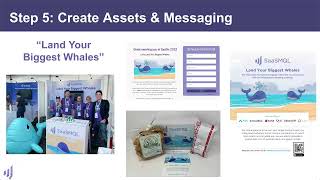
More or less. So I want to show— this is the last recap of the year. I want to show you this is the growth that we had on this group. I personally took over the group 2.5 years ago, about in 2016. When you see that little spike, it's because in 2016 we only did 1 event. And last year, in 2017, we did 0 events. And last year we did 3 events, and this year we did 6 events. So next year we want to do at least 6 events, or probably more. So now that we've got— we're going to relook tonight, obviously it is the last one of the year, but we have already planned for next year a lot of topics. But yeah, we want to continue to grow this community because it's good to exchange ideas. I personally learned a lot from the speakers that I invited. So far, so I'm really excited to continue to grow this group. So how can you help? You can share the group on LinkedIn. We're now going to create events on LinkedIn as well. You can speak at future events if you have topics that you are pretty good at, that you've done before. Feel free to reach out to me and, you know, I can put you on the list to speak. The only thing is, and that's one of the reasons why we're always select for the speakers because we don't do panels. So if you see, if your speaker is selected, they have to prepare some slides. John knows that I, I pushed for that because, uh, I found that more ask for value when there is someone showing a keynote presentation versus just a conversation on a panel. And so I want even just 5, 6, 7 slides, but still present something that at the time. Uh, if you want to learn the topic, they want to learn more, please feel free to propose it to me and we can add it to the list for next year. And if you want to also sponsor this event, it's always welcome. Good. So now let's jump on the actual topic. So obviously, over here is a slide from what we do. We're a SaaS and calendar agency for account-based marketing. We work with SaaS companies on 3 major processes. Number 1 is selecting and prioritizing accounts. Number 2 is to run the actual campaigns and the security of them. And number 3 is the analytics, all tracking, everything, ROI, engagement, and all the metrics. So now let's jump on the actual topic, which is, um, the elements of a media approach. So I divided these 4 main things that we always worry about when we start with a new client or a new deal working process, we always try to get these 4 things in place. So number 1, we need to know what are the goals and what is the budget that we're gonna have to, uh, to go after those goals. Um, you want to make sure that the budget is realistic, the goals are realistic. So you don't want to generate over $7-10 million pipeline in 30 days. But it's realistic growth and, you know, you have the budget to get there. You want to have the list of target accounts, which is obviously a lot of work there. You need to have all the campaign assets in place, being banners or direct mail, collateral, email, etc. And then you have to have your indices back in place. So now we're not going to The details for this. So when I talk about, uh, budgets and goals, so here is an example. If you want to get to $1 million, you want to generate $1 million in revenue in the next, uh, 6 months, for example, or this quarter, and, uh, your average deal size is $50K, uh, you have— so you're gonna need 20 customers to close to get there. So your win rate is 25%. Which is not a bad lead rate. So, wow, more opportunities to close. So that means you need 18 opportunities. If you have a conversion rate from lead to opportunity of about 33%, then you see 240 meetings to generate before certain deadline, depending on how long is your sales cycle, to get there. And let's assume your cost per meeting is $2,500, which is pretty average. Sometimes it's more, sometimes it's left, depending on the channel or the specific company. But I said $2,500, you're going to need $600K in program budget to generate a million dollars in ARR, which is— that would be a pretty good, uh, pretty good benchmark. If you attended our Agile meetup, you will know that most of the SaaS companies, like the average takes about $900K in, uh, acquisition costs to generate a million, a million dollars. And some of them takes $1.2, $1.3 million to get a million dollars ARR. But then, you know, if your revenue is big enough, it's still very profitable. But that's kind of like the reality check. If your budget is $100K, you're probably not going to hit $1 million that easily. So just, just to get this in front of you, to get an idea of what's happening. So some of the other ABM goals other than meetings and pipelines that you would want to track, other ABM goals are account engagement by segment. So if you have 500 accounts, how many of those you want to engage? Do you want to engage with 50 of them, 30 of them, 10% of them, 20% of them? Have a metric like that, so, and be able to track that engagement is very important because especially in enterprise, it's not always a clear path, meeting, opportunity, direct resource. You're going to influence a lot of pipeline, you're going to engage a lot of accounts, you're going to start moving some accounts from cold to engaged, from cold to aware. So you want to be able to track that. Influence pipeline, of course, is another metric. Pipeline velocity So if you have a— if your sales team is taking now, I don't know, 120 days to close an opportunity, and you can show that the account that you're targeting, you're able to— they are closing at 75 days, that's worth the investment just by itself. So you want to track that as well and compare it to the account that you're not targeting. And finally, the win rate, if it's an obvious one. So the target accounts. One of the questions that we get often is, I think you were talking, Saiko, that you're is, uh, how many accounts should I put in my target list? How many is too many or too little? That really depends, obviously. Uh, it's going to depend on how much budget you have and what kind of— what size of the company you are targeting, what kind of accounts. If you have, for example, $10K a month budget, you don't want to target 2,000 accounts. You're going to barely move the needle on any of that. It's too much, it's too diluted, and you want to focus the effort. That's what ABM is about. It's about focusing all your efforts and resources on a smaller segment of accounts. And so be mindful of your budget and your resources when you select the target accounts. Normally, for a company like the target market size of Enterprise, a good target account is between 200 and 500. For a specific period of time. So normally you want to have the segment for at least a quarter, better 6 months, so that you have enough time to target multiple people in the company, different departments and all of that. And make sure you segment those accounts. If you want, you choose your feed, those that are cold, those that are aware, engaged. You want to have a clear decision because you want to build different campaigns Okay, so now let's talk about the assets that you need to have in place. Banner ads is an obvious one. I do also run a lot of clients there. But you need to have the banner ready for LinkedIn, for Facebook, for display ads. Have them in all the sizes that you need so you don't have to scramble last minute when you're about to launch the campaign to get all the sizes out for the agency. So you start building a library also. You want to have the email templates already built with all the sequence that you're going to use to follow up at each stage of the campaign for both digital ads, content ads, and direct mail. And then finally, this part takes a lot of time for anything to get done—boxes and direct mail. This can take a long, like, 3 weeks or 4 weeks. Once you start doing some back and forth on the design, find whatever you have to source, whatever material you have to source. Um, I give you an example on this campaign that we did for this client. These biscotti are handmade and hand-packed, not by us, but by a local, local store in Redwood City. So that takes about a week to just get them when we are doing like 400, 500, 600 boxes. It takes about a week to get them ready, so you have to be prepared at the beginning. Uh, we normally do this during the onboarding phase, so we do that before the quarter starts so we have all the things ready and printed when we are launching the campaign. Uh, the automation. So any system that needs to be connected, make sure that it's done so you can map all the different notification as well as how the leads needs to be created in Salesforce, HubSpot, or Clio. All of your tracking should be in place and make sure all the systems are connected, that the handoff process is in place, and you have informed the sales team. This is something we see very frequently where we start launching a campaign, we start generating leads, but there is no idea that a assignment of where the leads are going to go. And maybe that's why we put in place a lot of Slack notification, email notification, assignment in Salesforce, uh, all the things that allow us to make sure that every lead is taken care of in a certain amount of time. And finally, the analytics. So in this case, we have on the left the container of our dashboard where we see, okay, respective $36,000, 4.4 million pipeline, 64 sales opportunities. So you are able to track them by channel, by each single campaign, which one is actually driving most of this ROI. And then another report that is very important— this is actually taken from our, one of our clients— when you see first step, How many accounts are you targeting? How many have you engaged within the period of time? Uh, what is the percentage of, uh, accounts you engaged? How many meetings? How many opportunities? And what's the total value? So at the end, you want to build the system. This is an example of the system that we run where you start on target accounts. It's around digital ads, LinkedIn ads, any, any content type that you have. And then when someone engaged, we automate a follow-up email sequence, and at the same time we trigger a direct mail campaign at the right moment. And then we have an end-of-process when they engage. And so now I'm going to move to a couple of case studies from our clients. That we did. So you can see one of those pipelines applied to actual companies and the real situation. So this is an example for construction companies. This client, the last before Israel, is a learning platform, digital learning platform for HR. They wanted to target construction companies in the US. And so construction company, for them, they were always pretty cold accounts because that was a new vertical for them, and they would just Recently, it's time in the US, I think, were very strong in underutilization. And so we have to start from scratch. Most of the accounts were full, not all of them. And so we have to define the accounts to be above 100 employees. They had done more than one rotation and a few other, a few other details, a few other signals that technology were using to build a list. Then we started building the collateral from the banner ads. The email as well as the direct mail box. And you can see the construction theme across every single asset. The direct mail really screams construction everywhere, so we added the spool, we added the hard hat, the sushi roll, hard hat band, the one-pager, the banner— everything is about construction. And so we were talking about specifically construction. We have a landing page. If you see on the box, they can go to the landing page which was Dash Construction, so they can fill out the form that you want to ask them. So this was the result. We only— this is only 2 months of campaign, but we spent, uh, actually month and a half. We spent $9,800, engaged 400 accounts— sorry, targeted 400 accounts that was their list. 66 account engaged, 14 meetings, and 4 opportunities. $700 a week. So this is just the beginning, but it worked out really well from the start without even spending too much on digital. It was very strong on the direct sales piece, so we started warming up those accounts with digital. And then the second case study I want to show Uh, this is a tech company, software company, and we're targeting accounts that have at least 100 employees, more than 50 engineers, and we're targeting kind of engineering and architects. So we had to pull the accounts only that they use GitHub. If they were not using GitHub, there was an immediate disqualification. So we didn't want to drive accounts that maybe a large company that don't have, but if they're using a different system, that's a no-go from the dev staff. And so you can see the same thing, but last update was from the team side. The email templates and then the box that was sent to the developer engineering team, I got a graphic for that. We had a specific landing page that you can see there. And so that's kind of what we use to drive engagement. This was a longer campaign we did for a longer period of time, so we spent $31K. We were targeting 500 accounts, we engaged 98 accounts, close to 20% engagement, generated 14 meetings and 6 opportunities at $2,200 a meeting.
All very very profitable investment for both these, uh, sides.
So in conclusion, uh, you need to have a defined plan from the beginning. So have everything clear. What are your goals? What's going to be the Italian accountants? What's going to be the budget? Uh, and make sure that you don't stop as soon as you start, right? Because it's going to take some time to kind of see this through. Build the assets in the beginning. So one thing you want to avoid is having to scramble last minute to build banners, build print boxes, do anything like that. And at the beginning of the quarter, for at least the whole quarter, so you are prepared ahead of time ahead as well. Spend some time in the beginning to define the target account list, make sure that it's shared with sales. And they agree, but even if they don't agree, make sure you share why you're targeting those accounts. Because, you know, the data speaks for itself in many, many cases. Even if sometimes they think other accounts are better, but you look at the data and it tells you a different story. And make sure you have all the automation so you don't have to manually import, export, spreadsheet all the time. And you're tracking meetings, you're tracking engagement, you're tracking anonymous traffic. Everything has to be tracked because anonymous traffic is particularly important when you're doing direct military campaign. When you have an internet interface, you can see what accounts are coming to that page that you are targeting, and you can, uh, figure certain actions. And then once you're done for a quarter, start looking at what worked for you and double down on things that were successful right away, so you're not wasting time. And the last thing that I keep repeating pretty much, that I need to build a system, not a one-off campaign. If you just do it once just to try it and you don't do it again, it's not gonna be worth much. But once you build a system, even if it's very, very basic at the beginning, it's a B1, it's fine. You're gonna build a B2, B3 after, but don't stop it, keep going and keep, uh, And that's it for me. Any questions before I jump? Yes, please.
I have one or two questions regarding the assets that you work with. You know, from AdWords, from AdWords, Gmail, and also what you recommend. So my first question is, with a list of like 300 or 400 accounts, how do you How do you do banner advertising to such a small area? And then what worked for you of that? Was it direct mail more successful than email?
Was email better than ads? Or ads were better?
Were you able to track that?
Yeah, both very good questions. There are many ways now to target a small set of accounts with banner ads. So I just want to probably just share with you a couple of the fun ways. There are different platforms that allow to do that. So they go a little bit smaller scale. Smaller is even 50 accounts, you can do that. Email Blaze is one option. There are other platforms. So we used Bigarrosta last time, we used D-Salut as well. There are different platforms that allows you to do that. And you can literally upload a list of accounts and then you can see the results for each account, how many impressions, how many you were able to match, and all of that. This is something that becomes more and more important today when you're trying to warm up specific accounts. For your second question, which one was more successful? So what we find is digital ads, including display ads and in-app, are very good at warming up cold accounts. So that's why the segmentation is important in the beginning. When they are cold, it's good to start, to start start showing your banner ads, your content on LinkedIn, get them to download your content. And as soon as they engage, those, they become the target to trigger the direct mail campaigns. You can use direct mail for cold accounts as well. We've done it, kind of to open the door, because there's always going to be accounts of people that will not engage with your ads, but you see, obviously, a better conversion rate compared to accounts that work more. So that's why I recommend start the engine with this system that we show here. Start the engine, like, you start launching the top part as soon as you can and run it through the whole set of accounts. Even if you have 1,000 accounts, run it depending on your budget, run it through the whole set. Then you trigger the right mail to those that haven't engaged or even have engaged to a fraction of them. Businesses like those that are engaged the most, they will still be there, request a demo, and/or download things. They will just show up to your site. It's enough to trigger the right mailbox, and actually it's pretty effective when you do that. And so I see direct mailing very, very good at converting warm leads into opportunities.
So people that have been On that triggering, did you automate that trigger based on like waypoints or was it kind of manual?
Yeah, yeah, yeah. So at the beginning, when we— especially when we start working with the clients, is very— it's pretty manual. We run, like, we also let— but we go in batches. So we start with a draft batch first, then we go to a, like, weekly batch, and then we come to a monthly batch. Once all the processes are running well and you have a library of an inventory of assets, then you can start triggering every week. Any lead that reaches a certain score, we add it to our database of direct mail lists. When we start from scratch, it's just do one batch a month, make sure that you're also looking if those assets are working or not, you have good response. Once you start seeing that, you can start producing an ordinary inventory, so that allows you to trigger, uh, much more frequent, uh, alternate.
Another question on the ad, I mean, you kind of briefly mentioned content. I feel like you might— there might be more to it than those kind of brief things. Like, what kind of content are you producing for these? Or what other digital assets or physical assets are you producing for these campaigns?
Yeah, so we leverage the— our client leverages a lot of content that they already have to really core position. I had to change some of the messaging, but we did a core position for the team, for Facebook, for display ads. And then we look at the content that are the most performing one. And most of the time, we see that 1 or 2 assets drive like 90% of the leads. There is always that one content that performs way more than anything else. One of the slides that I showed, there was one guy that on the team was literally generating leads We normally target like $120, $150 a lead for targeted leads, uh, but they were doing $30, $35 because they found they were just being shared and liked all the time. And then we do like the more viral product ads as well. So like, you know, request a demo, see how you can save money on travel, things like that. But we segment the campaigns so that we are showing that when possible to more of our ads, not the cold ones.
Cool.
So thank you everyone. And now, please welcome on stage John from Matics.
Hi, thank you everyone. So I think there's a bit of a theme here today, as I see Frankenstein and his mom as well. We've definitely talked a lot about some of the same things. You know, I'm gonna take you guys through a couple different campaigns here today, and where I wanted to start off, and when we were first talking about this, was some of the transitions that demand generation marketers go through as they scale. Start adopting as a practice because, you know, as we were talking at the table, people were starting to ask me product questions. "Hey, tell me about your switch to that." I typically try not to talk about our products, I try to talk about the strategy and that type of stuff. But early on, as I was learning ABM and doing it, what I found is there are some things you're doing today that you can just kind of shift the way you approach them and actually start executing from an ABM perspective, or as we like to call it, through the ABM lens. So I thought we could start there and talk about that, 'cause these might be some of the programs you're already kind of running today, and you can change your perspective on those to kind of step into that ABM role a little bit, and then start to think about more how, how you can apply more specific ABM campaigns and technologies and things like that to help you improve the effectiveness of those. So before we get into those, I think what's really important to note is that ABM is really an evolution of B2B marketing, and it is the genesis of doing it right. And what that means is, you know, we've done marketing and we've adopted a lot of what we do in B2B from B2C, and the technologies we use to do that. And what that's really done is given us this mindset, it's all about ROI. Put as much in at the top of the funnel, just keep putting it in there, what we need will trigger out, trigger out the bottom. I think what we've all learned in the past decade and a half doing this is that that's not a very effective way to do it. It's led to a lot of problems we face as B2B marketers. So misalignment with sales, you know, campaigns where we can't prove ROI, or we're trying to justify budget, and then saying, you know, the return on this is 0.01% kind of thing, and thinking about a waterfall model and such. So it's created a lot of problems when we think about, you know, the execution from a volume perspective And what ABM does is brings us back to that quality point, back to focusing on quality and making sure that the end customer is not only our client that's buying from us, but it's also our sales team and how we can make sure that they're successful. Because if we don't have them following along with our campaigns, we're not going to see success. And ultimately, we're going to have struggles and challenges to continue as marketers. So when I say job model, it's really about changing the way we we think about our marketing and make sure that we're focusing on the best things and focusing on what's really gonna help the impact of the business as a whole. So the first one I wanted to dive into is content syndications. Anybody heard of content syndications today? Yeah, pay for leads, you know, going out to different publishers and things like that. So when I started Creativates, and a little, little backup about me is I ran a digital journalism company Crazy walking bull I was trying to explain at the table, our basis is for talking about the needs of that scientist on the marketing team. There's a lot more to that than that's the tagline. But when I was doing content syndication there, it started, I kind of came in and we had these content syndicators and I said, okay, well, you know, let's take a look, what's our cost going to be, how many leads are we getting, how much are we spending with you guys, and you know, typically in that sector you're trying to figure out how to make the best cost for me, not what we're How do I get, you know, down to like 35 CPL or something like that? What I found out was that a lot of the stuff we were getting that was coming in is unqualified because what we were doing is saying we're going for this persona approach and saying, you know, we want directors of marketing at software companies, right? Well, if your software company is, you know, putting out an app on an iPhone, right, you're not selling businesses, so you're not really in our target, you're not in our target market, let alone on our target account list. But you're a director of marketing and you have some technology, maybe the same type of marketing automation system as we look for at our target accounts, so you fit that profile. So ultimately what happened, we're getting a bunch of junk leads into our system, sales isn't following up on them, you know, we're getting some output, some throughput through it, but not a whole lot. Lot, because typically confidence indication is a little bit higher in the funnel. So what I did was I went to the confidence indicator and said, "Here's the deal. I only want leads from people from this account, these accounts who are director level and above in marketing." And he said, "Are you sure? Don't you want more leads, right? Because you're going to get less and you're going to pay more per lead." I'm like, "Yeah, but ultimately you're going to end up I can pay less in my overall investment and get at least the same level of performance, if not improved performance, which inverts all my metrics, right? It doubles my metrics out of the gate. So what I ended up doing is, is kind of, is implementing that with them. And so you can kind of see what the numbers here as well. But, you know, we were spending, what was it, $20 grand a quarter on that, getting, um, you know, what is that, 500 leads a quarter and probably about like 2 opportunities out of that. Where what we did is we cut down and only did 250 leads an order, only spending $10,000 and still getting the 2 opportunities. So right away my numbers flipped, right? So my spend cut in half and my cost per opportunity cut in half as well. So right away I got a bunch of free budget. I can either double down on that and say, okay, well, I do want to get 500 leads, I can still afford to pay for that with the same amount of budget, and I can think about investing doubling my output in terms of measuring my pipeline. We have a pretty strong funnel model, so once we get a deal into a conversation, you know, more than just kind of a discovery call and an actual sales cycle, but very strong model in terms of close rates, velocities, things along those lines. So I can forecast from that, you know, what my return is going to be as well. And I put that data up here because we're a private company and that's not publicly available, so I can't explain to you, you know, our close rates and our ACVs. Those types of things. But, you know, right away you can see if you're doing content syndication, this is a quick way to kind of shift the way you're thinking about it into an ABM mindset. It really starts to improve the effectiveness of that channel. So this is going to be the theme for the next, next couple of weeks, obviously. But to your point, the next one— and I asked the question in the previous session— the next one was around digital advertising. So this is actually the case study from my former company where I was client on Demandbase, and I was part of the beta program when we launched our advertising product. At the time, we were investing in Google and trying to put ads out and drive leads from our— well, we weren't even half-targeting our list at that time. We were starting to drive leads. And right away, we got that budget shut down. They kind of said, like, you guys are getting nothing. You're spending a lot of money every year on this stuff, nothing is happening. Uh, at the company, we were basically practicing the traditional demand gen model. And I can remember there was a point where I said— my CEO asked, hey, what about model? How many leads are you generating? It was a quarter million a year, and we were selling to enterprise companies. There aren't a quarter million enterprise companies out there, right? So there's no way that we're going to get there. So I was like, this is broken, there's got to be another way. So I started working with demand gen to kind of think, how do we change this? Target account listing started to develop, and they brought this product, this advertising product to market. I said, "This is great because what it's going to allow me to do is spend less and actually focus my ads specifically on the accounts that we care about." So we took a list of 500 top priority accounts and put our budget against those. So looking at this, what we were actually able to do is cut that spend, although not quite that, about 40%. So I'm leaning that down on what I'm spending there, and I'm selling it to my executives to say, look, we're not getting leads out of this. What we are going to get is engagement with these accounts, and we're going to be able to utilize that to go in and go and try to drive sales opportunities by activating sales into that. So I was getting a baseline before that, what was going on with our target accounts, because we did have legacy products at the end, which would show us what many of those accounts are showing up on our website. So I can figure out how many were there before when we were running some of those, uh, you know, these untargeted approaches, and then look at after we targeted them, we targeted them specifically, how many were then engaging on our website. You can kind of see the numbers there, that, you know, we went from 15% to 25%. So again, selling to enterprises, that's a big job. That target account was needed over the course of the next year to get about a quarter a quarter of those into our sales cycle. So, you know, 500 accounts, we're looking at about 125 accounts that we are now engaging. These are all, you know, 7-figure deals going on. So that presents a lot of growth for the business, whereas prior to that, we were really struggling to get into a lot of these accounts.
And even in, in these campaigns, it was a really interesting kind of case.
That was a case that nobody expected that we could take the deals as I've hit for you, like We were competing against some of the big ESPs on Black Friday, and one of them went down. So many of those clients, they were not able to send emails out on Black Friday. I can imagine. Yeah, like that's like— So I do a sort of creative ad that's like, "Put your ESP down on Black Friday because our friends will be able to breathe." Right? So a really catchy message to do that, to drive some of the engagement on top of making sure that only our ads were being shown to those companies. We weren't spending on content towards anything else, anyone else out there. The ads you can personalize on fly. Because they have even had a 1 or 2 CCPCs, you know, a lot of these are coming in and you're advertising and marketing, and it's like, you're the only one seeing that, right? So I'm talking to you. No one else sees your logo or your branding or anything like that. But, you know, this is back in 2012. So it wasn't quite fully understood in our market today. But again, the idea is if you're thinking about digital advertising, you can look at some of the different providers that will make sure that you're focusing your ads exclusively on those accounts, which will optimize your spend for that and make sure you're getting the most value out of those ad dollars. So another one is regional events. So when we came to Demandbase, when we had— we just got started this program. And what it was, was really trying to think about where do we do kind of micro events? Where do we go in and try to, you know, do things like this where we would do certifications and ABM workshops and train you and talk to you about what are the nuances of building a target account list or creating sales and marketing alignment or anything along those lines that is some of the prerequisites before you actually get into the execution of marketing activities. And those worked really well. What happened was every salesperson was like, "I want to do one in this city because I got a target account there. I want to do one over here." At the end of the day, we just didn't have enough budget to do that. So we tried to kind of follow that model of doing a bunch of events a year, and on average we spent probably about $5,000 to $7,000 a day to rent a space, rent some food and things like that. And so what we did was we took our target account list We kind of mapped the location of all of those accounts and looked for clusters, metropolitan areas where we had a high cluster of target accounts. So we really leaned down the volume of cities where we were going to go host these so we could get the most bang for the buck out of those, right? If we're going to go to Topeka, Kansas, right, and there's 3 target accounts, that's not going to be as good as coming to San Francisco or New York, right, where you have hundreds or, you know, a much better chance of holding a successful event in those markets. So this starts shifting the way we prioritize those events and say to sales, like, hey, look, we can't go to Tipping Pin with an event, but here's some assets if you want to go out there, or maybe you can help send an executive out there and do an on-site VIP dinner or something like that. It's a little bit lower cost, but we're not going to invest in going in that area. And so we may think about the same level of performance, even if a little a little bit better in terms of the current event. Didn't quite get as many hand raises or registrations, but ultimately we're still able to do the same throughput in terms of generating sales opportunities while at the same time lowering our cost of doing that. So simply thinking about those events and how we approach them from that ABM lens has allowed us to optimize those programs. And that methodology, you know, this is 5 years ago, use the data to help manage our regional currencies and things like that. So again, these are a couple ideas of where you can jump into the packaging area without having to go full bore. I mean, you're going to need your target account list at a minimum to do that stuff, but you know, you don't need full sales and marketing alignment and all this operationalization and all those other things that go in are really more of the challenging parts in the end that you have to work through. The technologies, things like that, and kind of show that, hey, look, if we really do rally around these accounts, it's proven to be the best for our business. Look at what's happened and how much more efficient as marketers we can be and help actually improve the effectiveness of the business and client acquisition. Great. So those are a couple of the kind of quick ones. So the next programs I wanted to go through, and, you know, I did Frankenstein some statements. There's one there, not iterating and growing and learning on what's really going to come off here. But I was thinking about some different campaigns and just going through some old decks and pulling stuff up. And some of the stuff I think has worked really well for us over the years has been direct mail. So it's a surprising but common theme. And we started doing this because we felt that there was a lot of noise out there in digital. It was hard to kind of get attention and things like that. different tact, tactile tact, so many people get in their, you know, in here in the office, things like that, cut through the noise. And so we started doing it actually with a lot of promotions because the first one we really did was around the launch of our ABM platform. So not sure if everyone's aware of this, but we actually didn't even have a UI you could log into until about this time 2 years ago. When I was a customer, it was all kind of white glove service. I'm going to do ads, here's the target panels, here's the creative, demand engine, I'm going to set it up, launch it, report, all that kind of stuff. So it's almost like an agency model in a lot of ways with a backend product which is a database and some sets of APIs that work with that data. So when we brought a UI to market, we were obviously very excited about that, right? That was a huge jump for us. And so we really wanted to get the word out there, so we said, "Let's do a direct mail campaign, let's get out there, let's drive some awareness." try some opportunities, let's see if we can get some of this stuff sold. So really that was the objective, right, was to say, you know, we're announcing this, we want to highlight this to our target accounts and really show our competitive difference. And you know, at the time the product was really just about identifying target accounts that you could get in there and manage yourself and incorporate some understanding of like intent and prioritization and things like that. So you know, we said, okay, great, we've got this platform now, Who are we going to go send it to? We want to make sure we're going to obviously our target accounts and we want to make sure again we kind of find the buying team or at least the, beyond just the influencers, the decision makers or the head influencers are directly involved in the work for most of our accounts. So those are kind of the audience we wanted to send it to.
And then we also had, so we had our sales team kind of select some greenfield accounts.
We also said, well, let's also, you know, let's throw in a couple kind of deals we lost, right? Because we lost a competitor, you know, a popular media, uh, a new enticing thing to kind of get them to come back, uh, things like that. Or even customers who left for one reason or another. Hey, you know, it's worth sending a couple of those out and see if that does much to try to get them interested. So how do we do that process? So in CRM, we have our target account lists all tagged. It's a checkbox on the account record so we can do reporting and measurement and all this other stuff against those sets of accounts. Within that, we have a subsegment which is called, at the time, it's the 8D30. What that really means is the account executive 30. So they go in and they prioritize the accounts that they want us to focus on. I didn't necessarily like to listen to Billy. I'm sales rep, I want you to focus on that account, right? So, you know, salespeople can be good at trying to figure out, do research to understand which accounts they should be going after now, but, you know, ideally that's not the most effective way to do it. But at the time we really didn't have a whole lot of options in how to make market doing that. You know, we want to make sure our salespeople were happy with what we're doing, we were aligning, they got value out of that. So we basically allow them to say, you know, here are the accounts I want you to send it to, and here are the people within those accounts. Big Board Marketing, we just kind of take on the middle part of this, of this initiative, which is to go out and, you know, verify the mailing addresses of these people, make sure that, you know, we're not going to get a bunch of returns out of all this investment. I didn't go into kind of the cost of these in my slides, but I think it's important to know that it's fairly aligned with some of the stuff Frank perhaps— we had a custom vendor who makes champagne for us and puts our little brand and logo and all that stuff. So we're excited to celebrate our new platform and things like that. So we designed all the stuff. You can see the inserts that go in there. And I'll show you the slide, the next slide, some of the ad language behind that. But then what we would do is provide aircraft formats. And put some ads out in the market targeting those accounts, driving them to specific landing pages. Though I think what you'll find in these complex sales is you rarely get click-throughs on these ads. They're really serving as more of a branding impression. And so people will kind of show up on the website, you know, with a Google search or anything like that. And then what we would do is we provide intelligence reports that web activity that engaged with the sales team. So they knew who those accounts were responding and they were going around the ad, it shows up on the website, and then they jump to action and respond. So here's some of the creative that was behind it, a couple different organizations, the Maker's House and such. Really tried to bring a lot of excitement into it, right? Like, "Yay, we're so excited!" You know, a lot of our brand consistency, they, they leaned into the feel of the message. You can see You can see kind of the ads where the orange lettering is, that's some of the personalization I was talking about. So you can actually call out the company name so when they see the ad, it's speaking directly to them. Pitch for a product, like Success Dynamics, you're not creating a banner for each company. We actually can just personalize that. So you just want to set— you create a few designs and we substitute the name in there. We can change the imagery, kind of do all that stuff depending on if you're doing a message for a prize or something like that. And then we were just basically sending them to a panel of marketing people, or a video out there, trying to get them educated. And so that's the information we're passing off to sales to say, hey, one of your accounts that's sent me direct mail just showed up, watched a little bit of the content of the site of the new platform. Go after it, get on it, and try to get sales out of it. So we did do— we did a press release about it and sent out a product announcement database, but we've done that previously, and quite frankly, that doesn't generate anything out of that. So this is really like how we put a marketing campaign, integrated campaign behind our product launch to get that. So here are some of the stats about it. So in doing that, we targeted 452 accounts that were selected by our reps. We set a goal of pipeline generation rate of 18%. So of that 452 accounts, we stacked it, we're going to get about 80 different sales opportunities. A little bit higher performance than what we're seeing with some of Franklyn's clients, but we've been practicing this a little bit longer. This is just kind of a new campaign and new tactic we're putting into place. So we've been pursuing many of these accounts prior to the launch of this. So we were feeling pretty good that we were going to be able to hit that. What we saw in terms of performance was that we actually had a pipeline generation rate of about 20% of the data was 91 opportunities. So that's 113% of total goals, and that's awesome. That's really good. And so what that gave us was a new benchmark to come into our next product launch and our next, you know, track mail campaign. So as we came back around that, we said, okay, well, how do we make this better? How do we improve? How do we we grow from what we did with HomeAway. So at this point, we were getting ready to launch our new targeting solution. So that's the advertising product, but we had built this new layer on top of just targeting the IPs where we can target those showing intent on topics that are relevant for us or for a client's business and really focus in and target on those individuals because that's the perceived buying intent more so than the or something, right? If you're at a target account and you're reading about ABM, uh, out on a forum or something like that, we can see that happening. And so we can make sure that we target our ads to you specifically. So the actual buying team within the company, and you know, it's not just a, uh, someone in the marketing department, right? It might be someone in finance or procurement. Like, who is this company they're evaluating? Why are we doing— looking at these contracts? We can make sure you can be targeted on them as well because they're showing that single intent. They're not the ultimate buyer, but they're an influencer as well and part of that process. So we can make sure that we're so that our marketers don't get as much friction as it is important in that cycle. What we wanted to do here though is obviously target the same types of marketers in our target account, really focus in on the accounts that were showing interest in this type of product versus let's let sales just say, hey, here's you know, our top accounts we want to go after. So what we did is we took a little bit of tact to building the subset of the targeting policies to go after here. So you'll notice on the left, most of the things that we're doing there are about the same, with the exception of the first bullet and then Fourth bullet, the very last one. So this is, you know, instead of just the rep self-selecting the accounts, we went in and looked for accounts who had an interest in these specific topics. So if you look at the kind of image in the background, which is a purposely obscure image of our product because I didn't want to like, you know, do much of that stuff. But because he said those terms at the top and some of the different tech terms we had in our profile, which is how we track all that So you can see that those are the right types of topics that these accounts are researching and looking at. So in theory, our solution can walk them by things that should be of interest at the time and should be, should be put away. Again, you know, mailing addresses, you can sign off on direct mail. You know, having to frame it to the point where these things don't just pop out of the woodwork. A lot of lead time to this. And so these are the types of things you build an inventory of them so that you then can repurpose and go back and have that lead time for creating direct mailings. Because, you know, the Sharefaith one's actually pretty quick because the Sharefaith variant's got a print label that's sticking on, sticking in the box. You know, we're going to create a custom box and, you know, find these glasses and design, print custom bid service and all those things, you know, and then make sure that our ads are aligned and we're personalizing the website whenever these companies show up in our hero banners. You know, there's a lot more work that goes into getting that off the ground, and the lead times are much longer. So again, what we're doing is we're warming the concept of the ads, of driving the value proposition for that product, personalizing the website with that same message when they show up to something better. Coke page, and then sending that to ground mail, which has that same feel. So different than what we saw personally before, where that brand consistency wasn't quite there across all those digital touch points. You know, we've now honed it in where anywhere they see ads, they website, they're getting these direct mailings, they're seeing that same message, those same creatives and things like that. So really drives the brand as a whole. And so, you know, again, we're activating them with Lurches to go call on those accounts. They're prioritizing who they want to call first based upon two things. One is when they're seeing engagement on the website, and then two is kind of that last hold. This time, because we went through a more traditional direct mail vendor, we actually get delivery notices that we can supply back to sales. So they actually know that the direct mail was delivered and received, and that would be an activation point for them to start calling on them. So they can use the website engagement as well as the delivery notice as a prioritization mechanism to go in and say, "These are the accounts I should be focusing on right now." Does that work? Alright, so this is what blew the doors off, right? So our approach for looking at and using intent to prioritize how we're building the list for a campaign like this, you can see that it was a smaller list, only 300,000. Accounts versus the previous one was 354 accounts, or 452 accounts, excuse me. You know, our pipeline load is about the same, right? So we took our 20%, we said, okay, you know, that one did 20%, let's not get too aggressive, let's draw that, you know, draw that line as our baseline. But we assume we're probably going to perform better, so we're kind of saving that in a little bit. But, you know, at this level, that's great because The idea is we're going to set ourselves up for success and improve the model. Certainly better to overshoot than to undershoot, but there's always a question of proper forecasting as well. But, um, you know, what we saw actually is that we converted the pipeline memory at 28%, we got 100, and then there was 110 different, different opportunities. So that's 100 and almost 140%, right? Whereas the last one was like right about at 100%. So, you know, that's a great growth rate. I think it was like a 42% growth rate when you compare previous conversion rates to intent-based conversion rates. And what that really helps us do is to justify the investments in paid visits. You know, they're not cheap campaigns, right? You're sending it out to 300, you know, 400+ accounts. You're spending $50,000, $60,000, $70,000 on that. But We get 110 at-bats and we apply our average close rate, so that means ACV. The bookings on that, the pipeline on that is astronomical. The bookings, the true ROI on that campaign, it makes it a no-brainer for us. So direct direct mail has consistently been one of our workhorses of our ABM practice. We do a lot of other campaigns, our email list, you probably get all the different stuff with webinars and events and assets and all that kind of stuff too. But, um, you know, this one is the one that just really seems to drive consistently for us. We continue to return to it and then iterate on it as well. So during the holidays, we now do Holiday Wine for our customers as well as a few prospects, and we try to kind of keep the cadence of this going, um, every quarter of launching one of these. So we're not fully automated in terms of a trigger that says says, you know, hey, they're engaged now, fire it off. Whereas we kind of take a look at, okay, over the next quarter, what are the priority accounts? You know, what is our message we need to get in the market? Which accounts are best suited to receive that message? And let's go out and, you know, and use what we have and launch that. So you don't have to do a full rev of development right now at that time. We can go in and utilize some of the things that are stored up in our inventory, kind of on our shelves, which means The majority of our work is in, you know, refining the list for execution and enabling sales to go out and take action. So that really shortens our timelines for launching these campaigns. You know, whereas the first buildings, you know, we're talking probably like a month to 2 months, you know, end to end from really having to start messaging and design to having an algorithm hitting the desk. So now we can turn those around usually in about a month. So much shorter lead time, it makes it much easier to execute. So I didn't do a wrap-up slide here, but I think if I had to do a couple key takeaways, they would be, I would think about making sure that you have the list, you feel comfortable with the list, doesn't have to be perfect. Lists are always gonna iterate, but that you're finding a way to really hone in on the right accounts on that list. Or the types of campaigns that you're running. So there's different levels of ABM. And so if you're thinking about a direct mail, that's going to be a more bespoke approach, right? Smaller accounts, several hundred, versus if you're thinking about using your more awesome accounts that are cold, you're going to use different tactics there. You might think about some advertising, or you might even think about content syndication to kind of drive some awareness about different products and value proposition. For us, a lot of the time, earlier, it was really getting people familiar with what any of it is, what it means, not why they should use your product. Products is the challenge of sales. If you lead them to their problem and how they think they should be fixing it, all of a sudden they understand where your product's fit in and start to do that. So a lot of our work was on the education, whereas there's a lot more understanding about it out in the market today, so we shifted a little bit more into the explaining the how, this is how you can do it. There's a multitude of different ways to do it. So I'd say, you know, really think about the target account list, get a way to prioritize that, and make sure you're always measuring and telling the story from the bottom of the funnel, because that's what really wins the strategy for you and showcases the value of what you're doing with ABM. Because I always like to say, like, no salesperson has ever said like, "How's the click-through rate?" campaign, like never had this, but they say like, how many opportunities am I going to get out of this? And that's where that alignment comes together. When you're thinking about delivering that to them, that's when you really get to become about your campaigns and make sure your campaigns are doing what they're supposed to be doing in your organization. So with that, I'll have any questions? Yes, we got a couple. I'll start in the back and work our way forward. So the threat scaler has Would we have to create our own CRM system? No, so we do not agree with any direct mail type of— we've talked about the PFLs and all these mail partnerships, and what we came to the realization was that those already integrate with other systems with which we integrate CRM, marketing automation and things like that. So we can supply our intelligence through those systems to activate, and there wasn't really a strong use case for direct integration there. So, so, Del, what you would be using is actually, you know, coming up with accounts with us, maybe even prioritizing those through those other systems. Yes. Um, when you're thinking— I mean, it seems like you're building really highly built campaigns, all the same messaging. How do you about— you said you also did sponsored content, you also do webinars, do some events. Do you ever try to integrate those into any kind of online media campaign, or how do they play in there? Yeah, so, um, for example, we are doing product launches, we'll have a webinar and all of that too, right? So, um, the webinars don't tend to be the big pipeline driver, but it's like the ads or, you know, the product launch announcement kind of stuff, uh, they tend to be kind of more informational, and these are the ones that kind of really get the job done. For example, I didn't bring this story because it's a little bit shorter, but the next evolution of our content syndication is that we actually started thinking about prioritizing the content and the accounts we're targeting with content syndication based upon their intent or interest. So instead of just saying, hey, content syndicator, it'll do a blog post, we use Demand Gen. Networks is our favorite. And they were the one actually that, you know, they were kind of like, "Don't you want more leads?" I'm like, "No, this is how we want to do it." And actually came back and renewed and was like, "I just had 13 meetings this week and 11 of them asked only for leads for the target account. I'm like, what are you doing, man?" But they were very responsive to kind of hit the top of this market. Anyway, so what we're doing with Nodouse instead of saying, okay, here's like 4 assets and just go promote that to these accounts and get these leads. This set of accounts is interested in this product, this asset to them, this set of accounts is interested in this product, this asset to them. And that has actually jumped up our pipeline generation rates from contest syndication by 63%. Now mind you, that's like a difference between 10 and, you know, 16 to 17, so it's not a huge bump, but again, we're spending the same amount of money, we're moving the needle in performance of that channel. So other campaigns, other things we do, like just more traditional webinars or promoting an ebook or things like that, those are more of our kind of more traditional demand gen stuff. And you look at that as more very top of the funnel, either contact acquisition or thought leadership piece stuff. But what we do do is we don't just say like, okay, you registered for a webinar or whatever, Now we're going to stick you in your queue. We'll stick our salespeople after those responses. So not everybody who registers for the webinar is on a target account, but when we deliver our enablement and our follow-up reports, we limit their view into the responses by those from target accounts. We'll prioritize those first. They can still see the other stuff if they want to, but the idea is like, hey, don't spend your time on that stuff. It's quite frankly It's going to get a sales cycle going, it's not going to go anywhere. The sales managers are going to shut it all down. Why you sell these companies are our target accountants did not get their ICP. And so that's a way we kind of use those. And so like that ABM lens, right, you can still do it for a more traditional demand gen approach, but we can focus the output of it for our sales reps so that they're really calling from the top side. Follow-up on that, like if you do like custom design for the ADM things? Does it match your existing design already, or are you like taking a whole different lens on these specifically smaller programs? The smaller ones, yeah, they're just, you know, our brand guidelines. Pretty much what you see in there are basically our brand guidelines. You know, the Glass ideas, you know, I think you mentioned, like, take it closer to the blog videos, you know, de-anonymizing, like, I'm hitting the tent, it's like, you don't know who you should be hitting, we can help you see who that is. So, you know, we work with agencies to do that stuff, and so we conceptualize and try to really come up with a concept that we feel resonates before we go to market with that. So, and we got another question here. I have a question regarding the response rate for the direct mailers versus actual, like, sales reaching out, because I noticed that you had a bunch of, like, endless I feel like that's an incentive to get the demo, right? So the direct mailer would be the thing that actually creates the meeting. So I wanted to know, just like from your perspective, what the ratios were of like the direct mailer, which seems to be the effective thing in these kind of campaigns, versus the sales outreach for the engagement. Yeah, so we don't— and this is kind of boring— we don't really care, right? The goal is driving the pipeline. And how much we're spending against that. So the goal is that we're working in tandem with each other.
So we're setting—
all the salespeople are always following up to every engagement activity no matter what? Yeah, exactly. And so when we look at performance from a company perspective, pipeline generation, our company has a pipeline, right? It's X. Typically, marketing generates about 80% or 0.8X of the pipeline, and the other 20% is generated my sales. But in marketing, in terms of my variable comp, it's all about, um, did we hit that company pipeline goal? Because as we look at our financial models, you know, our growth models, it's all dependent on us hitting that pipeline goal and maintaining our downstream funnel metrics from that. So our close rates, our ACVs, and those types of things. As long as we're consistent there, our forecasting is really good, and our sales cycles are even 3 to 6 months. So what we're producing here in Q4, you know, might close in Q1 and will most likely close by the beginning, you know, beginning to mid of Q2. So it's critical that we're getting today, getting this stuff going to make sure that we're delivering on the business growth tomorrow in order to do that. So we don't, we don't get into too deep attribution. It's, you know, about like source and channel and things like that. We look at campaign as we're building, you know, as we have a forecast, you have to generate X number of opportunities. We have to think about campaign planning, you know, how many webinars do we need to run, what's our average pipeline per webinar, tells us how many we need to run, and then we can start to plan out those and put them on the calendar and do all those types of things. So it's not necessarily like these people are requesting information or demos from these people, like from your campaigns. The sales outreach that matters more than the— Yeah, so, yes, I don't think any of those people show up and give you a ping, some of them do, but give you a demo. Okay. Um, it's, yeah, it's definitely— Yeah, it's sales going after that, uh, and things like that. So, um, yeah, it's, it's really a combined effort to make that happen. There are probably a couple that come in, and sometimes we used to get— we still do problems where you know, we're measuring pipeline, it's really the last touch model, right? So like you do the direct mail and then they give it and there's a couple sales touches, nothing's happening, you get a demo request, we'll go back and kind of adjust the, you know, the attribution to that, that opportunity to the, uh, the direct mail, because we know that's what really drove even that activity rate, because we want to make sure that the campaigns give you performance. For it. So we'll sometimes flip that a little just to make sure, but, um, but we also are aware that, you know, no buyer's journey is just one touch. Like, in some of our 2020 planning, we were looking at one account and it was, um, it was like 33 different marketing campaigns across 6 different people in the account over the course of like 4 or 5 months. So no one of those things did it and owns everything. There's, there's the, you know, there's the conversion point in that sales opportunity that gets the credit for generating it, but we also look at everything else within the influence model so that if something isn't getting enough pipeline credit, or we believe we can look at influence and say, oh well, that's not quite doing it, but look, it's influenced $5 million in pipeline, so it's definitely getting considered, it has value, it's just not showing up in that view of our attribution. Thank you. Sure. Yes, you have shared some great success stories of what has worked in ABM, can you share what are some of the common mistakes that you've seen marketers, other marketers are making, or misperceptions that they have about account-based marketing? So kind of like, hey, you don't want to do that. Yeah, so I would say probably the biggest challenge that marketers run into in executing ABM successfully is doing it aside, right? So saying, I'm going to go mandate what a target account list is, I'm going to go run a campaign because I think it's going to work, without having the buy-in across the board from— we call it Canadian leadership, which is, you know, marketing leadership, sales leadership, ops leadership, and finance as well, right? So we need to be building our model based upon what finance is forecasting for the business. We need to make sure that, you know, people are sticking to it, right? You don't have marketers who are like, "I don't know how to do that. I've been doing it this way forever. I'm gonna go do it that way," right? You went off the reservation. They actually have to be, you know, their foot held to the fire, like, "Hey, this is how we're doing it now. Stick to it, or you're gonna get flaked for work." And you can't have sales saying, like, "Oh, that target power list that you created is junk. I'm just gonna go do my own thing." As far as I know, that won't happen a lot. So for example, what we do to combat that is when we develop our target account list, we produce, we create our list of the size we need, which for us it's based upon the funnel metrics, the size of the sales team, and figuring out how many accounts each sales rep needs to hit their quota and deliver on those funnel metrics. So we back all that out and say, okay, what's our sales account? Now we know how many target accounts we need on the list to be going out. To do that. So what we give the sales reps the ability to do is to say, okay, when we reprocess on this, you know, here's your mid-market rep, here's your 130 accounts or whatever, you can go in there and scrub out 10% of these, right? So you can go take about 13, 15 accounts out and put in 13 or 15 of your own, right, that you think are the right ones and they can show up on this list. That way we have that buy-in and we can say, They can't come back to the group and be like, I'm not gonna follow that stuff. I don't think that's the good account for us to go after. You know, we develop our ICP, we know what that looks like. We're identifying accounts and figuring out which ones are the right ones to go after now based upon, you know, intensity levels and other things. So we know, and that's why, you know, quite frankly, we see performance rates like that, that because we are prioritizing that. So I think the alignment in the relationship stuff is the hardest. Right? Like building relationships across the board and getting everybody working together is really the hard part of ABM and the stuff that has to happen upfront for it to be successful long-term. Because it's not a campaign, it's a strategy, it's a business strategy. It's how you go to market to make sure you're as effective as possible at either, you know, doing whatever is the goal of it is, acquiring new logos, you know, growing your, your existing customer base, whatever, whatever that is, breaking out partnerships. We, we even did back in the day when we were going to funding, we targeted VCs on why they should be invested in us, right? So that's an ABM approach to going after VCs. We're doing some stuff with a nonprofit right now where we're helping them raise money by targeting businesses where they want to drive donations and things like that for their orgs. So there's a multitude of different ways to look at it. It's about being able to go after a segment accounts and help prescribe, you know, outcome that you want to achieve and make sure you stay really focused on that. Doing that as a good marketing business strategy, you know, if everybody's not online and doesn't get it and working towards it, that's really where the whole thing kind of jumps the rails and falls apart. Sure. Any other questions? All right, one more. Generated, uh, engagement to a prospect that was— that converted on the demand-based ad? So we don't, um, we don't perceive ads as driving conversions. Typically we look at the performance of ads by generating engagement because very few people actually just click through an ad, especially in the business side. You probably get a little bit more in consumer life, right? Like You're on Insta or whatever and you see some of those cool shoes that are like, you know, like bollero stuff, the guy stepping on nails or whatever. You guys get that a lot? Is that just me? It looked really cool. I keep wanting to buy them. I'm like, that's awesome. He's like stepping on nails and the car drives over his foot and it's like made out of Kevlar or something. Anyway, I'm about to click through that every time I see it, but like if I saw an ad for a software provider, I would never click through it. So what we, how we look at it is, is they're going to drive awareness. And what's going to happen most of the time is when that audience really starts to land and they start to think, hmm, maybe we should go look at that, it's probably not going to happen when they see the ad, so they're going to go Google search or something else. So how we measure it is what we call lift, which is an increase in engagement from those accounts while those ads are running. And you base it, as I was saying, kind of in the advertising world, you baseline that before you turn on the ads against those accounts. And now we can see more of your engaging you can jump in and activate sales because now they're starting to come to you and show some interest. I did a study a couple of years back where two levels for advertising, one was when accounts were engaging on our website and lifting, they were 60% more likely to go into pipeline than accounts that were not lifting. And then I did another study where I actually took half of our target account list, broke it in half, advertised to one half and not the other, to other, those that were receiving ads went into pipeline at a 45% better rate than those that weren't. All other things being equal, all other marketing not being changed, the way we were practicing and going after them. So that was kind of justifying the investment in the ads and things like that. But again, we look at it more as driving engagement from those accounts. And so clicking through an ad, filling out a form, showing, you know, using your parameters, tracked activity, to that ad, and that's where we generate our library for. So it's really more about a mix of activations and drawing that pipeline. And again, we're not as concerned about the channel or the source. As long as we get to that pipeline, we can do so effectively. Does that change the way that you design ads? So if it's about them just getting the ad in front of them and not necessarily clicking through, are you designing ads You're getting like a little bit more of a word of mouth situation across services? Yeah, so I think the way we perceive that is we're not necessarily going for like a direct campaign promotion, right? So not promoting an event or an ebook or a webinar. We're promoting kind of like the product or some brand awareness and why, you know, it's kind of a leader in our space. Like we've kind of thrown some swagger around and that kind of stuff. So like You know, when the Wave came out, we were like, "Hey, don't you want to work with the leader?" Right? Do we need to do more than that? Like really talk about the feature function stuff? Or can we do that? And that's okay, well let me go look. I'm thinking about this, let me go look at that. That was enough to get them to show up on our website, to activate sales, and so forth. So typically our ads will do that. Though we'll do some retargeting around that that is more focused on specific event stuff. For example, like what I would do is, we did one time for a product launch, you know, that kind of awareness, and then if you showed up and hit the product page, we would retarget you with an on-demand webinar about that product. So that way it's like, if you're already engaging more, now let's give you a conversion-based offer for that. Still don't see a lot of ClickView doing that kind of stuff. Another one we do is we have an annual conference which is coming up in March here in the city. And so all throughout Q1, we'll be targeting anybody, we target account that hits our website with that offer, which is, you know, sign up for our event. It's over at Pier 27, you know, it's a, it's a conference, right? So it's fee-based and all that kind of stuff. So, um, you know, that's, that's kind of where we will put an offer base there. But we typically try to stay very high level, kind of brand awareness, because that's the impression. So what, you know, what's the funds you can get out of a couple words, because again, you know, the cycles you see with those 3 ads, like, I'm trying to think what the ID is, but it's, I think it's like 15 seconds or something like that to go through those 3 frames. So you're not getting a lot of time to get a lot of message across, and you need something that's going to pop out. So that's why we see personalization in the first frame, we pass them by, follow-up message, and personalization in the last frame, because that last frame, after 15 seconds, it's stops on that frame, and that's the last message you see. So you gotta— the way I've always advised our team is the amount of content you can put in those ads in those 3 frames is the equivalent of basically an old-school tweet, 140 characters. So that's what you got to work with to get the full message across. These days, you know, it's 200, whatever, or something like that, but that's what you got to grab their attention. So it's got to be short, punchy, pithy, and really kind of drive the message home. Yes. [FOREIGN LANGUAGE] Yeah, so I mean, as a provider of an ABM product, we consider everything that we do an ABM, but there are channels, SEO and SEM, that's right, not ABM Yeah, cannot do that. So a large percentage of our budget goes to these types of campaigns. I owned SEM for a while and we were trying to crack the nut on how do you do ABM for SEM because there's no way to target accounts. There are a couple ways to do it, it's highly expensive and basically depending on the technologies you have, we had to have like, dogs like as a middleware just to pass our cookies into SEM. Another way you can do it is try to create audiences from your target account traffic on your website. So you can identify that traffic and create audiences. The challenge there is that typically the audiences aren't big enough for Google to activate for SEM, so they're below their thresholds and they're like, "Sorry, can't do it." But, grrr, gotta have this. So what I did was I actually borrowed our field marketing strategy and localized our bidding to the regions where those target accounts were. And this is actually at the beginning of 2017 when all the other vendors came in, their bunch of products. So our search rankings and our SEM rankings actually dropped dramatically because all of a sudden we were kind of asleep behind the wheel, to be quite honest. It was on autopilot. And all of a sudden we were like way down on the list. Everything, they were eating us up. Hey, we have a chance at email marketing, competitive search terms. So I kind of said, well, we're gonna have to pay to get this back online. Let's focus in those regions because we know that's where our accounts are. We can spend more for ads there because, you know, we don't know if it's them searching, but the propensity that it is is greater. So, you know, that actually leaned down our, our, our SEM budget, improved our cost per opportunity, our opportunity directly from those, which, you know, you have to assume the opportunities you're getting out of those are already going to be over-target accounts. So you get tons of unqualified stuff coming in. So, you know, some of those early case studies are kind of how to optimize some of the budget. And what that really helps you is kind of free some of it up, right? So you all of a sudden have, you know, extra cash in your pocket. You're like, all right, let's do some more tests. Let's try something else. Let's find an ABM platform and invest in that, test that out, how that helps us in our kind of more traditional organic stuff we're doing. And so, again, the majority of our budgets go into those, but you know, there's a project like, you know, that's our demand gen project, right? I think the team's called Growth now because they have more of these titles, Growth, but you know, you have product marketing and you have web development and that kind of stuff, and you know, they are supporting that, but they're not direct campaigns. Paying support. So when it comes to kind of our demand and our growth budget, always focus on going after—
Great, thank you, John. I have a couple of questions as well. So my first question for you is, if I wanted to— if your VP, your boss, come to you and says Okay, we're doing all these ads, we're doing direct mail, we're doing all these cool things, but I want to do more for my top accounts, for the top 100 accounts. You mentioned a couple of things earlier. What are the channels that you leverage for analytics, planning, measurement?
So the first thing I would do is kind of look at what those accounts are, because the type of account that fits into that group can mandate or dictate the type of stuff you're going to do. So for example, our strategic accounts, we're not— I mean, we'll do some kind of always-on stuff that if they're on our email list, we'll promote our webinars and all that kind of stuff, but we're going to take a different tactic. Okay, let's go run some on-site certifications for these companies. Let's get them trained up. Let's make sure they understand this is, you know, product stuff, this is strategy stuff. How do you build your target accounts? How do you drive, you know, the alignment across the board? How do you baseline and create performance measurements and shift what you're doing today into that model? Things like that. So I would kind of step back and say, first of all, you know, what is— what do these accounts look like? What's really the priority of them? You know, if those are strategic accounts, we already have some businesses and customers, how do we go and utilize those relationships to drive, you know, greater account penetration? How do we showcase— and that's something we're doing right now, a technology that helps us measure engagement with content and activate sales, um, for those specific use cases. So we're going to say give them the ability to create these microsites and then they can, you know, personalize the content that's in there. Account for doing that. Likewise, you might say if it's more kind of a lower potential account, right, like the AC for that type of account is lower, you might turn to some of these campaigns and say, okay, well, let's go ahead and let's try to send them direct mail, but let's make sure that the sale is really going out of that. We're not just sending a direct mail with a URL to visit that has a form and hoping they're going to show up. Fill it out. So I find a lot of it, again, when you're doing ABM, it's about focusing everything on what you're trying to accomplish. And once you start doing that, you know, you're still kind of practicing the mansion. This is why I said the mansion, right? So it's about that and then making sure that you're learning and enabling and trying to figure out new ways to laser approach and personalize those campaigns. So, you know, if you're thinking about webinars, for example, Does it make sense to do a very vertical-based webinar? You're going to break into a vertical. Or of those 100 accounts, they're cross-seeding verticals. So do we need to do 3 different versions of it that are verticalized and we promote that on-demand with each one so it's personalized or something like that? You don't want to boil the ocean on one side of the can of trying to do too much. Time. So I think it's really start small, think about where you can get the most impact, what's the right type of campaign for those accounts, executing, iterating, learning, measuring performance, iterating on that, learning on that, and taking it to the next level based upon the data you get out of that process. Thank you.
And how many of you have Italian accounts already ready to go?
Well, solid account.
Yeah, so it's like, personally, with our clients, when we run, like you mentioned, Google SEM, we get all the maximum qualified leads. And you know, when I was running ads on Google and just went on LinkedIn in the past, I remember it was like maximum qualified and all the stuff you get qualified you know, bigger batch of workflow. Now that we only do targeted ads, so I only think of Facebook, we only go after that, this is what I mean, accounts is the object. When we get an unqualified lead, we're like, what's going on here? Why we have an unqualified lead come through? And it's a different feeling. So that's why if you do— if the only thing you can do is just run the same ads you're doing today but just run it through that value account, it's [FOREIGN] [FOREIGN] journey.
What I found was it was already an existing customer, and what they did was they used Haiku Demandbase, hit our ad, hit the contact me form, the rep followed up with them, and just didn't pay for one, right? That was us. Yeah, yeah. So like, you know, that was one of those things like, well, maybe what we need to be doing for, you know, those accounts when they, they come through ads and things like that is driving that to a demo request more, right? We should be putting up a page Hi, I'm your rep. Here's my contact information. So he was throwing off all my numbers and then I had to factor out my deals and things like that.
Yeah, I see a lot of like, uh, SCM type of emails just typing like the company name and going through, but there's no— like, they wouldn't populate.
So you're getting hit with email for no reason.
Um, last question I want to ask you for, uh, for SEO. What are some of your campaigns Any ideas that you are thinking about doing? You don't know maybe if you want to do it or not, but what are some of the things that you would like to try to launch?
Yeah, so one I just kind of referenced is the kind of targeted microsites for some of our strategic accounts. We're going to be working on that, and really, you know, it's a microsite for that account, so that not only is marketing content— and these are, most of these are customers we're trying to land and expand. So it's less a bunch of marketing content, well there will be some that are on there, you know, product spreadsheets or ebooks or stuff that might be relevant, but really it's a resource for that account manager to go in and create that experience for that account and say, you know, "Hey, here's our last campaign wrap-up summary, and by the way, at that call, you know, we talked about X, Y, and Z, and you wanted information on these other products." and they can put the product sheets up there and things like that. And oh, by the way, you have the, you know, your case study up in here as well so that other divisions in the company, they can share it, they can come and see what that division is doing.
So, and then they can see that engagement, those other individuals are showing up.
So that's something I'm working on in Q1. Another one, which is interesting, is we're leaning in a lot more to our co-selling in the channel. First, we just developed an ecosystem of partnerships, both agency and technology, last few years. So we've been managing that very ad hoc spreadsheets, you know, old school kind of stuff. And now we're looking at investments in technology to really streamline that, where we can get those kind of workload overlaps very easily. We can figure out who are the teams on each side of the house that should be working together, you know, co-work with deals and things like that. And then we're actually We've talked about this for years and we're finally delivering and doing that is we're developing a buyer persona campaign, which sounds really interesting for a company where we are to not have you do it, but trying to develop content that resonates with different players in the ABM strategy. So anywhere from management to operations to demand gen to field to digital and so forth, you know, we've kind of We've always at times talked about that and how we play a role, but haven't developed content specifically for them. So kind of leading into doing some of that stuff as well so we can get some more really drilled-down personal content for the people as opposed to the account. So as much as ABM is still about accounts, and obviously still people all behind them, and the more we can provide value to the individuals there, the questions they have, the more effective we can be engaging those accounts. And really, I think I do a lot of these conversations with marketers in different roles, and it frees us up to actually do work as opposed to be meeting. And not that that's bad, it's high-value interactions, but like I said, I'll be here as soon as I can. Close to 5:30, I was on a client call, so we'll have till 5. And really, it was a marketing operations person trying to ask details about how do I configure this in Salesforce, like not even our product, what is this going to look like? My sales, or my sales ops team is pretty locked down on Salesforce, and like how much flexibility am I going to have to do things myself in there? So just kind of explaining to her about here's how it actually works, you don't need to be a full admin, you can get some like user rights and then you're good to go. And then here's how you need to think about, you know, configuring things in order to get data into other systems and things like that. So those types of personas those conversations, you can scale that stuff out by providing that content, take a lot of that kind of off our plate as marketers too.
One last point I want to add, this is some experience I had in the past, not much now with the clients, but when I was full-time, one of the, one of the best channels we were running, particularly at Branch and also Optimise, was VIP dinners. So if you're selling to large enterprise accounts, We started doing that and we tested it. We started with, uh, 2 VIP dinners on Q1, then we did 3 in Q2, then we did 5 in Q3, and then we did 10 in Q4. So we really started ramping up, and the reason for that was because when we looked at the pipeline in terms of like conversion of opportunity, those were number one challenge. It's a lot of work, like, do anything on LinkedIn, You have to do it differently. You have to look at what the series are. But for us, it was such an awesome channel to engage current customers and prospects and make them talk together. And we were driving the conversation. It wasn't just a free, random chat. We had 3 or 4 questions we would ask the entire people. We'd go around the table. So we'd keep the number between 15 and 20 people. We go around the table, everyone will respond to all those questions, introduce themselves, and make this very great conversation. Everyone had a good time, but it allowed us to really get close to the decision maker in those accounts. And so this is very enterprise, but when you look at the pipeline, it's really driving the numbers. And I think your ABM conference is probably out there too. I have like running our own events as well, like conference, digital conference, and all these things. And those were like immediately identified by non-native investment as obviously significant.
It is. We found that those types of VIP dinners and those more intimate experiences, we used to do a lot of those to generate pipeline. I was talking earlier about kind of pipeline, that attribution, like robbing attribution from the more top of the funnel campers. Things and that complex journey. When we first started, you know, looking at it from that perspective, everything was going from the field. We had field agility, it was doing well. What it really wanted to do was just the one that was there at the right time. So we now use those as pipeline acceleration campaigns. So they typically end up being deals that are in cycle. And don't call us this online, but it's a flip my funnel approach. But it really is, right? Because you're bringing in customers and the prospects together and the best of the mandates and just kind of have these types of conversations. And it really helps people feel comfortable moving forward, especially in the space like ABM where it's like, it all makes great sense. Now you hear somebody talk about it, but you go back to the office and try to do it and you're like, wait a minute, it was so clear over there and now a little bit more fuzzy. So I think it just helps bridge the gap there and give them the confidence to keep doing that stuff.
And even with the user conference, it's also a way to make them feel good. Like, you become personal with them. We invited them for that last batch when we did the user conference. We invited all the people that were in the pipeline, open opportunities, to the customer as well as prospect. And that brought deals very close.
And even a scene like National, just launching a trade show, we see opportunity not only for the attending to the trade show, but whoever else is on your target account list in town, bring them in, double down on that event which you're already spending on to go outside of the event to drive performance. I mean, the performance still goes to the event, it doesn't matter if those people are registered or not, right? So you can really kind of double down on yourself as well. So you guys think of ABM across the entire cycle, like you apply ABM to your customer journey as well?
—beyond Close One? We do! Yeah, that's my side. We're definitely not as good on that side.
And quite frankly, you know, you talk about sales and marketing alignment, I think the part that doesn't get as much attention is alignment with what in our company is called the CXO, the Customer Experience Organization, or it used to be Customer Success. So you don't see as much of it there, but it's the same exact principles, right? You can take your customers, you So you can divide them up and say, you know, these customers have these products, but they're showing interest in others, or we want them to have interest in others, so let's run some campaigns against that. Another way we looked at it, which never really got off the ground, but what I was thinking about is the first year of a new customer, every quarter I had a different objective. So like first quarter was getting them set up on the product and using it. Second quarter was getting them to value. Third quarter was, you know, is trying to cross-sell, upsell some ideas, drive some interest there. And then the fourth quarter was driving renewal. So it's very easy to look at those time bases and align marketing campaigns, web experiences, advertising against those accounts that align with those buckets to make sure that that message is resonating not only in their experience with our brand, but also in what their account managers are saying. We haven't been as good at that as we admittedly should be, but we acknowledge that it absolutely is required and is extremely important, especially as you go into strategic accounts where, you know, part of it's a customer, part of it's not. That's really where that relationship drives that growth and that extension of the footprint. So yeah, it's not just that new acquisition, right?
But my asset— have you worked with the— 7 clients in the last 2 years that were kind of starting with ABM. It's not a phase 1. So normally phase 1, try to already— is already overwhelming to try to get the customer acquisition part right. Once you get that, you feel like you feel pretty good, then you want to start like doing more, maybe you have more people and do that. So you can start focusing on that, expand on renewal, return customer that. But if you're starting to do the prompt the first day, it's going to be too much.
The quiet thing with kind of doing that, you could be able to hire a new headcount to do something with customer engagement, or would it be an extension of the— I mean, it depends on your bandwidth, your headcount, or how much you're already getting. But we have a customer marketer, right? So they're charged with delivering on the objectives of what the customer org is. So much like you have sales org and low acquisition, the customer might have a slightly different set of benchmarks or metrics they're going after. And I think the key there is making sure, you know, that as a marketing organization, in our efforts to support them, we're aligned with their KPIs as well. So for example, one of our initiatives in 2020 is we need to get more of our customers certified through our certification programs because we find that prospect or customer, when we have more cert— when there's at least one person who's certified in there, the ability to close or to retain goes up pretty dramatically. So that's a key component. Another thing we found is that when we're working with partners more frequently, that's driving a lot of performance for us too on the net acquisition side. So some of our insights we've been able to pull in our 2020 planning have shown that. So now as we go into 2020, those are going to be key focuses for us.
Any other question? Last, last minute? No? Cool. Thank you again, John. Thank you again, everyone, for coming up to the last meetup of the year. Again, if you have ideas on topics, if you want to speak next year, please reach out to me, franco@sassonbiel.com, send us an email, and we'll make it happen. Thanks again, and I hope to see you next year.
More from Franco

The 10 Fundamental Steps to Implement Account Based Marketing at Your SaaS Company