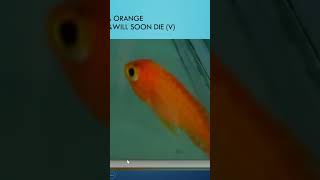
In this instructional YouTube video, Gerald Bassleer presents case number 362, focusing on a Burmese ruminose (Sauroparva resplendens, nicknamed "Sabwa"). He documents the clinical deterioration of several fish—loss of colour, weight loss, and wasting—and explains how microscopic examination revealed a mixed infection: multiple gill flukes damaging the gill lamellae, numerous intestinal nematodes (including Capillaria species that produce eggs), and a heavy load of rod‑shaped bacteria affecting internal organs. Bassleer highlights the cascade of pathology, noting that gill damage predisposes secondary bacterial infection and that Capillaria eggs pose a reinfection risk. He recommends a two‑pronged treatment: an anti‑helminthic such as praziquantel (or a similar product) to eliminate the parasites, combined with a veterinarian‑prescribed antibiotic to address the bacterial infection. He stresses the importance of following medication schedules to also eradicate parasite eggs after 1–2 weeks, and suggests supportive nutrition (his Dr. Bassleer Biofish Food Pumpkin) to boost immunity. Throughout, he promotes his fish‑disease books and Patreon channel for deeper guidance on diagnosis, quarantine, and treatment.
Chapters
Hallo, dear aquarist, dear fishkeeper. Thanks again for watching one of my videos on a fish disease case, number 362. I hope you can see other cases that might teach you a lesson why our aquarium fish are getting sick and what you can do about it. It teaches you lessons and makes you understand what fish diseases is all about. And today it's about the Burmese ruminose, the Sauroparva resplendens. Very difficult name to pronounce, but I call it Sabwa, make it easier. And I show you my findings that I, well, discovered during the use of a microscope, or with the help of a microscope. That I could find gill flukes, nematodes, Capillaria, and bacterial infection. So a mix of infections that needs proper attention. And how to treat, I will explain you. My books on fish diseases are very helpful, and I hope you, you have them or try to get them. The link is below where you can order them because they teach you lessons: how to diagnose fish diseases, how to recognize fish disease with many photographs, and also what medications can you use to treat fish diseases. Here the group of Sabaras splendens or the Burmese Raminose, and you can see that some at the back, like here this one, becoming skinny, separating, wasting away. Here is another one, getting darker in color, skinnier, and wasting away. I show you the video again because not all of them look so bad. Some are look very healthy, but some are in between, and that's the ones that show you, well, watch out, something is going on. We're not all dying yet, but it starts with one, one showing this bad sign of losing color, wasting away, becoming skinny and dying. And that one dead fish is a sign that maybe 10 or 20 are already badly sick. Do something about it. Try to examine. And here we found in the gills— Gill Flukes. Yes, this is of course a nasty parasitic infection. You can see it's not one or few, it's several gill flukes, and that is damaging the gills. And causing damage on the gills is also causing a big risk of bacterial infection, secondary bacterial infection on the lesions caused by the hooks of the worms which are attached into the gill lamellae. So something you be aware about. Internally we found nematodes, worms, roundworms, you can see here, Capillaria, and here in other parts of the intestine we found a small one here, and then we found a bigger one here, so we found quite a few nematodes in this tiny little fish. Here in detail, a Capillaria, In higher magnification, you can see the many eggs that will be expelled by the fish through— with the excrements and a risk of reinfection in the aquarium. Because that is the risk you have when you have Capillaria that produce eggs and they can reinfect the other fish in the aquarium. So the treatments must be done very well, not only to kill the worms inside this fish, but also to kill the eggs after 1 or 2 weeks. So follow the directions of the medications that is provided on the market. At the same time, we found a bad liver, bad organs, and we found many rod-shaped bacteria. You can see them here, all the little rods, well, big rods, that are affecting the organs of the fish. So next to the parasites, we found those bacteria. So the treatment: 2 worm infections need to be treated, and Prasycantel could be a good choice. Try, ask your fish doctor, your pet shop, in combination to use with an antibacterial medication like an antibiotic, because the disease is very advanced in the organs, so you need a good antibiotic. So prescription by your vet or your fish doctor should be needed. At the same time, we have a functional fish food, Dr. Bassleer Biofish Food Pumpkin, that helps in immunity and repair during worm infections. My books on fish diseases should teach you lessons. Try to get them, the link is below, or get more information at my Patreon channel on several aspects of fish disease diagnosis, quarantining fish, freshwater, marine, etc. Many opportunities for you to learn more. So I hope this short video helped you to understand a mix of infections on this Burmese red nose, Rummy nose, the Sabwa, with worms and bacteria. Thank you for watching.