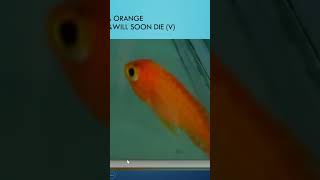
In this educational video Dr. Gerald Bassleer examines a wild‑caught Cardinal Tetra (Paracheirodon axorhodi) that arrived emaciated, with severe gill bacterial infection and multiple nematode infestations. He explains how wild fish naturally acquire parasites and bacteria from their environment, shows macroscopic signs (sunken belly, poor condition) and microscopic evidence (millions of black bacterial colonies on gill lamellae, free and encapsulated nematodes in intestine, spleen, and liver). He discusses treatment options—levamisole, fenbendazole, praziquantel for worms; appropriate antibiotics prescribed by a veterinarian for the bacterial infection—and the challenges of medicating a thin, non‑eating fish. He recommends functional food (Biofish Food Pumpkin) to boost immunity and worm control, stresses the importance of quarantine, regular microscope use, and consulting professional fish doctors. Throughout he promotes his multilingual fish‑disease books, Patreon training, and encourages viewers to adopt preventive practices to become better aquarists.
Chapters
Hello, dear aquarist, dear fishkeeper, and those that like the Cardinal Tetra, Paracheirodon axorhodi. Today a video on a common problem that we encounter when we deal with wild fish, fish from the wild, fish from the original habitats. And in this case a Cardinal Tetra coming from the Amazon. And of course bringing in a risk of a disease. Why? Well, that's nature. Fish don't have a way to avoid infections in the nature because they have to survive and they eat everything they can get. They get some food Not prepared food, food with a risk of infections, and particularly worms is a common problem in wild fish. And that does not mean they all will die from it, but it's part of the biology of nature that the fish are sometimes an intermediate host, transferring a disease through the fish, through a bird, or a predator fish. It's a cycle in nature, and that's also— mankind has to deal with it. When you live in nature, you are part of a biological system. Unless you take preventative measures like preparing your food, cooking, heating, killing the pathogens, killing the parasites, and that's what we do, but The fish in the wild cannot do that. They have to take what they can get. So I show you here the presentation of, well, of my work that I did on a Cardinal Tetra that came from the wild and that was suffering from a bacterial and a worm infection. Interesting case number 363. My books on fish diseases explain you a lot on fish diseases, diagnosis, prevention, and how to treat. If you don't have them, buy them. I have them available in several languages. See the link below where you can order them directly from us. Here is the Cardinal Tetra, the Paracheirodon axorhodi, that is becoming very skinny. You can see the sunken belly. And some are dying. Here we see in the aquarium, some are looking healthy, pretty well, in good shape and doing well, but some of them are just like this Cardinal Tetra, it's wasting away, it's emaciated terribly and will not eating properly after a couple weeks and maybe will die. Here there's another one in the back here, we can see this dark one here, and that's the one I take out for examination. Other ones will have very little infection, might survive for months, for years, but it's always a certain percentage that is unlucky to have this infection. And it starts with the gills. You can see the bad gills here. Gills are in bad shape, bacterial infection. Look at this lamellae, which are fused and not working properly anymore to exchange the gases. And then we found in parts of the operculum, the gill cover, a massive amount of bacteria. Those black tiny spots are all bacteria, all bacteria here, causing a bacterial infection. And then we do it at a 400 magnification. You see those tiny black spots those millions of bacteria that are infecting the fish and causing serious damage and of course mortality. Inside we found worms, we found nematodes, free nematodes, encapsulated nematodes in the intestine, internally in the fish, on different parts in the organs. We found all different nematodes. I think we found about 20 of them. And here is one bigger one that is free swimming, released from the intestine due to the preparation of the examination. And here we see encapsulated nematodes. Here more encapsulated nematodes taken away healthy tissue. We see a spleen which is not in good condition, all infecting the quality of the fish. Also the liver with an encapsulated nematode. You see some of the tissue of the liver is in poor shape, pathological lesions. So the Cardinal Tetra, it's a wild fish. It's common that we find worm infections. There are several treatments available in the market: Levamisole, Fenbendazole, Praziquantel, that can help in the treatment of these roundworms, those nematodes. Ask advice from your fish doctor. You can put it in the water, you can put it in the food. Problem is that a skinny fish like this is not eating well and will not take up a lot of medication through the food. So if in the water might be necessary also to treat the worm larvae or the eggs that might appear from the nematodes. Do not forget to treat the bacterial infection. Ask your fish doctor or your vet for advice what to use, what kind of antibiotic you can apply. You can read my books, I give advice also on what antibiotics you can use. But you need it with prescription from your veterinarian or your fish doctor. And you can help with a functional fish food to help the immunity of the fish, to help in the repair. And in this case of worm infections, I would recommend Dr. Bassleer Biofish Food Pumpkin because the pumpkin seed extract helps in the control of worm infection. My books on fish diseases teach you lessons and they are available in several languages. See the link below. Or go to my training that I provide at my Patreon channel. Also on quarantining fish, on diagnosing fish diseases, understanding aquariology, what factors are important in keeping fish in an aquarium all tools that I provide that you can become a good aquarist. And since you are watching this video, I'm happy because it teaches you a lesson, and that means you watched until the end. So I teach you a couple of minutes lessons of fish diseases prevention. You can learn from it, you understand why the fish are sick and what you can do about it. Particularly the microscope. I keep on telling it when you are a serious fish hobbyist or you have a pet shop or you are an importer or an exporter, you should use a microscope or at least get somebody in your facility that learns how to work with a microscope. Thank you for watching and subscribe to learn more from my videos. Thank you for watching.