What Your Doctor Isn’t Telling You About Cancer Treatment
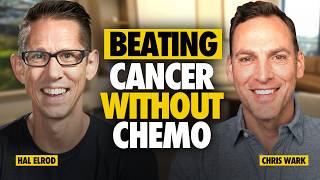
In this YouTube interview, Hal Elrod talks with cancer survivor and advocate Chris Wark about Wark’s 2003 diagnosis of stage‑3 colon cancer, his decision to refuse chemotherapy, and the holistic, faith‑based program that helped him survive and remain cancer‑free for over 20 years. The conversation covers the emotional and spiritual challenges of a cancer diagnosis, the importance of believing healing is possible, and the “Beat Cancer” mindset that emphasizes personal responsibility, diet, lifestyle, and forgiveness. Wark critiques the conventional cancer industry for disempowering patients, using vague language like “effective” and avoiding honest discussions about cure rates. He shares practical tools such as his 20‑question guide for oncologists, his books (Chris Beat Cancer, Beat Cancer Daily, Beat Cancer Kitchen), and his website chrisbeatcancer.com. The hosts discuss specific nutrition recommendations—raw and whole‑food plant‑based diets, minimizing animal protein, alcohol, tobacco, and certain pharmaceuticals—as well as the role of obesity in cancer risk. They also talk about integrating conventional treatments (e.g., chemo) with holistic practices like juicing, supplements, red‑light therapy, and detox protocols. Finally, they stress the power of forgiveness, gratitude, and daily spiritual practice as emotional medicines that can reduce stress and support healing. The interview aims to empower listeners—patients, survivors, and those seeking prevention—to ask better questions of their doctors, adopt healthier habits, and take an active role in their cancer journey.
Chapters
What would you do if a doctor told you that you had cancer and that chemotherapy was your only option, although it could kill you? Would you just say yes? My guest today, Chris Wark, was 26 years old, newly married, and just getting his footing in life when he was diagnosed with stage 3 colon cancer. And when his doctors pushed chemo, he did something that scared everyone around him. He said no. Instead, he radically transformed his diet, his mindset, and his relationship with God. And over 20 years later, he is still here, cancer-free, and he's helped millions of people do the same, including me. Now, I need to be honest with you, I'm not unbiased when it comes to Chris. When I was diagnosed with a rare aggressive form of cancer with a 20 to 30% survival rate, Chris's website, chrisbeatcancer.com, was the single most important resource I turned to. I genuinely believe it's part of the reason that I am still here with you today. And in this conversation, we get into what cancer— the industry doesn't want you asking your doctor, the diet and lifestyle changes that could prevent cancer in the first place, and the one emotional practice Chris believes is as powerful as any medicine. and I share exactly what I did to beat cancer against those odds. So make sure you stay until the end. Whether you or someone you love is facing cancer right now, or you simply don't want to, this episode could change your life. Let's go. Chris Wark, it's so good to be with you, brother.
It's great to be with you. Great to see you in person. You look well, you look great. You look really good. Yeah.
The last time I talked to you, I believe I had just been diagnosed with cancer and, uh, I don't know if I, just reach out through your website or someone connected us, but I found chrisbeatcancer.com. And as I was telling you before we started recording, like that is ever, literally 100% of the people that I get connected with who have cancer, whether it's a, my aunt has cancer right now, my, a team member has cancer and just people reach out to me along and go, hey Hal, my aunt has, or my cousin has cancer. Would you mind talking with them? And I think it's 100% of the time that I lead them to chrisbeatcancer.com, which was the resource where I really got all of the holistic guidance from you as well as a lot of the spiritual guidance, if you will, to overcome cancer, man. So I owe you such a huge debt of gratitude.
That's awesome. I mean, I, you know, that's, I created that website to be what I wished had existed for me when I was diagnosed in December 2003. So, you know, and 7 years later I started crispycancer.com. But yeah, that was, that was the mission. It's like, man, and even at that time, now there's a million websites and social media pages and people talking about cancer, and it's a whole different world. But even in 2010 there really wasn't much information online about, you know, with evidence-based information on nutrition and natural non-toxic therapies, holistic approaches to cancer, integrative approaches. There just wasn't much out there online. And I was like, man, like I had learned so much that I was like, I need to just go ahead and I need to try to organize this and just bring it to people that are looking and share my story. And hopefully I can be encouraging and and bring some hope and some guidance. And yeah, just it ballooned into something I did not expect. You know, it was a part-time passion that turned into my profession. And after doing it for about 5 years, it just kind of blew up. And so, yeah, here we are. And, you know, I wonder, do we have— do you know JP Moses?
I don't.
All right. Well, I've got a buddy named JP, and he— I think he was the guy I think he told me about your book, Miracle Morning, years ago. And he said, "Yeah, this is a great book. You should read it, get a copy of it." I got a copy of it and I was reading it and it was like, "Oh, man, this guy sold Cutco. That's amazing." I sold Cutco too for 2.5 years in college. And I'm like, "Oh, how about that?" And so, yeah, read the book. And then, I don't remember how we got in touch, but yeah, somebody, you reached out or somehow, Somehow we got connected and I knew who you were already and was just like, yeah, man, let's, let's talk, you know? And so when was that? 6, 7 years ago?
9 years ago, man. 2008 to 9. So I was diagnosed in October 2019. So it'll be, yeah, it'll be 10 years or I'm sorry, 2016. So it'll be 10 years this October. So yeah, it's about 9 and a half years ago that I was diagnosed and you and I probably connected. Right around 9 years ago. So yeah, it's— dude, time flies.
That's amazing, man. You're coming up on a 10-year cancerversary. That's really awesome. Yeah, yeah, that's a milestone. And for me, I remember our conversation because I was walking around my front yard on the phone talking to you at my previous house with my shoes off because I'm grounding, you know. Yeah, yeah. But I, I remember that conver— I mean, I don't remember everything that was said, but I remember being on the phone with you, being in my front yard, walking around.
That is cool. So what I'd like to do today is I want you to share your story. I really would love to start there, but before you do, just kind of where I'd like to take us for anyone that's watching this who has cancer or in their world, right? Where, you know, again, aunt, uncle, grandparent, father, you know, mother, anybody that in your world has cancer and anyone listening who is like, I don't want to get cancer. You know, the statistics are saying it's like 50%, give or take, that I'm going to get cancer based on all of the toxins in our environment and our food and all of these things. So, it's like, how do we prevent cancer? And by the way, I didn't know you had that book. I'm looking over your shoulder, Beat Cancer Daily. Am I right in imagining that's like a cancer prevention type of book?
It's actually like a daily devotional. Okay. Yeah, yeah. It's a daily devotional, daily reader. Not every So it's 365 days of inspiration, encouragement, and action steps to survive and thrive. So that's the subtitle. So it isn't just for cancer patients, actually, but it's a mix of, you know, scripture, encouraging scripture, and practical life advice, you know, and just encouraging information and anecdotes and stories and quotes and just stuff I'd collected that I was like, man, I just I love all this. I wanna share it, you know, all these little, you just nuggets. And so that book came about and the cookbook Beat Cancer Kitchen, those came about during, yeah, the pandemic, 2020, 2021. I just, we just cranked 'em out, you know, it was like kind of stuck at home and like, yeah, I had those ideas, you know, percolating. It's like, all right, let's do it.
Let's do it. Yeah, that's because that's a big thing for me. Like I live an, you can call it an anti-cancer lifestyle now, but it's the idea, especially early on after cancer, my cancer has a a higher relapse rate, right? So it's like if you get can— your cancer could come back and if it comes back, it's even worse than the first time. And, you know, so I really went from before I had cancer, I identified as healthy. And I think this is an important paradigm for people listening. Like if you would've said, are you healthy? I go, I'm healthier than like 90% of people. But that's a terrible way to, you know, to check your own standards. Like I'm, you can look at the lowest common denominator and go, I'm doing better than most, right? I only get drunk 4 days a week. My friend gets drunk 7 days a week, so I'm way better. And that was kind of my mindset. I only have vegan ice cream. I only blankety blankety blank. I don't drink alcohol that often. And now it's impeccable. For me, it's like I don't want to put anything in my body that could cause cancer. And it's not 100%, but it's very close, right? Meaning I'm not, it's not that I won't eat a thing or do a thing. So anyway, all of that said, I'd love to talk about your story. I'd love to talk about where anyone that has cancer, how, how, what resources, what mindset, how you'd recommend approach. Again, we can kind of go back and forth on that. And, and I'd love to at some point talk about the cancer industry if you're okay going, you know, down that road and just the medical industry and the cancer industry and the profit motive. And then I'd love to talk about how to live a cancer-free lifestyle so that someone that doesn't have cancer or had it and doesn't want to get it again, what can you do each day? What can you put in your body and not put in your body to minimize the chances that you would get cancer and maximize the chance that you're gonna have a long, healthy life? Does that sound like a good kind of roadmap for us to follow?
Yeah. And I think I can squeeze all that in in about 4 hours. No, no, for sure. For sure. Yeah, we can do it. Love it.
All right, man. So start. Yeah. Share your story. So 2003 was the diagnosis, correct?
Yeah, you know, I was having abdominal pain. I was 26, and, um, it— the pain, you know, at first I just— I mean, you know, you have little pains here and there and you say, I don't know, and, and they go away. But, uh, this pain persisted and it just kind of kept, kept bothering me for the better part of a year. Eventually I went in and had— after multiple doctor's appointments, I eventually had a colonoscopy and they found a golf ball-sized tumor. In my colon and biopsied it and said, "You got colon cancer." It's like just the worst news ever, right? Anytime, especially for a young person, as you understand. I mean, 26, I'd been married 2 years. I was in real estate at the time. And like, I mean, I was just getting going, right? I was like just getting some traction as a young adult. Grown up and out in the world. And then, I got hit with this major blow. And as a believer, it shakes your faith, right? Adversity, trials, difficulties really shake your faith. And especially if you have sort of like an infant type faith, which I'm going to say I did because I'd never had any adversity in my life, you know. I mean, everybody has little problems and stuff, but I'd never had real adversity. Yeah. And my parents didn't get divorced. I mean, you know, like, I had a very good upbringing, very solid. Never had to worry about anything other than just normal insecurities that young people have and fitting in and whatever, passing a test, that kind of stuff. And so, now I was like, man, why is this happening to me? This feels so unfair. I was going to church. I was playing on the worship team. I'm serving in the church. I'm making decisions. I'm not chasing after worldly things. You know what I'm saying? As many of my friends were doing, right? Drinking and doing drugs and going to strip clubs and just like doing all this stuff. I'm like, man, I'm not doing any of that. Like I've turned away. Like I'm not doing those things. I'm really trying to follow Jesus. And here now I got cancer, right? Meanwhile, you know, there's just horrible people. And I'm not talking about my friends. I'm talking about actually super bad people running around, right? The city of Memphis, which is like one of the most dangerous cities in the US, like full of criminals in great health.
Yeah.
That are like harming people and like robbing people, robbing, stealing, raping, you know what I'm saying? Like these, all these bad guys out there and like, why did I get cancer?
Yeah.
So, you know, I think everybody feels some sense of injustice and feels like it's unfair and they question it and And there's this beautiful verse in the Bible that says, "Trust in the Lord with all your heart and lean not on your own understanding. In all your ways, acknowledge him and he will make your path straight." And yeah, like I'd heard that verse lots of times. It's like, "Yeah, okay, that seems good." But that verse is about hardship. You know, that's about hardship. It's not about life's great. That's not when you need that verse. Yeah, right. That's not when you need that promise. You need that promise when you are in the middle of hardship because it says trust in the Lord with all your heart and not in your own understanding, because you're going to be in a situation that you don't understand why it's happening, right? Like you're just like, God, I don't understand this. I don't deserve this. This is so unfair. This is terrible, right? Whatever the news is. And we all have those situations in life. And so the command is just trust in the Lord, right? And so trust him with all your heart, even though you don't understand. In all your ways, acknowledge him. And that really, that's a little bit nebulous. But what I believe it means is, is kind of stepping back and just saying, you know what? God, you are the creator of everything, right? Like, you, you, you've created the earth. It all belongs to you. Like, everything I have belongs to you. You've blessed me in so many ways, and I want to, I want to live a life that's pleasing to you. And, you know, in everything I do, I want you to be pleased, right? And so, like, orienting yourself to trust in him and, and live your life in a way that's pleasing to God and He will make your path straight. That's the promise, right? So there's like a command with a promise attached. And, you know, him making your path straight, that's what you want. You want the straight path. Yeah, right. The straight path. That's the fastest way to get from point A to point B. You don't want the crooked path. You don't want the wild goose chase, right? You don't want to run around in circles. You want the straight path. And for me, it was like the straight path to health, to healing, to restoration, right? That's what I want. Like the the fastest way to get out of this mess. And so, it forced me to just say, "God, I trust you. I trust you with my life and my health and my family and my future. And I don't understand this, but I trust you anyway. Like, I'm going to trust you to lead me through it." And that wasn't the first verse, by the way, that came to mind. The first verse that came to mind was Romans 8:28, which perfectly aligns with this, which is Romans 8:28 says, we know that God works all things for the good of those who love him and who are called according to his purpose. And Paul wrote that after he had been beaten to death, imprisoned, shipwrecked, like had had just tremendous amounts of suffering. And he writes, we know that God works all things for the good of those who love him. So that was the first verse that I that came to mind and I thought, oh man, this is a challenge right there. God, how is he gonna work this for my good, right? This stinks. But that was, again, that was the faith test. It's like God saying, are you gonna believe? Are you gonna believe? Do you believe my word is true? Do you believe I'm gonna work this for your good or not? And so I was like, okay, I'm gonna believe it. I'm gonna believe you're gonna work this for my good.
About two of my favorite products. I've been taking these for 4 years and they are now a sponsor of the podcast. Cured Nutrition Flow Gummies. I start every day with 2 of these. I meditate for 30 minutes without any supplements, and then I take Flow Gummies 7 days a week, almost every day. And then I go to bed with night oil, 30 minutes before bed. I take night oil and it helps me fall asleep and stay asleep. So I start my day with Flow Gummies. I end my day with night oil. If you want to implement my routine into your day with Cured Nutrition, go to curednutrition.com/hal. Again, that's curednutrition.com/hal and use the discount code HAL at checkout for 20% off your entire order. Flow gummies to start the day, night oil to fall asleep. You'll feel better. You'll act better. You'll perform better. Check it out. So faith was really your foundation in this extremely difficult time in your life and trying to figure out what you were going to do, right?
Yeah, absolutely. From day one, man, it was, and I don't want to sound like I'm some super faith warrior because I was not. Okay. But I was desperately clinging to just a few scriptures, like promises of God. Yeah. Right. In desperation, not in, like, you know, superhero confidence. Okay. So there's a big difference. I want to make sure everybody understands, like, yeah, that I was not as— anyway. So, so those, you know, I was, I was encouraged by the promises of God. I trusted him to lead me. I had surgery, you know, I was kind of rushed into surgery. And we can get into the cancer industry and how they treat patients, but I was, I was rushed in and they, you know, before I really knew what was happening to me and had surgery on December 30th, they took out a third of my colon. When I woke up, they said, you're stage 3, which is worse than we thought, so you're going to need chemotherapy. And, you know, that was another, you know, that was, that was another blow. Yeah. Because all of a sudden now it's, oh, it's even worse. Initially it was like, well, you just need surgery and then you'll be fine.
All right. Yeah.
And now it's like, oh no, full-fledged cancer patient, right? With the chemo. And, you know, I had seen what chemo does to people. And, uh, just not anyone close to me, but just people in the world, right? Yeah. And I knew how, like, really harsh and difficult and toxic, and there's a lot of suffering, um, that goes alongside certain chemotherapy drugs. They can be deadly in some cases. And so, uh, so I, I had, you know, I had a resistance to that. I didn't have peace about it. For me, and I didn't really know why, but I just didn't have peace about it. I had a very strong internal resistance to it. And when I got out of the hospital and I started to sober up and really think about my life and my future, I just thought, man, I don't know if this is the path for me, but I don't know what else to do. So I was like, my wife and I prayed about it, and I just said, God, if there's another way besides chemotherapy, please show me. I trust you. But I, I don't have peace about this. And 2 days later, I got a book that was sent to me from a man in Alaska who knew my dad. And that was this, uh, this old book called God's Way to Ultimate Health by George Malkmus.
Wow.
And George, do you know it?
No, but I mean, just going off the title and your prayer and the timing.
Yeah, yeah, yeah. So this book called God's Way to Ultimate Health, and the subtitle was like A Common Sense Guide to Eliminating Sickness Through Nutrition. So I'm like, okay, uh, what's this about? I crack it open, I start reading George's story, and he was diagnosed with colon cancer. And, um, long story short, he was able to heal himself without surgery or chemo or anything by changing his diet. Yeah, to a diet that was predominantly raw, right? Raw organic fruits and vegetables. Lots of fresh juices, carrot juice especially. And as I'm reading his story, man, I was just overwhelmed. I was like, I can't believe this showed up. This is an answer to my prayer. Yeah, right. I prayed and this showed up. I just, I just know, right? I know this is the answer. I asked for something and this showed up. This is it. So overnight, you know, I, I was like, I'm doing it, right? I'm doing it. Went to Whole Foods, loaded up the cart, got a bunch of vegetables, bought a juicer, you know, did some wheatgrass shots while I was there, back when Whole Foods had actually made juices in the store. Most people may not remember that they used to sell juicers and everything at Whole Foods. Yeah, um, but, uh, I just— it was just an immediate conversion for me, and, uh I was really excited. You know, when you pray and you get an answer to your prayer and you know you've got an answer, it's so exciting. It's like overwhelming. I was— I mean, I had tears of joy coming down my face as I was reading this guy's story because I knew that, you know, I just felt the love and the, the, you know, provision of God.
Yeah. Frankly, you're free, right? When you make— when you pray and something so blatantly I've had things like that where you pray for something that's so blatant and so immediate, or you go like, it can't be coincidence in the way that it rolled out. So yeah, yeah, go ahead.
Yeah, I just knew it wasn't, you know, there was no doubt. I had no doubt. I have doubts about other things, but no doubt at that, at that time. And, uh, and so I, I, you know, kind of got off, got going, had some resistance from family members, you know, all the, all the fun, all the little details are in my first book. It's called Chris Beat Cancer. But I'm trying to, for the sake of time, kind of hit some of the highlights, but, you know, I had resistance from friends and family and, you know, that was really hard, you know, especially when you feel like you've prayed and God's given you a direction to go and then everyone else says, no, don't go that way. That's a mistake. Yeah.
Out of fear especially. It's often if you don't do the thing that we— the only thing that we've been told by institutions works. You're in trouble, right?
Yeah, yeah. And that's really hard because I'm like, well, hang on a second, I've been praying and I feel like the Lord's leading me. Are you also praying and is he telling you this is wrong for me, or is this— or you are from the news? Yeah, right. And so, and again, these are people that care about me, so I don't fault them for it. Of course they were operating from a fear-based mentality, and you know, they all just sort of believed You know, like, well, you just have to do what the doctor says. You just had to— you just have to do what they say. And I was fortunate, and I'm really blessed, just to say that my mom was, you know, very natural, holistically minded, and had a huge collection of books on juicing and raw foods and healing and alternative cancer therapies. Like, she just had all these books.
Nice.
Like, she had read and collected— she's a voracious reader, had always loved you know, uh, just the natural health world. And, uh, even though she wasn't like a strict vegan or vegetarian or anything like that.
Yeah.
And so she had a lot— just stacks and stacks of books from the '70s and '80s, you know, on, uh, and '90s on, on health and healing. And so I started to read those, you know, I just went from book to book to book. Yeah. And what I found, I just kept finding the same answer, you know, which is kind of funny because it's like God gave me an answer, but I kept looking. Yeah, you know, I kept looking for more answers, more confirmation, and I, and I kept getting the same answer: raw food, juicing, fasting, exercise, forgiveness, right? Like, these are the common threads, uh, in every holistic cancer survival story. You just see it over and over again, this comprehensive approach to healing it's, it's body, mind, and spirit. And so what I call the Beat Cancer mindset, it starts with a very simple thing. You have to believe, you must believe that healing is possible, right? Yeah, that's where it all starts. You have to believe healing is possible. You don't have to be positive you're going to get well, but you have to believe it's possible. And if you believe it's possible, that's— that orients your, your mind to start looking for solutions, for help, right? If you believe you're a victim of disease, which most cancer patients are conditioned into victimhood, and most people are conditioned into victimhood by the medical industry, And they're told, well, you have this chronic condition and you just, you're never going to get healed. You can, there's medication for it. You're right. Fill in the blank. You'll have to take this medication for the rest of your life, or you'll have to do these treatments and for the rest of your life and cross your fingers and it's going to come back eventually, but we'll treat you when it comes back, you know, and there's nothing you did to contribute to your disease. So don't feel bad. You don't need to change your diet. You don't need to exercise anymore. You don't need to stop smoking or you don't need, well, maybe, maybe cut back on alcohol a little bit. Right. And so patients, so many cancer patients are given permission to continue to live the life that they were living. That had some effect or some impact on their current health. Yeah. And people don't want to hear that. They, oh, so you're saying it's my fault? It may be. Yeah. Right. And go ahead.
I just want to add, because I want to insert where my experience so aligns with what you're talking about. So I had watched a documentary called Healing Cancer from the Inside Out, like 5 years before I got cancer. And I went, oh, if I ever get cancer, I won't do chemo. I'm going to, and it was about really healing with nutrition. And I reached out to two of the best holistic oncologists in America when I got cancer and they said, oh, Hal, your cancer is a very rare aggressive cancer. There's actually nothing holistic that will stop it before it kills you. You have 1 to 2 weeks to live. So I, that's why I kind of chemo against my, you know, like I was like, I don't want to, I was resistant, right? For all the reasons that you said. But this is what I, what, what you just mentioned. About doctors, just keep doing what you're doing. I went, it was almost to test my oncologist to see if I could trust his knowledge and judgment. I said, hey, what part does diet play in my healing? When I already knew I had an answer to that in my mind, he said, it doesn't matter as long as you do the chemotherapy. And then I go down to the hospital cafeteria and I watch people walking around with their IV towers hooked up to chemo. Eating cake, pie, pizza, candy, soda, you know, and it infuriated me. And so, that was the piece. And then the other piece that I wanted to touch on that you just said is people are like, they don't like being told it's their fault. For me, it was the opposite. I go, what have I done in my life? What about my lifestyle has been unnatural, has been not from the earth or has been toxic? Prescription drugs, alcohol, you name it, right? Sugar. So, for me, it was like, I want to examine everything that could have contributed that I did. And my doctor was saying, it's not your fault. Nobody knows what causes this, blah, blah, blah. So, it's interesting. That's one of two things there, the nutrition piece and doctors just saying, just keep doing what you're doing and it's not your fault because people don't like hearing that versus going, no, I've got to take complete ownership of my body, my mind, my spirit, and my health. I just wanted to echo what you're saying from my vantage point based on my experience of being diagnosed.
Well, your attitude is perfect. That's the attitude I wish every cancer patient had, right? Is, you know, very, it's very logical, right? We live in a cause and effect world. Something caused this, right? Something caused this. Did I cause it? Maybe, right? Yeah. And it's not to make beat you up or make you feel bad or anything. This is what I looked in the mirror and said, maybe this is your fault, right? To myself. Yeah. I accepted that I had a responsibility and a role to play in my life and my health and my future. And, you know, we have this similar background, right? We started in Cutco and we got out there selling. And so I think it was, you know, that, that job taught me a lot. And you as well, I'm sure, that like you really are in control of your future and your decisions do matter. Like, you wrote Miracle Morning, that's about starting your day off, right? And making these specific decisions to start your day off the best way possible. And like with Cutco, you had to get up and like make phone calls and set appointments like to try to sell some cutlery, you know? And if you didn't make those calls, guess what? You got no appointments. And if you got no appointments, you have no sales. And so, like, I understood that. Not just from that job, but in general. Like, there's— we live in a cause and effect world. Something caused this, and if I played a role, I want to know what I can change in my life for the better. Because if I contributed to my sickness, maybe I can contribute to my, to my health, to my healing, to my wellness. So, you know, all of the— I was starting to kind of get my head around that. And again, this all falls under that beat cancer mindset umbrella. And so, but doctors do victimize patients and they give them— they basically tell them nothing you did contributed to your situation and nothing you, uh, there's nothing you can do to help yourself, just show up for treatment. That's it, right? Give it the message.
You got power to us. It's on— it's up to us. You have no power.
Yeah, I mean, yeah, we're your only hope.
Yeah, that's right.
We're your only hope. And so the patient is— it's a weird sort of thing that happens to them psychologically. They're victimized. They don't realize it. They're victimized or disempowered, and then they're encouraged, like their attitude, their lifestyle choices, their entire life behaviors are reinforced, right? By victimhood. They're just told, well, my doctor said I don't have to change my diet.
Yeah. And they are— I love— and I love my doctor because he told me that, right?
Yeah. I've got the best doctor. He, he makes me feel so good about myself and my choices.
It's my fault I'm eating my diet sodas. I love my— oh no, you're—
yeah. And it's, man, it's— we laugh about it, but it really is tragic. No, you know, it's really tragic what the psychology behind that if you really go deep on it. So, and we deal with that in our community, you know, all the time, every day. We're trying to break people out of this victimhood and encourage them to— and help them understand, like, your choices matter. And whether you do chemo or not, or you do surgery or not, it doesn't matter. You can do everything the doctor tells you to do, but you need to understand there's so much more you can do to help yourself, that you're not a powerless victim, and that you're— the choices that you make on what you put in your mouth, on the way you think, on the way you act and react, your relationships with others, your relationship with God, choosing to forgive— these are all things that you have power to do and changes you can make for the better. Yeah, in your life. And guess what? They all have an impact on your survival, all of them together. It's not just one thing, right? They all work together for your good. And so why not maximize, you know, the effort that you're making to help yourself survive? And so that's what we teach, right? It's not— we don't, we don't have like— we're not anti-chemo. I say we just like me and my team, like, not anti-chemo. We don't tell people do it, don't do it. I chose not to do it and And I, I know that the Lord led me in that, down that path, cuz that was the best for me. And you know what's crazy? I found out years later, I had to follow up an appointment with an oncologist. This is like 20 years, you know, around 20 years later. Wow. And he said, yeah, you know, you didn't do, uh, chemo back then. And he said, based on your age and your cancer type, and you have this genetic driver, it's called Lynch. He said the chemo wouldn't have helped you.
Hmm. Interesting. Would have hurt you but not helped you.
Yeah, it would have hurt me. It would not have helped me. Yeah. And so that was incredibly validating. And, you know, the research had come out at the time, you know, it was just the research had not been fully fleshed out. But now, 20 years later, they know, yeah, no, if you got this type, the type I had, chemo of little to no benefit, and it's, it's super toxic and poisonous and could, you know, kill you or just make you suffer or make the cancer more aggressive.
Yeah.
So I'm just so thankful that the, that the Lord led me in down that path, cuz that was the best path for me. But regardless, we just love and support everybody that, that if they have cancer or if they have a chronic health condition and they want to learn how to help themselves heal, you know, instead of conventional treatment or alongside conventional treatment, like we're here for you. Like that's what we're here to do. So anyway, I'm jumping ahead to my mission now, but back then it's like I didn't have a mission or a vision or anything. I just wanted to live, you know. I wanted to live and I wanted to thrive. And I, and I ended up getting in this, you know, once I got into the natural health world, I realized like, man, these people talk about disease and cancer so differently, right? They're talking about it being a blessing. They're talking about thriving through cancer, not just surviving. Yeah. Right. And it's— there was so much hope and encouragement and just positivity. And then I looked at the conventional side and it was just doom and gloom and suffering and people wallowing in self-pity. And it was, it was a lot of false hope. And, you know, patients being told like, this drug is very effective for your type of cancer. And the patient, You know, here's the word effective and they think, oh, that means cure and effective. And I go, I go, you know, there's 4 chapters in my book that really are an exposé on the conventional, conventional medicine and the cancer treatment industry, just so the reader can hopefully avoid some of these perils and pitfalls and yeah, make the best decision for them. But, but one of those, yeah, sort of, you know, it's subversive, psychology of, uh, cancer patient dialogue with the doctor is this language saying these, you know, this drug combination is effective. Patient thinks effective means cure, and effective doesn't mean cure. Effective means tumor shrinkage, probable tumor shrinkage. No guarantee, but there's been studies, there's been research And they got the drug approved that, you know, allegedly they were— they proved it could shrink tumors and for some period of time. And so now it's considered quote unquote effective. And nobody wants that, right? Like, the cancer patients don't want tumor shrinkage. They want to get well. Yeah, they don't want temporary tumor shrinkage, you know, they want to heal. And so you know, that's— I, I created a free guide. It's called 20 Questions for Your Oncologist. And you can find— you can download this. There's a link to it on every page of my website. If you go to chrisbeatcancer.com, you'll see a link to it. Download it. It's, it's 20 questions. There's an, there's an, an audio sort of program, like me teaching. There's a downloadable guide. That you can use. Go to the doctor's, go to, you know, oncologist's office and ask as many of these questions as are applicable to your situation. Because the big problem is cancer patients, they don't know what to ask, and they just get in there and they're in shock from the diagnosis. They're totally traumatized, they're frozen, they're paralyzed with fear, and they're just, they're just, you know, just in there in this sort of stupor and they're just being told, here's what we're going to do, right? You're going to go— you're going to get chemo, you're going to have surgery, you want to start radiation, this is going to— we're going to do this, that, and the other to you. And they just kind of go, okay, right? But if you come in armed with good questions, then you really get the truth. You know, is this— a couple of them, just say, for example, will this treatment cure me, yes or no? I mean, you'd be shocked at how many cancer patients don't even ask that, right? That seems like an obvious question, but they don't. Will this cure me, yes or no? Whoa, watch out, doctors don't like that. They get real uncomfortable quick when you ask them that. They'll, well, you know, we don't know, we can't really say for sure, you know. Sometimes they'll say no, you know, sometimes you'll just get a hard no. It won't. This will not cure you, but we're hoping it'll buy you some time.
Es, es.
Right. And you need to be— you need to kind of have the Band-Aid ripped off. Like, you need to know what you're dealing with. You're much better off knowing that a treatment is not going to cure you than hoping it will when it won't. Yeah, right. That's the false hope. There was a study. I talk about this in the book too, but And then we'll move on. I don't want to turn this into a giant cancer industry conspiracy interview, but there was a study where they, they interviewed cancer— late-stage cancer patients, and they asked them, do you think the treatment that you're getting is likely to cure you? And over 70% of them said yes. Then they interviewed their oncologists and said, you know, 70% of these patients who are terminal cancer patients believe that the treatments are likely to cure them when they are not. They were getting palliative chemo instead of curative chemo. Curative chemo means you have a cancer that chemo can cure. Uh, it's, it's, it is possible. Yeah. Palliative means nope, we know it won't cure you, just trying to buy some time. So then they asked the doctors How do you account for this discrepancy? Why do 70% of these late-stage cancer patients think they're— they could be cured by treatment? And the doctors, you know, they all sort of had the same answer, and that was, well, it's just, it's really uncomfortable for us to tell the truth, right? It's really, it's an uncomfortable conversation to tell them that they're terminal and that there's no cure. So the doctors just sort of avoid it. Wow. I mean, that's— that almost feels criminal. Yeah. You know what I mean? Yeah. It's, it's like the lie of omission. Yeah. Right. So anyway, that's, that's what I try to help people do just right off the bat. 20 questions for your oncologist. Download the guide, use it, and, and it will, it will, it will make a huge impact. It will empower you. To ask the right questions, to get the information that you need to make the best decision for yourself before you say yes or no to treatment. All right. And it might prompt you to get a second opinion or a third opinion, or look into something that's more integrative or holistic or a completely different approach, you know, or you might come outta there feeling very confident because your cancer is highly treatable and has a good cure rate, good high success rate. There are some that do. Yeah, with— especially with immunotherapies now. I mean, the industry has— is improving. Yeah, uh, incrementally. And so they're, you know, bit by bit they are— they are getting better at putting patients into remission, uh, complete remission for, you know, years and hopefully for, you know, decades.
Yeah. And I want to— and then I want us to get tactical, but I want to insert one thought here for anybody listening that is scared or whether for themselves or others. My, my cancer, acute lymphoblastic leukemia, had a 20 to 30% survival rate, right? So there was a 70 to 80% chance I was going to die. You mentioned the beat cancer mindset. My first, the first component of my mindset was unwavering faith that it's possible for me to beat this. And because it is possible, I will align my thoughts, words, actions, physiology, diet, you name it, everything in my power. And because I couldn't do, or because essentially the best holistic doctor said, you actually have to do this chemo because your cancer is so aggressive. It wasn't like, oh, okay, I'll do the chemo and hope it works. It was great. That's one of many things I will do. And this is what led me to you, but I will combine the best of Western medicine, the chemo that they're going to give me, which is actually poison that will kill me also while it is trying to kill the cancer. I'm going to combine that with the best holistic practices that humanity's ever discovered. I'm going to relentlessly research and study what are the best practices. And that's what, again, led me to your website, ChrisBeatCancer.com. But I was doing 3 coffee enemas a week. I was doing red light therapy. I was doing ozone sauna. I was doing lymphatic massage. I was taking 70 supplements a day, and I was following your big salad and other diet protocols. So, it wasn't, "I hope the doctor and the treatment works." It's like, "Okay, great. That's one tool in what I'm doing, but it's 100% my responsibility to heal my body of cancer, not the doctors." In fact, they're giving me something that will kill me if I don't do something to detoxify my liver and my body. And when I asked the doctor, by the way, "Hey, doc, how do I detoxify from the chemotherapy?" He goes, "I don't know." We have another drug we can give you that kind of helps do that. I'm like, so then I just Googled, what are the best ways to detoxify from chemotherapy? And I got milk thistle and coffee enemas and all these natural ways to detoxify your body. So, all of that just to say, A, I beat cancer with a 20 to 30% survival rate. If I did that, whoever's listening to this, you can too. And I didn't have the ability really to do all natural as Chris did. So it was like, okay, but I'm not— I just, 'cause I can't do all natural doesn't mean I'm gonna go all the other way. It was, I'm going to use every available tool and strategy in my tool belt. And with that, Chris, I'd love for us to get tactical and practical, strategic for people that either what can they do naturally in terms of their diet, exercise, things like that. And, and if you want to even mix in there, like to prevent cancer, you know, like, cuz it's a lot of the same, right? Like a lot of the things you're gonna eat in your diet to heal yourself from cancer are the same things you want to keep eating so that you don't get cancer.
Well, you don't need me, man. You just tell 'em what you did.
Well, I learned it from, so I'd rather hear from the source.
Yeah, man, it's just so awesome. I just, I love everything you just said because you took massive action. You took massive action to help yourself, right? And I absolutely believe that because you took massive action, that's what put you in the 20 to 30% of patients that survive, right? That's what put you in that class right? You increased your odds of survival, but with, with all of that, all the decisions you made, all of the effort, the nutrition, the supplements, the mindset, the exercise, the other therapies, right? All of those things worked, either helped you or didn't harm you, right? They, they're either helpful or not harmful. And again, this is, this is what we encourage every cancer patient to do. Just like, man, just get after it. There's so much you can do to help yourself. Just get, get going, right? Just start. You, you can't do it all in one day, but when you start reading and researching, you just start making these changes and you learn things and like, okay, I can do this. Oh, I can do that too. All right. And you just start to incorporate things in your life and rearrange your, your schedule and your day in a way that promotes health and healing. And you start eliminating the things that hurt you. So practically speaking, in terms of prevention and survival, yeah, the advice is basically the same. The survival advice is a little more strict, but yeah, for prevention, look, we have to understand that 90% of cancers are not genetic. It might be even more like 95 to 98% are not genetic. So what's causing them? Diet, lifestyle, and environment. Yep. Okay, those are the 3 big factors that are contributing to not just cancer but many chronic diseases that we suffer from in the US and, and modern industrialized countries. Yeah. Okay, so diet, very simply put, we're eating too much meat and dairy, we're eating too much processed food, fast food, and junk food. All right. Our ancestors did not eat that way. Our ancestors— yes, our ancestors ate meat and dairy, but they ate a lot of plant food, a lot of fruits and vegetables, whole grains, nuts and seeds, herbs and spices. And guess what? It was all organic back then. That's right.
There was no Roundup.
There was no Roundup, right? There was no diquat or paraquat or atrazine or 2,4-D or glyphosate. Like they weren't, they weren't spraying all these horrible toxic chemicals on food. They weren't using all these weird chemical additives, flavors, colors, preservatives, you know, emulsifiers, texture enhancers in processed packaged food and fast food. And so getting back to a diet that's focused on eating whole preferably all organic, mostly organic, whole plant food from the earth that God made for us. Eating, you know, animal protein sparingly, not 3 times a day. 3 times a week is, is a much better ratio. Yeah, than 3 times a day. You don't have to be a strict vegan, but if you're trying to heal cancer, we encourage cancer patients to get off all animal protein completely. And there are a number of ways that animal protein can fuel cancer growth, so it's just You want to be on the safe side, get off animal protein. I go way into it, into the science and all that in Crisp Beat Cancer, the book, if anybody wants to really get into it. I also have an article called The Animal Protein Cancer Connection that's on my website, so you can see a lot of the research that explains it. So that's the diet part. It's not, it's not complicated. Eat whole food, eat real food, stay away from the processed food, fast food, junk food. And, uh, as much as possible. That's a huge shift. Alcohol, major contributor to cancer. There's at least 11 different cancers linked to alcohol. Tobacco— most of us have gotten away from tobacco. Cigarettes were the number one cause of cancer for the better part of the 20th century. Uh, smoking was the number one cause. And, um, it— that's on the decline. Major, major decline in lung cancer because so many people don't smoke anymore. Nice, right? And so that's great. Now vaping could create a new set of problems. Yeah. And it's a little early to know the impact that vaping has on lung cancer or other cancers, but don't vape. Yeah. So, Helen, what's that?
Is it better safe than sorry, Helen?
Yeah. So alcohol and tobacco are major contributors. And, and by the way, moving from diet into lifestyle, right? So alcohol and tobacco, but also pharmaceuticals, right? If you watch television, every other ad's a drug ad. And, and listen, listen closely. Yeah, because at the end of every drug ad, they're telling you the side effects. Not all the side effects, but they're telling you some of the side effects. And a lot of times they say may increase the risk of certain types of cancer. Okay, so some of your listeners may be taking some prescription drugs that are increasing their risk of cancer. Yeah. And if you are, I just want to encourage you, look up the drug name and look at the, the known side effects. Every drug has to have its own dedicated website with the list of side effects and studies done on the drug. And it might be a little scary to find out, but you need to know. Yeah, it's better now than later. And so, so those are, those are 3 big contributors: alcohol, tobacco, and pharmaceuticals. Yeah. The other lifestyle factors are being sedentary.
Mm.
So tobacco is the number 1 cause of cancer. The second leading cause of cancer— this is fun because I can usually stump an audience with this.
Okay.
If I ask an audience, what's— what do you think the second leading cause of cancer is? People throwing all kinds of, you know, all kinds of guesses, and they rarely get it right. But it's obesity. Obesity is the second leading cause. And we're in a culture now where you're not even allowed to talk about, you know, obesity or being overweight because now you're accused of fat shaming. And we all should be body positive, even though everyone's on Ozempic now. But now that's so easy to lose weight. Yeah, body positive movement's kind of gone out the window, interestingly. Now, it just shows you that it was sort of a big sham.
Totally.
But, you know, again, I'm not trying to make anyone who's overweight feel bad. Just want you to understand that, that obesity is the second leading cause, because when you're overweight, it's a burden to your body, and all those extra fat cells are producing hormones, hormone imbalances, and inflammatory molecules. And when you are overweight or obese, it actually inhibits your immune system. So you have— it's proven you have a reduced immune capacity. They even found— this is just a few years ago— researchers found that immune cells in an obese environment were also obese. The immune cells themselves were clogged up with fatty acids.
Oh wow.
And they became slow and sluggish and ineffective. And if you think about your immune cells being your army that's supposed to fight off foreign invaders and cancer cells, do you want an army of overweight, out-of-shape soldiers that are slow and sluggish and lazy? And, you know, yeah, no, you don't. And so that, that was just an incredibly revelatory discovery in, in science. And, you know, it didn't make major headlines, but of course Course, the nerdy folks like me, you know, saw it and were like, whoa, yeah, I gotta make a video talking about this. Yeah. So, so anyway, all that to say, when you eat whole foods, plant foods, and lots of fruits and vegetables, you, you get full faster, you consume less calories, and weight starts to come off. Yeah, you just— we just see it. People in our community that jump on a whole food plant-based diet they just lose weight.
One of the things that made so much sense, 'cause I went raw vegan after my first Tony Robbins event back in, you know, 1999, 2000, I think something like that. And one of the, what, what really like opened my eyes was that food, at least if it's whole raw food, is, is literal energy. And I remember Tony Robbins had this like device on stage and it measured how much energy was being emitted from something. And he put it up against a piece of raw broccoli and it was like 2,000 megahertz of energy. And then he put it on cooked broccoli and it was like 200 megahertz. It was like, okay, way less. Then he put it on a steak and it was like 7 megahertz of energy, right? And so the idea that if you're eating fast food, I don't know what it measures, but it's literally not giving your body nor that army of immune cells that you said, it's not giving them energy. It's just toxic chemical sludge that's destroying them. And when you said obesity's the number 2 cause, what came up for me is like, well, not just 'cause the obesity itself and being overweight potentially, and all the effects you talked about and the obese cells, it's the other things that it's what you ate that got you that way, right? So, it's all the toxic food and chemicals and all of that, I would imagine, that also contributes potentially to that being the second leading cause. And I would not have guessed, you know, when you, if I was in your audience, I would've thrown out a bunch of stuff. Cocaine. I don't know, man.
Well, hey, that's right.
You all day. I know we both got, we've got some other things we've gotta go into, but chrisbeatcancer.com. Everybody should go there. Where else should people go to connect with you, if anywhere else? Follow you. I know you've got your book, Chris Beat Cancer, which I've read that I'm gonna order Beat Cancer Daily. I have not read that. I'm also gonna order Beat Cancer Kitchen. I'm looking over your shoulder. I don't have that one. Yeah, man, that's great.
I think you'll enjoy 'em. Beat Cancer Kitchen is a full-color cookbook.
Yeah.
Beautiful photos, delicious recipes. It's all plant-based, raw and cooked food. And, and I wanna touch on a couple things before we jump off. Just, just so folks know, you don't have to be all raw and to be healthy, but, but just eating a variety of raw and cooked food is wonderful. And but when you eat raw food, this is what's so amazing. When you eat a raw apple, you are getting vitamins and minerals, okay? You're getting enzymes, which are destroyed in cooking. You are getting probiotics. So you're getting live bacteria, good bacteria. You don't have to take a supplement. You just need to eat raw fruits and vegetables. One apple has about 100 million bacteria in it. Wow. 100 million. And you gotta eat the core though, cuz a lot of it's in the core.
Oh, okay.
Yeah. That's a little fun fact. But then you're also—
How do you eat the core? Eat the seeds?
You just eat it. You just keep eating.
Keep eating.
Yeah. You just keep biting the apple till you just got, just got two ends left.
Yeah. Got it.
Yeah. I get, you know, I eat all the way around it and then I'm like, okay, eat the core, chew it up. It's fine. Chew the seeds out.
Seeds as well.
Yeah.
Oh, am I? I can't wait for my next apple, man. I'm, I'm going all in.
Eat it. Yeah. Core seeds and everything. So, but every fruit, every vegetable has, has these wonderful good bacteria. And then they also have fiber, which we know is prebiotic. So that fiber come, you know, makes its way into your gut and feeds more good bacteria, different strains of good bacteria that you need in your gut that help protect you and are a key part of your immune system. Then you're also getting water when you eat raw food because it typically dries out when it's cooked. It's not as water-rich. So you're getting all these incredible benefits just from eating some fresh fruit.
Yeah.
And a big salad. So I mean, that to me is like so exciting. What I try to do is I try not to— I feel like a scare tactic, you know. I mean, I could certainly talk all day about how horrible processed food is and how horrible pesticides are and scare people. And try to scare them away from eating that way. But that's part of the conversation that's important. But to me, I get more excited about talking about like just all the incredible benefits that you get from choosing healthy food, whole foods, fruits and vegetables, nuts and seeds, herbs and spices, whole grains, legumes. I'd rather like encourage you and get you excited about eating that way than try to scare you into eating that way, if that makes sense. Totally. And then, so anyway, the last thing I do want to say before we jump is that, you know, I talk about this a lot in, in my Chris Beat Cancer and in Beat Cancer Daily, but just the power of forgiveness.
You've mentioned that time. I'm curious.
It's just so huge, man. You know, anger and bitterness and resentment are toxic emotions, and they're not just thoughts or feelings that are in between your ears, right? These emotions affect your whole body, right? Like, fear is an emotion we all know. Like, when you're afraid, you start sweating, you're shaking, you're, you know, like, you know, it's a full, full head-to-toe body response, right? And so anger and bitterness and resentment have that effect on your body. And when you hold on to the hurts from your past. Um, and we've all been hurt by people. We've all been hurt. We've all been betrayed. We've all been insulted. We've been let down. We've been abandoned. We've been abused. Like, we've all been hurt by people. And when you hold on to that hurt over time, the longer you hold on to it, the more damage it does. And, um, every cancer patient I've ever talked to I mean, pretty much had people in their life they need to— they needed to forgive. And forgiveness releases you from a prison of pain. That's the big thing. If you're in pain from people who've hurt you and you— and you're struggling and you don't want to forgive because they don't deserve it, and you're right, they don't. But the only way to get yourself out of that prison of pain is to forgive and to give it to God. And so I just want to, you know, end our interview with just this encouragement. And this is what I did. I'm not telling you to do anything I haven't done. I made a decision to forgive every single person who had ever hurt me until there was no one left. Love that, right? There's— until there's just no one. Like, I have racked my brain. I've thought through my life. Over and over and over, every season, every age, every situation, right? I've forgiven every person who ever hurt me, little tiny, just insults to big things, all of them. And I just give it to God and I say, God, I forgive them. By the way, forgiveness is a choice. It's not a feeling, right? I made the choice to forgive. And the way you make the choice is very simple. Now I'm just going to give you the forgiveness prayer and y'all can use it. It's free. Okay, it's a freebie. You just say, God, you know what they did, and you know how I feel about it, right? You're thinking about something someone did, and it's okay to acknowledge, like, I don't want to forgive, right? I don't want to forgive them, but I'm choosing to forgive. I'm choosing to right now, and I'm giving it to you. I'm just letting it go. They're all yours. Right? I'm just— you can execute justice and judgment and whatever. Like, I'm just releasing all of that and I'm not going to carry it anymore, right? I'm just letting it go. They're all yours. That's what forgiveness is. It's a decision. And if you really want to take it, you know, kick it up a notch, then you ask God to bless them. Yes. Right? You do what Jesus said, which is love your enemies and pray for those who persecute you. Right? That's hard, but you can do it. Right? And so, I'll just say, God, I'd rather you didn't, but I'm asking you to bless this person who hurt me.
If you could bless them and inconvenience them a little bit for me, that would be—
Yeah, I'd love to see them, you know, trip and fall on their face or maybe get struck by lightning, you know, whatever you can muster up. I'd love that. But, you know, he— God knows your heart. You don't have to fake it, right? You don't have to pretend that you don't want to forgive. You don't have to pretend that you don't want them to be blessed. He knows you don't. Yeah, but when you humble yourself and say, God, I'm going to forgive anyway because even though I don't want to, and God, I'm asking you to bless them even though I don't want you to, I'm telling you, this will transform your heart. Like, it will heal your heart in a way that nothing else will. And I've done it so many times. I am a, uh, I am a satisfied customer, my friend. Yeah, of forgiveness. And I've learned how to be quick to forgive when people hurt me, because people still do. I'm on the internet, man. People are mean to me all the time. Sure, right? People let me down, they hurt me, they insult me. They're— I've had more vicious attacks since I, you know, became an internet personality or whatever than I ever did before. Yeah, well, I had cancer, but, um, but yeah, I've just learned to be quick to forgive. So that's the other part of it, right? You forgive everybody who's hurt, hurt you. You just work through that, work through your own personal history of hurts and pain, work through it. Can't do it all in one sitting. It's okay, just take your time. Work through it each day or a few times a week. Just like sit down and just say, okay, who do I need to forgive today, God? And then be quick to forgive when things happen, right? Just don't let anyone steal your joy, right? Because people will, right? Anger and bitterness and resentment.
Yeah.
What's that?
If you let them, they will steal your joy.
If you let them.
They can't steal your joy if you go, hey, you're a human, you make mistakes. I love you. I forgive you. I get it. I bless you. Like that for me is it. And no matter what anyone does, I realize they made, you know, we all make mistakes. Uh, and so, and forgiveness is for like, everything you're saying is this is about you. You're not even call, you're not calling them being like, hey, you didn't, you said nothing about communicating forgiveness to the other person. It's literally just letting it go inside of yourself.
Right? That's right. You're not talking, you don't have to talk to 'em.
Yeah.
You're so— you don't have to know. They don't have to be alive, right? They don't have to be living. You don't have to talk, don't have to hang out, don't have to be friends, right? It's— it's— this is between you and the Lord, between you and God. And one other little thing I want to leave your audience with that's so powerful is gratitude, because this goes along with this conversation. Stress is a major contributor to cancer, right? And bitterness and anger and unforgiveness produce stress. And the other thing that is so powerful for me that I found was that when I'm distressed, when I'm fearful, when I'm unhappy, when I'm frustrated, I can snap out of it pretty quickly if I just practice a little gratitude. That's the secret. And the way I practice it is, let's just say something goes wrong, right? Something goes wrong. I'm pissed off about it. Right? I'm irritated, whatever. And I'll feel those feelings. It'll, you know, it'll start to just come on me. You know how it does. Yeah, right? The emotion just starts welling up and you're just like, oh man. And so on my, on my best days, right, in my best moments, I'll, I'll catch myself and just go, all right, all right, this stinks, but what's good in my life, right? What's good? I've got a wife who loves me. I have two beautiful daughters that are doing great and they're healthy. And we've got a a home, and we've got enough money to pay our bills, and we have wonderful friends and family, and I've got these two great pets that I love. Got the best dog and cat in America. Like, and all of a sudden, like, I'm already feeling better, you know what I'm saying? Like, I have so much good in my life to be thankful for, and it outweighs the bad, you know, 1,000 to 1. Yeah. And if I just stop and just and count my blessings, right? Take stock in what do I have that's good, man. It just shifts me right out of that bad attitude so quick. And my gratitude hack is this one sentence: right now there's someone dying in the hospital that would love to trade places with you. Wow, right? It's true, right? They would love your problem, I promise you. Yeah, right. There's someone in the hospital that would trade places with you right now if they could. Yeah. And they'd take your problem over their problem because it's their last day. Yeah. You know? So if you can remember that, if you can give yourself that little pep talk, man, that's like a, that's like, that'll slap you around a little bit. You know what I mean?
And that's immediate, an immediate perspective shift. Well, Chris, dude, I, um, I just, just a huge, speaking of gratitude. Huge gratitude from me to you, man. You, for the work you do in the world, but personally in my life, the, you were, I don't know that there was anyone, you know, I read lots of books and all lots of things. Like you were the primary person who was like guiding me without knowing it through my holistic side of my cancer journey, which I believe is why I am here today. And so I, I cannot thank you enough for the rest of my life. I love you. I appreciate you. Thank you so much for all you've done for me and so many people, brother.
Well, Hal, I love you. I love your story. I'm so glad to be a part of it. Like, what a— what an awesome privilege. Like, you made my day for sure. You know, I really didn't know how much— I mean, obviously we had a phone call, but I really didn't— you just never know, you know, what kind of impact you have on somebody else. And you know this too. You put books out there to to help people. And you just, you have no idea, you know, what kind of an impact you're, you're making on someone. And when you find out it was a big impact, man, it's like the best feeling ever. And so I, I'm just thrilled to know that. And thank you so much for having me on your podcast and helping me, you know, hopefully encourage some of your, some of your folks, some of your audience, uh, folks in your world. And yeah. Good to commiserate, or that's the wrong word. Good to reminisce on Cutco. Yeah.
It's funny, I was just thinking about, I'm like, we have so much in common. We were in Cutco, we beat cancer. Our background is all of the books we've written.
Yes, that's right.
We got a lot in common. We're all clean shaven now. Used to have a lot of—
Clean shaven.
Yeah.
So anyway, and pretty close in age. I'll be 49 this year.
Oh, I'm 46. Yeah, dude, you look younger than I do, man. You, yeah. What everybody, whatever everybody said, guys, the one benefit we didn't even talk about is eat all the things Chris said, do the things Chris said, practice forgiveness and gratitude, and you will look as young as Chris Wark looks at 49.
I'm just caked in makeup right now, man. That's why.
There we go.
I love it.
Why, man?
No, not really. No makeup. This is it. This is a no makeup situation. No, of course. I promise folks. But it really is the food, right? It's the diet and the lifestyle and exercise, all that stuff. It really, it, it, it keeps you young and we're all gonna age. We're all gonna get older, but you really can slow down aging with your choices. It really, really does make an impact. So anyway, man, we could talk for hours and hours. This has been so much fun.
You too, brother. All right, man. Well, goal achievers, anybody listening to this, uh, go to chrisbeatcancer.com, grab the book, Chris Beat Cancer, uh, as well as other titles. Follow him on Instagram. I'm telling you, he will impact your life in a positive, maybe even life-saving way like he did for me.
More from Hal


Hal Elrod shares the most effective tool he’s learned to quickly handle anything life throws at you.







Jim Kwik: How 5 Minutes Each Morning Can Rewire Your Brain and Change Your Life
