The Neurochemistry of Vision Creation
A podcast episode (Resonance Model) hosted by Christine O'Connell interviewing Daniela Tilbrook (founder of Spiritual Survivors Coaching) about her 20-year healing journey from childhood sexual abuse, the creation of her book Not My Shame: Healing Childhood Trauma (scheduled for publication June 27 — PTSD Awareness Day), and the launch of a coaching/community service for survivors. The conversation connects personal development, neurochemistry (how doing hard things triggers beneficial neurotransmitter cascades), flow/deep-work practices (noise-canceling headphones, coffee, library routines, better tools), and entrepreneurial visioning (resonance model, optimizing for flow).
Questions this video answers
February 24, 2025
June 27 (PTSD Awareness Day)
danielatilbrookmail.com (email given as me@danielatilbrookmail.com in transcript; name spelling: Daniela Tilbrook — one 'l' each).
@danielatilbrook
Chapters
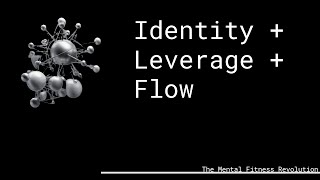
This is the Resonance Model podcast where you're going to learn how to optimize your identity, leverage and flow to create a moment to moment connection to your entrepreneurial vision, which will allow you to grow and scale your business with ease and spaciousness and fun. I'm your host, Christine o', Connell, coach for neurodivergent visionary entrepreneurs who want to express those visions boldly. And I believe that entrepreneurship is a game of energy efficiency. The only question is how you can convert your time, energy and expertise into money without compromising your health, freedom or impact. With each episode, I'm going to show you how to grow without force so that you can accelerate your journey by three to five years. If you're ready to scale your business with ease while unlocking the greatest version of yourself, then this is the podcast for you. All right, so I'm here with Daniela Tilbrook. She is a founder of Spiritual Survivors Coaching. This is a organization directing its efforts towards those who are survivors of childhood trauma and abuse. And I'm super excited to be here with Daniella. We've been friends now in real life for almost a year after having met each other in Austin last May. And we had been ping ponging a little bit before then. But she is a true source of inspiration for me in a world that is very complex, nuanced. This is a person who shows up with a lot of bravery and is excited to step into her vision despite needing. Despite her vision requiring a high degree of courage. So I'm just super glad that you're here. Thanks for coming and welcome.
Thank you, Christine. Yeah, good to see you. And it was, yeah, lovely to meet you in person in Austin. So, yeah. So it's always great to meet people. Yeah. In person when you've kind of got to know them online. So, yeah. Thank you for inviting me.
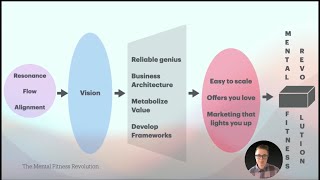
Of course. And we've had a lot of fun since then. Daniel was a person who was in a first iteration of my group, Mental Fitness Revolution, which is really geared towards entrepreneurs who want to get extreme levels of clarity and connection to their vision and then operationalize how to make that happen in real time. And it was a joy having Danielle. In fact, it was our conversations that we had in Austin that really gave me the idea for the group. That's the amount of inspiration that I have gotten just from knowing Daniela over the last year. So this is a huge opportunity and treat just to, you know, put this out into the world. A conversation where we explore how we connect deeply to our vision and how we develop the courage we need to step into that vision, and then we. How we learn the tactics and the skills and the strategies to actually make it happen.
But. Oh, thanks, Christine. That's very kind. I just remember getting on the. Well, I was on the coach. We sat next to each other on the coach, and I told you half my life story. So, yeah, I hope I didn't bore you to death. But, yeah, just on the way to the Spartan race. But, yeah, it was. It was super interesting. And, you know, I loved being part of your mental fitness, you know, the first iteration of it, and it just really helped me to kind of clarify my own vision. And also someone that struggled with depression and sort of mental health issues. It just felt really specific to what I kind of needed. So, yeah, I just wanted to thank you, actually, because it. Yeah, really. And then soon after that, Spiritual Survivors was born. So, yeah, it sounds like we've both helped each other on our journeys.
We have. And, you know, the. The tentative title of this podcast is Resonant the Resonance Model. So, you know, what I'm playfully doing is creating spaces, program programs, experiences, and providing strategies and tactics for folks who want to create higher and higher degrees of resonance as they create their vision and their business. And so you being here for call.
Number one is a statement that's really kind. Thank you. And I just. Yeah, I wanted to just really thank you for all the help. It's kind of. And what really resonated with me when you kind of said that when we do difficult things, it really helps our mental health and that. Yeah, I just really took that away and then started doing those hard things because often I'd get kind of caught up in overthinking, and then I wasn't really doing anything. Then I'd sink lower and lower. But I've really taken on board the. You know, do the stuff. And then you sort of. Yeah, you just feel so good, and you're kind of. You're going in the. You're kind of moving your life forward rather than kind of ruminating about the past.
Yeah. I think entrepreneurs with any level of anxiety or low confidence are actually some of our biggest opportunities for change, Bringing us closer to a vision where 51% of the world is flourishing by 2051, which is the goal of positive psychology, and adopted by Heroic, the organization that brought us together. I think allowing somebody to close the gap around that mental health and then close the gap around the entrepreneurial vision that they have, it's like a double whammy right there. There's so much potential that has the possibility to be captured. So entrepreneurs who have any kind of challenges around anxiety, low confidence, corny. But you are like that hidden, hidden gem. That's one of the most important things that I think I've really come to the conclusion of in the last couple years is that entrepreneurs with those types of struggles who have these amazing visions are some of the biggest opportunities for catalyzing the change that we need to see in this world. But.
How about we.
Should we start at the beginning or start at the end? What would feel most useful for you?
We could start at the beginning.
All right, cool. So what was life like when. And I hope you'll bring in some relevant context so that our listeners can understand the background of how your vision was shaped. But what was life like before you got your arms around your vision? And what were some of the things that were challenging and frustrating?
I guess I think. I think I always knew deep down what I wanted to do. And, you know, part of it was the book. And it was really tricky because when people would ask what the book was about, I would say, oh, you know, it's about confidence, about self esteem, it's about bullying at work. But I mean, these are all kind of themes throughout the book. But the. The real book was like healing childhood trauma. And lots of people did know about my history. So I was kind of, you know, writing this book called not my Shame, not still. Not quite owning it, still kind of being in the shadows. So for me, it's been a real internal journey to have the confidence to kind of. Yeah. To really own my story. And there was always that thing as well, like, how am I going to promote a book if I'm not willing to own my own story? And then, you know, I was thinking, oh, maybe I could publish it under someone else's name. And then it's like, well, you know, you can't. Well, you could, but if you, you know, book Not My Shame, it feels like I need to put my name on it and. Yeah, just to kind of really own it. And it's, you know, the subject matter, you know, childhood sexual abuse. It's. It's a really, you know, difficult. It's a difficult thing to get over. It's a difficult thing to admit. It's a very difficult thing to admit so publicly that it happened to you. You feel quite vulnerable. But with time, I've kind of. I've got the confidence. And also, if you want to help other people, you can't really help them if you haven't, you know, if you're still kind of hiding out in the shadows because I know how difficult it is. And that was the inspiration for the spiritual survivors because I thought, what if I can save anyone, you know, some times or, you know, help them to navig this? Really, really tricky. It's a very tricky minefield and you're trying to overcome and, you know, trying to get over it. And, you know, it's a long journey and it feels like I can help people along that journey to kind of reclaim their lives, if you don't mind. Yeah, yeah.
Nicole, sharing with us, because in some of the pre calls that we've had, you've talked about this idea of what it means to help somebody avoid 20 years of struggle, suffering that you personally went through without guidance and without, you know, the North Star. What do you see as the potential for somebody who, you know, works with you, reads the book and has the opportunity to, to a certain extent, circumvent that 20 year process?
I mean, it's, you know, it is a difficult thing to kind of alchemize, I guess, but. And, you know, healing looks different for, you know, people and some modalities might work for some people, you know, some might not. So I've tried to cover, you know, what kind of what helped me throughout the book and, you know, perhaps a bit of a pick and mix model where people could kind of try different things, but really to be open, you know, open to healing modalities and, you know, the voices in their head. And, you know, I've done a lot of internal family systems work as well and sort of kind of recognized all those parts of me, the wounded parts that, you know, the inner child that's, you know, really sad and, you know, went through a lot, but it's kind of, yeah, incorporating like all of me and all of my parts and, you know, trying different things. But it's kind of, and it's the thing to almost, you say, you know, it's not your shame, you know, it never was your shame. But if you're kind of still stuck in. Stuck in the shame, it can be really difficult to kind of see that. You know, it took me 17 years to tell someone that wasn't a mental health professional or someone that was in my family, like someone externally. And I think that's when my healing really started because it was that real clear boundary. Like, this is so wrong, you know, especially if it happens within families. You know, you're in really tricky territory. That's your family and you're kind of. You're in the bottle with them. You're in the, you know, you don't. Yeah, it's a tricky thing to kind of navigate away from. I'm not sure I've answered your question.
Yeah, absolutely you have. I think where I just want to really highlight the potentiality that I see in the service that you're providing for this world is that you through painstaking effort, personal development, exploring modalities, developing greater and greater levels of willingness to healing and action. Hard earned. 20 years. And so when I think about the potential of gifting that wisdom to somebody else who may be early on on that journey, what that means for their life trajectory, because I think in the nature of the work that we try to do, it's to help people optimize and save time, energy, heartache, loss, money. And so what I see you doing is gifting the world such a huge opportunity to benefit from that wisdom.
And I think also sort of working with someone that's traveled similar roads to you, you know, our stories are different, but it's, it could be really comforting in a way because there's a lot of things you don't have to say and you find that in survivors groups and you know, you know, communities. And it's kind of you just, people understand the pain. They understand how difficult it was, but without almost having to explain. And so I think, I think there's something about, yeah, just having traveled. Yes, similar roads can be really, really helpful, like to people. And when I've, you know, reached out for help because a lot of, a lot of my healing was done kind of by myself. It's only in recent times, within the last couple of years, I joined a support group and have met other survivors. And that has been just so super helpful. And then I didn't feel so alone. And it wasn't just like me by myself kind of dealing with this. So yeah, that kind of community is, you know, is really, really beneficial.
Yeah, absolutely. So in terms of helping folks understand because I know this has been a 20 year journey, what's though the last 6 months looked like for you in terms of changes, iterations, breakthroughs, insights that.
You'Ve had, I think one of the biggest things was when I posted a couple of blog posts on Medium and then my friend said, oh, are you going to share it on your personal Facebook page? And I was like, but for me that was huge because that was a public disclosure to all the people in my life that are kind of that don't know and there might be more people on the peripheries of your life. So that was huge. And, like, nothing bad happened. Yeah, that. That was a really huge step. And then I think after that, I felt I could really own the story. You know, I've put posts on, you know, sort of documenting a little bit of my book journey. Just had a clean draft ready yesterday, and I put it on, you know, the. Not my shame. Overcoming. What's my subtitle? Overcoming childhood trauma. No, healing. Sorry. Healing childhood trauma. So, yeah, not my shame. Healing childhood trauma. And I just took a picture of the. Of the. The screen from the computer and just posted it on my socials. And, like, for me, that is absolutely huge considering, like, I spent years, you know. Well, for years I did. You know, my. I was able to block it out for 10 years before even remembering. But even when I did remember, it was something that very, very new. So it feels like such. It's been such a. Yeah, it feels amazing now that I can actually, first of all, write a book and then sort of promote the book and just, I guess, just own my story. Like, this happened to me. It doesn't. It's lost its. Yes, it's lost. It's. It's lost the shame of it all, which feels so liberating. Oh, and one other thing like this that's. There are just no more secrets in my life, and that feels so, like, amazing. I don't even tell white lies anymore. I just. Yeah. Just want it all. That feels like, so freeing. And you can just be yourself.
Yeah. I think what's really ringing out for me is that the healing power of transparency. And on the other side of that coin, if you're unable to have that level of transparency, it's like going for a really long hike with a backpack full of rocks. It's just so much for us to be able to. Well, staying with the hiking metaphor, how enjoyable will that hike be? What will our level of flourishing be on that hike if those rocks are weighing us down? And so I'm just really excited and energized by the connection to transparency and how that's allowing you to have a greater sense of connection to who you are and what you're here to do.
Yeah, it's just a real relief. And, Yeah, I feel like I could just be myself and. Yeah. Without, I don't know, trying to please people or just, you know, having. Yeah. Having sort of healthy boundaries, which I never learned as a child. So. Yeah, I mean, that feels really great. And it feels. Yeah, it feels like I can finally step into the person that I was meant to be. Yeah, that feels really cool.
And tell us. Tell us a little bit more about what that person that Daniela sees as their vision.
Yeah, I think. Well, yeah, I mean, I've just recently kind of set up the spiritual survivors and, you know, to build a community around, you know, people that have survived and that might have that interest in kind of spirituality as well. Kind of trying to make meaning out of the pain and to really start to look forward because, you know, a lot and, you know, it's not a replacement for therapy and. And it all has its place, but I think it's when it's time that you're ready to look forward. You know, a lot of the therapies I've had, you're kind of talking about the past. You're processing the past. You're doing, like, emdr. There's a lot of past focus. But it's quite nice when you start to switch that. And what I'd like with the coaching is to more, you know, because a couple of my clients, you know, they still have sort of therapy, but we're looking at starting to move your life forward. So I think that's the vision. Yeah. To help survivors move forward with their lives.
Yeah.
To throw the rocks out the bag.
I remember a conversation we had a couple of months back, and we were just kind of going back and forth, and you really connected in the moment to just this reality that your vision felt like something that could change the world. And I'm curious how and if that has clarified or iterated over the last couple of months since we had that conversation, because it was a beautiful moment to observe, I will tell you that.
I guess I think it's that feeling of if you can really sort of own your power, I guess. And I think. And that's really difficult to do. Like, you know, that inner voice that's sort of saying, oh, who are you to do this? And, you know, and I think. And it's. It can be quite tricky to sort of be bold, but I don't know. And it's that feeling of. That you can help. Like, you really can help others by your kind of inspiration. And I've been inspired by other people, but, yeah, I would love to be that person that could sort of inspire others to, you know, really claim their lives and. Yeah. Get the tools and, you know, reprogram your mind and kind of. That you don't have to. And I think that's what's really exciting. You don't have to be stuck with how you Were. I used to think that you just, you know, change is hard, but we're not stuck with, you know, confidence is something you can build, like assertiveness. You can build all these things that you can. They're not sort of stuck. And I think that's where it's really exciting and you can, you know, step through the fear and. Yeah. Just kind of move your. Move your life forward.
Yeah, all that sounds really good and I think everybody wants more of that. One of the things that jumped out in just talking previously was you said that you have done more deep work in the last year than you have in your entire life.
Well, we're already in February, but yes.
I guess what I was thinking was 2024. It always gets weird at the change of the year. But the deep work that you've been doing, and I'd love to hear a little bit more about how the deep work connects you, clarifies you in terms of the vision.
I've always struggled with deep work and when I was writing the book and there's someone locally that's also writing a book and I'd arranged to meet him in the library and always have these hacks to get me there, to get me to do stuff. And so it's taken a really long time just to kind of just sit down and do the work and. Yeah, so. So this year, actually, I've just. And I've set proper deadlines and I think that that really helped because otherwise the book could have gone on for years. It was like, oh, so the book comes out on the 27th of June, which is PTSD awareness day. So that felt like a really good day to kind of publish the book. But because I've got proper deadlines, had a deadline yesterday, get a clean draft ready. We've got then a week. We're going to send it to the beta readers. They've got three weeks. They're going to look at it, incorporate any, you know, suggestions, edits. But it's very, like, structured and that feels really good. And it doesn't feel. It's not too tight a deadline that I'm getting overwhelmed. It just feels like a really manageable but. But something that's pushing me enough that I had to do the work. And it was the 12th of February, so I've been into the library. I've been so. Yeah, just working away and that feel really good because, like, I finally. I don't know what happened, but I finally am able to do deep work after struggling with that for years and realizing that's the only way. You just have to go deep. You can't. You can't do the shallow work if you're just, you know, if you want to achieve sort of bigger things.
Yeah. And I think it's always really important to remember, like, it's a marriage between, for lack of better terms, hard skills and soft skills. You know, the soft skills of meditation, developing the vision, seeing it clearly, and then the hard skills of what are the tactics and the strategies that we can deploy to create efficiency as we iterate towards that vision. And I just want to really make that explicit because I think in the type of work that I like to do with folks, that might seem very soft skills focused. But there is a element of how do we intentionally choose the skills we need to efficiently create the vision, such that we create an economic engine around our energy rather than creating a system that as it grows, it becomes overly complex and very unenjoyable to run. And so I'm just curious, in terms of your deep work, do you have any particular frames around it that are allowing you to do it in a way where you can connect with a sense of flow and a sense of meaning and a sense of that vision?
I guess I just want to think. I'm not sure, actually, if I'm honest, I'm not sure kind of what's changed this year. I know the deadline definitely helped, but I think maybe the practice of doing it and then. And I think that's what's really helped with my mental health as well. Like, once I've done it a few times, I could see, you know, it was all sort of coming together. I got myself a laptop towards the end of the last. Last year because I was kind of. I was writing on a Bluetooth keyboard on my phone. So I didn't have the best tools, but it wasn't too bad when I was just getting words on. Onto the page. But obviously, you know, when you start editing and things, you kind of need the tools. So, yeah, it was great to have a laptop. And then I felt much. It was like that up, like a quantum leap of, like, tools. Oh, suddenly got a nice laptop. So that sort of helped. But I think there was something about once you've done it a few times and then celebrating. I was kind of celebrating, yes, I did it. And now I think it's. Yeah, that domino effect as well. Kind of like, oh, my goodness, I've done loads of deep work. I've, like, hit the deadline and I can see. Yeah. And suddenly it's all kind of coming together and I can see and I don't know, it's kind of. Or maybe it's just taken a long time to kind of get the momentum because it's. It's like climbing up. It's, you know, it's obviously a big project, like climbing up that mountain. And I just kept going. Sometimes it felt like I wasn't really making any progress, but, like, now it kind of feels that. Yeah. And actually when sometimes you forget to look back as well, you're like, oh, actually, I've climbed quite a lot of this mountain.
I love that you mentioned Quantum Leap. That's a frame that I like a lot. And no shade thrown towards, you know, hard work and reps. But I love the metaphor of.
The.
Fly that is just trying to escape a room and running perpetually, perpetually, perpetually into a window using the same strategies, tactics that it's used to When 10ft away there's a door open and a small shift in perspective would allow that fly to make a quantum leap and, you know, fly out that door. Have there been any moments for you where you've really reoriented and then kind of pursued the action?
I love, I love that. I love that on the fly. I can really relate. Yeah, I could say relate to that one. I think it was self. I think a lot of this has been to do with self belief and I think I've had to really work on that. And it is, you know, the inner critic that's kind of, you know, that will never kind of go away. But I think I suddenly had that deep. Something changed where I had that deep, deep belief that I could do this, which feels like, amazing. But, yeah, I'm not. I think it just. I think it just sort of gradually happened, like, you know, when you're sort of chipping away. I don't think you quite know what. When the moment was. Is it the stone cutter analogy? You know, when you're like. But yeah, suddenly, like this year, as the year turned, or maybe realizing how quick a year passes and you still haven't completed your manuscript. And it's like, this is the year it's going to be. But this time I was. It felt like I was serious. I was like, we're going to get this out into the world.
Awesome. And one other area that I was curious just because it's a particular interest to me, that being flow state. Have you had experiences this year that have brought you any additional insights or connection to flow state?
I don't know if this helps, but when When I'm. If I'm somewhere public, I've just put on my headphones, which are like noise canceling headphones. And I don't know if it's signaling something to my brain. I kind of put. It's almost like I put them on. I'm not listening to anything and it's kind of right. And it's almost that, oh, we're in deep work. We're sort of in deep work mode. And it's. I do struggle to work at home. I'm not sure quite why. I think I like being somewhere public around people. So I kind of feel like I'm part of something, I think. And it's been super hard for me because I quite, you know, I'm quite sociable and you know, doing all this solo work's been quite hard for me. But there was something about being in a public place, but also having that kind of. And then people don't really disturb you either because, you know, those people kind of know you locally. But yeah, having the headphones and it's all. And then I'll kind of get into that state and I think that kind of helped. It might sound a bit strange, but the headphones. Yeah. Helped me to write. All this is like deep work time.
Yeah. And I think, I think it doesn't sound strange. I think if we look at flow state, there's often a lot of rituals and procedures that, you know, quote unquote, seem strange, but they are the exact protocols that people use to trigger that in themselves.
Oh, and coffee.
Coffee, coffee. And noise canceling headphones are the.
A really nice cup of coffee. Yes. Just kind of. That really feels like a treat to me. Yeah. I've got my coffee, my headphones, I've got all my new laptop. And then I suddenly I just felt much more professional. Like before I was in the coffee shop with this Bluetooth keyboard. Yeah. But I mean it's. Yeah, it was, it was fine. But for that, for that stage. But, you know, sometimes you do need to upgrade your tools.
Yeah. I'm. I'm like really impressed that you were writing a book with those tools. I mean, that's.
I just remembered something. And before that. Oh, my goodness, it's so. A lot of it. I'd written by hand, which wasn't the most efficient because then you've got to kind of, you know, obviously transfer it to print. You can dictate, but you can sort of type it as well. But there was something that I felt that when I wrote by hand, I felt my Writing was better. I don't know. Yeah. I don't know why, but. But as I got a bit more experience, I thought it just wasn't the most effective way of doing it. And then I got much more used to typing. But I think that's getting, you know, the reps in and the practicing. You know, you just. You have write a lot, really. And for your writing to get better and all that kind of stuff.
Yeah, absolutely. I. Having not written a book, so this is just me sort of guessing. I'm thinking that there is a sort of threshold of words that needs to be created. The way I'm thinking of it is like meditation. Right. So when I meditate, there's about 10 minutes of noise at the beginning where I'm just kind of clearing that out, you know, before I can actually tap into that insight that's unique to me. And you know, that I'm creating ideally a kind of channel or conduit to bottle and then, you know, bring into the world in terms of a vision. But it seems like writing would be similar to meditating in a way. You know, there's a certain amount of noise that you gotta edit out before you can get to the real meat of the issue. I don't know if that seems like a good. You tell me as an author.
Yeah, I guess. I don't know. I think. I suppose it's just the practice. Yeah. I mean, there could be a little bit of that as well, kind of. And then sometimes. Yeah, when you kind of get started, then it kind of gets better as you. You know, I don't know when you turn on a tap and if it's all like horrible water to begin with and then flows out.
Yeah, it's kind of what I'm envisioning. But again, not an author at this current particular time. The last area that I wanted to just check to see, you know, because we didn't get to this in the pre call. Now that I'm thinking of it is looking forward. What's next for you?
I did. So I had an idea for a second book which was going to be called Wisdom for My Girls. I don't know if you know that I had breast cancer back in 2017.
I didn't know that. No.
I mean, yeah, I'm all okay now, but there was an idea for a book where I get this kind of cancer diagnosis. And I mean, at the time, my children were really young. They were 1 and 3. And the idea was like, you know, just in case I didn't make it That I wrote this book, kind of wisdom for them, for their life was. Yeah, that was kind of one of my ideas. But I do think if I ever did write another book, it wouldn't take so long, because the. The idea, you know, if I'm honest, I've been trying to write a book for 20 years. The idea came from when I was bullied at work 20 years ago. I was like, oh, I wanted to write a book about bullying at work, and it never quite happened. And. And over the years, there's this voice that kept saying, write a book. Write a book. And I kept trying to ignore the voice, but it KE back, so I kind of had to go with it. So that was super interesting. But I do think if I ever were to write another book, it would. It wouldn't take 20 years.
Well, it sounds like there's been an upgrade in terms of your ability to answer the call quickly. Was that fair?
Yeah, and I guess. I don't know. I've always kind of. It's the. It's the I am the Golden Buddha thing, where so much we look outside of ourselves, where it really. If we chip away that we are all the Golden Buddhas and we're all the heroes of our own journey, and it's to kind of have the courage to do that journey because, yeah, a lot of times, you know, I just refuse the call. But the problem with that is you get this kind of low level. I kind of. I think, you know, that you're not. You're not for the Golden Buddhas, and we're all the heroes of our own journey, and it's to kind of have the courage to do that journey because, yeah, a lot of times, you know, I just refuse the call. But the problem with that is you get this kind of low level. I kind of. I think, you know, that you're not. You're not following your, you know, destiny or whatever you want to call it, and I think it nags at you. And I think. And I think also that's where your mental health problems also, you know, I'm not saying they come from that, but it definitely contributes to mental health issues as well. And I just. I kind of. So every time I keep moving forward and doing these things, like, I feel so much better in myself, and, you know, I'm very prone to kind of depression, so I have to really keep a check on it. And. But the great antidote, which you taught me actually, was to. To do the hard things. So, yeah, thanks, Christine. I'm doing the hard stuff.
And, and on that point, just to kind of provide information, doing the hard things does trigger a change in our neurochemical profile. You know, that it's, it's very easy for those of us, myself included, prone to, I'll call neurodiverse reactions to the world to become habituated to a certain neurochemical profile that is associated with anxiety or depression. And we, when we seek to create new moods to step into, there can be some resistance from our brain simply because it's become habituated to a certain neurochemical profile. But the fact remains that when we do the hard things, we trigger a cascade of very helpful neurochemistry that can help dislodge us from some of those places, moods, conditions that create that sense of stuckness. And so while it just sounds really good to do hard things, there are also some serious neurochemical benefits that are triggered by our willingness to. To actually go out and do those things. So I'm super thrilled that you're experiencing that, because for me, that was also a profound moment of understanding that, no, we aren't, we aren't robots, so we can't necessarily, you know, flip a switch and trigger 100% of the time the neurochemistry that we want, but we have more of an influence over it than we think we do. And this, you know, is above and beyond even eating right and exercising and all of those things that produce more advantageous neurochemistry. There are things we can do above and beyond that to influence our neurochemistry. So super glad that that has been helpful in you creating a year of epicness, writing a book, starting a new organization in terms of the. The spiritual survivors. Are you taking new folks on right now? What's, what's there?
Yeah. So I've started with my first two clients because I just. Yeah, I set it up at the end of last year and I had a coaching call today, and it really felt. I just really felt like this is the work I meant to be doing. I felt it felt so aligned and, and it was so great to make it happen. And it is just taking the actions. You know, I wanted to kind of reach out to my survivors group to sort of say, you know, of my idea, I'm going to set this up. Would anyone like any coaching? And I kind of put it off. And then in December, I sent the text and I got people kind of messaging me. So I took the action. Action. And I think sometimes, yeah, it's just taking those actions, you know. Yeah. Not putting them off. And Then when you do them, things happen. And. Yeah. So, yes. I mean, yes, I am taking on new clients as well. So this is kind of. Yeah, I've just kind of niched down in my coaching. I feel this is the area that. That I can really serve people.
And what's it feel like when you realize that this is the work you're supposed to be doing? What does it feel like?
I kind of not. I mean, it'll never take away all the pain, but it kind of. I don't know. It's hard to explain. I think it's because you talked about the onlyness statement.
Yeah.
Because it just feels like, what. What can. I don't know. This feels so unique to my experience, and it feels like I've been following this kind of path and, you know, then did the coaching and, I don't know, it's all kind of falling into pain, but it kind of. I don't know. It's hard to explain. I think it's because you talked about the onlyness statement.
Yeah.
Because it just feels like, what. What can. I don't know. This feels so unique to my experience. And it feels late because originally when I did the. The coach program, I was kind of doing. It feels like I've been following this kind of path and, you know, then did the coaching and, I don't know, it's all kind of falling into personal development. And I was like, oh, I could become a coach. Like, I really enjoyed it. And this feels like step to. Then kind of niche down. And it's. Yeah, it feels really nice that I can, you know, sort of. Yeah. Really help people on their own journeys. But, yeah, it feels wonderful. Yeah. Because originally when I did the. The coach program, I was kind of doing it for personal development, and I was like, oh, I could become a coach. Like, I really enjoyed it. And this feels like the next step to then kind of niche down. And it's just. Yeah, it feels really nice that I can, you know, sort of. Yeah. Really. It doesn't take away some of the pain, but it kind of. I think. Yeah. Is it turning the pain into purpose? You help people on their own journeys, but, yeah, it feels wonderful. Yeah. Swallow the. What is it? Swallow the.
The frog. And. And also, so, you know, it arises for me is. Is this. This is another example of how it.
Doesn'T take away some of the pain, but it kind of. I think. Yeah. Is it turning the pain into purpose.
When we put ourselves in situations where we can do the work that we're designed?
And here to do we swallow the, what is it?
Swallow the, the frog and trigger a neurochemical, neurochemical cascade of advantageous. And also so you know, what arises for me is this, this is another example of how when we put ourselves in situations where we can do the work that we're designed and here to do, we treat neurotransmitters which again influences our ability not only to help other people but to help our own brains on a day to day basis. So there's a huge, huge advantage to enter a neurochemical, neurochemical cascade of advantageous neurotransmitters which again influences our ability not only to engineering situations where we're doing the work we're here to do. Especially if you struggle on any level with anxiety, low confidence, depression, because when you find you help other people, but to help our own brains on a day to day basis. So there's a huge, huge advantage to end yourself. In the situation where you're here doing the work you're supposed to do, your brain is going to react. Engineering situations where we're doing the work we're here to do. Especially if you struggle on any level with anxiety, low confidence, depression. Because when you find yourself in the situation where you're here doing the work you're supposed to do, your brain is going to react and it's going to light up in such a wonderful way. And it's going to light up in such a wonderful way. So yeah, just kind of, if I could put a finer point on it, it helps you serve the world in the way you're supposed to be served, but it also helps your brain get the. Yeah, just kind of, if I could put a finer point on it, it helps you serve the world in the way you're supposed to be served, but it also helps your brain get the neurochemistry neurochemical diet that it needs to combat some of the things that evolving world we are all plagued by the anxoneurochemistry neurochemical diet that it needs to combat some of the things that anxiety, the depression and entrepreneurship things are changing all the time. So there's very little certainty to grab onto. So in some, on some levels, having that anxiety, depression is natural. In the face of such a huge amount of uncertainty, that is just what we are blessed to live in right now.
Sorry, Chrissy, go on.
No, you go ahead.
Yeah, but I mean, yeah, that's such a, you know, super, super interesting point. And yeah, I guess now you've kind of said it in that way, but it is so true. And you know, I've spent so much of my life depressed, you know, months and months at a time. You know, there was a time sort of going back 20 years where I just couldn't get, you know, couldn't get out of bed, was crying for months, like really just like solo. But, but the low level stuff kind of carried on even when I did get kind of better and. Yeah, just, you know, big, big parts of my life I've been depressed and it's, you know, it's such a, it's obviously not where you want to stay and it's kind of. But yeah, it's just really difficult to kind of get yourself out of it and, and I think especially when you're prone to kind of relapses and that's why I just love the idea of just kind of, you know, doing the hard things. Keep moving forward. Yeah. And then just kind of just keep going. I mean, obviously we're all going to have like bad days, but that's so much more preferable to that. Yeah, I mean, yeah, you know what I mean? That life of just of just sadness and just ruminating and spiraling down and oh, and then, you know, you just, you know, you, then you just, you know, hit the sugar, you know, stay up late, you know, all the other, you know, sort of start losing those kind of well being habits as well. But I just, yeah, it's not a place I want to kind of keep going back to.
Yeah, absolutely. And you know, full disclosure, I've had those months of my life too. And, and that's why this work is super important to me. You know, how can we construct a business and a vision that has a bunch of funnels architected into it that basically shoot us into the work that we're here to do so that we can give our brain that neuro chemistry that it is seeking and then repeat, repeat, repeat.
Yeah, I love that idea. I'm really going to sort of take that away with me. And the other thing I just wanted to mention is I guess when you understand, you know, I know we all go through different things, but when you understand what it's like to be depressed, I think you just, you've been there. Like you've kind of. Yeah, you've, you've been. I don't know. And I think that's where you can have the real empathy for people because you just understand of just how hard it is and.
Yeah, yeah. I think our ability to develop extreme levels of empathy for people in a world that. But I think if we can zoom way out, the universe is always seeking to bring us into greater and greater levels of intimacy with ourselves. And so if we can create greater and greater levels of empathy and intimacy with the folks that we serve, we're bringing ourselves into a more natural alignment with how the universe just tends to operate. And again, this creates a funnel where we have a greater level of ease and spaciousness as we do the hard things, because we're aligning ourselves in an intelligent way with how the universe works. And in this case, greater empathy and greater intimacy.
And. Yeah, I just. And the other thing that I have noticed when I have kind of disclosed my story to people, and then often the other person would kind of say something that kind of happened to them, and it just, Just it. I. I thought it is sort of healing and sharing and kind of. It's that, yeah, the common sort of humanity of that. We've all had really difficult things happen to us, but sometimes it's nice just to be heard and for someone. Yeah. To listen and just kind of acknowledge where. Where you've been and just kind of be there for you.
Absolutely. And I'm glad that we get to be that for each other. If there are folks who are listening to the message that you have and the story that you have and they want to reach out to you, what's the best way for them to do that?
You can email me@danielatilbrookmail.com and there's one L in Daniella and one L in Tilbrook.
Perfect. Easier to remember. I just want to make sure that we provide a way for folks, folks to connect with you in the event that they're listening and have a deep sense of resonance with what you have explored and then taken all of the steps and gathered all of the experience to now create something that has the opportunity to serve others. You know, you have truly alchemized the challenges that you've experienced into something that can now be described as beautiful. And that's a real. If we. If we wanted to put a, like, picture of alchemy in the dictionary, this would be a great visual. So I'm really just thrilled that you've taken all the small and big steps that I imagine were in front of you on this path. So if anyone is resonating with how Danielle is approaching this, please reach out to her. She's a wonderful person. It looks like you have something you want to share, so I'm going to pass it over to you.
I was also going to say, I'm also Daniela Tilbrook at Instagram. So it's just at danielatilbrook. But what I wanted to mention were how. So we both. We have sort of a mutual kind of friend, Anthony Smith, who's part of the heroic community. And I remember a couple of years back, he was on a call, really kind of owning his trauma, and I could see all the work he's done, and he was such an example to me, and I think it kind of planted that seed. And there was no kind of shame, you know, he had no shame behind his story. And that just really inspired me. And I don't know, I think sometimes when people. When people are like that, it can really sort of help you on your own journey. So I think my hope was by kind of sharing my story, that other people could do the same. So, yeah, just a shout out to Anthony Smith.
Yeah, I'm gonna jump on that shout out. We're thinking of you, Anthony, and always inspired by your tenacious willingness to do the work, to show up in the way you do. I wish I had his handle at Memory so everyone could check out his Instagram so you could see a visual of how powerfully he shows up just on social media, much less calls or real life interaction. That's an amazing thing to observe and to witness, and it's difficult not to be have that leave an oppression on you.
But, yeah, that was. It really planted a massive seed, actually. And I was like, wow. And, you know, Christine, like yourself, you've really kind of stepped into your role as well, and I think that gives confidence. Yeah, actually. Yeah, and just shout out to you as well, because you, I don't know, you just kind of like, you see someone else doing it and you're like, oh, wow, like I could do that. And I think it's the. But, you know, I think that's super inspiring as well. You know, when you sort of, you know, and I'm, you know, it's great that this kind of came from our conversations in kind of Austin that you sort of went off and kind of created that. So, yeah, I feel honored that I was part of that journey.
Yeah. And so my whole model for this really has been to create greater and greater levels of resonance as I go. So when we talk about Anthony or we talk about all of us hanging out in Austin, how can we capture as much of that resonance that was created in all those awesome moments and then take action? Because I think that might be the missing piece for a lot of folks is they feel that intense resonance, but they don't have a systematic way to take action on that. And that's going to be unique to the individual and what they're here to do, what specific things, action items, lists, strategies and tactics might make sense for them. Point being, I love to see how, how efficiently I can capture those moments of inspiration and resonance and do something meaningful with them. Hence the resonance model that I was speaking of earlier. So I'm super glad that it comes through. And I think probably one of the highlights of last year for me was just having the opportunity to create that level of resonance with you and everyone else in Austin. So I guess my message for everybody is how can you systematize capturing that resonance, those moments of resonance. And these can be these tiny moments, inflection points in your day where you feel that do you have a system to capitalize on that or do you let them kind of come and go? Because that's where we can really, truly develop energy from the work we're doing. And then we are not just left to relying solely on sleeping and eating correctly and exercising to generate energy. If we can create energy through our interactions and take action on them, we literally become energized as we create our business and our vision. So that's what gets me really excited.
Yeah, that's a really interesting idea. But because I do notice when, you know, I suppose when I am in flow or that higher energy, I don't know, even the interactions I have with people, I just feel much sort of happier and then things happen. And because I also do personal training and the other year yesterday I signed up a new client. But I think part of that was because I was in that kind of higher, higher vibration maybe or higher energy kind of, because I'm doing the work and I think it kind of has that knock on effect with kind of other things.
Yeah, it absolutely does. And I'm super glad to hear that you translated it into action. I think the big question in my mind for myself and almost anybody that I come across is how we can develop and cultivate that so that we are in that state daily for hours and hours at a time, such that our decision making becomes a lot easier because we have clarity on where we're truly shooting to shooting to go. And we have that connection moment to moment. Our ability to take action becomes a lot easier because we are energized not just from our eating, moving and sleeping correctly, but literally from the work that we're doing and the neurochemical cascade that's occurring because we're doing that work. And it just gets really exciting the more you extrapolate that thinking because then you find yourself writing emails filled with joy as you're doing it. Right. And so this is, that's my. What I am shooting for with anyone I work with is to get them so honed in on that that when they sense it, they become curious and that curiosity leads them to developing greater skill in maintaining that resonance moment to moment, day to day.
Yeah, that sounds wonderful.
I love it. This is essentially what I'm designing. My entire vision and business around is optimized for flow. And so I think a relevant question for anybody is what are you optimizing for? And it really, it could be, it could be money, it could be something else. But ask yourself, what are you optimizing for? Because the system that you engineer is going to give you perfectly reliable results based on what you engineer it for. So in other words, if you engineer it for stress complexity, it's going to give you stress and complexity. So I definitely not prescriptive of what anyone should engineer their visions for, but it seems really important that everyone know what they're optimizing for.
Yeah, I love that idea. I'm going to have a good think about that myself.
Well, I know it's late where you are so glad that we got to get together and I hope that everyone listening found some gems in here that they can take with them in the coming days. Again, Danielle, if you don't mind sharing your best way to connect with you in the event that folks want to reach out.
Yeah. On email it's danielatilbrookmail.com and Daniela and Tilbrook both just have one L in it or also I'm @daniellatilbrook on Instagram.
Awesome.
As well, my website does need updating so I won't give you. I mean I'm danielatilbrook.com but I mean that's my kind of personal training website. But yeah, looking to kind of update my spiritual survivors. So that's kind of on the to do list as well just yet. Upgrade all you know the website.
Awesome. And what's your handle on Heroic Social just to plug heroicanyela Daniella.
Perfect. Yeah. D A N I E L A.
All right, so find Daniella there. Well worth the wisdom and the hard earned experience which she's doing an amazing job putting into action in 2025. So I hope we can actually swing back around at the end of the year and just see what's happened since then because I'm excited to have watched the metamorphosis since last May. So let's put a point on it to get together and do this again at the end of the year.
Yeah, that'll be great. And also, Christine, I turned 50 this year in October, and I think there was something about. I didn't want to kind of carry sort of my childhood issues into my 50s, you know, it suddenly there was a point where I have to move on. You know, I have to forgive, I have to. I have to alchemize this because otherwise, you know, another deck, you know, how quickly the time goes. Another decade could slip into sort of depression and stress and why me and victimhood and I don't know. There is something I think about turn, you know, that kind of going into that kind of next decade of my life just made me feel really determined. Yeah. Just to really move forward with my life. Yeah. And I really feel that that's. That's what I'm doing now, which it feels so, yeah, great and liberating and yeah, I sort of feel free and yeah, I feel like I'm on the right path.
I'm super glad I've gotten to be a bystander in seeing this evolution. And just from a person to person point of view, it's everybody accessing that within themselves is their birthright. And so, you know, as your friend, I'm so glad that you have it because I know while it might be our birthright, I know how elusive it can be. And so it's just joyful for me to know that it's something that you're experiencing.
But, yeah, it does. You know, it's been a very long journey. But yeah, it feels great to have that. That kind of clear direction. So. But. Yes, but thank. Thanks so much for your time, Christine.
Yeah, thanks for coming. Keep us posted on how it develops. I look forward to seeing the updates on your social accounts as the book comes out in just a few months. PTSD Awareness Day. So that's going to be exciting. So if anyone is interested in just keeping tabs on that whole progress, this is just a little bit more incentive to connect with Daniela as that unfolds in the next couple months.
And I guess it's also to kind of raise awareness that obviously, you know, people know about ptsd, but it's the kind of, the complex, kind of the complex PTSD that people get from like, childhood trauma, which could be particularly difficult to treat, especially, you know, if something happened over a longer period of time. So it's kind of. Yeah. And I think the other thing is to, in My own way to kind of destigmatize childhood sexual abuse because, you know, is a difficult subject. So, yeah, it kind of felt that was a nice day to kind of publish the book. So, yeah, that was kind of part of the aim of the book. My way of destigmatizing this and, you know, my hope that I can help others that have unfortunately had to go through similar experiences.
This, yeah. Stigma is something that I think just from the perspective of watching this evolve for you, you placing the release of the book on that day makes total sense to me. In from the perspective of alchemizing the challenges, this is a certain type of celebration. It's not the celebration of, you know, New Year's Eve, but it's a celebration of a person owning who they are and then taking the next step to not only own that, but to be able to support others in eventually owning that same challenge for themselves. And I guess kind of going back to where we started. Like when I think of somebody having the opportunity to in some ways, by working with you, circumvent at least some of the 20 years of challenge that I know you went through, what that means for their ability to serve in the world in their own special and unique way, without the wisdom that you might be able to help them digest, they might not have the opportunity to serve the world in that way and whatever that means for them. So I'm excited to know that there would be an easy resource that folks can pick up in the form of a book to start to get to understand how you've approached this.
Yeah. But yeah, I look forward to getting it out in the world.
Me too. I look forward to reading it. Definitely will be one of the first buyers.
Oh, I've got a sale.
You do you already? I'm pre sold. Don't even worry about me.
Yeah. Thanks so much, Christine. Yeah. And thank you for all the work that you do.
Absolutely. I look forward to when we talk next. And until then, love and soul force.
Take care. Bye.
Bye. Thank you for listening to this episode. If you found value, please consider leaving a five star review to allow the show to reach more people or share this episode via your social media channels. If you're an entrepreneur and want support in scaling your business without force, email me@christinelchemizecoach.com.
More from Christine

Why Winging It Is Killing Your Coaching Business (Build Your Signature System Instead)
Why Co-Creation Without Gravity Fails: Build a Coaching Business with Real Mass
5 Minute Primer on Synchronizing Identity + Leverage + Flow to Move Further, Faster