In this interview, Wim Hof speaks with Nevena, who shares her personal journey of overcoming deep‑seated childhood trauma. Nevena describes how conventional psychiatric treatment—quick diagnoses and antidepressants—only numbed her symptoms without addressing the trauma stored in her body, leading to dissociation and a loss of feeling. She explains that after discovering the Wim Hof Method, she began daily breathing exercises followed by cold exposure (cold showers, ice baths, natural cold). This practice restored her ability to feel her body, gave her control over pain, and helped her reconnect with emotions that had been suppressed. Nevena argues that the cold exposure creates new neural pathways, breaking rigid trauma‑driven patterns, and that the method is free, simple, and does not require external guidance. Wim Hof reinforces these points, emphasizing that trauma is universal, that the method enables survival and presence, and that speaking openly about trauma removes taboo. The conversation highlights the contrast between medication‑induced numbness and self‑directed, embodied healing through breath and cold.
Hey, Nevena.
Hi.
Hey.
Nice to meet you.
Nice to meet you too.
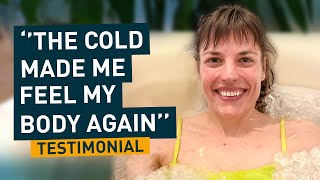
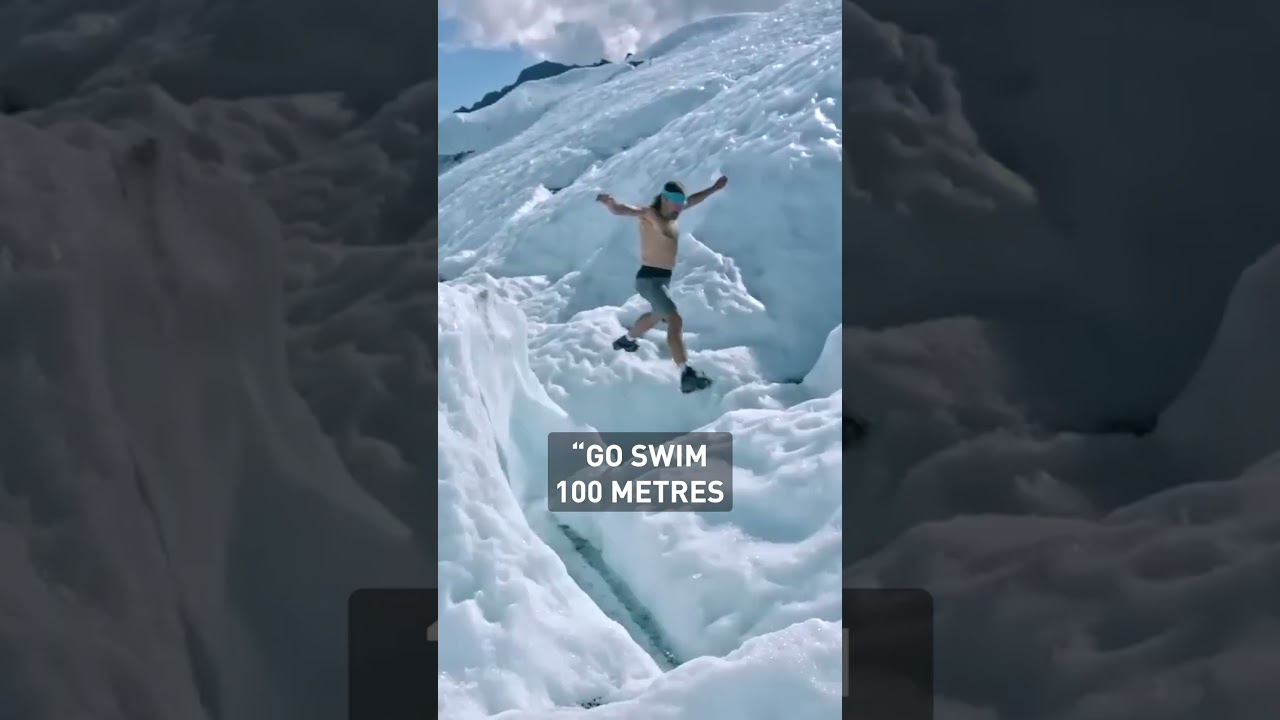
When I went to the psychiatrist, I was so lightly diagnosed and given the antidepressants immediately, which is just numb, numb what you feel. Just continue suppressing, continue burdening it. And to be fair, it has helped because I was numbed, but the trauma hasn't left you. It's still in your body, trapped. So when I started medication and I was diagnosed, I was relieved, obviously, to have my symptoms go away, but I knew that I need to do a lot of work on myself and that it's not over. So that's Yeah, when I found you and I googled and I breathed and I went into the cold, and I've been doing that every day ever since. I wake up, the first thing I do is I do 2-3 rounds of breathing and I go straight into the cold shower. And I find cold anywhere in nature I can. I go into the ice and to, as a woman, as a traumatized child, to be able to choose pain. I'm in control. I'm choosing to feel the pain. I can be with it. I can sit with it. I can feel my body again, and I'm in charge of my body. No medication can give you that, and it's free, and it's simple, and it— and you are alone. You don't need anybody to guide you, tell you how to do it. The biggest thing that trauma takes away from you is the ability ability to feel the beauty of life and you feel threat in everything and you feel so— and also you learn to dissociate from your body because that's a defense mechanism. And so what the cold did for me is made me feel my body again. And I found the thing that healed me, which was Yeah, so no medication, no therapy did ever offer that.
That's great. It doesn't matter where your trauma comes from, you are able to get back into control.
I think what is also a really big issue is that if you've been, for example, sexually molested as a child and A child doesn't know what's happening to him/her and obviously you dissociate, you block it out and then that kind of memory is stored in your body. The body remembers, the brain doesn't. And then if you come out to a psychiatrist or psychologist, I'm having these issues, I'm overwhelmed with emotions, I have anger issues, I'm self-harming, I don't know what's going on. And then you say what happened to you as a child but you can't remember, and all they say is, "Well, you've got depression and you've got anxiety disorder, and you don't need to remember. That's it. So here's some antidepressants and you can just continue your life." So obviously, if you don't know that there's any other solutions, this is your lifesaver, so you hold on to that. And if a doctor's told you that then that must be it. But then, you know, you suppress the symptoms, you numb the symptoms with the medications.
Cold makes you survive. It makes you just be there. Anything else is shut down, is out.
I think also the cold creates new connections in your brain, new patterns, and I think if you've dealt with the trauma, you've You've got such strict patterns of behaviors and ways you look at the things and way you deal with things because that, that was the way you survived. But the call teaches you new connections, new ways to deal with that, new ways to look at the pain, to look at your own suffering. And I don't know, I just couldn't— I think I couldn't live now without those two. It's so simple and you can do it everywhere. Anywhere you go in the world, it's there.
Yes, what you say is of great importance because in the end trauma is trauma, guys. Whoever is looking at this, this is a life experience, a real experience, and I love Nevena to come forward and talk about it because there should be no taboo on something that is inside that needs to be released. On top of that, you experience trauma. You cannot even talk about it. It's like you did something wrong. You didn't do anything wrong. The taboo makes you shut up and not being able to work it out. That on top. Come on, guys, it's over. It's done. Breathe, go into the cold, and be your lovable self Become sensitive again instead of disassociated from your feelings. Become happy, strong, and healthy, and with a beautiful mind as you have, as you are. Bye, Nevena.