Jordan B. Peterson Explains How to Conquer Fear | The Wim Hof Podcast
25 Jun 2021 · 1 min
0:33
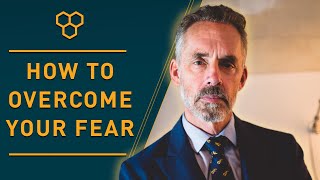
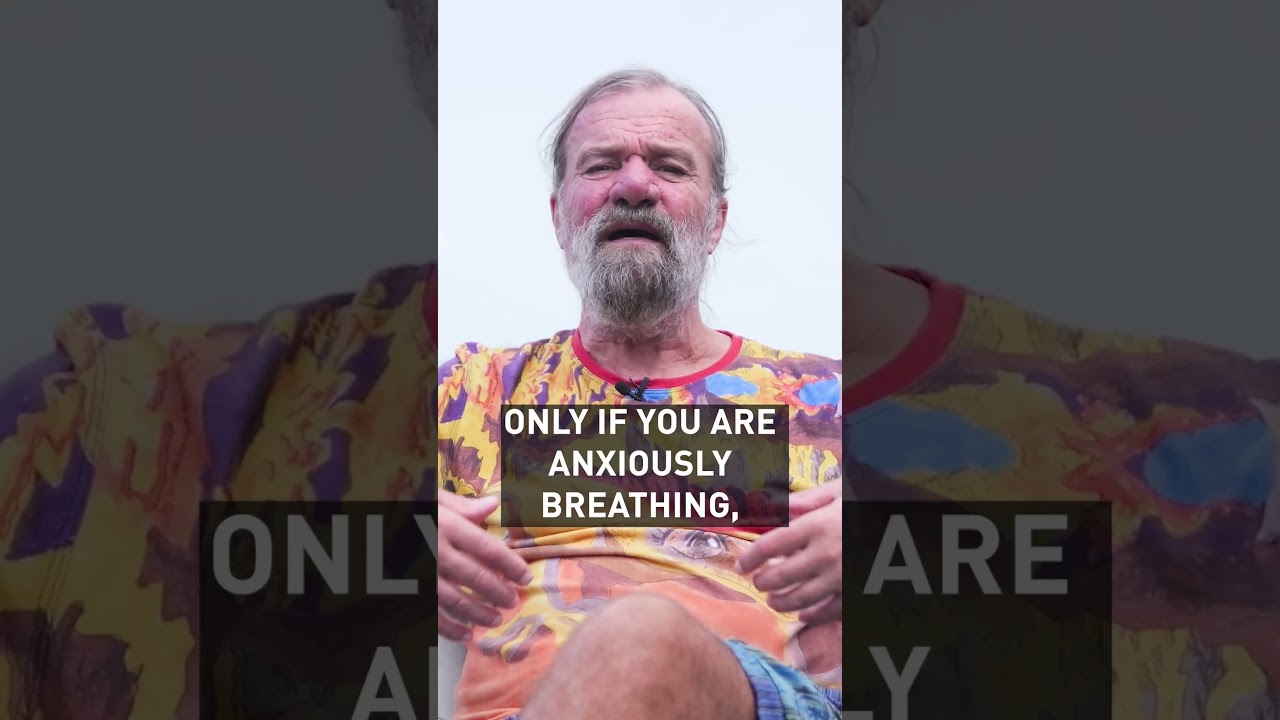
Jordan B. Peterson and Wim Hof discuss how voluntary exposure to stressors rewires your brain differently than accidental exposure to the same threat. Deliberately practicing mastery in uncomfortable situations builds real courage and trains your will through neurology, not just willpower.
Chapters
More from Wim


youtube.com
For 30 years they called me crazy, irresponsible and a thousand other things...📹: @uproxx
2w ago



youtube.com
Are you someone who suffers from cold hands? This ice-bucket exercise helps.🧊 #wimhofmethod
1mo ago
See all content