Wim Hof Method & The Nobel Prize in Physiology or Medicine

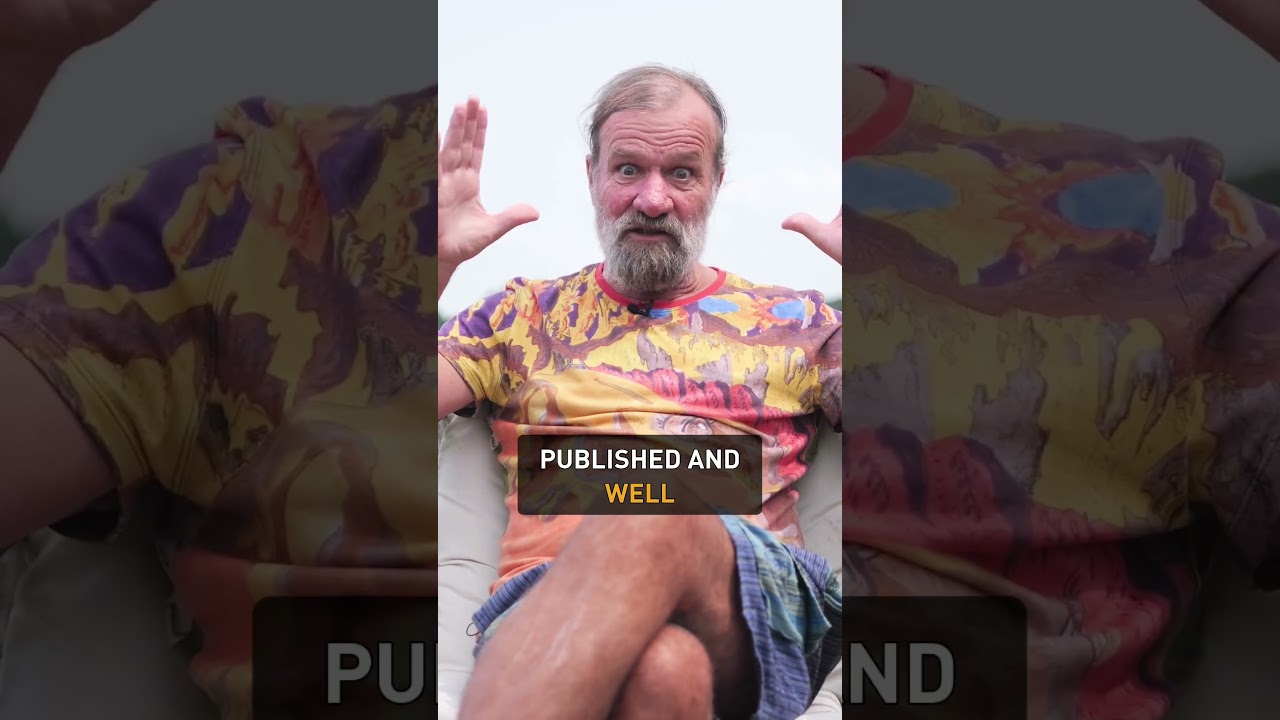
The video links the 2019 Nobel Prize in Physiology or Medicine, awarded to William Kaelin, Peter Ratcliffe, and Gregg Semenza, to the Wim Hof Method. The laureates discovered how cells sense low oxygen via the hypoxia‑inducible factor (HIF) pathway, which drives new blood‑vessel formation and up‑regulates erythropoietin (EPO) production. The narrator explains that Wim Hof’s controlled breathing deliberately creates systemic hypoxia and alkalized blood, allowing prolonged breath‑holds and extreme drops in blood‑oxygen saturation—as demonstrated in the Radboud University study where participants’ oxygen levels fell to the point of turning off oximeters. This artificial hypoxic stress is proposed to boost HIF expression, potentially delivering the same health benefits (e.g., improved oxygen transport, disease resilience) that the Nobel‑winning research uncovered, and may also explain Hof’s rapid adaptation to high altitude during climbs of Everest and Kilimanjaro. The segment concludes with gratitude to the Nobel researchers, positioning their findings as scientific validation for the Wim Hof Method.
Chapters
More from Wim



For 30 years they called me crazy, irresponsible and a thousand other things...📹: @uproxx





Are you someone who suffers from cold hands? This ice-bucket exercise helps.🧊 #wimhofmethod