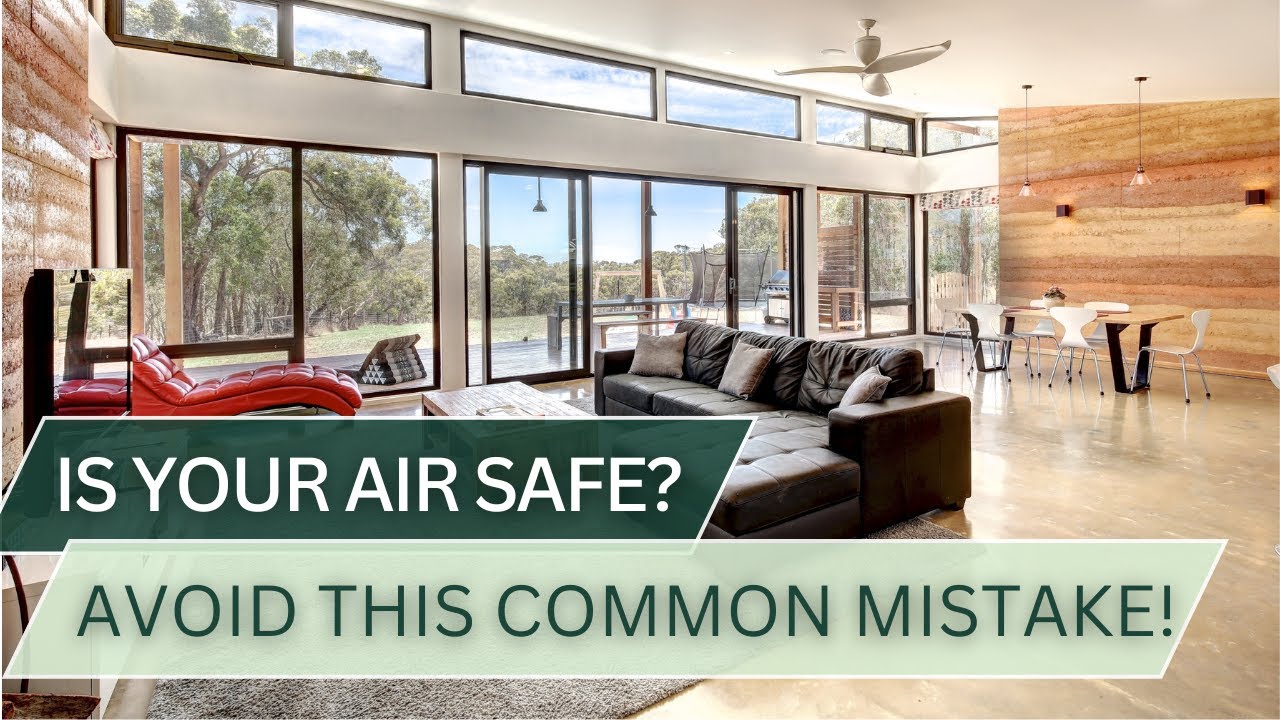
Laying ventilation ducts on top of ceiling insulation instead of inside the thermal envelope reverses your HRV or ERV system's benefits, raising energy bills and creating conditions for mold growth. This mistake forces your heating and cooling to work harder while leaving you with temperature swings, moisture imbalance, and respiratory problems.
Chapters
This one mistake can undo the benefits of your home's ventilation system and put your health at risk. You know that feeling when you step into a stuffy room? The air feels thick, almost oppressive, and you find yourself reaching for a window or a fan. Now imagine it isn't just one room, it's your entire home. In a high-performance home where energy efficiency is the main goal, air quality is one of the key pillars that your builder needs to understand. Yet, when your ventilation system is installed with any of the ductwork outside the thermal envelope, as many builders do, it won't work the way it's intended. For instance, if it's laid on top of the insulation inside your ceiling space, above the thermal envelope, then during summer, your ventilation system will heat up your house, and during winter, it will cool your house down. That's the exact opposite of what is meant to happen. And it gets worse. Improper installation can throw off your home's moisture balance, creating dampness and making your home a mould trap. Not only does this impact the structure of your home, it can also affect your health, causing allergies, asthma, and other respiratory problems. What's more, a ventilation system that isn't installed optimally forces you to use your heating and cooling system more regularly, driving up your energy bills. Proper ventilation isn't a luxury, it's a necessity for any healthy home. The key is to work with a builder who has proven expertise in installing HRV and ERV systems. By understanding the intricacies of these systems and installing them correctly, they can tailor them to your home. Balancing humidity, regulating moisture helps prevent mould and mildew, protecting both your home structure and your health. Filter out contaminants. An effective ventilation system filters out things like mould, CO2, and PM2.5, keeping the air safe, fresh, and dry day in and day out. Enhance comfort. Balanced airflow and humidity mean stable temperatures and year-round comfort throughout your home. Maximise efficiency by reducing the need for extra heating and cooling. These systems cut down on energy use and save you money because they are recovering the heat via the exchange process. The takeaway? Proper installation equals better living. At the end of the day, you should never have to worry that the air in your home isn't safe to breathe. So don't let a dodgy installation rob you of the quality you've paid for. It doesn't matter if you're building a new home or just renovating. By working with a builder who knows how to seamlessly integrate your ventilation system into your house's design, you can create a space that's not only energy efficient, It's also healthy and comfortable. But there's more to building a healthy, efficient home than ventilation. That's why we've put together this guide for you to download, The 5 Key Skills of an Energy Efficient Builder. It's free and packed with insights to help you make informed decisions, avoid common pitfalls, and create a home that meets your comfort and sustainability goals.