Jackson Digney built over 80 energy-efficient homes in eight years. Energy efficiency comes down to airtight construction, proper insulation during building, and choosing PVC over aluminum windows to avoid thermal bridges. Expensive products matter less than meticulous installation and attention to detail.
Chapters
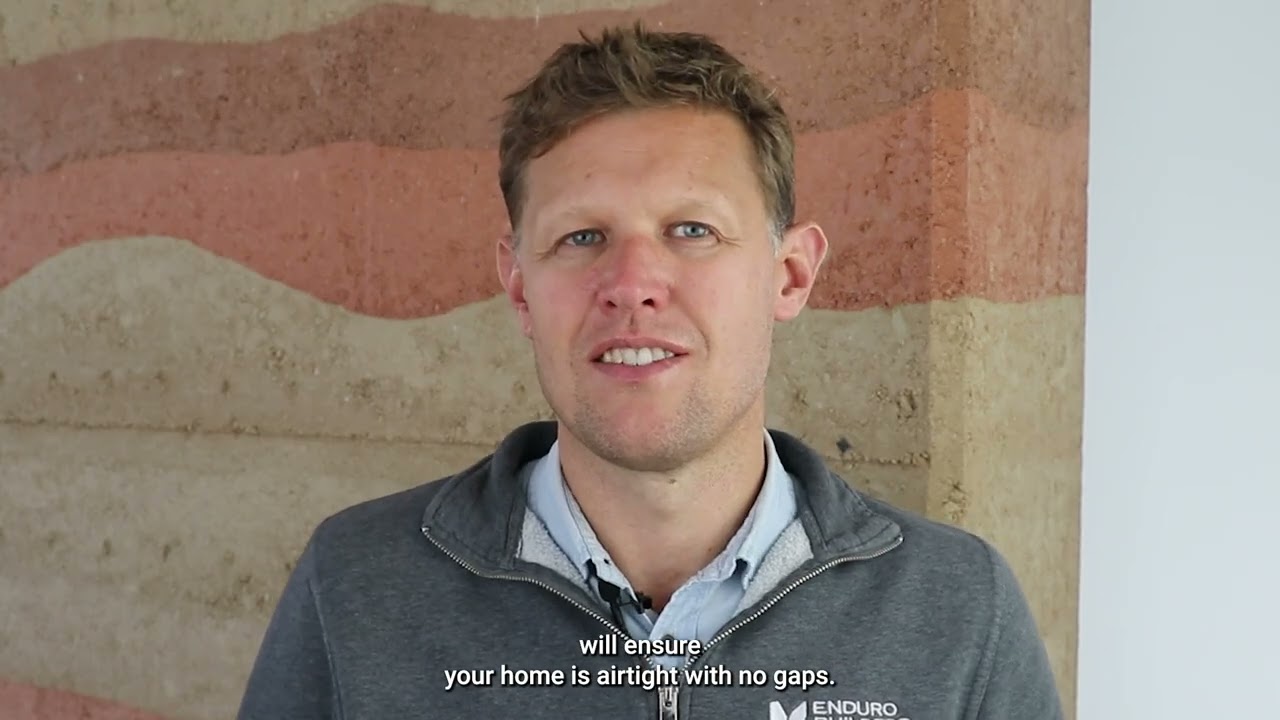
What it really takes to build an energy-efficient custom house. The little things that have big impact. Don't believe the advertising. There is no silver bullet to building an energy-efficient custom house. No magic European product. The real secret is in the culmination of doing a lot of little things right and avoiding doing these things wrong, so there are no weak links in the chain. Here are some of the little things that have a big impact when building an energy-efficient custom house. Installation is more important than product choice. The rise in popularity of energy-efficient building has prompted an increase in so-called energy-efficient products flooding hardware store shelves. In many cases, the only thing different about these products compared to standard building materials is the price. Sure, the claims on the packaging are impressive, but the quoted benefits are often derived from clinically controlled tests rather than the real world. The real key to building an energy-efficient Custom House is not as much in the products you use, but in the way you use them, especially your care and attention to detail when installing them. No more gaps. One of the biggest enemies of energy efficiency is gaps, because they allow air and therefore heat transfer. What's the use of using the most expensive thermally broken windows if you don't seal them properly? What's the use of using premium insulation if you rush the installation and leave spaces Gaps is everywhere, and if you count how many pipes enter and exit your home, the cumulative effect of a small 1 centimetre gap around each pipe can add up to a hole the size of an open window. A minute here and there, probably no more than a few hours on your entire house, will ensure your home is airtight with no gaps, so it stops the transfer of energy in the form of air and heat. Don't build bridges. Thermal bridges form whenever a building product allows the passage of temperature through it. Not only does this allow energy transfer in the form of conduction, it also creates condensation and mould issues because of the difference between internal and external temperatures. A common example of this is with aluminium windows. Because aluminium is an excellent conductor, when the temperature outside is cold, the aluminium inside will become cold. When the internal temperature is warm, condensation can form on the inside of the windows. This not only undermines the internal temperature of your home, but it can also lead to mould. That's why recommend PVC windows. Invest in insulation once, benefit for a lifetime. While you can always improve the cosmetic details of a house at any stage, you only have one chance to get the insulation right, and that's when you build it. Retrofitting insulation is expensive and sometimes impossible, and when you consider that insulation makes up less than 1% of the build cost, it's a cheap investment with a massive payoff. These are just a few of the little things that have a big impact on building an energy-efficient house. For more information about how to build an energy-efficient custom house, we invite you to book a free consultation where we'll answer your questions and show what we've done to build more than 80 energy-efficient homes over the past 8 years.