AI Expert: The Truth About AI And The Potential For The Future
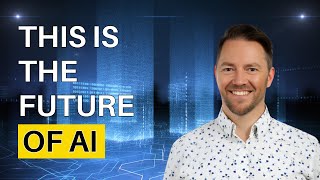
Conversation (podcast/video) where Tim Warren—founder of Ambit NZ—explains AI as statistical/probabilistic computing contrasted with logic-based systems, warns about LLM hallucination and overconfidence, and advocates a human-centered approach. He outlines concrete ways AI can help education (admin automation, in-class coaching workflows, AI literacy) and healthcare (medical imaging, wearables, predictive analytics, drug discovery). He stresses risks from vendor concentration (Nvidia), black/grey-hat actors, synthetic data/hallucination, and unreliable AI-detection tools. Practical takeaways: experiment with accessible tools (ChatGPT, MidJourney), teach AI by testing its failures, and pursue lifelong learning under a 'humane' (HUMAIN) framing.
Questions this video answers
November 6, 2024
ChatGPT (text LLM) and MidJourney (image generation)
Chapters
And I said, do you know what? I freaking do.
There are lots of other people out there who've been in it for a hot minute. Yeah, but you've been in it for a long time.
AI was this wasteland. No one was there. It was just geeks and weirdos.
I want to go deep on AI and I know that it's a buzzword everyone's talking about no matter where I'm traveling in the world. However, they're not experts.
So what is AI? This is the way I explain it. So ChatGPT and the other similar models are kind of like teenagers. High level of confidence, low level of accuracy. They get their news from TikTok, the self help people on TikTok and all this stuff, about 50% of it is absolute nonsense, pure garbage, which makes Wikipedia look like the encyclopedia.
How's that going to impact me, my family, my finances? What potentially could go wrong if they take things in a direction that's not for humanity?
Well, it's dangerous. What if it can sit next to us and coach us to be great human? I tried it by trial and error. Some people suffered from my error. That little bit there, that's tiktokable.
There you go.
Right? But it was me that did the vlog. And you're back. But you've got the views.
Oh, that's funny. Yeah. It seems to me like there's so many experts out there on AI right now, and it's my job to try and help you make sure that you don't come across a charlatan or a cowboy and get charged a small fortune for them, leading you down the garden path. So I brought onto the show the amazing Tim Warren. He's the founder of Ambit nz, an AI software company.
And we're going to go deep in.
What AI actually is and how we avoid the pitfalls. In this episode, we explore the transformative role of AI. Tim unpacks its statistical foundations and highlights the importance of understanding its limitations. We dive into how AI can revolutionize education, enhancing administrative efficiency, supporting in class teaching and fostering AI literacy in healthcare. We discuss AI's potential to improve diagnostics and predictive insights. Tim underscores the importance of lifelong learning and the role of AI in preventative care. Advocating for a balanced, human centered approach that enhances rather than replaces human capabilities. Striving for an AI that truly serves society's best interests. I personally am very excited about AI, what it's capable of, what we can do with it. I do not see it as this fatalistic thing that's came upon us. Problems often present possibilities. AI might come with its problems, but I think it comes with way more possibilities. So if you're intrigued about AI, please enjoy the show. Today's episode is made possible by our sponsor, NZ Mortgages. You can check them out at NZMortgages Co NZ. Tim, a huge welcome to the Lead On Purpose podcast.
Thank you very much. Great to be here.
Well, you know what, we've been talking about this for quite some time. Finally, I'm in Auckland now to sit down with you. This is home for you. And I want to go deep on AI. And I know that it's a buzzword everyone's talking about. No matter where I'm traveling in the world, everyone's talking about it. What concerns me a little bit is that I see pop up almost daily a new AI consultant, a new AI strategist, and I dig just a little bit and realize that they haven't really done any deep research or work in AI. They've learned how to use a few tools and they're keen to help other people. There's a good nature behind it, but however, they're not experts. So when I started looking at your work, okay, you've actually been in the game for a decade or so. That's a decade more than most. And so to get the ball rolling, what is AI? If you had to explain it to. I've got an eight year old. If I had to explain it to an eight year old, what is AI?
Yeah, good, good question. I think, you know what you say there, there's a new expert every week and expert is one of those tags I hate and actually goes a little bit further back than the 10 years I was running my company. So I studied this at university. When AI was this wasteland, no one was there. It was just geeks and weirdos. So I'm one or both of those.
So what is AI? This is the way I explain it. So there's roughly two types of computing, the type that everyone's used to, that runs apps on your phone and Microsoft Word. And that kind of stuff is logic based, yes or no, True, false, that kind of stuff. AI is statistical computing. So something is less or more. It might be 0.1046 or 0.98127. So it's not exact. And that's the point of it, because it's statistical, it's probabilistic. Something might be better. It could be like this, it's preferable, but it's not as exact. So that's the way I explain it. Now, when you've got these two systems, a binary system, the logical system and a statistical probabilistic system, then you can do some cool things with the statistical one. You can embrace the concept, which is really important in AI of randomness and you can bring in random numbers and you can, you can use that as. Think of it as a seed to creativity. And that's what I think has captured the public imagination in the last, you know, really, it's ChatGPT. It was released, it's about two and a bit years ago now.
And it wasn't new to those of us who were using this stuff, but somehow it captured the esprit de corps, the joie de vivre or whatever it was, and people jumped on it and when people started using it, it made them feel better. And that's why I think actually it ties into. Everyone thinks they're an expert. I mean, I've seen people who've used it twice and then they want to set up, you know, your consultancy or something like that.
I've seen lots of it.
Oh, you must see them all the time. But there's a handful of luminaries in the world and I know you've spoken to one or two of them. And.
It'S not about what can you do today and how can you paint by numbers and do your 8 year old's schoolwork? Because it's about that level, because I can read it and you would be able to read it. It's about how does this change our society and what does it mean for education, what does it mean for people?
And that's what I like to go into because for a couple of things, I believe most of us have RAAM syndrome. World revolves around me. We all want to know how's that going to impact me, my family, my finances. So a couple of things I want to look at there is education and health.
Yes, education.
One, because I'm a geek on learning. I love learning and how I learn quicker, how do I retain better? And then on the health side of it, I'm all about preventative health and I know that here in New Zealand we've got a relatively amazing health system with its parameters and restrictions. However, it's not set up for the individual who wants to prevent and get diagnostics to look, look deeply at what could I do to stop ill health in the future. So let's start. You brought up education to start with. Let's start with that. What might AI help us do over the coming Say years or decades in the education sphere.
I look at the way AI will impact every industry and you know as well as I do that AI will impact every industry. Right. But education is one of the most critical ones because that's how you even learn about whatever industry it might be at the leading edge. When I look at the area and I was presenting at a conference a couple of weeks ago, the embracement of it is not as advanced as I thought it would. And the danger is students are getting into it more than the teachers. Now I know teachers are very busy and that was one of the things that I could do, hopefully was inspire them to get to that leading edge. But this is the way I break it down in education. There's roughly three areas that teachers or educators, and I'm including whole of life education here. We could talk about that later. Whole of life education. But we'll talk about it in the context of a school because it's a bit more defined. And then there's kind of one thing that students have to do. So teachers have, they have what I call out of class or admin things. It's just as important. It's creating a plan, it's creating, it's doing, marking, it's writing reports. So there's questions there around what can AI do to help them. I think it's very powerful there and I think that's the area to embrace it first. It's a good area to learn about it. And if you stuff it up, you just do it by hand anyway because you don't have an audience. It's what I call offline. Then you've got the. In classroom teaching about regular things, not teaching AI, but teaching regular things. Right? So say you're teaching maths, say you're teaching creative writing is my favorite example. Say you're teaching creative writing. You can use AI tools to teach a traditional subject and that's really powerful. And that's called AI in the classroom. And then finally you've got AI literacy. Now that is teaching the students how to understand AI, how to use AI and understand it beyond that is actually the, the deep stuff, which is, you know, the kind of things I did at university and the kind of things that a few areas, a few companies are really getting into. Not those new experts, but the ones that have been around for some time. You know, the Geminis and the ChatGPTs and the Mid journeys of the world, stable diffusion, et cetera. Those tools, the teams who are working on that four years ago, that kind of stuff. I'm going to leave that off because that's higher education in AI. But in the classroom, AI literacy is really important. So you've got this kind of hierarchy of needs. And there's many hierarchies. They work in education, they work with general human needs. And if you don't meet the first ones, it's often difficult to progress. So teachers can learn about AI by enhancing the things that they do in an offline environment. It's no fault, it's no risk, there's no shame to it. They can go and watch a YouTube video and bring in that beginner's mindset and curiosity, which is, I'm sure you would believe in it. It's one of those things that takes you to anywhere you need to be. If you continue to ask, how can we do this? Or why does that happen? You can get there. When teachers do that, they'll achieve great things, then they'll be ready to use it in the classroom, which is to say, you know what? We're going to learn a method for creative writing. And this is where I'll give you a couple of models, right? And I can give you this afterwards. You can pop it up on screen or a link or something. So the first model is the old way of writing. So you'd roughly do. And we'll think of a short answer or really an essay answer, but it applies to anything. You come up with a plan and the student does that and then you write it. Let's say you write your essay and then you go through and you review it. You edit, fix a couple of spelling mistakes, maybe you cross out a line here and write a better conclusion or something. That's the old world. In the new world, enhanced by all those ChatGPT experts out there, they write something to ChatGPT and then they copy their result and they give it to the teacher. And that's rubbish, right? So you're going to get a poor outcome from there. Now that's what I call New World version 0. Very naive, very poor outcome. At first glimpse, it can look okay until you look under the hood. It's a little bit like what you said. It's like people have got two months training in AI and they're a freaking expert.
So.
But there'll be a theme here. It's not about the tools. So the next one I call version one, which is where, yeah, sure, you're going to prompt. You can get AI to write something for you. So the first step is student prompts. AI, AI or the LLM or whatever it might be creates something and then the student edits it. But then this is the key point. You then get the AI to give you feedback on your edits. That's version one. And it's still a little bit naive. Now what a teacher can teach is that getting to this version 2 approach gives you real power. The student.
Still does a plan. Just like the old world. They do a plan for where they're going to go, then they actually write it. And then this is the killer. They use AI to edit it now. Not just write the edits, but give feedback. And what you can say, you can say in ChatGPT.
This is the question, the essay question. This is my answer. And open questions. You know all about this. Please give me feedback. A very open question. What you want is feedback. Like a senior editor who doesn't give you the answer, they'll say, where are you going with this line of questioning or this line of discussion?
The ultimate coach.
It's a coach. You nailed it right there. So. And a lot of what you do is that coaching thing. And you watch a good coach, especially an executive coach, action with someone, they'll say, okay, so you're struggling to deal with people in an underperformance environment. What have you noticed about yourself and the way you respond to this when it comes up? That's a good coaching question. The sergeant major will say, you're bad. You didn't do this. You should do that. Which we wrote in the manual. Yeah, no creativity. Right. And it's very reactive. It's not even responsive. And we want to get like your search for healthcare. Get into this proactive phase now when you can go and self criticize your own work, which is actually engaging curiosity. The question is, how can I do better? It's one question. And so you can do that now. You can get feedback. You can ignore that stuff. And I see this. I use this approach for my writing. I'll say, give me feedback on what I've written. And it will say.
Because it can only base on what it's learned, it'll say, we don't like this particular area. Or you could tighten this passage up. And you know what, I tell a story as a narrator. I don't tell it as if it's a technical book being written. So I want to include a little bit of, call it, you know, verbal glitter on top to make it interesting, a little bit shiny, whatever you have. And sometimes I use repetition as a tool to get attention. GPT doesn't like repetition. It says, oh, you must Change this word for this. So then you start to learn about the concepts of language. Because if it says, here's the suggestion, you can say why? And you can challenge it. And sometimes chatgpt will come back and say, you know what, yours is better.
I love it.
And now when you do that, when you start, see, and I did this with them, a few things, you try and get ChatGPT to change its mind. It's pretty easy. It has very strong opinions, very weakly held. Right. Which is a day. And if you apply that to a person, that's a dangerous person, of course. Right. That's a follower. And in education, I want to create leaders. And the most important person to lead is yourself. Yeah. You don't create that if you're just copying and pasting out of there. So when you've got that feedback, you include that in your own words. In this version 2, you include that in your own words. You can always get AI revision on it, but more often than not, I will ignore two thirds of what. And I use different models. You know, it's not about the tools. There's always a new one. It could be Claude, it could be Gemini, it could be. It could be ChatGPT. Every week there's a new one. It's not about that. And you get feedback and you say, you know what, I'm comfortable with this. And then it's original work. And it's like going to your older sibling to say, I've written this essay, can you give me some thoughts? Or saying to your parent, they're not going to write it for you. And they're going to say, I'll tell you what, you've introduced this concept, but you haven't gone anywhere with that. And then the child might think to themselves, well, I could delete the concept or expand on the concept, but I don't leave it halfway. And then you learn the concepts of language. And these things that are capturing people's attention are large language models. They do language well. They do not do maths well. It's really funny, but breaking ChatGPT with maths is very easy. That was a whole line for a year. I used to have a series on LinkedIn. I do. This is how I've broken LinkedIn, you know, this week. But they're not large maths models anyway.
Can you chat about that for a second? Yeah. So LLMs, some people, well, most people will have heard of large language model, and they kind of nod and go, yeah, I've heard of it, but what actually is it again? In language terms.
Okay. So.
The components are critical. It's very large language model. Okay, it's a model, right. So it is a computer thing and it's a statistical computer thing, it's language. What happens to train these things is you feed in ideally as much written stuff as you can put in and it will be, you know, I'll give you an example. It's the contents of Wikipedia. How accurate is Wikipedia? It's not bad, it's about 1%. It's certainly strong on the first bit, which is large. Right. And so the danger is with using large language models, using lots of text to be able to create something, there's two sides of it. There's the training to build it and then there's the actually getting something out of it. When you ask a prompt of a large language model, it builds up essentially an on the fly statistical model to be able to give what it thinks is the best answer. So it can give as close to 1 as possible for a what it thinks you want. The less information you give it, the worse a job it's going to give, the more information you give it. Like if you say this is the environment, like if I was writing a, if I was writing a brief for a presentation, I was giving it. If I said there's going to be this number of people in the audience, it's going to be to this level of education. Gave it lots, it can do quite a good job. But if I said write a brief for my presentation, it doesn't know what to do. But will it give you an answer? Yes, absolutely. And I point this back to the way children learn. If you ask a child to draw a picture of the world, they don't say, but I don't know about the world. They will very confidently draw you a sweet, naive picture of the world. And we call it, you know, childish or entertaining or cute and we pin it up on the wall until they go to sleep, then we throw it in the bin because kids are. Was rubbish. Yeah, right, we know this.
Love your honesty.
Oh man, I've thrown out so much once I've got twin boys. But once my boys found their art in the rubbish bin, a little prematurely, slightly upset, I was in trouble, I had to put it back up, you know, tomato sauce stains, pin it back up on the wall. So good. But anyway, back to the large language model. So it does the best it can. Now this is no different to humans. If you ask a 15 year old just about anything, they know they're right. Yeah. And I think ChatGPT and the other similar models are kind of like teenagers. High level of confidence, low level of accuracy at first glance. Like, you know, you listen to a lot of kids present, it's like, wow, they know their stuff until you listen to the content.
Yeah.
Now, ChatGPT and the others, I'll use that as a generic. These LLM models, they're actually very good at structure. One of the things we do in computer science and a few other things generally in science. But in computer science.
It'S very explicit. We abstract, so we look at the methods that a bunch of things, a bunch of different things work and we abstract structure. Computers are very good at it, large language models are very good at it. And if you look at the way, if you ask an LLM to write an essay, a thousand words about Macbeth's, you know, search for eternal life and said he achieves death, something like that, it will write something that's structured very well. Do you know why? Because all of those essays that are out there have been fed in, of course. Now the structure is much simpler than the content. So the structure is quite good. If you separate out, like a review, if you said structure of your content, ChatGPT could be 95% a lot of the time, but the content, well, maybe we'll give it 60%, but it's actually answering the wrong question. So on the. The understanding will give it 20%. Yeah. So it gets kind of like a C plus, right? And you know, as someone who's a little bit more experienced, someone who's got kids, you listen to your kids, especially teenagers, and ultra confident, and you kind of smile and nod and you think, well, they don't want to listen to me. One of my kids said to me, I'm going to study law because AI can't do law. And I said, do you know what I freaking do? I just put an AI system into a law company I designed into a legal firm. I designed a architecture for how to do it.
Amazing.
And also this was Xai. I don't know if you've worked with this, but explainable AI, so it could reference everything back to an original document.
Incredible.
Critical and legal. But this is only just becoming people only just becoming aware of it. Back to the Wikipedia example. Wikipedia does an average job. People put in some kind of a reference for it.
ChatGPT. They do not. It does not. It's getting there. Now, what's interesting, again, it's not about the tool, but when you tell it, it has to give specific references.
It will give you References, some of them may exist, but you need to do your homework. Now, this is where logical computing, remember, we've got probabilistic computing and logical computing. Logical computing will say that doesn't exist. And it's, it's. You can find this out with a Google search. Is there a paper called this? It will just say no. Amazing. If you say chat to chatgpt, give me the details about this paper, it will write it for you. Now, it's rubbish.
It wants to impress.
It doesn't exist. Now let me relate this. I don't think this is about tools. I don't even think it's about AI, a term which I don't love. I like, I like the concept of synthetic intelligence, because we haven't, we have created it and it does give us a sense of intelligence. So when you look at the way humans operate in the brain, when we look around this beautiful room here, we see a fraction of what's here. Tiny fraction. Partly because the acuity of our eyes is only so much. We can see kind of at a distance, you know, to there. I can see maybe a tenth of, of a millimeter. There's a lot more detail beyond that. But we see wood grain and then our brains fill in the wood grain for the rest of the room. It may exist, it may not. Now, we have a term for that. It's called hallucination. Where do you think that term's come from? Right. Computers do exactly the same thing. When you give them a statistical machine that wants to, it wants to give you an answer like a kid, it wants to do the right thing. So you give it a few data points and it will fill in a montage, kind of paint by numbers, but will fill it in and it looks pretty good. Now you go digging. It's the wrong color or the wrong words, but it's doing exactly what we taught it to do. So people say, oh, AI is wrong because it hallucinates. No, it's a very good model of our really wacky brains because these are not logical, these are emotional, these are statistical. And if you look at nerve cells talking and imagine that there is one number being exchanged between them, there's not. You look at, you look at thinking of some of your preventative medicine here. You can, you can see the way brains learn. You design right in on a couple of neurons and you teach something, you teach a mouse or rat or some poor caged experimental animal something new. And you can see new pathways form. And that's how our brain, that's how Our brain learns. That's also very similar to the way AI learns.
That makes sense to me.
But we've only got very simple models for it at the moment. Now, the brain has a plethora of models and you've got people saying, oh, AI is going to overtake this and overtake that. Not just straight out of the box, it's not.
I think there's a lot of drama around that. We had somebody from Google on about a year ago and people were panicking after that episode, thinking that the world was probably going to end in about three years.
Oh, yeah. Saying it achieved consciousness. And he clearly, you know, he wasn't. He wanted a bit more of a LinkedIn following and he would have got it. Briefly, he lost his job. But my sense of that, he probably knew he was going to lose his job anyway, because when I read that what he said didn't really stand up and hasn't been shown to be true.
There's no evidence that we're tracking that direction at all. And Interesting. More locally. So down in the south island, there was some council elections and I'll not name where, but there's a few councillors that put forward their blurb about who they are and what they would do for the area.
Oh, yeah.
And so I'm reading these three or four and I go to this one, I'm like, whoa.
It was literally chatgpt straight out of chatgpt. Who?
The word. And there was words like roar and conclusively and like, all these words, I'm like, I see it in ChatGPT so much, but it lacked any humanity.
Yeah, that's right. Now, you get an interesting analog for that with children when they're overly coached by adults, when they're coached too much. And I've heard this in my own children, I can hear the language coming from certain people. For instance, if they've been talking to a lawyer or they've been talking to a consultant, all of a sudden they're using words that kids don't use. Like, I can't specifically think of any examples.
Well, Finn, my boy, he said hypothetically the other day, he's 8 years old.
Yeah.
And I'm like, they're studying Greek mythology and he's saying all these new words. And so it's very fascinating.
Instead of maybe, which is what a kid would normally say. And this is the thing, see, when I'm. I. People say, oh, Tim, for someone who's like the AI, you know, person who's around and, you know, jumps up on a stage and chats about it. You're like, you do the least technical talk. And I said, that's the thing. It's not about technology. Right. It's about humans and it's about what we do with that. And it's technical.
I love that you say that because I think we're seeing this technology growth and AI kind of exploding around the world. But I think we're forgetting the key priority here is human connection. How do we use that tool to deepen this and improve this and give us more time to do this? I see AI as being a tool that will help us if we learn to use it. The governments out there, whether it's New Zealand government, whether it's someone overseas, what message have you got for them around what they could do to help their citizens use AI as a tool for good?
Well, I think education is obviously right at the tip of the spear of anything. It's how you learn about anything. And I think changing the concept of education.
To being lifelong is really important. And I had a great example the other day. I was chatting to someone, I got the opportunity to drive someone's race car, which was really cool. He's like, hey, I can't do it this weekend. Do you want to borrow my race car? Well, yes, I did. I love racing, I love cars, etc.
And this guy's telling me about how he's using AI in his business and he does, he's got an engineering business. Well, he's using it. He's not using it for like running the CNC machines and that kind of thing. He's using it for some internal communications. Interesting. And he said, I had to do an affidavit about something the other day and I didn't know the structure to use. He said, chat GPT, give me a structure. And it came out, it was really good. Now then he filled it in, he jumped to using that kind of version one template. So what can governments do? Back to your question. So it needs to be seen as clear and present, but it's what people do with it. Now, anyone who's out there, you know, teaching the tools, that belongs in the classroom, Right? So no issue with that. But the tools are going to change. There is no such thing as a ChatGPT expert because next year it'll be a Claude expert and after that it's going to be a Google expert matter. Like real software developers don't brag about the languages they know because they can learn any language. It's a similar analog there. So teaching it as A way of this is a thing which will bring profound change to society and humanity, I believe is the right message. We need to understand it deeply. We need to ask lots of philosophical and potentially existential questions around how can humanity change? So that doesn't really help policymakers. Right. So what are policymakers going to do? Encourage its use, experiment with it, but also understand, you know, the veracity of what's being talked about and the accuracy and the integrity. So you can get, you can get programs that say they can detect AI usage. No, they can't. They can pick up some really basic things, but essentially they can't. I can break them anytime. Wow. In fact.
So universities are saying we can pick it up.
Yeah, they can. It's probabilities, it's just exactly. It's a probability. They've got it wrong. They've got a slightly better chance, but.
They can't prove it.
It's only at the moment. These are version 1 of the tools. Version 2 of the tools is going to be way better.
Way better.
Unreal. I know Mo Gad talks about, you know, the effective IQ of, of AI being, you know, somewhere in that 100 to 200 at the moment and in two years it's going to be like a thousand and that kind of thing. I see it as a bit different to that. If you can detect it as being false, as not being human, then it doesn't pass the test. So it might pass the Turing test, but it doesn't pass the scratch and sniff test. And I can see a lot of artwork and a lot of writing. Like if your 8 year old turns out something that you would struggle to write because it's so good, you also know it's not there 100%. So teaching the concept of how do we work it. Now there's that example of the tool set. You give someone a hammer, you go to a hardware store, you buy a hammer. It does not come with a list of things not to do with it. It doesn't say don't kill people on the hammer. Right now AI is kind of similar. It's a tool. At the moment there's some people are saying the sky is falling, it's going to take our jobs. Well, it might take their job because it's, you know, it can say lots of nonsense like that and it's going to take the jobs of the, the Johnny come lately AI experts, you know, who picked it up, you know, with a, you know, with a YouTube video in the weekend. But in terms of bringing humanity, that's What I want to say, and this is the kind of synthetic intelligence. What if it can sit next to us and coach us to be great humans? Now it will learn. This is the really critical thing I talk about the concept of a wave. AI is a wave. Now, if you're not at the wave, swim to the wave. And when you're at the wave, ride it with intent. Because when you and I and people, hopefully with good morals and principles, and when teachers, when students who are well meaning, use it, it's learning. Now, if we try and do good things with it, AI will reflect it back. AI is a cultural mirror. It shows us back what we show.
It, which is very exciting in terms of very scary. We have control here. We have the ability to control a control. However, that's rel on millions of people doing that.
Right, Exactly. Now, you take a machete and it can be used for cutting down some bananas off a banana tree, can also be used as a weapon. And that's the thing. You go to the hammer to buy the hardware store. And it doesn't come with a list of things not to do. Because we've kind of worked that out as a society, which is a shock to us. When you hear about hammer attack in XYZ suburb, it's like.
What'S happened? Someone's perverted our understanding of something that really is used for good hammers are used for, we'd say building a house, that's a good thing. Providing shelter. It's on maso's hierarchy of needs, right? So when you pervert something.
That'S part of those hierarchy of needs, then people get very shocked about it. And so AIs coming into the further up some of those intellectual and academic desires that we have. But if governments encourage people to get in and ride that wave with intent and get ahead of it and encourage it and teach it, we will do better. And I'll give you a little thought and I'm giving away all of the things that I talk about, I love it presentations right here. But at the moment. So if, if we accept that AI, because what AI does in this LLM, there's lots of other versions. We'll talk about the generative concept LLMs when we show it lots of what's in our society, it's going to learn Jonathan Livingston Seagull, it's going to read Anna Karenina, all kinds of things. Now, a lot of Tolstoy, for instance, is pretty heavy stuff, but it's not the majority. But if we feed in the news channel over what's happening in Ukraine or Gaza. It's pretty unpleasant stuff. We don't want that to be a model. Now, luckily we've got lots of good examples, but we have to ensure that humans are creating the examples. And when humans learn to be creative and feed the AI machine, it's going to have our dreams and help us with our dreams. And if we stop feeding it, or if we're just slack and are passive consumers, it's going to start dreaming for itself. And we call that, we've got a term for it, synthetic data. Synthetic data I don't believe in, I just, I like the term synthetic intelligence. But synthetic data, which means data that isn't original, all data starts off as individual events or anecdotes. In fact, the plural of anecdote is data. There's a phrase going around that says the plural of anecdote is not data. That is not the original quote. The original quote is actually the opposite. And the concept of that is data does not have a virgin birth. It does not just spring into life. The concept of synthetic data, where a machine can create test data to test the machine, that's not a real thing, Right?
We have to feed it in.
We have to feed it human original information or experiential. It has to be real, it has to be from the world. Synthetic data is hallucination. It is an AI learning from its own dreams. And so I encourage in governments to encourage. This is almost like the revenge of the creative. And I know you've got a creative element to what you've done as well. It's almost like the revenge of the creative, the revenge of analog. Real stuff that genuinely exists is going to help teach AI.
So we can be that generative input for the next generation of AI. Now the next generation of AI users is all of us, everyone. There have been a very few people training, pardon me, AI as the cultural mirror at the moment. They're mid-20s, they're pretty, they kind of look like you and me, but a little bit younger. They're white males in Silicon Valley who don't have passports and they get their news from TikTok.
Bit scary.
Yeah, which makes. Which makes Wikipedia look like the Encyclopaedia Britannica. Right. So I saw some data on, you know, the self help people on TikTok and all this stuff. About 50% of it is absolute nonsense. Pure garbage. Yeah, it's pure garbage. And 50% of it is based on something that's true, but they miss the point.
Sounds about right.
There's Nothing genuine on there.
I have not been on TikTok. I refuse to go on it.
Yeah, it's great for getting attention. It's not good for getting dark.
Well, Prime Minister uses. I see him on there.
Yeah. Look, if I was a politician, I would be using it because you know what?
You're connecting with the masses.
You nailed it. It is for the masses. And when the masses don't want to be learning, they will go to TikTok. But don't imagine you're learning. And I talk about. I have this phrase, be awake when you are dreaming. Because you and I can have a really great conversation about the future of where things can go. And we can actually influence people that watch this. We can influence people. Teachers, higher education. I spoke at Auckland University last week and I've got. Always got a particular, you know, love of education. I always involve myself in that. But I don't go there with the answers because I'm not an expert. I am to be the coach. I say, what are the. What are the best questions you've got? I'm one of those really frustrating things. I don't even teach anyone anything.
I love it.
I just make them frustrated for learning because I can't tell them because I've had teenagers, they don't want to know a thing. I had one of my boys, the other one, say, before he'd learned to drive, I'd taken him go karting and he'd done a lot of F1. He watched a lot of F1 on TV. On TV and he played some computer games. He's like, I basically already know how to drive. There. He was 14.
Love it.
Basically, we already know how to drive. I'm like, okay.
You're like, yeah, sure you do.
Sure you do. Doesn't want to know about me. I mean, I've. I've got, you know, I've been driving for one or two years since I. I'll say since. Since I was 16. I've ridden motorcycles and I've driven all around the world and. And I'm essentially a professional driver in a lot of things I do just because I like it. We can get onto that. But AI could be like that. They're very certain of it. So. So teaching curiosity and holding up a mirror to oneself is a great thing for. Great thing for government educators to do. Now, it's interesting, I think in New Zealand we have a central concept of education. And I certainly heard good things going back through the kind of electioneering phase last year. Good things about some plans. I Haven't seen action around it.
I mean, I do what I can, I get out and I teach people where I can and I hopefully give them a love of learning about the topic. But I'm yet to see anything concrete. However, I'm pleasantly surprised, strangely, by what's happening with AI regulation and responsibility in the usa, the EU and a couple of areas around the country. I think there's positive steps there because the geopolitics of this is really fascinating. Oh, it's huge. Right? When you've got one company, we can say the name Nvidia is basically the biggest company in the world now. They control virtually the entire hardware supply for the world.
They're like a proxy government, of course. Right. They can. I think they're good people. I know that they're good people in there and I hope they're all good people. They can tell us what to think. Because when AI is having our dreams, they're like, that's. That's our reality. Yeah, right, our dreams. You know, we talk about a great way to imagine the future is read this, this near term sci fi. Because these people are virtually philosophers of society who just say, what's next? Enough that they work out what's next and then the scientists and engineers copy them. Well, really, the engineers? The scientists. The engineers engineer their imagination. That's what engineering is. It's like you've got scientific tools, you've got imagination, you put it together and you make the next fancy device.
It's amazing. And just for Nvidia for a second, I do believe as well, like you, they're great people, they're leading. However, let's just for a moment pretend that there's a couple of bad eggs in there.
Yeah.
What, what potentially could go wrong if they take things in a direction that's not for humanity.
Well, the danger is the, you know, you, you talk about. I don't know if you've had the different hat color. I love the hat color. Right. So it's used in rugby, you'd know that analogy.
But in computing you talk about white hat and black hat. So white hat is people doing good things, but in a naive way. And black hat is people doing bad things in an intentional way. And in the middle you have grey hat. And the grey hat people tend to work out, you know what, we might need passwords on email. We used to have passwords on email, but they were sent in plain text. Pop 3. I knew that protocol very well, knew lots of Internet protocols very well, and we all trusted each other. I Knew people that wrote email servers, and they were all great people. And then the grey hat people came along and they tootoed with it, and they're like, you know what, Tim? I think I can get into your email. And then it's like, oh, well. So white hats then put in a level of security around it. And you got to do that. You got to have the grey hat people getting there, putting security in before the black hat people come in. Now, this is the problem. When black hats come in, it only takes one to ruin the party. You know, if you're having a party and someone sets fire to the streamers, ruins the party for everyone. I've been that person, by the way. It was a very silly thing to do. Luckily, someone who was there threw the punch bowl on the. On the streamers and it all worked out. We partied on. I love it. But I gave an example. I had a very tough trip just recently, and it was so tough that, you know, it was a struggle to enjoy it. And someone said, but wasn't 90% of it good? I said, yeah, but 10% spoils the well. 10% poison spoils the well. And AI can be like that, but it's not about AI. It's computing can be like that. We've had this for a long time. Virus people. Again, the black hats comes, you know, it comes from the cowboy metaphor. The good guy always wore the white hat. And.
So you get this now, what are the dangers? Right? The dangers could be, okay, so you've got the dangers by omission. Like leaving a back door. Well, it's really by commission, but it's leaving a vulnerability. First you've got unintentional ones, then you've got intentional ones. And that's.
Very gray, but it's not actually people aren't doing bad. But then when you get someone, if someone goes in, like for instance, 23 years ago, we were wondering about planes being flown into buildings, and they decided to put locks on the cabin door. Imagine that. Now, we don't question it. It's. Of course you're gonna put a lock on the door. That bit up the front of the plane's quite important, crucial. But you remember when you and I were young, just a few years ago, we used to get in the middle of the flight. They'd say, yeah, come into the cockpit.
Always.
I remember you'd go in, you'd see them drinking their tea. Yeah. Why aren't you flying on? Mostly it doesn't sound. You go and you have a little look around There you go, James, There you go, Tim, back to your seat. They don't do that anymore. So we're still at that kind of. The cockpit door is open. I think you'll get, especially with the power that single companies have got like Nvidia, especially hardware. You know, you put in a hardware back door, you cannot beat that. But this is the problem. Geopolitics of it. Governments like it. Every government like the NSA thinks that they're smarter than the security apparatus of other agencies around the world. I've thought about this a lot.
So they want the backdoors, they want the vulnerabilities. They don't even want it built very well. But the other thing they can do is plant people there to put them in.
And the next level you can do is you can have the bad state actors or even the bad private actors who want to, you know, fleece you for money out of that. Now there is an estimate that a double digit percentage of North Korea's entire government operating budget is funded by hacking.
Through scams. Wow. So it hasn't happened to me. But you get something pop up on your screen saying, you know, ransomware, blah, blah, blah, that's, it's double digit. I know a number, I won't list it because I'm wrong, but it's not a small double digit either. Now.
It'S geopolitics. So you've got, you know, we define them, you know, in our group of countries, you know, we get along. We define them as the bad actors over there. They would describe themselves as the good actors. They've been locked out of this. They just want access, whatever it might be. Very different concepts of what is right and wrong. And this is why it's not about the tools. This is a philosophical question. And it goes back thousands of years to the divergence probably, I would say in individualism versus collective. I think in an individualism culture that we in our society have, you know, that kind of roughly Western, I don't like the term, but roughly the western culture, it's, I'm going to do the best I can. And that tends to flow uphill. And you and I do well, my boss does better and their boss does better and the person at the top gets $100 million. Right. And we not so much in this country because we like to cut them off at the knees. That's why my knees are so sore.
It wouldn't be the motorcycle trip.
In.
The US in particular, being kind of the pinnacle of that version of capitalist individualism is celebrated, you Drive a hot car in America, everyone will say, that's awesome, right? What have you done? How have you been so successful? So we've got this individualistic culture now. The problem with individualism, it's very easy to get a bad egg and it's very hard to deal with them. And we even have legislation to protect good people in bad organisations, whistleblower legislation, but we don't have good mechanisms for handling bad eggs in good organizations. Now I believe I've seen, you know, Jensen Huang, the founder of Nvidia, very real person I met, I remember him five years ago and I realized, wow, I think this person is going to be running this company. I think this because GPUs, they were doing blockchain. People moved on from blockchain because it couldn't really find a good application. But when it turned out that you can run AI, which is parallel processing, it's very good statistical computing. When I worked out you could run that on graphics cards like Nvidia was creating, I realized this is going to be massive. He said at the time, they were big company then they were top hundred, not the top one. He said, I know we're doing very well, I'm incredibly wealthy, but I wouldn't do it again because it was so hard and it was so hard on my life.
Interesting.
And I don't, I haven't heard. Now he's, now he's, you know, now they're the number one. I don't know if he's, if he's repeated that, but he comes across as a good person. I think he means well. I'm sure his top people mean well. But there's a couple of things. There's, there's negative influences and there's incompetence. And in any large organization, you know, well, you, you, you train people on hypoth performance. And one of the most critical things in high performance is identifying a single weak link. Right? You've got to take out the weak link, remove those.
Single points of failure and then overall increase the culture. And one of the things you do in high performance teams, of course, is building trust. Now, individualism doesn't always build that super well because you don't want one Messi on a team. Although probably, if there's one player, he can probably win. Yeah, about any game. Maybe not a good example, but in rugby, you can't have a single superstar to win a team. To win a game, you need a team to win a game. And that's what that movie Moneyball's about, right? Just pick the best, you know, just the best people. Make them work together as a team. We don't, we don't need the expensive superstars.
So.
That'S the danger is that you get someone in who's disaffected, someone who wants to do something bad, someone who just wants a reputation. You know, maybe they have a. Maybe they have, you know, it's the, unfortunately the TikTok generation of that it's not even, it's not 50, we used to say 15 minutes of fame. It's not anymore. If you're lucky, you might have the latest TikTok thing you don't watch. It is the, the one second reel. They just go bling bling like that because people, all they want is views.
Wow.
And just flicks over like that and people just, they just do something stupid. They could be slapping their sister and.
They get, taking their top off.
They get the views.
They get.
Oh, look, we've got a million.
That's unbelievable.
Right? And people are equating, they're seeing it, it's a, it's a voting machine, but they're thinking it's a weighing machine. Yep. That analogy comes from Warren Buffett, who I really admire. But he's a long term, long term investor.
He's a long game player, Very long game.
I love his philosophy. He says, if you make a great buying decision, you never have to make a selling decision. How good is that?
That's brilliant.
So you imagine now this is where I think other cultures do an interesting thing because they make intergenerational decisions. Some people might look at.
More indigenous cultures or more collective cultures and they say, oh, they take so long to do something, but that's because they're trying to do the right thing. So their children's children or their grandchildren's children are set up to be able to make right decisions. So it's the leaders of the future. I don't think we really so much have that. I think there's a few people dabbling around the edges in our society. But I kind of love it. It's, you know, I'm really, I really admire Kaitiakitanga, that kind of thing. And it doesn't matter where it's come from. You know, some people are, oh, I don't want to do that local thing. It's just, you know, it's Terrail. Well, it's still, still pretty interesting philosophy.
Very valuable.
And again, we keep coming back to that. The way people think, the way organizations operate, it's very hard in a very large organization to ensure that everyone in your 25,000 team is going to do absolutely the right thing. They might even intend to do the right thing. But that's where incompetence comes in. Very hard to hire 20,000 people who don't suffer from the Peter principle. You know, where you're promoted one level beyond your level of competence.
You see it everywhere.
You see it everywhere 100%.
And that's not going to change.
No.
Essentially I want to bring it back to the individual because I do think again that we always ask the question, where do I sit? What's in it for me? So the person that's going, okay, AI, I'm starting to understand it. I'm starting to understand the principles behind it. They see the wave and they're thinking, oh, the waves ahead of me a little bit. I want to swim to the wave. What's a couple of things we could do today to start swimming towards that wave?
I think the first thing would be go and have fun with the tools. The two tools I'd recommend are.
Free to use. Just about all the tools I use are free to use, honestly. So everything's free these days. It's an indicator of value, maybe.
Yeah.
So sign up for ChatGPT. You can log in with your Google account. It will take less than a minute and you might think, but I don't know what to do. Type that. It's all you have to do. It's about curiosity. You know, I was never taught how to use computers. I tried it by trial and error. Some people suffered from my error. I bet they did. A few grumpy people around the city or around the country, probably. But it's trial and error. You can't really go wrong chatgpt. And if you do, then you've reached the edge. You've actually reached the wave. It's really interesting. So keep trying things. How do I use ChatGPT just for it? It will tell you and will give you a very good answer, too.
What are ways I can do my job better? It will say, what's your job? You just got to get in there. Imagine you're sitting with a very curious, very smart person who can tell you many things. They're smart, but they're not wise. ChatGPT is intelligent. LLMs are intelligent, but they're not wise. Now, they're also pleasers. They will try and answer your question. They may be right. It'll look good, but at the early stage, it doesn't matter. So get in there, have some fun, and before you Know it. You're an AI expert and you'll be setting up a consulting company and you'll have them on your show and you'll say, hell, no. What do you know? They won't be on your show, they'll be experts, they'll be speaking, they'll be paid speakers on stage.
Oh, by the way, can I pause there for a second? For anyone that wants a professional who's done deep work in AI to come and speak to their company, to their conference, please get in touch with Tim. I'll put his details below. He's speaking all over Australasia. He's world class at what he does. So there are lots of other people out there who've been in it for a hot minute. Yeah, but you've been in it for a long time, so I really admire the work you do.
Thank you. Yeah. No, that's brilliant. I think what's rare is where people have stickability and I think that's. I'm trying to think. Someone said to. Oh, Einstein was asked about not putting myself in the same bucket by any means, but people said, oh, you're so smart. He said, I might be smart, but it's not that I'm smart, it's just that I'm patient. I just spend time with the problem. And Thomas Edison did the same thing.
And because I've been in it a while, that's what I've realised is I've moved away from just using the tools. I got very excited and I'd show other people and then I'd move the next thing. It's like a kid. Kids are like that, you know, they're excited by every Lego block that they pick up and then they put it on the shelf, it sits there seven years, collects dust, dust, dust. And then I'm playing with it, I love it. Right. But it's. But that's good. That's that curiosity. But curiosity leads itself through a story. I'll go back to the other question, which was, you know, the tools. There's really two to get started. So there's. There's ChatGPT, which is about using text and language. It's a large language model. The other one, which I, I think is. Is fabulous, is mid journey. Now you can get all of this wrapped up in Google, Gemini. You can just go there and you say, create a picture of this. Write me something. You can do it in there as well. Again, it's not about the tools. Anyone who tells you it's about the tools, or they're an expert Just wait five minutes. There's a funny saying in computer standards. If you don't like the standard, wait till next year, right?
It'll be totally different.
And it's just like that. And it's not about the specific thing, but you start with that and you could go to ChatGPT and say, create a birthday card for an 8 year old boy's birthday or 9 year old boy's birthday and it will do a better job than I could do. Now it won't do a better job than Illustrator could do. But you and I are not illustrators. So we're very easy to impress, right? We are the masses, of course, right? So ChatGPT and all of the related tools, it's easy to impress the masses. Now the masses vote and they tell you what they think is cool. And it might be cool, but cool doesn't last more than like we said, a few seconds these days. So that will change. The next stage, once you've done that, is start to understand the way they work. Now my preferred way of understanding the way things work is to understand the way they don't work, right? So they say, I'm not a, I'm not one of these people who.
You know, embrace your failures. You know, until you're failing, you're not succeeding, all that kind of stuff. Problem is fail. You know, like you have a motorcycle accident where you fail, you end up in hospital. I don't recommend that. But when you have, when you have a few scary moments when you're, when you're learning to drive, you do learn from it. So you don't want to fail too much. So go and do things where you break the tool, prove this is what I do with software testing. Software testing is a negative approach. You have to use, to use the HAT methodology, not a creative hat. You put on your blue hat, you try and prove it doesn't work. So with ChatGPT, with MidJourney, make it do some something rubbish.
Get it to run an essay and then objectively tell it, otherwise you're just lying. Objectively tell it what a poor job, it's done. Now I think it would be great if you were, say you teach creative writing and you ask, you give the short question that you give to your students, you give it to ChatGPT and then tell it the marks you're helping it. Now that is a brilliant thing that a teacher could do today is like, you know what? That is not a good answer for this. Because of that. Now the because very critical, very powerful, makes people listen Makes AI listen, that's what helps it learn. So every teacher could be teaching it to be better and it makes it better for them and their students and the next generation and Also those, those 22 year old white guys sitting in Silicon Valley who are currently showing it what is good and what is not amazing.
It's interesting, the health. We didn't touch on health yet, but I'm very much about how do I prevent disease selfishly for myself and for my family and certainly where we live here, it's not really set up. The health system isn't set up to help people prevent.
We're kind of responsive to reactive, well, meaning 100% and the people are great.
We're very lucky.
The system is where it is.
Yep. And so there's restrictions there and parameters that we can operate without. So I had to go overseas and I did this. It was called a pre nouveau, which is a full body mri and it looks at every organ, every joint and, and my thought was that it would be a radiographer, a sonographer, looking at the details and giving me feedback, which was true. After AI had looked at, I think it was, I might be wrong, close to a billion data points from my scan based on millions of other scans that have happened around the world. So I'm fascinated by that. I went and got that done. I got all this information which now gives me the tools to go, hey, this is what you need to be doing to prevent your ill health. What else do you think in the health system we can expect AI to be doing?
Well, imaging is a really powerful one. Right. Because as we talked about, we can feed all that data and AI learns structure very well. What it's looking for in body is the structures of the body. Right. So it can actually do, you know, I'm massively simplifying or abstracting here, but it can do a good job there. And we've got many scans on files, we've got lots of data and you've got, you've got all of the scanning medical professionals who've been labeling and tagging for years. So we've got very good training and they do a very good, they've done a very good job. Now essentially what we can do is we can speed it up and there's been things done in this area where you look at what AI can do, what a radiographer could do, any a team interpreting it and they can do a certain job, AI in certain circumstances can do better, but you put them together and it's better than either of them. And it's quicker because what you're doing is you learn instructors and you're helping the radiographer look at the right things, the radiologist, the whole teams. Teams involved in these people used to be 10 years ago, they were scanning things and sending them to a cheaper country to do it in. It could be the Philippines or India where they've got excellent health system, but they don't get paid as much, so it'd be cheaper.
No, they don't need to do that.
Yeah. So if you look at that. So all of the imaging. So mole detection is a really good one. And skin care, visible health. Now, it could be visible to the eye, to the visible spectrum. It could be visible inside the body. Right. The next thing I think will be understanding the rhythms of the body. So we've had. It was about 15 years ago, the kind of trackers came on and it was a whole segment. Wearables was a whole segment at first, but people didn't really know what to do with it. You're generating megabytes of data a day. And a lot of these companies went out of business. They're storing all this data, good data. I hope the data's been kept. But they couldn't really tell you what or why or how to look forward. Now you've got a pathway to that. You know, you're wearing a watch, a smart watch or something like that, and analyzing some of the subtleties in the measurables. We tend to manage what we can measure, as you know, so we can look at heartbeat, we can look at skin and core body temperature. We can measure. If you're wearing two devices, you can very effectively look at blood pressure, which is a very powerful predictor of a range of health conditions. Right. So that's the start of it. I was.
I was lucky enough to. To be tested with this thing by a local company called Toku Eyes. And they look into your eye to look at the capillary and blood vessel structure in your eye and where they can look at blood pressure, you know, your heartbeat and. But also the vascularity of your eyes. And then they run that path. Many things, very complicated model in there, which I don't understand, but they do to give you a range of predictive analytics also, Detective. So they can say this is good or that's not so good. But predictive healthcare tends to look at trends, risk factors that could. Where it looks good, but it could go wrong. And trends, which is like, oh, this is okay at the moment, but it's slowly getting worse.
But also patterns of something where predictors. Now a lot of people say AI, but a lot of AI is bandied around. It's the cool thing at the moment.
Yeah, of course.
In fact, it's so cool I didn't even want to be an AI guy at the moment. We talked about this. All the futurists are now AI experts. So now I'm a futurist. But so, but in healthcare we used to talk about or in fact across industry. Ten years ago we were all talking about big data, weren't we? Well, it's what you do with the data, right? So we had big data and we analyzed it and that was really when machine learning really got going. At the heart of artificial intelligence is machine learning, which is using methods to replicate learning approaches, generally feeding in a lot of data, a lot of input. Usually that's existing data. There is other ways of teaching machines, either one shot learning or no data at all. That's separate again, but predominantly machine learning. Give it a lot of data. And then what? Now it's doing things that people could do, but at a scale that people can't do it. So it's doing the work of a thousand brilliant mathematicians that would take them in total, you know, if they were spending a year on it each. It's doing that in 30 minutes. Incredible. That's brilliant, right? It's not beyond people, but it's of a scale that's beyond people. And we, we do this with astronomy. We look up into the heavens and you know, we can see about, you know, 20 billion objects. No one person has seen that. Not even all of the astronomers have seen that. Neil Degrasse Tyson would absolutely claim no, I've seen a handful, a couple of planets and a non planet Pluto, because he doesn't like that one, and a bunch of stars. But it's computers that see it. And computer vision. Now computer vision is led into AI, simple things, edge detection. When they're looking through and looking at your lungs, they're looking for structure, which AI is very good at. It's looking for edge detection. What's lung and what is not lung? And for what's lung? Does this look like Bob's lung or Susan's lung? And actually speaking of that, you get gender differences. So AI can be much better at that. And where it's really on the edge, an area I love, which is protein research and drug discovery. And in these areas which are deeply technical, what it's doing is again acceleration. But it's doing things that if humans did it, it would be regarded as creative. Like, what if we get this thing and that thing, we don't know what the interactions, what it's going to be. AI can model it through some fairly sophisticated means. Building up models of. First you model the petri dish, then you model the, you know, the, you know, the brain of a mouse and then you do it in the brain of a mouse or a monkey and then you try it on willing humans before it goes to that. But with AI, you can leap 10 or 15 years worth of research. You would have heard it, right? Some of the things that are being worked on. I know that David Downs, who's, you know, brilliant guy, comedian, fabulous mc, he's had some pretty difficult health times. He went to the us they're doing things over there no one here's heard of.
That's where I went before gene therapy.
All kinds of amazing stuff, right? So what if we can accelerate that using AI models, synthetic models of the human body? Now, a model is just that. Everything that a model does that is not real, everything in between is hallucination, Right? So what we need to do is train the models and set them up better so they're closer and closer. In fact, there's an analogy in aerodynamics. In fact, all of the old motor racing and aerodynamics. You build a model because it's much cheaper to work on the model and then you test the model against the car. So in the practices, a lot of what they're doing is not so much getting the drivers better at doing what they're doing. They're superhumans anyway. They're really good. You're testing the model, you're not training the driver. So what you're doing is, does the model perform like the car? So if we can do this in healthcare, you imagine IBM has been talking about its healthcare thing. Imagine they came out with a model of the human body. Now they won't because it's all too, it's way too hard. But what if they just came up with a model of the hand? It's incredibly complex thing, right? Just came up with a model of the hand and then we can test it. What if we can test.
Protective clothing for people that work in steel mills, something like that, Anti crush gloves, something that stops sparks, Something like that. Yeah, sure. You say, oh, we can do that. At the moment, we just give them good gear. What if we can give them better gear? So again, I think we can use AI healthcare. And it's going to be every industry. It's. While it's the reason this is different to the huge technological innovations we've had in our past is that this is primarily affecting people who've got a shirt like yours with a white collar. Yeah, that's different. It was traditionally the blue collar that got impacted just right. Right. We're not using people to hand hammer this part of the ship, we're using machines to hand hammer it. What do you get?
You change that totally.
Yeah. So at first people react against that and they're like, you know, they strike the picket line and at first both sides do it the wrong way. What they need to do is say, you know what, we're going to teach you a new skill. We're going to teach you to be a machine operator. You can do twice as much, we're going to pay you more because you're being productive. That's the way you can approach that change. But again, you see, we're not even talking about technology here. If we think of what can we do better for humans and I call this humane H U M A I N capital Humane. Small AI and that. That's great.
I like that. Yeah. Tell me more about that.
So, well, the concept is, is this is holistic.
Yep.
It's, it's not artificial, it's synthetic. It's something humans have created and it's like a printing press. It's something that we, with maybe something we've harnessed like fire, just a natural force, but we want to put it to use for us. Now if we look at the human problems that we want to solve, and.
I'm thinking broadly, when I say human problems, I don't just mean people. I mean let's make things better for animal welfare and environmental and the whole lot. Let's do stop tossing space junk up there. And you know, we, we put a few Rubik's Cube sized satellites up there. It's really nice. So we can stream TikTok, but in 10 years they're just going to be smashing into really useful satellites. Yeah. So let's do that better now. When we can, when we can use incredibly powerful tools like AI to solve those problems, I think it puts us at the front of the wave. And it might be really difficult to understand the individual component that a single person does. But I actually use tools with pride knowing that this little thing that I'm doing when I'm developing a model that I can take to education like I did last week and the week before, present to them around this model that can be used so that instead of it being teachers versus students or the old versus the New AI we can say let's accept these things. What can we do with it? Then we can grow together. And I see it as inseparable.
Now that we've got it, we're not going to put the genie back in.
It's not going to happen.
It's not going to happen.
I wouldn't imagine that for myself. I would hate the thought of not being able to use those tools.
Yeah.
I really would. And it's interesting. Humaine H U M A I N I'm going to predict it here. Now that's a best selling book that's going to come from you.
I've started writing it.
I hope you have.
I have.
That's a book I want to buy. Yeah. And I'll get you back on the show just before you.
I'd love to. I'd love to. To.
I think you've got a lot to share and a big impact you can make not just at an individual level but at a societal level. And that's. You're one of the first people in AI I've sat down with that can say and acknowledge. Yeah, there's risk. There's risk in everything. But actually there's way more hope for good things to happen. And here's how I think we can do it. So humane. I'm looking forward to that being released.
I love it. Yeah. Thank you. It's a, it's. And it's more than just a play on words. Right? Yeah. Sometimes I see people when they get this concept, I put it up, up when I present and. And when I get the opportunity to talk someone to someone like you.
It's not like I'm, you know, it's not like trademark. Yeah. I want people to use it. You know why language is so powerful? Of course. And this we can look at the power of the printing press. And the printing press enabled the distribution. It lowered the marginal cost of distribution of data. Right. And the Internet lowered the cost of distribution, the marginal cost to zero. We don't have the same problem that you and I grew up with, which is how do we learn about X? We used to. We'll go to the library. They don't have it. We go to the library.
I remember those days.
Yeah. And they'd hunted. Now research used to be very different. Now you have a plethora of information now. I always say I learned this cool thing. I think you can learn way more about AI by not learning about AI. Michael Caine's got this brilliant thing he says, which is lean into the difficulty or Embrace difficulty, which is if something gets difficult, that's presenting you a problem. And I'll give you an example. Steve Jobs, you know, he bought out this thing, he changed a few industries and all that kind of thing. But you know, like the iPhone has launched and that created a series of problems. Charging, it's different. You always leave. I. You must stay in a lot of hotels. How many charges have you lost?
Yeah, very big.
The best thing is when hotels put USB sockets in. Straight in, straight in, and then wireless charging. Right. He created a problem where he created a very expensive device that was really fragile. You drop it, it's gone. Cases, it's the problem. The problem is you need to protect this thing. So you came up with a case industry. The case industry is billions of dollars right now. They hate the case industry. You know why? Because you drop a phone, you got to buy a new one.
That's right.
Now you drop a phone, you buy a new case.
Exactly.
I've actually just bought it. I've given up. I've bought like one of the. I've got the two best brands of case. I won't plug them, but I've got the two best brands of cases now and they are good and they have saved me thousands of dollars.
I want you to plug them because I selfishly want.
Okay, okay. I'll tell you. I think the best brand of case that you can get is Pillar Pelican. Okay? They have been making cases for things for a long time. I don't know how long, but they use this ultra tough plastic.
Do they do all size of cases?
Look, they'll make a case to ship. You're a drummer. Yeah, they'll make. They came from making musical instrument and military cases. Okay? They know how to ship things. They will ship this. You've probably seen them. Yeah.
Pablo's got something for his equipment and I'm pretty sure it's a pellet.
They are tough. They are tough. Now if you the ones that lock, you lose the key. Say goodbye. You're not getting into that puppy, right? Military grid, military grade. They were shipping Stinger missiles and marching drums. Now they make cases. Best case I've ever had. And unbelievable warranty. I had one, it just got to three years old. And I did something that made the case. It still worked. But a couple of things happened. Three years later, out of warranty. With. With no. With no proof of purchase. I sent them a picture and they said, that's not good enough. We'll send you a brand new replacement.
Wow. Yeah, that's Quite.
So I have that one for when, you know, when I'm in a war zone or, you know, riding in. In the. In the. You know, in random roads on a motorcycle in Vietnam, like I just did for the ultra tough. And then in my car, I use a quad, like lot.
Okay.
And the reason is because it goes on a motorbike. It goes in a car and it locks on. It's a bit different. You need a case for that. Those are the two brands.
Thank you for sharing that.
There you go. You might want to trim that bit down.
The Lister wants to hear that. You know, they want to get those cases.
Absolutely. Now that. That little bit there, that's tiktokable.
There you go.
Right, you just take that. I will get you on TikTok. Give me that. Look at the camera here. Give me that bit. I love it. Put that on TikTok and I'll launch you on TikTok. And that's all people want to hear. And then all of a sud. You'll get sponsored by Quadlock. And Tim's saying, but it was me that did the blog. And you're like, but you've got the views.
Oh, that's funny.
Yeah.
Now, I want to just also be respectful of your time. I'm going to say this to start with. It's been a pleasure to have you on the show. I think it's the first of many conversations over the next coming years. I hope that we get to share a stage together at some point because.
A lot of you love to speak.
To, need to hear what you have to say. But just to wrap up, I've got one last question for. For you. So I want you to imagine it's your. We'll fast forward many years into the future. It's your very last day here on Earth. You're highly aware of that. And someone very young, who you love dearly, comes into the room and they ask you, tim, how do I lead my life on purpose? What would you say to them?
Be curious, be kind.
It's beautiful. I love that. I love that succinctness as well. Be curious, be kind.
That tech.
We'Ve obviously done some of the same learning. So that technique of casting forward and looking backwards and say, how do you want to write the story of your life? How do you want to maintain that narrative? You don't have to be Nelson Mandela. You can be a leader in your own little way. And if you're kind to people.
You have to be real, be kind. And then you're just curious and if you inspire someone. See, I don't look to inform or educate. I look to inspire and entertain. Entertainment brings memorability and inspire will get them to do their thing. That's where I like to live.
It's beautiful. Well, continue to do that, please. You're doing great things in this world. I will be the first person to buy your book when it's released.
Thank you. Oh, that means I'll sell two. You and my mum.
Done. Hey, Tim, thank you so much. Awesome.
Thanks. Watching for very much. Cheers.
Today's episode is made possible by our sponsor, NZ Mortgages. You can check them out at nzmortgages.co nz.









