Ex-Criminal: Life at Mt Eden Prison, Leadership Lessons from Christchurch Terror Attack - Bariz Shah
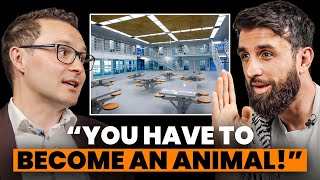
Bariz Shah spent years in Mount Eden Prison before transforming his life through faith and mentorship. He reflects on his journey from Pakistan to New Zealand, racism, crime, and what he learned about leadership after the Christchurch mosque attacks in March 2019.
Chapters
From an Auckland prison to changing lives in Afghanistan, today's special guest is Baris Shah, the author of this amazing book, Beyond Hope, brought to you by HarperCollins. Bares immigrated here to New Zealand as a very young kid, suffered at the hands of people who were racist and picked on minorities, ended up moving into a life of crime, robbing local markets or dairies, dealing drugs, ended up in prison. We talked about his.
Interest in isis, Islamic State and where that was all headed and how he turned it around. And as you know, I bring people onto this show who are truly high performers in their lives, in their industries, what Baris has done for his community. And coming out of University of Canterbury with an incredible degree in engineering, being a pillar of leadership in his Islamic community, he's totally inspiring. So this is going to be a riveting conversation. I know you're going to enjoy it. And since the point at which we sat down to record this, I was very fortunate to get to go to the Masjid An Noor, which is the mosque here in Christchurch. And I've never been in a mosque before, so it was an opportunity to go in and learn about Islam and learn about his different practices and rituals and beliefs. And I'm a big believer that we've all got to challenge ourselves. And as many of you know, I'm not a deeply religious person, very spiritual, but very much interested in learning. And so I know that today's conversation will be enlightening. There will be some incredible things that will blow your mind. So please sit back and enjoy the show. The Lead On Purpose podcast is sponsored by NZ Mortgages. Learn more at nzmortgages.co nz Burris a.
Huge welcome to the Lead On Purpose podcast.
Appreciate you having me. James, it's good to see you in person.
Oh, I've been thinking about this for a long time, actually.
Yeah, man, I always see you on my LinkedIn, eh? Doing heaps of work consistently. It's really nice to see you, man. Really great example for people in the industry, I think.
Oh, thank you. And likewise, I see you in every bookstore I walk into. Your beautiful book is sitting there and I recently read it and I couldn't put it down. Started Monday morning and finished Tuesday night. And it's not a small book, there's a lot in there, but it was incredible. And the journey that I went on with you was phenomenal. So I'd love to just start with a quote from the book, and it's right at the start of the book, and that is the greatest struggle is to battle your own soul, to fight the evil within yourself. What does that mean to you?
That's actually a quote from Prophet Muhammad, peace be upon him. It's a very famous quote.
And that's actually the term, one of the terms used for jihad, or the battle of fighting your own nafs, we call it. I've always struggled with this, you know, when I was younger as well, going through my adolescent years as well. Always felt like there was this part of me that always wanted to self destruct, you know, and this quote, I wanted it at the front of the book as a reminder to everybody else because I feel like everybody has that and if they don't keep that part of them in check, it can actually lead them down a path where they're not recognizable to themselves and people around them. And I was in that place. So I really wanted to start the book like this.
The first thing I wanted a young person to pick up was to see this.
There's so much in that because I feel like in this world, my own experience and from people I talk to, there's actually a lot of self loathing, self hatred, lack of self esteem, lack of self love. So when I read that, I was like, whoa, I can really connect with that. And look at my teenage years particularly, and late teens as well, where there was like, there was this evil within me. I still think that there's potential for it.
Yes. It never goes away. No, I think people think it goes away. It never goes away.
It's there, right?
Yeah, yeah. Constantly. Got to be working at it, you know, Never goes away for sure.
And I guess on the other hand, someone who's in, who's a bad egg, who's up to no good, who the world might label as evil, arguably, there's a lot of innate goodness in their heart as well. They're not all bad.
Yeah, yeah. They're just choosing to, I guess, invest in the side of them that they shouldn't be investing in.
Well, let's chat about your story. And everyone needs to actually get your book because it is fascinating. But we're going to try and touch on some of the points. And as I mentioned to my team earlier, it's the first time ever that I've sat with my tablet with notes because there's just so much gold and richness and highs and lows. I don't want to miss it.
Yeah, that's a good compliment.
Well, you wrote an amazing book. You've had a roller coaster of a life. Some of the things you've experienced Most people will never get to experience other than through this interview or through your book or hearing you speak on stage. So it's a real privilege. So going to go back to Pakistan, that's where you grew up, that's where you were born. So what were those formative years like growing up? What did life look like on the daily?
Yeah, for me, the life on a daily was me with my shirt off, just rolling the streets, you know, around my house. Back then everything was real chill. It's not like now where like I have two sons and we're constantly monitoring them. You know, back then it was chill. People had their kids out on the street, everybody played with each other. There wasn't a sense of fear that we have now. And I really kind of missed that for my children, you know. So, yeah, I was walking around the streets playing cricket with my older brother. Just living life as you do as a child. You know, the thing that makes you the most happiest is when you see your dad come home and he's got some fruit and he's brought food, meal for the family, you know. So those are the little things that really.
I really appreciated as a child. Yeah, don't have much.
I don't want to go deep into it, but don't have many good memories in Pakistan, to be honest with you. Just because of the, some of the stuff that have happened and that overshadowed my experiences. Looking back at it now, those things that I experienced as a, as a child, in my opinion were actually.
Some of the best, I wouldn't say best experiences, but.
I really appreciate, you know, that part of my journey, my early years. And when people read the book, they understand. But.
It'S hard for people to understand, you know, when it's. When something can seem so horrific but you're like, no, I appreciate God putting me through that. I really appreciate it. It's hard to explain to people and.
For those that get the book, they will learn that you had challenges in early childhood where someone who you should have been able to trust and your family should have been able to trust, abused you and put you through hell and as a vulnerable child. And that's obviously going to impact your mindset, your self esteem, how you look at the world, how you look at yourself. So I kind of begin to imagine what that would have been like, but I imagine it would have been just about survival, getting through it.
Yeah, you don't internalize it too much at that age. You don't have the capacity to internalize things. But as you grow up Those things that you haven't dealt with that people haven't talked to you about, that starts to pile on, you know, and you start to develop a sort of hatred towards the world. And you don't know why that hatred's there, but it's because you've had these challenges and you haven't dealt with it and you don't, you haven't told anybody about it. So. Yeah, that's kind of what my childhood was like. You know, I'd have like spurs of happy moments where I'd forget about these things and I'd have really good time. Like I used to play cricket as well and I do remember those times but, but the negative emotions that overweigh all of that. And so I grew up with a sense of like, I'm evil. I have this disgustingness inside of me, you know. Yeah. That's kind of what my childhood felt like.
Isn't that interesting how as a kid something that wasn't done by you, it was done to you.
Yeah.
Can ship your self perception like you thought you were evil, that you were bad.
Yeah.
It's just fascinating that our psychology can do that to us and then the long term effects.
Yeah. And if nobody puts you in check or helps you internalize those things, imagine the kind of things that you're, you'd be capable of doing, you know, when someone hasn't unraveled those things for you. Yeah, yeah, for sure, man.
And that's what as we start to unfold and you're sorry, we'll start to see some of the these different things unfold that many kids haven't had to deal with or go through. Now we're sitting here in New Zealand currently and far away from Pakistan. It's a long way. What brought you here? What was the impetus for your parents to go New Zealand? We're going to head there.
Yeah. So mom and dad obviously had their conversations. We didn't know much about that, but they just wanted a better life for us as they do now. People who migrate to another country, they just want the best for their children. And for some people that live here, they might think, you know, why are these people coming to New Zealand? Why are they choosing New Zealand? Why not? If there's an opportunity somewhere, why shouldn't people go and try and, you know, better their lives just like the Europeans did back when they moved to New Zealand? People are always seeking opportunities. You know, nowadays there's this whole notion of like close the borders, stop people from coming in, which I understand you need to have you need to manage people coming into the country to see, you know, to.
Not let any threats in. But, you know, you cannot, cannot take away things from people that want opportunity for their family. So that's what mom and dad wanted to do. They wanted to give us the best life. It was difficult for my dad because he had to, you know, kind of let us go. Me being a father now, I can imagine how hard that must have been. 4 years not seeing my father, him sending us across the world to a place he never knew he hadn't gone to himself. And just being like, you know, God's going to be with them. It's the best for them. And so we came to New Zealand with that man, my mom, my four siblings.
Your mom's a legend, by the way.
Yeah, she is, man. She's crazy. She's still like just going strong, still serving the community is crazy.
That's incredible. And your dad stayed back in Pakistan.
Yes.
And he was in a pretty important role career wise, which meant he could obviously provide. And it was essential that he did stay there.
Yeah, yeah, it was. He needed to stay back. And then he moved to Afghanistan shortly after we left. He moved to Afghanistan and started working from there. It was difficult for him as well because, you see.
My dad actually fought against the Russians. So my dad is a mujahideen, you'd call it a freedom fighter. That was the term used. And so he had to kind of go back and join with the government that was allies with the us, the invading army. He had to make that decision, you know, and it couldn't have been easy for him. Again, for him, he's like, he had to make that choice, do I want to provide for my family so they have meal on the table or should I not do that? So he had to make that difficult decision. You know.
Ron, Mark, actually ex Defense Minister, he had a Q A with me recently up in Featherston Booktown, and he bought this up. He was like, you know, your father, you say he was a mujahideen, but didn't he go and like work in the government? Had a pretty high up job with the allies to the US And I was like, yeah, well, he had to make that decision, you know. Yeah, yeah.
Family, you know, it's just a pretty strong incentive to make decisions.
Yeah. And he couldn't stay there for long. He had to leave because of what he was seeing, like the bribery that was going on and so on. So he made a decision and left and joined us in 2005 in New.
Zealand So how many years were you here in New Zealand without dad?
About four years.
Four years. And what age were you roughly then?
Poor. Like nine, ten.
Okay. Yeah, really like. So my wee boy's eight right now. Eight and a half. It's a really impressionable stage. They're getting to see where they sit in the world and what's right and what's wrong. And that would have been challenging. Being here without your dad, not for just, just for you, but for the entire family. Would have been tricky. Coming to New Zealand, you know, we look at it, it's a beautiful country, it's relatively safe, people are relatively open minded. That's me saying that I came as an immigrant. Right. A little bit later, I was 18. That was my experience. Relatively open minded, relatively safe. Your experience, when I read the book was vastly different than my experience. And that's not cool. And you went into detail in the book to explain how it was to come from Pakistan and to look different and to maybe sound different, to have different beliefs. And although we are in an amazing country and I love New Zealand, there's a lot of things that we could do to improve welcoming people with different backgrounds and our education system could improve our health system, our communities. So nine to kind of 12. What was that like for you? What was going on with no dad there? How'd that unfold?
This idea of, you know, coming into a new space and people, not some people not appreciating you. And we had the similar experiences in Pakistan. Like people were racist to us in Pakistan and we looked like them, you know, so this idea of it's not limited to New Zealand, it's a universal thing. And again, it comes down to someone really not understanding who they are, why they are acting in certain ways to other people.
New Zealanders, like a lot of New Zealanders that don't travel overseas and don't experience other cultures, they have this fear inside of them, you know, like, oh, this threat from the outside and that's what gets them. It's not because, in my opinion, it's not because deep down they're, they're racist. You know, there are racist people out there that have this superiority complex where they think they're better than other people and they go and commit atrocities. We're not negating that, but majority of people, like, they're just living out of fear, you know. And so when I'm at a point in my life now and I see things much differently, like when I was 12, 13, and I was going through those experiences again, people Were just living out of fear, man.
So it's really hard to hold people accountable, but then also have empathy for them. It's the balance. Like, how do you do that? How do you differentiate when someone's really lacking awareness, which you feel sorry for and you have empathy for, but then when someone's actually racist and they want malice towards you, they want evil done to you, I think that's what is kind of hard to differentiate sometimes. And I see that in the workplace now. Sometimes it's like, interesting. Oh, that comment that, that guy said, where's that coming from? And then I. But now I don't just let it go. I, like, check. I check them, you know, and I tell them something else and they get a reply from them and I try and see where they're coming from. And sometimes they realize themselves like, oh, shit, I'm being ridiculous. You know, And. And when you do that, your relationship with that person completely changes. But then you also come to a point where you realize, like, this person is set in their ways and they don't want to. They don't want to hear your side of the story or your perspective. And with those people, you distance yourself.
You can't change everyone, right?
No. No, you can't. Yeah.
And the person I guess we can truly change is ourselves.
Yeah. Yeah, 100%. But my. I guess growing up in intermediate, it was extremely difficult because those were the years where Afghanistan were constantly on the news, constantly bombarded drone strikes on drone strikes. And I was seeing this play out in front of me, you know, similar to what.
I'm seeing now in Gaza. Not to that extent, where it was televised on social media. What we saw was, like, the controlled version what people wanted us to see or those that committed the atrocities. That's what they wanted us to see. Nowadays it's social media. We get to see what's happening actually on the ground. So it's different.
And so I grew up with that. I started building up a hatred towards even the white man, because constantly I would see George Bush and then I'll see my country, you know, being bombarded and entire villages being destroyed, families being killed.
So, yeah, I had this hatred, man, and. And I'd go into, like, the school toilet and I'll tag on the school toilet. That's where it started. Like me venting start on the school toilets. And I got caught. I got suspended. That was my first ever suspension from school.
You were like, tagging about Bush?
Yeah, yeah. I was like, putting Bush and, like, crosshairs. Very cliche. But yeah, I was doing that and I was just venting. I was getting my anger out. I didn't have any sort of malice towards other people. I didn't want to harm anybody else. It was just this hatred that I have. Like, why is this happening? And that's at an age where you start to realize the world. You start to realize, like, man, the world's actually pretty cruel. You know, it could be pretty cool for no reason. You don't understand why it's so cruel. And so you can build up that hatred.
Yeah. And as a teenage boy, the hormones are nuts. The prefrontal cortex hasn't fully formed.
You're crazy. Yes, you're crazy.
I remember as a teenager, I was nuts as well. In Northern Ireland with its own version of challenges and religion. And I was making silly decisions and I had my own suspension from high school. Mine was alcohol related. Not my proudest moment. But if we think about going back to Auckland, Auckland at this stage, teenage years, there's this hatred bubbling up because you're seeing this thing that's outside of your control. It's being driven in your mind by the US and what they're doing and how they're handling it. But on a more localized level, there's some people that actually do throw you racism. And these skinheads arguably are white kind of racists. That wasn't something that happened once or twice, that happened on an ongoing basis. So tell me a little bit about that. And for those who haven't read the book yet, tell me a little bit about some of those incidences and how you responded to that.
Yeah, so intermediate is when my awareness of it started. And then in high school, me and my friends, I went to Manaba Grammar School, my friends went to Mount Roscoe Grammar School. And I would actually, like, after school, go and hang out with them and we would meet like in the Linfield area. Just hang out, you know, on the street, go to the park, play basketball. And that was when we started experiencing, like, people trying to run us over. At the time it was skinheads. All of them had their heads shaved. You know, they were on their own little vibe. They were influenced in their own way. Probably from like films like American history x, you know, 100. Yeah, yeah. And I've met young guys now, like European guys, white guys. And they've gone through similar journeys as well. You know, it's really interesting. And us seeing each other now, I'm like, man, we're really stupid, huh? And they were doing the same thing. They're trying to run us over. And at that point, all you're thinking is, this is war. This is absolute war. And you're constantly living in the state of war. Would go out, would have, like, little bags, and we'll have hatchets in our bag. People would carry knives, hammers. We're just constantly in this state of paranoia because we didn't know when somebody was going to come and harm us. So we lived in that sort of an environment.
We didn't want to stay home. You know, at that age, you should. Should kind of stay home, spend time with family, go meet friends and so on. We just didn't want to stay home because I felt like the society that we're being, that we were raising up in was so different to home. You'd go home. It's a complete different vibe. It's like, I don't really want that vibe. I want this vibe, you know, because you're getting introduced to these new things. Breaking the law and, you know, drinking alcohol and doing whatever you want, and you don't have to listen to anybody. Whereas at home it was like, this is how things are. You have to do this, this and this. You don't want to hear that when you're young, you know. So we're constantly out on the streets. So we kind of grew up on the streets, to be honest, me and my friends, my migrant friends and I, and that was our reality. Just constantly, in a way, living with fear.
To the point where we just wanted it to end. And we got.
Our friends uniforms in Linfield College, and we went in there with the Linfield uniform, and I beat up one of the students there to kind of just put an end to it. And that actually did put an end to it. And it also got us on the news.
You got a bit of a chair, police chest. Like helicopters.
Yeah, it's pretty dogs. Yeah, it's pretty crazy. That agent is like. It's like you're living in this movie, you know, and in a way you're kind of happy because you're seeing these movies the likes of, like, Blood and Blood Out. A lot of young people grew up with this. And then you're seeing your life kind of play out and you're almost giving into it. You're like, yeah, yeah, yeah, this is. This is how it's meant to go, you know, I kind of want it to go this way again. Being influenced by films and music is so, so massive on a young child. That's why I, like, protect myself completely now, you know, from watching films that I could feel is going to have an. A negative impact on me, even if I don't think of it now in the future. So I'm really protective. I'm protective of my children as well, what they're exposed to. Like super protective. But yeah, man, acting out movies. That's how it went.
Yeah, I can, I can see that. No matter where in the world a young teenage boy is highly impressionable.
Yeah.
And so you had this fight that obviously ended a lot of this racism from these lympheal skinheads, but got you in a bit of trouble when you went home that night and mom, mom sat down with dad there by that stage or not yet.
Yeah, he was.
So how did that conversation go? How did you feel?
My dad, you know, he was like, why don't you guys like sort us out? Out of school? He's, he's old school, you know, he's like, if you have a problem with someone, why didn't you sort it out outside of school? And I was like, you know what? Fair point.
Yeah, fair point.
But we kind of wanted to make a statement, so we did that. But yeah, my dad's old school. He's like, look, if you got a problem with somebody.
Go and sort it out, you know.
So I appreciate that about my dad. My grandfather. Yeah, he didn't tell me like, oh, why did you do it? This and that. He asked me, why did you guys do it? And I said, for this reason we've been hassled for this.
This amount of time. And he's like, you should have done it outside of school. Simple as that.
Good advice, dad.
Yeah, I appreciate it and I'm gonna say the same to my son. You know, don't bully people. Do not be a bully. But if someone tries to bully, handle it, handle it.
And around that stage, you're dabbling in alcohol, but also drugs. So when did the drug thing kick in?
Yeah, you're exploring, man. At the age of 14 was my friend and I started first exploring and I just took off from there. Just.
Excess, right?
More, more, more.
And it just never stops until you get to a position where you're like me, literally underneath my parents sheets. Like having a, having a bad trip and just absolutely in a horrible place in my life as an as like a. Almost like an adult, you know, curled up like a little baby. Like I'll never forget that scene, man.
Yeah. And I wanted to just rid myself of that. That was around 2011, 2012. Okay. Yeah.
And in terms of like as a young kid trying to Fund these things. You know, you had to find money for that. And clearly mum and dad weren't hooking you up with dollars for your drugs. How are you funding it?
I mean, you don't have any other choice, right? We first started by and I couldn't ask my parents for money. I just felt like. Like we. We lived in a state house and so I could see that my mom's struggling. Like, I didn't want to ask her for money, you know.
And my friends and I were like, what can we do? We started off with. And at that age, man, it's all about appearance, eh? Like, it's. It's crazy how much you, like, think that everybody's looking at you and they probably are your peers, you know, they're judging you by what you wear. So we couldn't get like the Converses and the Nike. So we'd go to, like, rich areas and doorstep and. Kind of sucks to say it now, but, like, that's what the reality was, you know, we wanted to look cool and that was our way of solving that problem. So that's how it started stealing and that. Moving on to bikes and then needing more money. You had more habits to fund. Ended up being like dairies. And it could have gotten even worse, you know, but then I started selling marijuana. And that kind of took me out of the aggressive side of crime, more in the business side of crime. And I actually became a really good marijuana dealer in the area.
What kind of money are we talking.
Here for that age, man? I'm talking like a couple of grand a week.
That's ridiculous for a teenage boy at.
That age, you know, what can you.
Do with 2,000 bucks a week? You know? A couple. Yeah, I wouldn't know how to spend it.
All it was, was like, you could wear whatever shoes you wanted, whatever clothes you wanted, and whatever you wanted to eat, you could have it.
You were the man.
Yeah. Yeah, it was. It honestly felt like that, you know.
Most of the time I felt like that. But then there'll be instances where I was like, man, I'm just faking all this, you know, this is so fake, you know, who the hell do I think I am? Like, I'd be in a Mercedes that I bought. Thought I was the man. I'd be in the. On the lights. I'd obviously put my windows down because people have to hear the sound, you know, and there would be one part of me, I'm like, man, you're so, like, cringe, you know, this is. This is. This is not you, you know, what are you doing? But it's like, ah, have a cigarette, go see some friends, get drunk, worry about that. You're constantly trying to avoid that voice in your head that's like nagging at you. Yeah. That you shouldn't be living this way.
And then that escalated to the point where you were, you were caught up in something and ended up with you going to prison.
Yeah. Yeah. So I actually had changed sort of my mentality before going to prison. And it was at that moment where I was curled up underneath my parents blanket that I decided that, like, I wanted to get rid of this. Like, you know, I'm absolutely living a disgusting life. This isn't me. And so I went back to Afghanistan, 2012, in Pakistan, to, to my sister's wedding and some of the experiences that I had there with young people on the streets and how I saw them living.
Can we go into that for a second? There was a beautiful experience you had. I remember reading it in the book with this young boy and you, you seen him just being so genuine and authentic and grounded in how he was contributing and making a living, essentially. Can you share that story?
Yeah, man. So it was in 2012 when I was smoking a cigarette outside a canal by our house, close to our house. My father obviously didn't know how to smoke. So I take some steps away from the house. Winter of Kabul, it's snowing. There's snow everywhere. I've gone my multiple layers on, got my hoodie on. I'm having a smoke and this little bunch of kids come around. They're not wearing hoodie, they're not wearing jumpers. The guy literally puts up his perantombon, puts it up to his knee height and just jumps into the canal. Cold water, man. The canal was super dirty. There's like plastic bottles everywhere, People's rubbish. And this guy just jumps in and the whole time he's just like hustling, you know, doesn't have no care of the world. Like, no care about the situation he's in or the misfortune that he, that he's in right now. Absolutely no care. Smiling from ear to ear, just hustling. Throwing bottles to his mate. His mate bagging up the bottles. I waited for him to finish. When he hopped out, still smiling, he, like, greeted me like. I was like, man, like, what are you guys doing? You know, like, I'm making money for my family. We take this and we recycle it.
Minimum couple of dollars a day. Not even that, like. And I just saw that, man. I'm sitting there feeling sorry for myself, you know.
Experiences that I had experienced as a child, still holding, holding on to that and just feeling sorry for myself. And then I see this young kid, no care for the world, just getting after it, you know, not complaining. And I was like, man, I have so much work to do, you know, I need to stop being this victim that I'm portraying myself as, because that's what I was doing in every situation. Even in school when I was getting expelled from school, I was playing the victim. Like, no doubt I wasn't contributing to the situation as well. You know, I was being a victim. I wasn't.
I was probably not being a good student as well from time to time. And so I had that victim mindset throughout my entire adolescent years up until that point. That's when I was like, man, you know what? I've had enough.
My little guy changed.
Yeah, 100%, man. That smile on his face, that courage that he had, you know, the fact that I was like, if somebody gave you money, would you come back here tomorrow? And he was like, yeah, of course I will. Because if I don't come back, I'm not going to want to come back the next day. Like, man, this guy. So I gave him money for a whole month, you know, for me, it was nothing. And he just, he wasn't even phased. Like, it wasn't like, oh, thank you so much. It was like, oh, thanks, man. And then back to work, back to work. Move on with his bag to the next section of the canal. I was like, man, how did it.
Make you feel about what you were doing back in New Zealand in terms of drugs and robberies? How did it make you feel about yourself when you seen this little kid making a really hard earned good living?
I felt ashamed, man. I was like, look at the opportunities that I have been blessed with. I have a good family, you know, they, they, they love me. Although my connection with them isn't how I wanted it to be, but still, you know, that they're, they're there, they're family.
And there's opportunities in New Zealand. I live in a country that's pretty well off economically, and I'm just letting it all go to waste, you know. By that time, I had dropped out of school, I'd been expelled from three high schools.
And I was in a really bad place. But at that moment, man, I was like, yeah, I'm not the victim no more. I need to change my life around. Pivotal moment, it is. Yeah, yeah. That was one of the Pivotal moments in my life. But when I went back, I'm still smoking, I'm still drinking, hanging out with the same people, hanging out with the same people. And I kind of didn't want to hang out. But again, at that age, you're like, you don't want to be a loner. It's really hard to be like, you know what? I want to be my own man. It's all right if I'm alone and I don't have friends, that's cool. I'm just going to do my own thing. It's really hard at that age. 17, 18.
You really can't. You really want to be around people and get acceptance by other people. Um, so I still hang around with people. I had actually started a Unitech foundation course, so I'll still hang around with these people, with the. With a crowd. After my classes, I'd go and hang out with them, still drinking, smoking at nighttime. And then, yeah, man, one day I went and hung out with them and got caught up in a. In a situation that I didn't want anything to do with. And I know every person that goes to prison, it's like a thing in prison. Everybody says, like, ah, yeah, everybody says they're innocent, but for that crime, I was innocent. I wasn't innocent in the sense what I had committed before that. So that's why I was okay with going to prison. But for that particular crime, I was innocent. But I didn't want to give a statement, not against the group of guys that I was with, because that's not who I am. And then also because I wanted to take accountability, you know, for all the wrong that I had committed. I was like, this is my chance.
To the company you kept at that point, essentially you were tagged with what they had committed. You were essentially an accomplice or you were in the vicinity. So therefore, you got the same treatment. Life changing, did you? As it unfolded and as the police came and had the conversation, did you think I could go to prison? Or was it like, nah, there's no chance.
Initially it was like, there's no chance. And then even up until the court date, like, we're like, ah, you know what? It's my first crime that the government knows about. Surely for something of this nature, I'm not going to go to prison, you know, So I had that in the back of my mind. But then the day before court, my lawyer rang me and was like, tay Slana, you know that most likely you'll be going to prison. I was like, what Wow. I was like, for how long? And I'm sitting in my family, like, lounge room, chilling out, and they have no idea. They have no clue.
And I was like, how long? And he's like, probably like over three years. I was just like, what?
But for some reason, I was at peace, man. I was just like, yeah, it's all right.
If I'm. If I'm to go to prison, I'll go to prison. Because I really wanted to get away from society. So I was kind of waiting for something like this. And I told my family, and obviously they were like, oh, why didn't you say anything to the police and this and that? Because they had seen that I had sort of transformed, and I changed my ways, and I was trying to get, you know, to university and so on. So they felt like I was making a huge mistake by not saying anything to the police. But deep down, I knew I was making the right decision. Well done. Yeah.
So prison, day one. You're in, I imagine your normal clothes going in, and then things change pretty quickly. So what's your first experiences of stepping into prison?
How did you feel.
Before prison? You, obviously, from the courtroom, they take you out kind of like in the basement of the courtroom, and they remove all your. Like, your phone, everything. They take that all from you. You don't have anything apart from just your clothes, and they chuck you on the can, record it and drive you out. I went to Mount Eden prison first, and that was really interesting. And I talk about this in the book as well. You look out the window. You come out of the courtroom, and you look out the window, and it's like you're in this little setting, like this handcuffed up, and you can see out the window, small, tiny window, and it's all scratched up. You see people just hustling, you know, going about their day, and everybody's on this mission to do things, and you're just sitting here, removed from everything and just looking out, absolutely invisible. So that was my. My first understanding of, like, okay, I'm going away. You know, this is like a separation between us and society. So went to Mount Eden Prison.
Was.
In a holding cell for a little while, and then you get called up and you go into a place where they give you the uniform, the prison uniform. Gray pants, gray track pants, gray shirt. Very minimal, Something I'll wear now, to be honest, very similar. I'm trying to go back to those times, but.
The first time was when I got strip searched.
That was the first time, you know, and I never Expected. I seen it in films and stuff, but you don't really expect that. I was like, why would someone strip search? You know, I'm on my jocks, like, I don't have anything, but they make you strip search down to nothing. And when the God first asked me, it was like this big island fella, he asked me like, you know, pull your, pull your jocks down, turn around that whole process. And I was like, nah, man, I'm not going to do it. That's messed up. What the hell? What are you guys talking about? And he was like, mate, if you don't do it, there's going to be three other guys walking in here and they're going to force you to take. Take it on. I was like, far out. That was like the first humiliating experience.
And I got it over and done with as fast as I could go back. Got the prison clothes, they took you out. They weighed me. I was about 74 kilos at that time.
For my height still, like, that's pretty pretty then. And then they take you into a holding cell with these other people. So everybody else that's just been kind of processed and you walk in and there's dudes with tats and bold guys and you walk in there with your pretty boy haircut. And I was like, oh man, I'm in the wrong place, you know.
So I walked. I tried to look for a wall to like, put my back up against the wall as a form of like, defense. All the corners were taken. I was like, damn, what do I do? So I just started like pacing back and forth. And that yard was like.
You know, dudes who'd been seasoned, they got tats on their face, they're just hanging out like it's just another day that no, no stress in their eyes. And. And I'm just pacing back and forth, trying to be. Trying to be calm and cool about it, but bad. It would have been so easy to point me out. That was my first experience. And then wasn't there for a couple of hours full on like under stress mode. Because you don't know. Like in the films they show you as soon as you go in prison, the people coming at you, so you. You're expecting that. But alhamdulillah, that didn't happen. And then they called us out our unit and we went to our first unit. Wow.
And was there a hierarchy in there, A pecking order?
Yeah. So the first unit that we went to was actually a unit by. Run by the killer bees. And man, when we first went In I'll never forget.
Can I ask, who are the Killer Bees?
Killer Bees are a South Auckland gang. Okay. Pretty popular in South Auckland at that time. They were very popular. I'm not sure about now having keep up with them, but yeah man, we went into that unit, it was around evening time, so sunset. This was in winter, so it's sunset early and I was expecting. You go into the unit as everybody's screaming. You know, you see in the films, you walk in and it's super calm, nobody's saying anything. Everybody's inside their cells. I'm like, oh this is nice, I could do with this, you know. They take us and there's some food in the center of the unit. There's all the cells around and they're all locked up and there's two floors and there's some food. Little milk carton, anchor milk carton and two pieces of toast and like a little butter. That was our dinner for the night with some jam. And I took that, went in towards my cell. Interesting thing is I went into cell number 10 was our first cell. That's my favorite number. It was interesting. My first ever cell.
And as I'm walking towards Cell number 10, cell number 9, the guy looks at me, I could see like there's someone at the door because there's like that strip of the door that you can see and there's two guys standing. One guy's a bit shorter and the other guy's a bit taller and they both got tats on their face. Not pretty looking guys, you know. And they're all like next to our cell.
I walk in and I'm like trying to act cool and he's like.
And then still walking towards my son, he's like, I'm scared for you bro. I was like ah, no, the last.
Thing you wanted to hear.
I was like ah, they're on to me, they're on to me. Obviously man. I'm like freaking out, trying to stay calm and collected but man, they can smell the fear. That was scary man. Obviously you could tell like this is first time in prison, you know my hair is not.
How it needed to be. And so I went in there and that whole night I couldn't go to sleep. And I told my soumate, I was like look, if anybody comes inside we're going to fight no matter what. Like we're going to be up before everybody else is open and we're going to wait and if people come into ourselves we have to fight. He's like, yeah, all good. And I just couldn't go to sleep, man. I, like, fall asleep for, like, two minutes and I'll be up again, and then I'll hear some sounds outside the unit and I'll be up again. And that was the whole night up until in the morning, daybreak. And I could see light was coming in. Our window to the outside was blurred out, so you couldn't see anything, but you could still tell that there's light now. And yeah, man, light started breaking in. I could see. So I got up and I started hearing doors being opened one by one, one by one, one by one. I was like, okay, here we go. And I'm getting ready. Expecting all kinds of things, you know, people rushing in and fighting us. And the guard came, opened the cell next to us and skipped us and went and continued. And I was like, what? Why didn't they open up our cell? And I went and I tried to see if our cell door was open. It wasn't. And I saw that everybody else was coming out, and I was like, oh, why didn't they open us? Later on I found out it's because we were sentenced and they were on remand and they don't mix the two.
Yeah, interesting.
So that was like, thank God we didn't come out in that unit. Because the thing is, if you come out into a unit like that, you have no choice but to become an animal. Like, you have to. You have to let go of this, you know, like, I want to be better, and I want to do better. You have to let go of that. You have to turn into an animal to survive.
And I really didn't want to do that. I was like, I'm here to. To change myself. I don't want to make myself worse. And so, yeah, man, two nights were in that unit until they said where we're going to go, which was our next unit. So, yeah, man, that was interesting. Two nights and I'll see them. Like, I'd come out during the day. I'll see them. They'll be out training. Full on, you know, like, striking training.
Yeah.
So we're talking, like, sparring and.
Yeah, yeah, proper sparring, like holding pads, but with jandals full on, man. I was like, damn, this would have been a. This would have been a rough start. But I feel again, to me, I feel like God was protecting me. Didn't want me to have that experience to, you know, he wanted me to take something out of prison and I was protected.
Yeah, incredible. And we didn't touch on what you were actually sentenced for. So it was aggravated.
Yes, it was considered aggravated robbery and kidnapping as well. Because I was a driver of a vehicle. My friends brought a person in a car, a 16 year old at that time, and they took his laptop by force. They had put the charge lock on. On the doors so he couldn't get out. So I guess that's considered kidnapping. And we were actually facing 14 years initially for that. And that's crazy to think, man, because now I'm finding out about some crazy things that people have done and they've got like basically nothing. You know, I talk about it in the book about a guy in Nelson who was found with ammunition, school plans to shoot up a school.
Explicit images of children.
And he basically got like.
Home d for six months.
You know, it doesn't make sense when.
You look at your sentence. You know, I'm like, what? But yeah, man, the system can be like that sometimes.
And you were only 18 at the time of this. You were when you were driving.
Yeah, I just turned 18. Yeah.
And this 16 year old that your friends had kind of brought into the car, they knew him to some degree, did they?
No, it was like basically Facebook marketplace getting someone, oh, we're gonna buy this off you type thing. They had done that. And then when they came to the car, they're like, oh, we're not going to give you the money. Give us a laptop. You know, there wasn't any violence towards him. Like he wasn't beaten up or anything. But still, man, that could. That would have been. For that guy. It would have been horrific. He's like, what the hell's going on?
Good. He thought he could have been dead, you know?
Yeah, 100%. Like in the. And the squished in between two guys acting like angry, obviously to. To scare him. Yeah, man. Yeah. Not on at that whole time I was just like, like, that's.
What am I doing?
I'm like, and I really didn't want to be there. I get angry at my friend, like, what the. You know, I got angry at him when the guy left the car, I got angry at him and them as well. I was like, I told you guys I didn't want to be involved in this, but I didn't want to go home as well. You know, I'm like, I didn't have a car at that time. Coming back from Afghanistan, I didn't have a car. I was like, I don't want to go home. I don't want to tell these guys, I want to walk home. We're far away from home. So I was like, I'll just stay here. And so, yeah, man, I could have easily just hopped out the car and walked home, but I didn't. And yeah, I guess I am an accomplice, or I was an accomplice.
Paid a big price.
Yeah.
And you're in prison, you're realizing it's a bit different than it was in the movies. You are maybe starting to get a bit of discipline in how you live. You're clean, obviously you're not taking drugs and alcohol in there. You come across a bit of a mentor in there as well, someone who takes you under their wing. Who was that and what kind of influence did they have on you?
Yeah, so when I left Unit Charlie, where I spent two nights, we went to a holding unit for about a week. And again, this was with people that were sentenced and that was when I had shaved my hair. I was like, you know, can't be walking around prison like this. Shaved my hair. And they took us to Spring Hill Corrections facility and that's where I spent most of my time was in the Bombay area in Auckland. South of Auckland.
Yeah, man. When I went to prison, I came across a guy called Muhammad and he was my first mentor in prison. I'd say he was working out there himself. He had come in on some drug charges and he was going to be deported back soon. And so when I saw him, he had a Quran in his hand and as soon as I saw that I was like, are you Muslim? Like, my eyes lit up. It's like, are you Muslim? And he's like, yeah, I'm Muslim. And then that's where the connection started. And he had a bit of push in the unit so I was actually on the other side of the unit. And he got me to his side of the unit and yeah, we started training together.
And yeah, man, things started to slowly. But to be honest with you, the first month, the first like week to a month wasn't really transformational. It's like you finding your feet, you know, when you, when you start a new job, you're trying to find your feet. It felt like that I still hadn't come to grips with what I wanted to do in prison and how I wanted to change my life.
And again, another pivotal moment was when I was.
When I was in the cell, cell number 15, which is my birthday.
At night time, 3 o' clock in the morning, bang, bang, the door opens, God's rush in, take me out of the cell, strip search my cellmate, bring me back into the cell, strip search me.
Turn the whole cell upside down. Next night, same thing, third night, same thing, strip search, same people, same routine, man. And at that third time, man, I was like.
I was like, no matter what it takes, no matter what it takes, I am going to change myself no matter what it takes. And before that, while in prison, I was still smoking cigarettes. And that was one of the moments where I was like, you know what? That's it. That's it. I'm going to completely change myself completely, no matter how. How difficult of a time it's going to be. And that was the moment, man. Wow. That was the moment. I could have. I could have broken in that moment, but I didn't, you know, Alhamdulillah again. I. It's God's grace that that happened. Incredible.
I'm glad it did.
Yeah. You know. Yeah.
You changed it and you got out. How long did you spend in there in prison?
I was about 11 months.
You're well behaved in there?
Yeah, yeah. Trying to do my best, you know, I didn't want to again. I didn't want to become an animal. And I could see that the system at times was trying to do that, was trying to give me little opportunities to kind of just switch and lose myself. But I held on. I started practicing my faith, which was the most monumental thing for me.
Gave me hope, gave me forgiveness for myself, which I didn't have. And. Yeah, man. Completely changed my life around.
Amazing. Yeah. I think that forgiveness piece. It's all right for others to forgive you, and you've done your time and so forth, but until you forgive yourself.
Yeah, you're kind of stuck. Yeah, that's where it starts, you know.
And your faith helped you with that.
Yeah. Because as Muslims, we believe that God is the most merciful. You know, whenever he starts off.
The Quran like a surah in the Quran, he starts off with the most gracious, the most merciful, every time. That's names of God, and he chooses to start with those names. He's got 99 names, and he chooses to start with those names every single time. And so we're told that as Muslims, you know, if you do want to change your situation and your intention is pure, like you're not doing it for any negative reasons, then God is the most merciful, you know, but the harm that you've done to other people, God cannot forgive you for that.
That comes down to you then forgiving yourself.
That comes down to them.
Making amends in the next life. So you. You don't have any control over that. And so.
People that are out there that I've caused harm to, I seek their forgiveness. You know, if they do remember me, I genuinely seek their forgiveness. I don't want them to hold it against me in the next life.
Thank you for sharing that.
Yeah.
Release day.
Yeah.
What's that feeling of walking out of prison? What's that like?
Well, I mean, first things first, because I was training in there, I tried to pull my pants up that I. The pants that I came with wouldn't go up, wouldn't go up my thighs. And so I got some other inmates pants that the guard gave me, didn't know who it was, but pulled the pants on.
And walked out of prison. And it's weird, like you're thinking.
Impression that I had, you know, walk out of prison. There's your family there, there's some friends, everybody's cheering, like, ah, you know.
Walked out, there's no one there at all because people are like 300 meters away. You have to walk. I was like, this is anticlimactic. You know, hopped out, went out of the door. The guy's like, good luck, and just walked out, man. My sister was waiting for me 300 meters away. And yeah, that was my first experience out of prison. My family, they were still, for the first couple months, they were still like, not sure if I had really changed my ways because I had lied so much so many times. I was like, I'm gonna change, I'm gonna change, fail. I'm gonna change, lie. So they were like, we'll see, we'll see. You know, so my. My sister. Yeah, it was interesting. I'll drive back home, I bet. And then I'll never forget when I went home, said hi to my family. Mom was super happy. I went into the bathroom because family was having breakfast. Went into the bathroom, and the same bathroom that I was, like.
Taking drugs in, like, absolutely hating myself, looking myself in the mirror. I went into that same bathroom and I stood a different person. I had put on weight. I looked better, I felt better. I knew who I was and where I wanted to go in life and what I wanted to do, man. No better feeling, man. I smiled, left the bathroom when I sat with my family and had the best breakfast.
Amazing. Thank you for sharing that detail as well. It's a pretty incredible insight into how you transformed and a new life, new direction. There was an opportunity for you to potentially go down a slope in terms of when you were in prison. Things started to unfold globally at a macro, political level. Terrorism was active. There was different things happening. Would you mind sharing a little bit around what you and your friends had learned about ISIS and what was influencing your thinking and then your final decision to take a different turn?
Yeah, so when I got released from prison, ISIS was a thing back then.
Now we know exactly who ISIS is and who they were funded for. But back then, they had just started, so some young people who were impressionable and they're, you know, wanting to be, I guess, practicing Muslims, and they were living in the west, and they felt like west wasn't really appreciating their faith. Like, faith is void. And for a Muslim living, faith is like the most important part of their life. You know, so when you grow up and faith is not being acknowledged like it used to be acknowledged here in the west, and. And we kind of really miss that. And so you can almost. And you're kind of being attacked as well. You know, you're seeing the news and you're constantly being attacked, and you feel like people are against you for your faith, and so you're easily kind of impressionable. And the stories that you hear of the atrocities that are taking place by the west and these countries, you're like, you know what? I think there's a. There's a war going on, you know, and what ISIS is doing, maybe they're doing the right thing. We're questioning it because, well, we saw how Muslims were being portrayed in a negative light when we were Muslims, and we knew that that wasn't true. But it was absolutely being bombarded. Like you were saying before about the word Allah, post 9, 11 became like a trigger for people. Like, why Allah is the most compassionate, the most merciful. Like, he's, you know, to us, he's. He's our creator. Like, why is that a threat to people? You know? And so that's when I was kind of, like, drawn towards, like, interested about, okay, what is isis? What are they doing?
And hanging out with some friends who were also in that moment of, like, interest intrigue. And it wasn't until I went into a setting one time with a couple of guys that were hanging around with, and I saw a video of isis, you know, like, disgusting video they used to post. My first time seeing it. And I was like, what on earth is this? Like, this isn't what my prophet teaches me, you know, this type of a disgusting behavior of, like, televising cruelty against potentially people that. Not even combatants, you know, committing this type of atrocity. So I was absolutely just like, nah, this isn't this isn't what I've been taught as a. As a young person. This isn't what my religion is. We are taught to defend ourselves, but not in the way that ISIS was going out and killing innocent people. And it was very clear. And now we know that they were agents of, you know, the bigger picture. So, yeah, man disenfranchised with. With isis.
Continued with.
You know, exploring my faith, praying, fasting, doing the fundamentals of Islam, and really felt a difference in myself.
Man should be proud. That's incredible. You had options to go left and right, and you decided to go straight.
Down the middle and yeah.
You came down to the South Island. You went to University of Canterbury.
Yeah.
Engineering.
Yeah.
Like, that's arguably one of the hardest things to study. You're a smart cookie. You come out the other end of that. That's amazing.
Yeah, man. I. I decided while I was in prison, I said, I want to go University of Canterbury. And the inmates used to crack up and make jokes and stuff because they're like, everybody says this, you know, you'll be back. That was the favorite term they had. But, yeah, man came out, did my foundation course, went to University of Canterbury. First year was the most extremely difficult year for me because I had dropped out of school and year 11, year, year 12, so I found it really tough. I was always towards the bottom third of the. Of our cohort, but I made it through, man. Well done. Finished first year, got my civil engineering. Yeah. Things took a turn.
Seriously. Amazing.
Yeah, incredible.
And shortly after that, you decided, I want to be in a committed relationship. I want to get married.
Yeah.
And that alone, for me, when I read, I was like, whoa, this is unbelievable. Such a young age. Right. But then how it unfolded for a little Irish guy, and I was thinking, whoa. So it wasn't technically an arranged marriage, but it was kind of close. It was like, in terms of it's somebody that was your mother kind of helped create this connection. Tell me about that and how that unfolded, because it's so foreign to me. Right. I find it fascinating. So if you don't mind sharing, I'd love to hear about Sabah.
Yeah. Alhamdulillah. So after first year of uni, I didn't really want to. And we're taught that our faith, like half of our faith, is like our marriage. Marriage is complete half of our faith or our deen. And so I really wanted to complete my faith. Told my mom, was like, you know, I don't want to go down the going and looking for myself route because it's not going to take me to a good place. Do you know anybody? And she's like, oh, yeah, what do you think of Saba? And I had met Saba in 2012 for my sister's wedding. We had crossed paths. So I was like, yeah, sure, why not? We'll have a chat. And at that point, like, I really knew who I was. And yeah, for some people was like, oh, you're so young, man. You're like 21 or 22 when you got married like that. So young. Even for my wife, she's like 20, 21. But we both knew who we were and what we wanted out of life. And when you're at that point in your life, you don't really need to spend too much time with someone to understand them because you understand what your values are. You speak to somebody else, they understand what their values are. And you're like, look, this is where we want to be going. Like, do you see this compatible with you? And so it didn't take long for my wife and I, like, we're talk very formally, about four months. We. We texted and a few phone calls.
She's not in Auckland at this point.
She was in Pakistan. Yeah, right. She grew up there. And very formal, like, like, like, like a professional, sort of like a contract, you know, where do you want to be? What's your values in life? What do you value the most? What type of family do you. Family dynamic do you appreciate? And she was, you know, everything that I wanted in a woman and she thought the same about me. Alhamdulillah. So, yeah, man, four months of speaking and then we're like, yeah, we're ready to get. Make nikah, like, make the agreement that we're going to get married. So our family spoke and it was official. And then in 2017, February, I went over to Peshawar and got married.
Congrats.
Simple as that. Yeah, that's beautiful.
And I love hearing that. I love understanding that because we're given a, you know, a Western point of view of what marriage is. And I mean, you look at the statistics of Western marriages, divorce is very high rate. I've went through divorce.
Yeah.
Not something I ever want to do again. But going through divorce made me ask, what is marriage? And I, when I got married, I never asked that.
Yeah, yeah.
I just thought, this is what you do.
Yeah, yeah.
And it's made me really question, what's it about? Why do we do it?
So important, man. It's like the most important thing in my opinion, like, especially the family Dynamic, like, it's the most important thing. So my wife and I are trying to invest so much in our children. Like, my wife is a homestay mum, you know, and that's kind of going against the norm of society. But, like, we don't care, you know, because we know what research tells us, we know what.
Type of family dynamic we want. So, yeah, man, it's been so amazing.
You should be proud. And the one thing I wanted to talk about is I know you as Baris Shah. The readers that have read your book know you as Baris, but it began life as Ta'. Ib.
Yes.
That's what your parents named you, which was Seeker of Forgiveness.
Correct. Yeah.
What made you change your name?
So after being released from prison and making a decision to start fresh, like, I wanted to go Canterbury. Yeah. Because it was a prestigious university, but also because I wanted to get away from Auckland completely. I didn't even tell my parents that I didn't apply at University of Auckland. I told them, yeah, I did. And they were expecting me to get entry there because I had really good grades after my foundation course. But I was like, yeah, yeah, I've applied, I've applied. And I lied, put all my eggs in one basket for uc. And I was like, you know what? When I'm going to this new city, nobody knows me. Literally no one knows me. I'm going to start fresh. I'm going to be who I want to be. And.
Alhamdulillah, you know, changed my name to Barez, which in Arabic means prominent or something that's very clear. And it's actually my last name, so I adopted my last name into my first name.
Wow.
My brother doesn't like me much for it, but I took that decision because I really like that name, the meaning of it. And. Yeah, man, Borrez was born in Christchurch.
Beautiful. Yeah, I'm glad.
Yeah. So my Christchurch friends called me Tayeb, and my. My Christchurch. My Auckland friends called me Tayyeb and my Christchurch friends called me Barez.
That's amazing. I love it. Transformation.
Yeah.
So where is. We're both here in Christchurch. This has been home for me for almost 20 years. Although it doesn't sound like it, the Irish accent's still pretty prominent. But I remember I was at St Andrews College teaching drums and we were all out. It was like a celebration day. We're all in this quad of the whole school and all of a sudden the alarm sounded at the school. What the hell? What's going on? And it was a lockdown alarm. And so we all go into lockdown mode. And I was living in the boarding house there with my then wife and son. We get into the boarding house, we get all the children and we get them all to stay down. We don't really know what's happening. One of the staff members then brings a phone in, says, this is what's happening. And it's a three minute drive from where we are. And I'm looking at it going, this is not real, that can't be real. Christchurch, that's not real. And what unfolded, the terror attack at the mosque and multiple mosques.
Was mind blowing and I couldn't comprehend it. I came from Northern Ireland growing up, seeing petrol bombs and bombings and attacks on innocent civilians, but never felt like that. This felt totally different and it was evil, it was horrific. Innocent people at prayer, now that's your community.
Where were you when you discovered it and how did that unfold for you?
I was at the university mosque at the Musallah, and it was just a normal Friday for us, you know, but as soon as we finished prayer, people started checking their phones and like yourself, I never believed it at first as well, because of the experiences that I had.
I was like, yeah, you know, there can be a bit of racism, but to that extent, you know, that's like pretty extreme.
But the crazy thing was, James, that the first thing that I actually thought was, oh, it's a Muslim that's done this propaganda, propaganda. I was even like affected by it. You know, when stats show that the majority of like shootings that happen Western countries, it's not Muslims. But I was like, oh, man. And I was so disappointed. I was like.
Leave the Masala. And I see my wife and she's like, did you hear what happened? And at that moment I'm still questioning, like, is it true? Is it not true? Not really sure. And then multiple people said it and I was actually meant to have a coffee with my mate, told him I can't have the coffee left. Told my wife to stay in the library because I didn't know what was going on. Drove to the mosque, to Al Noor to see if there was anything we could do to help, like us and the UC Musa team. And obviously it was blocked off, we couldn't go in. Just across the road, Hagley pacing back and forth, man. And.
Yeah, just. It's like, I want to go find him. Where is he? And then it's like, this is so messed up and ahu's been hurt. Like, it was just like a. Just the back and Forth of emotion and the butterflies in your stomach feeling sick, you know, how could this even be possible? Why would someone go into a mask? The most like, spiritual place where people go to be like calm and like peaceful to go and commit this atrocity.
So there was a whole bunch of emotions, man, and it was surreal when you start hearing names of people who, you knew that I, you know, on WhatsApp groups, people who had come out of the masjid, like, run away, some of them were being approached by people like, oh, this person at the mosque, this person. Those people were like, I've seen this person, I've saw that person. And it was being shared in different WhatsApp groups. And then you start hearing like, oh, this person didn't make it, this young person didn't make it. Yeah, man, it was pretty. It's not easy, man. But I often think, like, if we didn't have our faith, like if we didn't have Islam.
And something like that happened, man, I don't know how the community would have dealt with it. But because we had our faith, the community was just so graceful, so graceful. Like, I've never seen that before.
Family members getting killed like that. And then, you know, people coming out and, and I giving other people assurance, like, it's all right, you know.
That's amazing, man. It is. That's what I got out of March 15th. Like, to me, terrorist attack was one thing, but to me it showed the power of my community. Like, look how much power faith can give you. I'm in the graveyard and we're placing Hamza when a young boys who I was working with were placing him in the grave and his mother is standing on top with his brother who was also shot. And she's crying, but like she's got like the strength to her, you know, she's not like crumbling, she's standing firm and just crying. But man, I was like, bro, that's like power.
You're standing there watching your son being buried, who was killed for no reason, like they had just moved to Christchurch for a good life. Father and son being killed, buried on the same day, and the mother standing there strong and just like reciting verses. And.
The youngest brother as well of Hamza sitting in a wheelchair, like, you know, confronting that situation. Powerful man. I'll never forget that. I was like, that's true power right there. Not the person who goes and shoots people with ammunition, like, that's true power, you know, and that's what I remember from March 15th. I'll never forget that. The power of My community.
Thank you for sharing that. Yeah, that's. I feel very fortunate to kind of got a little insight to how that unfolded for you and your community. And I think for us that, you know, we're not a part of the Muslim community. I feel like after March 15th, we all started to feel like we were part of it and we wanted to get curious. I think the vast majority of Cantabrians and I think New Zealanders wanted to show support and care and love and I think that continues and people want to genuinely.
Yeah.
You know, be partners and understand and be curious as opposed to the propaganda that we've been fed for years.
Yeah. And social media is kind of waking people up to that, you know, how they were lied to and they are exposed to truth, sometimes extreme falsehood as well. But you can get glimpses of actual truth and people are seeing that. So there are pockets of people that don't have that fear and hatred towards Muslims. Like just yesterday, man, it was crazy. I was at the masjid at Anur and this young man named Evan, he came and he took a shahada, which is his declaration of faith. He became a Muslim. Wow.
20 something year old young guy, you know, look European. We've got his numbers, we want to keep in touch with him. But like, it's just amazing, you know.
People are seeing the truth of Islam and, and not the fear that they're told to believe.
Beautiful.
Yeah.
And I look at you and I see the ability to go from a troubled youth who managed to hang out with a few people that probably didn't help his direction, turn himself around, really connect with his faith and become a leader and a pillar of his society and his community. You're a leader at University of Canterbury. You're a leader in your Muslim community. You're a dad. And to me, that gives us all hope and faith. It's incredible.
Yeah. Alhamdulillah. Alhamdulillah. I'm truly blessed, man. The people that I've come across in life, the experiences that I've had, I'm absolutely grateful. And I'm at a point in life now where I'm just like, no matter what happens in life, I'm like, I'm grateful for it, no matter what happens. And I've found this is like a, a positive loop of it was like a hack or something. The more thankful we are, the more grateful we are, the more good our life gets. Like, it's just crazy.
I agree with you.
Yeah, it's crazy, right?
I see it every day. I practice Gratitude every morning. And it's usually similar things. I'm grateful for the view or the my child or the bed I slept in. And the more I'm grateful. Yeah, it's like, oh, today got even better and more get started. Yeah, it's interesting.
Yeah, yeah.
And I want to ask you about leadership, because we're all leaders. Every person that's listening or watching right now, we're all leaders. And what I mean by that is to have influence over one other person or with another person means you're a leader.
We chatted before we hit record around what's happening in Gaza, and it's something I haven't chatted about a lot on the show, and I haven't had anybody on that's directly involved there.
What do you think we need to be considering as leaders, all of us as leaders, when it comes to these things that are happening far away from where we live? What can we do to be true leaders in this, this time?
Well, leaders, first and foremost are informed, right? Because if a leader isn't informed, how are they going to navigate circumstances and situations for those that they are leading? So what I've seen, like even in my workplace, my previous workplace, when this topic of Gaza came about, when the entire world is considering it, you know, an occupation and a genocide, and there's a few countries that aren't, and they all have similar interests and they're saying, no, it's not, and they're making up excuses and while this atrocities are taking place, and then for us to be here and be like, oh, you know what, we're not sure, I just don't want to get into it. Like, I feel like as leaders, you cannot do that.
Leadership is defined when times are turbulent, when things are unclear. That's when true leaders are distinguished between those that are leaders. When times are good, because anyone can be a leader when times are good. You have resources, you have people, you have influence. Times good. But when things are unclear, you're unsure. That's when the real leaders come out. So for people that are in the industry, I say go and actually seek out the reports that are there about what's happening there and, you know, make it a conversation in your circles for people to start talking about if people start closing up. Because that's what people do when truth isn't what they want to hear.
And it exposes them to things that, you know, they had lied to themselves about, what they will lie to about. They want to close up. But leader opens that situation, clears the air, you know, and allows their people to, you know.
To stand with truth, man. And I just feel like if I'm being led by somebody who's not willing to do that and is trying to avoid the difficult conversations, no matter how pretty they are or what pretty work they do, I don't see that as a leader because I know when times get tough, they're not going to be able to make that decision.
Well put. Well said. I look at one of my greatest leadership opportunities in my entire life is that of being a dad, and I think nothing has been more rewarding or challenging. And being a dad, how do you want to be remembered as a dad, man?
I want to be remembered as a father who had certainty, who had sincerity, who had belief that God wanted the best for him and his family and that served people around him to the best that he could before he passed. Wow.
I can tell you've thought about that. That's intentional. Not everyone takes the time to clearly think about that. You got two lucky boys at home.
Appreciate it, man. I hope they grow to be strong men in the society and take care of those around them and not be easily influenced and swayed by outside forces.
And live a life of purpose, man, and lead on purpose.
I love it. Well, that's interesting, because I've got one last question I'd really like to ask you around that, and that is if you were to fast forward many years into the future, you're highly aware that it's your last day here on Earth, Someone really young comes into the room that you love, and they say, bares, how do I lead my life? On purpose? What might you say to them?
I'd say, connect yourself to the everlasting. Be ever sustaining. Live a life that's according to your faith, and you will never be let down. You got this, my man.
Beautiful, Boris. Thank you so much. Before we finish this conversation, I want to encourage the listener or the viewer to go into those show notes and order your book, Beyond Hope. As I said, I ordered it one day and finished it the next night. It was amazing, and we've touched on it a little bit today. We've shared a few stories from it, but there's so much in there. I feel it's a really profound book. It's inspiring, and it challenged me to think about life, challenged me to think about how other people exist and the challenges that they face day to day. I'm also going to put all your socials in there, so if anybody wants to connect and follow your journey on LinkedIn or wherever else they can find you. I'll put it all in there. And if anyone would like you to come and speak to their organization or their team, I'll put the details in that they can also get you to come and do that.
Appreciate you, James. Had a really good time. It's not easy to, you know, converse and really get the best out of people, but I think you did well, man. Appreciate it.
Thank you for being here. I really appreciate it.
The Lead on Purpose podcast is sponsored by NZ Mortgages. Learn more at nzmortgages.co nz.









