How to crush stigma : being the first openly gay All Black with Campbell Johnstone
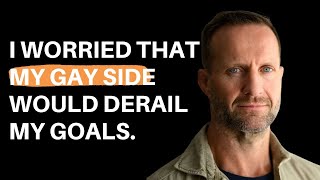
Campbell Johnstone played rugby from childhood through the All Blacks, then came out publicly as gay. He talks about making the team after the 2005 trial in Napier, playing overseas for Biarritz and the Ospreys, and the personal process of coming out, plus advice for young LGBT+ athletes in sport.
Questions this video answers
The Ross Shield (Hawke's Bay primary-school competition for ~11–12 year-olds), a weight-categorized tournament around under 52 kilos.
The All Black trial was reinstated in 2005 and that trial was held in Napier.
He said he played at 'Baritz Olympic' for 'four or five years' (quoted from the transcript).
He played for the Crusaders (after progressing through Canterbury).
The Crusaders won the Super 14 that year (the season that preceded the All Black trial in 2005).
Chapters
Campbell, a huge welcome to the Lead On Purpose podcast.
Thank you. Thanks.
So good to finally connect with you. I know that you're in demand. I know that people want to connect and learn more about your story. You've got an incredible story and such a high performer. And we're going to jump into those high performance moments, what they meant to you, how you got there and I guess to get the ball rolling. I'd really love to know where did your passion for rugby truly began?
I think my passion for rugby truly began like many other, you know, Kiwi kids, probably hundreds of thousands, probably Kiwi kids had this, this, this passion when they were younger. And it was round about when I was 4 or 5 and I was lucky enough to have older brothers and they were playing, you know, rugby in the, in the backyard or in our case, it was, you know, on a farm. So it was in the back paddock and I, I jumped in, would be playing, you know, rough and tumble stuff with them at an early age and, and just really, really enjoyed that sort of idea. And then I think I, I just basically begged my parents to let me play again when I was four. I think it wasn't my brother's, my second oldest brother's team because it was the closest one to my age that probably was suitable. And they were like, okay, just, you know, probably because they just had enough of me nagging them. They're just like, yep, fine, out you go. And from that moment, I just loved it. I mean, even though there's, you know, as a kid, there's no structure or anything like that. It was just the whole, whole idea of just running about, you know, that chasing the ball, tackling the combat, everything just really appealed to me. And then, and also, I guess our household was sports mad and my father especially and you know, you have that coming through and you're always watching sports and you always got the All Blacks, you know, always on tv. And it just resonates with you, that whole passion and desire that you just want to, you know, to achieve that level of what you see on TV that you know, these awesome, amazing legions game and just, you know, for a kid, they seem like, you know, seem like gods to you, but. Yeah, so that, that's where we started. Really amazing. Yeah.
Well, thank you for sharing that. And I guess when you think of a Kiwi kid, so I've got a little boy who's about to turn seven, the idea of becoming an orb is an absolute dream. And it's such a difficult thing to achieve because only A certain amount of people can do it and they've only got a little window in their lifetime to actually achieve it. So when did that start to seed in the back of your mind? When did you start to think that's exactly what I want and I'm going to get after it.
That probably that whole idea of wanting to be an All Black, you know, honestly it probably was when I was about 4 or 5 that seed was there. I had just this, this massive drive and just desire to want to be an All Black.
And I knew there I didn't really understand the process of getting to an All Black or how you do it. All I knew is I wanted to be there. And then I just sort of fell into things and games and rep teams and then when you start making rep teams and you start know, I think the first rep team I made was in Hooks Bay here. There's a competition called the Ross Shield which is a big competition in Hooks Bay for age, for school kids. It's around 11 and 12 and it's a weight categorized tournament of under 52 kilos. And so I made, I played for Hastings east was the team and then I was lucky enough to make the Hooks Bay which they called the Hooks Bay Primary School team. And then when you make these teams you know that, that adds fuel to the, the desire and it just makes you, you know, you suddenly start seeing the steps that have to be done. You start, you know, cog start turning your head and thinking okay so this step got me here, Hastings East. And then this Hastings east step now took me to Hawkes Bay Primary. What's my next step? What's my next step? And that was, that was how I program that. It really in my head. So I suppose it is a kind of goal setting but in a very raw, raw sense I think it's brilliant.
And it's, it's unintentional but you knew exactly where you wanted to go. That was the back of your mind. And then it was one step at a time. And I guess what I'm hearing is you built your self belief. Every time you did something or achieved something, it started to build that inner belief.
Yeah, yeah. And, and also you see, so the other teams I would look, look and see like okay so Hooks Bay Primary is the RIP team I've made now. And then I'd look and, and ask people also what, what are these other teams above up here? And you know, when you're 13, 14 and and I was lucky enough to have you know, coaches that helped me along the way, they'd say, oh, you know, this is maybe. I think it was hooks bay under 16s. And then it goes into New Zealand under 16. Oh, sorry, under 16s, hawkes bay. Then it goes north.
Then it goes New Zealand under 16s. And I was like, oh, okay, so interesting. So that's that path there. I'll just block that in and work towards that.
I love it. It's so pragmatic. And I think that's when I talk to great performers or leaders, when they start to explain their process, it comes back to pragmatism. Like, hey, I just knew where I wanted to go, and it was one step at a time. And I guess a big thing for me is always think of my own childhood and what I did as a performer. And a big part of it was the influence of my par and caregivers and coaches. Like, they were huge. So for you, who would you say are one or two people that had the most profound influence and impact on your life?
Well, you know, like, like, probably like most. A lot of people is your parents have a massive impact. But my parents had an impact in the sense that they never forced me into playing rugby or forced me into doing anything, but they always had the, the, the, the saying or, you know, if whatever we wanted to do, whatever we tried to do, as long as we gave it a hundred percent, then that's fine. As long as we went at it 100%, go and do it. And also with my parents, they, you know, they just, they had so much, they sacrificed so much, like taking me to games and, and, and getting up early and you go driving all over the country just to, you know, you know, take this, this kid to his rugby game and, And I think back to when, when I was like. I think it was maybe 13, 14, and 15.
Those years when I was at high school when rugby got called off because of rain or because the fields are too wet or it was school holidays, I was a. I was an absolute nightmare around the house. Like, I was just. I was a real pain. And my dad would actually sit down and ring all his mates and ring anybody he knew that had a team that was playing and ask them, you know, look, do you want someone to come and sit on. Sit on the bench? I've got Campbell. You can come and sit on the bench and just. Look, you just have to entertain him for an hour. That's all you have to do. And, you know, and he'll be happy.
That's so good.
Yeah. And so, yeah, dad would do that and nine times out of ten he'd get me a game and, and off we'd go and you know, for him and I guess with Mum as well, it was like we got that angry kid out the door and he's now going to be happy for the rest of the week. That's great. And then, you know, going through school I had a few really good coaches and I was fortunate enough in that area. I had a coach called Michael Alex Mathewson, who was a, he was a ex hooker and played a little bit overseas for Wasps and things like that. And my father knew him and he sort of was coaching Hooks Bay Primary School when I first made it. And then he sort of helped me, you know, understanding, I guess, rugby a little bit more and a little bit more clarity around, you know, some structure and things like that. And then at high school there was a, My first dean coach was a guy called Grant Gilbert and he was, he was very influential in my, in, in my early days in my career especially because he.
He came up to me and said that, you know, you should look at playing in a nice way. You should look at playing in the front row. I think it would suit you a lot better because at that time I was playing number eight and he was really meaning was, you know, you're not really going to be tall enough to play carry on at number eight. And the other thing is you probably don't have the greatest hand eye coordination to be a number eight and skill set. So. But you've got this massive, this drive and desire to achieve. How about you try the front row? I, you know, he said, I really think it'll suit your game. And he gave me a, gave me a, a book. It was an article in World Rugby World magazine, I think it was back then, the, the English publication. And it was an article written by Jason Leonard about playing front row and the skills and the, the technique and the, and, and the, the key strengths that were needed. And I read the article and I was just, I remember reading it thinking, yeah, this sounds pretty cool, this sounds a pretty good position. And I thought, yep, I'm gonna do it. And so I jumped straight in and, and learned it and I, I, you know, read lots more about Jason Leonard and I, he, you know, he probably became a little bit of a, you know, a mentor or a player that I, I looked up to at the time and, and sort of watched his, his, his techniques and his, his, his articles, any articles he wrote or whatever, I try and find and you know, and Grant Gilbert would Help me with all that. So, yeah, there were some key people. And then as I got further, when I went to Canterbury, some influential people down there were the likes of.
It was Steve Hanson, there was Wayne Smith, which, you know, need no, you know, no explaining there. And there was also a guy called Rob Pinney who was a coach down there and he was, he was, he was very, he was really good. Rob Pinney was a great help with me just on the whole.
Just keeping focused idea and not getting too true, don't beat yourself up when problems arise and that so, and, and just on the skill set as well, Rob Pini was really good. But I think every coach that I've had has had their little bit of influence in my career and I've always taken, you know, I don't think there's any coach that I haven't learned something from, which is. Yeah, which is. I just thought of that. I don't think there's any coach that I haven't learned anything from, which is, I think that's, I've been very fortunate in that sense or I've just been able to.
Find points that need to fix my game and, and take it from there and that.
So, yeah, that says a lot about you, Campbell. And I think, well, I know not everyone is coachable. Some people's ego gets in the way, their self defense, their lack of self esteem and they just can't take feedback. And you've probably had players around you or people around you and you've seen that happen. And I think the people who rise to the top are people who can take it on the chin and go, you're right, I didn't play the way I should have or, you know, I've got something that I've got to improve. So I think that says a lot about your psychology. It says a lot about your willingness to grow.
Yeah, yeah, no, you're right there. Yeah, I guess because I, maybe because I'd set the bar so high that every game I played was, was never really going to be up to the standard or the level required. So there was always going to be improvement and there was always going to be a need for someone to critique, someone to just give you proper and real feedback, real constructive, proper feedback. And I guess also given, I guess my makeup is.
Something that I'd rather someone just come up and just say straight to, straight to me, look, you had a terrible game. Like you played absolute. This, this, this, look at this. And then, you know, for me that's, that's perfect. Instead of coming up and going, oh, yeah, you know, your game was okay. It's like softly, softly never really worked for me. Just, you know, pretty much being blunt with me was the best way. And I, I guess a lot of coaches for, to their credit, knew that was the best way for me and they just said it and then helped me.
So, yeah, yeah, I think that's crucial is just being open to it and having the right coach that knows how you like to be coached. That's crucial.
Yeah.
And in terms of that next step, so you came to Canterbury and obviously that would have been a great training ground. There would have been a lot of learned lessons there. Good lessons, tough lessons. What was the step then up to the All Blacks? What did that look like? When did you get the big call up?
So obviously, yeah, so there was Canterbury, which I came down to, and.
1997, I think it was a few years back. And then. So the steps were obviously the Canterbury. There was various rep teams within Canterbury cults under 19 Colts, I think. And then I made the step into Canterbury and then from there the step was the Crusaders. And so I made the step to the Crusaders and then I was, I sort of knew that I had one last step to, you know, take and, and I just had to just, you know, buckle, you know, buckle down and, and really try and fix a, a spot in the Crusaders where I was getting regular game time and, and, and, and people, you know, selected were seeing, seeing me in that. And it was 2005, I think we had a.
The camp, the campaign with the Crusaders and I was getting a fair amount of regular game time. Then I was selected for the, the All Black trial. They re reinstated, I think, brought back the All Black trial in 2005 and that was held in Napier. So I made it into the trial and we as Crusaders won the Super 14 that, that year. And then so we had the final on the weekend and then the, the next weekend after the final, we had the, the All Black trial. So we had a few days of celebration and then we had to.
Go up to the, the trial and, and train and prepare and, and that. And then play the game on, on, on Saturday. And it was quite a surreal experience really, because I, I was really, really relaxed. Like for me, for some reason it seemed like I, you know, it seemed like deja vu. It seemed like I'd, you know, because I played this over and over in my head a thousand times. This whole sequence of making that final step, no matter how it was, there was the whole sequence and there Was a game there and, and it was just like it seemed. Yeah, it went really quick. It could have been because I was probably quite excited and really, you know, just pumped to be there. But the whole feeling was very relaxed. And then I remember coming off after the game thinking, thinking, yeah, I'd, I'd played okay. And I thought, oh, yeah, sweet. That was good. Now, now I was. My thought process was, now I've got the first chance there. And I didn't, I honestly didn't really think it was going to happen that year. I sort of had the process that it would be a two step in my own head. I'd write, you get a trial unit, you get, you know, you, you cut your teeth on that. And then the following year, that's your big one. That's your big one. But I was surprised and a little bit shocked and was named in the team after the, the, the trial that year. So that sort of brought things forward a little bit for me.
It's incredible. And I want to just unpack. One thing you said there, you talked about you were confident. There was a relaxed confidence when you were there because you'd played it through in your mind a lot. So that idea of visualization, the more people, whether they're leading countries or companies or they're athletes, they talk about visualizing the end outcome or visualizing the goal. So what did that look like for you, leading into Canterbury, into the Crusaders, into the All Blacks? What. Where did visualization show up for you?
Yeah, I probably visualized.
Probably every day about being an All Black.
In a smaller sense. I would visualize my games, I'd visualize my scrum technique, key points that I wanted to achieve in the game. I got quite, I guess, quite anal about. Everything in rugby is I would see, you know, four goals before a game and that would be my focus point. So I'd visualize those goals leading up that whole week of, you know, where I wanted to improve and things like that. And then on a larger scale, I'd. I'd be visualizing, you know, the, the whole all black childhood dream as well. It was probably always just burning in the back of my head the whole time. And then, you know, as, as we finally, as I finally got to this trial match, it was, yeah, quite surreal and, and almost deja vu is like, oh, yeah, I've been here. I kind of know what's going on here.
It's amazing. So powerful. Like when you use it to that extent, it's interesting. Chatting to John Key a few years back you know, he was talking about when he was about 9 or 10 and he visualized and then spoke out and said, mom, I'm going to make a million dollars. And then after that I'm going to become the Prime Minister of New Zealand. And he believed that. He said it, he repeated it and then he thought about it throughout his entire life. So I think that high performers and people who do succeed at what they set out to do are continually playing that model, that visual model in their head. It sounds like that's really what supported you on your journey.
Yeah, yeah, definitely. Yeah, it's something that year was definitely. I guess it's a, a film clip that's just on repeat the whole time. It's just, you know, just going through your head.
Yeah, absolutely. And that would have shaped your decisions, it would have shaped your behavior, how you showed up, what time you got out of bed, what you maybe food you at, you know, all the different things that come with that.
Yeah, yeah, no, no, definitely that was, yeah, that was a big driving force like because everything he did was geared towards that end goal, you know, decisions you made. Like, oh.
Shall I, I don't know, go have a late party with, with my mates? Oh no, I won't because I've got, you know, training and that because it will set me back and then I don't want to be sit back. I want, you know, you become very, yeah, very hard nosed with your, you know, and, and, and somewhat selfish really. But it's more of a inner selfishness that I guess that you start to drive. I mean, you know, you do cut out a lot of, a lot of niceties in your life but it's all because you want to and because it's, it's where you want to get and, and, and you know, and your family always recognize that and they always support it, which is, and so do you know, your coaches and that. So.
Yeah, and some people would call those sacrifices and I think it's fair to call them sacrifices, but I think when you want something so bad, you don't see it as a sacrifice. You see it as part of the process. Right?
Yeah, yeah, you just, yeah, you see it as a, definitely you see as part of the process. And you also just said as something that, that a roadblock or something that's going to get in your road. If you know, you're like, well then that's going to hold me back. So you know, you see it more of a.
I guess. Yeah, as a roadblock, you know, if they, if it does get there, you're like, well, no, that's going to stop me. So that's it, that's out.
I love it. Simple then, right?
Yeah, yeah, yeah, it is simple.
What about the people around you at that stage? If we think of like Canterbury and then in the Crusaders as well, what about the people around you, your friends, your family, what were the sacrifices that they maybe had to make or what did they have to go through and. Because you had to stay really vigilant on your game, on your habits. But what was the experience like for them?
Well, I guess I touched on my parents experiences was the grumpiness and that, you know, the angry child. He wasn't getting his rugby fix or his rugby game. But for me, I guess my, I guess the only thing was, you know, that my parents probably, or they sacrificed a lot, but they probably more sacrificed, probably their time taking me to places, places and things like that.
But other than, other than that, they, they were very supportive. More than, you know, more than, more than anything. They would, you know, they would see me training and encourage it and, you know, they would never say, I think you've done too much or anything like that. You know, they'd always be incredibly supportive friends and, and that probably.
You know, I probably always, you know, you sacrifice a little bit of the, the, the, I guess the social life and things like that, but I never really. They didn't. No, no, no friends of mine really had bad comments or anything about that because they all, you know, they all, I guess they all knew that if they made a bad comment then I guess they'd be out as well. That would be as well, like, so they were just like, oh, yeah, we can't make this event. That's fine. He's, he's focused on his rugby. So. So yeah, I was probably very lucky that I had very supportive family and friends and that and with teammates as well, and especially the Crusaders in Canterbury, everyone was in sort of in the same mindset and we had great theming and great culture driven by the coaches. Robbie Deans was amazing at creating awesome culture and theming within the team and to get everybody on board on the same goal. And the mindset was that if you saw someone that wasn't on the bus with us, you know, you wouldn't, you wouldn't kick the dog while he was down. You'd get the dog back on the bus. You'd help, you know, help that guy with what, you know, whatever he was going through or whatever he was struggling with, with it, you know, mental Skills, whatever. We'd all help and get him back on the bus because we had the understanding that everybody had to be on that bus for us to be successful.
And that's incredible. And I think about what you're saying there. So you've got the skill set which, to be a great performer in any field, you've got to have skills and then you've got the mindset and the heart set and that's, you know, the heart sets, the believability, the intention, how you show up. But that mindset, for a moment, if we just focus on that, what do you think was a winning mindset? So when you were playing your best, when you were showing up, you were doing your job brilliantly, how would you describe that mindset?
I'd probably describe that mindset. Is. Is. Was. Was happiness. You're, you know, really happy in a space that was really, you know, good and confident and just happy with everyone around. Everyone was in a good mood. Everyone was focused, like. Yeah, it was, you know, it was a real atmosphere of. Yeah, I'd say happiness would be, you know, and. And, you know, there wasn't that, you know, sometimes there is that underlining current of just anxiety and everything of, we've got to win, we've got to win, we've got to win. And it puts a lot of pressure and there is always that there. But the best times that we were going and running as a team, when we were all happy and we all had so much fun and enjoyment in the game, that the winning factor was there. But it just. It just came with it because it was getting carried with that whole. It was just, you know. Yeah, it was in. Yeah, it's hard to describe it. I hope I've tried. I've tried my hardest there, but it's. Yeah, just. It just flowed with us. Where our positive energy was. Was going, I guess.
Yeah, it makes sense. And if you think about that feeling like everyone having that mindset of, like, there's contentment, there's happiness, we're having fun. What do you think were some of those key ingredients that. That led to that? What were the things around you in your environment or in training or in coaching? What were the we. Things around you guys that helped you be in that state of presence?
So I honestly believe that we set out our. At the start of the season, we'd have theming and we set out our direction of our. Where we wanted to be and what we wanted to achieve in this competition. And so everyone had the goals and had the desires and, and the team.
The team idea of, of where we wanted to be, we all preset it at the start of the season and a big, you know, meeting in that. And so somewhat so. So naturally this was lodged in your consciousness that, that, that winning this competition is where we want to be. But we didn't actually really say that out loud. It was more. Everyone sort of knew that was where we wanted to be and knew it was one of our main driving points. But also there was. Each week we had, you know, we had this enjoyment factor that was growing as everyone was playing better, everyone's skills were getting better. The competition in our trainings was, you know, going to another level where every, you know, you saw guys, for me.
Robbie would do these little games of passing skills and our, and our mini teams and, and, and for me, like, you know, the catch and pass long passes, difficult, but I worked on it and then my long pass was coming along and everyone was like, awesome. You know, CJ's got his long pass going or, you know, another player might have been struggling with actually passing off the other, you know, the left or the right side, whichever, and then they'd work on it. And then in these, these competitions they're going to be like, oh, awesome. He's, he's got that nailed and described everyone to, just to want to, to improve their micro, you know, their micro skills and what they were letting their mini teams down at because everyone was like, oh, you know, I don't want to let my mini team down because letting my mini team down is not only going to let that team down and we'll lose points and our little group, but as a bigger picture, it was actually gonna hurt us as a team in the competition. So, yeah, so there was this really interesting driving factor that was built around competition and winning, but it was coined as a fun, enjoyable exercise.
Incredible. I love it. And that takes like, to me craftsmanship as a leader, as a coach, to be able to create that vision and keep people on the bus, and that's not easy. Now, one of the biggest things, Campbell, I'd say working with athletes that I find one of the biggest challenges is external viewpoints. You know, you've got the keyboard warriors and then you've got the media. How did you feel in terms of a player when you were playing, say, Crusaders and All Blacks level? Where did the media and other people's comments show up for you and was there any negative impact for you?
Well, I was, I was just the front rower, so we hardly ever got any media. But I think the key media stuff that I read and when it was talking about, you know, our team Crusaders and that was in the newspaper and you know, the, I think the press was one that, you know, we'd have in the team room and you'd read the. Every, every, every Monday they'd do a big spread on the, the team and, and how they, how everyone went and they'd rank the players and, and give them their own, you know, what they thought the rating was. And you, you tried not to, to look at it, but you always did. I mean, you always had a look and you're like, what, why is he riding me like that? What have I done? And to be honest, like, I think it was like, it became a driving factor. You're like, oh, okay, that guy. You know, I'm gonna do better next weekend. I'm gonna go hard and really, really lift the game up this, you know, this time.
And then when they made comments about the, the team and.
In a general sense that, you know, they might say Crusaders or Cannery had a poor game, that was, you know, it does hurt those comments because, you know, they're talking about, almost like talking about your family. You know, you've tried, you know, really hard that week and you know, it does, it does, it does affect you, but in a positive sense it makes you drive and it makes you want to get back in there and actually prove them wrong. I mean, we, I always thought it was always best just to forget about the media and don't make comments or reply to them. Just let your game do the speaking and your results be the answers that they can take from it. So that was how I sort of viewed it.
That's brilliant. And not all players have that approach and sometimes it can cripple them. And I think that that's really amazing that. Embrace the positive psychology side of it, would you, reflecting back a few years ago now, but would you say that some of your leaders within the team, whether that captains or coaches, was there conversations around managing your mindset with the media and what the media have to say?
Yeah, yeah. You know, I think it was because, you know, in the Crusaders were probably very lucky that a lot of our captains were legends of the game and they were, you know, constantly hit by the media. So in a, in a sort of a trickle down effect, they would sort of, you know, see if someone had made a bad, poor comment about you in the media, they would, they would give you, you know, guidance and say, oh, you know, don't worry about that. Just ignore it and, you know, prove them wrong, you know, so we were lucky that our, you know, our leaders and our team had gone through this and were always going through it. And so they had already established a coping mechanism and they were sharing it and passing it down to us all. And I think that's the. The other great thing of the teams that I've always played with, you know, Crusaders, Canterbury and Barretts and things like that, is that the. The leadership of the top team, top leaders has. Have always passed down and helped and passed on information to the people coming through. And you see other teams where sometimes the leaders just keep it to themselves and just try and just keep moving the ship along where we're, you know, that, you know, and everyone sort of falls off a little bit. But we were very fortunate that we, you know, guys that had been through, you know, constantly going through, you know, media hound and all that, and. And then they'd see the young guys or see, you know, other guys get bad comments and they'd actually give them some, you know, you know, helpful words about, yeah, I don't know about that. Just, let's just move on and just prove them wrong. Next week came for that and be like, yeah, yeah, I love it.
And it's interesting, when I think of a leader, whether this is in a corporate setting, team setting, organization setting, the leader has like a lid, I would call lid. And that lid represents their awareness, their emotional quotient, how they deal with people, their intelligence. And I feel like wherever that leader's lid is, everybody else on the team comes up to that lid and cannot go any further. So effectively, the team and organization stops wherever the leader is. And so I definitely think leadership development and people developing their skills, reading books, getting input from other coaches or mentors, the more the leaders left, then you're right, it kind of drags everyone with that leader.
Yeah, exactly. No, no, I, yeah, completely agree. Yeah.
And the black shirt. So day one, first game. Go back to that game.
What.
What did it mean to you to, like, be presented with it and then to actually wear it?
Yeah, it was, it was. It was just pure excitement. The. The week leading up to it. I can't recall much. I remember the trainings and that, but I was, you know, pretty, you know, on cloud nine, really just, you know, running around just thinking, this is this and an ultimate dream come through. And then on the Saturday when, you know, I remember the bus ride in and to the game, and then I remember actually walking into the locker room and seeing the black jersey hanging there. And, you know, and this was the object of my complete, basically existence for me and my head, my existence on the planet was right there. And I remember grabbing it and obviously, you know, being able to touch it the first time. And the real, the actual real thing, you know, it's, it's not just, you know, one in the shop. It's, you know, it's got a lot more magic than one in the shop. And, and I remember smelling it and I remember all my, you know, childhood memories come flooding back in the backyard and all I remember, you know, all my games sort of. I know it sounds corny, but all the games I played sort of just came flooding back and, you know, just this whole real, this real, just, yeah, I guess emotional and exciting moment. My career was there. Yeah. Yeah.
As you say that I've got like the, the goosebumps just listening to. It's a special moment. And a couple things that I pick out of that that I think are really crucial is you've seen it and it invoked an emotion, then you smelt it, you touched it. And it's interesting because when you look at people who bring their dreams to life, who get to the top of their game, they always use their modalities, hearing, sight, touch, taste, smell, to think about goal. But then when they actually reach the goal, they take it in, they literally breathe it in. And so it's really fascinating to hear you describe that moment and then talk about your modalities and you smelling it and touching it and it's really cool.
Yeah, no, it was, yeah, it was definitely. Yeah. Yeah, it was almost like the. Yeah, the Holy Grail.
Absolutely everything. So, yeah, it's pretty, pretty exciting. Yeah.
And one special moment. It's never, I don't think it's ever appropriate to say what was your high. The one highlight of your all black player? But what was the one special moment that you'd love to share? One thing that was really cool, like a moment you'll never forget.
I.
Yeah.
I guess one, the one, the one moment that I'll probably never forget, and this is completely left field, is when the team was.
Announced because they announced it.
Privately to the, the players who played the, the trial match. And then they said, you know, it's not going to be announced publicly until the following day, so please don't, you can tell your loved ones, family, and that. That's it. Please don't go ahead and, and tell anyone else. And obviously that time, you know, Instagram and Snapchat and all that wonderful, wonderful social media wasn't around so it wasn't too, they weren't too concerned about that. And I remember because it was in Hooks Bay, my home province, my parents there. I remember going to see mum and dad afterwards and I walked into the house and they're like, oh, how you going? And you know, just casual because they're very laid back and, and they said oh yeah, it was, you know, good game, you know, well done. You know, you've got, you've got next year to, to improve and, and, and get, get on with things and. And I was like yeah, because they kind of knew my step process and they sort of, and you know, because they'd known me so long, they had worked out that I probably was going for, aiming for the following year. And then I, I sort of just said to them, I was like oh, yep, yep, no, yeah, you definitely can focus on next year but this year I think I might focus on the all made the team. And mum sort of stopped and she was like oh, okay. And she gave me a hug and then dad just carried on talking about some other conversation that he was going on about and he didn't, he didn't, he didn't really, it didn't had sunk in or dropped or realized and then mum was like. And then he sort of turned around and was looking and was like what, why, why is your mother hugging you? Like what's, what's, what's, what's up? And then suddenly at all, you can see it all just going through, is just going back through the conversation going, hang on. Oh, he just made the All Blacks. And then he got up and gave me a hug and a handshake and that was like, yeah, so that was, that's one, that's probably the moment that probably sticks out the most.
Yeah, that's amazing because they were with, with you from day dot. They seen the passion with that four year old Campbell and your passion as a teenager and for you to bring that to life, it's, it's a huge moment that they'll never forget.
Yeah. And maybe they also thought thank God he's, you know, finally made that because, because he was driving us crazy.
I love it. And towards the end of the career did, did you get to decide when you were going to step down or was that kind of decided for you?
So with the All Blacks it was, you know, that was decided purely on selection basis after the line series. So I was, what they said was rotated out and new people came in purely based on performance. But you know, that's hard to take, but you understand and you realize and given, you know, feedback on what you need to improve and where to work on and told to go back to Canterbury and work on my.
Areas of need and then readdress it in the, in the following campaign. And then my decision to go overseas.
Was based purely around.
I always had a desire to go overseas that just, it was just a matter of when. And I come to a conclusion and being. So, you know, there's a few younger players coming through and at the Crusaders, you know, we had White, Crockett, the Franks brothers coming through and, and, and, and you, you're alongside these guys and you're training with them and they're younger than you and they're stronger and they're bigger and they're, you know, you get the feeling, you know, that they are going to be good. And you know, and this is the other great thing about the Crusaders is everyone passed on information. There was no one, no one barricading their position or, or so, you know, everyone was just open and, and, and if the guy below you is better and is coming through, then you're going to support him and you're going to get him there because the, you know, a winning team and, and winning the competition is best for everyone. So there's always that. And, and so there was that hot on the heels and, and I had been given a little whisper that, you know, I might not be in the protected. Let me think, the protected 22 or 23, I think it was back then as, as a Crusader. And I thought to myself that there was, I didn't really, I had no desire to play anywhere else in New Zealand. I didn't, Yeah, I just didn't want to play anywhere else. If I couldn't play for the Crusaders or Canterbury in New Zealand, then I, I, I, I think I decided that I'd go to sea. So that was my, my thinking. So that was that how that all evolved.
Incredible. Thank you for sharing that. And overseas, you know, so France and Russia and some big moments. What else took part overseas? What were your highlights?
So obviously France was a, a major.
Part of my overseas. I played at Baritz Olympic for four or five years and that wasn't, that was incredible, like just being able to.
Measure yourself against the. Well, I always thought one of the best board play, toughest board competitions in the top 14, you know, and the French competition is one of the toughest forward competitions out there. You know, they're scrumming the line outs, everything. They really, they really embrace the scrum over there. So for me, that was a great test and I enjoyed it immensely. And it was, you know, as a taihe prop in France, you're treated like a king if the team's winning because they understand that, you know, it's because of the tidy prop. But on the flip side, if the team loses, it's the tidy prop that's getting, you know, shunned and in the town and yelled at and things like that. So they're very, very passionate. So that was. That was awesome. I also remember, like, they. They loved the scrumming so much that we would have. They would publish the training program of the. The team, the weak training program, and they'd put the melee, which is French for scrum, on. On a. On Tuesday and I think Thursday as well. And it would be in big, bold, bold, bold writing bigger than anything else on the thing. And I always wondered, like, why do we have the, you know, the scrum training, you know, so massive on our play sheet or our week plan? And. And I found out that, you know, because they publish it and it goes around to all the supporters and all that, and then on that day, they all turn up for the scrum training. Like, we had like 3,000 people turn up just to watch scrum training.
That's incredible.
It was, yeah, it was amazing. And you sort of. It was almost like you're, you know, you. You do your weight session or your skills in the morning, and then you go and get your boots and you walk out. You start walking out to the backfield where the scrum machine is and everything. And, And I remember doing the first time, and I was, I was walking out, I was like, oh, is there a game on out here or what? And you're walking past all these, they're all lined up, you know, either side, almost like making a tunnel. And they're all just, you know, looking at you, going, oh, that's Johnson. That's, you know, Marcella, that's Mark and A. And they're talking in French and that. And then you get to the. The scrum machine and then just the big, you know, they've roped it off and there's a big crowd around it.
What do you think makes it. That's different from Ireland, that's different from New Zealand. You just wouldn't see that. Why do you think it's so different in France?
I. I don't. I. I honestly don't know. I think. I think they just. They really love the scrum and they know that it's a It's a, It's a. It's a critical point of the game where it's a. It's not just a restart, but it's a dominant act. Like, it's, It's a. It's a. It's a part of the game that if, if. If a team has a dominant scrum, then, you know, I guess it's the, It's. It shows power, it shows strength, it shows everything. But I remember, I think Sean Fitzpatrick, I think, made the quote one time that he's never been. He's never lost a game with a scrum going backwards. So. Yeah, so maybe. Yeah, I think the French just understand that the scrum is, you know, for everything, for the backs to the play. Well, they need a scrum to launch off and, and everything like that. And we had a guy famous, you know. You know, Serge Blanco was the French legend. Well, he was our president of our club and he was, you know, adamant about the scrum as well. And, and, and, and all the players also knew and, you know, on the field, when it was time for a scrum and we had a big scrum, we'd have the fullback and the wingers all running in to congratulate the front row. It was, like, amazing. Yeah, it was. Yeah, it was nice.
Passionate, right? Like, they're so passionate about what they do.
Yeah, they are. Yeah, it was great. So that was one of the, you know, big things I recall about France. And then there was Ospreys where I played in Swansea. Yeah, that was, that was, that was. That was cool. It was, you know, a nice part of the world and I enjoyed it there. But I was only there for one year and then. And then I, I took off to. To Russia and that was. Yeah, that was a very interesting place. Yeah, I bet it's interesting when you.
Talk about France because I've got a friend, Adam, who played. I think he might play with Beeritz as well, and just talked so fondly of the experience and the crowd and the music and the chance and just the passion for the game. It's. Yeah, you're not the first person to say how am. Thing it is.
Yeah, I mean, like, I honestly, like, one of my biggest games that I, I actually fondly, really, really remember and, and, you know, people asking a game that that means a lot or, you know, you have fond memories about, you know, they think it might be a. You have Super 14 victories and, and, and the All Blacks and, And they are great games. I'm not taking anything away from that, but just There was a. There's always a derby match between Baritz and Bayonne, which is a town which was only like 10 minutes down the road from Baritz, and they also had a Top 14 team. And, you know, and it was because we were both in the Basque country and the Pay Basque in the Basque Country. We'd played in San Sebastian, which was in Spain, at the big soccer stadium there. Anywhere, which held like 40,000 and, you know, the whole. Both towns, I think, just I. I think when that game was on, nobody was in either city. They were all down in Anueta. And, you know, one side was red and one side was blue, and it was just. It was just a massive occasion. Like the. It was. Yeah. And then afterwards, just the, you know, the. The celebration and the. And the, you know, camaraderie ship between both clubs. Even though they. They absolutely hate each other, there's still, you know, that time, that. That small window after the game where everyone's just, you know, on that level where they're just a little bit too tired to think about the actual grudge or the match and just want to eat and drink and just. Just reflect on. On what a fantastic spectacle of. Of rugby. It was an experience. Yeah.
Special. Amazing. And if you would go back, is there anything you would do differently in your rugby career?
The only. The one thing I. I probably would do different. And I, you know, I don't know if it would have ever changed things or that is that when I. When I made the All Blacks, I. I forgot. I made the fundamental mistake of becoming very complacent like the All Blacks. As you probably realized during this whole conversation, the All Black was the goal. I forgot to actually reset that goal and refocus and say, right, okay, that's not the final step. I've got another step here. It's to be a great All Black, or It's to achieve 10 tests, or it's achieved 15 tests. It's to keep moving that goal forward. And I forgot to reset that and lost my way. And I think there's a couple of reasons why. One was because for me, to make the All Blacks, I was, you know, pretty well, I was fairly exhausted from the time to get there through a lot of things. One was, I was never actually a big player. I was never a big guy, so I actually had to put weight on. And for me, that was a massive struggle because I was actually quite small. So. And that was taking. Eating around the clock, you know, protein shakes at midnight, just. Just constantly eating just to keep that Weight, so I could be in the 110, 112 kilo bracket, where I could actually function, where, you know, where coaches thought ideally you should be to be able to function. So, yeah, so I achieved that goal and I. I unfortunately forgotten to refocus and then I went back to Canterbury and I again, didn't refocus. I didn't. I couldn't work the steps out of my head, if that makes sense. Like, because I'd already achieved that goal, I couldn't work it out. And now I look back is that I can work the steps. Steps out of my head very clearly. What I need to do, what I should have done. And. And, yeah, that's probably the only.
This disappointment. No, not disappointment. The only thing that I'd possibly change.
Yeah, thank you for sharing that. And I think that takes a lot of honesty and it's hard sometimes to go back and say that. And I truly see it in the corporate world and in the business world, where people will get to CEO and then forget, like, well, what's next? And so they stop growing, they stop developing themselves, they think they've arrived. And, you know, I think a lot of us are guilty of that. Like, we have this big goal, we get there, well, what next? And, you know, it's.
It's.
Neil Armstrong's a good example, you know, flew first man on the moon, came back and was very quickly turned into an alcoholic and lost all of his purpose around. Well, what's next? Because he didn't think of, where am I headed?
Well, yeah, I think you sum it up really well by saying, you know, you've arrived at that goal and you're like, you know, you clipped the bus ticket, you've hopped off and you're like, oh, I need to get another ticket now. I need to. I need to get onwards and upwards again. But, yeah, it's hard to. At the time, yeah, at the time I was probably still over overwhelmed by the whole experience. I was still on Club 9. I probably dined out on that far too long as. As, you know, one. One does. But, yeah, I definitely, I definitely see the steps that I should have taken now after that, and I know that and I definitely try and implement that now in my life. And, and, and, yeah, so, yeah, yeah, that'd be the one learning curve I would have thought for me, that's huge.
And look, I would say that you are truly leading on purpose right now. And recently you've come out and talked about your sexuality and I think as it's amazing, we need to be talking about this, we need to be bringing it to the fore. And one reason I want to talk about that is rugby, you know, historically is seen as this real macho sport and for rugby players to show like, hey, this is who I am, sometimes that's hard. And there's a mask that almost gets forced on a player. I have to fit this mold. I have to do that. So if you're up for it, I would really love to chat about, you know, what it took to work through your career and not talk about it. And then what the point at which you're like, you know what? Enough's enough. I need to shine the light and I need to help guide others who are in the same place to be able to shine the light. So let's, let's have a chat about it.
Yeah, sure. Yep. Where do you want to start?
So when did you know, you know, as a kid, as an adult, when did it all start to, you know, like, you know what? This is who I am.
Yeah, yeah. So. So I kind of, well, as a kid I kind of got an inkling a knowing when I was probably about 14, 15 years old.
I think. I, I can actually, Well, I can remember the, the time I was with my schoolmates and, and they were all talking about, you know, this girl is, she's pretty good looking. She's pretty, you know, she's nice and she's, you know, got these sort of she shapes and everything like that. You know, what, you know, what guys talk about. Of course. Yeah. And I remember sitting there in the, in the conversation and going from a head like thinking, I don't really see that. Oh, I don't. Yeah, that's not really. Yeah, yeah, no, I don't see that. But I, but I, sorry that I, I see, you know, I've seen some guys that are, you know, good looking and things like that. And so that was, you know, that was my first inkling is suddenly I was like, oh, I think I might be attracted to guys. I think I might be gay. And then I was like, suddenly I was like in my head thinking straight away to my biggest concern, my biggest, you know, thing was like, how's this going to affect my rugby? How's this going to affect my goal? How's this going to affect my ultimate achievement, which I want to be in all that because in my thinking, in my head, this idea of a gay all black wasn't, you know, wasn't, wasn't part of my, my, my thought process that, that should, you know, to Me that was like, no, that should never, no, that's not meant to be there. That's not right. You know, there's no all black that, that's gay. I'm going to, I'm going to push that away. And I pushed it deep down and thought, well you know, I'll just hide that and just forget about that one. And so I found myself, yeah, it wasn't fitting my, my ideal vision that I had in my head and probably the, the, the vision that the ideal all black that, you know, understandably how it was pitched around New Zealand was, you know, of a, a masculine guy who's, you know, you know, straight and, and that, I mean they didn't, you know, they didn't purposely say straight but you know, there was the whole environment that we lived in that was driving that. And so yeah, I, I just did what, what was best for my goal, which was to, to not front it, not to, to push it away and to push it deep down and, and, and make sure that this coin of phrases, this gayness didn't, didn't derail my, my, my desire to be an all black. Yeah.
So that was what kind of pain, Was there any pain or suffering internally that showed up for you because you couldn't truly express your full self?
No, no, I don't, I don't think there was, there was, there was the only, the pain and suffering was more the, the fear that this, my gay, gay side could derail my goal. That was what was the, I guess the biggest concern for me was is this going to derail my, my ultimate desire? My whole thing I always wanted is this going to do that? And, and to me, I, I, I thought it potentially could. So I, I pushed it away and I, I, I made sure.
Never rose its head. Which is, which is, which is very unhealthy and, and, and incredibly, incredibly bad for you. And I mean, and you know, ironically is, it was really interesting because I, I spoke to a guy about this a few weeks ago is I developed a technique of, of using my gay, well and my gay side as a driving force to drive my rugby. So I mean, it may sound logically just completely stupid, but if I had a bad game, wasn't selected, I would turn around and I'd blame that on because I was, you know, because I've been, because I'm gay. That's why I had a bad game. I've got to train harder, I've got to focus more. I've got to, I've got to push that down Even further. And I've just got to refocus. So anyway, I probably have to thank my gay size for driving me but it wasn't until later years, until my twenties, early twenties that I, I realized that I had to, I, I couldn't keep driving on such a negative factor. I had to change that and find a more constructive and a positive way to drive me to my goals. Because that negative factor was anytime was going to explode, was going to blow up in the face and it was just, you know, I just, just completely have a complete out of breakdown because I've just lost it all. And that was where, you know, a few coaches came, you know, really helpful with that. And Rob Pinney was one who, you know, was always talked about, you know, finding positive factors to drive you instead of trying to find self hating factors to drive you.
Yeah, that's really important. And Rob Penny, it's interesting, I've heard him be, talked about quite a lot and I'm really glad you brought him up. And just such an influential figure, particularly in this part of the world. I mean it's so amazing that he could see that, hey, you are doing something that maybe is not so positive. Even though he didn't know the intricacies and ins and outs of it. But he could see that actually, you know, there's an implosion waiting to happen. So what do you think about for a young player now, whether they're in their teens or their 20s and they've got ambitions and there's people, plenty of people listening right now that are not rugby players, they're leaders, they're parents, all different sorts. But what do you think, what would you say if you were living in this day and age right now, what would you do around that gay piece? Would you say, I'm going to be more open about it, I'm going to just embrace it. Where do you think the world is at right now?
I think, yeah, I think the world, the more we normalize it.
The better it becomes for everyone. I think we're at a point in this world where it is getting really normalized. And that was discussion point when we decided to come out and come out publicly is that the reason why I hadn't done it previously was because I was still having internal battles with myself and I was never, you know, I still wasn't 100 comfortable with myself. And I, I usually, you know, the airline analogy when you're on the, the safety video where they say, you know, oxygen masks will appear, put yours on first before you help Others because, you know, and that seems meaning, like, if you aren't 100% happy or helped or secure, then you can't really help other people. And. And that was what, you know, we talked about. And then now at this age, I'm 100% happy, comfortable, and I see to, you know, Joe Malcolm and Rob Nickel that, you know, I want to open up this door and do this and understand that there will be a lot of media, which for me was a big step because I'm incredibly private person.
But I see, look, I want to open up the door. I don't want to run away from it. I want to just stand there and guide and help.
And stand, buy it and make it known that this is actually normalizing. And for a young guy coming through.
I think for me it took. I think it was around again in my twenties when I actually realized, and this was a big turning point for me in my thinking was that your goals aren't determined by your sexuality, your religion, your race. They're determined by your desire, the effort that you put in and the willingness to follow them through. That's what determines them. It's nothing to do with this. Other things, you know, your sexuality, in my case, that I built up in my head, but once I realized that, then I could really drive that goal and knew that, you know, it was unstoppable. There were times in rugby and there was a real flinch point where I had so much anxiety. You know, fear of people finding out, fear of it derailing my ultimate goal of being in all black. And I'd come home and be at home just from training, I'd have a lot of anxiety, and then I'd go to go to training and that anxiety would, for a funny reason, just absolutely disappeared because I enjoyed this sport so much and I loved it so much and all my teammates were so good that there was no question that I was ever, ever going to give this sport up. And so I. I pretty much sat down, had a thing, thought and thought, well, you know, I've got to do something because, you know, this anxiety and everything is building and it's. It's not healthy. These two things, one is to stop playing rugby, or two is to start telling people. And as I said, there was no way in hell I was going to stop playing rugby. So it was time to tell people. And I told my parents for the first people I told, just out of. Just out of pure respect. And for me, you know, they just. My family meant so much to me and that. And I knew that, you know, they, yeah, I think it was a safe zone as well. I knew that they would, they wouldn't have a problem. Even though I, even though I build it up. Because you build these things up in your head and you just keep building. You think that everyone's going to have a problem, but the reality is, well, in my case, yeah, no one had a problem. It's like telling them we've run out of milk.
And tell me this. What advice do you have for parents? There's lots of parents that listen in on the show if, you know, their child comes to them or they're starting to see signs that, hey, this is maybe the way our child is and that's how they express. What advice do you have for them?
Yeah, I don't know. I guess I think the only advice I give to them is just be, be happy that your child's decided to tell you. And be, be.
Be.
And be. What's the word I'm looking for?
Sorry, I've just forgotten the word I was looking for.
You know, it's, it's, it's quite a, it's quite a moment that I've actually, you know, chosen you to confide that in. Like, it's that they obviously respect you. That's the word I was looking. But they obviously respect you enough that they want to tell you. So, yeah, be. Just be happy and, and, yeah, I guess, yeah, be happy and supportive and, and, and also I think ask questions like don't just, don't just brush it aside. I think there's a very, it's very easy for people now and parents and things for. When kids tell them this, they try not to over dramatize it or make it an issue or make it a big deal, but they've gone so far down that spectrum that when, you know, the kid, kids tell them, they're sort of like, oh, that's, that's lovely and move on. Then you know, the kids sitting there going, oh, well, it wasn't a big deal, but it was kind of missing something. So I think they should. Yeah, be, be, be, be. Be willing to be happy, be grateful and, and that they've come to tell them. And then if they have questions, then just ask, ask questions. Because I think the more parents and the kids can talk about it openly is this is more of an understanding and more of a normalization to it.
You know, I'm so appreciative that you've said that it's healthy for the parents to ask and probably equally healthy for close Friends to be like, hey, tell me more about that. I want to know more, like when and how does it feel and what's it like? And, you know, what, what is the world like around you because of, of who you are? And how can I help? Like, I think you saying that right now will help a lot of people. And I often think of discrimination. In Northern Ireland. It was on religion.
Yeah.
Depending on where you're from, you might not get opportunities, or you might be bullied or beaten or in New Zealand and anyone lived in North America, often discrimination was based on skin color. But I could equally imagine based on sexuality that there's major discrimination. And I can't speak from experience. I'd love to ask you, you know, what's your experience been in terms of, is the world a bit different and are you treated differently in any situations?
No.
I've never come across that sort of experience. I mean, there's always, you know, there's always some people that will look frown upon if you're, you know, holding hands in the street with my partner or something like that. But I've never, it's never when I say frowned upon or, you know, they always look at it. But I think it's more of a look of curiosity or just, you know, a second take. Like, say, oh, it was, you know, like, oh, it was two guys, you know, I, I think. But. And I'm not saying that, that there isn't any stuff out there that is bad, because they're. There is. And I've been very fortunate to live in countries and places that have, you know, been fully open and respectful and fully diverse, barring Russia. But that's another story.
And tell me this. For the young guy out there who wants to be an all black or wants to be PGA number one golfer.
Can he be just fully himself, embrace it, be open and just get on with it and still achieve that goal? Do you believe that's possible?
Yep, I, I honestly do believe that that's possible. And it would be a more of a massive hurdle and in his. In that person's own head to overcome because the, you know, you, you build up in your mind, you build up all this angst and, and worry that, that people, you know, won't. Won't like you or they'll, they'll disagree like that. But, but in reality is, you know, people just don't care. And in sport especially, I think once you're in that competitive environment or once you're in that environment, everyone else has that same focus on that same Drive, about winning, about, about achieving about all. And, and even, you know, even all the, even all the, the heterosexuals there aren't thinking about heterosexual stuff or anyway or anything. Like it's all just, you know, it's purely on the sports. And I think if a young person can, can work that through in their mind and know that that's it's, it's normal. And I think with more people like myself coming out and normalizing it, then it'll be a lot easier for them to work it through their mind and they just can just continue and be straight up focused on what their dream and desire is and they can just on focus, follow that, that goal, you know.
No, it's just incredible. I'm very, very grateful for you being who you are and for coming out and telling the world and saying, hey, this is normal and because the world needs to hear that, that's so important. And we talked about you setting these goals, All Blacks and Crusaders and then working back from them. What's next? What are you, what are you doing right now? What are you excited about? Where are you working towards in your life right now?
Yeah, so yeah, we're going through to a few things with just exploring some talking stuff with the, with the rugby union getting around. Like I'm pretty passionate to get around and just share the story and share with the, the within Rugby and in sport around New Zealand. The whole idea of this, you know, of masculinity and all that isn't actually what it's, you know, what it's, what it's about. It's about, you know, caring and awareness and, and, and the fact that if you, if you're in a.
And, and you, and you, you show caring and awareness to your teammates and you understand what they're going through and they understand what you got, you're going through, then it can make your whole team a lot, lot stronger because you have a bond and you actually have an understanding that, oh, okay, you know, someone's going through, you know, a little bit of a breakup with his girlfriend, I'll get alongside, have a cup of coffee with him, have a chat, just take his mind off so, you know, can focus on, on training. And it also creates the fact like if someone's having a bad training or, you know, a bad, you know, dropping the ball or something like that, there's a reason why that's happening for someone who, you know, normally doesn't drop it other than, you know, skills and things like that, but there's a reason. So get alongside Them, instead of, you know, kicking the dog while it's down and barking at it and telling it to catch the thing and all that, get alongside them afterwards and just find out, just. Just. Just give support, you know, and you'll be amazed at how much that. That can actually help someone. You know, just knowing that there's people there that they can turn to. And in turn, it'll make the team and your sport so much stronger. And you have this. This awesome bond that will, you know, you just be all focused and driven and.
And, yeah, that's really valuable. Incredibly valuable. And I look forward to seeing you down here in Canterbury, certainly, I'm sure down at the Canterbury rugby team, and you've spent a lot of time at Rugby park, so it'd be great to connect. And just before we wrap up, I'd love to ask you one last question. So if we were to fast forward right, the very, very end of your life, maybe we're in your late 90s or with all the developments, you're in your hundreds and you know, it's your last day here on earth and you've got a very young person in your life who you love dearly and you want to see them succeed. And that person says to you, campbell, I want to lead my life on purpose. What should I do? What would you say to that person?
I would say to them, just forget about what the ideal world is and what the ideal.
Vision or what the world thinks should be ideal for what you're driving for, and just drive for it as you see it and go for it. Does that make sense?
Absolutely. That's powerful. Absolutely. I really appreciate it. Thank you for sharing that and thank you for sharing your story. Thank you for being who you are, and I'm really looking forward to connecting with you in person really soon.
Yeah, Cool. Thank you very much, James. Really enjoyed the chat. It was awesome.
That's fantastic. Thanks, Matt.
Hey, guys, if you enjoyed the content today, please smash that subscribe button below.
And if you want to become part.
Of my community, I've got an amazing free Facebook group. Please come and join us. The link is in the description below.
And also, if you've got any questions about today's session, I'd love to know.
Just comment below and I'll be sure.
To get back to you guys. Have the most amazing day.









