How to lead through crisis with Dr. Jonathan Baktari
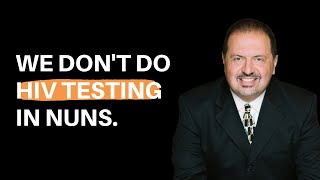
Dr. Jonathan Baktari founded a vaccination company in 2009, pivoted to COVID testing during the pandemic, and built technology to make healthcare feel like Amazon. He discusses leadership as a learnable skill, why mRNA matters, and how to hire for culture.
Questions this video answers
2009
2017
50,000
nationaltesting.com
Medical school: Ohio State University; Residency: Northwestern University; Fellowship: UCLA
Chapters
Why can healthcare get away with that? They're sending you a message. You need us more than we need you. I don't think healthcare should be like that. You need to acquire skills to become, you know, a leader, because you're either going to learn it the hard way or you're going to learn it easy. People get promoted to their level of incompetence. I think, you know, when you're around someone who knows more than you to just shut up. You know, never be the smartest guy in every room. Just shut up and listen. We don't do HIV testing and none.
Dr. Jonathan, a huge welcome to the Lead On Purpose podcast.
Oh, what an honor. Thank you so much for having me. I've been looking forward to this. Thanks, James.
Oh, so, so great to connect. And look, we've got so many things that we want to jump into today.
You've.
You're incredible when it looks. When I look at what you've done with building culture, building teams, innovating, it's just phenomenal. But to get started, I think one of the very fascinating things is the whole idea around Covid and the preparedness almost being ahead of the curve for that. So could we rewind a little bit and look at the company you founded and why you founded it, what you were thinking for the future, and then let's talk about how that unfolded.
Yeah, it was really interesting. Back in 2009, we began our company, which is E7 Health, but back then we actually called it the Vaccine Center. And part of the thing was that we understood, Even based on CDC statistics, there were at least.
50,000 vaccine preventable deaths in the United States annually in adults. And that just seemed crushing, just like that's how many people died in the Vietnam War. And that's happening annually. And when it came to adult vaccination, everybody was doing it as a side hustle, you know, just, you know, at a pharmacy or whatever, but nobody was doing it as their main focus. And so we thought, why don't we just build a company that's focused on adult vaccinations, whether it's for travel, employer health, or student health, whatever books of business that adult vaccinations were involved. Why don't we do that and then just try to make a dent in it? And so we did that, and we eventually changed our name to E7 Health back in 2017, mainly because people thought that's all we did was adult vaccinations. But we wound up doing everything around the vaccinations, like physicals and blood Work that people would need. We became E7 Health when Covid hit. We were already testing for chickenpox virus and herpes virus. We were doing a measle, mumps and rubella. You could come in and get a test, blood test for all those viruses. And so we were already doing that and all. And we'd ran. We had become a technology company, written our own platform, our own software to do all of that. So when Covid hit, we were one of the first companies to roll out nationwide here in the United States, nationwide drug testing, where you could order a kit and you get it home, spit in a tube, send it back to us and go on your portal and get the results. And we did it for employers too, who want to test their employees before they came back to work or what have you. So while a lot of people had to pivot and become a Covid company, you know, we were actually doing it. So it was interesting because now people get the value of how adult vaccinations can save lives. But we had already, that was our motto, to intervene and save lives by focusing on adult vaccination. So that's a long winded intro into how we kind of evolved and got it, got into COVID testing and Covid management.
Thank you for sharing that. And just for the listener that's listening and they're not watching the video version of this, they won't see the incredible collection of books that you have. You're a well read human. So what is your background? What did you specialize in before you. You founded E7 Health?
Yeah, you know, I went. So I went to, you know, medical school. You know, I went to Ohio State University for medical school. Then I went to Northwestern University for my residency and UCLA for my fellowship and I became board certified in internal medicine, pulmonary critical care. I actually, you know, practice for 10 years plus seeing patients all day long and managing patients in the ICU and seeing patients in the office, which is probably the greatest part of my life. I really enjoyed all of that. But slowly I got introduced into administrative medicine and had some opportunities to be on committees and what have you. And then one thing led to another and I became medical director of insurance companies and hospitals. And that experience, you know, was really eye opening. And then, you know, I also became clinical professor in like three medical schools over my career. And that was pretty eye opening and fun to teach young budding healthcare professionals. And then I think I took all of that experience of practicing medicine, working for insurance companies, working for the hospital, teaching young healthcare up and coming. Healthcare providers. And that unique background allowed me to kind of view problems in a different way, I think in the sense like, how can we make a dent in healthcare in addition to seeing patients one on one, was there some bigger way we can make a dent in health care? And so we just came up with this idea of making a dent in preventative health and wellness, focusing on adult vaccinations and then building technology to address that. And that's what we've done. We really, I often joke we're a technology company masquerading as a health care company, but it's true. We, we literally for the most part don't use any third party software where everything's in house. We have our own development team and that's, and the goal of that was to reduce friction for the patients. So you know, we have literally five star reviews on Google, everywhere you look. Mainly because we have, you know, we've made it like going to Amazon and ordering something. No friction, you know, just a couple of clicks, you get what you want and boom, you're done.
See that to me is what every user wants. It's the ease of use that makes it engaging and exciting. So what was your thinking behind how do we make this Amazon esque? How did you start to actually frame that up for you and your team?
Well, we looked at why healthcare technology was not, I like that word, Amazon esque. And it became so clear to me why it's not, it's not like Amazon has better developers than the healthcare industry, right? Amazon's not any smarter, right? It can't be, you know, I mean, people in healthcare are pretty smart too, right? They're not idiots. Why can't, why can't they do that? Right? But then I became clear to me why they can't. They can't do it because when they're writing software, they have five masters to answer to. Okay, if I ask you to write software, but not between, you know, mono, mono, just two people or women to women, I should say that. But you know, when you're writing software and you got to take care of the government side of it and what they, what they want, the, you know, the hmo, the insurance, the pharmacy, you, the patient, that software is not going to be very brilliant and frictionless. Right? Because everyone has a vested interest in what they think is important. The insurance company, I don't know where you are. If there's a lot of government run programs, you know, they have a vested interest in and what the information they need and want and the boxes they need check. And so you can't really write software to make eight people happy. You know, I've given this analogy on many, many shows, but it's literally like going on a date to a fancy restaurant and sitting down and having the chef and waiter join you for dinner. You're not going to have a natural conversation.
So we cannot be Amazon esque, because Amazon is a transaction between only two people. Now, if the amateur. If you had to get three other people to sign off on your Amazon purchases.
Would it be that frictionless? Order something on Amazon.
You probably wouldn't order anything in the end.
Right, right, right. So I think, I think. So that's what we decide to do. We just said, well, you know, let's just get rid of everybody except the patient and the provider.
Incredible.
Then the writing software is a breeze because all you're focusing on is how do you make the patient or client's life easy?
How do you make it that they can get what they want when they want it.
I think we're the only clinic and maybe in the world that doesn't have a medical records department, because everything we do is on your portal. If you wanted to know what you ordered on Amazon a year ago, would you call up Amazon? Would you say, hey, what did I order? No, you would just go to Amazon and you just look up what you ordered. Why would you ever call a clinic and say, can I have my records? You own your records. They're yours. They belong to you. You pay for it. So even that.
And really what we try to do is if you want to book an appointment, you could just sit in your car, go into our app while you're parked in front of our, you know, stores, and just book the appointment and walk right in. I mean, no going through an entire phone system and press 1, press 4, press 6 plus press 2, we'll call you back in 24 hours.
None of that.
See, that's incredible. As a patient, I've had a couple of experiences where ringing to make an appointment. Sometimes it's taken me three hours to connect with the receptionist, Right? And then it's taken two more days to figure out a time that was just for everyone. So that system would have solved for that problem. The other issue was about 10 years ago, I said, hey, I'd like to see my records. I'd like to know how many times in my life I've had antibiotics, how many times? And so they literally had to print out. My whole patient file was maybe 55 pages. And it was, I had to comb through it. Something like what you're saying would have just been instant. I could check it out right away. I probably could search for antibiotics to see how many courses I've had. Like, wow. From a patient standpoint, count me in.
Yeah. And what's interesting is healthcare thinks they have electronic health records. It's not so electronic if they give you a clipboard when you walk into the office. I mean, how electronic can you be? If I'm walking into the waiting room, you're handing me a clipboard. That's not, that's not electronic. That's whatever it is. But. So, yes, I think.
The pain points in healthcare is all those things, because you're more likely to order something on Amazon than another website where you have to fill out five forms, put your address three more times, and fill out your credit card information again. And the reason why Amazon became a success is they're like, no, no, we don't need your address anymore. We got your credit card. You know, we, we don't need any additional information. Click, click, and it's on your doorstep the next day. That's why they were successful. And other companies who just made you fill out a thousand forms like, well, I wonder why we can't compete with Amazon. Well, because you, you're making people fill out all this stuff. And as sooner or later they figure out, even if I had to pay a couple more shekels or a little, you know, if you, you know, I'd rather just knock it out. But, yeah, so that's, that's how business works. And, but see, when you call and it takes three hours to get through, what is that provider telling you? Who, who's holding all the cards? You or them?
Yeah, it makes you feel like you're not valued, right?
Well, let me ask you a question. You have clients, people call you that want your services. If it took three hours to get a hold of you, how many clients would you have?
I'd have none. Very quickly, right?
Let's say, let's say I really need your services and I call you and it says, if you're a new client, press 1. If you're an old client, press 2. If this is a billing issue, press 3. If you need medical record, if, if you put every new client through that, and at the end of all that, say, but I'm busy right now. I'll call you back in 48 hours. How many new clients would you get?
None. And they would run to the opposition in a heartbeat.
But why can healthcare get away with that? See, I'm now interviewing you. What is it that unless they have. Because they have a monopoly, they have you cornered, but they're not. So when they do that, by definition, they're sending you a message, you need us more than we need you.
I don't think healthcare should be like that.
That's a paradigm shift. And it's interesting. I felt at times, oh, I should change my gp. It's not convenient anymore. We've moved locations, there's a longer drive to get there. But then I thought, oh, I'm not sure if I'll get in somewhere else. I'm not sure if they're taking new patients. So all of a sudden, I really need my GP more than they need me. You've coined it perfectly right.
And. But then they become cognizant on that and set up their system to take advantage of that. I'm not talking about your GP in general, but often.
Makes sense.
I'd like to ask you, you had to be very focused on future thinking, problem solving, being able to innovate, but all the while you've been doing that, you've also been building team, you've been leading leaders, developing a high performance culture. As a CEO and a founder, how do you make the space to ensure that you're looking at all the important ingredients that keep your ship moving forward?
Well, you know, I think I told you before the show, you know, I'm actually doing a podcast season on a crash course for CEOs. And one of the things, one of the earlier episodes I talk about that is, you know, people think being a leader is a soft skill. Like I'm, oh, I'm a nice guy. People like me, you know, I'm easy to get along with, so I'll be a great CEO. Nothing could be further the truth. I mean, you wouldn't say that about landing a 747, right? You wouldn't say, I'm a nice guy, I'm easy to get along with, so I'll. I can land a 747 from 30,000ft. You could be as nice as you want. People could love you. You're not landing that plane. You're just not. There's only going to be one ending to that. If you're trying to land a 747 right? Or right. Or if I put you in a room with a piano. Just because you're a nice guy and people like you doesn't mean you're going to learn to play that piano without lessons, right? So I think people don't view leadership and technical skills, view leadership as technical skills or things that they need to acquire. Just like you would have to take flight lessons to land the 747. You'd have to take piano lessons to play the piano. You need to acquire skills to become, you know, a leader, whether a CEO or in any sort. Because you're either going to learn it the hard way or you're going to learn it the easy way. The hard way is to make the mistakes, lose people, you know, turn people off or, you know, not get buy in from your staff. And, and then you're like, okay, well don't do that again. But you don't want to learn that. And you're dying, right? I mean, this is why the best CEOs are the ones that kind of grew up in an organization. But a lot of CEOs just become CEOs because it was their idea. Like, you know, I just came up. But that doesn't necessarily make you a good leader because you came up with the idea or you put in the initial money. So what? Because that doesn't necessarily make you qualified. I don't know if you're familiar with this thing called the Peter Principle, which is that people get promoted to their exact phrase, but people get promoted to their level of incompetence. Just because you're a good engineer doesn't mean you would be good as the head of the engineering department. And people say, well, he's a good engineer, so he would be a great head of the engineering department. You know, he's a good accountant, so he would be great at being the head of the accounting department. Now you could be, but you need to acquire some skills. And I think this, this is the trade off where people say, well, you know, it was my idea, I put the money in, so obviously I'd be the best person to lead it. Now that sounds depressing, but if you then say, okay, now how do I acquire those skills? Who do I need to. Are there mentors, people I can look to who can advise me, walk me through it, hold my hands? But if you don't, if you, if you view leadership as soft skills, you'll never look for that or ask for help.
What about your journey? So where did you develop your leadership skills?
Okay, full disclosure. Be totally honest. Some of who was from the school of hard knocks. Right? Right. Someone was like, okay, I was a doctor. I'm like, but the, you know, like, okay, I'm a doctor, I'm a smart guy, think I'm not stupid. I mean, you know, whatever, but, but luckily I just stumbled onto a couple of people who just held my hand and I, it was serendipity, I didn't even like necessarily know it at that, but I just luckily stumbled onto some people who were my friends, but also were leaders in, in their companies, in their field. And you know, I'd be hanging out with them and saying, oh, I'm thinking about doing this. And they were just like, no, no, no, no. And, and I think, I think, you know, if there's one trait that I think served me well is.
I think, you know, when you're around someone who knows more than you to just shut up. You know, that's just shut up. You know, just. I always give the analogy, if you meet Michael Jordan and he's teaching you how to shoot a basketball, you got nothing to say.
You just need to just completely shut up. Okay? If you're talking to LeBron James and he tells you, hey, this is how you dribble the ball, you got nothing to add. I mean, if, if you believe you're, you know, next to LeBron James, I mean, but so here's when you identify these ment. Just shut up. I mean, don't tell them how, how what you think it should be done a little bit differently now as you gain experience, whatever you can maybe somewhere down the line, add your own color and texture to it. But for the first part, just, you know, just never, never be the smartest guy in every room. Never, you know, never feel. And I think you all, oh, I'm the CEO, I'm the smartest guy in this room. No, you're not. And even your staff, they have so much to teach you. You know, you're not the IT guy. You are not the software developer. You may, you may be the big vision guy, but you, you're, you're not the social media director. You're, you may think you know everything about social media, but you know, just shut up and listen. Now it's a two edged quite at some point, yes, obviously you are the big vision guy and you may have to direct those people in the right way, but at least try to listen, try to be open, try to take it in, process it, get information from multiple sources. Yes, at the end of the day, the buck stops with you. So. Yes. So how do you combine where the buck stops with me, but I have to take in so much data that when I do finally make a decision, I think it's the best possible decision with the data I had available.
Yes. You make sure that you're informed with all of the key points that allow you to make the best decision for the company.
Right. So I think. Yeah. So I don't know if that makes sense as I'm blabbing about. That's great. It really is.
And you talked about failure. I want to just go there for a moment. So Covid presented opportunities for everyone. Some were really negative, some were positive. Some people came out the other end and it was a huge success. Other people and sometimes countries came out and it was a major failure how they responded to Covid. So what do you feel we've learned from COVID that can help us when the next pandemic comes? Because it's a matter of time. It will happen eventually. What have we learned as a race, as people, or what have you learned as a leader that you think can prepare us better for the next time?
Yeah, that's a great question. Obviously.
You know, hindsight is 20 20. You know, we can go back and say, you know, what was done wrong. But, you know, even on my podcast during COVID we were talking about it, you know, I don't know if all of these lockdowns were as necessary as possible because on one hand, you know, we knew that the people most vulnerable, the, you know, the elderly, people with multiple risk factors, were the ones that needed to be protected. I mean, someone could make argument that the only lockdown that should have happened is within that group. If we lock down, theoretically everybody above 60, 65, when I say lockdown, I mean just give them the help and protection they need, maybe compensate them for missing work, keep their jobs, especially older people with multiple risk factors.
And then, yeah, obviously some precautions in terms of work environment and stuff. I don't know, with hindsight, if we really needed to kind of have the draconian lockdowns where it totally decimated the economies.
You know, and, you know, if 50,000 people in the United States die from vaccine related deaths annually, it's not like, you know, it's got to be zero. I mean, nobody's saying, oh, I mean, we have, you know, tens of thousands of people dying of the flu worldwide, in the United States and worldwide. But we don't shut down the economy because of that. Right. I mean, so it's all a matter of keeping it in perspective. People die from malaria, there's a lot of contagious diseases around the world that people die from. And so in retrospect, I think we learned that. But the good news, I mean, just, I don't want to be a downer I want to give some good news. The good news is the MRNA technology that came out of it. That MRNA technology for, you know, I don't want to get a technical. That's not a science based podcast. But that MRNA technology I, I suspect would have never gone off the shelf were it not for a crisis because it would have been very socially unacceptable to convince people to inject, you know, foreign chromosomes into your biceps or deltoid as a guise to creating a vaccine. I think there would have been a psychological hurdle that would have kept it potentially on the shelf. And now that the cat's out of the bag and.
I'm hoping that that technology can be used and it already is in trials for many other things, including hopefully malaria, HIV, anticancer vaccines. Wouldn't it be funny in 50 years if we said yes? You know what, that MRI, that COVID pandemic killed millions of people, but the technology that came out would save 50 million people.
Yeah.
Wouldn't that be. Let's say, you know, we could go in a time machine of 50 years from now and, and say, oh, we saved 100 million people from cancer and from other diseases because of the samurai technology. Obviously the, you know, people we lost is, is decimating and just painful, but if some good could come out of it, that would be huge.
Oh, massive. And I always think problems present possibilities and to me that's like a choice. As a leader, you can see these problems as possibilities or you can see it as disaster. And clearly you looked at it as an opportunity for your company to help others.
Yeah, it was really. And we're really thankful that we could make a dent in people getting tested when they needed it and protecting employers and protecting other employees and, and people at home who didn't know if it was safe for them to go out and seek medical attention. So I'm really proud of our organization. You should be.
And in terms of the nature of work, the. I feel like when I get on plans or when I'm in close proximity in a large venues with concerts and whatnot, people are still a little bit weird and awkward and keep your distance. If someone sneezes, everyone looks. So how do you feel about the nature of what's happening in the professional sense, in terms of corporate spaces, people getting back to work or people working from home? What do you think we need to be doing moving into the future? Do we need to be all working from home and doing that thing, or do we need to get back and forming those communities and cultures?
Well, let me answer it From a business point of view and then from a medical point of view. So even during COVID I actually felt that this working from home was really not a starter for many reasons. And I'm not talking about now even in medical. First of all, 60% of people cannot work from home if you're driving a truck, if you're a waitress at a diner, you can't do that at home. If you're construct, you're building houses, you're not going to be able to do that if you're working retail. So this whole, you know, I actually said it on a podcast back during COVID It's like glamorizes. Oh, we have a society where everybody works. It can't. It's just 60% of people can't work from home. I mean, you can't, you know, build a house working from home. You can't. Yeah, you can't make a, you know, a steak for someone at a restaurant working from home. So, you know, you can't deliver an Amazon package working from home. So this, it's like this romantic thing that people are going to be working from home. You can, you know, 60%. Okay. And then the 40% that potentially could. When the rubber meets the road, you know, if you send 100 people to work from home, are. Are some of them going to be equally as productive as when they were working? Maybe a handful. But, you know, come on, it just. It isn't. Yes, I know people who work from home are even more productive, but take a hundred people, do that too, and you will have a lot of people for. And not even in a bad sort of way, the way they mean it. But, you know, okay, the dog, you know, this, that I, you know, you even see stuff on the Internet with people getting a second job and blah, blah, blah. So. And then lastly, is this building of culture and innovation. I can't tell you how much innovation we've stumbled onto because, you know, four of us are in a meeting and we're, you know, blabbing about something and somebody says, hey, have we ever thought of. And then somebody builds on that. And, you know, you can't just throw all that culture, collaboration out the window and expect your company to, you know, have everyone working from home and still have some of that. Yeah, okay, zoom, whatever. But. So I, I just think that, yes, there are certain positions where, you know, you're just a bookkeeper and it doesn't really matter where you do it. I get it. But romanticizing that there'll be a whole industry of People working from home. I think I said it then and I said now it's not practical. And it's interesting because I think my position was. Was born out because every day, you know, all these tech companies are saying, no, no, no, no, you got to come back, you got to come back. There's a reason for that. You know, I remember just vacationing in Hawaii and I met a Realtor and like, oh, we're selling houses to people from Microsoft. And, you know, like, they're all moving here. I'm like, really? What's going to happen when they have to. In a year or two when they are told they all have to go back? You know, but so, yeah, I think it's a little overblown.
And what about from the medical standpoint?
Yeah, I mean, look, from a medical standpoint, there are things we can do. So I totally kind of get this. For example, you brought up the office. You know, one of the problems with offices is we spent the last 20, 30 years making buildings energy efficient. Right. That's the whole thing. We're going to make this energy efficient. You know, we're not going to have any air coming in and. Or out, so we don't waste air conditioning or heat. Right. Well, that's exactly the opposite of what you want to do if you want to, you know, make it more conducive to not spread things. So I think. I think there is a pulling and tugging on that, because if you build these buildings that are super energy efficient, what, by definition, what does that mean? That we're not going to be circulating air around and letting air go out or air come in.
So. Yes, so I think. I think to your point, yes. I think someone's going to have to revisit that and come up with a. I'm not a. I don't know what that field is, where they look at, you know, building designs with energy efficiency versus air circulation. But whatever that field is, I think they're going to have to go back to the drawing board and come up with something that takes both into account.
Absolutely. And with your experience, leading companies at the forefront, what role has AI played in recent years?
You know, Joe, we're just rolling that out. And part of what we're rolling it out is really in our ability to take in new clients and customers. And because, you know, a lot of what we do is B2B. You know, we have a lot of business relationships and what their needs are. So frankly, we've just rolled that out and addressing some of requests and concerns that Our clients have and we're looking to do more because we are a technology company. So we're, we're, and we certainly have added it to our social media campaign and we're, we're literally investing heavily into it. So I think the full picture will be more clear probably in the next year or two for us.
Brilliant. And going down to a more personal standpoint here as well. So let's say I'm a listener right now I'm thinking, you know, my personal health is important as a leader. Obviously there's lots of stresses and strains on leaders. It can play havoc on our autoimmune system long term. From your experience as a physician, what can we be or not? What can we, what should we be doing to really make sure that we look after our short and long term health?
Yeah, obviously. Well, look, there's no substitute from seeing your doctor so let's just get that out. You got to, you got to see your doctor regularly. We just launched a website called nationaltesting.com that's just a nationaltesting.com where again I know you're not in the United States, but in the United states, in all 50 states we have a, you know, a lab within probably half a mile to a mile of most listeners that all they could do is like Amazon, you can order men's panel, prostate, cholesterol, literally three clicks and you get a requisition, no appointment, you walk in, get it, results come back to your portal as easy as pie. So if you're thinking about taking care of health, see your doctor. If you want to test your cholesterol, your glucose, your sugar, a men's health package, food allergies, women's health package. I mean we have it all online and we try to make it very affordable, super affordable and easy to access. So it's literally I'm going to have to use, start using your word Amazon esque, where you can actually get whatever you need there. See your doctor regularly. Remember, you own your health. Nobody else, nobody else is going to look out for it like you do. So that's what we were trying to do with e nationaltesting.com make that available in all 50 states. Easy to get to.
That's phenomenal. And in terms of being really preventative from your, again, your personal experience as a physician but also as a leader, what are the common things, the non negotiables that we should be doing to maintain our health apart from going to see a doctor, what can we be eating or.
Oh no, I mean, look, just Broad strokes, exercise, okay. Nutrition and stress. I mean, you put those three together and that's everything. Okay. So besides seeing your doctor, whatever, you know, aerobic exercise, strength training, exercise, great nutrition, which really means protein, vegetables, and not too much processed carb, but just some carbs and, you know, three, four meals a day. No skipping meals. Cardio exercise, strength training, getting your vaccine, your adult vaccinations. You know, most people don't. Don't know they need a tetanus shot every five to 10 years. Annual flu shot. Annual. Well, pneumonia shot, depending on your. How old you are, how often. So getting your pneumonia shot, your flu shot, your Covid shot, getting your tetanus shot. If you're traveling to the developing nations, go see a travel medicine expert and get the appropriate shots and consultations and medications. So these are all things you can do if you want to own your health.
Amazing. And for the person that heard the word stress there, what do you recommend in terms. Obviously, the exercise will help and so will good nutrition in reducing stress. Stress. What other things would you recommend to manage the stress?
Yeah, so. So obviously, try not to put too much on your plate. You know, people think, oh, I'll take three more jobs, what have you. But really stress, I mean, if you're doing yoga, prayer.
Meditation, any of those are really great, great, you know, starters. And then just understanding, you know, that there's a limit to what you want to take on. You got to have times where you're off, you know, where you. Or you're literally, you know, one day a week, I turn everything off. No email, no nothing, and no cell phone. Boom, Just I'm off. And that's just my way of dealing with it. But, you know, there are other ways of doing it. You know, go to the gym, you know, two, three times a week, and either pray or meditate. All you're doing all that, plus you're eating right. I think you're on the right. Right road.
That's brilliant. Really, really good feedback. I think anyone could adopt any of those in quite a simple and sustainable way.
Right? Yeah. It's consistency. Yep. Takes, you know, at least three to four months to make something a habit. So you got to keep going through.
That initial period 100%. And look, obviously we don't have exact models right now, but the chances of a pandemic coming back are there. What will you do differently for yourself, for your company, for the people around you? What will you do differently this time around?
Well, I think it's really important, again, to hint back to what I said earlier, identify who's really vulnerable and focus on that, this idea that just focusing on everybody, I mean, we don't do that with other things. We know we don't do diabetes screening in 10 year olds. Could happen. 10 year olds can get diabetes, but we base it on statistics. Right. We don't do osteoporosis check on 30 year olds. Right. We could, I mean, they're rare. 30 year old that might have bone density issues. So in everything in medicine, we tailor, make our focus and our attention. Right. You know, we don't do HIV testing in nuns, you know, because it's not good. I mean, and I use that analogy because this whole thing, but I mean, you have to do what's appropriate in the group that you think is at risk. And every part of medicine. That's what I've done my whole career. That's what I've been taught to do. You don't order a prostate test on a 30 year old or 25 year old. Why? Well, it's possible, but we're not here to do anything that's possible. We're here to do what statistically is likely or more likely.
And I think that's the lesson of this pandemic. Do things like we do in it. I don't know why that rule fell out the window during this pandemic, but that's how we do everything else. If you're 30 years old and you go to your doctor and say, I want a cardiac stress test, he's gonna laugh at you like, no, you're not getting one, you're 30 years old. But because he's saying the chances are so minimal, why would we do it? It could be, but we're. But it's not likely, right? So we have to do handle pandemics like we handle everything else in medicine. And why do you think?
Because globally, I think collectively, most countries did not handle that the way you're suggesting. I think it would have been brilliant, but why did we not?
Well, now you were kind of speculating into the area of politics and stuff, but I think one, one, I think maybe the data wasn't as clear, so we could maybe excuse it earlier on, but I think it just developed into this sort of.
Political thing where.
You know.
For people in position of power, it also allowed, you know, just the ability to, you know, put into programs that they've wanted to have anyway into impact. And, you know, again, I try not to get too political, but you know, when, when there's an emergency, you know, you can Do a lot of things that you might not be able to do otherwise. Get a lot of things, you know, pushed through that you might. And, and, but in all fairness, part of it we didn't know. But even when we found out, I, I just, I thought we hung up. We like, I don't know, in the United States we school close schools forever. Now I get closing schools in terms of protecting teachers, but I don't think the kids were much risk. You know, maybe we could have protected the older teachers or the teachers with risk factors.
But you know, I think a lot of it has to do with just the political will. And I know certain countries like Australia, New Zealand really clamped down hard and you know, and maybe in retrospect, you know, they, they may have wanted to rethink that.
Yeah, they were very, from a New Zealand perspective, the leader and leaders were very much celebrated in the early days of thank you for saving our nation. And then where the, it turned, it turned 180 and it was like, yeah, you've destroyed our economy. You're telling us how to live. Like there was a big rhetoric shift. So yeah, I think there's a big risk there for politicians when they're having to lead the charge.
Yeah, yeah, I think there's a lesson to be learned there too. Right?
Definitely 100%. And in terms of, you know, your own leadership or in terms of a culture perspective. So how do you get people on the bus with, in your company, how do people buy into the purpose of who you are, what you do?
Well, again this is, goes back to the skill sets you, this you have to actually learn. You. It's like playing a piano. You can't just learn it from being in a room with the piano. Right? That's, you know, lock me in a room with the piano for seven days, I promise you I will not be able to play the piano. So it's, you have to acquire these skills and I think part of it is it's multifaceted one. You have to lead by example. Like if you are not, if you yourself aren't totally bought in, if you really have a plan B, if this doesn't work, then they're going to figure that out. If you're, if you're not always on, you're not answering Your emails at 7:00-clock@ night when something, when something hits the fan, they're not going to be on at 7 o' clock at night when something hits the fan. If you know you can lead by example. If you're not answering the phone you're not taking the garbage out, especially in the early days.
So, yeah, if you're just. So this whole idea, how do you convey that you're in it to win it and you don't have a plan B? And it's, you know, this has got to work because we don't have a plan B. And if you always have and then. So that's sort of by example, but then you just have to really enroll people into your vision. And, you know, not everybody wants to be enrolled into a vision. Some people want a job from nine to five, clock in and out and get their paycheck that, you know, especially early on when you're. When you have minimal staff, that could break you if you had a bunch of people clocking in and out. You know, this is not the post office, right, where you can just clock in and out, get a paycheck. We're here to light the place on fire. We're here to, you know, create something special. And you have to see if you caught the person in the right time in their lives that where they want to do something like that. I got to be frank with you. There are times in my life when I was younger, I didn't want to light the place on fire. I just want a job. Am I a bad person? No. But I was, you know, I had something going on, you know, my family, blah, blah, blah. I was, you know, I had this hobby, you know, whatever. I just needed something. I'm going to do a great job. I'm going to show up, I'm going to kill it. But, you know, I'm not thinking about it on the drive home to from work.
Right. And that's okay. But, you know, but if I'm doing a startup and my first five people are going to determine whether we succeed or not, that is not going to work. Not going to work for your company, not going to work from you. So I think the question is, you know, yes. If you, if you have 999 accountants and you're interviewing for your 1000th accountant, who cares if they're bought in? But if you're hiring your first accountant, yeah, you better care if they're bought in, because that will make or break you. So it depends where you are in the growth phase. So again, if you're hiring the 10th person in your finance department, I think, you know how critical you are of that person's enrollment is different than if they are that department. Right. And so you have to understand that. That you have to hire and interview differently when you're bringing on people as your main stakeholders versus somebody who is just going to be literally just knocking out a job. But even that, I find the great companies, even when you're the 20th accountant in the finance department, you get a winner there, whatever. So I always say, you know, and I, when I'm interviewing and I give this example, I say, well, listen, you know, if you got a job at what's a good, I mean, we have Macy's here, what's the department store where you're at? I don't know. But Farmers. What, what is it? Farmers. So if you got a job at Farmers and you do a great job, you work 18 hours a day, you're not going to change their stock price. Right. But if you come to my company and kill yourself, you could be the difference between our revenues going up 20% or 40%. Right. One person. So you have to, you have to tell the person in our organization you can make a difference. If you're the 1000th nurse at a hospital, you're not going to change that hospital's bottom line.
Right. I mean, of course you want to do a great job, but here with our organization, you have an opportunity to come in and, and light the place on fire. And believe me, if that happens, we're going to take care of you. So that's sort of the deal.
Yeah. And you get that buy in and that cultural buy in. They can see their place and their area of responsibility, their value add.
Right. The question is really, why should someone do that? Then you have to hold up your side of the bargain. If they come in and kill it, you got to take care of them 100%.
100%. And in terms of your own continuous growth and development, you know, you've grown a number of companies, you've built teams. What do you do to keep on the tip of your own leadership lid and lifting that lid?
Well, you know, if you do a great job, you need to have, because you know there's not enough of you to go around. Okay. This is not so you have to heavily, heavily invest time, energy in the core leaders that are going to be below you. Because you, unless you're planning on cloning yourself, you can't meet with every new hire and you can't mentor every new hire. There's a great book I read called Tribal Leadership. And you know, in that book what they talk about is it's not good. It's not how good you are is you got to be good. But it's good is how good can you make others? Right. Let's say you're killing it and you're, you know, putting in, you know, so much value and what you do but can't. If you could create three more people like you, you'd be helping the company more because at the end of the day there's only so much you can give. Even if you work 24 hours a day, that's your limit. But if you can create, you know, if your name, you know, if you're Jane and you're, you're like killing in the company but create four more Janes for me. And now we're talking.
Right.
How do you go about creating more of you?
Well, that's the thing. The whole idea is to create your senior staff and, and invest and, and cultivate them and then have them create more. So, right. You have to create the first generation of clones.
And then have them all bought in and stakeholders and they all think they're going to retire there. And like, you know, and the other thing is really interesting is I, whenever we, you know, if something doesn't work out with the staff that we hire, it's never me that figures it out. It's often people at their level or below them that will turn them in. You know, like, oh, you know, Susie, I don't know, just want to let you know she's always on her cell phone. Yeah. You know, and you know, doesn't answer emails. That, and, and this doesn't come often from management. Which is interesting is the people who don't like it are, are people who are at that level because they're like, well, I'm all bought in. Why isn't this new person all bought in? And they don't like it. Right. And so, but then that builds pressure on people to say, hey, if I come in and do a great job, this company is going to reward me because look how they reward these other people. You know, they're going to take care of me. Right. Because it can't be a one way street where they come and give, you give, you give, give, give, give. They got to go and look and say, oh, I see people who give but they're taken care of. Right. You know, I want, you know, people say hey, I leave anywhere else I'm going to take a pay cut.
Right. So I think it's, it's got to be. You can't just be a taker. You, you know, I like one of the things I always job really in the morning. My real job is to improve the lives of everyone that works for us. I mean, that's really my job. I mean, because there's, I'm not doing the it, I'm not doing the social media. So what am I doing? Right? I'm not taking calls from the clients necessarily. So what am I doing? My job is to improve the lives of everyone in our organization, professionally, financially, everywhere.
Responsible for the well being, their, their cognitive well being, their spiritual well being, their social, every aspect. And I guess that's the leader's greatest challenge.
Yeah, I mean, one of the things I did early on is no matter who you are in the organization, I get blind copied and they know it. I get copied on all of their emails, all incoming and outgoing. And I will prove through all of them that looking for signs of people needing help, you know, so I'll see an email. I'm like, you know what, let me call Susie. Hey, Susie, I saw your email to that vendor. I see he's giving you a hard time on this and this. Have we, you know, can I give you some feedback on how to approach it? And they're so happy, like, oh, wow, okay, that, that makes a lot of sense. So this idea that you got their back.
Right, right, right. And so just say, hey, you know, someone's looking out for me or someone, you know, even if someone's saying, hey, I kind of felt unappreciated from this other staff member. So, you know, I'll call that staff member or. And both of them and say, hey, where was the miscommunication there? How can we make it better? So that's really, you know, that should be the job of any leader to, you know, how can they make the lives of the people that work in their organization better and sometimes personally too, if they're going through a tough time at home, hey, do you need some time off? What can we do? You need a little advance to kind of get you through a tough time. You know, we could work that out, whatever. And sometimes, you know, we've, we've gotten people apartments, you know, in a pinch, you know, something's going on. You know, what if you're there for them and, and thinking about them, I think they then realize, oh, this organization has my back.
And what happens off field really impacts what happens on field. So the fact that you're looking after them personally is really going to show up and help you guys from a business standpoint.
Right. And you can't really do it just for that because sometimes we don't get anything back. But yeah, I think that the message of course is that we're a team, we're a family, and we're in it to win. And therefore, they come to me often, say, hey, did you know? You know, I got this phone call and one of our competitors is doing this. Have we thought about doing the same thing? Or, you know, so, you know, they will also keep their ears to the ground and say, hey, Or I just heard that there's a potential client that could use our services. You know, my brother works for this company that could. Could use our services. And, you know, would it be okay if I put a feeler out to them? So it. It just. It. It kind of eventually is all synchronous 100.
And look, I sense that you're very driven. You care about others, you want to build culture, you're ambitious. What's next? What's on the trajectory for you? If you look over to that horizon, where are you headed? What are you excited about from a professional standpoint?
You know, launching E. National testing was our first dip in the water to kind of get a nationwide footprint. So I really like to see, you know, and we did it using our own technology. You know, literally everything on that is we wrote the software, rewrote the platform. So I. We heavily. You know, I know for many years, every penny we made, we reinvested in technology.
And so I think really becoming a force nationally is really the next step. So we want to really invest and try to grow that and see if we can make a real difference in healthcare in the United States and with technology and innovation.
It's incredible. I look forward to seeing it unfold, and I just want to be respectful and mindful of your times. We've got one last question for you. And if we were to go out many, many years into the future, it's your last day here on earth, you know, it's your last day. And a very young person in your life, somebody very young comes up, they're under the age of 10, and they say, jonathan, what can I do to lead my life on purpose? What would you say to them?
You know.
I don't know if this word means anything. You know, I always tell people, just be a mensch. I don't know if that's a Yiddish term, which. If you know what that means, But a mensch is like. I don't know why I use that word, because it kind of encapsulates everything. Just. Just be a good human being, you know, like, really, you know, always do the right thing. Be a good human being, be upstanding. You know, your word is everything. Make sure no one ever says he said one thing meant another thing. And, and just be a solid person. You'll be a good human being. Think about others. Think about how you can help others and not focus on yourself. At 10, of course you think the whole world revolves around you, so I'm not sure a 10 year old would digest.
I, I have a 10 year old and I love him to death. But, but, yeah, yeah, but I think as you grow older, you got, you know, this whole idea that the universe doesn't revolve around me and, you know, just how can I make an impact? How can I improve the lives of others? But even your family, you know, you have, you know, if you're working 150 hours a week, you know, you're not there for your family. So, you know, balance and view them as a priority and just being a mensch, you know, just be a good person.
Incredible. Thank you for sharing that. And for the listener that's listening right now, my challenge to you is ask yourself, what can I do today to be more of a mensch? Really amazing. Dr. Jonathan. I really, I really appreciate it and I look forward to connecting again. I don't think this will be the last time we connect, so thank you so much for making the time and creating this space.
Yeah, what an honor. Thank you so much for having me and thank you for making it so easy. I appreciate it now.
My pleasure. Hey guys, if you enjoyed the content today, please smash that subscribe button below. And if you want to become part of my community, I've got an amazing free Facebook group. Please come and join us. The link is in the description below. And also if you've got any questions about today's session, I'd love to know. Just comment below and I'll be sure to get back to you guys. Have the most amazing day.









