How to lead with vulnerability with Mayor Tory Whanau
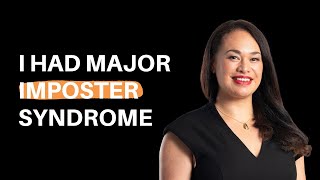
Tory Whanau, Wellington's first Māori mayor, talks about leading through vulnerability and Te Ao Māori values. She overcame imposter syndrome and alcohol struggles, now shapes policy on harm reduction and housing. Her approach to crisis leadership and staying values-driven comes from a small-town Taranaki upbringing and a commitment to mentoring the next generation.
Chapters
I had a major imposter syndrome in my 30s around about and thought, what am I doing? I'm not making my ancestors proud. I'm an idiot. You know, I don't belong in this room. As a result, I developed a problem with alcohol. You act real cool. And that really didn't work for me at all. It felt really fake. It really lit a fire kind of in my belly. Be yourself. Be genuine. Don't try to pretend to be something you're not. It's okay to fall. It's okay to fail. But how do we lift ourselves back up? And how do we use that experience to become better leaders?
Corey, a huge welcome to the Lead On Purpose podcast.
Oh, thank you so much for having me. I love talking about leadership and I love podcasts because you can speak really freely about these things. So it's a real pleasure to be on today.
Oh, it's so incredible. And look, I just want to inform the listener that you are the first Mori mayor of Wellington. Congratulations.
Thank you.
It's something I don't take lightly at all. It's a huge honor. And so I have a responsibility to not only deliver for our Wellington community, but for our Iwis and Tangata Whenua across our city.
It's incredible. And I guess that's where I want to start, because we've got all these leadership books out there, and I'll be honest, and I'm not going to, you know, take away from the people that have wrote them. A lot of those leadership books are written by white males in their 50s and 60s, and some of them are great and some of them are not, but they're written by white males in their 50s and 60s. So you have this richness, this depth, and the culture that you grew up in. And your vision and your filter of leadership is going to be so unique. So when you think of leadership and it comes from your background and your upbringing, what do you think of?
Well, I'll be honest. I have never, ever read a book about leadership.
For me, that's just not how you learn how to be a good leader. A good leader for me is empathy, emotional intelligence, and just always remember who you're serving. People don't serve you, you're serving them and making sure that your community has everything that they need to survive or to progress. And so where I've learned kind of like those values, I would say I wouldn' wouldn't call them leadership skills as such, but values has come completely directly from my upbringing. So I grew up in a small town called Pattaya, which at the time probably had maybe 3,000 residents. We had really strong iwi connections and community. We would all. All of us walk to school every day from home. Everyone knew each other, and it was just. It was just a community that deeply cared for each other. So that kind of laced with, you know, my beliefs and experience with Te Ao Mori, which is all about looking after your people and looking after the planet and ensuring that the environment is taken care of, that we have, you know, that we keep our oceans plentiful. All of that beautiful stuff has been kind of at the core of. Of who I am.
It's incredible. And there's so many different ways that we can lead and we can do that, you know, through NGOs, we can do it in charitable ways. We can protest, we can step in to politics. What got you into that? What drove you to say, hey, that's where I want to sit?
I was actually. So I worked in, like, marketing for quite a few years in, like, the financial industry. And so I was carrying around these values with me while working in an industry that actually I didn't care for at all. And so I think I got to my 30s around about and thought, what am I doing? This is not what I want to be doing. I'm not making my, you know, my ancestors proud by doing this. So it really hit me. I need to get into politics. That's kind of where my passion was. I loved the inner workings of Parliament. I was attached to or supported a particular political party. And then my marketing role came up in that political party and I was like, that's mine. I'm gonna get that, you know, because I just wanna be involved in the political process and decision making around policy. So I got it. And that's exactly what happened. I think my first week of starting in that role, it really lit a fire kind of in my belly. Like, I hadn't felt that sense of pride, happiness, fulfillment ever in my career. So I knew I'd made the right step. And just to be surrounded by people who are as passionate as me, as the environment and people, especially vulnerable people, was just an incredible experience. And so as a result of that, I think, because, I mean, I had a particular skill set that was obviously very useful, but because I was surrounded by my values 24, 7, that allowed me to kind of excel within the. Within the party. So I was very quickly promoted to chief of staff, which is basically helping lead the party and then becoming mayor, which is quite outrageous when you think about it. So under eight Year sort of time frame. But all it's indicated to me is I made the right call and now I can best serve my people in politics.
I love it. Well done in that journey as you, you know, you moved up quite rapidly. When you look at it, were there any moments where you're like, oh, this is scary, or oh, I don't know if I have the skill set for that Totally.
I had a major imposter syndrome. At least for the first two years as chief of staff, I was just like, I'm an idiot, you know, I don't belong in this room. I remember I was in a room. So the coalition government, coalition had been formed and I was in a senior leadership meeting with the chiefs of staff across parliament and all the other senior roles. And out of 10 people, there were only two women and of course only one Mori. And I was certainly thinking, I don't even belong here. What is this? And you kind of pretend that you do and you act real cool. And that really didn't work for me at all. It felt really fake. So I thought, I can't approach this role like that. So over time I decided to just kind of drop my guard, drop my barrier and just be myself and be vulnerable. So that allowed me to develop my relationship with the other main chiefs of staff. Like, I would even, I'd go, how are you doing, Tori? And I just feel like I'm a bit stressed out. I am stressed, you know, and they'd find that disarming and they'd go, oh, are you all right? You know, and that, that helped me develop a really wonderful and trusting relationship with the both of them. So the big lesson for me was in some of these industries it's really difficult, especially male dominated ones. And this probably won't work for everyone, especially women with imposter syndrome. But the big lesson for me was, be yourself, be genuine. Don't try to pretend to be something you're not. If you don't know something, just be honest about it. Because majority of the time people are very willing to help. And I, I think that's how I became mayor is that I've been pretty straight up about the sort of person that I am and my weaknesses. And so it's allowed other people to go, oh, I relate to that. And then they end up voting for me or whatever. But for me, you know, especially with the state of politics, it's a really tough time around the world at the moment. We have a cost of living crisis, we have war, we have all of those awful Things where politics needs to change is that we need many, many more genuine politicians just being themselves so that they can rebuild their trust with their communities and then create better policy, which leads to better decisions and better outcomes.
That's amazing what you're saying. You're saying that pertains to politicians, but I think that also pertains directly to CEOs, team leaders, parents of families, because you go right down to the family level and sometimes a parent is putting on a brave face. No, no, I'm good. I'm not stressed. It's all, you know, I've got this when actually the weight of the world makes them feel like they're crumbling. So these kids are then told, no matter what's on your plate, you can't show any weakness, you can't show stress.
And I so I so push against that.
I think it is completely okay to show weakness and vulnerability and crying and being honest about one's background. I've done that quite a bit since my time as mayor when, you know, I'll be really blun. I was at another kind of leadership talk a couple of weeks ago and they said, have there been times where you've felt really vulnerable, weak or whatever as a result of accelerating up to chief of staff? That put huge stress on me and as a result I developed.
A problem with alcohol and so forth. And that was incredibly tough for me and tough to get through. And it's something I needed extreme support for, but I got out of that. And it wasn't ideal, but it also gave me a passion for alcohol harm reduction. So I've been able to use that experience to actually inform my values and my decision making. And now as mayor, I'm working closely with our Wellington City mission who the building this wonderful housing complex for those in need, transitional housing, but it will also have support services like access to mental health support and alcohol and drug harm reduction. And when it was, when the, the, you know, the CEO announced that, I cried because I'm just like, yes, this is so important. So we must, it's okay to fall, it's okay to fail, but how do we lift ourselves back up and how do we use that experience to become better leaders?
That's really powerful. And what's also equally powerful is your willingness to share the fact that, hey, I didn't have a good relationship with alcohol. That's powerful.
Yeah, I think I would assume that actually a lot of people in high up positions have a similar problem and that's up to them and how they manage that. And and we need to respect that. But what I'm saying is, like, it's okay. You know, a lot of us are in this position, happy to talk about it, because people forget about the enormous and emotional toll a leadership role can take. And what I'm thankful for when I went through that is the support that and people reached out to me. And I'm thankful for that experience because now it's made me empathetic towards those who have a similar problem.
Yeah. And that's a superpower that you've got. It's interesting. I'm just over three years alcohol free myself.
Oh, that's amazing.
Well, thank you. Thank you. It's been life changing. And, you know, the stereotypical Irish person is known for, you know, enjoying Guinness and partying St Patrick's Day. So that was tough for me because I'd bought into that stereotype and I hosted the St Patrick's Day parties every year. And I dealt with my stress with a couple of quiet beers. But it came to the point where I was like, I was reliant on that. And my life has changed drastically. So I wanted to ask you, now that you've changed and shifted your relationship with alcohol, what has changed in your life and your leadership?
The main thing for me is clarity. You know, I can't to have a hangover or anything like that, which, you know, at my age, you know, they last for a long time. That is the worst thing a leader can deal with while making significant decisions on behalf of the city. So I think clarity is the main thing, 100%.
And talking about, you know, leading the city, you know, as we speak right now, you're going through a really challenging time. There's been a fatal fire in Wellington. And I'm really sorry to hear that for the city, for yourself, for the victims and the families. And I want to ask, how do these crisis points inform your leadership when something like this comes up? How do you respond as the leader of the city?
For me, like, if I might go step by step with what happened yesterday, because I'm actually still kind of coming to terms with what happened and what it all means. And I know we'll have a debrief with my team afterwards. And how did that go and how can I do better next? So how it kind of occurred yesterday, I was told about 4:30am There's a big, a significant fire. And to get prepped for media, I got a briefing at about 5:30am and at that point we had thought that everyone had been evacuated. So I was Fairly chirpy. And I was ready to report that everything is a. Okay, got down there, camera ready, and about one minute before we. Before I went on camera, I was then told there were multiple fatalities. And it was. I think I almost went into a bit of a. Like, a mild state of shock, and I burst into tears. So that a lot of that was caught on camera. And so immediately I went live with one of our main channels, and it was. It was kind of difficult. I had to really hold it together. But knowing that we'd just been given that news, knowing they were still possibly in the building, it was quite a very confusing, emotional, traumatic time and being live to the rest of the country. And so it was definitely holding back the tears while also trying to inform, you know, the general public with what was. What was happening after that interview. I was then able to catch up with the chief of the fire department, and we had a big hug. And he was. He was traumatized and his team were traumatized. So there was just a lot of heaviness at that moment. And then I made the call at that point, I need to stay here all day. I'm just going to position myself here. Council immediately were like, what support do you need? And it's just like, I just need all the information, but I want to be available to our emergency department journalists. But also, what are we setting up currently to ensure that those who have been displaced are looked after? So they had a Merrill Fund set up within the hour and a partnership with a Wellington City mission. And so my council just kind of went into crisis management mode so that I could just focus on being on the ground and leading. So I don't really know exactly what happened in the background. I just know that it happened. And so that gave me great comfort as a leader so that I could just focus on being empathetic. And I'm deeply thankful to the organization for allowing that.
That's incredible. And to me, that says a lot. You know, if there's a listener listening right now, going, well, when the next crisis comes up for me, I want to do what Tori did. Well, I'd say there's a few things that had to happen for you to be able to do that. And probably first was trust. Just trusting that you've got a great team that have got your back and that there's systems in place that when a crisis does come, we know what to do. So how do you go about building trust with your people?
I've been doing that since I became mayor. I have relationships to me and relationship management and trust, as you say.
The most important thing, because otherwise you can't operate. So, I mean, I'd already spent a good six months working very closely with our CEO and ELT to ensure that they had the city's back, they had my back, and I trust the work that they're doing. It's all good. I also knew that our emergency services had their crisis management in place already because as a result of some of the stuff that's been happening in our country, the cyclones, climate, weather events, that has kind of allowed us to just ensure day by day, we're ready for, for an event, earthquake, so forth. So I just kind of already knew that the teams, they had this, they got it and that, that they would always be there to support me, to do my job. And I feel, especially when I look at how other cities may have managed things, I am deeply thankful for that.
And I'm sure your city is, and everyone's sitting in the middle of it right now, but when they can look back and reflect on what was said, you know, where you were physically, you were actually there and you're part of it, I mean, that says a lot about, you know, we look back at some of the stuff that's happened in America and some of those major disasters, and when the president at that time didn't go to the area, I mean, people look back on that going, wow, where were your priorities? Are your people truly your priority?
100%. And it's kind of as a leader of, of any description. I mean, always remember who it is you're serving and it's the people, right? So you need to be visible and show them you've got them and that you're, you care and that you want to, you know, show that you're on the ground ready to do anything and, and that it's genuine. So it was certainly no question in my head that that was the thing to do. And I, and I know I work with very closely with a lot of mayors across the country, and I know they would have done the exact same thing, 100%.
Incredible. And you talked a moment ago about ancestors and, you know, making them proud around what you do in your career. And I also think about, you know, the people that come after you in your fanal. And right now you're here, you're in the present, you're making a difference. So how do you stay totally in the present? How do you stay as a leader focused on, hey, what's important right now and how's that going to Impact the people that come after me and how can I make those decisions that I make now make people proud that came before me?
I'm a fairly spiritual person, I'm not religious or anything like that. But you know, in Teo Mori we acknowledge, we respect, we think a lot about our ancestors and the impact that they have on ourselves and what we do. So in terms of how I move forward on a day to day basis, I.
Think of them and make sure that I'm making them and my whnau proud and they support me back and it's just a nice emotional stability I would say and how I move forward and stay on track. There are kind of like three main goals for me. So first of all it's just how do we help our most vulnerable and get them what they need so that we have a healthy community and that people have what they need to get by. Secondly, it's our planet. How do we protect our people from the upcoming impacts of climate change? How do we reduce the impact? And third, you know, I'm only going to be here for a certain amount of time so how can I empower, train, inspire the next generation of leaders to step up and put themselves into, whether it's political roles or as you say, CEOs, community leaders, those with influence and impact to make sure that we're still doing right by our people and our planet. And that's why I have teamed up with Festival of the Future. I'm going on their board, I'm very excited about it and that's merely a channel for me to try and work with our younger people, our Rangatahi to go, hey, I've done this, you can do it, we're going to need you. Because we must always have a future focused plan and strategy on how we manage policy. Because we need to leave our community in a state that can still serve the next generation. And we've not done a really great job of that. Not to put blame anywhere but those before us didn't do that. We've under invested in so much across our city and now our younger ones are paying bearing the brunt of that. They can't afford a home.
And there's going to be some listeners that know this word and there's going to be lots, particularly our non New Zealand listeners that don't know this word and that is Whakapapa. So when I hear you talk about what you do, whakapapa comes to mind for me. What's your understanding of Whakapapa and how are you living and breathing that.
So Whakapapa is, you know, where I'm from, my family, my iwi, and all of that good stuff. And I open all of my speeches and events acknowledging that Whakapapa. So what I usually say is.
Taranaki kotori whana tokau ingwa, which is basically saying, kia ora. Hello, I'm from Taranaki. That's where my IWI is from. However, I'm here as your mayor, and that's because I pull on my Taranaki roots, my Taranaki upbringing, to inform the type of leader it is. Even though Wellington is my home, my Whakapapa, my. My Taranaki is actually where I will always be from. That's where my ancestors are from. And so I use that as inspiration, you know, in my current role. And I, I. Because I'm. I'm proud of Taranaki as well. So I like to think that I'm going to draw some of that good stuff and put it here.
Amazing. I love that. And I guess for the listener, it's going, hey, don't forget the gold and the richness of where you've came from. And even if there've been difficult times, which most of us have experienced some adversity in years growing up, don't forget that that can inform the leader that you are today.
Absolutely. That's one of my biggest messages. It's kind of like whether it's trauma positive or anything in between, how can you refocus that experience to put it into something you care about? I spoke before about alcohol issues. I grew up in a community where domestic violence was present, so I care deeply about that. I volunteer for the Women's Refuge, and it's a priority for. So there's a lot of potential there. I would, of course, never tell someone how they should deal with their trauma that's on them. And in fact, someone like me ought to ensure that there's supports in place for people to receive therapy, counseling, and so forth. But if you are wanting to develop as a leader, just lean into your experience.
That's beautiful. And for the leader that's listening right now, going, you know what? My age might hold me back. My gender, my race. What's your message to that individual that's listening right now that needs to hear something important that helps them push through those limiting beliefs?
So on one side, as a minority, myself, so as an Indigenous woman.
I've faced difficulty over time and doubted myself, thinking, this is going to be harder. And it is. It is harder. But you absolutely must push through that and know that being seen, merely representing your people has a significant impact on others. I have young girls now coming up to me and saying, you know, I could be mayor one day, you know, and that's. So think about the impact that you could have on people like you. My advice to allies is to. And this is what a lot of people have done for me. So some of my mentors are, you know, a white male, and they've purposely gone out of their way to make space for me and to make sure that I'm supported. And for that, I'm deeply thankful. So there's plenty that everyone can do there to either help themselves and help others become leaders as well.
That's amazing. And I want to just sit on that one or sit with that one for a second. For the person out there that's listening, that has a position of privilege, and that might be with their skin color, with their age, their geographical location, all those things. What can they do specifically to actually create space for people who don't have the same privilege as them?
I'm trying to think of kind of tangible help there, but merely recognizing that you have privileges actually quite significant to a lot of people like me. And it's just ensuring if a leadership development opportunity comes up, if introducing someone who is not as privileged to the right people because that person doesn't have the right networks, doesn't have access to certain things, just think proactively about putting that person into those spaces and then being alongside them to help protect them.
That's really powerful. And I think that there are a lot of listeners that know that they could really make a difference there. And it's just by actually taking that action and being more aware.
Yeah. Yeah. It has a huge impact. And. And that's it. That is exactly what others have done for me. And. And, you know, now I'm. I'm privileged to say that I'm in this space, so what can I do now? And that's why I've taken on two mentees. So they're both, you know, very young, Wahine Mori, and they have an interest in politics. So I meet with them once a month. Month. Or once every two months each, and just talk about how they can navigate some of these difficult issues.
It's incredible. I love it. Yeah. And I guess what comes to mind is you cannot give what you do not have. And that's where I think you have so much to give, because you've worked really hard, you've pushed against adversity, and boundaries. And you've reached that pinnacle, I have no doubt that you're going to continue to push and dream and elevate that career of your own.
Absolutely. So that my career will just sort of happen in the background. But as well as Festival for the Future, what I'm working on and hope to launch during International Women's Week next year is kind of like a network or program aimed at supporting minorities and women into these leadership roles into politics. That's why I've partnered with Festival of the Future. I'll be partnering with the Global Women's Network work and of course, any others who want to be part of it to, you know, alongside my mayoralty, I have a role as a leader to just bring up and empower, lift up the next generation of leaders. And I'm honored to do so.
I'm excited to listen to you speak, actually, at Festival for the Future. I'm really excited. It's going to be an incredible couple of days up in Wellington in the beautiful new. Is it Takina?
Yeah, yeah, it's. We're actually meant to be opening that tonight with 700 people. But of course we've the call to delay that for. For obvious reasons, we've. We've got to focus on our, you know, displaced community. But the center, Convention center itself is stunning. And it's just. It's going to be a really exciting, huge event. I'll be attending a fair chunk of it, and I just can't wait to have those conversations with people who might have doubts. And I'm just going to go now. Just go hard.
I love it. And the same when I get a chance to connect and speak with those incredible young leaders, aspiring leaders, and obviously at all levels, it's all about that message of I think the possibilitarian mindset of anything is possible and that's just how you frame it.
That's right. It is totally possible. It's not easy, but it's totally possible. And then once you get here, the options are endless. And I just. I cannot wait to kind of get into this piece of work where it's just all about developing our next leaders. I'm very excited.
And look, I've got a couple of questions for you just before we wrap up. And the first one is around the word rangatira. And my current understanding of it is two different words brought together, two te ari words. And it's to weave and to have a group of people. So essentially to be the weaver of these groups of people and bring them together. So my Understanding of Rangatira is someone who's not about themselves. They're about their people, about bringing them together. Now, what's your understanding of that word? And how does that sit in how you lead?
Yeah, that's correct. That's absolutely how I think of the word. There's kind of like leaders, Chief, but actually, as you say, it's the type of leader that weaves people together. And to be referred to as Rangatira is quite a privilege. And some people say it to me in their speeches and I'm just like, oh, no, I'm not. Which is so silly because I've just been harping on about owning who you are and leaning in. It just goes to show it's. It's a huge privilege. And people like that are often, you know, gifted things as well, like a kuro. Why. Which I was. And, you know, it's. It's exactly the sort of aspiration every leader should have.
That's beautiful. And it says a lot about who you are. And there's two words that I. Now that I get to know you and I'm following what you do, there's two words, and that's a passion. Passion and purpose. So there's a lot of passion in how you show up. There's a lot of passion in how you converse and your energy. And I think when I think of that, I think that your passion is for you and then purpose, well, that's what you do for others. And I think sometimes we're after this purpose that's ours and we gotta find our purpose. But actually you find your passion and your purpose is for others and you're doing it for other people.
Yeah, I have. I really have. And that's why.
I wake up most days and I'm just like, am I really here? I'm so lucky. And that's why I tell people it's like, I plan on doing this role for nine years because it is exactly what I want to be doing and just want to drive change. Over that time, I have found my dream scenario, my dream job, which kind of offers all the stuff that I care about. You know, environment, people, leadership, helping others. And I'm just. I'm so lucky and thankful for to Wellington for putting me here because it also reflects well on them and the type of people that we have in our community. Because I've been very clear about what I'm about during my campaign and received a significant number of votes. And so that says a lot about Wellingtonians as well.
100%. And this is what my granddad always taught me. So my granddad was very principle driven, had strong values, grew up working class, really had to fight the fight in Northern Ireland. And he just said, look, James, there's going to be times in your life when you're presented with opportunities to do things that actually go against your values and who you are, and they're going to seem quite attractive and quite exciting. What are you going to do, James, when that happens? So my question to you, Tori, is what are you going to do over the next nine years when you know what you're doing, your values? But all of a sudden this thing, oh, that looks really exciting, we could do that, but it conflicts with who you are. What are you going to do?
So, actually, something at a very small scale came up last week about this, so we're delivering a full Cycleway network, just as an example. I want to give details. And I campaigned hard on that and said, we need to deliver that to create a climate resilient city and a safe walkable city for our Tamariki and people who want to get across. So a section of that came up to our council last week and of course I had very negative groups lobbying me hard to basically can it, because they're going to find it really difficult to operate in their community without their car parks. And there was a lot over and over and over again. And for a couple of days, because of that noise, I considered it. You know, I thought, oh, I don't want them to go through hard times, which I actually, no doubt some of them will, but not everyone. And I thought, can I compromise here? Can I go back on my values? And for two days I considered it and I'd never felt so much inner turmoil about a council decision. I thought, I actually don't know what to do here. So then the night before the decision was made, I actually had to present at a leadership conference to very much discuss what we're discussing today. And there were all these young people in the room and they were just beaming from ear to ear at what I had to say about a climate resilient future cycle Way network, and clapping and going, yes, Mayor, that's what we want. And it was a huge reminder, oh, my God, never forget why I was elected. I was elected because of my values and what I've promised. I'm here to deliver for them. So the next morning I actually gave a massive speech and was just kind of like to the community impacted by the Cycle Way, Look, I'm sorry you're going to go through some hard times and I'm deeply sorry for that. But I've got to stay true to myself and the community that elected me, which is to deliver a full Cycleway network. And then it went through and at the end of the day I was relieved, you know, so those times are going to come up time and time again and I just always have to recenter and go, why am I here? It's the planet and people which this delivers on. And I feel good about it.
That's incredible. Thank you for sharing that. That gives me and the listener a little bit of a insight lay into how you think and how you make decisions. It's incredible level.
Yeah, it's going to be like this, you know, and it's going to be hard and everyone's going to want to give you advice. Everyone. And what you just kind of have to always revert back to is, is what what your gut feel is what your values are and what you, what, what you. How you got there in the first place.
That's gold. That's interesting. That constructive feedback piece. When people come up, I have just got a bit of constructive feedback that I used to always think, okay, you know, if it's constructive criticism, whatever they want to frame it is. Have they successfully constructed what they're criticizing? And if they have, I'll listen.
Yeah.
If they haven't, it's just noise.
Oh. The amount of unsolicited advice that I get are from people who.
You know, who are in very privileged positions but actually haven't had the experience that I have. But I just have to nod and be polite. But you know, because there's, there's always going to be a lot of it. But you, yeah, you just kind of, you picking true, some of it will be useful, but actually you're there for a reason.
100% right. And look, I've got one last and very important question for you. So if we were to fast forward many, many years into the future and you know that it's your last day here on Earth, a very, very young child comes into the room. Room and someone you know and someone you love and you care for, and they say, tori, can you please tell me, how do I lead my life on purpose, what would you tell them?
It would always be to. You're here to serve. Serve. You're here to serve your people and your end and create a healthy planet, not yourself. What I try to tell people is I, I am a servant. I am a servant to the city, you know, and people. I. You people say oh, lead top down, lead from the front. I actually just lead from within. You know, I'm part of the crowd. I'm merely the weave, as you say, to help people go across. So just always put people and planet first.
Incredible. I just want to say a heartfelt thank you for the leadership that you're showing, not just for Wellington, but for the people of New Zealand. I'm super excited to connect with you in person and thank you for creating the space today.
No, thank you for having me. And I'm asking, as you've already outlined, I'm so passionate about this sort of stuff, and it's nice that you are, too. And I think these conversations are incredibly important.
No, thank you. Hey, guys, if you enjoyed the content today, please smash that subscribe button below. And if you want to become part of my community, I've got an amazing free Facebook group. Please come and join us. The link is in the description below. And also, if you've got any questions about today's session, I'd love to know. Just comment below and I'll be sure to get back to you guys. Have the most amazing day.









