How to Release the Beliefs Holding You Back with Tim Shurr
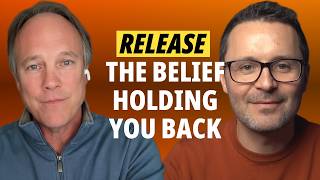
In this episode of the Habits of High Performers Podcast, host James Laughlin interviews mind‑architect and hypnotherapist Tim Shurr. Tim explains his role as a "mind architect"—designing the unconscious drivers that shape thoughts, feelings, and habits. Drawing on 36 years of practice and over 16,000 sessions, he describes how limiting beliefs act as invisible "parking brakes" that keep high‑performers from realizing their potential. Tim introduces his signature framework, One Shift Away, which focuses on identifying a single core belief, upgrading it through hypnotic regression, and then reinforcing new feelings and tools across three sessions. He shares a practical two‑question method for uncovering blind‑spot beliefs and emphasizes the power of language, positive reinforcement, and focusing on desired outcomes rather than avoidance. The conversation explores applications in sports, business, sales, and personal health, highlighting how belief work can transform anxiety‑driven performance into peace‑driven excellence. Tim also discusses daily habits for monitoring beliefs, the concept of "achiever syndrome," and the importance of self‑love and trust as a life purpose guide. The episode concludes with book recommendations (Tony Robbins, Wayne Dyer, Atomic Habits, the Bible, Stephen King) and Tim’s final advice: love yourself, trust yourself, and treat every outcome as feedback.
Chapters
Have you ever spent time with a mind architect? Well, today you're going to spend time with Tim Schurr, who's the world's leader when it comes to designing how our minds think. So, if you want more, you want to take away the stress and anxiety, and you want results at the very top level, this is the episode for you. Tim, a huge welcome to the Habits of High Performers Podcast. How are you doing?
I'm doing wonderful. Thanks for having me on your show, James. Appreciate it.
Oh, I've been looking forward to this one for a while. So, You have created programs that have transformed people's lives. In fact, I remember reading a comment and it was from Joe Vitale who said, you're the best hypnotist on the planet and you're my personal hypnotist. And from someone like Joe, if everyone's watched The Secret, that's Joe, to get a kind of feedback from someone like that says a lot. So could you just give us a little insight? What do you do and why do you do it?
Yeah, so I think of myself as a mind architect. I know a lot of people hear the word hypnosis and they go, ooh, what's that? Or that silly, but it really is the study of what drives us at an unconscious or a subconscious level. And I've always been curious about that because I have a really strong mindset. I work with a lot of people who have great mindsets, but we still get stuck. And if you have a great mindset, how are you still getting stuck, right, or pressured or overwhelmed or blocked in some way? And so, I wanted to go deeper. In fact, I met a lot of people that had spent years in personal development and they were still struggling with the same kinds of issues. And they always would say things like, there's this invisible block, or I don't feel like I've gotten deep enough to the root of it. And I'm like, well, how do you do that? And so that's where I spent the last 36 years figuring out that question, right? How do you turn anxiety into unshakable confidence? How do you release somebody from the biggest fears that they have or upsetting experiences of their life? How do you break those habits that just are unrelenting? And after years and years and providing over 16,000 individual sessions, I figured it out and I'm excited to share all my best secrets with you today.
That's seriously exciting. I mean, I geek out about the mind and I've been reading books since I was probably 10 on mindset. The very first one was called The Inner Game of Music. It was Timothy Gallwey was the author, I believe. And I read it to try and help me perform better as a drummer and it really helped. And then I got onto Tony Robbins and started learning about NLP and started to understand that this brain thing is interesting and it impacts the outer world. When you said mind architect, I felt like that meant I have some ownership as a person to dominate what's going on up here, to design and to change things at a neurological level. Is that what you think of when you think of being a mind architect? Hey, James here. I wanted to take a quick moment to let you know about something. Look, I get asked to deliver keynotes and workshops for teams and companies all over the world, from London to Antarctica, from America to Australasia, from armies to small businesses to large corporates to sports teams. But I go in and deliver keynotes around the mindset of high performers, around the habits of high performers, about how we navigate change. If you would like me to come and speak to your team or speak at your or deliver a bespoke workshop, please get in touch with my team. Caroline@jjloughlin.com will be able to help. I'll also make sure that we put that in the show notes. Takt?
Yes. Well, architects, they create inevitable outcomes. And when you work with me, we're going to create inevitable outcomes. We're going to increase productivity, performance, right? We're going to get those results that have been eluding you. You're going to feel super confident, more refreshed and recharged in the first 15 minutes, right? So, for me, it's about producing miraculous results because a lot of people talk a great game but then they're just not delivering. And these days, everybody's an expert on the internet. Yeah, you bet. And so, I've always had kind of a skeptical prove-it attitude. That's why I did so many sessions. I was obsessed with this and I tried every kind of tool and technique. I went to school for psychology. I got my degrees in psychology, but I found that cognitive behavioral therapy was just like positive thinking on steroids. And I wanted something that seemed to be more meaningful because you could be in therapy for 10, 20, 30 years and not really feel any better, right? Or you could go to marriage counseling and it makes your marriage worse. I had a counselor tell me when I was 18, he said, "Tim, you have generalized anxiety disorder." And I'm like, "Well, how do I get general confidence in order?" And he didn't have a clear answer for me and I wanted a clear answer. So, yeah, so that really— you're right. I mean, you got to take ownership. It's your brain. You got to grab a hold of the steering wheel. It's just that a lot of what's holding us back is not conscious. It's our blind spots. It's what we don't see. That's influencing us. And it's kind of like you're a high— like you, James, you're a high-performance race car, right? You're built for speed, you're built to win, right? You're built to zip around that track, right? But what if you had a parking brake that was set and you didn't know it, right? And it's causing this drag, it's causing this decision lag, it's causing hesitation in some way, right? So, and then what would happen if we just released the brake? We don't have to add anything to you. You're already brilliant. What if we just release what was holding you back? Right? And then, you would just take off and fly. And, that's what I do as a mind architect. We build outcomes that are absolutely going to work and produce results, and we're going to do it in a way that feels fun and joyful and effortless and produce quick results.
Incredible. Thank you, Tim. And, I want to go into that a bit deeper. And, these ideas of ACT, NLP, CBT, all the acronyms, you've probably found some components that are fantastic and others that are very limited. What would you say is your methodology?
So, my main focus is finding beliefs that are underneath the thinking, that are underneath the feelings, that are driving the habits and keeping them in play. So, I found that you're just one belief away from a huge breakthrough or one shift away. That's the keynote that I present on, One Shift Away. And it's about finding one shift in your perspective can create massive results. And instead of having like an 8-step checklist, right, and all these complicated ideas, if you can just create one shift in how you're looking at a situation, it can lead to extraordinary results in how you feel every day, how you show up in performance, and engagement and employee retention and all the elements that are important to companies. And personally, it makes us feel more peaceful, confident, and we can excel with peace instead of pressure. Most of us feel that the only way to succeed is through pain and hustle and working harder and working longer and working more, and it burns out even the most driven of us. So, in session 1, I'm looking for the biggest parking brake that's holding us back, whatever that belief, whatever that fear may be. And, we'll use a little bit of hypnotic regression to go back to that moment where the belief was formed. Most people are going back if they use hypnotherapy, they'll go back to this event or situation that was most responsible for the experience and then just try to change the experience. But, I found that if you find the belief that was created by your mind, without your permission, without your awareness, without your input, and you upgrade that belief, that is what leads to instant sustainable transformation. And then, in session 2, we upgrade the feelings, right? And then, in session 3, we start giving you better tools so that you show up as James 2.0 with more confidence and with more peace and with more joy. So that your goal becomes to squeeze the most amount of joy out of every day instead of always chasing money, which is what most people do.
100%, you're right. It's interesting when you talk about this idea of hustling harder, and I really resonate with that. So, my book, Habits of High Performers, if you look behind it in the back, it says, look, pick habits over hustle. And high performers are not built from hustling, they're built from really good habits. And then performers that stay at the top of their game in whatever field, they have a set of habits and beliefs that help them to perform. So, there's a couple of things I want to unpack. One, we'll look at belief. What is a belief? How do we form it? How do we change it? The other thing was just conscious, subconscious, unconscious, and non-conscious. I'd love to just look at the different levels of consciousness for those that are listening going, what are they? So, Which would you like to start with, the belief side of things or the conscious?
Actually, would it be okay if I ask you a question?
Absolutely.
So think about all those habits that are in your brilliant book and think about one habit that might be your favorite that you feel was the most beneficial for you particularly. And what might that be?
Supercharge your belief systems. Supercharging your BS. That's the one.
Okay, well, that's the one I would say as well. Now, when you think about supercharging your belief system, why do you feel like that works the most?
Because you can have the greatest goals and to-do lists and ambitions, but if you have beliefs that are disempowering, you're never going to take the swings and the action, and you're going to self-doubt and self-beat. So, I feel if you get the beliefs right, that to me, a mindset is a set of beliefs that shape how you make sense of the world around you. And so, if you can get the world to make sense in terms of what you're trying to achieve through a set of beliefs, anything's possible.
That's beautiful. So, when you first started your journey, say you're 11 years old and you're drumming and things like that, did you have any limiting beliefs about yourself at that time?
Yes, absolutely, Tim. So, I recall I was at a drum practice. I was coming home in the car with my dad and the drum coach said, look, I need you to play and I need you to count 1, 2, 3, 4, 2, 2, 3, 4, 3. And I just couldn't do it. And I was crying on the way home. I was like, Dad, I can't do this. I'm crap. Nobody in our family has ever played an instrument, and I'm not going to change that. And I should just quit. I'm not a good drummer. I do not have any musical ability. That was my belief.
Yeah. Which is incredible, right? And that's one of the things that I try to get through to people is that all of that, I mean, there was a world champion inside of you. Inside of the person who is thinking that I'm crap and there's no chance for me, right? But there was a world champion inside of you the whole time. And that's how it is for everybody. There's something— we're not adding greatness, we're just releasing the greatness, right? So when I say that we're releasing the parking brakes so that who you really are can shine through, that's a beautiful example of that. And then do you remember what it was that allowed you to shift from I'm crap and I'm not going to be able to do this to all of a sudden having belief in yourself?
Probably a couple of things. Having people who I respected give me positive affirmation. So, my drumming coach would say, "James, that's awesome," or one little thing I'd done good, "Hey, that's brilliant." My headmaster, who was also a musician, saying, "You've got so much talent. I haven't seen this much talent in a long time." So, other people's belief kind of triggered a belief in myself.
Yes. And that's typically exactly how it is, right? We're not born with beliefs. We come in and we're kind of like a blank slate, right? And then we start absorbing the beliefs, the ideas, the opinions of those around us. And so based on that, our mind tries to make up meaning of what's going on. And often the meaning that it comes up with is not very helpful, right? It's not always useful. And most of us are walking around feeling like we're not good enough, which is the biggest belief and fear that most have. Is that I'm not good enough. And because I'm not enough, I won't be loved. So how do I get love? How do I feel safe? Right? And that's when we become the superachievers or the ones who are the nicest or the ones who avoid conflict or the ones who are always helping others, right? Or the ones who are super successful and perfectionists and always have to be winning, right? So it drives us in those ways. I remember I had a horrible fear of public speaking. Now, there was an award-winning speaker inside of me, right? But, I didn't know it at the time. I would pass out if I thought I had to talk in front of a class or in front of a group. And, I remember it was my senior year and I decided to do a keynote on what happens when you have a fear of public speaking. And so, I just exaggerated the handshaking. My mouth getting dry and dropping the notes and everybody was laughing the whole time. And I was just basically just standing up there freaking out, but they thought it was part of the shtick, right? Part of the show. And then at the end, the teacher, she said, "That was the best presentation I ever saw. I wish we would have recorded it." And that went bam, right into my mind and planted that seed that there might be hope for me to do something like this one day. So, now what happened, so I'll get back to your question. What happened is that went into our unconscious mind, right? So, you got your conscious mind and your unconscious mind. And, your conscious mind is the part of us that we're using right now to figure this out, to analyze it, to see if we agree with what's being said or not. We look, we listen, we learn, right? And so, it's the analytical part of ourselves. And then, you have your emotional mind. Your unconscious mind. That's the part of you that both controls your emotions, and it's also like the library of your brain. So it stores your beliefs, your values, your life experiences. And then based on those beliefs and values, it's constantly guiding your conscious mind to make decisions without you even realizing that your emotional mind is making most of the decisions for you on your behalf. We think we're smart and intellectual, but we're really being guided by those unconscious beliefs. And, if you don't know what they are, then you're being guided by invisible forces that you're not even aware of. And, that's true for most people. And so, that's why a lot of the work that we both do is helping people to see those blind spots, to find those unconscious beliefs, because if it's controlling 80% of the show, it makes sense to work with that part of your brain. It's like the boss part of you. Let's go directly to the source and start creating magic there.
That's beautiful. And Tim, for the person that's listening to this, and maybe they haven't been thinking a lot about the mind and beliefs, how much influence does an individual have in shaping that unconscious?
So, I mean, if you do it on purpose, you know, you can upgrade your own mental operating system. So, but most cognitive researchers say that about 95% of the decisions that we make are being influenced at that unconscious level. And so, that's a lot, right? So, that means the majority of the decisions that you make with your money with your marriage or relationship, how you raise children, right? How you take care of your health, that's already been set up by the little kid inside of you. You might think that you're taking charge now, but every time you get stuck, every time you feel like you're losing willpower, every time you start to get anxious or afraid or overwhelmed or you can't turn your brain off in the middle of the night, it's because of what's going on at that unconscious level. And so, if you learn to work with that part of you, then it's like having this incredible friend, almost like a genie that lives in your brain that will grant wishes for you. And so, that's why we do what we do. And when you start to use that part of your mind to your advantage, that's when you start to see miraculous results that were once a struggle and now felt effortless.
That's beautiful. And Tim, for someone, I guess the starting point is to uncover the blind spot. Is there any tools in terms of people figuring out what their blind spot might be?
Sure. So there's a two-question approach. One of the things you can do. And so the first question is, what would I have to believe to think this way or feel this way or behave this way, right? So what would I have to believe to feel this way? And so if you just start to ask yourself that question and you just keep asking it, go for a walk, ask yourself the same question for 15, 20 minutes, right? And you'll just keep coming up with more layers, more understanding. Well, I'd have to think that this is what's going on, right? And we start to describe the situation or what other people are doing, and then we start to take responsibility. Well, this is what I'm doing and what I'm bringing to the table. And then You know, if you keep digging, you start to realize that, you know, well, I'd have to believe that— I'll give you an example. So, I was working with a guy one time and he had lost, he was an investor and stock market went south and he lost millions of dollars for his clients. And, he's really upset even though he made them millions of dollars as well and he was super successful, but he felt like he was a complete failure because, you know, he just didn't catch it, whatever it was in the market. And, He lost a lot of money for a lot of people. Some of them were his personal friends that he said, they saw his success and like, hey, do you think you could help me out? And he lost some of their money too. So he just had all this guilt and all this shame, which anybody would feel bad about that, right? But it actually, what it really was is because of something that happened to him when he was younger that made him feel like like, you know, he really wasn't good enough. You know, so he came to me because he had imposter syndrome, even though he had a track record of success. A lot of really famous people have imposter syndrome. They just don't talk about it. They secretly go to people like us. Yeah. And so, yeah, but anyway, so just for this story, I said, well, you know, you lost all that stuff. What happens now? And he says, well, you know, now I guess, you know, people are going to think I'm a failure. And I'm like, well, what happens then? He says, well, I guess then people are going to stop working with me. I'm like, well, what happens then? He says, well, I guess I'm going to, you know, lose my house, right? And he started getting upset. And I'm like, what happens then? He's like, well, I won't have any money. You know, I'm going to have to, you know, and then what happens then? Well, my family will leave me. I'm like, will your family really leave you? And he stops. He's like, well, No, but they'd be really mad, right? And I'm like, what would happen then? He's like, I would go get drunk. And I'm like, yeah. And he's like, I'm like, what would you do then? He said, I'd stay drunk. He's getting all defiant, right? All defiant. I'm like, okay. I'm like, what would you do then? And he thought about it, and after a few minutes he says, well, and this was really revealing. He said, I guess I would stop feeling sorry for myself. And I would go build it up again because I lost the money. Money comes and goes, but I have all the wisdom. I have all the experience that allowed me to get to where I am. I haven't lost any of that. I'm just going to have to rebound here and go make it back and put things right.
Right.
And I said, what would you have to believe, you know, to feel that way? Because his old belief was I have to feel like I'm a failure and nobody will ever trust me again, which is going to paralyze us. If we think we're a failure and no one's going to trust us again, we won't even go back out and call people up and let them know we're going to be okay. We would avoid them, which would cause them to lose their trust. So we would actually cause the very fear that we're afraid of. So then the second question is, what would you rather believe instead? And he said, and the new belief became that I'm just as competent. I'm going to go make it right and I'm going to end up winning. A friend of mine, Willie Jolly, wrote a book, A Setback Is Just a Setup for a Comeback. Right. And so the new belief is I'm going to go rebuild it and it's going to be better than ever before because I'm never going to make that mistake because I just paid heavily for it. But I got the wisdom now. I'm a wisdom collector. I always teach people to be wisdom collectors. I bet you do too. And so now he has this new belief that I'm going to go up there, I'm going to be better than ever. Then he got all fired up and then he went and he attacked, right? And that's exactly what he did. He built it all back. And so, yeah, and it's all because of that belief. But if we wouldn't have shifted that, if he wouldn't have used those questions, then who knows what would have happened? It wouldn't have been any— he might still be drunk.
That's so amazing. I love it. I can relate to this so much in my own life and with clients, without a doubt. And it's interesting in sales, working with sales teams or sales individuals, if they have a bad quarter, it's almost like they lose all belief, all of that. I can't do it. I can't lift the phone. I'm going to lose. And it's a whole rewire that's needed. But then when they learn to rewire it, anytime that lack of belief comes up, they've got a tool or a skill that can help them. Get back on the stage and perform.
That's right. Yeah. That's why with the One Shift Away programs, I, you know, in those situations, I'll show you how to get your shift together.
I love it.
So you're not losing a whole quarter, right? You might have had a bad day. If you're really good, you might have a bad hour, but you learn how to shift it, right? Using the beliefs in this and the habits, you know, of high performers. The habits and the tools and what we share I mean, that's really available, right? So, it's really good and people need to be reminded of that often because it's surprising how many people still don't know these high-performing habits and why the people who are really successful are getting such better results even if they're not as talented. I mean, I know a lot of people and I used to do it too. I'd be like, "Why is that person so successful? I'm smarter. I have these tools. I have this experience. Why are they?" farther along, which is a recipe for suffering, that comparison, especially on social media these days. But, the real answer is because they have a different set of habits, right? Successful people literally think differently from everybody else. So, that's readily available. It's usually what people aren't seeing that's holding them back. So, they don't know the difference between their habit and a really effective habit., right? Or they don't realize that they've got great habits, but they still have this belief that they're not worthy of having all this success. I know people that feel like guilty that they've made a whole bunch of money, right? And so, they find ways to get rid of it and/or lose it or make bad investments or spend it unwisely because emotionally, they had people growing up that are saying, "Well, who do you think you are?" you know, or, oh, you're high and mighty now. Or when I started working with companies, I had a group of people that would say, oh, Tim's gone corporate, like that was a bad thing, you know. And for a little while, I started not pitching companies because I didn't want to be corporate. I didn't want to lose the love of my friends, right? And then I'm like, if that's crazy, I had to upgrade that belief. You know, they're not really friends if they're not excited about my success. And my success is just going to elevate everybody else. So it all comes back to beliefs.
Yeah, 100%. I'm with you on that, Tim. And you see it in the world of sport. So I work with some athletes and some teams and it's the halftime and they're down 6 points and it all comes down to not the coach swearing at them, not the coach screaming. It comes down to like, how does the coach help them unlock a belief in here? And that's where you see things turn around in the second half. I guess life's no different, right?
That's exactly right. That's exactly right. And too many people are living life on the sidelines because they're afraid of getting hurt. They're afraid of being embarrassed. They're afraid that it's not going to work out again. And I just don't want to go through it, so I'm not even going to try, but I will beat myself up for not trying. But those are the people that can't get motivated. Those are people that finish half the book, but they didn't finish the rest, or they finished the book, but they never published it. Right? Because they're just so afraid of that disappointment. So, if you get into those athletes or those teams, you get into their mind and all you really got to do is just believe in them, right? Believe in them. And that's what helped us, right? When you talked about your drum teacher, when I talk about my speech teacher, right? And how they would believe in us or they would make these comments that allowed us to believe in ourselves. That's all we needed. We ran with it. We took it from there. When you're working with elite athletes, they just need a little bit, just a little shift, and then they know what to do. They already understand work ethic, motivation, hustle, drive, passion. They already have that. That's why they're on the team. That's why they're in that moment. What they need is just that belief shift to get them to be excited or to associate, get that pleasure again., right? Get them connected to the outcome because they're focusing on what's in front of them. They're not focusing on the outcome, right? So they're focusing on what went wrong, you know? And then when people focus on what's wrong, then it's like they're playing not to lose. And if you play not to lose, guess what happens? You know, you feel like you're losing even if you're winning. So we got to get back into that mindset of playing to win, right? When you play to win, you're focused on the outcome. And then you're making moves and correcting on the fly to get to that outcome. Most people don't realize, James, I know you do, but most people don't realize that their brain works just like a GPS. You type in the destination you want to arrive at and it'll start to take you there. And if you mess up, it just course corrects in a real friendly way. It just says, "Make a U-turn at the next—" That tells me that all the time. "Just make a U-turn and then I'll course correct to still get you to your route to where you want to go as fast as possible." our brain will do that too. But people are not focusing on what they want. They're focused on what they don't want and what they don't have and why they don't have it and whose fault it is. And so if I tell my GPS, do not take me to the post office, it's going to take me right to the post office. And so that's another tool that you can use. Ask those two questions. What would I have to believe? And then, you know, for me to be feeling this way, and what would I rather believe instead? And then, another tool is what are you programming your GPS with? Are you focused on where you want to go or are you focused on where you're avoiding and what you're afraid of?
That's so powerful, Tim. I can see it in my own life and with people around me that often we do focus on what we don't want. Now, let's say it's someone who wants to be fitter and healthier, they'll say, "I don't want to be fat anymore." And all of a sudden, 3 or 4 years later, they're still getting the same results and the same body outcome that they don't get any pleasure from. I see it with clients around sport. They just, I don't want to be sitting on the bench. I don't want to be sitting on the bench. Instead of focusing on, I want to be center field. I want to be center field. Why do we focus on what we don't want?
I think that people just haven't been taught. And also, I was doing a program one time for a company, and I decided that we were going to pick the emotions we want to feel more often. Tony Robbins always talks about resource states, which are just feelings. And so, we're going to pick the feelings we want to feel more often on purpose. So, if today is going to be joyful, if today is going to be creative, if today is going to be passionate, if today is going to be playful, if we're going to get curious today, if today is all about funny and humorous, then we're going to pick the feeling that we want to have. And so, I Googled 100 feelings, the top 100 feelings, and I noticed that about 75 of those 100 describe negative feelings. So, it's literally built into our language. So, when it's built into your language and then you have devices now with our phones, you have devices that are constantly feeding us every bad thing that's going on in the world. It reinforces what we have to stay away from, how we have to protect ourselves, what we got to get away from. And so I think it's one, a lack of understanding of how your mind works, because truly, where are you supposed to learn that from? You're not going to learn it in church because we're taught to rely on God. We usually don't learn it from our parents because they never learned it from anybody. They're not teaching this in school. They're not teaching it in college. Even in my psychology courses, I had 33 psychology courses at the college and then master's level and I didn't really learn this there either. So, where are you supposed to learn it? Most of us learn it from personal development seminars when we're adults. So, I think that those two influences are what cause us to get stuck. And, when you talk about the weight loss or the The weight loss, for example, I remember someone came to me one time and he said, "I don't understand. I want to lose weight. I'm totally fired up and I tell myself all day long, just don't eat the cookies, just don't eat the cookies." And, your brain doesn't hear "don't," it doesn't process negatives. And so, what it hears is "eat the cookies, eat the cookies." When I would work with athletes, they would go to the bat like a baseball player. I remember one time he would go up to bat and he would just say, "Just don't screw this up." Just don't screw this up. And then guess what he would do? He would screw it up, right? I would teach verbal first aid language patterns to first responders, fire chiefs, paramedics, ER doctors. And I remember I had a lot of paramedics who I started noticing in their training, they would tell stories and they're like, I'm sitting there and I'm keeping this guy alive. I'm putting the IV in them. We're doing chest compressions and I'm just yelling at the guy, just don't die on me.
'Just don't die on me.' And I'm like, 'Oh my God.' Fundamental flaw at a language level right there.
Even, even the billboards— I don't know how it is in New Zealand, but in America we have these billboards and it would say, 'Don't drink and drive.' And I'd be like, 'Okay.' Yeah, it's like, 'Don't take, don't take drugs and drive.' And I'm like, 'Guys, yeah, don't do drugs, right? Don't do drugs, right?' So they did change the campaign years later, and I saw new billboards and it said, 'Stay sober.' Okay, bam. Now, your mind knows exactly what to do. In a leadership capacity, a lot of times I observe managers only paying attention to what people were doing wrong. You didn't do this right here. You didn't do this right here. You had to do, you know, this needs to be a little bit better. They do their performance reviews and you revealed all the things that you missed and didn't do well, right? And they were always, people felt terrible afterwards. And of course, what you celebrate, you replicate, right? So, if they're accidentally watering the weeds, they're going to get more weeds. If they're accidentally only focusing on what people are doing wrong, then they're going to get more of that behavior. They're reinforcing it. They don't even know it. I don't understand. I'm coaching them all the time and they're just not getting it. Okay. So, what we got to do instead is we got to shift that and catch them doing things right. You just constantly catch people doing things right. You start looking for what they did well, and you compliment that specifically. What you celebrate, you replicate. Now, all of a sudden, they're associating pleasure to these new behaviors. Because I've had managers that say, I don't get it. They're just dumb. They're just lazy. They don't want to learn. I've taught them the same thing 10 times. They keep making the same mistake. And then I listen to how they're teaching them, and I'm like, oh, they're not lazy or dumb. This is a communication You know, this is an opportunity. This is a communication opportunity for growth that's going to make your job easier. Notice the words I'm using.
So that's really hitting the taste in me. Problem. You're not, you're not telling them they're doing this wrong. You're saying this is an opportunity.
I like that. I would have done the same thing to them. Oh, you're doing this all wrong. Yeah. Well done. No, but yeah, instead, you know, you just like, wait a second. You know, this is an opportunity. "Right, and this is what we can do to make your life easier. We can take the pressure away, help you feel more peaceful, and get more, not only more effort and productivity out of your team, but also some discretionary effort as well." Because if you really care about people, they're gonna give you more than what they're paying for, you know, and that's gold to a lot of people. And so, you know, there's so many ways to, people talk about if you can just be 1% better,. But what if you could get people to be 30% better, 50% better? How fast can you go if you release those parking brakes?
That's what I want to know. Yeah, that's powerful. I love that. And I want to just for a moment shine the spotlight on the amazing work you do globally. So, for many, many years, you've been traveling the world delivering keynotes, workshops, trainings for all sorts of people and companies. This year, 2026, What are you excited to share with them? What's the keynote or the message that you really want people to think about as you step into 2026?
Well, thank you. That's great. So, I've got this keynote, this new key— it's not new to me because I've been working on this for the last 15 years with people. But it's a new keynote called One Shift Away. Everybody knows me for One Belief Away, but this is One Shift Away. And this is how it works in corporate America. This is how it works with high-performing teams that are already really good. How do you get a little bit more out of them? And I find that once they have those high-performing habits and once they've got the culture in place, what do you do next? What's that next piece? What's that next edge? I remember I had a coach from the Olympic wrestling team and he was talking to me and he's like, "I'm looking for some way." He wanted to use hypnosis. He's like, "I'm looking for some way to get just a half a percent more because these people are already incredible." right? They're already at the top of their game. So, if I could get a half a percent more, right? Or I remember working with this one company president and he said, "You know, if you could help our team with 1%, you know, 1% for us is millions and millions and millions of extra dollars in revenue every year, right? And so, just 1% would be amazing." All right. So, well, what do you do to get that, right? And that's where you create this new, you know, one shift away approach where you don't have this whole checklist of things you've got to do. It's not just motivational. There's a lot of great motivational people and you go there and you feel amazing and you go right back to what you were doing before the conference, right? So, this is tactical, one simple shift that can lead to instant results that are sustainable. And so, I'm excited to share that with as many people as I can.
In the coming year. Yeah, me too. I can't wait for you to transform people. And for anyone that's interested, I'll put all your details as well in the show notes, all of your books in the show notes. So if people want to get in touch or hire you to speak, then they can do that. So let's think of the listener right now. We go hone right in on what they're doing on a day-to-day basis. If you were to work with them and you were to help share some of the most powerful habits that you have in your life that have really impacted you, what would some of those daily habits be?
Oh, you gave me the question back, right? So, some of my habits, yes. So, I think the habit that helps me the most is I'm constantly thinking about what I'm believing, right? So, I'm constantly asking myself, I'm paying attention to what I'm saying to myself regularly. And, noticing that if I start to feel tight, if I start to feel overwhelmed, if I start to hold back, I'm immediately trying to figure out, alright, what's the belief that's going on inside? I've conditioned myself. I have Post-it notes. What are you believing right now? Because no matter what level you're at when you're growing, there's always going to be another level of limiting belief. That when you bust through it, it gives you more insight, more wisdom, more experience. It leads to new opportunities. That's how we got to connect. And so, that's part of the growth process. So, I'm always looking at what I'm believing. Another thing I'm always paying attention to are the questions that I'm asking myself. The quality of your life is being determined by the quality of your questions. So, I'm always noticing, are my questions empowering me? Are they coming from hope and faith or are they coming from fear and pressure? So, fear-based questions are like, "What if it doesn't work out? Whose fault is this? Why does this always happen to me? How come the only luck I have is bad luck?" These kinds of questions. If you ask a lousy question, your brain's going to give you a lousy answer. Power questions do the opposite. So power questions are like, well, what do I want to have happen? How do I want this to go? Who can I lean on for support? What resources do I have? How can I make this more fun? What's great about this situation?
Yeah, that's really powerful. And in terms of physiological habits, do you have anything specific that you do on a daily basis? And that could be movement, it could be meditation, journaling.
Anything like that? Yes, my wife and I just started a new routine, a stretch routine together. So, and that's not something that my wife and I do. Some people come on and they act like they have this perfect life and they're doing all these routines with their— not my wife and I. We've been married 30 years, you know, and this is the first time that we decided that we're going to do some stretching in the morning. You know, we've been praying, we've been stretching. We actually sat down and kind of did some planning and brainstorming where usually we get up and then we just go and do our lives, right? And then we meet afterwards. And this time, we're bringing it back together. But I think that, you know, especially I'm 55 now and so it's important that I'm stretching. It's important that I'm walking, that I'm moving, that, you know, I'm doing exercises that strengthen my body as much as my mind because For a long time, I neglected exercise because it wasn't as important as trying to figure out how to make more money or grow my business or reach more people. That was a lot more enjoyable than going for a walk or working out and feeling sore. So, I had to change that belief. That's a limiting belief, right? Because my body's my sanctuary, and if it's not good, I'm not good. It's what carries the brain. I'm not going to be able to do anything if I don't take care of my health. I have worked with several people who were incredibly successful financially and 300 pounds because they just never took care of themselves. They're always taking care of their business. So, yeah.
So, I think that— I really do. And, it's interesting, you've mentioned a couple of things that really get me excited, this idea around We often go to behaviors. We want to change the habits. We want the quick life hacks to win. But actually, it starts with beliefs. Those beliefs shape your attitude, and that attitude informs your behavior. But for whatever reason, we all go straight to behavior. Let's get the quick hacks. What did the famous person do to get rich and all that fun stuff? But actually, it starts here. And you're saying that you had a big shift and your belief around this is my body, I need to keep it healthy if I want my brain to be healthy. That was a big belief shift for you, I imagine.
Yes, I had to get my shift together. Hey, I like it. I like that.
Yeah.
And so, yeah, that's what I had to do to take care of myself. As entrepreneurs and people who are into helping other people to live their best lives, we have to make sure to take care of ourselves first. And a lot of times, we're not good at that like our clients because we're out there working and hustling and we have so many activities and we have so much pressure and uncertainty that we go through. As they say, heavy is the head that wears the crown, right? There's just so much pressure. I spend most of my time with business owners and executives and people who are high performers. And You know, people see their success on the outside, but they don't see the crushing pressure that most really successful people are under daily, like 24 hours a day. In fact, it got so bad, I started calling it achiever syndrome because I just noticed that, you know, it's like even on vacation, you're working because you can't turn it off. And I'm like, why is that? And it was because there's this belief that you're either going to miss out on an opportunity that someone's going to blindside you or steal your opportunity or things are going to fall apart, right? That you got so much going on that if you take your foot off the gas, everything's going to fall apart. You'll lose everything, right? Or you'll lose your edge. And so, we're really being driven by anxiety instead of by passion. And I would say that most people are being driven by that anxiety more than anything else. Unless maybe, well, not even then. So, I was going to say if you started out wealthy, a lot of the people that I worked with built their own wealth and success, but I have a lot of clients that were born into families and generations of wealth, but they have the same anxiety. It's just different. They're not afraid of losing money. They're afraid of losing respect or power, or they feel so lonely and isolated. And that's why so many people get wrapped up in drugs and things like that or end up ending their life. And the whole world loves them. And you're like, how can this possibly happen?
We see it with great actors and athletes and celebrities who take their lives. It's like, God, yeah, there was so much love for that individual. But obviously upstairs in the mind, there was other things going on.
Yeah, there's limiting beliefs in there. That have never ultimately been addressed. And that's unfortunate. You know, my mission is to end needless emotional suffering and I see it. And, you know, sometimes it's really difficult because I'll see it in someone who's talking in an interview and I wish I knew them and I could help them. It was one of the reasons why I had moved out to Los Angeles for a number of years. You know, I was going to go find people that, you know, look on the outside like they had everything or they just won an Oscar, but on the inside, they've got eating disorders, they are losing their money because they're spending it wildly because they're trying to fill a hole in their heart that's not ever going to be filled with material possessions or they're surrounding themselves with people that are not good for them. I was going to go out there and rescue people.
I get it. Some of my clients over the years, yeah, they've been highly successful on the outside but a real hot mess on the inside at times with whether it's relationships or well-being, finance.
So, I 100% get it. And they're super talented and intelligent people. I mean, incredible people. But we're humans and we all have our blind spots. Everybody has them.
And we just need help finding them. And that's where you're the world's best at it. And there's so many people that stand up and say that about the work that you do. So, I'm glad that we've had a little peek into your world. And I'm going to remind everyone The links to all of your incredible books, bestselling books, are in the show notes. If they want to hire you to speak or for a workshop anywhere in the world, I'll put your details so they can get in touch with you. Can I ask you just a couple more questions before we wrap up?
Yes, yes. I'm loving your questions.
So, ask away. Thank you. What have you read, any books, 1 or 2 books that came to mind that you didn't write that have really inspired and informed the life that you've got?
Hmm. So, you know, that's really interesting because I have two genres that I love. So, the first one, I've read every book Tony Robbins or Wayne Dyer, Zig Ziglar have ever written. They're masters at their craft. And so, I love their books. Atomic Habits is a really good book recently. The book that I've been reading most often on personal development lately is the Bible. So I've been going through and reading the Bible again. Bob Proctor told me one time, he said, the book that I have on my desk that really taught me to be successful was Think and Grow Rich. I read it every day, and I thought, that's really awesome, but that doesn't help me with the spiritual piece of it. Right. In that book, it makes it feel like I'm God, and I'm just not qualified for that position. Yeah. So, the Bible is what I've been reading for personal development. And then, Stephen King, the whole other side, he's such a master. I just finished his book, "Billy Summers," which I'm sure they'll turn into a movie. So, he's known for horror novels and stuff like that, but he's just such an exquisite writer. So, that was the very last book that I just finished up with him.
Oh, thanks for sharing that. That's lovely. I love it. And a very final question. So, if we were to fast forward many years into the future, you were highly aware that it was your last day here on Earth, someone very young that you love dearly, maybe someone in the family that's very young, they come in and they say, "Tim, how do I go about leading my life on purpose?" What would you say to them?
Love yourself so you can trust yourself. If you love yourself, you will trust yourself. If you trust yourself, you'll make bold moves. And then if it doesn't go that well, that's not that you're wrong. That's just that the situation— you need to learn and correct on the fly, right? There is no failure. There's just feedback. Collect wisdom and remember that it doesn't matter what shows up. What matters is how you show up. It doesn't matter what's going to happen to you. What matters is what you're going to bring to the situation. So above all else, Love yourself so you can trust yourself.
That's beautiful, Tim. I want to say a heartfelt thank you for an amazing conversation. I hope it's the start of many conversations.
I certainly took a lot away from it. Yeah, I enjoyed this thoroughly. I'm sure we're going to talk again real soon. Thanks for having me on your show, and thank you for all that you do, because you're making a huge impact in the world, and I'm a big fan of yours as well.
Thanks, Tim. I deeply appreciate it. We'll chat soon.









