Paddy Gower on Overcoming Bullying & Alcoholism, Finding Connection in the Digital World
Transcript of a Lead on Purpose podcast episode (host James Laughlin) featuring journalist Paddy Gower. The conversation covers Gower’s childhood bullying and nicknames, a school ‘bun’/‘dick bun’ scandal anecdote, his 30-year struggle with alcohol and decision to become sober ~3.5 years ago, the role of connection/optimism/purpose in personal change, communication and listening skills, and practical habits he uses to stay optimistic and purposeful. The episode also promotes Gower’s book This Is the Effing News and includes career anecdotes (e.g., speaking to Donald Trump) and reflections on leadership and public connection.
Chapters
I'm Paddy Gower and this is the fucking podcast.
Paddy Gower, one of the most well known faces and names in the southern hemisphere. He's been awarded the highest award you can imagine in journalism. Dedicated a quarter of a century of his life to it. He most recently wrote a book called this Is the Effing News. Absolutely incredible read where he opens up about his struggles in life, about his struggle with, with alcohol and of course, his life after giving up alcohol. So I flew up to Auckland, sat down with him and we chatted about everything, including the famous dick bun scandal. Yes, there's a little bit of humor to this one. I was belly laughing. My videographer almost had to leave the room. So there's a bit of humor today I think you might enjoy, but there's also some really tactical insights and wisdom from a man who has really transformed his life. Pg, or Paddy, as I like to call him, is going to share some amazing gold with you. So please sit back and enjoy the show. The Lead on Purpose podcast is sponsored by NZ Mortgages. Learn more at nzmortgages.co NZPG, a huge welcome to the show.
Oh, thank you very much, James. And yes, I do like being called pg. By the way, Patty is probably my nickname. Obviously my name's Patrick, but PG is, is the nickname that I really like. I like Patty, but PG is the nickname I really like.
I love it. Well, I'll say. Well, we've got three things that are very clear that we have in common. One, we are both patties of Irish descent from you and clear Irishness from you.
Yeah, you're a little bit closer than me, I can tell by your accent, but just a bit. Yeah.
Secondly, both of our middle names is James.
All right.
And that'll be confusing for many of my listeners who know me as James. Yes, I do go by my middle name. And third, we are both sober and alcohol free.
Yeah, well, that's pretty awesome and worth a handshake to start.
Absolutely.
Well, yeah, yeah, yeah, yeah.
It's a big deal.
Yeah, yeah. It's always, it's always great to meet someone who's sober.
I'm with you on that. It's, it's not an easy world at times to make that decision.
Yeah. But it's, it's, it's been amazing meeting people like yourself through sobriety. You know, we are a little club within, you know, within life. And it's cool to meet other club members as they, as they pop into your life. It's awesome.
I agree. And I want to Go into that a bit today as well, just around that decision and how it unfolded. But I guess the first things first. Many people really struggle to take action towards their dreams out of fear of what other people think about them, how they look, how they sound, how they act. What's your message to the person who's struggling to take action towards their dreams?
Believe in the possible. You know, that's how I started to get towards my dreams. And in fact, in terms of, you know, I'm one of these people who. I've been lucky enough to live my dreams, I guess, but, you know, I've done that on purpose. You know, I've done that with purpose, and I've done it on purpose. But not always. You know, I think along the way, I got to my dreams kind of accidentally sometimes, just by working hard and being focused and just, Just following what was in front of me and being very instinctive and not actually having a plan. You know, I never sort of sat back when I was younger and had a big plan to end up where I have today. And in fact, you know, I was. I had all sorts of different dreams, really. I wanted to be a writer and a magazine writer and things like that. I never had a dream to be a broadcaster, which is where I've ended up. But along the way, I would start to reach different goals and things would happen, and a lot of it happened by accident. It really did. And it happened by working really hard and having some luck. And I never had a plan. But as time went along, I started to realize, oh, well, you know, if I put some structure around this kind of thing, if I believe in the possible, if I start to be optimistic that something's going to happen, then maybe it will. And I could look back to things happening in my life and going, oh, I know why that happened because I was optimistic and I believed and I thought, thought it could happen, and I visualized it and I took some steps towards it and, and there were examples in my own life of that happening and, and, and something I do now which will help those people that are sitting out there with things standing in the way of their dreams is, Is what I call trained optimism. I force myself to be optimistic about something. I, I visualize something happening. I believe in the possible, and then I try and take the steps to get to it. Doesn James. But, but that's what I do. So my message to those, those people is, is believe in the possible. That is the start of, of, of getting to your dreams is believing that it can happen. It's not easy, but it does work and I'm, I'm living proof of that.
Yeah, I can see that. And it's as I read your book, which by the way was bloody awesome.
Thank you.
Anyone that's watching right now or listening, get to the show notes and order the book. It was amazing. It was heartfelt, it was emotional, it was sad, very sad at times, it was very exciting and thrilling at times. But the one thing that I kind of honed in on was little pg. PG As a boy at school, God, it sounded like it was tough, real tough at times.
Yeah, I mean it was, it was tough and you know, it was tough and it wasn't tough. But you know, when I was growing up, particularly in my early teenage years and mid teenage years, you know, I had very, very big buck teeth. My nickname was not pg. It was Paddy Carrots or it was Bugsy or it was I'm going to knock those big teeth of yours out or these sorts of things. And I had gigantic teeth, a huge overbite. And as I kind of got older, I had very, very bad acne. When I was in my mid teens, When I was 14, 15, 16.
My facial features started to develop like they are now while I was in puberty. And I wasn't that big to sort of add into the mix and you know, all of these sort of things conspired and I would be teased a lot about my looks, even though I had a really, really good set of friends and a great family and all of that sort of thing and lots of love around me.
PG was a nickname that I had then from my mates and that's why I really like hearing it now because I actually had a lot of other. Well, they're not nicknames, they were actually names. And it would mean a lot to me to be called PG because I knew that was the guys that weren't teasing me. You know, it was in the schoolyard. And although it wasn't a sort of a, you know, it's not this hardest life in the world at all. You know, I had a great life and great friends. Anyone out there who. And there's so many people who lack self confidence around the way that they look. Might be their height, might be their facial features, might be their hair or all these sorts of things that just hold so many people back. They will know what I'm talking about when you feel like you are ugly. And that is how I used to feel or be made to feel earlier on in my life. And, and that hangs with all of us, you know, like I said, looks, hair, weight, height, all of these things. You know, whether you're short, whether you. Sometimes people are tall leaves them with issues and. And it definitely left me with issues. It made my personality a little bit what it's like today. It's not. You don't need to be a psychologist to work out that I'm a pretty funny guy and I got that way by diverting from sometimes attention on myself and left me with issues.
For much of my life. So it wasn't like it was hell. But it's a big part of who I am and why I turned out the way I did and, and why, I guess, for instance, I had problems with alcohol.
Are you a class clown? I could sense. I wanted to ask you a question very specifically for the.
I was the class clown of class clowns. Yeah, I was. I was right up there. If there was a class clown Olympics, I would have been gold medal sort of stuff.
Judging by your book, if it goes anything by that, then yes, definitely. For the person hasn't read your book, there's one bit I want you to let them in on.
Yes.
So I believe at your school there was a bun scandal.
Yeah.
What exactly went down there, Patty?
Yeah, well, we. I went to Francis Douglas Memorial College in New Plymouth there. And. And there was. There was day boys like me, and then there were boarders, which are all of the farmers and, and guys who would come in from out of town and. And they would get their lunch at school every day. Now, my mum, I had the best mum ever. Her name was Joan and she would make my lunch every day and she would put a lot of effort in and I would take a beautiful lunch to school and she'd make me buns, sesame buns, and she'd put salami, you know, not from a roll but from behind the counter, and fresh lettuce from in our garden and fresh tomatoes from our garden. Cracked pepper and cheese and she'd wrap it up and everything like this. Anyway, these were very much in demand from the Borders who were sort of feared a daily kind of hot dog and sort of pie kind of routine, you know. And every now and then I would. I would, you know, do a trade. I'd swap a Joan bun for. For a Borders lunch. But, you know, Joan buns was so good that, you know, maybe I could, you know, get a donut or something off these borders as well, you know, it was sort of. They were very high value anyway, these buns, which were.
Like a hot dog, but with a shorter sausage were called dick buns by us boys for obvious reasons. Okay. And one day I got this dick bun and I put it inside my little school pants with the zip in the place where, you know, a dick would go. Right. And then, of course, I took. Been the class clown gold medalist. I decided to go extra level and use the donut as well for a bit of extra. A bit of extra oomph to the gag. Now, I walked across the schoolyard with this on and there are a lot of people laughing and everyone came out to see it. It was very, very unusual sight in the schoolyard. And then of course, we were run by a pretty conservative bunch of Catholic brothers and. And I was tackled to the ground. And next minute I was in the principal's office and mum and dad were called up to the school and it was explained to them why they were there. And I, you know, and, you know, they were sort of thrown around all these sort of words like, you know, pervert and stuff like this. And we're sort of being hiffed around in the principal's office. As you can imagine, it was relatively stressful for my mum and dad just a little bit. Yeah.
And.
And one of the things that really stands out is, you know, a. You know, when we said I was a really big class clown, I think this can start to show people.
You know, but I did like making people laugh. I was always a bit edgy. But, you know, there was no real explanation for this particular stunt other than just having a laugh. And I don't know what it, what it really says about me or anything like that. But, you know, it's hard to explain. But, yeah, like I said, you know, I've got a very strong strand in my DNA of being the class clown.
And I love it. Pg, like that's legendary. Like, if I had happened at my school.
Yes.
You'd be getting multiple high fives.
No, no. And it's still Talked about now, 30 years on and it is very, very well known.
The famous Dick Bone scandal.
Yeah, the Dick Bone scandal.
So good. The one word that comes to mind when I think of you is change. So, like, you've changed a lot since the scandal, but there seems to be like, the scandal.
I like that. Otherwise. Yeah, yeah, yeah. Yes, that's right. I've changed a lot since the scandal. Yeah, yeah, yeah. Dick Van Gate.
You gotta write a book just about that. Life lessons. But I think that change keeps coming up. There was a lot that you went through and changed professionally, personally, and the person listening Right now is either going through a big change or, or if they're not, they're about to go through it, because that's the way life works. What have you learned about the tough changes and how to navigate them?
Yeah, I mean, I've two things I think I can talk about, talk about both of those, you know, having change forced upon you. You know, I was made redundant last year with everybody from newshub. That is a huge amount of change to someone, you know, I was 25 years into a career. I've been working at TV3 for 15 years. That is a huge amount change to be thrust upon you. You know, as well as the industry itself, the media industry itself sort of combusting at that point. You know, that's a lot to deal with. So that's, that's a good example that we can talk of, of when change is forced on you and what you can do at that point. Another area of change that I often like to talk about and and is, is giving up alcohol, you know, because that's where I changed something that I needed to change in myself. I wanted to make a change, and I found the power within myself to change something that needed to be changed, and that was getting alcohol out of my life. And that took deep inner power. So both of them, in my view, you know, having changed, thrust upon you, you need deep inner power if you want to get through, get through that. If you want to change something in your life and it doesn't need to be alcohol, there's many, many things that people have about them that they want to change and they feel that they can't. You need to find deep inner power within yourself and, and I think both of them, in both of those areas, you know, I like to. To follow my own manifesto, if you like, which is connection. I like to feel connected. I feel that gives me a real sort of inner sense of strength. I like to be optimistic. I feel that optimism gives me inner strength to, to deal with, with what's coming. And I like to act with a sense of purpose. So purpose is the third thing that I like to do. And I feel that all those three add up and either give me the ability to change, like get rid of alcohol out of my life, or, you know, deal with big change that comes into my life. It gives me that strength to deal with it. If I'm connected, if I'm optimistic, if I'm. If I'm working or acting with purpose, I have that resilience where I can either change something which takes an incredible amount of effort or I can deal with a big amount of change that comes in. So that's my own methodology or process that I've kind of come up with to work through. And I feel there's a lot in it for other people as well. It's very simple sort of three or four step process that other people can, that other people can follow. But that's how, that's, that's what I do to, to, to get through things. James.
It's really powerful, pg And I think, you know, a lot of our listeners are leaders. They're busy, they are under stress and pressure. There's a lot of change going on. If they're listening right now, they're always looking for speakers for their events. I'm going to encourage them to consider getting in touch with you, pg, to bring in those three elements so that their teams can adapt to the change that if it's not happening now, it's going to happen tomorrow. Because I think the way that you tell stories lands, it comes from the heart, lands with the heart. And often at corporate events it can be quite stiff and a little bit premeditated. So I hope that if someone's looking for a keynote speaker on change, PG's the man.
Yeah, and I think connection is one thing I'm very, very good at, you know, being a journalist for, for 25 years, you know, in journalism, it's a, it's, it's about human to human contact really. There's, there's a lot that goes into it, you know, and when you, when you make television or you make something for the Internet or, you know, put a newspaper together or you put a radio show together, there's, there's all of these technical elements and there's, there's all the things you need to do to get the information. But in the end, like so many things we do, it's about human connection. Yeah, that's something that AI or anything is never ever going to be able to replicate. And I think so often.
If we're leaders, we forget about the power of connection and about how it's all around us. You know, the example I often use about myself is, is the fucking news. You know, when I see that in the library, which by the way, the library is just over the road here where it all happened 10 years ago. Okay. We're, we're in Auckland here and it happened just at the law library, which is literally just through there. You know, that sent me viral globally saying that. And you know, it was, it's incredibly Funny. But for a long time I was trying to be a big, fancy political editor and have all this gravitas and all of these sorts of things, and I just didn't actually like it, you know, and, and I thought it was distracting from all of this journalism I wanted to do. And, and people were getting tattoos of it and people would come up and say it to me on the street and they'd yell it out at me, and everywhere I went the F word was getting hurled and, and, and people wanted me to say it again and again. And I actually didn't want to because I wanted to distance myself from it because I thought I've got to be this journalist with gravitas and, and holding politicians to account and, and that kind of thing. And then, you know, I actually realized, like, so many things in my life, and this is why I like speaking to people like you and trying to pass on these lessons. I realized that this is. The news gave me a gift, a taonga.
You know, it gave me the power of connection with all sorts of kiwis who wanted to have a laugh and a joke. And it was essentially let me sort of grab them and have the laugh and joke with them, but then hold them there and talk to them about all the other things. I want to talk about addiction, our health services, things that are happening out in our country, climate change, all of these different things that I've. I've wanted to bring up with New Zealanders and raise with them. Because of a viral skit, you know, because of going viral on YouTube for swearing in a library.
I've watched it like 20 times. Every time.
That's right. You know, because of that, it gave me this gift of connection. And I think, you know, two things while we're on the subject of connection. It is absolutely vital to all of us, but more importantly, it's, it's. It's our point of difference as human beings. It's what computers AI. Nothing can replicate it. Nothing, absolutely nothing can replicate human connection. That's what makes it so powerful. If you're a leader trying to communicate with staff, if you're a parent trying to talk with your kids, if you're a kid with an elderly parent. Everybody is looking for connection, you know, with your loved ones, with your friends. This is all being taken away from us or we think we can't do it anymore. And the example I give to people is sometimes it's in your life and you don't even know it's. It's there. I had this viral meme of swearing in a library in my life. And I didn't think it was connection. Do you know what I mean? And then, and then I realized that it was, you know, it can be as simple. There are so many things around us in life where we can find connection or take a moment to connect. As simple as you don't need to swear in a library. You can leave your phone in your car while you go for a walk with a friend or a loved one. And that can give you more connection. And I think the example that I like to give to people is there will be things in your life and ways that you can connect with people that are so easy, they're staring you in the face. A bit like the viral skit was for me. It was staring me in the face and I never used it, you know, I'm using it now and books called it best selling books on the news. I'm using it in all sorts of different ways now, but for 10 years I didn't. And it's an example to people. I believe that there's, there's ways they can connect with others all around them. And, and you know, if there's one lesson from today that I'd like to pass on to people, that would be it. Look for connection. Look for ways to connect that are there, you know, and are not hard and they're actually already around you and that is going to make you a better person with a better life, a better leader, a bit of family member.
Beautifully said, pg. I just honestly can't agree more. And it's interesting when you look at the core needs psychology, there's six core human needs. One of those is certainty. And it's not a nice to have, it's not, oh, you should try and get it. It's a need. And so we all meet our needs, we find a way to meet them and sometimes we meet them in really empowering ways, like through people and through a skit like this that's went viral and turned into an amazing book. However, if we can't meet it in an empowering way, we will find a disempowering way. So for me, that was alcohol when I felt disconnected. Awesome. Cheeky beer. Now I feel better. A good day at work, glass of wine, horrible day at work, glass of wine, hanging out with friends, five pints, maybe a couple of rums and maybe, you know, another little tequila at the end of the night. I didn't know how to stop connecting with alcohol. And I was like the fun guy, always fun to be around and James would sing and laugh and silly accents and that was me. And I was struggling to find authentic connection that was empowering. So with alcohol, where did it first creep into your life?
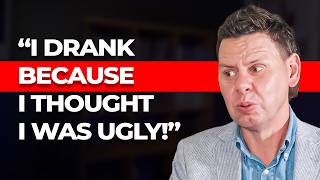
Yeah, I mean, listening to you talk there sounded like I was speaking as well because I would use alcohol for connection too. And it crept into my life. Well, never crept in, it barnstormed into my life when I was about 14 or 15 years old here in New Zealand. And that's when people start drinking, often around their family because that's, that's the kind of society we've got. And you know, my old lady was away, she was actually back in Ireland visiting some relatives. And my old man had a birthday party and he got a keg and I got on the booze and, and I spewed up in the neighbour's front lawn and that was it. Alcohol was in my life. I was 15 years old and it never left for another 30 years. And what happened with me, James, is, you know, same as you. I drink to be happy. I drink when I say to drink, to forget all that kind of thing, always binge drinking, never drinking during the day or to get through work or anything like that, binge drinking after work often. And alcohol had really, really crept into my life and was starting to take it over or it had taken it over essentially. And the reason why it had crept into my life and, and the reason why I wanted to change was I actually sat with a psychologist in a room like what we're in now, talking like you are now. And I hadn't been drinking for about five weeks and we were talking about why and what I was feeling and all of that. And the psychologist really wanted to find out why I drank. And you know, we dilly dallied around a lot of, you know, stress, society friends and peer pressure and habit and all of these kinds of things that were there but right down the, down the bottom in deep was the real reason. And the real reason was that I had grown up thinking that I was ugly, okay? And I had found that drinking alcohol brought out the class clown that we were talking about earlier. Bought out the entertainer, bought out the patty, the big personality patt and made all of that sort of feeling of ugliness disappear.
And when I realized that because I was 45 at the time, you know, like I'd been drinking for 30 years and as you can probably tell now and anyone watching or listening, Paddy Gower does not have a self confidence problem. Right? And I know myself, I don't have a Self confidence problem, you know, and. But I was still carrying this crutch over. Something that was in my mind from years and years ago that in fact I'd moved on from, you know, you know, I don't care how I look or anything like that anymore. But this crutch was there called alcohol. That was not really a crutch at all, actually. It was destroying my life and I didn't actually need it for the thing that I'd got it for, which was this feeling of being ugly. And as soon as that happened with the psychologist, it was like my relationship with alcohol shattered. You know, the emperor had no clothes or it was just all there. And mentally I just was just like, what are you doing, man? Why are you doing this? Like, why do you think that? And why are you drinking? And. And I walked out of that psychologist's rooms and I. And I stood on the street and I knew that practically I could never moderate my drinking. I was always like, if I have one beer, I have two, three, four, five. I'm not going to be able to cut back. So it's one or the other. It's either give it all away or carry on drinking. And, you know, that was the practical side of things, but over and above that, I had a deep yearning to change that about myself. And I just said to myself, you know, Paddy, life is for living and I don't want to waste it anymore. And that was that. And I've never drank a drop of alcohol since three and a half years ago.
You beauty.
Yeah, and it's a fantastic thing to be able to say that. And, and it is hard to talk like that because it seems dramatic. And I know that lots of people will be listening. And I don't want anyone to think it's that easy because for a lot of people it's not. You know, and I've spent a lot of time talking to people who've got a problem with alcohol, and it's not easy for them to do. And I don't want to sort of make it sound like it was easy. It wasn't. You know, that's a very sort of big and dramatic moment for me. But I talk about it because I want people to know that if I can do it, you can do it too. And there are ways to get to that sort of dramatic moment in your own life and have your own one of those. If you work hard towards it, if you believe that you can give away alcohol, or if you believe that you can give up bad eating habits, or if you believe that you can give up your addiction to your phone or to drugs or to gambling or to pornography. All of these things that are haunting people in different ways. Addictions to work, addictions to making money. So many people are troubled by these things. But if they believe that they can get through it, that is the start. And that's what we've talked about. Believe in the possible. They too can get into that moment where maybe they can unlock their mind or they can unlock their habits and leave something behind and change themselves. And I think, you know, you pointed it out, get more connected to yourself. You know, that's my. That's my first point, you know, and that can help you get to that change.
And I love that idea of belief, because I think that you and I are full of BS Belief systems. I always say when I'm on stage, hey, guys, just don't worry, don't be kind to me. Full permission. What's the first thing? And just shout it out loud. That comes to mind when you think of an Irishman.
And bang.
All of it comes, you know, leprechauns and fiddle Dee potatoes and drinking and drunkards. And I said, that's your bs and we've all got that about alcohol, work, success, marriage, failure, government, et cetera. But what you're saying is actually you are at the gate of your mind, this fortress, and you get to decide what beliefs go in and what go out.
That's right. And, you know, I do think that my brain is a fortress, you know, I know, and I believe that my brain is just incredibly powerful and can do so much for me. And, you know, I know that my brain has been able to unlock my problem with alcohol hole when I could see the logic of it. You know, I literally was able to mentally get my head around what I was doing to myself. You know, our brains are so incredibly powerful. We need to believe in them, and then we can use them to believe in ourselves. And, you know, that's the second thing that I. That I like to talk about, which is this power of optimism, you know, and, you know, I've given one example of, Of. Of getting to speak to Donald Trump, you know, and I, I managed to persuade my boss. You know, there was massive cost cuts and cutting measures at TV3 back in 2016, and Donald Trump was starting to rise up as the Republican candidate or the potential Republican candidate. And I wanted to go and see him speak at Super Tuesday, which is the big election in the lead up to them being decided. And, you know, I managed to Sort of persuade my boss to, to send me over there. And then I got over there and I didn't have a registration for the, for the debate, but I went and I waited till the last possible opportunity. And the lady saw me there and saw that I waited all day and she led us in and we went in there and there was, you know, over a thousand journalists, actually there were 2,000 in there. And we went and found a spot on a fence in the middle of all of them. And we hoped that Donald Trump would come out and talk to the journalists. We didn't even know if he would let alone come near us. He came out, he did come near us. I did get a question to him and, you know, he gave me a very funny answer, actually. He said there was this big build up and he saw me there. I said, a question from New Zealand. And he said, do you know who Bob Charles is? And Bob Charles is, of course, very famous New Zealand golfer. So I said, golfer. And then Donald Trump walked off after all that sort of build up. So I did get him, but I didn't get him like I'd like to, but I still believed I could get him again. And we actually went down to Florida on the same trip and we got led into Mar a Lago. We're the only foreign journalist. There's a bit of luck there. We got in there and I got a question to him again in there, and, you know, it's probably made me the New Zealander who's spoken the most of Donald Trump in his two presidencies. And it's a very funny story, but the moral of it is, if you believe that you can get from Wellington, New Zealand, to Houston, Texas, to Florida to speak to Donald Trump, if you think inside yourself that you can do it, if you visualize that you, that he will come to you in the big crowd of junos, or if you visualize that you can get into his estate at Mar a Lago and into a room with other journalists, and he will pick you out of that room. It can happen if you visualize, if you believe, if you are optimistic and you make your mind optimistic, you can get to the goals you want to achieve. You know, you've got to tick off the things along the way, and sometimes you're going to believe them and you're not going to get there, but you're going to, you're going to be trying, but it's very, very simple. It's a very, very simple process of being optimistic about something happening, then going and taking the steps to do it. And you can do things that other people look at and go, unbelievable. Other people with Donald Trump would not even have asked the boss if they could go because they wouldn't have believed it could happen. So they would not have taken the first step, you know, and, and that's the difference. And when I look back on things like that and, and you know, at the time I didn't have a big strategy, you know, I was just doing these things. But now when I look back, I can see what it is. And it's about believing in the possible. It's just about visualizing things and trying to get towards them. And, and that is the first sort of thing. Visualize it. Take the first step. Step. And you might get there. Don't visualize it. Don't believe it's going to happen. Well, it never is. Don't take the first step. Well then it never is either. But visualize Donald Trump. Talk to your boss. First step, bang, you're on the way. You might not get there, but you might. And I did. And that's, you know, I'm living proof of that.
I love that and I can really relate to that. The high performers that I've worked with or coached or interviewed, they're really clear in their mind's eye what they want and they have absolute belief with conviction that that thing's going to come true. I was in Christchurch recently interviewing an amazing young athlete called Sam Harvey. Yes, he's the 661km runner.
Yeah, he's incredible.
Unbelievable. And he said, next year, which was 2025, I will be the most world renowned, world famous, world winning ultra marathon runner of all time. And I said, I believe it because you could just see it. And I'm like, nobody going to stop. Nothing will stop that guy. And it's rare that we see that. PG it's interesting when I think about this idea of optimism and, you know, believing people sometimes need to bring it back down to a daily, like a tactical sense. So on the daily, what do you do to stay optimistic? Because like our brains are set up to be negative. They have that negativity bias. What do you do? Any habits, any practices that you do that keep you.
Yeah, I've got a, you know, on the daily.
You know, a good one is when I feel negative thoughts creeping in because that's, you know, that's one thing that does happen to all of us. Negative thoughts creep in about different things, things that make me anxious or whatever, or things that I don't need to Be worrying about. That's something that I'm really good at, is filling my mind up, worrying about things that are not going to happen, which gives me no space to manifest the things that I do want to happen. You know, your brains are only so big, right? So if you're worrying about stuff that actually is not going to happen, you haven't got any time to start to dream and start to focus and start to be positive. You've got. So I've got my own strategy, which I actually call the back of the bus. And I imagine that I'm driving a bus, let's call it the PG bus, okay? And there are people behind me in the front seat or whatever, or things behind me in the front seat that I don't need to worry about that are making me anxious, that, you know, if I'm serious about them, they probably won't happen. And I, metaphorically or literally, I guess I move them to the back of the bus. I want the other things in the bus, the other people in the bus, the things that I need to worry about to move to the front of the PG bus. Now, I know this sort of sounds like I'm playing some sort of game in my mind, and I am. Because our mind plays tricks on us, you know, and we let it do that. We help it, we play tricks on ourselves, but we can also trick it in a positive way. And that's what I do. It's. You know, I remember when I had a lot of mental health problems. I had a breakdown, a mental breakdown when I was working very, very hard as a political editor when I was about 40 years old. And I can remember I'd be out mowing the lawns along the side of my house, and I. I felt like my brain was a wet tea towel, you know, just being wrung out, you know, and. And I actually ended up quitting my job. But I can remember I would mow the lawns up and down and. And that's what your brain does when you're in that sort of zone. It can get stuck in negative thoughts. Like you're going up and down, mowing the lawns, or like a train track or. Or something like this. And, you know, what we've got to do when we're in those positions is jump it off those tracks, get it out of that zone. And that's what the sort of the back of the bus idea does for me. It just physically moves things away from where I need to be. I don't need to worry about that today. I need to focus on positive things. I need to be optimistic about X. I'm going to move those negative thoughts to the back and I'm going to get on with my day.
I love it. It's like thought replacement, but even more, it's like where your focus goes.
Yes.
Your energy flows. It's like every. You're really managing your focus intently.
Yes.
That's not easy to do.
No, it's not. I mean, you know, you come to something like this, you've got lots of things going on in the day. You've got to take those out of your mind. You know, I want to focus on talking to James. It's important. I want to be clear minded when I'm in here. And I'm going to shift all of that stuff to the back of the bus, into the front of the bus. I'm going to shift forward my positive gifted communication because that's what I want to, that's what I want to bring you. It's a very, very simple way of doing things and it works on purpose as well.
It's intentional.
It is on purpose. It's intentional.
I can sense it.
And it gets you in a zone. And, and all of us doesn't matter whether you're, whether you're a CEO, a journalist, a teacher in a classroom, a nurse or a doctor seeing a patient, we are going to do that better if we are acting with intent, if we're clear and if we're focused. And all of those people, you know, CEO, teacher, nurse, journalists, all of those people are purpose driven people who enjoy their, enjoy their jobs, but they will all find that the pressures of everything can clog them up and they don't get that enjoyment from that purpose that they probably did at times. But if they're able to clear their minds and focus on tasks and act with intent and equal purpose, that is where the enjoyment comes back in. That's where the passion comes back in. That's where the clarity of mind comes back in and that's where they start to feel more connected to themselves. You know, these things that we're talking about, connection, optimism, purpose, they are all so interlinked in my view, James, in terms of making us better as people and better at what we do. They, they go together. And once you get them humming together, that's when you're able to find this inner power and find new levels.
It's so incredible to hear this. And I have to say, and I know the viewer will be in, the listener will feel this, that you're A master communicator. And I'll go even further. Everyone communicates and a few people connect. So there's billions of communicators and there's a few connectors. You connect with people's spirit, with their minds, with their hearts. There's a lot of people out there listening right now that want to communicate in their lives much more clearly and with conviction. What are two or three tactical things that you have learned to do or just come innately that could help them?
A really good question. A lot of people want to know about communication from me. I've done it as a job for 25 years. You know, newspapers, television, radio, Internet, stage shows, written a book, you know, I know how to communicate, you know what I mean? And it's such a great question because I think one of the most overlooked parts of communication and connection is actually not the talking, it's actually the listening, right? If you listen to what someone is saying and it doesn't matter in what context, if you listen to someone, you instantly communicate better with them. Even if you don't talk just by listening, you connect with someone so much more people, it doesn't matter where they are in the workplace, people don't feel listened to.
Out in society that we've got huge, huge sectors of society that don't feel listened to. We've got people working in all sorts of jobs and doing things where they don't feel feel listened to. And it. When someone is listened to intently with purpose, they just feel so much better. You connect with them so much more. And actually as a journalist for a long time, I didn't really listen to anyone. When I was running around in Parliament, I never really listened to what they're saying. I listened to it enough to make a story or whatever. Never really listened to anyone. I never listened to myself. You know, listen to yourself is a big part of all of this. But if you want to communicate with someone, your first step, in my view, is listen to them. And you watch. When you actually listen to someone and they feel heard and they feel listened to, the whole conversation changes to changes. And even in doing things like the debates, you know, I've moderated three leaders debates in this country. I've moderated Jacinda Ardern and Bill English. I've moderated Jacinda Ardern and Judith Collins and I moderated the two, Chris's, Chris Hipkins and Christopher Laxson. Right now as a moderator and you're creating the debate, you're jumping in and interjecting and talking and asking questions and throwing things out there to get it going. But actually the key skill in those debates, which is, you know, one of probably the hardest, hardest jobs in journalism and broadcasting, if not the hardest, the key skill that I use in those debates, and I write it down at the, at the top of my question list on every page in thick block capitals, in my own handwriting with an exclamation mark after it is listen. Listen to what they're saying. Listen intently to every little word they say. And then the next word underneath it is react. React to what they're saying. So it's basically a form of communication that is based around listening, based around being in the moment, and based around reacting to that. Now, that is really how we should communicate all the time. You know, that's what you should be doing now. And that's what I should be doing when I'm asking questions of people. And that's what a CEO should be doing when it's executive or his or her executive are in the room. That's what we talked about a nurse before. They need to listen and react. You know, teacher is the same. Anyone is the same. You know, dealing with a family member or a friend. You know, if you listen and react to what they're saying, that's when you're really communicating. And I think as we talk about communication, a lot of the time, you know, we, we, we lose sight of the fact that actually the best part of communication is listening.
It's so powerful and so simple to do.
Yet, yeah, we don't do it.
We don't. We want to just keep moving. We want to have our say. We want to interject.
Yes.
And it's interesting. I get this thing with some interesting people like you do, and I have this bad habit or trait that's called on the CliftonStrengths. Harmony. I seek harmony. I just want to get on with people. I want to keep the flow going. So I would be the worst person to do the debate and do the role that you did because I would find it hard to call them out. You're masterful at it, yet you still manage to stay on side with people. You still have deep connection. What's one thing I could learn from you about having the difficult conversations, calling people out on their bs? Is there something I can do to improve in that area?
It's a really hard thing to do, and I had to do it as a job for 10 years. And, and you become, you know, there's two ways of doing it. I worked in parliament and I'd call people out all the time and you'd have to have really awkward moments with them. And then of course, Parliament being Parliament, you go down to, you know, buy an egg sandwich for lunch at the cafe and the person you've been would be in the queue, right? And it's like, oh my God, you know, and hi, you know, and that's one way is to become battle hardened. And there are a lot of people like that who are battle hardened to difficult conversations in any, any job you're in. You know, there is another way, and that is the, you know, the approach that I've tried to take later in my career. And the debates are a really good example of that, where you.
Basically, by listening, by being good at your job, by doing things properly and then by being fear, you, you, you, you communicate with mana and it's very clear and people know it's not personal and you can interject without anyone being like, hey, you know. And I think the debates are a really good example of that.
Even though they're watched by a million people and the stakes are incredibly high because both people want to be Prime Minister in a couple of weeks.
I still put a lot of fun into them and I try and make them like a conversation, you know, and.
They are, you're masterful.
Yeah. Where you're, where people are having fun, but there's serious stuff in it as well. And I think, you know, that comes back to the listening. If you want to, if you want to have awkward conversations with people where you've got to, you've got to, you've got to listen to them as well and you've got to create it like a conversation that you would have at home. Or people often use a dinner party as an example or things like this where you're having a good chat and people don't feel as offended in those situations if it's like a conversation, if they feel listened to, if they feel involved, if they feel that they can be included and someone's got a different view to you, no problem. So that would be my tip to you, is treat everything like a respectful conversation.
That's brilliant because you did it really well. I thought when you asked about mdma, my God, I would never ask two questions potential prime ministers about did they take mdma? And I laughed my head off. They both had a giggle. We all just loved it. And that's, I think what I'm hearing is that in every conversation, bring the full party like you are, you show up and you bring all your experience, all Your childhood things, your adult things, you're getting through, alcohol to the other side. You bring it all to every conversation.
That's right. And treat everything like a respectful conversation. Treat everything like a respectful conversation and there'll be a lot of people.
Throughout my career I didn't treat things like a respectful conversation. You know, I would cut people off or I'd do things or I'd come in single minded because I wanted a certain kind of story and that's a disrespectful kind of conversation. And it feels hard to say, hey, I want to have a respectful conversation with everything, but it's not actually that hard. And you know, people in human resources and different places, you know, conversation can sometimes take on a bit of a hre kind of word or feel, but it's really just about treating people with respect and, and you know, if you do that, you know, you, you're going to feel better yourself at the very least and you're going to have a better conversation.
I'm with you on that. And Patty, I just want to be mindful of your time. Just got a few last questions, but tactical again. So you and I both got off the booze and we both found other things to focus on and enjoy. I imagine you feel a lot clearer as I do, more energy, more self pride. But what are a few things you did and maybe continue to do that change? So I, I drunk a lot of tea when I first went off it. Then I found all these alcohol free beers which I don't have quite as many of now. But what are you, what did you do or what do you continue to do on a daily?
Yeah, yeah, I think, you know, people have, It's a really interesting question actually James, because I think when I, when I gave up drinking I was like, well, you know, I made a big, big documentary about it. So I made a big thing about it. But I was like, you know what, I don't think people are really going to want to hear me banging on about this over, you know, over and over again. You know, I've done this big thing so I'm sort of going to withdraw from conversations about alcohol because I don't want to meddle in people's private life and what people do when they're over 18 and in their private time. I mean, you know, who am I to judge? And I didn't want to kind of be that sober guy.
But what I've found in the last three and a half, nearly four years, three and a half year going on four Years. What I've found is people are actually fascinated by what a sober person goes through and does, you know, and they. They just cannot. Kind of everywhere I go, people want to know and, and when I talk about it, it's one of the, you know, you can tell that people are really, really listening.
So, you know, for me, a bit like you, you know, very quickly, when I gave up drinking, sleep was incredible. Eight hours feeling great, you know, probably hadn't slept properly for years. But, you know, this, the sleeping, for someone who gives up drinking is. Is incredible.
Weight loss, skin is better, energy levels are way higher. But something that, you know, I want to share with people on your podcast is ambition burning. Ambition returned. I don't know where it had gone or what, how I was finding some ambition, but, you know, ambition returned and.
I started exercising a lot more. I really got into cycling and.
About a year later.
And I just really started enjoying mornings because I just wake up and I just feel amazing, you know, and I wouldn't be hungover. And something happened in those early mornings in the first week while I would wake up and feel hungover, Dry throat, headache. What did I do last night? I'm going to have a. Oh, you know, I'm gonna have a hard day today. And then one or two minutes later, I'd be like, no, you're not. You're not hungover. You haven't drunk for five, six weeks. And I was having.
And my friend had had these. He lost his. Lost his leg, and he had what was called phantom leg, where he had pain even though he didn't have a leg, you know, And I was having what, you know, what I believe to be phantom hangovers. My brain, which we've talked about a lot, was so powerful, that it was. And I had spent so long getting hammered on weekends that it actually thought it was hungover, you know, and then I realized that I'd really messed with stuff inside and gave me further resolve to, To. To give up. And that just sort of as soon as I got past those, then the mornings became something totally different. They just became this moment of opportunity and focus. And, you know, for me, in terms of the little tricks of keeping going, I just think about that feeling of the morning. You know, if I'm out somewhere and people are drinking and everything, I just know that I'm just going to wake up the next morning a powerhouse. Without alcohol, you know, I don't really need 0% beers or different things. I just need that feeling of how I'm going to feel in the morning and you know that I'm going to feel amazing. And I do. And you feel amazing because when you wake up you've got that sense of achievement that you've, you know, gone another day and then you've also got that sense of ambition of the new day ahead. It's that feeling of achievement and ambition. So for me there, there hasn't really been that need for a lot of little, little tricks. For me I've really used the, I think listeners and watchers will be picking up that I've really used the power of my mind to, to, to get through.
You know, beating alcohol really or beating alcoholism. You know, I'm alcoholic so, so that's, that's that for me, is that thinking of how am I going to feel in the morning or what am I going to do tomorrow? Well, all these guys here and they are going to be dusty. It's that simple. You know, even if they say they're not, they are. I know that, you know, I can connect with that.
And I, I don't talk about being alcohol free very often at all. Caroline, my partner gave it up on the same day. So we're coming up five years in April.
That's awesome.
Yeah, it feels like a big achievement and every day it feels like an achievement. But I don't like talking about it because I don't want to be preachy. I don't want to, yeah, be holier than thy, you know, I'm the same.
And I'm, I'm, I'm, I'm happy being around alcohol. And you know, very few people have come to me, you know, that I know and asked me for advice, you know, and I don't, I don't preach but I do talk about it when I'm asked because people want to know and I think that people like you and I can be leaders for them. And there's a very small amount of space in New Zealand society for people who don't drink. It is a very, very difficult society to be a non drinker in.
You get labeled as kind of weird or not trustable.
Yeah, all this sort of thing, you know, and, and everything revolves around alcohol and you don't realize how much until you're outside it and then you sort of see it for what it is. So there's very, very little space for people like you and I in New Zealand society. And you know, I'm not asking anyone to change or do anything or change their own habits, but people like us can help make more space for others to Come and join us on the little patch of New Zealand society that we've got, you know, and, and that's one thing that, that I've resolved to do and, and you know, I want to be a leader when it comes to alcohol. I want people to see, hey, he's still going. I can be like him. I want people to know Patty's not drunk for three and a half years and it is good for him, you know, because I know that people will see that and, you know, some of them will. Come join me, buddy.
On that note, for a second, I want to think about your mum.
Yes.
If she was here for right now and she could see these last three and a half years, how do you think she would feel about you and the decision you've made?
My mum would be amazed that I gave, you know, given up alcohol. She was not a heavy drinker herself, but she drank alcohol and there was a lot of alcohol and partying in our family. She, she's Irish and, you know, it was part of us. But, you know, you know, my mum would have liked the fact that I did something different to others, you know, that I swam upstream when everyone else is going downstream. You know, I know that for a fact. You know, I can, I can, I can tell you that for sure that you would like the way that I did things differently to within our own family and, and what we've been doing for generations and, and to within society. You know, like I said, I'm soaring upstream and that's a pretty cool thing to do.
That's leadership.
It is leadership.
It's difficult.
Yep, it is difficult, but it's important. Agree.
I see you as a mission driven messenger, someone who's on an absolute Goliath of a mission. And this decision on alcohol was meant to happen, needed to happen, did happen, and it's now freeing you up, as you said, to be way more ambitious, to be way more driven, excited about what you're doing every single day. It's incredible. And on that note, I want to ask you, this is a question I ask everyone to wrap up. I want to imagine, just for a second, that you and I time travel forward many years into the future.
Yes, this will be fun.
You're highly aware that this day that we land on many years in the future is your last day here on earth. Someone very young, who you love dearly, comes into the room, says, pg, what do I do to lead my life on purpose? What do you say to him?
Live your dreams. Go out and live your dreams. Dream big Believe in them and go and make them happen, because they can. If you think like that, they will.
So damn powerful. Thank you. I needed to hear that. I know there's many listeners that needed to hear that. Today you're living that advice. You're doing it. It's not that you're preaching it, you're actually doing it. You're chasing your dreams, you're getting out there, you take risks. You're happy to be unpopular if you need to be.
Yeah. And it's. I tell you what it's bloody hard at. Sometimes you just sort of sit there and you're kind of like, oh, man, you know, and, you know, losing my job and, you know, you know, there was a sort of. For want of a better description, I built a bit of an empire and that was, you know, torn asunder, essentially. And I'm out here and I'm. I'm scrapping away sometimes it feels like. And, you know, and it's. And it's. It's hard to remember that. And it's. You look back on all these things that you've achieved and you're like, am I going to be able to go big again without, you know, all of this.
Support and the different things that I had around me when the industry was different and. And the last 18 months, or 12 to 18 months since new south closed down, I have had to remember a lot of my own advice. Twelve to 18 months ago, I probably would have been saying similar things to you, but I regularly have to go be optimistic. I regularly have to reset my goals and dreams and think about them. I often have to put negative thoughts about, oh, it was so much easier when X, Y and Z were here and when TV3 was here and say to myself, it is not coming back. So there is no point in thinking about it. And I have to put those thoughts to the back of the bus and go, this is what. I've got to do this today, and I'm lucky to have it and I've got to get out and do it. So, you know, for me, it's interesting having written the book and having thought about a lot of these things before, before what happened at Newshub. You know, I regularly find myself listening to my own advice nowadays to get through things. And, you know, I've got new dreams and I've got new goals and I've got new ambitions and I'm on a new mission and that's awesome.
And we are here, not just me, but many, many hundreds and thousands of people to support you. On your mission, you're not alone. I think you are. You talked about, will I be able to go big again? I think goes with the argument. You're way bigger now than you have ever been. You are probably the person I talk about most. When people ask about how do you build a personal brand, I'll say, well, stop looking for all the quick fixes. Just go and follow Paddy Gower. See what he's doing. He is the personal brand of New Zealand. Your New Zealand Inc. Personified.
Yeah. Yeah. I don't know about that, but it is. It is awesome.
It is awesome to be out and around New Zealand and people to say hi to me and know and feel like they know me.
And we love you, Patty. You've got this like you're just down to earth. You say it how it is. You're cheeky. And at the bottom of it, that's who we all are. We can all see a bit of ourselves in pg. You know what I mean?
Yeah, yeah.
That's why we connect.
It means a lot, James.
No, that's true. And the one thing I want to just ask everyone who's watching and listening is there's a book sitting in between, Patty, and I'm going to lift it up, actually, and just show it to camera. Please get yourself a copy of this. This is the news. It's an incredible book. I'll put the link in the show notes. Please go and order that today and order a couple of copies because your family and friends will love it as well. But pg, thank you so much for joining me today.
Thank you, James. It's been absolutely awesome. And.
Thank you for all of your mahi in getting others to get out there and lead with purpose, because that's what we need in the world today is leaders who act with purpose. So thank you.
Our pleasure. Thank you, buddy.
Thank you, thank you, thank you, thank you.
The Lead on Purpose podcast is sponsored by NZ Mortgages. Learn more at nzmortgages.co nz.









