Reshaping Capitalism with Ty Montague
Ty Montague argues that companies must close the gap between what they say and what they do. He outlines a framework called the Four Truths and points to Patagonia and Interface as examples of businesses that actually live their values, not just advertise them.
Chapters
Ty, a huge welcome to the Lead on Purpose podcast.
James, it's a real pleasure to be here. Thanks for having me.
Oh, no, the pleasure is all mine. Fantastic to connect finally. Look, I'm excited to dive in. We've got so much to talk about today, the listeners in for a real treat. But I guess to get the ball rolling, let's just start with leadership. I geek out on leadership. I could talk about it all day. I love talking about it.
The.
But when you think about leadership, what comes to mind?
Yeah, I think it's a great question. Right. And when I think about it, it's. Leadership is about doing the right thing, especially when it's the hard thing. Right. Anybody can lead when times are easy, right. It's when times get tough or when you need to do something that is going to be tough for either a group of people or for the company itself. That real leadership is. Is demonstrated. I think. So it's like doing the hard, doing the right thing when it's the hard thing. And the thing about that, that I just want to add is sometimes those things are done by a person with some kind of leadership title and credentials, but often it's done by people who have no title or credentials. It's still leadership. It doesn't matter. Right? So any another. Put another way, anybody can be a leader, right? You just have to do the right thing, even when it's the hard thing.
That's amazing. I love that definition. And you know, honestly, I get asked so many times, do you think that, you know, people are born leaders? I'm like, well, everyone's born. We have to be born. And anyone can be a leader. And I'd say some people have tendencies that lean towards leadership. But I love your definition. And in your life, where have you seen the opposite? Have you had an experience? And of course you don't need to name names, but have. Where have you seen the opposite of that? Where the leaders that should have led actually did the exact opposite of what the right thing was.
Yeah. Well, I think the first thing that leaps to mind.
You know, I, I don't know how your show is about politics. I'll just be transparent about mine. I am. I tend to be left leaning, although I consider myself to be a capitalist. And I just think that right now in the US in particular, we are.
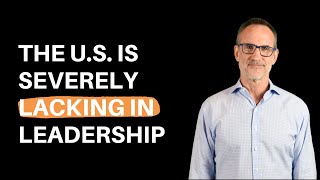
Severely lacking in leadership in the people that we have elected to office. And I would say, honestly, on both sides of the aisle, right. Like, I have a predisposition to vote Democratic and I'm. I think the Democrats have done, you know, a reasonably good job over the past couple of years as they have been in charge, but they haven't done anything like what needs to be done, and nor have the Republicans. Right. It's a group of people who are all squabbling among each, among themselves to try to hang on to power as opposed to think about what's actually going on in people's lives. How might we do the right thing, even if it's the hard thing? You know, people are unwilling to do the hard thing, particularly people in elected office these days. And I find that somewhat disappointing. However, the good news is all it takes is an election and, you know, eventually I hope we will get the right group of people in office who are willing to do the. The right thing, even if it's the hard thing.
And what do you think holds. I know we talk about power and holding onto power in terms of political power, but what do you think really holds people back from doing the right thing? So let's say your current leaders, what is it that really holds them back? Is it the thought of being unpopular? The thought of being unlike, the thought of, you know, what do you think really drives those decisions?
Well, I think a lot of things. I think often, you know, the fear of being ostracized, like going out on a limb. Right. People who have power and money tend to want to hang on to their power and money almost. And some people, like, are willing to sacrifice massively important aspects of democracy and a functioning republic in order to hang on to their money and power. And I think that's a pathology. Right. That's. That is. That's the opposite of doing the. The right thing, even if it's the hard thing. And. And then you see people.
You know, a recent example in business is. Is Yvonne Chouinard, the founder of Patagonia, who could have sold his business, his family would have been. It was. Would have created generational wealth. And he got his family together and said, hey, I'm gonna. Instead, I'm gonna put the entire company in trust to the planet, and you all are on your own. And they were. They all, like, shook hands on this and went, like, that's the right thing to do. Let's do it. And. Amazing, right? Incredible. How inspiring is that?
Oh, incredible.
A business person who's willing to, like, put their own personal, like, financial. Well, being behind the needs of the great mass of people on planet Earth. Like, that's more of that, please. Right? That's the kind of thinking, that's the kind of leadership that I'm really into.
Yeah, no, I agree that 1% for the planet, that foundation that was set up, I just think it's a great initiative and more businesses should get behind it. It's, it's incredible. Patagonia have led the way, that's for sure.
Yeah, agreed. Yeah. And you know, that's the thing is that there's a movement now in business where more and more of that is happening. Right. There are more businesses that are truly purpose led that are another way to think of them. Another, you know, there's all kinds of language for them. I'm sure you're familiar with all of it. Conscious capitalism and, or stakeholder led versus shareholder led businesses. And there are more and more stakeholder led businesses. Businesses that genuinely care about their employees, businesses that generally care about the communities that they do business in. Businesses that, that genuinely care about the planet and are willing to put their money where their mouth is in regard. Right. And, and, and you know, we can talk more about this either now or later. Like that does not mean, and this is a thing I've learned by, in, in in doing the calling bullshit podcast that this does not mean backing off on your, your goals for profitability. Right. It doesn't mean that you're running a not for profit. It means that you're building a business that is by definition much more sustainable than traditional, you know, shareholder led companies that are just trying to maximize gain in the short term. Thinking longer term is, is, is a really important thing in business today.
I believe 100%. I recently read an article about a local company here in New Zealand. It was a Maori iwi company and they have a 500 year plan, a sustainability plan around what does it mean for our community, our people, our environment and our grandkids? It's truly inspiring.
That is inspiring. That's wonderful. Yeah. We have, there's a company.
I think they're based here called 7th Generation and they took that name from native people here in the in the US who, who said like this is when you make a decision, you're making a decision so that it positively benefits the next seven generations of, of, of people. And if only, right. It is amazing. And if only all business people thought that way. Right. And eventually I believe they must right that there is no alternative to thinking that way. It's just that we haven't like quite tipped over in the mainstream, I would say.
Yeah, you're absolutely right. And this idea of a purpose led or a purpose driven business, you can see that some companies truly are doing it and doing it really well and other companies are using it as a tagline and kind of, you know, hanging on, hoping that people won't understand what's going on underneath the surface. Because some companies share a great story around what they do for the community.
The economy of the forest and trees, but actually when you dig underneath, it's like, wow, you're doing the exact opposite. So I guess that takes me to a point where in your career you had a turning point. You had a pretty big turning point and you went from one thing to another big transition. So where did it start in your career? Where did you get started in advertising? And then what was that big pivotal moment that really changed things for you?
Yeah, well, as you said, I, I started my career in advertising. I had a really good run. I got lucky and, and had a great career, worked at, you know, lots of great agencies and worked on some of the biggest and, and you know, most famous brands in the world and, and had a great time. Like, it's a really fun business, advertising, full of great, smart, fun people. But the problem that began to really nag at me is that I noticed that sometimes, not all the time, but sometimes I was helping a company tell one story while they were clearly doing a completely different story. And I finally decided that I couldn't do that anymore, that I needed to try to solve that the problem. I needed to figure out how to help companies close that gap between word and deed. And that's ultimately what led to our launching co collective. We've been in business for about 12 years and, and we help companies pursue a thing that we call story doing, which is really knowing what you stand for as an organization, declaring it, and then actually enacting that declaration, having that declaration not serve as something that you carve on, you know, on the wall in the lobby and then forget having it serve as a tool that you use to drive action throughout the business, both internally and externally. And, and you know, the, it's, it's, it was a little lonely at first. We weren't the first to the purpose led space at all, but we were early and people used to give us a lot of funny looks and you know, now it's become much more mainstream. So we have lots of company, which is nice.
That's incredible. And before we talk about maybe how people can do that as organizations.
Sure.
Let's go back to the company that you were thinking about. They'd said this is our story and it's beautiful and it's all encompassing and helpful and empowering but actually they were doing the opposite. What drives that behavior behind the human behavior and the driver. What do you think was driving that incongruence?
Well.
There are a lot of reasons for that, I would say. One is that most companies that exist today grew up in the era of mass media. They grew up in the, in a time before the Internet when things got much more transparent. Right. And so you could tell a story using mass media that was not at all true, but as long as you told it forcefully enough and put enough money behind it, everyone believed that that was the truth. Right. You could get away with that is another way to put it. And a lot of companies just continue to practice that even though, even after the Internet showed up and allowed you to connect and listen to all of a company's employees and hear exactly what they're working on most of the time. Right. And really draw your own conclusions about whether a company is actually doing it or not. And, and that has been a wake up call for, for, for a lot of companies where they're, they're no longer able to, to mask that and that forces them to, you know, to, to actually change their activity, to change the actions that they take in the world. And some companies that were born in the Internet age do not seem to have been gotten that memo. So it's not even universal to companies that are older. Facebook poster child for what not to do.
Claims that their purpose and, and this was revealed several years back with great fanfare. Mark Zuckerberg stand up and said I, I have a belief that is so powerful that I'm changing the entire direction of the company. And that is that we are going to empower everyone to build community and bring the world closer together. And that's what we want to be as a company moving forward. And meanwhile they're doing exactly the opposite of that. And the reason for that is because their purpose and their business model are misaligned. So that's the other big thing to look for. It's the other reason that companies can't actually become purpose led occasionally is when their purpose and their business model are misaligned, it's very difficult to then make that transition. It's possible, but you have to really think about making money in an entirely different way if you want to become a truly purpose led business. And that's why, and you know, use this or, or not in the podcast, but because I, I don't want this to be an ad for us. But it is literally true why we in every episode of, of the calling Bullshit podcast. If we're going to call on somebody, we spend the first half of the, of the, of of an episode unpacking the facts of the case and then calling and then we spend the second half saying, what would this company have to change? What actions would they have to take to bring their actions back in line with their purpose? And in Facebook's case, we did two episodes on them because they can't seem to help themselves and they can't stop making terrible headlines. We, we said Facebook needs to really examine its business model if it really wants to.
Become a force for good and empower everyone to build community and bring the world closer together. The ad supported model is, is direct, in direct opposition to that goal. And so they need to look at, they need to figure out how to make money in a different way. We also had lots of other ideas, but that was, that was warm.
That's incredible. And you know, for the company that's not quite Facebook in terms of revenue and exposure that's listening right now that the leader that's listening to, how do they figure out if there is incongruence? Is there, is there a process they can go through to go, oh yeah, yeah, we're not doing what we say we should be doing?
Yeah, well, there are a few things. One is just ask yourself one simple question. If, if, if, if our purpose is X, the more of our product and service that we sell, X, our purpose should become more true. And if, if the more of our product that we sell, our purpose becomes more true, you're good, right? If that's not the case or if there are some changes that you need to contemplate in order to make that be the case, then you really have to roll up your sleeves and start to figure that out, right? And, and that will involve deep change over time. One of the most famous examples of this, and we had nothing to do with this, is a company called Interface Textiles. And Interfaces is like, I always joke and say, but it's sort of not a joke. They're one of the world's most boring companies. They make carpet tiles, right? But not even carpet tiles for like your house. They make carpet tiles. If you wanted to carve at a skyscraper or an airport, you talk to Interface, right? And Ray Anderson, the guy who started Interface, woke up one day after reading a book by a man named Paul Hawken called the Ecology of Commerce. And he woke up and he looked in the mirror and he was like. And they were already, at this point, they had been pursuing the purpose of selling as many carpet tiles as possible. And they were already a pretty big company, right? And Ray looked in the mirror and said, I cannot in good conscience continue to grow this business because of the amount of pollution that we are putting into the world. Textile business, particularly the carpet business, is incredibly hard on the environment. And so he said in that moment, by, and this is in 1995, by the year 2020, we going to be a zero environmental harm company. And that is a huge goal, but also a big aggressive, you know, amount of time, right, to, to really track toward one, one outcome. And they managed to actually achieve that two years earlier. They made that goal by 2018. But when he had that insight back in 1995, he just went to his leadership team and said, hey, this is what we're going to do. Their question to him was, how are we going to do that, Ray? And he was like, that's your job. Go figure it out. Right? And so they rolled up their sleeves and day by day they pushed toward that goal. The number one thing that they did and this changed, I think everything for the company is they said at, at the very least, because year one, we're going to be doing a terrible job at this, right?
You, what we're going to do is we're going to get transparent and we're going to publish this goal on our website and we're going to publish our, our progress toward it every year until we achieve it. The second thing that we're going to do is we're going to ask for help. We're going to ask our employees and our, our, our, our customers and our partner companies to help us solve some of the hardest problems that we encounter along the way. And so it's in that moment that they really created their own small.
Version of a movement, right? Because people who like, think about customers who originally they had a salesman knock on their door and said, you want to buy some carpet tiles? Now they had a salesman who could knock on their door and say, hey, we're trying to change the carpet industry for the better. Do you want to buy our carpet tiles or do you want to buy somebody else's carpet tiles who does not care about the future of planet Earth? And suddenly they had a new sales tool and they had something really positive to talk about. And so Interfaces business took off. As a result, in addition to them doing the right thing, they actually became a more successful company. And so to me, it's stories like that where you go when everything lines up, when you're in, when your intention is pur when the group of people that you have working on the problem have all rolled up their sleeves and signed up and said, we're down for this. And, and when you understand that you have to be, make yourself vulnerable and be honest about the, the problems that you have along the way, like that's the formula for success. And as long as you're transparent about not being there. Right. It's, it's in saying, hey, we're not there yet. Right. That people go, oh, they're being honest about it too. Right. So we're going to give them a pass while they continue to work on solving this problem. And that's, that's another reason that I say it's not important to be perfect at all. In fact, far from it. What's important is to be transparent. Right.
That's really powerful. And I'd like to think about for a moment.
Sure.
A company that is going, you know what? We don't have a purpose that we drive towards them that leads us. How do we find a purpose that really aligns with us? Is it helping sick children? Is it helping the environment around us? How would you say, you know, where's the starting point to go? You know what, this is our company. We do X. And do you look at what's the potential negative impact of the business that you do and how to counteract that, or do you find something local that you can kind of tie into?
Yeah, I would say I can tell you the way that we would help a company and I'm certain that there are many answers to that question. It's a great question. But the way we think about this is.
Every business has multiple.
Kind of stakeholders and is dealing with multiple pressures. And so we help companies arrive at something we call four truths. Like what is the truth about the protagonist in this story? The company? Right. What are the true things about the. Your strengths and your weaknesses? Where are you getting it right and where are you not getting it right? And we help them really think about and get honest about and align on what are our. What is our current truth? What is the truth of your participants and by participants? Often companies would use the term customers, but we, we use the term participants because your customers certainly, if, if you do it right, if you, if you articulate a really positive purpose, your customers are going to want to come along with you on that, on that journey to try to solve the problem in the way that interfaces customers did. Right. They were like, better, better impact on the planet. I'm down. I want to help with that. But Those participants are also your employees. There are also partner companies that you might do business with. And, and so a truth about your participants, what is their need? What are the, what is the thing that's going to light them up and get them out of bed every day? And then we look at a truth about the stage. And by that we mean the stage that your story is playing out on. What's going on in the world in, in your competitive set, in the culture of business, in popular culture. If you're a B2C business that might be CL, like where you can make the biggest impact in the world. So we help them think through some of the truths about the stage that their, their story is going to play out on. And then the last one is the thing that people tend not to want to think about because on the face of it it might sound a little negative. But we also look, help companies to find a truth about their antagonist. Like what is the dragon that you would be most excited to slay in the world if you could take on a problem and end it in the world, what is the problem that you would, would give you the greatest satisfaction and that would do the most good in the world that you are credibly prepared or able to solve, right. In interfaces case it wasn't, you know, hunger, right? They're a carpet tile company pollution. But that, you know, was a problem that they were causing. Right? That was part of their truth. And, and they made their antagonist the environmental har. The entire textile industry was doing to the environment and they wanted to really credibly go out and change that. So again, we didn't do that work. But that is just a way to kind of map to our process. And we help leadership teams define those four truths and then we use those as inputs to help them define what their purpose as a company really needs to be.
That's incredible. That really is. And use the word purpose throughout all of your descriptions and of what you do in your process. What is purpose to you?
Well, you know, I'll, I'll steal from Simon Sinek. He put it very well. It's, it's your why like. It's, why does this company exist? It's the, it's, you know, the opposite of the question. Like, like what. What would be missing in the world if this company didn't exist? Right. Like, and if the answer to that is nothing, then that is a purposeless company, obviously. Right? So, so you know, the, the, the what is the thing that gets you out of bed every day to like go in and make this company happen. Because starting a business is, is super hard, right? And if you're, if you're only motivated by making money, like I would say, that used to be a sufficient answer, right? In the old form of capitalism promoted by Milton Friedman, where the sole purpose of a corporation was literally, as he said, to enrich shareholders and any other use of proceeds was to quote Milton, pure unadulterated socialism. And that is just a backward way to think about the world today. And, and, and you know, we, we're living in, in a sense, we're living in the world that was created by that kind of thinking. A world in which climate change is a big problem. A world in which pollution is a big problem. A world in which environmental collapse and, or species collapse and overshoot is, are problems. And we need to tap the brakes on that form of capitalism. It's the wrong way to think about it. Capitalism as a system can work so long as you, you promote the form of capitalism that sees to multiple stakeholders, that acknowledges that everyone has needs, and, and the only permanent stakeholder at the table needs to be the planet. Because without a planet, without a biosphere.
I mean, you're out of business, bottom line. And so making sure that we're seeing to the future of the planet itself is, you know, I would say, an existential part of the future of any company.
It's really interesting that, you know, there's a. Lots of charities that are always marketing and asking us to, you know, give our donations. And I'm often torn between giving to children who need it, you know, children who are very sick and giving to the planet. And my big challenge there is, well, if we don't have a planet, we actually don't have any humans.
That's right.
So difficult because I want to help these kids, but I also want to make sure that I'm doing my part from a business standpoint to support the planet. So from your end, from co collective, what do you guys do? What if you talk about your purpose and the difference that you guys make as an organization, what is that?
Well, our, our. Well, we put ourselves through our own process at one point a few years ago, and our purpose is to help the bold. Truly do. We're looking for bold leaders who want to make real change in the world. And we want to help them enact that change. Right? Because we believe that if we do that, we will, will make the greatest impact that we can make as, as business people.
And our antagonist is, is get any gap between word and deed. And our Short form term for that gap is we're trying to rid the corporate world of any BS and create a, a world where companies are, are obviously profitable and successful, but also cognizant of the impact that they're making not only on shareholders, but on all of the rest of their stakeholders. And we firmly believe that the more purpose led businesses there are in the world, the better off the world will be.
I agree. I 100% agree. Do you ever have any pushback when you start working with the leaders of a company and you're like, hey, that's bullshit. Like what you're doing, that's total bullshit. There's incongruence. Do you ever get any pushback or any ego response?
Well, you know, occasionally, like it's, it's, it's a balance, right? It's, it's, I would say it, it's, it's a very hard job being the CEO, particularly of a publicly traded company today and trying to make a, a real transition to being purpose led. Because.
You know, there's, there are legal frameworks like fiduciary responsibility where that, that, that shackle CEOs to short term thinking.
It's in fact in the States illegal for the CEO of a publicly traded company to think about, you know, anything that doesn't provide.
Short term profit to the company. So, you know, the, so, so I, I feel their pain. And you know, we'll, we'll sometimes get pushed back on ideas that would take time to develop, that would take resources away from projects that will provide big profit in the short term, but be misaligned with a purpose in the long term. Right. And those are, I would say in, in almost all cases those are lively conversations. But we do understand the pressures that, that leadership, particularly in publicly traded businesses are, are under and respectful of that. The point is, if we're not trying to help the leaders who are under the most pressure change how, what good are we? Right? And so we, we do work with lots of publicly traded companies. We work with some of the biggest companies in the world. We also work with privately held companies. And, and you know, our, our viewpoint is it's much harder to turn a ship the size of a publicly traded corporation, but the benefits to the world of turning one are also much greater. And so we need to be trying to do both simultaneously. And, and it's a process, right? That's why we, we very, you know, we always say.
No one expects perfection. Becoming purpose led is a journey and all you need to bring to it the things that you Must bring to it to be successful are humility and, and persistence. Right? It takes time. You know, look how long it took Interface, right? It took from 1995 to 2018 to reach their, reach their goal. So you know, be, be audacious, right? Have huge ambitious long term goals and then work toward them over time. People will give you a, you know, will give you time to reach those, those goals.
That's really inspiring. And Ty, I want to ask you, you know, throughout your life, have you sat down and created long term visions or audacious, almost borderline scary goals for yourself or your family or your business? Can you remember or even right now, do you have something that's right out there that you're excited about?
Well, my, my personal quest as a human being is to participate in a reinvention of capitalism. Right. I've, I've, I thought about this quite a bit after starting CO Collective and you know, I just thought if there was one thing that I could leave as a legacy on planet Earth, it's, it's helping us shift to a more humane version of, of capitalism. Since if you look around the world today and there have been, you know, as I said, I consider myself to be a capitalist. Like there are multiple benefits that it has brought to the world. It has increased, you know, it has created more upward mobility, it has attracted more talent, it's created, you know, more wealth and well being for more people than any other system in history. But if practiced the way we're practicing it today, it's one flaw is it leaves the Earth a smoking and uninhabitable cinder. And so we have to change that trajectory. And so I'm trying to do that in with every action that I take in, in my life. And like everybody else, I have good days and bad at that. Like I'm not going to sit here and go I'm perfect in any way. But that is my goal and it's, it's one that I'm, I'm very happy to be working toward.
Incredible. And if we fast forward to goal completion, the reinvention of capitalism.
Yeah.
How will you know that you've reached that destination?
That's a great question. No one's ever asked me that before. I guess I, I will know it when.
You know, we, we have done as, as you know, business leaders like Paul Pullman have, have done in companies like Unilever where the not.
Thinking is anathema. You know, where even as a publicly traded company, Paul said Unilever is not going to, we're Just not going to report quarterly. Right? We're not going to, we're not going to play that game. If you want to invest in Unilever, you are investing for the long term. And if you don't want to invest for the long term, then don't invest in Unilever. And it's that, that's, that's a leader, right? That's somebody who is doing the, the right thing, even though it's the hard thing in the short term. And I will, I will know that I've succeeded when that is common, when that is the, that the majority of the companies in the world think of that way, think of it that way. And we're not there yet. You know, the, you can just see around you. When things get tough, we default to behaviors and this is true around the world that are not good long term. So Europe, you know, having trouble with gas out of Russia and is now back on, you know, in many cases, not all, but in many cases going back to coal, they're firing up coal plants that they had, you know, mothballed. And, and so you see that under pressure we, we, we make the expedient choices, but we don't, we don't.
We don't stick to our guns, right? We're not, we're, we, we backslide. Right? The thing about that is this is my belief, it's only going to get worse. Those pressures are only going to get higher. And so we have to find a way globally to resist those pressures and continue to do the right thing even when it's hard in the short term. And there are people listening to this program right now are going, that man is a lunatic. But I believe that that is true. No, I love it. Not that I'm a lunatic, but that we can get there. That's what I'm saying.
So good. And if we think about the vision, I mean, it's so inspiring to reinvent capitalism in a really, incredibly positive way. How do you inspire others to come on the journey? To me, that's the greatest sign of leadership is when you can inspire others with this compelling vision to join you. How has that gone for you so far?
Well, I would say, you know, I mean, we're not a huge company, so I would say there's work yet to be done. Right. Like we're 50 or 60 people in, in New York. Actually we're kind of scattered around the world now post Covid that like for us and as well as many companies, like that was actually a, a and not to make light of the downside of covered. But that to me was a big gift because it suddenly it, it empowered us to think of the world as the place where we recruit talent which has been wonderful. So we've got people in Europe and, and we don't have anybody in New Zealand yet. So maybe we should keep in touch. But, but we've got people all around the world but we're still a very, a small company. The, the, I would say that the exciting thing for me in, in kind of the.
The trajectory of stakeholder led capitalism or conscious capitalism is that it's obvious, as I said the beginning, we were a little bit lonely in the beginning and it's obvious that you know, this has now become a real wave. And, and, and I think the credit for that goes not to me or any of the early adopters, the credit for that goes to young people. Right? Young people are driving this. And, and you know, very soon Gen Z will be, Gen Zennials will have all of the, you know, or a lot of spending power. They, they already do but we're only seeing the beginnings of the muscle that they're going to have to really change capitalism. And so I think paying attention to that, if you're a business leader, like if you want to build a successful business today or in the future, pay attention to what people in, in Gen Z think about the world and when.
You think of a Gen Z, er, you know, what, what are the attributes and mindsets that they bring to the table?
Well right now we're in a trust crisis, right? Especially among young people. Young people. This is another reason why things are I think finally starting to change is that young people have lost faith in many of the major institutions. They've lost faith. You know these, this is data that's, that's freely available in the Internet, right? Like lost faith in government's ability to actually be trustworthy and make change. They've lost faith in journalism, they've lost faith in the church, they've lost faith.
In business leaders and they are looking around at the world that we are going to hand them and they're saying you're not doing enough and we're not standing for it anymore. And, and they're right. And, and so really smart business people are going to be paying attention to that. Like if you want to build a sustainable business, think about where, where your young customers are going to come from tomorrow and build for that.
And, and, and so they also at, at you know, and again this is freely available data. 50% of genials would Say that they have lost faith.
System because it obviously doesn't have their best interests at heart. Right. And the question is what are, what are the alternatives? Right. And, and from my perspective, right, we, we need to be open to exploring new versions of capitalism that share more attributes with other systems like socialism. Right. You look at the Nordic.
Countries in the world, you know, so called socialist democracies and, and there are many of the principles of capitalism at play in those countries. They just have managed to temper the, you know, the, the most destructive parts. And, and they're still benefiting from competition and from creativity and from entrepreneurship and, and, and, and Right. So we don't have to give up the entire system in order to, to win. We just have to be open to changing things that heretofore we had thought of as fixed aspects of the system that we work in.
Right, Absolutely. And yeah, to me that's the opportunity that we have rather than it's a problem. And I, to me it comes down to one important.
I agree with that. That's a better framing the opportunity, right? Yeah, yeah, yeah.
It's huge. But I guess for that to come alive, the key thing is not us to be communicating, but us to be connecting with Gen Z and with the important stakeholders. So when you're working with a company, you know, what tools or strategies do you give them in terms of connecting with the people that matter and the planet that matters?
Well, you know, as I said, one of the first things we do with them is as a part of the four Truths is talk about participants. And certainly any conversation about participants for almost any company on planet earth has to include the next generation of consumers. Right. Otherwise we're, it's, it's malpractice on our part. And so that's a big part of any engagement with us is figuring out where your next generation of customers are going to come from and what's what matters to them, them and really internalizing, internalizing that and making it a part, you know, an overt part of your business strategy to connect with them. There's another, once we've helped a company define their purpose.
There'S another tool that we use to help them then define the actions they're going to take as the result of that. Right. So it's again a 4x4 but it, it goes out rather than in. So in the first one, you know, you define all the four truths and you, that you then use those to define a purpose and that goes at the center on the second one, this, the purpose goes at the center and the arrows go, out you go. How are we using your purpose to define your offer? Like literally the products and services that you provide in the world. Right. How are we using that to inform your identity? The way that you talk, the way that you show up in the world, the way that you market yourself. How are we using your purpose to define your community? In other words, your participants. Participants. Your stakeholders like your employees, your customers. How do we use it to define your culture, what you celebrate and reward as a company? Right. And then the last bit is capabilities. Because any good purpose should push you in, in new directions as a business. And, and it might be just, in fact, it should be true that you don't have all the capabilities to really fully realize your purpose once you've developed it. That's a map to tell you how to develop as a business, the, that you need to recruit, that you don't currently have, the partnerships that you have to make, the technologies that you might need to adopt in order to advance your business and make your business.
Even more purpose driven and purpose led in the future?
Incredible. And has there been a business you've worked with in recent years that you'd be comfortable to share just how impressed you've been with what they've done in terms of the conversations you've had, the process they've gone through and now the alignment that they're heading towards that purpose driven goal?
Sure. You know, we're not allowed to talk about a lot of our client engagements or the details of them, but there are two that I'm, I'm particularly proud of.
One is, is under armour. We've worked a lot with them over the past few years and they are a company that is genuinely, I believe, committed to trying to make this, this leap. They did not begin as a, as a purpose led business. They began as a challeng.
You know, other, other companies in their category and they managed to build a very big business and now they're trying to figure out who they are, you know, the purpose that they need to be pursuing as a business. And we've worked hard with them on that and, and worked with them on a roadmap to actually instantiate that. That will take years though, right? It's, it's one of those things where the seed has been planted and now we have to see what grows. But that's been one of the most satisfying and exciting projects I've ever worked on. Another one is a startup called genexa. Well, actually they're not a startup anymore. They were a Startup when, when we met with them and genexa is trying to.
Well they're the first clean medicine company in the world so that's probably an unfamiliar phrase. Soon it won't be hopefully. But, but what they mean when they say clean medicine is it was started by two young d who you know, when they, when they had their first children were out buying stuff for their kids and started reading labels and realized that many of the pediatric medicines that that companies offer contain a bunch of ingredients that really aren't good for you at all. True of kids. True of adults too. Right. Like did the, the typical Tylenol tablet just has to have a bunch of stuff in it to give it the mass to actually be a tablet. Like it's not all active ingredient. A lot of it is and those fillers are made from in, in, in traditional pharma companies are just made from sort of the cheapest stuff they have lying around and in many cases not that great for you. And so genexa thought we can clean this up and, and do something really good for the world using only natural, you know, organic ingredients and really transform the medicine aisle for the better. And so fortunately they are off to the races now. They're, they're being distributed in Target and Walmart and Albertsons and lots of big, big places in the States. They have some global distribution as well. So they're starting to grow globally and fingers crossed. Right. But that's been. We help them at a very different stage than we helped Under Armour at and we're very you know, I think as you might imagine like our goal is to meet clients where they are whether they're in startup mode or whether they've already, you know, kind reach scale as a business and, and help them work through the problems that they have. And the problems for genexa are very different than the problems that Under Armour has. So you know, you kind of, there's no one size fits all solution I guess. Yeah, I bet.
And it's funny when you talk about genexa, I've got a six year old boy and I think about what goes into his body and genexa is the kind of company one, I'd like to buy their products when I need them and two, I'd like to invest in a company like that.
Like that's.
Yeah, yeah, great company. Incredible. Full disclosure. We have invested in, in genexa.
Right. I love it. I'm not surprised.
Well sometimes, sometimes we, we will, we will trade sweat for equity for companies that like for that are in startup, in the startup phase and and who don't, who are cash poor. Right. And, and want to avail themselves of our services and, and genexa was one of those companies where we, where we did that, made an investment and you know, we're just, but whether we had invested or not, we're, we're pulling for them in general as we are with all of our clients.
It's incredible. And here's what I think. I think that purpose led businesses are going to thrive and do even better when they have purpose led humans at the helm. So when you think of a purpose led life rather than let's say an organization or a business, what does a purpose led life look like? How do we work towards achieving that as an individual?
Yeah, well, I think you know, to the degree that it's possible like doing the work yourself to figure out like what is your higher purpose as a, as a human being and as a leader can only benefit any organization that you then become a part of. Right. So long as you know because it, first of all it helps you decide where you want to go with your, with your working career. It also would presumably help you decide where to live and, and you know, who to marry and you know, all of that stuff. And so I think that's really important work. We don't formally do any of that work at co Collective. I think we should.
That'S, I think that's a space that we're interested in for, certainly for leaders in, in companies. But I would say regardless of what we do at coe, like doing that work yourself and figuring out what you want to, how do you want to spend the time that you have on planet Earth? What, what you know, how do you want to be remembered? Is another way to think about it is, is a really healthy thing to think about every day and it will, if you can, if you can align on the answer to that, it will make you a better leader no matter where your career takes you.
Yeah, great advice. And I want to, when I think of cool collective of I also think of countries coming to you and asking you to do this on a country level if you haven't done that yet. I, I imagine that's coming because we.
Haven'T done that yet, but I've, I've wondered about that. Right. We would love to do that kind of work. Like that would be so exciting and, and, and, and you know, fulfilling in a way. Right. That's a great, I love that you call that out because I've had that thought before and we haven't done that yet so hopefully still in the future for us.
Us.
I love it.
That's part of that longer term plan to have some more purpose led countries.
Yeah, man. Yeah, I love it. That's right.
Oh man, I look forward to you giving me a call. Say, James, we've done it.
We're underway. Right on, man.
That's epic.
I love it.
Now I'd like to just take a moment to look at. So Lead on Purpose. So that's obviously the title of the podcast, but to you, what is Leading on Purpose?
Well, it's about aligning, you know, as, as from my perspective, right. You, you need to be a story doer as a human being, right? And this isn't any kind of blinding insight if you really think about it, right, that we have. You know, there are people who, you look at them and you go, boy, that person really walks their talk. That's somebody I really admire, right. And, and that's a person who in my mind leads on purpose, right. They have a real.
Personal compass. They know what they're trying to get done in the world. They know what they stand for. And it says it right on the label. Like you can tell it from by the way that they speak, by the way that they, they act, by the, you know, the, the people that they choose to surround themselves with that they really mean it. And I find people like that to be incredibly inspiring. I think all of us do. And then you, you know, when you've met someone who is not that, who is claiming to be a thing that maybe they don't really believe in or trying to be thought of as a thing that they really, really aren't, you know, that where it just isn't authentic, right, that it doesn't ring true. And you know, it when, when you see it. And I can't, I can't speak for you, but I, I try to steer clear of that. I think most of us do, right? And I look at people who are, are having that problem and I think, I wonder what happened to that person that caused them to need to be that way, right. It probably isn't a thing that is necessarily their fault. Something happened to them when they were young and they have some kind of a, an insecurity or a deficit that they're trying to like fill in with self aggrandizing stuff. And you know, so I have compassion for people like that. It's not that I'm hating on them at all. It's just that life is so much more fulfilling when you are honest with yourself and with the people around you with about what you're trying to get done. It's also just simpler. Right. It's. It's so much. It's so. I think.
I think it's harder to live in an inauthentic way in many ways. Right. It's more work to live in an inauthentic way than it is to live in an authentic way. And so leading on purpose to me is just. Is. Is literally walking your talk. Like, be. Be what it says on the label and be that as much as you can possibly be that nobody is perfect. We all have flaws. Right. We're all going to screw it up, but like have a really strong point of view and stick to that point of view.
That's so good. And when you think of story. Be a story doer like that to me is a new term. What's the difference between a story doer and a storyteller?
Well, that's, that's. I would say that's exactly what we've just been talking about. Right, Right. It's stor. They're. They're are. There are people who will tell one story and then do another. Right. They. Their actions don't align with their words.
And we all know it when we see it. And, and you know, people can get away with that for years where they are telling one story and they have people believe them and believe them and believe them, but then for whatever reason it comes out. I don't know why this leaps into my head. I can't remember the guy's name, but there was a CEO who got famous for.
Really being a strong advocate of keeping CEO pay in line. And so he made sure he made a big, big kind of play for like cutting his own salary way down so that it was very close to or within, you know, reasonable realm of his employees. And he became a real advocate for that and, you know, was out giving talks. And then it turned out that behind the scenes that he was an abuser and just a terrible human. And so it's like.
That, you know, what goes around comes around. Right? Like you, if you were a story doer, you. You are saying you're telling the world that this is a thing you stand for and then you're standing for it. Right. You know what, Let me put this another way. This is maybe a different take on it, but there was a great. A very famous screenwriting teacher named Bob McKee. And Bob, one of his rules was.
He said character is. Is revealed by choices made under pressure.
In other words, you. When you're creating A character that you want your audience to kind of bond with or relate to. Right. You have to put that character under pressure because it's only when the. The audience see them do the right thing in a situation where they could do the wrong thing, but they choose the right thing that causes the audience to connect with them, to bond with them, to really begin to root for them. Them. Right. So if you want everybody rooting for you, make the right choices, especially under pressure. Going back to where we started with this conversation, like, right, do the right thing, even when it's the hard thing, and you will win. You know, you will win fans and followers.
That's amazing. As you were saying that it's like this ties right back to the very start of our conversation.
That's right.
I didn't. I didn't mean for that to happen, but that worked out quite well.
That was gold. I love it. And I guess when we're talking about that before we wrap up, I guess the first person that comes to mind is Lance Armstrong.
Right, Exactly.
You know, a storyteller, and so unfortunate because he was such an idol for so many of us.
Such a great story. Right. Who didn't want to believe that story. And when it all came crashing down, it was, like, devastating, I'm sure, for him, but really for everyone, because everyone was so invested in it being true. Right. That's a great example. Great example.
We felt like fools and we felt sad and we felt disappointed, angry. And then I'm sure his brand, all the thousands of people involved with his brand, that. That would have been hard. And so I think the work that you're doing essentially can help. Help personal brands, organizations, teams, countries actually stay congruent over the long term with their story. And they can be their story 100%.
That's a great. Well, very well put. I love that. You put that way better than I.
Look. One last question, Ty, if you don't mind, I'd love to ask. And it's kind of similar to what I asked you around, leading on purpose. But if we fast forward to the end of your life and you're aware that it is your last day and it is your last moment, and a very, very young person that's in your family that's very dear to you, comes to you and asks you, how can I lead my life on purpose, what would your advice be to them?
Yeah. Define your personal quest. Define the positive change that you want to make with your life, and then pursue that. That no matter what, no matter how hard it gets, no matter how much resistance you meet.
Make sure that you never give up. Right. That's the advice I would give that person. And you know, there are lots of examples of people who have, have done that far, far better than anyone like me. Like, I, I, I'm, I'm.
You know, probably I'm a very privileged person growing up in the country that I grew up in, in the situation I grew up in, there are many more inspiring people than I, but, but I would say in my own sort of small way, I'm trying to do that. And it would be, it would not be doing my story to not give that advice to, you know, your, your, the young person that you, that you kind of paint there. But I would say they're probably better practitioner. Practitioner. There are undoubtedly better practitioners of it than I am. No.
Well, Ty, thank you so much for sharing that. I'll make sure in our show notes because it's been incredible what you've shared, but there's going to be the listener who wants to connect with you. So I'm going to put a link to the co collective, to your podcast, and also to your incredible book. So for the listener that's listening right now, please go and check out those links.
Thank you so much, James. This has been a real pleasure. Thanks for having me on now.
Thank you so much. We'll talk again soon.
Love it.
Hey, guys, if you enjoyed the content today, please smash that subscribe button below. And if you want to become part of my community, I've got an amazing free Facebook group. Please come and join us. The link is in the description below. And also if you've got any questions about today's session, I'd love to know. Just comment below and I'll be sure to get back to you guys. Have the most amazing day.









