Why diversity matters with Karen Pflug
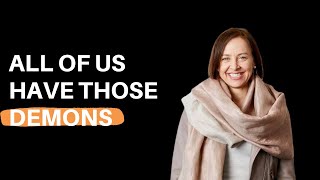
Karen Pflug, chief sustainability officer at IKEA, traces her path from textile design in Manchester through roles at Nike and Country Road to leading sustainability at Ingka Group. She discusses concrete moves like renewable energy and plant-based menus, why diverse teams matter for solving problems, and how she aligns profit with purpose.
Questions this video answers
"I started probably just under two years ago. It was August 21st." (as stated in the interview).
~170,000 co-workers (stated).
400 stores (stated).
Target: 100% renewable electricity by 2025; current: ~75% (stated).
€6.5 billion planned (to 2030); ~€3 billion already invested (stated).
Chapters
Feeling like you belonged to something was super important as well. A sense of nervousness, you know, I was still quite young at the time. My husband's father had actually had a stroke back in Scotland. A bit of a no brainer to take that role actually. Sometimes you have to pinch yourself sometimes. They say never meet your heroes, but some of the heroes are absolutely just as they appear. You second guess yourself if you were offered an opportunity. Well, maybe I shouldn't take the role because what if I fail? It is really about fostering a sense of togetherness and having a common vision. All of us have those demons and so on as well. I should have just stayed in bed and said no. It's both challenging and frightening, but also a really big buzz as well. Food is one of the areas that individuals can have the biggest impact on the planet. Don't surround yourself by a team that thinks just like yourself. Taught my sisters and I that anything men could do, we could do just as well.
Karen, a huge welcome to the Lead On Purpose podcast.
Thank you for having me. I'm looking forward to it.
Oh, it's so great that we get to connect. I know how incredibly focused and productive you are in doing what you do at the level you do it. So I'm just really privileged that we get this moment to talk. And so I want to start at the beginning. So you and I have got something in common and that is that you used to live within a stone's throw where of where I live, here in New Zealand. So what led you to your journey in New Zealand?
Yes, well, I did. Yeah, we lived in Littleton for many years actually and was very, very happy there. Just a beautiful place to be, I guess. Yeah, Starting right back at the. Well, not all the way back to the beginning, but certainly when I was a student in Manchester and I studied textile design, I knew I wanted to travel. I studied in Manchester, which, you know, we can. I'm looking outside now and it's pouring with rain. It was pouring with rain a lot of the time in Manchester as well when I was growing up and I really had wanderlust and wanted to travel and see the world. And then when I finished my degree, I was fortunate enough to have three job offers. And one was in South Africa with a textile company there. One was in Lancashire in the uk, not very far from Manchester, also in textiles. And the third one was with the Wool Research Institute in Lincoln in New Zealand. And my parents said at 21, you're not going to live in South Africa on your own. And I said, I'm not staying in Lancashire. So I said, I'm off to the other side of the world. And, yeah, moved over to New Zealand and fell in love with the place. I just loved being in Christchurch.
I love it. And that's incredible, like, how organic that happened. It was like, Mum and Dad, you're just going to South Africa, way too dangerous, perhaps. And then you're like, well, I'm not staying at home. This is just not cutting it. So you end up down here in Aotearoa. I love it.
Yes, exactly. And I definitely have left a fair bit of my heart there as well. And my husband also. We now have New Zealand citizenship as well as British citizenship, which is fantastic too.
Oh, brilliant. We've got to get you back down this part of the world, then.
Yes, definitely.
I love it. And tell me, like, in terms of career, what started to unfold as you were here in New Zealand?
Well, I think from the biggest impact for me was actually outside of my career, which was just the love of the great outdoors. I started that as a child loving sport and always wanted to be outside and running around. I'm the middle of three sisters and it was always me who was getting into scrapes and climbing trees, and if my parents got a call from school, it was always about me getting injured rather than my two sisters always up to no good. So I fell in love with adventure racing, I fell in love with surf life saving and just spent so much of my free time just enjoying nature and the outdoors. And I was also working in the wool industry, which of course is a big. Certainly back then, we're talking at least a couple of decades ago, was really impactful and important on the New Zealand economy. But it also was about using natural fibers, which was important to me. My final year thesis at university was actually around the use of natural fibers in home furnishings. It was one of the earlier eco Trends in the 90s and I sort of picked up on that as a student. So to then be able to move to New Zealand and work directly in the wool industry and try and look at ways to drive the more commercial agenda there, as well as looking at new ways to use New Zealand wool, it was just super interesting. Really fascinating way to start my career, I bet.
And do you feel like some of those learnings and those Kiwi insights have shaped some of your mindset around what you do nowadays?
Yeah, definitely. I think sort of the combination of growing up in the north of England with parents from Yorkshire who were very much about sort of a Sense of community, delivering on your promises around, making do with small means and making the best of things, using resources wisely and so on. And then the pioneering spirit in New Zealand and also that sense of feeling you're quite a long way from other places where so you really have to have courage and drive things yourself and create your own destiny, I suppose really stayed with me. And then that combination of doing that together with really wanting to compete at a high level in adventure racing.
Really driven, but with a like minded community as well who are all super passionate about it too. So feeling like you belonged to something was super important as well.
And it's interesting how some of those off field experiences about belonging to a community and an adventure, how that we can then have an appetite for having that, you know, on field at work. So once you left New Zealand, where did this, where did your journey take you from a career standpoint?
I moved between Australia and New Zealand a couple of times actually, and in various parts of the textile and fashion industries, including working for companies like Country Road, which many, many of your listeners will know, sort of working on sort of wool and cashmere products there for menswear, which was really interesting. So I kind of kept my woolly background for quite a while and then somehow in a convoluted way ended up with Nike. And then when you sort of combine my passion for sport with my textile and design background, being able to head up originally the Australia and New Zealand apparel collections was just, you know, a dream job to be able to combine.
Those two passions 100% like Nike's, like an amazing brand. When you think of it, it's colossal. So, yeah, got news that you're going to be working for Nike. What was going through your mind at that point?
Yeah, there was a sense of nervousness. You know, I was still quite young at the time and you sort of think, you know, really sort of, should I take this? Will I be able to deliver on it? You know, really thinking how do I back myself and take that plunge and go for it? So. But at the same time it was just too good an opportunity to not sort of grab it and say, say go for it. So. So yeah, I absolutely loved it. And in fact that's in the end how I returned to Europe because I sort of, I suppose I grew out of the local role of managing the apparel ranges for Australia and New Zealand and wanted to sort of get my teeth stuck into being more in control of a broader range. And I was offered a couple of roles with them. One was in the US the main global headquarters in Beaverton in the US and Oregon on the west coast. And the other was in Europe in the Netherlands, which is the European head office. And I chose Europe mostly for personal reasons. At that time my husband's father had actually had a stroke back in Scotland and we said maybe it's time to get back to Europe and be a bit closer to family. But it was also an amazing job for someone like myself who really loves sport because it was driving and managing the innovation, design and development for elite athlete kit for Summer and Winter Olympics, the Rugby World cup, the Tour de France. So a lot of my favorite sports. So it was a bit of a no brainer to take that role actually.
Oh, that's incredible. You'd have been up close and personal with the greatest of all time athletes and teams.
Yes, yeah. Sometimes you have to pinch yourself, you know, sort of like. But I know sometimes they say never meet your heroes, but some of the heroes are absolutely just as they appear and genuinely great people and really authentic and you can really trust them as well. And we're brilliant to work with and others were a little more challenging. You know, it sort of depends on the person. But yeah, it was fantastic opportunity to learn more and also to really understand what it takes to help an elite athlete perform at the very best through the eyes of their equipment. So if you provide kit that works, they don't even think about it. They are just focused on performing to the best of their ability. But the moment it's not quite right, then of course it's sort of how can we make a difference, make a change and have an impact and turn things around so that they are then, then they can forget about what they're wearing again because you know, it's just intuitive and it just does what it's supposed to do.
There would have been such a not role, a wide range of skill sets that you would have had to have to manage so many different shareholders, stakeholders.
Definitely, I think. Yeah, definitely thinking fast, being able to manage complexity, being able to manage having a great deal of agility because things changed a lot. You know, you'd get a last minute call. An athlete wanted something different or a whole team. Because I also worked on football for the 2010 Football World cup as well in South Africa. So then how do you keep the owners and managers of a football team happy and the individuals, how do we make sure we deliver high quality, high performance, exclusive equipment that's also having a positive impact on the planet and uses more sustainable materials at a price as well, it's not limitless budget as well. So pulling all those things together and being able to manage the complexity of working with designers, with factories, with the sports marketing people, the connections to the teams and the athletes, so very much about sort of managing through complexity hugely.
And do you think, you know, for the listener that's listening now going, hey, I want to move in a certain direction with my career, but you know what, I don't have all those skill sets yet. Do you think that Partly, you know, you definitely have to build your skill sets throughout your career, but sometimes you get put into a position where you learn and you develop that really quickly. Do you think there's an opportunity for people to not have to necessarily have all the answers before they step into the role?
Yeah, I think so. I mean, it's often you second guess yourself if you are offered an opportunity and you think, but I don't know all the answers and you start to worry and you sort of think, well, maybe I shouldn't take the role because what if I fail? But it is about backing yourself. And particularly now in my role at Inka Group, at ikea, that is definitely an organization where people are given opportunities without on paper necessarily having all the background and experience to do it. But if something clicks and the leadership skills are recognized and you have proven yourself in other areas, then many, many people that I know, including myself here at Ikea Eddie Group, have moved around and you look at it and it's not a linear career path and you might say, well, how are they connected? Actually, it's a bit convoluted or whatever, but, well, certainly for me anyway, I have built on every role that I've had. I've learned new skills, I've brought in my old skills, and then I've been able to sort of widen my scope, both of influence, but also impact as well through having a nonlinear career path.
And that's really quite unique. Karen, I chat a lot of leaders across many different industries and there's very few large companies operating like that is usually very hierarchical. It's very almost predictable what's happening with people moving throughout the company. What makes IKEA and Inka Group different?
I think a big part of it is the culture. And of course, culture is used in many companies and teams and so on as well. But it is really about fostering a sense of togetherness and having a common vision. Our vision is to create a better everyday life for the many people. And every single One of our 170,000 CO workers can recite that in their sleep. And then it's about being able to give people opportunities. I don't know whether it's the Swedishness that's also built into the culture as well, but there is that openness to allow people to give it a go, to test, to try, to potentially fail, to make mistakes and then to try again. And it's a wide range of people from all over the world that come together around that vision as well. So I think when you have a common purpose or vision, then you don't necessarily have to fit into a standard box in terms of you do this and you only do this and you can't get out of that box. You can sort of knock on the door of your manager and say, I actually think I can contribute here, or my next career path. I'm interested in that role. It could be in a different country or a completely different department. So we also really put the onus on the co worker, the employee, to define their own next steps together, of course, with support from their manager and others in the team.
That's incredible. I think that to me, that's a crucial piece that's missing in a lot of companies and it's that value add, it's letting the individual know we value you, we, we value your. That's your heart set, your mindset and we want you to thrive. And to thrive, you've got to be growing, right?
Yes, yeah, yeah. And of course people, we need people to be happy and contented and motivated at work to be able to bring their best selves to the work. And I think that's great. I mean, when I moved into ikea, it was 2014 and I was offered the role of quality manager in IKEA of Sweden, where all the design and development for this huge global companies done. And I said, why? Why are you interested in me? You look at my cv, I don't have a background in quality, I don't have lean Six Sigma training and so on and so on. But just something clicked when I met the overall head of IKEA of Sweden, where I felt I can work with this person. And it was about moving a common agenda, moving the quality perception of our IKEA products through design, which is then my background. So it did bring in my background and skills through innovation, but also not just the quality of the products, quality of the whole experience. So seeing design and development and the retail experience through the eyes of the consumer, and I think my previous retail experience with other companies was something they were looking for as well. To say, bring the outside in, bring the consumer mindset to the everyday work that we're doing. Even if on paper I didn't have any sort of qualifications in driving quality at all.
I love that and you've mentioned it a couple of times quite lightly, but in terms of self doubt or like, why me? That imposter syndrome thing kind of comes up for all of us. Right. How do you manage that or how did you manage that?
Well, I think it's something working on every day and I have some in my team that talk about it as well. I don't know whether it's more women than men or maybe it's not and it's just that perhaps men bluff it more a little bit better. Perhaps. You can perhaps see, when I think of the people in my team that talk about it, it's probably more women that talk about, particularly if they're coming back after being off on maternity leave and so on, and then they're offered a great new opportunity. That's a big challenge. They really have those self doubts. I think all of us have those, those demons and so on as well. And particularly when you get offered a big role that you don't on paper have the experience for. So you could say the same for this current role where I'm chief sustainability officer for Inka Group, the largest Ikea retailer in the world, with 400 stores with millions of millions of visitors and I don't have a sustainability background. So when I was given that amazing opportunity, it's sort of you almost like your stomach's churning. It's almost like the start of a race, you know, start of the coast to coast going, what am I doing? Why did I say yes? You know, I should have just stayed in bed and said no. And then when you're there at 4am on the west coast of the south island, so it was a similar feeling. It's like, what the heck have I done? You know, so. But it is about being able to calm those internal doubters and believe in yourself by not having a fantastic manager and team around you. And then for me, I don't have a sustainability background, but I have real experts in my team who do know what they're doing. So what they're looking.
For me for is driving transformational change, bringing the culture and values of the company to the fore and helping to integrate sustainability so that every single co worker knows how they can contribute. So it's around change management and driving positive impact. So it doesn't matter that I have not got 20 years of climate experience, for example, that's incredible.
And to me, for the listener listening right now, that gives everyone hope that, hey, when I get a job that maybe I don't think I can do, actually, you can think bigger, think different and around decision making. So when you decide, I think, you know, when you say yes to something, you're essentially cutting off all other options. So what helped you to decide to say yes to being Chief Sustainability Officer at Inka Group?
I think the biggest thing for me was being driven by my own purpose and wanting to make a difference. So we are a large organization. We are scrutinized, of course, and we should be scrutinized. But we also have the opportunity that even if we make a small change or difference, it actually then can have a positive impact on millions of lives. If we drive and switch to renewable heating and cooling in all of our operations, in all the stores and distribution centers around the world, that has a huge impact on how much greenhouse gases are emitted. If we have a societal impact on people in these neighborhoods and societies near all of those 400 stores, we have a daily impact on people's lives. So that chance to have a positive impact and be a force for good is something that runs really deep for me. And there aren't many other global brands where you can have such an impact with the work that you're doing. And that is, you know, it's both challenging and frightening, but also a really big buzz as well.
Oh, I bet, 100%. And stepping into that role, what have you learned about sustainability since starting and get, you know, getting the wheels moving, what has changed for you? What's been the transformations?
I started probably just under two years ago. It was August 21st, so I have learned a lot. I've learned a lot more about the science behind sustainability, of course. So it's. I do have the experts, so that's topics on circularity or sustainability or climate or human rights or whatever. So I have those in my team. So I've really tried to be a sponge and soak up as much knowledge as I can from them and also external knowledge and expertise too. Because for me to be an authentic leader, I need to be grounded in the facts and really have the facts on the table and be able to lead with those. I also have seen the impact of great work when you challenge the status quo as well. And I suppose that's another reason to take this role is I've always been a little bit of a challenger and wanting to do things differently. And that also fits very well with the IKEA culture. So how can we do things differently? When Ingvar Kambrad, the founder, originally started the company, he took on the traditional furniture retail market. Flat pack furniture was completely new and it helped to make the products available at affordable prices for customers. You have to do your bit, of course, still assemble it yourself at home, but little did he know back then, it was also the most sustainable way to ship furniture around the world. You know, we always joke that we don't ship air, but the fact that the furniture is packed down to the absolute smallest parcel or package it can be, and then the customer helps to do their bid as well, and it makes it affordable and so on as well. So I think, you know, there's so many things that I've learned around bringing in culture, bringing in that desire to change, to make a difference, but also that common purpose that we all have. And it's about combining profit and purpose together. We're not an ngo. We still want to grow, we still want to be profitable. It's important that we are profitable and successful. But it's about doing that with purpose as well, and having a positive impact while doing that.
That's so beautifully put. That's interesting because your purpose statement is one that I would use a lot when I'm doing strategy sessions. And I really try to get people to get clear on what their purpose is. And I just think that IKEA purpose statement is just so simple and so powerful. And I guess the one thing that you alluded to earlier was that everybody gets to almost attach their personal meaning. Each co worker, they can actually relate to it, right?
Yes. Yeah, exactly. So if you're in a customer support center, answering calls from customers who have challenges or problems every day, or if you're helping someone design their dream kitchen at an affordable price, or if you're working on reducing food waste in our stores, which we managed to halve that over the last three or four years, actually, every single person can help a customer live a better everyday life, but also have a positive impact on people and planet as well. So for us, that vision is so deep, but what it means from a sustainability point of view is that we help customers live a more affordable and sustainable life within the boundaries of the planet. Because we're also, we say, a better everyday life for the many people and it's sort of, you know, that's sort of a quirkiness of Swinglish, I suppose. But it is about making sure that great design, great products, knowledge, know how and so on are available for people with small means within wallets. It shouldn't be for the chosen few who can afford beautiful, sustainable products. And that is something every single one in the company is striving towards.
It's incredible. And when you think about, say, sustainability, what are the greatest challenges you feel that organizations face in this day and age?
There are many. It's a really complex topic and they're all interconnected as well. I think obviously climate is the one that gets a lot of airspace in the media and that's for good reason. It's a huge, huge topic. And it takes a collective will of governments, policymakers, businesses and individuals and NGOs to all come together and really drive change. We have most of the solutions and that's where it can get frustrating, I think, because in most cases, not all, but in most cases we know what it will take to get there in terms of being net zero and climate positive. So it's about investing in those and making the right choices. And here, I mean in a sort of broader societal way then we have rising inequality, the gap between the haves and the have nots. And the people that are most severely impacted by climate change are those with the least, with the smallest means as well. So again, it's interconnected. And then we have other topics around circularity, the switch to become a fully circular business. We can't do it alone. We certainly don't have all the answers. So how do we collaborate with our suppliers, with our customers? We have a take back service for customers, being able to bring products back and sell it back to us. We help with repair and spare parts, sending millions of spare parts out to customers and so on. So prolonging the life of products. But then even designing that product, our Inter IKEA colleagues in IKEA of Sweden, designing it from the start so it can be repaired, that it's from renewable and recycled materials at the moment there can be a premium for those sorts of materials. So it can be a difficult challenge to say, okay, if we invest here, what we don't want to do is increase prices for customers. So it's finding that balance. We have what we call democratic design around form functions, sustainability, quality, all at the lowest possible price for customers. So they. And that isn't easy. You know, it sounds easy to say, but it's not easy to do. But if we apply that for every single product we make, it helps then to make that switch to those renewable materials and there'll be a tipping point where actually it will be a lower price to go for those renewable materials in the future. It will also be that legislation will require it. So we need everything to move together. The will of the people, which we definitely have, the will of businesses and then legislation and government supporting those changes.
What would you say have been some of your biggest wins in the last few years for you guys as an organization?
I mentioned the food waste earlier, but connected to food, a lot of people don't think about this, but we're one of the world's largest sort of restaurants. We have over 100 million people come and eat food in our restaurants every year around the world. And food is one of the areas that individuals can have the biggest impact on the planet on climate. We were lucky enough to have Johann Rockstrom, who's a bit of a guru in Sweden, but also known internationally as an environmentalist and a scientist. He came to speak to many of our coworkers about a month ago and we asked him what's the single biggest impact an individual can have on the sustainability agenda. And it is about the food that we eat. But we don't have to be extreme and be vegan, which I guess people in New Zealand and Australia be happy to hear. Meat loving nation. But it is about just switching out to fish to chicken and vegetarian and having just one or two portions of red meat. So that flexitarian diet is the biggest impact individuals can have. So being part of that with our plant based plant balls as we call them, having alternatives to the famous Swedish meatballs, where in some markets it's already up to 50% of our sales of the plant balls versus the meatball equivalent, we've made sure that those.
Plant based foods are at a lower price than the meat alternatives to help nudge customer behavior and allow them to have a more sustainable meal when they visit. Switching to renewable heating and cooling and renewable electricity in many, many of our stores with the ambition to be 100% renewable electricity by 2025 and we're around 75% now. So that one's a big movement as well. We're driving towards zero emission deliveries as well. The impact of actually shipping our product and delivering it to customers. Of course we want that to be zero emissions and we're, we're on our way there, although that's a big challenge with availability of trucks and so on. And then it is about the advocacy role because as well as providing customers with a great range of more sustainable products and looking at our own operations because we are a big brand. If we make a movement, many, many others will follow. So we want to be that force for good and driver of positive change.
Yeah, there's almost like a responsibility there for you guys. If you make the right decisions, it's going to have a massive domino effect.
Yes. Yeah, we feel that. And sometimes it can feel a bit like, oh, thank heaven, sort of got broad, broad shoulders. But it's something we take seriously. But we also see it as a fantastic opportunity because of that domino effect.
Of course. Yeah. And I think that that positive psychology approach of thinking, well, what are the possibilities here that present themselves when we do the right thing? Even if it's the hard thing to do, we're doing the right thing.
Yes. Yeah. And even if it can feel like slow progress. I mean, people that work in sustainability are notoriously impatient and it will never be enough and always more, more, more. So it's about balancing that drive and striving for change and the momentum and sense of urgency with also doing it in a positive way that brings people along. It's not, you know, the wagging the finger and the stick and making people feel guilty about the choices they make, whether it's individuals or businesses. It's about showing the way around the positive changes you can make without it feeling like it's a chore or a burden or whatever. We feel that's a sweet spot as well. Making it matter to customers so that it is a positive impact on their individual lives. Not just because it's good for the planet or whatever, but actually benefits them as well. Whether that's being healthier, whether it's saving money and so on. And if we can, it creates a virtuous circle. If we can build that momentum and bring other companies along to do that as well.
A hundred percent. And I think when you get to that personal level and you're helping people meet their needs, their core human needs, it's such a more natural kind of cycle from there.
Yes. Yeah, definitely. And I think, again, that goes back to the original vision around a better everyday life. Who doesn't want a better everyday life? And if. If we can impact that. And it is about the everyday. It's not just the special occasions. It's about that life is more comfortable, it's more enjoyable, it's more affordable and more sustainable for the people that we connect with and provide services for.
And as you have eyes up and looking to the future, what are you excited about that you guys are working towards now? Is there a certain theme or anything particularly exciting as a group you guys are really focused on?
There are many areas, I think a couple. One is a lot of the work that we're doing around diversity and inclusion. So if we take our own co workers, about a decade ago we made a decision to be really rigorous about 50, 50 gender split, particularly in senior management positions. And we now have reached that. And then if we take our country, retail managers around the world.
I think it's like 45% because we have 31 countries, so just the balance. But overall with our management teams, it's 56%, I think women. So we made that decision and we focused on it. That runs very deep to our values, but also to sort of Swedish culture as well, of being sort of equal rights for people with very good parental leave cover and things like that in society in Sweden. So it was really being true to ourselves. But for me it's then what is next from that? You know, that's just one element of diversity and inclusion. So we need to then go the next level. So I'm really excited about the Edni agenda. I think we've got some great work going on both for our co workers, but also our impact on wider society and then broader society. The human rights impact. We are doing a lot of work on refugees skills for employment. So giving refugees dignity, being able to be skilled with different skills to come in that they may not have had before, like an. Almost like an internship program, helping them to then get a job either with us or with other retail organizations. So really giving them skills to set up for a better life in their new location. And then the philanthropic work that we do both ourselves, but also through, excuse me, the IKEA foundation, which is a charitable arm where we fund a separate legal entity where they can do great work in locations where we are not operating. So when there were floods in Pakistan, the earthquake in Turkey, they can act with speed and release money to medicine, San Frontier, the Red Cross or whoever to. To drive change there. So I think the human rights aspect super energized around and then the biggest changes in our own operations and also the offer for customers are really around circular and those switches to renewable energy and so on as well. We have an investment arm that is investing 6.5 billion euros in renewable energy in wind and solar over. And they're already around 3 billion invested now in the last three or four years and up to 2030, that'll be six and a half billion. So super exciting to be part of that as well.
100%. There must be so much deep purpose and meaning behind what you're involved with and how you help drive the ship forward as well. That's seriously incredible. And I guess one Thing I wanted to ask you, you've been in these incredible roles and they're just mind blowingly amazing. How do you keep growing as a leader? What are the things you do or seek that help you to continue growing your leadership skills?
Well, I think the key word there is actually growing. It's that growth mindset. Excuse me, frog in my throat. It's about always, always wanting to learn and be open to learn and it's about bringing diverse views in. When I was younger, I sort of, certainly if you ask my husband and my sisters and mum and dad, they probably say, you know, Karen always wanted to be right or felt that she was right. And I always felt this burning desire to have to know all the answers myself. And it's something I've learned as I've gone along is actually, it's actually okay to not have all the answers yourself and the more diversity of views that you have. So making sure I surround myself by people who, who think very differently from me, who will challenge me and oppose my views and actually then.
We can have some really good nitty gritty debates on topics and it opens my eyes. So I think the diversity element surrounding yourself and I mean that in the broadest sense of diversity of people from all over the world and all ages and so on, but also diversity of views don't surround yourself by a team that think just like yourself because it's not going to help you to grow. And it's about that, I guess that thirst for learning and knowledge that, that and also to try and be a bit better every day as well. Whether that's in sport, which gets harder as you get older, you're lucky, you're just treading water to not get slower. But you know that desire to learn and grow and be faster in your sport versus in your work as well, to be able to keep having a positive impact. The world is changing so rapidly around us that I think you have to stay on your toes and be prepared to learn and grow. You can't just rest on what you knew a few years ago. It's so much complexity and change and the pace of change.
And in the company itself, what are the opportunities or platforms that are presented for all of your co workers to continue to develop and grow themselves?
Yeah, we do, as I said before is a lot of it is sort of steered by the individual themselves. So we have what we call the talent for all tool which is one that the coworker actually comes to their manager with the goals for the next year. This is what I would like to focus on. There are some business goals and there are personal development goals. We have leadership expectations and capabilities. And here when we say what takes a leader, we mean every single individual co worker is a leader. It's not the manager. It's about really leading yourself, your own destiny and having the ability to also lead across the business, whatever role you're in, whether you manage people on paper or not. So I think that's really important. And it is about sort of, I mentioned diversity, but it's about having that diverse thing thinking. It's about working together. It is about how do you influence and inspire people and enable them to do better themselves. It's about being open to challenge the status quo as well. We really encourage that sort of challenger mentality and entrepreneurial spirit at IKEA as well. So at the start of the financial year, you would sit with your manager and go through that with them and agree it. You would also then have some personal development goals which could be not related to your topic at all that you're in now. And you would also think about, I'm only just in my role, so I'm going to be here for at least the next two or three years. How do I grow? What skills do I need? Both internally learned, but also from external courses and programs as well. What can you learn on the job? Where do you need the outside expertise?
And then also it could be, I've been in this job for five years, I want to change, I'm open to move, I'm mobile. I'd quite like to know what it's like to work in this department in a totally different part of the world and all that is mapped for all co workers to be able to try and shape their own destiny.
It's phenomenal. It really is incredible. There's such a process in place for people to grow and they get to drive it as well.
Yes. Yeah. And of course it's got to be in line with the common goals we want to move as a business, but the people who work for IKEA realize that, you know, they're not coming up with some crazy idea that's not going to support our overall vision and purpose. So it's about enriching their individual life and journey and enriching the company as well.
Of course, it's phenomenal and it's really measurable too. It's something you can come back to and say, hey, here's the line in the sand. Are we moving towards it or not?
Yes. Yeah, definitely. So it's certainly not just A one meeting at the beginning of the year. It's something you come back to on regular intervals. Some people want to do it every month when they check in with their boss. So you have the normal meetings that you would have, which are all very much, I guess, transactional about how's this project going and do you need any support here or getting an update there? And then there are what we call the job chats where it's actually much more about getting under the skin of do you feel you're on track with your own personal development and are you doing what we agreed you'd be doing during this year? And sometimes you're not. Sometimes a big project lands or an emergency comes and you have to say, well, we agreed I'd do this, but now I'm doing that. That is also okay because you're evolving and things come left and right all the time.
And I imagine throughout your career they have. There's been things that have been thrown at you and they've been challenging, whether they're natural disasters or they've been other things. But what's your response in times of crisis? How do you deal with that? How do you hear it, accept it, feel it, move forward? Have you got a process that you go through when you're hit with adversity?
That's a good question. I think all of us would probably initially go panic a little bit, but it's how do we move from crisis to action, but also not run in the wrong direction? So it's tempting to sort of, particularly in a company that is very much about people who are action oriented and want to solve problems, is to go straight into solution mode. And we've got to do this, we've got to do that. My preference is to really hang in the problem a little bit longer and make sure really understand the problem first. Because sometimes what can appear to be the problem is not the root cause. And I think that's where actually the five years in the quality space surrounded by people who were experts in that to really do the root cause analysis and ask the five why question, as they would say. So you keep drilling down until you really get to the root cause of the problem and then you're better able to solve it. And then it's about quickly pulling together the people that can help. And often they're people outside of the organization will be whether it might be governments, it might be an ngo. And if I take the example of when the crisis in Ukraine hit and the terrible war and we had people all being evacuated and refugees, and many of them arrived in the markets where we operate surrounding that part of Europe. And we had all the country teams wanting to act and support and help all these people who suffered so much. But we had to have some kind of structure and clarity of how we could have the biggest impact with our home, furnishing knowledge with our supplies, whether that's mattresses, duvet, things like that. So pulling together a crisis management team with the right people in the room, and then partnering with Maersk Shipping or unhcr, who really knew what those individuals needed to, to make their lives better, rather than sort of the running around like a headless chicken, which is tempting when you see a disaster and you want to help. So it's having some structure, partnering with the right people and grounding it in facts and the real root cause of the problem.
Incredible. And I think that insight is so powerful for the listener. And you talked about diversity, and I love that that's a big, big focus for what you guys are doing and where you're headed as a company, as a team. So in terms of your own experience, being a female leader, going through your career, have you ever had experiences where you have not been given opportunities or it's been harder for you to do what you wanted to do because of your gender?
I think I've been fortunate to live and work in parts of the world where it's less of a problem. And maybe because I'm also quite a strong, feisty personality type has been less for me.
And, you know, I think there are parts of the world where it's probably, or it is a lot more difficult. And then I feel that I should be a voice for those that don't have a voice in those situations and be able to both lead by example, but also stand up for what I believe in. I think, you know, for me, I have been fortunate enough to work in great companies. I've of course experienced sexism at work. Certainly not at Ikea, but in other companies where it can be just a bit of banter, especially in Australia, you know, and these days, now I'm talking many, many years ago these days, that probably happens a lot less. But it's calling people out when that happens and making sure that I misspell extremely clear on it. And then when I think of outside of work in, in sport, adventure racing, men and women do the same course. So it's not, you know, I did some bike racing as well, and women would do shorter bike races than the men, and they do at the Olympics and World Champs as well. But when you do adventure racing, it's. And if you do it a team, it's usually one woman and three men. And often by the end of 24 hours or 48 hours of racing, it's the women that are the strongest. The men might be fastest at the start. They almost like doing those races to sort of prove that I can do what men could do. And I grew up with parents who very much taught my sisters and I that anything men could do, we could do just as well. I love started from early days with my parents.
That's incredible. I think that when we look at, and we're chatting to Steve Hansen on the show about, I don't know, five, six months ago. And obviously he's done a really great job in his career being a coach. And I was asking him about who he looked up to as role models and leaders and he said, you know what? Your two greatest role models are? Your two primary caregivers. And they are going to be the people who have the greatest influence on your leadership. And it sounds like with you.
Yeah, definitely. And then also when I now think of my own children, I've got a daughter who's 15 and a son who's 10. And it's my husband that's chosen to be the stay home dad. It worked for our family and it's meant that I've been able to have the career I have and the children have stability at home. A lot of parents, sometimes both parents have to work and you have to juggle that and you know, you need sort of aftercare and so on. But the fact that we've moved around and lived in different countries around the world where we have not had the grandparents or the aunties and uncles available after school has meant that's what's chosen. We've chosen for us and it works for us. And I'm lucky enough to have a supportive husband who's been prepared to give up his career to look after the children and move around the world with me. So I do realize how lucky I am. But I also know that sets a fantastic example to both our children as well. That that is okay and that's normal and it's, it's the done thing as well. It's not always the woman that is the primary caregiver.
I think it's such an incredible thing you're doing and it's important that our kids do get to see that it's not this old school hierarchical way and patriarchal way that there's a different world and everyone has opportunities to do what they want to do. So, yeah, you're really flying the flag.
Yeah. Well, together with my husband, I'm very lucky that he's been prepared to do that because it's. It doesn't always work for other families.
He's a modern dad. I love it.
Yeah, definitely.
So good. Now, I want to be so respectful of your time and I know you've got probably a very busy day ahead, so I've got one last question I'd really love to ask before we wrap up. So we're going to fast forward many, many years into the future. It's your last day here on Earth and, you know, it's your last day and someone very young, maybe it's a great grandchild or grandchild, comes up to you and says, karen, how do I lead my life? On purpose? What would you say to them?
It's a tricky. I'd probably want to say a lot of things.
There'd be so many things you'd want to say if you knew it was your last day on Earth. I think. I think for me it's about how do you show up every day to be the best version of yourself, to be the best person? And you do that when you are doing something that you spend the majority of your time on that is aligned with your own moral compass and your own values. So find whatever that is. And for some people, it might be, you know, working for themselves and driving their own agenda. For others, like myself, working for large global companies, where you can feel it can have a bigger impact on more people, but it's so important that the work you're doing and the company that you spend most of your day with is aligned with your own personal moral compass and so on as well. And then I would also say don't take yourself too seriously. You can take the job seriously, but not yourself too seriously. And you need to be able to laugh at yourself and have some fun. The topics that I work with are quite heavy on the heart, heavy on the mind, and many of my team as well. It's, you know, that desire to make a huge impact on huge topics like climate and human rights and so on, can. Can weigh heavily. So it's about making time for yourself to have fun, to balance that complexity and work that you're doing. Sometimes just let off steam, whether that's through music, art, sport, whatever it is, find that time for yourself as well.
Such great advice. I love it. And I have to say, when we first connected, that's one thing I really walked away with that. You have a good sense of humor.
You.
You're at ease with who you are in the world. You're confident with it. It's just you've got an amazing leadership style and you can. You can feel that when you're in your company.
Thank you. Yeah, I think it is about enjoying what you do and feeling you can have a positive impact. That. That gives me a huge amount of energy.
100%. Well, thank you so much. I don't think this will be the last time we connect. I feel there'll be. There'll be future connections. And I just want to say thanks for sharing what you did today and wishing you all the best with incredible things that you're doing in the Inca group.
Thank you. Thanks so much for having me. And yeah, look forward to listening to more of your podcasts as well. I really enjoy it.
Thank you so much. We'll see you soon. Hey, guys, if you enjoyed the content today, please smash that subscribe button below. And if you want to become part of my community, I've got an amazing free Facebook group. Please come and join us. The link is in the description below. And also if you've got any questions about today's session, I. I'd love to know. Just comment below and I'll be sure to get back to you guys. Have the most amazing day.









