From Shamanic Healing to Managing Billions — Finding Purpose Beyond Success
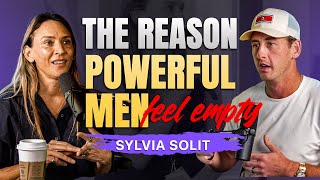
Silvia Sollet, a portfolio manager in family offices, discusses how spiritual authenticity and embodied presence transform both boardrooms and personal relationships. She shares an ayahuasca vision where she received the message "God blesses the coders," and argues that real wealth comes from radical accountability and genuine friendships, not automated investing or substances.
Chapters
I do work with a lot of, you know, like middle-aged to older men. I have a lot of visibility into what they struggle with, and that kind of pattern, if you mix it with money and status and power and it goes on for a long time, almost inevitably leads to sex addiction. Life is so beautiful, like we should just fully express ourselves, like we should never hold anything back. Like, that's just when the mushrooms were coming on, and then I like totally peed through my jeans, like just looking at the tree, because I was like, why do we ever hold anything back?
Sylvia Sullit, the founder of The PRIME Process, with over 20 years of experience managing $1 billion in assets. She helps investors and families align capital with purpose to create lasting values-driven impact.
So I think that we're in this sort of transition as a species where we are becoming more conscious about all of the things that have traditionally kept us in trouble, which is money, sex, and power.
Right.
And I think we're in the process of beginning to wake up in those dimensions.
What is up guys, welcome to the show. In this episode, I'm interviewing Silvia Sollet. Now this interview goes down a roller coaster of different paths. The cool thing is that Silvia went from shamanic healing work in Argentina and got into the financial world and has worked with some of the most powerful wealthy people in the world. And she shares really, really interesting and deep realizations and lessons that she's learned along her journey. So stay tuned for this one. There's a wide variety of topics and a wealth of knowledge to learn. I hope you enjoy. Cool. So I'm excited about this one because you're a very dynamic guest. You went from the healing realm and, and shaman work and got into the financial space and dealt with some of the most powerful people in the world in business. I would love to just kind of kick off with a little bit about your journey because most people go the opposite way. They get into business, they realize that their void isn't filled, they discover spirituality, they discover personal growth, and then they get into the other kind of side of things. How, how did your life kind of come about the way it did?
I agree with you, like usually it's the opposite, is that people get disenfranchised and disillusioned with like corporate America, or they feel like what they're doing doesn't have any meaning. And it was the opposite for me. But the, the way to understand the story is like I just became obsessed with awakening when I was like 19 years old.
Mhm.
And the way I became obsessed with awakening was I accidentally took a heroic dose of mushrooms.
Accidentally?
Yeah, pretty much.
Okay.
So I was at a party, I was like a freshman in college, and there was a kid who was a friend of mine whose parents were hippies, and he knew how to forage for psychedelic mushrooms. So he went and literally picked some, and and brought them to us as we were getting ready to go to the party. We were just like hanging out and I had like never been drunk, I'd never smoked pot. I was like totally virgin.
Wow.
And he's like, this could be fun. Like these mushrooms are magical, we should eat some and then we'll go to the party. And I was like so completely naive and there wasn't like ChatGPT to ask about like weight or dosage or anything. So we just ate a bunch of them And I know now I took a heroic dose.
Like how many grams approximately?
Like definitely 5 and over.
Wow.
Um, I have enough experience understanding mushrooms now to know that that was a 5 and over type of experience, right? But I didn't know that in the moment, so we just left the apartment and we were walking to the party. It was like an outdoor party at our university, and as we were walking there, I saw like this big beautiful pine tree, and I just looked at it and I was like, wow, life is so beautiful. We should just fully express ourselves. We should never hold anything back. That's just when the mushrooms were coming on. And then I totally peed through my jeans just looking at the tree, 'cause I was like, why do we ever hold anything back? So I was really getting like— Wow. Like, that's not, you shouldn't be taking those kinds of mushrooms at a party ever. Right. But then we got to the party, and once I was there, I had the actual experience of our thoughts create our reality.
Wow.
And I was really in it, and nobody had prepared me for that. Nobody had prepared me for this thing called spirit or the soul, or that we were co-creating reality in any way, shape, or form. I had never read a book like that. And then I would literally think, I wonder where so-and-so is, I would like to see them, and then that person would walk in my direction. And it was all, I could see this great design that the universe has for us. But I also had no context for that, so it was like, it became overwhelming at a certain point. At some point I just needed to lay down.
Yeah.
And I was like, whoa, like, like, what the heck? Like, God is real, there's a plan for my life, like, there's more than meets the eye to this 3D dimension. And, and because I was 19 years old, it, it marked me in a way that I couldn't reverse afterwards. Yeah, like I literally got like tagged like a spiritual person.
Wow.
And I was not happy about that in the beginning because I was just like, I was just like basically raised as like a New York Jew. I was just, I was just like living life. Like I probably would have been destined to be like an estate attorney living in Manhattan right now.
Yeah.
Had that not happened to me that night.
Yeah.
So it was a little bit pissed off for a few months where I was like, oh God, like how did I don't want to be one of those spiritual people? Like they're so annoying. Like they're like, right. And I couldn't reverse it, right? It— and so then from that moment, I was like, okay, the only thing that really matters is like waking up in a human lifetime. Like, this is Earth school. We're here to wake up. Can, can I like actually fully wake up? Like, one thing is having glimpses of awakening. Can I sustain awakening like 24/7, all day long? Is that real? Can people do that?
Yeah.
And so that question became the impulse for me to really like pursue awakening And then when I graduated from university, I moved to South America and I started a business that was— I co-founded a business that was essentially around awakening, longevity, wellness.
So a lot of people have the preconceived notion that it's like you can either be spiritual or you can be financially successful, right? There's this notion in society that if you want to be successful, you have to grind, you have to work your ass off 18 hours a day, you got to put in the hours, put in the hard work, or you could be a spiritual hippie and enjoy life. But I've seen in my life that some of the most successful people I know are also very connected. What's your take on spirituality versus financial success and how do they interplay?
I think that that's where humanity is evolving towards, is like, if you think about why would consciousness want to leave money behind? Like, if we're becoming more conscious, what are we gonna do about the money? Like, the money's just gonna hang out there like in the shadows, like all unconscious and like all messed up? Like, why wouldn't we want the work and the money to also become more conscious? But that doesn't mean lazy or disengaged or out to lunch or spaced out. Like, I love to work. Yeah, like I'm here to work. Yeah, like I wake up and I'm like ready to go, right? So I'm deeply engaged, but I I'm— my engagement is always in this, like, intersectionality. Like, I'm really, really curious every day, like, can I bring more awakening to the work at hand? What would that look like?
Right.
So I think that we're in this sort of transition as a species where we are becoming more conscious about all of the things that have traditionally kept us in trouble, which is money, sex, and power, right? And I think we're in the process of beginning to wake up in those dimensions.
Very cool. Now, what is— what does awakening mean to you, and how would you describe that? Because someone listening who hasn't really been down the spiritual path, they may hear the word awakening and think one thing. You have a kind of a different meaning to it, maybe. What does— what does awakening mean to you?
When I first was reading about awakening, like right after that mushroom journey, I like went and got my first spiritual book. It was Zen Mind, Beginner's Mind. It was Suzuki Roshi's book. It's sort of a primer on meditation. So at the time, I thought that awakening was transcending all thoughts, and I was doing those kinds of meditative practices where you sit still for hours and you try to like banish the mind. Um, good luck with that. Like, it's like, so far I haven't had luck with that myself. So I began to get these sort of clues through my spiritual practice that I think awakening today's world is about— is very embodied. Type of awakening. So what does that actually mean? Is it's, it's a mindset. So what are some of the fundamental aspects of that mindset? Like, you have to put down, um, victim narratives, for example. Like, that's part of awakening. And why do you put them down? Because you've accepted, or you've begun to see, that your life has a design in it. Okay, so that's like the fundamental pivot is knowing where you stand in that question. Sometimes when I'm working with someone, I like to call it the God or no God question. God's a very triggering word for people. It's like a meme, and they're like, ah, God, no. But I like to use it because it's triggering. I like to trigger people. So I say awakening is like when you're in front of that God or no God question, where do you stand? And you got to be all in with where you stand. So if you are on the God side, you're like, okay, I think that there's a plan here. There's a design, well then inherently you can no longer indulge in being a victim because it's happening for you, not to you.
Right.
So like, that is embodied awakening, is you just had the worst news of your life. What's the first mindset you're going to have in approaching that? Are you going to say, I can't believe this happened to me, this is— I'm a victim? Or are you going to say, I don't understand this right now, I'm going to trust that this is a blessing in disguise, I just don't understand the blessing in this moment? That shift in mindset for me, and practicing that in every moment of life, is, is awakening. That's just like one facet of how I would describe it, but that's an important one.
I love that. I think the mind can become a monster, or it can become a tool that works alongside of us in our journey and understanding our life and becoming awakened. So you're saying that by eliminating the victim mindset, right? This is part of God's design. That's how you remain awakened. And removing that energy from, from the whole narrative allows you to kind of be aligned and, you know, continue down the path you're supposed to be on and not feed your mind the things that, you know, cause it to be negative and hold you down. What do you think happens to someone once they let go of that victim mentality?
You're just— you're playing the game with different rules. So that the universe is like this super benevolent, like, master freaking coder, right? And it's coding exactly what you want to have coded for you. So if you say— you're letting the universe know, I'm playing the game by a different set of rules right now. I'm gonna— I'm not gonna touch the victim thing. And so then all of a sudden the universe says, okay, great, so now you get to play this game with a different set of rules that are actually going to help you to awaken even more deeply. If you want to keep playing the victim one, you probably won't get those. It's like Chutes and Ladders. You're not going to get like those higher levels of understanding. But there's other dimensions too, and like some of them are very, very ordinary. So for me, awakening should be like super ordinary. And one that I think about a lot is, um, how distracted are we with our attention day to day? Yeah, like how busy are we with our attention moment to moment? So what does spirituality look like to me? If I'm at a red light or I'm standing in a grocery store line, do I immediately go into distraction, or am I willing to be a little uncomfortable and actually just be with myself? Because then I'm building this sort of like— I'm building resilience of stillness inside of me. And that resilience of stillness is like a superpower, right? But that's like a very ordinary practice. I didn't have to go sit in an ashram to learn that, right? I'm doing that in the grocery store line.
But we're, we're up against so many things that make that a challenge for regular society because there's so many things at our fingertips that give us that distraction whenever we want it. Our phone, right? There's an endless stream of things that we could be distracted by. And also those things happen to feed us dopamine. So they, you know, they feed the mind, they make you feel good. Do you think people realize, like, or what's your take on, on technology and social media and how it fits into life and how it should fit to life?
I think people are realizing it, and it's— I think it's a generational thing also. So like, I'm not a native tech— I'm not part of the native tech generation. My sons are, especially my younger son. Like, he's literally native tech. So for me, I try to be a little less engaged with technology. So I, for example, have the blue light turned completely down on my phone at all times. So like, it's— my phone is not nice to look at, right? It's not stimulating. It's annoying, actually, to look at my phone. So that's one thing that I do for myself. But I have a 14-year-old who is like a crazy good gamer. And I'm not going to take that away from him because there's studies that show that surgeons that game are better surgeons. So like, I don't know what the workforce is going to look like tomorrow. So I'm letting that 14-year-old become a phenomenal gamer. Yeah. So it's like, it's like, I don't know the ex— I don't think there's like a one-size-fits-all answer for that. But what I do watch for myself is like, I, I'm really trying to cultivate the stillness of my mind 24/7 because this is such a highly distracted culture.
Yeah.
And it will take you if you let it. So I'm trying, I'm trying on my side. And then, you know, with my son, I just, I just try to make sure he's a kind person and he's not—
yeah—
becoming like some Yeah, you know, like weird introverted, like don't talk to the world person.
Video games and social media are kind of two different realms in my, in my perspective. I mean, I noticed for myself at least that, and I kind of come from the generation that's like both, right? Like I grew up without the stuff and then, you know, into my early 20s, like the iPhone started evolving, Instagram started evolving. I went from, you know, looking at pictures and now there's videos, now there's an algorithm that knows exactly what captures my attention and an unlimited stream of it. And it, it knows every little data point of the things you're saying and the things you're clicking on, things you're viewing, just to capture your attention more and more. And it's very powerful. Like, I noticed for myself that if I start to go down that rabbit hole, my mind is addicted to this content because it gets fed dopamine. But if I, you know, bring myself to stillness afterwards, I notice I have this like very scattered and anxious energy. And I think that— I mean, I believe that's happening to society, you know, at large. And I believe that it's more of a problem than people realize. I'm curious what your stance is.
Now I know why you love golf so much. It's like the antidote. Yeah, it's absolutely antidote. Like, it takes you into a totally different mindset.
Yeah, it's a great game.
Yeah, like, what's my perspective on the distractedness? Yeah.
Or like, how would you, you know, how do you think people should interact with social media specifically? Like, how do you think you can live a healthy life and, and, you know, keep the presence and keep the awareness and the stillness, but also use a platform that's job is to suck you away from that? Like, how do you, how do you balance those two things out? Or do you balance? Do you have any thoughts on that?
Well, I, I spend like a really super minimal amount of time on social media, but mostly because my social media isn't, isn't like precisely curated for me, right? And I— and somebody else manages my social media for me. So what I'm trying to do is I'm trying to put a signal out on social media that if anyone touches into what I'm putting out, that they feel centered and better about themselves at the other side, right? Because there's like— I'm not selling anyone anything. Like, I'm literally like, hey, you wanna like hang out in truth for a second? Like, it's like, could just be quiet for a second together. So I'm, I'm trying to send that signal out, right?
So you're contributing to the content that people are consuming in a good way, very consciously. But most people are the consumer. The 99% are the ones consuming. Yeah. And then, you know, a lot of the people that are contributing are also not necessarily awakened and You know, they're sharing things that also feed the kind of the distracted mind. You know, like for a lot of young men, they'll go on Instagram and what will they see? Well, they'll see hot girls, they'll see watches, they'll see cars, they'll see experiences that they haven't had, and they'll see the best versions of these lives that aren't really true. And it feeds them this feeling of like, oh, my life sucks. I need to do more of that. I need more of that in my life. And it pulls them away from this moment.
Yeah, it's designed to do that. Yeah, even for, even for me, like, if I spend like a little bit of time on Instagram, I usually feel like I need to buy a new lipstick, or definitely I need like that, that like lotion for your body that makes it not wrinkly, or like I need something at the end of an Instagram time. Yeah, you know, look, the one thing I, I love to talk about is for people to become more conscious of what it feels like, this feeling of being busy, um, because I think that that's at the core of it, is we've somehow created a society where The most valuable thing you can be is busy.
Mm-hmm.
Um, we have a natural need because we are tribal creatures. We have a natural need to be significant, to be needed, to be valued. Like, those are actually very healthy human drives that maybe today we're mostly— like, we're not getting the reflection properly back from our society. So like, like, we're not getting a lot of that validation of our true essential worth. And so what people are doing is they're replacing it with trying to find significance or worth in these other, like, stuff. Yeah. And, and, and to just— so becoming aware of that, how that is operating in you, is important. And that's why I talk about, like, the energy of being busy is like busyness is usually a sign that you're chasing after something that you feel like you innately don't have, right? You're really like missing. Not missing like, like, I gotta run to Target, get some bath towels. It's like, no, I'm missing like this from my soul.
Yeah.
And that overwhelm and busy is, is a signal that you're probably trying to compensate for something that is— you feel like you're lacking internally.
Yeah.
And just like, like, you gotta like be David Goggins with some of this stuff. Like, you gotta like get still with yourself. Like, you want to call yourself like a fierce man, like get still with that discomfort.
Yeah.
And, and, and, and meet it directly. Right, right. Because then it's not going to have that much power over you.
Right.
Then you can pick up social media and just be like, yeah, some hot chicks out there, but I don't feel like I'm missing it.
Right. Because you've built yourself—
you've built yourself strong.
Yeah. What, in, in your, uh, opinion, like, what are some kind of disciplines or habits or routines that people can implement into their lives to build that version of themselves?
The morning routine. I mean, everybody talks about it, but it's because it's, it's, it's a real thing, because that sets the mindset for the rest of the day. So maybe you think it's selfish to take that time for yourself, but like waking up at the same time every single morning and having a routine that, you know, doesn't vary, that sets you up for success that day— I do that. Every single high-performing human I know does that. And You know, I would encourage people to really tailor and curate that to like perfection.
Yeah. And when you win those battles, right, like my wife and I spent a night in the city or we spent— yeah, we did a little staycation in New York City and we had a— we had— we were going to have a breakfast meeting the next morning at 9:00 with a couple of friends. And we went out to dinner with a wine pairing and we were having a lot of fun. And but we decided we're going to get up and we're going to go for a run in Central Park. In the morning. And I said, you know, we can easily wake up and convince ourselves not to do it, but we have to hold each other accountable. Like, what's your— what are you doing in the morning? What am I doing in the morning? And in the morning, we have to hold each other accountable to those things. So like I said, I'm gonna put my phone on the other side of the room, I'm gonna set the alarm, I'm gonna wake up, drink water, use the bathroom, put on my shoes, and we're out. And, you know, she had her thing, and we were out of the door within 15 minutes, on the run, and it completely changed the energy of the day.
Yeah.
Like, as opposed to being reactive and, you know, maybe you're tired, you're scrolling on social media, blah, blah, blah, eating something unhealthy, having a low energy, and now you're reacting to a whole bunch of things. It was like, no, we took control of the day. We did the thing that our, our, you know, in the moment we knew would be good for our future selves. And it had a big impact on the next day. And a lot of great things happened that day. And I think at scale, like winning those battles is, is a really powerful concept to understand.
Yeah, and you're— it's like you're building that resilience for life. So like, you're— you working out in that way with your wife today is, is prophylactic for your whole family's health in the future, right? Because you're gonna have more energy and you're gonna have more like lifespan, um, for, for what really matters. So I think the morning routine is, is important. My greatest motivator is that whether I get out of bed or not, I'm still gonna have to pay for that training. Like, I think about that all the time. Like, yeah, because like, honestly, like, when I wake up at 6:30 every morning, I'm like not always feeling like getting out of bed at 6:30. Yeah, like sometimes I want to sleep more, and knowing that I'm gonna get charged no matter what, yeah, for me, like, just gets me out of bed.
Yeah.
And then I have everything kind of lined up. Like, you want to have like your water bottle, your electrolytes, like, know what you're gonna wear, like, have everything lined up. I don't look at social media. I don't generally— I don't look at the Wall Street Journal first thing in the morning. Like, I try to like push all that aside so that I can really give that like strong mindset to myself first thing this morning. You know, I did it this morning before we did this podcast. Like, that's important to me. And then I think the second is people don't properly evaluate decision fatigue, how big of a deal decision fatigue actually is in life. And so they don't save the right— they don't pair the right decisions with the right time of day and the right energy levels. So, you know, like when people say eat the frog, you want to do like the thing that's the hardest, you want to front load that in the beginning of your day. I'm very disciplined generally about front loading the thing I least want to address as the first thing I do as soon as I sit down in front of my computer.
Yeah, I think it's a like something I derive from what you said is like, you know, there's a version of you that feels great, that knows, hey, I'm getting up tomorrow morning, I'm doing these things. But then there's the version of you in the morning that doesn't want to do the things. So if you could set up the frameworks, you know, you lay out your electrolytes, your shoes, you know what you're wearing, you know where you're going. You just give your morning self, the lower energy self who just woke up, a little bit of grace, a little bit of help. And I think understanding that the compounding effect of doing that regularly goes so far beyond that one thing. Like, I think about my kids, like, when they're teenagers. I want them to look at me as like a role model, not as someone who, you know, says he's gonna do something and didn't do that thing, or, you know, someone who's really out of shape or has low energy. So it's like my motivation— if I, you know, if I had a trainer in the morning, my mind would be like, screw the money, don't worry about the money, I'll just pay him, just stay in bed. But my motivator is like, what are my kids gonna think about me when they're older? So I think finding a nice motivator is also key. It's like giving yourself the, you know, making it easy for your tired self the next day and also knowing what motivates you, like two keys to really, you know, sticking to the routine in the morning.
Yeah, I might— I have this signet ring that I had made for me and the inside of it says, "It takes discipline to be a free spirit." That's like one of my core mottos. So like I'm like a lifelong exerciser. Like, I didn't just start in my 40s, you know. I'm like a lifelong— yeah, you know, athlete in a way. And, and so I've been doing that my whole life so that I can reap all those dividends as I age.
Mhm. Yeah.
Um, and I think the same thing applies to spirituality, applies to how— like, everything. Like, the more discipline you put into a system, the more dividends it's going to pay out to you. So I find that very motivating. Like, I can see it come back to me.
You can be a really badass person in your old age is in, you know, as you get older, if you do the things when you're younger to build that person.
Yeah, I always like try to look at people that are 10 years older than me.
Yeah.
And figure out what's working, what's not working, and solve backwards.
Yeah.
And it gets— it's so much harder now that I'm getting older because people do not age well, right? Like, it's like this culture, like, people really age horribly, actually.
Yeah.
So that's kind of a lot of stuff I'm thinking about now is like, what would I do differently to age well?
Yeah, because most people don't do the things, they don't take care of themselves and have the discipline throughout life. But occasionally you meet, like, I met someone at a men's retreat a few years ago. He was like almost 80 years old and he had like a six-pack and he was like stretching and like had no shirt on in the sun. And I was like, wow, like, I didn't know you could be like that when you're 80.
I was like, okay, that's cool. Let me go ask that guy what he's done, right? Most people just aren't like that. Yeah, yeah, exactly.
So go Going back, so you had this experience, and by the way, I wanted to revert back to the mushroom experience for a moment. You know, 19, naive, didn't really know what you were getting into. As someone with experience with these types of medicines, do you think that was actually a blessing for you? Because like, my point is like, if you're going to do a heroic dose of mushrooms, like your mind might go into panic mode and you might bring that energy into the experience. Like, yeah, you not really knowing what you're getting into was a, was a benefit to your experience?
No, no, it's highly not recommended. Nobody should do that ever. And, and it's just, it's a good moment just to also preface this with, you know, we're still in the stage where these things are, you know, becoming FDA approved, and there, there are many jurisdictions where you can do this kind of work legally. Right now we're in Florida. It is not legal in Florida. So I just want to put that caveat out there that, um, I actually do truly believe that it's beneficial to do these experiences in jurisdictions where it is legal. Yeah, because I think there's something in your psyche that feels safer and feels more contained, right, when you're in those kinds of environments. So breaking the law, you're not breaking the law. Yeah, so after college I ended up living in Argentina for 6 years, and so that, you know, and ayahuasca is a pillar of the culture throughout Latin America, and so I had many opportunities to deepen in my study in an environment where it was totally sanctioned.
Yeah.
Um, so I would just, you know, preface it with that. If you're looking for an experience, is to look for that kind of a container.
Yeah.
Nobody should ever take a heroic dose of mushrooms at a college party, ever. Yeah, full stop. No, never a good idea.
One in a million, it would be a good idea.
No, it's like, it's like by the skin of my teeth I was able to navigate that, and And honestly, by the end of the night, I was like in bed with like my boyfriend Angus trying to make sure I was okay. And I had like this blanket like pulled over my head and I was just like, I just needed it to stop at a certain point. So intense.
Yeah, I can only imagine. So, so how did you— let's go, let's go back to the initial topic. So you moved to South America or Argentina? Argentina. You started a business in the healing space.
Correct.
And can you walk me through kind of what that looked like? And then when did you go from that space in that industry into the financial realm and why?
Yeah, well, again, I'm old enough that this culture of entrepreneurship and venture capital was not really a thing, right? We moved to South America as myself an Argentinian man and a German woman. The three of us moved to South America together, and the woman from Germany had been one of the original, like, crew members of Esalen, which is a mind-body institute that's phenomenal. I highly recommend people go and visit Esalen. It's one of my favorite places in America, but it's where— it's in Big Sur.
Okay.
It's where, like, um, Stanislav Grof developed holotropic breathwork, Gabriel Roth developed the Five Rhythms work there. Ida Rolf developed Rolfing there. So back in the day, it was truly like an epicenter of the human potential movement, and they had developed a proprietary kind of bodywork which is called Esalen Bodywork, sometimes also known as like California massage. And so the idea was to bring these techniques to Latin America where they didn't really exist yet. So this was during the years of Carlos Menem. Argentina was super far behind developmentally from where the US was, and most people were doing like Freudian psychoanalysis at the time, like literally like old school Freudian psychoanalysis. You guys want to go to Argentina to do this because the man was from Argentina originally.
Gotcha.
Yeah, so he, he, he understood where the opportunity was, um, so he had the vision for it, and we We moved there together and we started the school just by bootstrapping, by teaching workshops. And, and it eventually grew to be this, you know, pretty significant school. It still exists today. So sustained, long-term, beautiful cash-flowing business. And I did that for 6 years. But then I didn't want to live in, in Argentina forever.
Yeah.
And I was getting to the end of my 20s, so I was, you know, my fertility clock was ticking, and it was one of those moments where I was like, I'm either going to stay in Argentina forever, have a family here, become Argentinian. And I didn't want to do that because, you know, I'm American.
Yeah.
And I wanted to be here, like, with my people, my family.
Well, let me actually just pause you for a second because it's a question I have. You know, you said you didn't want to be in Argentina, you know, you wanted to be in America. Oftentimes people think they know what they want, or they think they want something, but there's conflict there, right? And you don't know if it's your intuition or if it's your impulsive mind that wants something. Like, how do you know when you actually want something when there's conflict? Like, how do you decide what you know you want?
Yeah, I love that question because I was just listening to David Whyte. He's on Rick Rubin's podcast this past week, and David Whyte's this phenomenal Irish poet. and he asked him a similar question, and David Whyte gave the answer. I was like, this is the answer I've been looking for all these years.
Please share it.
He said that generally when there's like multiple paths that are open in front of us and we feel this sort of indecision and we feel the pull of like this choice, or choices sometimes can be plural, and most people, they make the decision too fast because they can't be in the discomfort, and that it's really important that those are actually like very fertile moments for our inner growth is let the paths stretch you. Let the indecision stretch you. Let the discomfort actually grow to the point where it becomes obvious what the choice was or is.
That's really interesting. I, I'm curious because like I've thought a lot about this because I have a very— my mind is, is like very active sometimes and it's impulsive and Like oftentimes I'm in conflict. I'm like, well, do I want this or do I want that? Like, you know, I always need to get what I want. And like what I've come to the conclusion of, and I love that answer by the way, I'm going to definitely reflect on that. But like the way I usually would handle something like that is like, okay, there's a low energy version of myself, whether I'm just like sitting around, you know, eating something, I'm sitting on the couch, I'm like, whatever, tired. Like my mind thinks about what I want, or there's like the version of me that's up early, out on a run, like high energy, and that version of me wants something. I always go with what that version wants.
Yeah, I totally get what you're saying. And so the, the more practical answer to it is in the body, right? Sometimes people do like muscle testing, even like what— like if you don't know how to feel what feels good in your body, sometimes people have to learn techniques for that. When I was in Argentina, how did I actually get that answer? Yeah, is I was in a healing ceremony with students of the school, and my boyfriend who's Argentinian asked me to marry him in the ceremony. Wow. And I threw up. So there's my answer. My body was like, no. I was like, okay, that— I mean, it was a little embarrassing too, like in front of all the students. I was like, oh, sorry, like, I'm so sorry, but you're a really nice guy, but I think my answer is no.
Oh my God, that must have been hard.
But I mean, that goes like the body— the body is a great barometer of what's true for you. It's, it's really— we, we underplay the importance of the body and what the body knows. I think especially for women, um, that the instrument of the body is, as a knower, is, is greatly underappreciated.
Yeah, I just like when I think about society and people, I think about, you know, a lot of like younger people, young men specifically. And like, they're living in this cycle of like scrolling, seeing all this, these things they think they want, not getting themselves in a high energy state and reflecting from that state all the time. And like rarely getting into a high energy state or, or even being in tune with their bodies and like just continuing down that cycle. And it's like, I feel like you need to break free from that cycle, build some disciplines, feel good. And then you can kind of be in tune with your body and you can feel what you actually want.
Oh yeah. And like, by the way, like that is— I do work with a lot of, you know, like middle-aged to older men. Um, and I have, I have a lot of visibility into what they struggle with and that kind of pattern. If you mix it with money and status and power and it goes on for a long time, almost inevitably leads to sex addiction.
Wow.
I mean, you see it all the time. Like, because you just— if you keep feeding that, like, think about it. Like, if you're a powerful man, you have the means, and you have an endless supply of beautiful women, and you feed that, right, you're gonna end up with a sex addiction, right?
Well, and also not just that, but like, you know, growing up, most young men are validated and worthy based on how many women they get. Yeah, like my high school years, like that was like what made you cool, and into college, and then you know, my roommates, like that was like the culture. It's like, oh, whoever got the most girls was like the most, the coolest, the most validated person. So you mix it with like, that's how you're validated, plus now you have all this selection, plus it's like, it's an infinite, you know, uncertainty and like new experience that never goes away, and most people don't have access to everything they want. I can imagine. People in that position. And, you know, being a young man who's married with kids, who also, you know, I have means and, and freedom, like, I, I'm choosing this path, you know, to focus on my family because my heart and my soul, my intuition knows that's because your higher self— yeah, it knows that, right?
So you're making decisions in accordance with your higher self. And I don't want anyone to hear that as like judgment, by the way. This isn't like a moral judging thing or any of that. Like, this is— that's irrelevant.
Yeah, it's understanding.
It's like, yeah, it's really like, what's the highest frequency choice for yourself? And, and, and also, like, this touches into a really important conversation, is the conversation around sobriety, because we live in a super addicted culture, and that dopamine hit of a new, you know, woman— yeah, it's, it's, it's irresistible at a certain stage. And so do you have the inner discipline to feed that high frequency conscious state of who you are, right, as opposed to feeding the quick fix dopamine. Yeah, version of yourself.
Like, the way I described it is, is, uh, you know, long-term joy versus short-term pleasure. And it's like, I've had this, this, uh, this thought of like, okay, if you walk into a delicious, you know, buffet every day, like, there's always the chocolate cake and you always want to eat it and you could always eat it, but how are you going to feel long term? Like, you're going to get the pleasure every time you eat it, but where are you going to be in 10 years, in 20 years, if you're just continuously eating the chocolate cake or the Krispy Kreme, you know, the, the smorgasbord of, of things that feed you that immediate hit of short-term pleasure. And I think the same thing goes with, you know, drugs, alcohol, sex, any of those things that give you short-term pleasure. I don't think, you know, it, it doesn't lead you down the path of your highest self, of the most long-term joy.
Yeah, or just, I think maybe sometimes men don't get enough training around how to find novelty inside of sex sex with the same partner, right? Like, let's just be real, it's like, it could get a little boring. Yeah. So, but there's, there, there, there's ways that that one woman can be a thousand women if you actually have the training and the consciousness to be that present. It really just comes down to presence. Like, if you're like actually like fully deeply present with one woman, she's different every single time. Yeah, you're with her.
Yeah, well, you, you build a bond and a connection, you become more one, and it becomes a beautiful experience. Yeah, yeah. Which in society, that's not what's cool.
No, it's not cool at all. It's not cool. I mean, I don't know, maybe the tradwives are going to bring it back though. Maybe.
I mean, it kind of seems like it. It's like, it's, it's, um, and like the other thing is like, you know, people grow up and they, they think they want these things, the, you know, the money, the power, the fame, the women, the experiences. And most people never get it, and they spend their whole life chasing it. And then occasionally someone, when they're in their 40s, 50s, 60s, they finally get it. And now they're like, oh, I have it, so I gotta go all in on it. And so most people don't awaken to this truth unless they learn it early on and embody it and realize it. Because there's also like, you know, understanding something that we're talking about conceptually versus actually experiencing it. So most people never really get to experience this truth. So they're just hearing people talk about things like, yeah, that makes sense. And it's also not talked about enough in society. So I think it is a trap that people fall, fall to. I'm curious and I want to go, I want to continue down your story, but like, I know you work with like a lot of, you know, wealthy, powerful men. Like, what do you see that they could be doing better that, you know, as a young man, people can learn earlier on in life?
Yeah, I'll, I'll answer, I'll answer kind of both. Just to finish the personal story is that it was because I had built something in the sort of conscious wellness space that, um, when I, when I left, I had some money to invest from the business. Um, and, and really, like, it was a personal journey at that time where I said It doesn't make sense that all the healers are over here and the people who manage the money are over here. Like, what would happen if the healer learned how to manage the money? So that was like kind of my experiment, or what I felt like was my life calling. It's been a really interesting path to walk, but that combination is why I often end up in rooms with men of significant power, right? Because I, I can touch one, I can understand the investing and business side, so I can have that conversation, right? But I can also completely then loop it into the side of the soul. And I'm also like very trustworthy, and they know that I'm like— I like total sister vibes. So I like get— they trust me so deeply. So I really— I think I get one of the most unique windows into like powerful male psyche. And there's one thing that's absolutely universal, which is that most of them really struggle with worthlessness. And that's, that was something I just had to discover by doing this work over decades, is that, that, that kind of communal worthlessness is running the show for so many men under the surface. Also sometimes called like imposter syndrome, feeling like they got lucky, but they're not smart. And so there can be a lot of posturing in the male ego to defend against that vulnerability. And so one of the ways to really develop like the superpower of connection with men is to actually show your own vulnerability in that regard, like to actually reveal the places where you are feeling worthless, right? It's a total superpower. Yeah, because then that creates real connection because everyone is trying to navigate that.
Yeah.
And in my experience, and this is going to get a little bit woo, is that the reason why so many of us are struggling with worthlessness is because our egoic identity is tied to things that don't actually really matter. So we're looking at status and significance in ways that are superficial, and that one of the remedies of worthlessness is remembering that you're connected to source, that you're connected to like the mystery. Like that, that spiritual slash grateful mindset is the antidote to worthlessness.
Yeah.
And the way that I sort of, sort of tracked that in my journey was I was like, well, there are cultures where worthlessness doesn't even really exist. Yeah. And there's this great story about the first time the Dalai Lama came to the U.S. and he had a translator, and I think it was Sharon Salzberg, who's a great Buddhist meditation teacher, asked him, how do we help our students who have all this self-hatred, you know, worthlessness? Like, what do we— how do we help them?
Yeah.
And the Dalai Lama, it took 15 minutes for the translator to explain to him what worthlessness meant.
Wow.
Because this guy don't understand what you're talking about, right? Who's the enemy? Who, who are you upset with? He did not understand the concept of worthlessness.
Wow.
Or when I was studying with a Colombian tribe that's from the Amazon, when their original native language, which isn't Spanish, they don't have the word for I or you.
Oh, wow.
It's only we.
Right.
So if somebody's sick, we are sick. If somebody's hungry, we are hungry. A culture like that, you're not seeing worthlessness. Right. Right. So that's why I was like, okay, that gave me this sort of clue or inkling that the solution to the worthlessness and why men are struggling with it isn't you've got to get bigger, better, you've got to be like, you got to like beat Bezos. Like, I mean, if you're only gonna feel good about yourself when you fucking beat Bezos, like, dude, you're setting yourself up for a really, really unhappy life, right? Whereas if you actually can reconnect to source, you know, through questions like, well, who am I really? Like, what is the purpose of my lifetime? Like, these spirit— great spiritual questions. If you attach yourself to those instead, that will dissolve the worthlessness as you come into spirit.
Wow.
That's the number one thing men struggle with is worthlessness.
That's so powerful. It's because like you can see life as you are just one unit in this giant thing and it's you against the world and it's you in this game to accumulate and to have these experiences and to, you know, live your life. Or you can see life as you are everything, experiencing everything through your own personal lens and you're really connected with everything else. And like, I think that's where you kind of dissolve that separation. And I think that's where true abundance and connection and, you know, just being able to be and not need comes into play. But it's a, it's a path and a journey to get there. Like these, these types of conversations might spark a thought in someone's mind that may come to fruition, you know, 8, 10 years down the road. It's a path. I think like the things that we're talking about. This whole conversation is what leads you down that path. It's like only you can have that realization. Nobody could teach you how to do that. They can guide you, right? They can— you can, you can guide someone down, you know, what they can do, but they have to have that experience and that realization internally. I think that's really powerful what you just shared.
Yeah, so worthlessness is the underlying— it's like the undercurrent, it's like the, it's the underbelly, uh, what I see in terms of like symptoms and actual just like the junk that they can't deal with, it's always around the vajayjay. Yeah, 100% of the time. Yeah, like they're all getting in trouble in that realm. And, and the smartest men in the world doing the stupidest stuff. Yeah, like stupid, stupid, stupid, putting so much at risk in their lives, right? Because they think they can get away with something. Yeah, I've seen it so many times. I have so many stories. So like, if you're a young man and you're hearing this, like really get your, get your story straight with women young. It will It will really be like, it'll like, you know how there's like different, like when you're playing golf, you could have like when you, when you're a woman and you start ahead, what is that called?
What do you, when you like, when you get the advantage, handicap. Yeah.
I'm not, I'm like, I'm seeing, I'm trying to use like a golf term for you.
You got it.
But like if you, if you get straight with your relationship to women young, you've got like, is it, you got a better handicap? Is that what you say?
Well, you have a worse handicap, but it helps you out. It helps you out. Something like that.
Yeah.
It helps you out.
You're gonna get ahead.
Well, yeah, you'll, you'll— it seems like you'll avoid that inevitable— I don't— and again, like, words are limited. So like, the words I'm saying might be different words than you're saying. They're just, you know, we're trying to communicate something infinite here. But like, you can avoid that, that crisis down the road. Like, when you finally get the things that put you high enough on the social ladder to have, you know, women available if you understand the dynamic of life and not, you know, you don't feel worthless and you've developed that part of yourself, you can avoid falling down those pitfalls. And those pitfalls, I mean, I've met a lot of older men, you know, in my plant medicine work, you know, the places I've been to who have lost their families.
Mm-hmm.
You know, and it's like, and they've, they've given me wisdom and they've said like, you know, Jared, you're, you're so young and so early on your journey. And like, you're learning this stuff now. And I was like, I couldn't even, like, you know, once you have a family, like, and you reflect on how important they are to you. Yes. Sometimes it's not fun. Sometimes it's annoying to deal with kids and sometimes it's, it's, you know, sometimes it's a bit mundane or whatever it may be. There's pros and cons with everything, but like the importance of that is, is beyond, you know, what you can comprehend. And if you lose that, the devastation is probably beyond what you can comprehend. Yeah.
Sometimes I like to fantasize that one day I'm going to do like a game. I'm going to build a game. It's going to be like Life or Monopoly or something, but it's going to be like all like spiritual rules. Yeah. And one of them would be like, you're 21 years old, you're just starting to think about your first serious relationship. Choice A, go do the Hoffman Process, get sober around your relationships. Yeah. Or choice B, just get on Tinder. Yeah. And if you do choice B, you're going to end up in, you know, when in your 50s, you're going to end up in the land of multiple NDAs and $500,000 payments to women you met on Instagram. Or not.
Right?
Or not. But, but honestly, like, men get into a lot of trouble with women. Number one thing.
But it's like, you could tell people that, and they can understand that. But it's almost like people need to have the experience to know that the experience is not what they're looking for.
Yeah, that's true.
And I mean, at least in my case, it feels like that's typically how it goes. Like someone tells me something and I'm like, yeah, I get it. You know, I was lucky to, to, you know, make, you know, financial gains early in life and like buy a lot. I'll go with something a bit more innocent. Like, you know, I always thought I wanted to get a Lamborghini, like, oh, I'd be made, like, you know, and I bought it.
Did you like it?
It was cool. It was fun. It was a dopamine hit. Then I got another one, and it was cool.
You got two! I had a bunch.
And every time it— like, now I realize, like, if I buy a car, it's just going to be fun for 2 weeks. It's not what I need. Um, and, and people told me that earlier, but I needed to go through that to know that, to know that that's not what I'm chasing, is the things and the experiences. Like, what I'm chasing is the long-term joy, which is the personal growth, which is just the, the experiences that take us deeper, that allow us to learn and grow and figure out what life is about. So yeah, it's like, it's a balance where these seeds can be planted, but I don't know. I don't know if people are able to fully grasp the truth without experiencing it first.
Yeah, I mean, everyone's welcome to learn in any way they want to learn, just that the just remember, like, the costs of learning with another human are more complex than the cost of learning with a Lamborghini, right? For sure. There's a lot more— there are more money color scenarios attached to humans. So yeah, again, I don't want to come off sounding like I'm just being like, you know, super like strict about this stuff. I'm just literally reporting from the sidelines. This is where I see the suffering for sure.
And nobody— you don't see the suffering from the outside. You hear the stories, you know, Tiger Woods, the— it's like, and everyone in their head, all the young guys are like, yeah, well, he's banging all the hot girls anyway, like, he's probably fine. But the pain and suffering of having that shame and that guilt and your family hating you, like, you have no idea what that feels like. Like, I'm sure he would rather stick his head in a, you know, in a fire than experience that again. You're reporting from, you know, from a place of actually being present with those types of things, which is extremely valuable for people to hear.
Yeah, maybe not the most popular message, but—
well, it's true.
But you know, women really do like spiritual guys, so there's that as the upside.
There you go, that's your incentive.
That's your incentive right there.
I want to go back to something that you, you, uh, kind of quickly, uh, discussed in the last topic that is, in my opinion, very powerful to comprehend, and I want to go a little deeper on it. And it was— you mentioned being vulnerable and how that's a superpower. And we're all so scared of what if people know who we really are. So we put up these— you know, you go to like a networking event or, you know, a group that you pay to be part of, and there's these giant ego fests, and everyone's How much are you making? How big is your business? And it's this big ego fest. And, you know, it creates this, this fear in society of exposing themselves, themselves. But being vulnerable allows you to deepen your relationships and allows you to grow much faster, right? Like you may know someone for 2 or 3 years before they, you know, you understand who you're like, who you really are. But if you could be more vulnerable upfront, although it's uncomfortable, you're closing the gap on those things. You're making a lot more progress. Can you touch a bit more on, on your take on vulnerability and, and why it's such a superpower?
This is one of the reasons why I love group medicine work. When you do group retreats with medicine, boy, do you see people get vulnerable really fast, and that creates real lasting bonds. So there really is no way to create emotional intimacy without vulnerability. And you might say, well, why does it even matter? Like, why do I even need that? Like, why are you even talking about all this like psychobabble spiritual stuff anyway? Like, I'm listening to this and I want to know how to build my business. Like, I need practical advice. Like, how do I scale to 10x? And you know, the reason why this matters is because you're going to scale your business and go to 10x, you're going to be freaking miserable. And you're gonna suffer.
Yeah.
And there's history and elders and mentors. There's people who can teach you this to save you from that suffering. So there is so much data, for example, that what creates the most joy, happiness, and even has benefits for our health is community. It's the closeness of the social web that's around you. We used to live in cohesive communities. The advent of everybody being so dispersed, far-flung from families, and being such a mobile society as we are now, we've disintegrated the fabric of community in this country, and it happened only in the past 50 years.
Yeah.
So the urgent need to reestablish authentic community, it's, it's important. So how do you do that? You have to know how to be vulnerable with yourself and with other people. Yeah, that's, that's the fundamental building block of intimacy.
Yeah, so it's really the answer for being fulfilled, for avoiding being miserable once you finally make it. And it's something to— I mean, I, I also think it, it probably speeds up the relationships that you are building, which can also enhance the speed of your ability to grow your business, because the people you're working with you become closer with sooner and you get to know each other better and you could, you know, make progress faster as well.
Right. And people want to do business with you.
Yeah.
Because they trust you.
Yeah.
Like, trust is, trust is, trust is magnetic. Exactly. And so people trust vulnerable people more than people that are really defended.
Yeah. Well, and also if you're acting in your own truest, you know, you're in your own highest path and you're showing up for yourself and you're trying really hard and you're not you know, letting those demons, you know, feed the, you know, poor actions and decisions in your life. It's a lot more easy to be vulnerable because you are on your true path. You're not doing all this sketchy, shady stuff and then telling people about it who wouldn't trust you. So that kind of goes hand in hand. It's like, it's an incentive to make the right choice and share your experience.
Let's, let's get really practical with this. So like, people are listening, say, well, I want to— I definitely want to have more connection, intimacy in my day-to-day life. So like, what am I doing? How am I being How does that work? So there's, there are 3 things I think are like superpowers for connectivity. When it comes to vulnerability, I usually try to share one thing that's not going well in my life, one thing that's a little uncomfortable. So it could be as simple as like, you know, something around my kids. It could be something that I'm struggling with in myself. I'm not talking like 10 out of 10, yeah, you know, maximum vulnerability kind of stuff, but like I'm a little uncomfortable around this particular thing right now.
Right.
Right. And, and like, okay, so like a great example is like when I walked in, you say, hey, how you doing? How was the drive? It was great, uneventful. And I shared, oh, you know, last time I had like a flat tire.
Yeah.
Because I'm not— I don't want to appear like this perfected, like I got my stuff together all the time. Like, no, last time, like, I got— when I got back, it was ridiculous. Had a flat tire on 95.
Right.
Like, that's the kind of level that creates connection, is people feel like you're really relating your real experience of life back to them, which people are hungry for.
Right.
And then the second is most people, when they're interacting with each other, they are— they want to be seen. So they're saying things to be recognized, to be seen, to be valued, to matter in the room. And there's an underlying pull. It's like a tug of energy, which the person's trying to pull the attention to themselves. If you can— that's, that's not a great way to connect.
Right.
The way to connect is to actually flip that and not need to be seen, but to do the seeing. Ah, that of like, if you show up and you're, you're like really seeing the other person— connectivity superpower.
Yeah.
And then the third is this like crazy shamanic hack that I learned in my work. Um, when I'm working with someone, I have to get very, very quiet inside myself. Like, I can't have extraneous thoughts. And I definitely can't have any judgment around the person. I have to be like totally quiet. And I would occasionally notice that like if I wasn't feeling really quiet, that I would feel something like, like along the lines like, oh, this person's so boring. I just feel like, what a boring person. And I began to notice that that's actually what they're signaling of their own self-belief. That is like the best hack in the world is how do you feel in the presence of someone?
Wow.
That's not who they actually are. That's what they believe about themselves, right? And then you want to reverse engineer, like, you want to throw like the reverse code back in the opposite direction. So like, if somebody appears to me really boring, I actually start to like energetically just like quietly reverse code back to them. You're so freaking interesting, actually. And you can do that with anything. It's like, it's like literally like energetic jiu-jitsu. And then people feel so deeply met, like they feel understood by you. So like those kinds of things, like you walk into any business room and you practice that, yeah, that will help you to build your business 100%.
I mean, that's how you become magnetic. And it's like, it's a manipulation but in a positive way. It's like you're, you know, when you're, you know, giving back the energy of, hey, you're so interesting, it's like you're really helping that person recognize that they're not really the thing that they think they are. You're like, you're serving, you're serving.
My husband always says you have to know who's the black belt and the white belt in any room. And if you're the black belt, then you're in charge of the safety and the energy of the entire container.
Yeah.
And you can think about that with our kids, right? So when we're with our kids, we're the black belt, they're the white belt. So if my kid's having a temper tantrum, I'm not going to feed back energy that feeds a temper tantrum. I'm going to reverse engineer that feedback, tranquility and calm and presence, right? That's not manipulation. That's being the black belt, right? In that moment in the room. And so you want to show up in as many rooms as possible and know if you know you're the black belt, you should really be setting the energetic tone of that meeting in that space. Yeah, and if you're not, that's a great moment to just be the one who's being mentored.
Yeah, I love that. I have a practical example of how, you know, that's kind of happened in my life, and it actually worked out in a way that I didn't think it would. Like, when I was a bit younger, I used to think, you know, if I was having an important meeting, I'd have to show up as this type of person, and I would have to bring certain energy to the meeting. And if I didn't, you know, they would see who I really am, and it wouldn't work out very well. And I, and you know, I started going down the spiritual path and kind of learning and growing and experimenting, internally experimenting to see what would happen. And I had a very important meeting. I won't share exactly what it was here publicly, but it was, you know, it was worth a lot of money, the meeting, right? Very, very, very important meeting. And I showed up and I'm like, I'm just going to kind of go in. With no expectations, just my true self. And I got to the meeting and the energy was— I was just kind of like, you know, I was there and he started talking and I really like didn't have any kind of power or control over the conversation. And he was kind of talking the whole time. And like, by the time I left the meeting, I was like, man, I don't think that guy liked me. Like, there's no way that that went well. And I ended up getting a call like 45 minutes later from someone else who was kind of part of this whole orchestration to like get feedback on the meeting. And I'm like, "Yeah, like, uh, what'd he say?" And he's like, "Oh my God, he loved you. Like, you're the guy for this." And I was like, "Really?" Like, my ego did not think that was the case, but it was a really good validation of you know, you can be magnetic by not showing up with this story, with this ego, with this energy. If you can be still, like, it actually has an effect on other people. And I think, you know, he fed me all this stuff and I absorbed it, and it made him attracted to me as a— no, obviously not that way, but like attracted me as a person. And it, and it was a personal experiment that like now you get valid— you know, you do some of these things and they work out, you get validation. You get more motivation to be that way again in the future. So I just thought it was a cool example because people listening, maybe they'd never had the validation of showing up that way and they want to try it, but they don't really believe it yet. But it's like, give it a shot, see how it goes. You'll get the validation, you'll get the motivation, you'll learn, and you'll, you know, show up more and more that way into life.
That, that's a great story because it encourages this sort of mindset of I can be authentic I can be authentic all the way to success.
Yeah. Yeah, it's— I mean, it's not what society talks about.
No, no, it's not. But I, I feel like, like everything that we just talked about are truly like fundamental superpowers of being, you know, extraordinary business leader, like super high performance human.
So talk a little bit more about how, you know, you get from, uh, from Argentina, you go down the path of of, you know, wanting to kind of bridge the gap between the people that control the money and the spiritual people and, you know, bring the two together. Like, how did your journey unfold from there to kind of get you in the room with, you know, some of the, you know, the, the movemakers in society?
I started, uh, slow. I mean, the first job I had was like as a financial advisor. Um, that was like the beginning of my training, and I was, you know, in the banking system. And I really was able to kind of suss out early on that, that those are systems of sales and you're a salesperson essentially. And I didn't want that to be my work. So then, you know, at the time somebody told me where you really want to end up is in the family office space because they're on the buy side and it's a different kind of, you know, more long-term investing strategies and you're going to get to do deeper work there. Yeah, but to be in the family office space, you need your CFA charter. So then there was the time where I was basically just getting the charter, which is really hard for me. I'm— was not intuitive for me at all. And it was through that process I eventually had the skills to be able to work in the family office space as like a portfolio manager or as a CIO. And that's where I really have been able to kind of bring this work together. And it makes sense because the family office really is the space that is always on the leading edge edge of everything when it comes to investing. They're the early adopters of everything when it comes to investing.
And just tell, tell the audience what exactly is a family office versus, you know, private equity fund versus venture fund, because a lot of people don't know these, you know, these kind of vocabulary points that you're, you're talking about right now.
The, the family office is what everyone here wants eventually. The family office is when you have enough investable liquid assets to have your own team essentially, or you can have, you know, a fractionated team. But the wealth level usually where people start to think about a family office is around $300 million. That's, you know, you can, can go a little less than that if you have like a fractional team. But that's generally where the conversation starts. And what's differentiated about that is that then you, you have your full-time advisors that just work for you and you know that they're fiduciary duty is just you. It's not split between you and a bank, right?
Essentially, they're just selling you different packages that they're selling to everyone else, right?
They don't have anything to sell to you at all, right, by the very nature of the job, right? And that— and that's, that's, that's a great model. Um, sometimes you'll see advisors say that they're a non-conflicted model because they charge an AUM fee. That's not true the way I look at it.
Okay.
This is the reason why is because if I'm making 1% off of your liquid investable assets, but you are still a business owner and you have an operating company, I am by my very nature incentivized to encourage you to divest of assets over here and move them to the investable platform because that's how I grow my business. You only grow by increasing your AUM.
So some family offices, they have an operational business that's worth X amount and they also have liquid investable assets. They also have real estate. And the people that are part of a family office look at the whole picture.
They look at the whole picture. It, it generally— I mean, you can see family offices where they don't have the operating company at all anymore. For example, you can have a founder who totally exited or a family that divested of their core operating business. And you can even have everything still be liquid investable net worth. But even then, here's the difference is if I have an advisor at an RIA and I say, hey, my friend Jared just showed me this really interesting deal, it's like crypto mining deal. Can you look at this for me? Those teams are not equipped to do that kind of diligence generally.
Right.
And if they're inside of a bank, they're not supposed to really. Sometimes they have like special groups that'll take a look at it, but like Rare.
Yeah.
Most of the time they're not really going to diligence those kinds of things and they might even encourage you to not do that.
Right. This is the incentive.
They're disincentivized to tell you. So, so you're going to be missing some parts of advice as it pertains to the things that don't sit on those platforms. So might, might touch into your real estate portfolio, would definitely touch into like one-off direct deals. And so you're missing part of the spectrum of advice that you could have inside of a family office structure. And family office is truly like, this is my CFO, this is my CIO, this is my COO. And you either have them working for you full time or you're using a consulting service where you can have 20% of the time of a CIO. But that CIO is custody independent. That's the most important thing.
Yeah.
Independent of custody.
Yeah. So what, you know, people they think about their investable assets, they think, all right, if I'm making 8% or 10% annually, like, I'm doing great. Like, what kind of things have you seen on the inside of, you know, much more sophisticated or larger operations that have been like amazing investments? Or like, I'm interested in that. I'm also interested in like, what should people really be striving for with their portfolio as they grow their wealth?
I, I would— I think people don't really understand how, how investing works, so I think people make a lot of innocent mistakes.
Yeah.
Um, I, you know, in— I advise to a family office consulting platform, and that's a, that's like a McKinsey, right? So it's just a consulting fee for advice, custody independent. The fees that a consulting firm like that would— will charge are are much less than what you would generally be paying under AUM fees. Mm-hmm. But people are still, don't understand that. Right. Like they, they're still so comfortable with the AUM model. It's very hard for them to think differently. So I think sometimes people don't really understand how to assess the fees or to ask the question of like, how could this be done differently?
Right.
And the second part is I think that we are increasingly, especially as AI becomes a force to be reckoned with in the investing world, because I, I don't— it, it's gotta be like tomorrow that AI is gonna be better at portfolio allocation than any human is.
Right.
Um, so if you look at that, that's what we call sort of like the mass beta-fication of the market.
Mm-hmm.
So it means that, um, access, right? Access to these markets, um, efficiency of how they operate is only increasing. So in public markets, they're already like super efficient. I would guess you could probably have all your public market exposure just kind of be almost automated at this stage. You really don't need much of a human hand in it.
Right.
And then when it comes to alternative asset classes, that's where you still might want somebody to help guide you in terms of your access to like private equity or venture, things like that. But even that eventually will probably become more betafied.
Yeah.
And so where are we going to focus our attention as markets become more and more efficient? I think we're going to focus our attention in, in where are the places where I can put not just my capital, but my time and my attention and my skill set. So somebody like yourself that, you know, you've like had a partial sale of your business, you have a skill set from having built that business. So if you're going to write a check into an early stage company, I would say please write checks into companies where that skill set's going to translate because that's a form of leverage, right? Right. And that's really where I think we should be spending our time as investors is in areas where we have actual domain expertise or at least a passion or an interest.
Right. Yeah. Because if you have domain expertise, you can have an influence on the potential success of the investment and you can also negotiate much better terms than someone who's just coming in with capital. And, you know, a lot of investments fail, but you, you probably have a higher likelihood of them being successful if you understand the domain.
Exactly. And you're going to get way better quality deals.
Right.
Because like the founders of the good companies want your skill set.
Right.
So they're going to bring the deal to you. I think people get lost in, you know, deal flow in like these private clubs or like people are like, oh, I like— I can't even tell you how many people are like, I have access to Kraken. I'm like, you, you too. Like, I'm like you and everybody. So like somebody out there was doing a great job of selling the story of exclusivity. Exclusive access to Kraken. Yeah, like, I don't— I'm not listening to that. That's noise to me. Yeah, I want to look for the signal in all that noise of where, where is— where am I actually going to be able to like really know what's happening in that company and how to help. Yeah, and everything else should be passive pretty much, right?
I felt trapped to that noise several times in my journey. I've invested in things that have been complete jams ponzi schemes at this point. And you really like— people could warn you and no, but the experience is really valuable. Like, I've lost a lot of money, but I think I've gained a lot of future wealth from the money I lost, from the experiences I've had.
Yeah, I'm with you on that one. I've done more stupid investing than anyone I know.
Victim mentality. I was like, oh, this happened to me, or this happened for me when I'm investing 100 times more money down the road. I'm going to avoid those mistakes.
Well, this, this goes back to like, what does consciousness or awakening have to do with investing? I mean, I know it sounds weird, but like, this is very, very practical. If I inventory all of my failed deals, if I inventory my state of consciousness and why I did them at the time, I always had the wrong motivations. 100%. Yeah, 100% of the time there was something that was sideways in my decision-making that I could have corrected had I been more conscious in the moment.
Yeah, which is the opposite of being a victim.
Opposite of being a victim, right? Like, I just think— I think I'm at— I think I'm better than ever because— not because I've been so successful, because I've made crazy bad mistakes.
Yeah.
And learned from them.
Yeah, we actually just redid our, uh, our company's core values, uh, last week, and one of them is radical accountability. It's like, there's always something you can blame. Always. You can always point a finger at something. But in a business, whether you own the business or you're part of the business, if you hold radical accountability, you know, oh, I was waiting for that person. Well, no, you could have, you could have done this or that. An organization as a whole grows exponentially when everyone inside the organization holds themselves accountable to the things that they're doing. And so we're really trying to ingrain that in the company. But it also, it really has a strong impact outside of business in life in general. It's like, I mean, my kind of philosophy on life is that the way you feel and your energy has a direct correlation with your life's path. And maybe it's part of a much more complex design. Like, we think in time and space, but God thinks way outside of that realm. So it's like your energy and how you feel is pushing you down a path that is in direct correlation with your vibration and who you are. And if you're radically accountable and something happens, what's your energy gonna be like? It's, it's, oh, I learned from that, or that happened for me. If you're a victim, your energy is lower. It's, it's, ah man, like, I gotta wait for that thing to change. And it's like society at large pushes victimhood, which is for sure— like, if you put on the news, it's like the price of eggs has skyrocketed, and people are like, shit, yeah, eggs are too expensive now. And it's like subconsciously they're people are becoming victims of everything because the price of eggs went up. But nobody in media is saying, yeah, the price of eggs are a bit higher, but it's because of these things, like, don't worry about it, like, keep going. So you just have all these forces at play that are holding people down. We talked about social media, you know, victimhood at scale, right? It's keeping people, keeping people in this low energy state, keeping them where they are. On top of that, they're You know, they're yearning for this thing they think they want that they're never gonna get, or maybe they get later in life only to mess it all up because they finally got access to it. The reason I'm saying all this, because I want to circle to the point of, like, in your opinion, what things in society could we change to make the world a more enjoyable and abundant place for humanity to be?
I, I like to think about sobriety. In that context. It's like the weirdest use of the word sobriety. But we've created, um, you know, probably just by accident, a culture where, um, addiction is running a lot of game in our lives right now. So, you know, addiction to being busy, addiction to work, addiction to significance, addiction to money, addiction to sex, addiction— there's so many forces of addiction that are not even the ones that we all talk about, which is is, you know, drugs and alcohol, right? So that— I think we're in a kind of unprecedented time where addiction has taken a very strong, like, energetic presence in our lives. And if you look at the 12 steps, what's one of the sort of fundamental tenets, or why the 12 steps works, is, is it's putting something that is greater than yourself in the driver's seat, right? Like, whether you call it supreme power, higher mystery, whatever, whatever that is. So what can we do as individuals and as a culture is put that back in first place. Like, what do we all really serve as the first number one thing when we get up every morning? And how do you live your day? Number one thing you should always be serving is that what really matters. Yeah, right. Whatever you call that, the ineffable freaking mystery that's going on. If that goes back in the driver's seat as individuals and as a culture, then I think we begin to reverse some of this sort of like fraying of the American spirit. We can— we will restore our humanity to some extent.
Yeah, I, I want to talk about, um, this could quite controversial, but, um, so there, like, the, the practice of, of, you know, putting— let's just, we'll use the word God for this conversation— of putting God in the driver's seat and, uh, and learning and having practices in your life that make you connected. You know, that there's religions that people follow to, you know, ultimately to find that path. And most of the religions are the most, you know, for the most part, you know, guide you down a similar path with different words, with different philosophies. I haven't studied everything, so I'm not an expert on this stuff, but that's from what I've seen, it's kind of what the point of religion is. At the same token, religion has a bad reputation in society amongst a lot of different people. There's a lot of hate between different religions, which is not the point of religion. You know, I would, you know, I first started dating my wife, you know, she was Christian, I'm Jewish, but you know, I'd go to like church on Easter or whatever, and I never really understood what— I would hear the words, but I was like, yeah, I don't know about that. And I would— we would leave, and then, you know, in the parking lot, people would be honking at each other and frustrated. And I'm like, I don't know about this. But as I've went down the spiritual path and learned and understood and grown, like, those words mean something different to me. Like, I've been there more recently, and I'm like, well, that's actually really powerful stuff. But people are only You could say the same thing to someone at different stages in life and it could mean completely different things as you grow. I guess, what is your stance on, on religion or spiritual practices in society? And how can, how can we work towards people putting the higher power in the driver's seat? How do we work within the the frameworks that we've developed in society where there's already practices and buildings and churches and mosques and, you know, temples for, for that reason, but there's so much conflict? Like, how do we bring that back into society in a healthy way?
You have to start with some sincere discernment. So let's use the story of Christ as an example. Uh, it's funny to me, like, so many people forget Christ lived and died a Jew.
Yeah.
So I don't know why we're also like, like, why are we not like just hanging out more together? Because like, it seems like we got more in common than not.
Yeah.
But people don't do enough investigation into the roots of these stories, which are so powerful. So the story of Christ is such a good one to even start the study there because there are interesting sort of historical, all kinds of historical things that could have been happening around that time that we don't necessarily think about. So there is, some of the theories are as wild as like that, you know, the original word for, um, Christ in Greek is krios, and krios also is like a mushroom, and that some of like the halos around his head in the early depictions looked more like mushroom caps. So like there could be like clues in, in the Old and New Testament that are actually about the use of, um, visionary substances. Like, how would that change your interpretation of a religion? For example, there are interesting things you can investigate around which gospels were canonized and which weren't canonized. There are many parts of the New Testament that weren't canonized. The New Testament wasn't formed until 100 years after Christ died. So there was all these things that were happening politically in the meantime that led to what was canonized. And these forgotten gospels actually have a lot of interesting wisdom, for example, around the divine feminine and the role that the divine feminine held at that time. How would that change how you look at the Bible, right, if you were to investigate that? Or even some of the, the, the ways that we celebrate these holidays that we think represent one thing, but historically they really didn't. It's fairly accepted that Jesus's birthday isn't in December, but most people were pagan at the time and they wanted to tie the return of light, which is what the Christ was representing symbolically, to the actual return of light on a pagan calendar, which is why it happens at solstice. And many of the symbols of, of Christmas are actually pagan symbols that were adopted by the early Christians. So how would that change how you're looking at religion, right? So I think it's, it, it's, it's a, it's just a question for you. Like, I find these things interesting, so I spend a decent amount of time investigating, um, different things inside of the Old and the New Testament and following the rabbit hole until I, I get to something that resonates for me as true.
Yeah, yeah.
And many of, even, even if you look at a lot of Christ's sentences like, 'I and the Father are one,' or 'The kingdom of heaven is within me.' Like, you could— that alone is a beautiful meditation. And that to me isn't Christian or Jewish or Muslim. That is, how do we follow the breadcrumb of truth as it's been left to us by the, the wise ones before us? And how do we have open conversations around what these things mean to us today, sitting here and just sharing that wisdom together?
Yeah.
So I'm very much like all religion. I'm cool with all of them. Yeah, I love that.
I think that is a perspective that more people should be open to. But I think the reality is that there's, there's, um, your soul's connection with religion and the words, but there's also your ego's connection with the stories and the words and holding things, you know, um, too specifically. And, and then you know, causing arguments amongst people. Like, that's not what it's about, but that's what's happening, you know, in society. That's why there's wars, and there's been wars for many years. But it's like, remember, like, it's been a giant game of telephone for the last X thousand years. Like, history is written by the victors. It's not all true, and the stories get passed down and they change, and they change languages, and they change. And it's like people just are— they stuck. And I think it also, by the way, just diverting a little bit, like, I know people that follow certain religions. Like, I have some Mormon friends, and they're very practical in the things and their beliefs, but at the same time, it also enforces their sobriety in life. They don't drink, they don't do drugs, they don't have sex. And, you know, people are like, oh, their life must suck. But it's like, they're some of the happiest people I know.
Yeah.
So although they are, you know, they probably argue a specific point about religion, and which is kind of anti the purpose in my opinion, it also serves them in teaching them frameworks for, to, you know, how to find that kingdom within or how to live a life that represents heaven versus hell. It's like, you know, people think if you're a good person, you go to heaven. If you're a bad person, you go to hell. Like, what if it's— if you're a good person, your life is heaven, and if you're a bad person, your life is hell, right? So I think if as society, if we can figure out how to, you know, kind of come together toward the same goal, it would take a lot of this conflict away.
Yeah, dude, I just hope we figure it out soon, because sometimes I feel like God— like, like, if God could take out all the dinosaurs, maybe he was like, dude, the dinosaurs are just not working out. Like, he's like, that was an interesting experiment, and now, like, bye dinosaurs. I mean, we could be next, and like, we could just become like a digital species. So I hope we figure it out, because I, I think it'd be cool if humans could hang out in the galaxy for a while. But I want to say, speaking of Mormons, I just found out the weirdest little fun fact about Mormons and their sobriety. Apparently they're allowed to take MDMA.
Really?
Yeah, somehow, like, it's not in like the doctrine. It's like, that's allowed.
I did not know that.
I know, I was like, what? That's cool.
I'm gonna start calling my Mormon friends.
Somebody told me you guys can take MDMA. I was like, oh, go try it.
That's amazing. No, I think like we're kind of inevitably going down a path of becoming partially technology or all technology. Like, it's kind of weird. Like, you think about it, we used to have, you know, rooms the size of this podcast studio that were a computer. Now it's, you know, in your palm. Now we're working on Neuralinks. Now we have artificial organs and hearts. Like, It's a matter of time before we're like partially technology and partially human. It's a matter of time before the human mind can tell the difference between artificial intelligence and human intelligence. It's just a matter of time before we learn how to combat death by replacing our humanity with technology. It's like, I mean, a weird concept is like, what if technology is just like an alien species that made its way here and it's implanting itself in our society?
I, I would totally believe that. I, I had like one time this like super crazy vision in ayahuasca. Um, I was in Costa Rica and I was working with this tribe that I studied with for like 10 years, and— but I was working on the team. So when you work on the team, you, you do drink the yagé, they call it, but you're on your feet and you're helping people. You're like active. And the Taita that I was studying with, he liked for us to feel like really like we were in the medicine. Like, he didn't want me to be like just chilling, like drinking a coffee. He wanted me like— he wanted— he wants you to be in the frequency. So if you were sober in those ceremonies, you were supposed to go and drink more. And this particular night, I was not— I didn't really feel like I wanted to drink more. I was kind of like, dude, I'm just gonna coast this one. I'm just gonna like help people but be sober. And I just felt like I was a little out of integrity, so I should, should probably not do that. So I walked up to the Titan, I said, please just give me like a little, little tiny bit. Yeah, cuz I really, I didn't want to be like blasted open, just teeny tiny. He's like, okay, so here's like this big pitcher of ayahuasca, and he like goes behind the big pitcher and he pulls out like this little, looks like a little genie bottle. Like this little tiny bottle of ayahuasca. And then he like pours like just a couple of drops into this little teeny tiny cup and he gives it to me and I drink it. And then I see some woman across the room asking for help, so I walk across the room to help her. And by the time I get to her, it's hitting me so strong. I'm about to get really hit over the head with ayahuasca and She looks at me and she says, are you okay? Do you need help? That's how strong it was. And I knew it was coming. There's a feeling you can get when you know that the medicine is going to like really come and take you deep. And I was starting to feel that feeling like I was going to dissolve. And one of the team members walked by and I said, I said, I was like, like pulled at his leg and he's like, you want me to bring you to Taita? It's like, it's weird because like when you're on the team, you don't get brought up to the altar for healing. You're working, right? But the crazy thing is, this is where I wonder about the magic of the universe, is that that Taita had told one of the teammates earlier that day, Sylvia is going to get a big healing tonight.
Wow.
So he had predicted it. And in that moment, I remembered what he had said, and I was basically like dragged to the altar, and the Taita gave me this healing, and I passed out, and I had a spiritual death. So spiritual death is like I died fully. I was still breathing, body was breathing, I was still on the planet, but my consciousness fully died. And when I went through this profound death, I felt myself sort of rising like into the heavens. And then I came into this beautiful crystal cathedral where like all of like the great beings of the universe are praying like on our behalf at all times. And I got to see this like beautiful prayer that is that is being prayed through humanity and for humanity. But the best part is at the end of the vision, all these spirits said to me, "God blesses the coders." God blesses the coders. And I saw the vision of technology and I was like, whoa, dude.
Wow.
Wow. Like, God blesses the coders.
Wow.
And then I was like, okay, so like, yeah, maybe we're, why not? Why can't we be a digital species? Like, it's okay. I mean, I mean, I'm gonna miss it. I'm gonna miss the babies, but okay.
What are we?
Technology, right?
Part of our creation.
We're just silica, right?
Yeah, I mean, it's a different form of silica stuff, and at the end of the day, we're all nothing, right? Yeah, atoms are 99.999999% empty space.
Yeah, so I'm gonna enjoy my human body because I may be one of the last models, apparently. So I'm gonna enjoy this.
That's, that's an amazing story, by the way. Um, are there any like dark sides to plant medicine?
For sure. Um, many, because there's two. There's one on the facilitator side, one on the, on the person who's taking it. Somebody who's working with it, um, very high risk sometimes of spiritual narcissism, spiritual bypass. And that's when people have a glimpse of the divine, which by the way is the plant. Medicine's gift, right? They're called consciousness medicine, so they're supposed to bring you to have a glimpse of your divine nature. But there can be a very slippery mechanism by which the ego then takes ownership of that glimpse and begins to say, like, I'm the same as Jesus, right? Right. Like, I'm one of the great beings, right? And that, uh, kind of manic, uh, risk is there. I'd say that's a shadow. Of course, there's like medical contraindications and things like that, but you're more asking about like what's the spiritual shadow. So narcissism is definitely the spiritual shadow. And the way that you know that that's happening to you is people just don't really like being around you. You're making people uncomfortable, and they're like, huh, like, if you're doing that kind of like shrug. If you're actually like fully awake and enlightened, people are going to feel amazing around you. Like, everyone's going to want to be around you all the time, right? Um, on the practitioner side, uh, anytime you hold power, um, we always say power corrupts. So anytime you hold power, uh, you are at risk for abuse of power.
Yeah.
And it, it's very slippery in the realms of plant medicine because people are enhanced.
Yeah.
And so you can confer a lot of spiritual status to the practitioner. So there are great risks, um, in terms of, you know, that kind of abuse. Um, so you have to be really careful about the environments you work in. So again, I prefer, legal jurisdictions. Um, you want to really do your diligence on any practitioner you work with. You want to have character references, references of people that they've worked with. You want to know what their training is. You want them to have— and if they don't have significant training, they should still be apprenticing on somebody else's team. Yeah, there's enough highly trained facilitators for you to not work with someone who's only been doing this for a year, right?
Yeah, it makes sense.
Um, and then, you know, beyond that, you want to have your, your own discernment. And so, you know, there should never be blurred lines of, of like any kind of intimate personal relationship with a facilitator is always completely, absolutely 100% unacceptable. Yeah, but sometimes people don't know that, right? And they like, you know, they like being with the shaman. And so you got to watch those things. Um, that's definitely one of the big shadows of— I actually left the tradition I was studying with because there were too many incidents with, uh, women up within abuse Wow. Yeah, it's very prevalent.
Yeah. Have you witnessed any, um, like physical healings of ailments or cancers or things that doctors said, you know, would be hard to heal that have happened through people's spiritual journeys or plant medicine experiences?
No, not firsthand. I, I— when I was first studying to be a healer, I wanted to be the kind of healer that could like lay my hands on you and like it would be gone, but I, it's not— I don't have that gift. Yeah, I, and I, and I really tried to train for it actually at some point, and it was just clear to me like, no, my gift was just to help people remember that they were divine. So great, I'll just take that one. I, I haven't seen it, um, and, and in fact I've seen the opposite where people are doing a lot of plant medicine, they're not getting better physically. Yeah, I— the only place that I really heard consistent, reliable reports of the sort quantum field as a healer is really in the work of Joe Dispenza. I don't have firsthand knowledge of it, yeah, but he seems to be holding some really interesting keys for the physical healing part that other, other lineages aren't holding right now.
Yeah, well, there's, there's, there's, um, like kind of spontaneous mystical healing, but there's also like someone sick because of their lifestyle, their thought patterns, their interference internally, and like by changing their habits and lifestyle, rid themselves of—
yes.
So like, if someone's feeling bad and they're kind of going down that path and they want to feel better, like, what would someone do? Would they eliminate things out of their life? Would they take certain things? Like, do you know anything about, you know, alternative care for people to heal themselves?
Just like generally?
Generally.
Um, well, so when you say like in terms of plant medicine being—
not necessarily plant medicine, like you know, veganism, or—
yeah, oh yeah, yeah, yeah, yeah, yeah, yeah. Like, I don't know if plant medicine can heal people with cancer, but like, does it heal people who have like, you know, like stomach issues and migraines and, you know, eating disorders and alcoholism? Yes. Like, all those common things, it's actually really— can be really effective for. In, in terms of like actual health, a lot of what I learned about health and practice, I learned from my dad. My dad is, uh, was like born in Iran, so he's born in like a very like natural sort of place. Like, he didn't grow up in an industrialized world, and then he became a scientist. And so he had a lot of scientific knowledge around, like, food generally. And so I was taught from the time I was little, like, sugar is the worst. Like, that you just take sugar out and sleep, and that's 80%. Oh really? Yeah, take sugar out and sleep is 80%, and then you're getting into the 20%, and like, sure, you know, whole foods. Eat what your grandmother would have eaten, or your great-grandmother. Um, buy organic if you can. If you can't afford organic, always do the 12 Dirty Dozen. You can find that list online. Those should always be organic.
Yeah.
And, you know, and then exercise.
Yeah.
You know, exercise is— that's it. So literally, it's that simple. Take out the sugar, exercise, and sleep. And okay, then if you want to go take like 50 supplements, you know, go for it. But they're, they're not necessarily going to move the needle. Although I really love the one that you're developing now because I think about that all the time, the hidden causes of hunger that, you know, some people just aren't getting even if they're eating the fruits and the vegetables. They may not be getting the phytonutrients because the soil depletion. Yeah, it's like maybe something like that, like those kinds of supplements that are like enhancing nutrition are different than trying to take like a stack of like, you know, nootropics so that your brain is clear.
Yeah, it's like, well, there's a whole industry for this stuff, but the basics is where you get the 80%. So when you say sugar, do you mean just things that have added sugar, or do you mean like bread, which, you know, the carbs turn into sugar, or, you know, fruits, which has sugar?
I mean, it's, it's all sugar, but they're progressively like from, you know, horrible to just not so great. So like sugar, sugar is like, as much as you can, just get rid of it. It takes 30 days of craving before your body actually stops. Like, I don't crave sugar at all anymore. I haven't— I've let go of sugar a long time ago. Um, but then I did reintroduce fruit into my life relatively recently because I just felt like I was like missing some fun. Yeah, I was like, I'm gonna go the rest of my life without eating watermelon. It's like, it's hot, I want watermelon. So I'm eating fruit. I'm very rarely eating any kind of white bread, potato, pasta, anything like that. Maybe at a dinner party or something, but that's pretty, pretty rare for me.
Yeah, makes sense. So I want to wrap this up. Any specific piece of advice that you've gotten in your life that's just been profound for you that you'd want to share with people?
This one I just heard recently, and I'm gonna share it because it's like kind of you in a nutshell. This really super successful friend of mine, he's like 70 and a really successful businessman, and asked him like what were some of the secrets to his early success. And he said, I learned how to play golf really well when I was young because then all of the powerful older men always wanted to take me out on the course because I was a good challenge for them and they could learn some things from me. Yeah. And then I formed all of those relationships, which I count as being contributing hugely to my success, was all those relationships. So my, my advice is like, just keep building like really good authentic relationships. That is the most important piece of your net worth, is your, your friends.
And I just want to comment on that because like this is a lesson that I've learned more recently in life as I'm, you know, 35 now, and a lot of relationships I've made through the years are starting to actually form into things in life. When people hear that, they think, oh, if I meet this person, something— I need to figure out what I'm gonna do with them. And it's like, that's not how things happen. Like, things are happening in the future already, right now, for you. But it's not about like manipulating the situation to get something out of people, because that's completely inauthentic.
Those are called deal friends.
Yeah. And your, your real friends that maybe they have a life that you want or you want to learn from them, it might be 10 years before that thing that you were hoping would happen happens. And the only way you'll ever see it through is if you're authentic and real and you're being a good person and adding value in the way you can and being vulnerable and being someone that people want to spend time with and not worrying about what's going to come out of it. Because one day you'll look back like, wow, that that came out of that relationship I never knew. Like, that's something I learned recently that was really powerful, that kind of tacks on to the piece of advice that, that you just shared that I think is important for young people to understand.
Yeah, my son's godfather always says, know who are your deal friends and who are your real friends. Like, write down, like, who are my real friends and invest. Like, and it, it sounds so stupid, but honestly, like, I have amazing, amazing friendships and I I think it's the most valuable thing I have built in my life.
Yeah, amazing. Well, thank you.
Thank you. Thanks for being a new friend, Jared.
Yeah, likewise.
A wonderful conversation. We're making the South Florida friend group even better.
Let's go.
More from Jared





How to track independant creators' performance for the products you're selling





