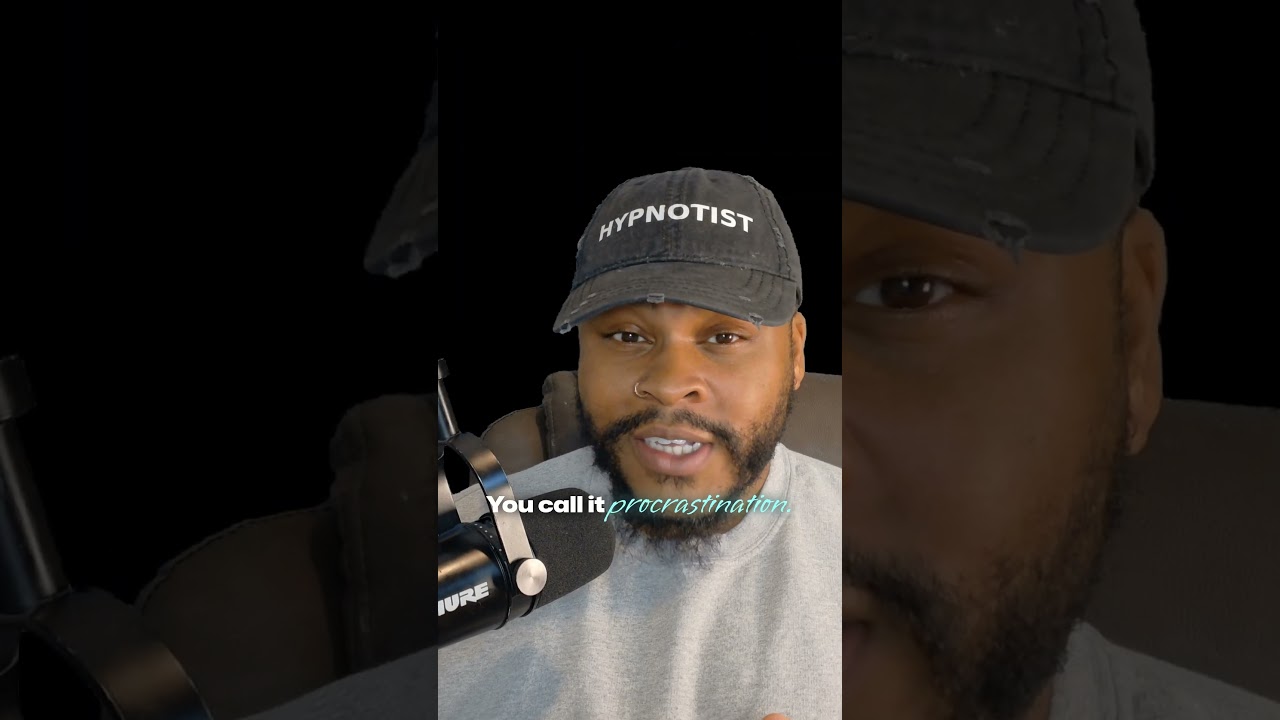
Jay Shaw explores how childhood conditioning and self-narratives shape eating habits. He argues that reframing limiting stories like "I eat my emotions" and shifting focus from problems to solutions can make healthy behaviors feel natural rather than forced.
Chapters
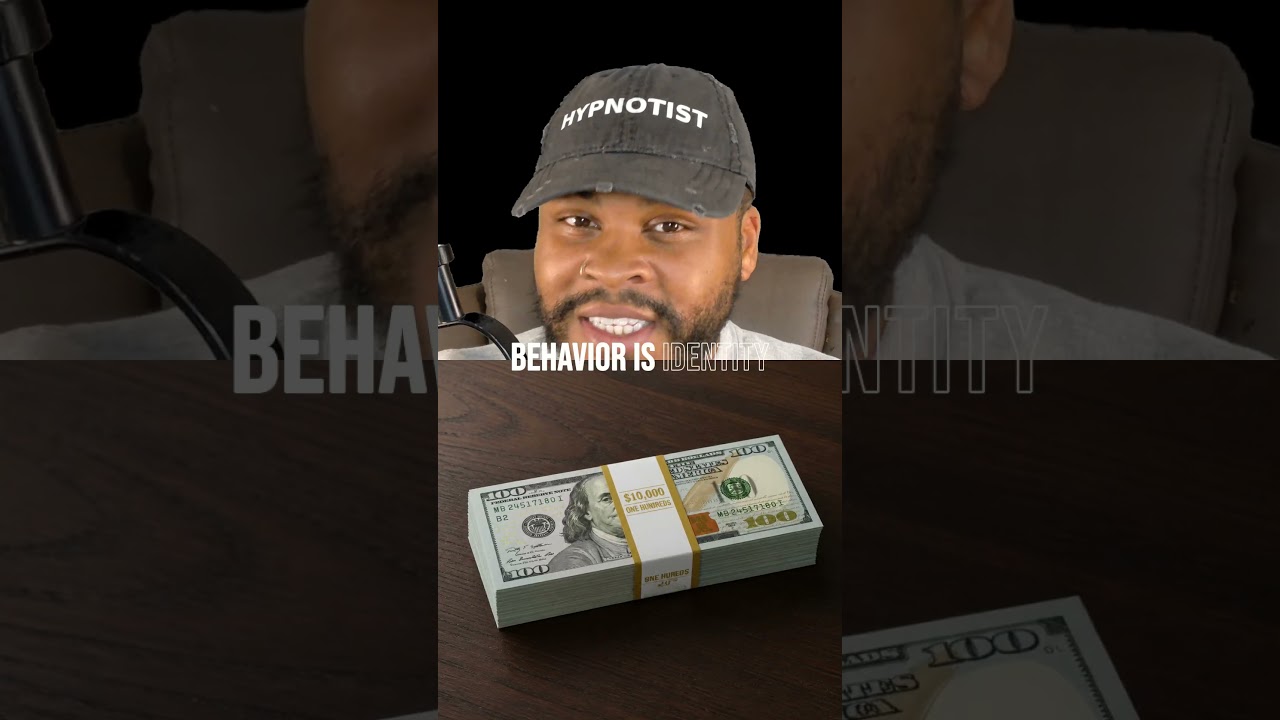
Baby start crying, they pop a pacifier in its mouth, pop a bottle in its mouth, pop a titty in its mouth. Early on, we're conditioned that you wanna feel better, put something in your mouth. So a lot of times weight things and even a lot of addiction things tie into that early neural connection. So weight loss, it's hard to say like, we need this amount of time. We gotta see, you know, how deep does your rabbit hole go with those types of things? What's going on? Is it just a simple not doing what we know to do thing, and we just need to be a little more active and, you know, maybe cut out carbs for a little bit? We're losing that gain, lose super fast, but I definitely eat my emotions. Okay, and even in that sentence right there, that's the narrative that you've subconsciously programmed into you. So every morning you're waking up subconsciously knowing I gain slash lose super fast. But I eat my emotions. So that's the story that you're telling yourself as you go through the day. So one of the first things we're gonna do is demolish that story. We're gonna convince you that your body is a fat-burning, muscle-building machine. And we're gonna make you fall in love with this version of yourself. At this weight right here, you're gonna fall so in love with your body. You're gonna feel so sexy. You're gonna feel so valuable. There's just gonna be certain things that you couldn't imagine putting in your body. And things that you know that would enhance you, things that you know would help you to feel better, like being more active, drinking more water, eating certain foods, it's gonna be— we gonna create a reality where you couldn't imagine a life where you didn't do those things. A lot of times, a lot of therapies and people, like, they get caught so wrapped up in the problem that they never start building a solution. Working on the problem is not the same thing as building the solution. People be hands be full of the problem. If your hands full of the problem, what are you gonna pick up the solution with? Drop the problem. Starve the problem of attention. People go, "I'm just supposed to act like it's not happening." Yeah, in a weird way, right? Yeah, you that's exactly what you're supposed to do. Because in order to create what you want to happen, you got to free your consciousness up. You got to free your attention up. So if your attention on the fact that you don't got the money. Not having the money is not the same thought as how do I get the money? And you can only answer one question at a time. So you asking questions like, why does this always happen to me? This isn't fair. Like, forget all that. What would I rather have? I'd rather have a situation where I have an abundance of money. I'd rather have a situation with all my bills on autopay.