Sales Assembly's #ScaleSmarter Virtual Roadshow - Seattle 6.24.20
In the closing keynote of the Sales Assembly #ScaleSmarter virtual roadshow, Palo Alto Networks CISO Amy Slater expands on the attributes of effective leaders and how to sustain a high‑performing, inclusive culture in a fully remote environment. She emphasizes emotional intelligence—listening, empathy, growth mindset, accountability, and authenticity—as core leadership traits. Slater describes practical tactics for recognizing "hidden wins" (e.g., using Bonusly to reward small successes), combating the "illusion of transparency" by explicitly communicating appreciation, and fostering genuine connections through virtual rituals (family/pet introductions, open‑office‑hour Slack check‑ins, and dedicated forums like PanWConnect). She stresses the importance of balanced, non‑scripted feedback, continuous development conversations, and the integration of DEI beyond demographic representation to include diverse thought. Slater also answers two audience questions: (1) advice for new first‑time sales managers—seek mentors, ask team members what they need, and align personal passion with team vision; (2) how to create inclusive virtual environments—hold open dialogues, leverage employee resource groups, and practice non‑judgmental listening. Jeff Rosset wraps up by linking these leadership practices to revenue operations, go‑to‑market effectiveness, and the broader goal of building resilient, growth‑focused tech companies.
Chapters
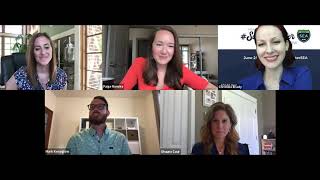
Welcome everybody. Good morning. My name is Jeff Rossett. I'm the CEO and proud father of one to my son Rocky. I'm the CEO of Sales assembly here out of Chicago. We're excited for today. Today this event here is the fourth out of seven of these roadshow events that we've done so far. We've hit Boston, Los Angeles and New York City earlier this morning. Right now, obviously being for Seattle, just a couple of really quick items that I wanted to share. Then we're going to dive right into the really great thought leadership. So for those of you that are not overly familiar yet with Sales assembly, we're a company based here in Chicago, started three years ago and what we did is we set out to build truly the first ever one stop shop for pretty much everything that a sales or revenue leader of A High Growth B2B technology or software company might need as the their organization continues to scale. So we work with companies in a membership format where they join Sales assembly as a member and then get access to a whole bunch of stuff such as well over 100 learning and development events a year for their teams, resources for customer success, account management, marketing, sales leadership of course, help with sales operations, different things that we do around sales enablement, peer communities for literally every Persona within the revenue organization. When we are able to meet in person, we do a handful of conferences throughout the year, pipelines for talent for all the open positions that our members are hiring for and the list goes on and on. And over the past three years we've built most of our membership base around really high growth companies here in Chicago. But over the past six months or so we've really started to expand nationally and today we sit at close to 140 companies that we're proud to call members all throughout the United States, from companies homegrown in Chicago like G2 and Sprout Social, to larger publicly traded organizations that you might be familiar with like LinkedIn and Upwork and so on and so forth. So that's just a little bit about us. We will send a follow up email after the event today with an offer for anybody to send a couple of their reps to a really great training session that we have coming up in a couple of weeks for all individual contributors. So if that's something that you're interested in, having a few of your folks participate in, you'll be able to let us know. And then as for the event today, really the format is twofold. So we're going to start things off with a really engaging Panel discussion with four revenue leaders of organizations that are doing some really cool things out of the Seattle tech market. Then we're going to transition into a keynote presentation by a longtime friend of mine, Amy Slater from Palo Alto Networks, talking about really thoughtful sales and revenue strategies here in 2020. And kind of the theme of this event is all around the idea of scale scaling in a smart way. And the reason why we wanted to go this route for all these roadshow events was very simple, obviously, with everything going on in the country and then how that directly impacts the way that businesses are operating right now. You know, we were just chatting a moment ago with Mark from Outreach about, you know, the pretty big round of capital that they just brought in. And, you know, gone are the days where companies go out and raise massive rounds of capital and then they just hire a bunch of people and throw a bunch of money at things and be like, hey, let's just scale for scale's sake, right? In today's environment, June 2020, and then looking ahead and beyond, companies are really going to have to be thoughtful around how they go about hiring, how they go about leadership, how they go about go to market strategies, what they're doing from a sales and marketing alignment standpoint, the types of technologies that they use, and the list goes on and on. And really taking more of a thoughtful, strategic approach to the way that companies are scaling top line revenue. And so that's what the discussion is going to be about. I'm excited that you're joining us. And with that, I'm going to go ahead and kick it over to my colleague, Christina Brady, the president here at Sales Assembly. She's going to be moderating the panel discussion to. So I'm gonna kick it over to her and then we're off and running with the panel. And then as soon as the panel's over, we're gonna have some time for Q and A and then we'll transition right into Amy's presentation with some Q and A following up after that. So with that being said, I'm gonna hand it over to Christina to take it from here.
All right, thank you, Jeff. Thanks, everybody. A little bit about me. So I have been in the tech sales space for 13, almost 14 years now. The majority and bulk of my time spent at Groupon and then later Glassdoor. And I was the head of SMB growth Sales at Glassdoor. And the way that I found myself to Sales assembly is Glassdoor was and still is a partner of our company. And I saw the immediate lift and benefit from having my sales reps and my sales leaders attend sessions. And so I became a believer and sort of an evangelist of sales assembly as a client of theirs. And when, when Covid offered the opportunity for me to find a new career path, sales assembly was there. And I just said, okay, let's add rocket fuel on this. It helped me so much. And so knowing how passionate I felt about what we do, I couldn't help but join and help bring it to other companies. So that's a little bit about me and why I'm here and what I'm doing. And like Jeff said, I'm surrounded by just incredible people today. So you can talk about yourselves way better than I ever could. So I'm just going to round robin in the order that I see you. But please tell us a little bit about who you are, what your company is and what you do. Jamie, let's kick it off with you. Great.
Thanks, Christina. And thanks for having me excited to join this panel. Our panel prep is super fun, so I know we'll have more fun now. So, yes. I'm Jamie Gilpin. I am the proud CMO of Sprout Social. Hopefully most of you know us and I think we have quite a few customers here as well. But we help companies ultimately leverage the power of social media and it's all in one intuitive platform. We are B2B SaaS. So think everything from management, publishing, engagement as well as deep performance analytics, audience insights and listening. And I've been there a little over two years. I oversee all of marketing. Of course, as CMO before that, I spent a little over a decade at Career Builder and oversaw all of our B2B marketing there. Actually started in sales, did a little bit in sales management as well. And then in between there and here, I spent about three years as CMO of Envoy Global. And that's not the Envoy that maybe some of you are familiar with. It's actually an immigration software for work based visas. And I'm actually headquartered out of Chicago, but we have a big office also in Seattle based on our recent two years ago acquisition of Simply Measured, which is an analytics and listening tool. Happy to be here.
Awesome. Awesome. Paige, over to you.
Hi. Good morning everyone. My name is Paige Ronke. I am a sales strategy and operations leader here in Seattle and I'm very excited that summer is peaking out. We were joking about that before we jumped in today. Those of you in Seattle know that we're just coming out of the fog. So very excited to get out there paddling and camping for the Rest of summer, hopefully summer with us. I work at Convoy, which is a startup here downtown that is disrupting the trucking industry. So we connect drivers with shippers on our digital freight network, essentially cutting out the middleman and helping drivers and shippers find efficiency and cost savings. So that's what I do today. The last eight years or so I have really been focused on building sales systems both for small startup companies, three people to Fortune 100 company sizes internationally. And how I think about building sales systems is really around two things. One is the strategic point of view. How do you motivate your sales team both with compensation structure, with culture, with professional development, and how do you give that crisp, concise value message to your customer that resonates with them so you can connect? The second piece of that is the architecture of your sales system, which means that you are building consistent process so you can get that depth of data, which means you can start to prove which approach works best with which customer segment in which market condition, which has been a wild ride in the last three months. But ultimately the goal of course is to create that year over year growth both in logos and in revenue. So I'm looking forward to diving into those topics today with this panel. Cannot wait.
Beautiful. Shauna, over to you.
Hi everyone, I'm Shauna. I lead sales for the west region here at Limeade. For those of you that haven't heard of Limeade, it's not a beverage which is most people think it's actually a SaaS company. We focus on in the employee experience. So we work with mainly enterprise companies to build out well being programs that are really broad, focused on really bringing everything together that an employee needs. So we look at engagement, inclusion, communications and it's not kind of what you might think of as wellness programs of the past. It's really centered around how do we drive towards meaningful people and business results where companies are pouring into their people and in return their people are pouring back into them. I've been here for about seven years. I've split my time between marketing and sales. I was leading our customer marketing team and our product analyst team for the first three and a half years and was going on pitches and working with sales strategies and then decided to make the leap over to the sales side to be scared and terrified for a while, which is where I've been the last few years, but have really enjoyed it. Obviously you know, marketing and sales are, you know, very closely related. It's been fun to be in this sort of one to one space and honestly really Think about how do you grow a sales team in perhaps a different way than maybe traditionally that's been done. So it's been, it's been a fun, wild ride. And to Paige's, the last three months have made it even more wild. But it's certainly brought on some good new challenges that we've all, I think, been forced to think about and react to. And it's about time. So happy to be here and thanks for having me.
Wonderful.
Thank you for being here. And lastly, Mark.
Thanks, Christina. My name's Mark CostaGlo. I'm the VP of Sales at Outreach. Outreach is a sales engagement platform that helps reps have like a single place to do all the things that they do to make sure that they drive revenue for the company. Got a couple customers on here in convoy and Sprout Social. So love to have you guys, but yeah, that's, you know, I just sit around all day and try to figure out how to help my reps more. You know, I mean that's, that's my gig. Pretty simple.
I love it.
That's the dream. I mean, at the end of the day, leadership, we're, we're the helpers, you know, and everything that we do, that's the core of what we do is we help and we enable. So I love hearing that. I'm going to go ahead and float a softball icebreaker just to get us all going. And Jamie, I'll kick it off with you. When you think about the idea of scaling smart, I imagine that three, four months ago you would have had a very different answer to this. But even in the scope of the economic landscape now, what does scaling smart mean to you? And if you were to give companies one to two high level tips of great things they should be doing, what would they be?
Yeah, I love this, this question. And so just to give it a little bit of context for experience wise. So I've been a career builder. Like I mentioned, I was there for a little over a decade. So I started about 400 employees. We were 200 million in rev. I left at over 3,000 employees, close to a billion in revenue. I think they look a little bit different now, but it was a, it was a fun, a fun ride. At Envoy, the founders, we were in a series C, we just completed that. We went through a funding round, we had a layoff. We totally shifted and pivoted from SMB to enterprise and then to Sprout over the last two years, which a small funding round and then a really exciting IPO in December and so as I look across sort of all those experiences, one, they were all very different based on the different milestones and stages of the company. But I think the two things that stick out for me as I think and reflect back those experiences is one, you've got to really understand what's most mission critical about your culture and what are the non negotiables that you want to continue into the future. And then what must you evolve? And so when you think about that, even in sort of the like, that's conceptual, but think about that in sort of the tactical way. It really comes down to org structure and accountability. And so right before I joined Sprout, the executive team actually was reading the growth Handbook. I don't know if anyone here has read that, but I highly recommend it. It's a great resource for really companies and especially startups of all sizes. But one of the chapters is all about the org structure and how often that should be evaluated and how often that should be changed. What skill sets that you need today that are different from what you needed for the last stage. And to give that context, at Career Builder, I was changing my org when we were right around 2,500 employees, my marketing org every six months. At one point it was every three months. And so just thinking, yes, that had to do with the growth stage and just the growth of the company, but also we were changing from a job board to software and so just different types of skill sets that we needed Here at Sprout, I've done that two times from an org perspective. So one would be org, the second would be accountability. And that's really around how you're measuring the business. And so for us as marketing, how do our acquisition metrics evolve, how you do, of course leads and demos and for us, trials are extremely important as we think about MQLs. But even today, you know, I have a revenue number, I'm accountable to the sales, the sales number, both from a new business perspective, but also from a customer perspective. So how are you measuring customer churn growth, net dollar retention, which is a fun one to talk about today. And then of course all of your gap in financial revenue, financial metrics, and then finally as you consider what you're measuring and how those are driving the right behaviors for the growth stage that you're in and the scale that you need, how you're measuring those, that's daily, weekly, monthly, quarterly, there's different KPIs for each. And what becomes really important is the way in which that you're actually delivering that to the team. I can remember Excel sheets and then Google sheets and then beautiful dashboards and Salesforce all the way through tableau today with full data science teams. Right. So I think those are probably the two big ones for me. Org structure and skill sets that you need as you scale and then the levers and the metrics for the business.
Oh my gosh, it's so funny when you mentioned doing things out of Google Sheets and Google Docs. I remember when I first got to Glassdoor, we were managing all of our metrics out of Google sheets and it was this monster sheet and you update one thing and then everything makes a change. But yeah, I mean, it comes from scaling everything from your people to your skills to your numbers, to even like scaling your tools. And speaking of tools, I know Mark, for you, how do you see either scaling your own business or people may be utilizing your company to help them scale and be more efficient?
Yeah. So I look at scaling kind of in this progression. Right. I think first of all, like, to scale, you gotta have a good product. Like that gives you a chance, you know, Sprout, Social Convoy, Linemate. If you good product like that gives you a shot. Right. Once you have the product in place, I think the next thing you have to look at for scale is talent. Talent can make you good. Like, if you hire good people, strong people, really smart people, you can be good. If you give good people good process, then that can make you great. So if I have a great good product and good people and a good process, add all that together and I get great. And I think if you are able to document it, that's what makes you legendary. What I mean by that is scaling is the process of taking institutional and tribal knowledge and imparting it into new people at a pace that's unnatural. So if I'm going to hire at an unnatural rate and bring people into a complicated situation and expect them to perform in a very fast way, because scaling is about speed as much as capacity, then I have to be able to overcome these unnatural emotions that humanity has had ingrained in it forever. Like, I'm sure way back in the day, like the hunter didn't take his young child out or her young child out with a spear and say, okay, that's it. Like, don't come home until you grab something. You know what I mean? Like, it was a process. And unfortunately what we do now is we give a sales rep a product and say, hey, you need to take down your quote it tomorrow. And we don't give them the time. And so I think, like, that's an unnatural human motion, but it's required in the way that a lot of our companies do business. And so I think that's what scale is to me is like, how do you help people with that unnaturally fast motion and unnaturally heavy expectations? And then this is the. Probably the biggest thing that I've learned is there's easy and obvious decisions that you make when you're scaling. I need more sales reps. I need a new product line, so we need an acquisition or something like that, or I need to spin up all these new marketing programs. But what I found is many times is when you start to build those towers of people and processes and stuff, there's this surrounding infrastructure that's required to make sure that those stand up straight. And like, let me give you a great example is I think I probably waited way too long to hire sales analysts and BI people. And, you know, I would pummel my rev ops and salesforce administrators for data that they just weren't, you know, they're not prepared to give. It's not the right data source to ask from it, and they're not. That's not what they're skilled in doing. And so I think if I had hired those people faster, maybe outreach could have scaled even better and even quicker than we did. Because what I was missing was that infrastructure that I can put the people into that I think would make the people have a much greater chance of success and help the business a ton. So that's what. When I think about how outreach, what I've learned at outreach, those are the things I've learned. And then I think, to answer your question directly about what our product does is, you know, it gives people that ability to really have a process. And it makes a sales leader say, like, this is my initiative. I believe that every AE should generate $100,000 of pipeline every week. And in order to do that, I think you need to go after these type of Personas with these type of sales channels and sales activities at this pace. And like, that's my master plan. One the past what would happen is a sales leader would write an email and they would do a phone call, a conference call, and then the next thing you know, everybody would take whatever they said. 90% of people would ignore it, 10% of people would do something different with it. And there'd be one guy that actually. Or one gal that actually did what the sales leader said to do. And so it was very difficult. I think outreach kind of operationalizes A playbook for a sales leader. So when you're thinking of scaling, going back to that, you know, product people process and then your documentation, like, I think that that outreach is kind of like the thing that kind of kind of stick your documentation to the process to give people a chance to do stuff.
Awesome.
Paige and Sean, anything to add in terms of thoughts on scaling Smart and what that means?
I would just piggyback a little bit off of what Jamie and Mark were saying. I think it's really important to continue to change up your organization and don't be afraid to kind of strip it back a little bit as you grow. There's this constant dance happening where you don't want the cart to get ahead of the horse. You have to have just enough process to keep your team aligned, but not too much where they feel handcuffed by it. So if I call it a deer in the headlights moment, this is like a good thing to look out for on your sales team. If you ask them a simple question like what's the health of your pipeline? Or how are you going to hit quota this month, this quarter? And they can't give you an answer. Instead you get like this sea of Google documents being shared around or Google Sheets or they're going to four different dashboards. That's a really good indication red flag. You have over complicated your system or you haven't clearly communicated like this is the dashboard, this is the Google Sheet, this is where you put in your numbers and this is what's expected of you, which starts with that consistent process and probably also some management training, making sure your leadership team is tight. So you're going to have to experiment, you're going to have to reorg, you're going to need to implement, go from Google Sheets to outreach. There's a journey there. But just keep in mind as you go, if you try to do too much at once or over complicate over architect your processes, it's going to confuse your team and ultimately slow you down. Sometimes simplicity is key.
Yeah, I love the idea between looking at simplicity versus easy, where these things are not easy but they should be simple. And so if you aim to make things simple and understandable and digestible, they don't have to be easy. You can ask for hard work but keep them simple. So I think that's an important reminder for all leaders. And Shauna, if you could help us dive a little bit deeper into one of the topics that all three Jamie, Paige and Mark mentioned, which is how culture plays into scale and the importance of scaling culture correctly. And so for you specifically, what have you seen or experienced in the last three months that has reinforced how important culture is? And how are you scaling culture right now? Where nobody can physically touch each other or see each other in the office? What does that look like?
Yeah, good question. You know that at Limeade, we're super focused on culture.
It's a big part of what we
do with our clients is really how do you cultivate culture and become a great place to work? And so it's something we do ourselves. And the last three months, it's been a lot harder. I mean, for our sales team, I'm the only person that sits in Seattle, so we've already had a remote workforce, but now, you know, they're not able to go out in the field and meet with people. We're not able to get together for our team off sites. So all of this stuff, which then you come together and get fueled and energized from, is not happening. So we've been trying to have, you know, I think like so many people, the team happy hours having more one on ones, having other people meet, meet together, have their one on ones having big company town hall type of meetings, just touching base. And a lot of it too has been about training managers, about how do you have these conversations that maybe in the past were uncomfortable, like to ask somebody, how are you? Like, no, really, how are you not like, oh, I'm fine. Because we know right now that so many people aren't okay, Whether it be from COVID racial justice, like, there's a lot going on in the world. And so we need to have managers and leaders that are willing and comfortable to be uncomfortable with those conversations. And so that's what we've been trying to just work with our teams and help them understand how important it is that you're showing up authentically and you're connecting with people. And, you know, we've ramped up on our employee resource groups. And I know for those, for me, those have been super cathartic. So really just doing what you can to have those little moments in time around culture that is adding to the experience for each employee and making them feel cared for. Because everybody just needs to feel cared for right now.
Yeah.
And I'm going to take you even deeper again just because you hit on something that I think is on the minds of everybody. And I think a lot of our hearts are screaming for how we can help in a time where racial injustice is brought to the forefront by technology and we want equality so badly. A lot of tech companies lead the way in offices at trying to make sure that we're facilitating the right culture for dei, for we're not in the office right now and we can't do those things. And with so much discourse happening, so many tough topics, and frankly, a lot of leaders who don't have the training they need to even know how to talk about this with their people in a professional way. How do you manage these conversations virtually? How do you make sure that your diversity initiatives are forefront and that your team knows which side of the coin you're on?
Yeah, well, fortunately, we've got, because of what we do as a business, and it is all about employee care. We've got an incredible HR team that's been helping us just facilitate these hard conversations. We've had all company calls, we've had team calls, we've had one on ones about racial justice. And really just I think for me personally, it's been admitting I need so much support. Like, I need to learn how to talk about these things. I need to become less ignorant. I need to educate myself. I need to be comfortable as a leader having these conversations, and I need to emulate that for my people. But a lot of people aren't there. They're not comfortable with it. And so I think the more we're practicing with each other, the more we're accepting that, hey, you don't need to have all the right words to say. You just need to be showing that you're saying something and that you're trying to be better is really what we've been trying to do. But again, there's a spectrum of comfort level and where people are at there. And I'm trying, at least with my team, to just meet people where they're at and help them along the journey, whatever that looks like like for them. Because the truth is, you know, to me right now, it feels incredibly tone deaf to go to a prospect or a customer and not be having these conversations and not be real and be authentic and just act like it's sales as normal. You know, we've got a product, an inclusion product that we, that we sell. And so, you know, we talk to a lot of D and I buyers right now, and those conversations honestly, are just about what are you doing? Because you're a leader in this, much more so than I am. So you tell me how you're supporting your people, what that looks like at your company, what those conversations look like and feel like. So again, that I can get better and then hopefully Help my team get better as well.
Yeah.
I know all of us could potentially dig into this topic, and so I want to give you all the opportunity to do so. Jamie, I saw you nodding a lot. What do kind of these diversity conversations and equality conversations and just what's going on in the world right now? How does it impact you and your team and your.
Yeah, so I have a personal passion around this, and I think that's where. I love what you said, Shauna. Around, like, educating ourselves. Fortunately for us, you know, one of our. One of our actually core company values is championing DEI diversity, equity and inclusion. And so, thankfully for us as an organization, as we talk about scaling culture and, like, really being intentional about our values, this has been one for us. And so that's laid a foundation for our entire team that this is important to us, that we do take a stand with the black community, that we donated, you know, 250 million to several organizations to support, and that will be ongoing across our DEI initiatives and supporting marginalized groups. And so that is helpful for us. But to your point, Christina, we're not in the office. And so, you know, one of our rituals, talking about scaling cultures, you know, what are the rituals that are going to continue to drive that culture and drive that communication point, which I also think is so critical. Shauna, you also mentioned being sort of admitting your mistakes or being vulnerable that we don't have this figured out. I think that's where that communication becomes so important. I'm so grateful for our executive team led by Justin Howard, our CEO, who does speak out for this, but also is vulnerable and says, hey, you know, we're not perfect here. We can do better, we will do better. These are the commitments that we are putting forth today. But this is an ongoing fight that's going to take us a while as a society and as a community. And so what are the ways that we continue to communicate that? So even like rituals like our monthly DEI Guild meeting, which is where our own employees pick a topic and then we educate our team on it, we're continuing those. And those have actually been, I will say, and I'm a little of a idealist and emotional person, but probably the most most powerful meetings that we've had ever as a company. And I don't know if it's because we're all looking at each other and we're not in a room, you know, looking at the speaker. There's the chat that's happening, there's emotions that are happening, but there's also just so Much support across the organization. Also, to your point, Shauna, you know, not everyone is at the same sort of, you know, stage with this or even beliefs. And so managing that and just leaning on education has been the way that we've tried to try to navigate through this. But again, we're also still working on it.
Yeah, it's one of those things where when you think about self betterment, there's never an end to that. Most people who are successful think, I can always be learning more, I can always be doing more. I never reach the pinnacle of I'm perfect. And these types of topics are the same kind of a thing. We always want to be raising the bar. And there's always we can do more. And I think the first step is people in leadership, top down, bottom up, just acknowledging we can and will do more. So I certainly love hearing that. And Paige, what are your thoughts on this?
Yeah, I think we're kind of stumbling through it, to be honest. We are working on creating space for people to come together and talk. And that's. That was our instinct to kind of start there and partner with our HR team to create groups of people from across our organization across the United States. We also have an office in Atlanta to bring folks together that don't normally speak to each other. You know, the engineering team with the sales team and our, you know, call center in Atlanta to talk to each other and just share. And it was really powerful for me. Awkward, of course. You know, some people don't feel comfortable sharing, but that's kind of where it starts. We got a lot of feedback that some people were uncomfortable that the company was taking a position so openly, which I also thought was healthy dialogue. What does this mean for companies in this modern age? To some people see it as a political standpoint. You know, I personally see it as a legal standpoint, have a law background. I mean, it's racial bias. This is like, should be inherently illegal. It's not a question of taking a political stance in an election year. So I think creating those spaces, having those conversations with authenticity is so important to Shauna's point. And I think it also speaks to your culture of connecting with individuals and creating those small groups to have that safety in talking out and kind of working through these issues as they come up. We definitely haven't figured it out. We need to start a program, and we're pulling together our first kind of committee to work on that. And I think a lot of startups, probably in Seattle are feeling this way, are feeling some pressure. We've never thought about this before or that hadn't been considered in our original goals, our original values. I think now is a great time to say that's okay, but it's going to be different going forward and we're going to make a stand for that and we're going to pull the entire company together and make them feel part of it. And you can enhance your culture that way and have a more diverse workforce and go forward stronger and lean on folks in the community, you know, like Jamie. I almost want to ask you questions as a follow up. What was the content of your weekly classes? You know, we all can learn from that and share and I think that's a great starting point.
We're good.
Yeah.
I mean, like everyone in the panel and everybody listening, part of the reason that we do these is to introduce thought leaders that all of you can reach out to and talk to and network to. Because to your point, Paige, people don't know how to have these conversations. They're afraid to do it, know what it's going to look like. They don't know if they're doing it the right way. And my favorite point that you mentioned was the idea of giving a respectful nod to the past and acknowledging that it's gotten you where you are. But then we move forward very, very deliberately. And I love that. And that kind of pulls me over to Mark. How are you and your teams and your company having these tough conversations right now in a virtual world?
Yeah. So this is a, a difficult one for me. And that's like, not really a fair thing to say is as someone who. Whose father taught him how to work really hard and I can. I attribute a lot of my success to the fact that, like, I work hard and I try to do the smart thing and I'm good to people to realize that a lot of my success is actually based on the fact that I am a white male Christian. Is. That's. That was a huge eye opener for me and to. For me to. As a proud person to admit that a lot of my success would probably be different if I was a different gender, if I was a different race, if I was a different religion, if I was a different. The way that I promote my sexuality or my gender, if that was different, that my success would be change on those things. It's very humbling to think that. And it's. When I look at my daughters and think that they could do the same things I did and have the same exact decisions made and come out with a different outcome than I Have is honestly really infuriating. And what's worse is to come from the people group that probably creates that situation the most and exacerbates it and it continues it. Like, that's very difficult for me. And so, you know, listen, I think that the main thing that we've done at Outreach is we're very lucky that we have a founder and a CEO who is a minority. He's half Ecuadorian, half Russian, and a ball of passion. And, you know, he is very clear on his stance on what you should do with voting, on what democracy means to him. Coming from a Russian and a communist culture in Ecuador, of understanding what America affords people, but also being very honest about the things that he had to suffer through in order to get to the place of success that he has. When that is part of your DNA and it's one of the chromosomes that, like, creates who you are. It's not been a difficult thing for our company to talk about. I think it's just been more of a. Of a. I think our people have actually, like, decided that they're going to voice what their opinions are. And I think that the. What we've tried to do as a leadership team is to let you know if you need time to think about it, take time, if you need support to go protest, write a sign, do a post, we got your back. If you need someone to talk to to help you find your voice and what you need, that's fine. The only two things that aren't okay is you can't not think about it, and you can't not do what your heart says that you should be doing. That's the only two things that you can't do. And I think that we just try to create a space for people where they can feel free and empowered to do that and know that the company has their back. And we agree with the same vision of the world that we all want to bring about, which is one where people like me can say, my success isn't due to my race and my gender, my religion and my sexuality, and all the things being in this line that everybody expects it to, but it's actually based on the merits of my work and my contributions to my company and society. So that's how we've thought about it. Hope I didn't get too personal there, but my wife has taught me a lot in this situation. So is my daughter. And I was probably in denial about my shortcuts and the things that I had going in my favorite. Hopefully I'm more aware of that now.
Thank you, Mark.
What you just spoke about was humble and deliberate allyship, and having the conversation like that and the approach that you did is where leaders should take a page out. We can't help how we were born, but if we have an advantage and we know how to use it and we know how to talk about it, we can lift a lot of people up, and that's step one in equality. So thank you for sharing to the level that you did. I don't know if everybody heard, but my husband started playing Josh Groban right while you were talking. And so I was like. I could hear it in my background, and I was like, whoo, this is getting me. That's the point of these conversations is, you know, we're human beings, and at the forefront, we take care of each other. And speaking of our people, our people are our biggest assets at companies. We are nothing without our incredible people. And I can imagine that the way that we are hiring and interviewing and even onboarding talent looks very different than it did before. We have a lot more to keep in mind and a lot more hurdles to overcome. So, Paige, popping it over to you. When you think about how hiring and finding talent has changed in the last few months, what has it looked like in your experience?
Yeah, well, we have definitely gone through a process of reallocating over the last four. Four months, partially in response to Covid, in response to the market turn for our industry specifically. Things look a lot differently. For the first two months of COVID we were trucking a lot of toilet paper, and we had to figure out
how to make that happen.
Stop buying toilet paper, people.
But it was toilet paper, water, you know, goods that we worked with a lot shippers on. And we had to figure out how to literally shift people from our transportation partners and our automotive manufacturers to our bottled water and beer and paper product shippers. So it was like a very real response. Not just the market's crashing, but the economy is literally changing and caring about different things. So we had to restructure, which I think is probably what most people have gone through in some form or another, to understand where you need people, why you need people, and how you can best use your resources. For us, being a startup, privately held, of course, we also want to increase our Runway. So we've done a few things to think about that. One, can we start hiring outside of Seattle? What does that talent look like for us? Ironically, speaking to some Chicago colleagues here? Chicago is a really strong base for freight talent. And so we've started Looking into other markets to potentially create pockets of individuals who would work remotely but somehow have that community. And we started to explore those options in order to, one, produce cost savings, but also continue to double down on what type of talent will make us successful. So to Mark's point earlier, as you scale, not sacrificing talent and the level of talent that you need in order to grow is so important. I think as we're going through this period where employees are shifting, maybe workforces are slightly reducing or they're looking at remote employees differently. There's a lot of great talent on that market. Don't sacrifice that. I would say that is my biggest takeaway for the team is hold true to your values, know where your bar is, and continue to make sure you exceed the bar. Don't rush to hire employees that fit a slot because you just reorganized your entire team and you're focused on growth and you have a little bit of a fire under your seat in order to hit your numbers by the end of the year. I get it. Take the extra couple of weeks, get the right talent on board. It's okay to look remotely, figure out where those talent pockets are and go after them.
Yeah, I love that. And I definitely want to hear this from a few of the other, if not all, panelists as well. In about a couple of minutes, we're going to jump into the Q and A portion. So if you are listening and you have a question for these incredible panelists, please go ahead and start collating them there. But I would certainly love to hear maybe just one more kind of opinion on hiring before we move into Q and A. So, Jamie, could you give us a little bit of thought on how you're hiring right now? If you two are looking at multiple markets instead of just one, what does it look like?
Yeah, I think that one of the biggest things that we learned, and I'll be quick, so it's always difficult for me. One of the biggest things we learned over the last few months is that a diversified team across multiple locations actually works for us. Our team is productive. Our sales team is productive. Our marketing team is productive. In some ways more productive than we've ever been. And so that has opened up deliberate conversations at our executive level of what would, especially given that a good portion of our population is already remote. And then we've got Seattle and we've got Dublin and we've got Chicago. And so to your point, Paige, you know, really opening this up, you know, what would that look like post sort of the enforcement of all of this. Is that something that we would want to explore more intentionally and. Absolutely. It would open up from a talent perspective. And so I think all companies are trying to figure this out. And given that we were forced to figure it out and see that it can work even if we're working from home in a global pandemic versus just working from home, if we can do that, then I think the work from home actually becomes quite viable.
Yeah, I love it. Just in time for what seems like a landscaping party outside my window here. I'm going to invite Jeff back in to dive into some of the Q and A that we have before we get to our keynote speaker. I'm going to wait to see his glorious bearded face pop back in. There he is. Okay, wonderful. Thank you, everyone. This has been a fantastic conversation and a deep and meaningful one that I think is very, very necessary. So let's not let this be be the last one that we all have. And if you're listening, please continue the conversation. And with that, Jeff, please take it over.
Yeah, great. No, that was an awesome discussion. We have just. We have a handful of questions that came in, probably only time for two, so I'm going to jump right in. There was one question for Paige. Just kind of looking. Kind of a broad question, but just looking ahead, putting your future, telling cap on any trends or new focal points that you foresee over the next six months for the rest of this year, as it pertains to revenue operations, either technologies that are going to become more prevalent or new strategies. As it pertains to revops.
Yeah, I think there's a couple things here that I'd like to focus on. Obviously, everyone's taking a look at their budget. They're looking at how much money they are spending into these types of technologies and sales tools. There's a couple ways you can approach this from a strategic standpoint. As a sales leader, you have an opportunity right now to probably leverage this budget issue to your advantage. Sales tools, specifically something like outreach. While the cost upfront may seem high, outreach will absolutely help you work through the ROI on those tools and how they will help organize your sales team and potentially cut back on headcount throughout the next 12, 24 months. If you are in the market for tools that will help you create clarity of data, clarity of sales process, give you that funnel view and help you understand where your forecasts will intersect with reality, now is the time to push for them. Do your homework. There are sales happening. You can leverage different software tools against each other. Try to Be smart about it. Like, spend enough time researching that you aren't going into that deer in the headlights moment we talked about earlier where you're implementing multiple strategies against multiple platforms. But once you do choose a platform, now is the time to get your finance team to invest in your sales team. And it goes back to that kind of cyclical, symbiotic relationship Jamie mentioned at the beginning of our introductions. Really, which is. And Shawna as well. You put value into your sales team, you're going to get value out of them, and that value will return in revenue and growth. Now is the time to make those arguments internally and sign up some of those tools that will help you work more efficiently over the next 12 months.
Awesome. That's great.
Real quick.
The other panelists, anyone else have anything that they're foreseeing that they want to chime in on with that prediction?
I can say, you know, for us, we're really looking at what are those different opportunities that Covid has brought on that we need to help support our customers with? So the types of programs we're building out historically are around well being as far as physical, financial, emotional work, well being. But those things are looking different now. So it's forced us into this place to really think hard about what are those different areas and partners that we can bring in to support our customers. What are different solutions that we may need to help support our customers best? So I think it's forced us into this place to really quickly think about what are these different areas of our business that we can expand into and how do we do that and show up for our customers in this new season of work that we're all entering into in a way that three months ago would never have been on the radar.
That's great.
Thanks.
Shauna and I would ask Mark the question about forecast sales enabled and stuff, but we all know he would just say, oh, everyone's just going to increase their licenses on outreach. So we'll just. One more question. This one's for Jamie. Just being that things like field marketing, events gone, conferences gone, other types of marketing, focused events and activities gone, kind of like leveled the playing field a little bit with organizations with the tools in their toolbox. And it's kind of making it a little bit more difficult for some of the really good brands to, I guess, set themselves apart. So the question is, what are you seeing? Or what can companies do when the amount of tools that they have at their disposal are limited and kind of the same as what everyone else is doing? Virtual events and things like that. How could companies really be setting themselves apart from a marketing standpoint?
Yeah, I love this question because one, we provide tools for marketers. So I both look at it from my own perspective as a marketer and then for our customers. So over the last three months, the first digital CMO networking event that I attended was supposed to be a dinner that was canceled. I joined it a week into work from home. The number one question on every CMOS mind was, okay, we've been talking about the digital transformation for, I don't know, a decade now. And all of a sudden, literally overnight, we are in it. Whatever we have planned for to reach to our consumers like they have changed overnight, this is no longer going to be a blip because quite frankly, habits take 30 days to change. And we've been at this for six, 60, 90, a lot of time, way more than 30 days. And so the habits have shifted, consumer behavior has changed, buyer behavior has changed. And so how do you connect? And it's not just events, I think Mark or Shauna you mentioned in the beginning, it's the face to face sale. All of this has really shifted and evolved overnight. And so as we think about the tools in our tool belt, I'm going to give a nod to my own tool as well. Social media is critical that way, to connect, that way to give real time information, whether it be product, whether it be changes in how we're delivering. There's so many aspects of that. And then the other, although events have shifted and that was a huge part of our strategy, I would say we just had our first all customer wide, national, customer wide digital event. We had 7,000, over 7,000 registered. Over 2,500 attended. Probably one of the most engaged events that we've ever had. And so to your point then how do you make those experiences really differentiated? Because everyone's going to be doing digital events. Everyone's using outreach to reach out to our prospects. What's the way that you stand out and how do you really use that as a competitive advantage but also a way to connect in a meaningful way that your competitive aren't doing.
Awesome, that's great. Thank you. Thank you so much, Jamie. And I guess with that we'll go ahead and tie a bow on this conversation. Super insightful. Thank you so much to Paige, Jamie, Mark and Shawna and Christina for the thoughtful and insightful conversation. A lot of really great takeaways. So with that we're going to just transition right over to Amy who we're going to go ahead and Bring in who's going to be kind of taking us home here with her thoughts and many years of experience in sales and revenue leadership within technology companies. You know, talking about a topic that we kind of dug into a little bit here during the panel around like culture and leadership. And obviously, you know, pretty much everyone on the call today is in some sort of leadership capacity within a B2B technology company. So the stuff that Amy's going to dive into, obviously super relevant to everybody. No more so than at a time like this when everyone's remote. And it's all the more important to really be in tune with what we're all doing as leaders. So I'm going to introduce Amy and let her give a little bit of her own background because she could do a much better job of describing it than I. And then we'll come back and wrap in about a half an hour with some Q and A for Amy. So, Amy, please take it away.
Great. Thank you, Jeff. I appreciate the kind introduction and thoroughly enjoyed the discussion on the panel. So before I share my presentation, I just give a little bit of background on myself. So, Amy Slater and I'm vice president of Corporate sales for Palo Alto Networks. And corporate sales is a fancy way of talking about inside sales, which really is a hybrid organization, quota carrying folks as well as inside sellers. And I've been with Palo Alto Networks for two and a half years after quite a long career in technology sales and sales leadership. I don't always like to say how many years, but it's something like 30. So work for some companies, certainly that you have heard of salesforce.com, cisco AT&T. And the list goes on. And I'm thrilled to be a part of this session today, as I would say in Seattle. Wish that we could all be there in person. But when Jeff reached out to me to talk about doing a keynote, I certainly was excited to think about how can we talk about leadership and the impact on culture, especially in a time like today, unprecedented in terms of how we engage with our employees. And certainly I'll take a look back to some of the conversation that you had that we had on the panel, and then we'll leave some time for some Q and A. So let me share my presentation as I also hear the garbage people outside my window. Of course, that has to happen when I take over.
So
really talking about the some of the disciplines around leadership and how we can leverage our leadership skills around emotional intelligence to impact culture. And really, you know, to start with, you know, what is you Know what is culture? And sorry and why does it matter? As you can see on the screen, here is a picture of the leadership team for corporate sales. We did a leadership summit before, or I say 2020 BC before COVID And we all met up in Dallas, Texas and had a chance to talk and share and develop some strategies. And the other picture was just taken the other day with one of our inside sellers. And she used to stop by my office on a daily basis. We were early risers and we'd be in the office together and she just stopped by to chit chat. And that's what we miss. That's what we miss about being in this work from home status non stop is we miss that human connection, that ability to just stop by, stop by and say hello. And so she had reached out and said, you know, can we get together? And as things lightened up here a little bit in California, we decided to take a walk together one afternoon on Monday actually. And coincidentally, we shared the same mask. Same type of mask, not the same mask anyways. But so, you know, first of all, you know what, you know, we ask ourselves, what is culture? And the culture of a company is really what the company is doing when nobody is looking. And what is that feeling? What is the feeling that people get? And it certainly changes and we have to be even more acutely aware of culture since we can't be in the same physical space. And I did some research because I don't want to just always go by this gut feeling and what does it mean? But oddly enough, Gallup did some research and said that 31% of employees are engaged at work. Only 31% and 51% are disengaged and 17 are actively disengaged. And it says that most employees would give their companies a C when they were asked if they would be willing to recommend that company. And so, you know, why is that? And when I think about, you know, being at Palo Alto Networks and the engagement of our employees and it's just been incredible to see actually the culture has, I think has gotten stronger, a stronger culture. As we've been in this shelter in place situation and seeing our executives going above and beyond. And again, as the panelists spoke about, it's not just about COVID but all the things that are going on with the social injustice and racial injustice that's happening. The sensitivity that we're seeing from our leadership team is pretty amazing. But is everybody like that? And what can we do as individuals, as individual leaders to make sure that people feel a Part of this culture. Because as many of you probably know when you've done your homework, that when you have attrition, which there is attrition going on and jobs available, despite this Covid situation, people don't leave companies, people leave their bosses. So we have to ask ourselves what are we doing as leaders of individuals to be human enough? But also at the same time, it's most critical that we're driving accountability. And all the conversations that we were talking about that impact the ability to scale, the ability to scale revenue and scale teams, we talked about talent, we talked about process, we talked about tools. But ultimately culture, culture is that foundation to enable us to scale. And you know, when Jamie was talking about that and that ability to change and to reorg and to change org structures, especially for those of you in startup organizations, you can't, it's very risky if you don't have a solid culture. And so that's really
what we want
to talk about and so want to talk about what are the attributes of a leader. And of course this is not limited to this list, but you think about strength and the ability to be a good listener. Being a good listener is really one of those signs of emotional intelligence, the ability to show empathy. There's a difference between empathy and sympathy. Are you listening or are you always bringing it back to yourself and say, oh yeah, I can relate, that's not empathy. Are we inclusive? We had a nice discussion with the panelists all around. And being inclusive, not just diverse, but inclusive, creating that energy and that culture of inclusivity and trust, open minded. And there are a lot of studies and books around growth mindset. Are you open to change or are you fixed in your mindset of what will be? We have been thrown into a face where we really have to have a growth mindset in this state that we are in now in terms of our economy and our businesses. And ultimately to grow our businesses, we also have to hold ourselves accountable, accountable as leaders and then hold our teams accountable as well. And so, you know, I've constantly asked myself, what are some of the things that we can do to cultivate this culture? And so I'm going to walk through a few of those things in this conversation here. And then also you'd be thinking, it's one thing if you're in an office with somebody and you can stop by their desk and chat with them, but what do you do? You know, being remote. And so there's this, we're in this quandary of how we can maintain sense of culture and even grow the culture further despite being in the same office. And so one of those things I like to talk about is discovering the hidden wins. So often we will talk to people about what they're not doing. Not enough calls, not enough opportunities, not enough conversations. And we continue to focus in that direction. But what about finding people's successes, even if they're small? And certainly in the case of inside sales, many of the things that take place might appear small on the surface, like just getting somebody on the phone. I know I have some business development reps who make over 100 calls in a day, and they might speak to two people. Now, I know I used to do those kinds of cold calls and things like that. And it can be very disheartening at the end of the day. And certainly if you don't have a buddy or colleague sitting next to you and you can go take a break or you can high five when you do get somebody on the phone. And so, as leaders, it's incredibly important for us to catch people when they're winning. And I know that I have leaders on my team that make it a point. They'll send messages to me to say, hey, could you reach out to so and so and let them know that you heard about this win or that they did this? And again, it's much harder to do when we're not physically in the same place because you can't witness it. But it's really important to encourage that type of culture with your leadership team. Palo Alto Networks implemented a program bonusly where we have the ability to give people bonus points for recognizing some of those small wins, big wins and small wins, or just an ability to say thank you to each other for working hard together. And so that's something that also can help breed that kind of culture. And, you know, it's not just catching them winning, but making sure that you acknowledge it. I was doing. Coincidentally, there was an article that came from Harvard Business Review yesterday that was posted, and it talked about something called the illusion of transparency, which is people's tendency to overestimate the emotions of others. And, you know, oftentimes as managers and leaders, we just assume that employees know how we feel. But do they? Do we know? Do we tell them that we noticed the good things that they did? Maybe not enough. Maybe we think that. I think we have that also in our own interpersonal relationships. We assume people know how we feel about them. But do you actually tell them? And I know in the panelist discussions, we were talking about some of those Difficult conversations of just saying, how are you? And how are you feeling? Are we willing to have courage to ask those questions? Because we're not really sure what the answer might be be. What if they answer with something we don't know how to respond to? And you have to be authentic. And another one of the panelists talked about being authentic and how important that is in this culture and the ability to praise people in public. Well, what is public now? It's whatever video technology you're leveraging, Zoom, GoToMeeting, WebEx, what have you. That's what our public world is now. And it's that ability to let them know that you noticed. And I know when I was a small child, I used to go to the office with my father, who was a leader for a food company, Carnation company, which was eventually acquired by Nestle, and I'll never Forget, I was 10 years old and walked in that office with him. We were walking down the hallway and a young man walked by, and my dad stopped and he said, amy, he said, I'd like you to meet George. He's one of the best scientists that pet food scientists we have in the company. And he went on and on. And I remember walking by after that and walking away with my dad. And I said, why did you do that? Why did you say that? Why does he care about, he doesn't want to meet me. He goes, it wasn't for him to meet you, Amy, it was for you to meet him. And I wanted him to know that I cared. So these are just really, you know, can be some very small things. And that impression has sat with me my entire career, thinking about what are the ways, even in the small ways, that we can show people we care. And it's not, you know, a lot of people, of course, love to in sales, they're coin operated. But a lot of it is about recognition. And again, when I was reading this Harvard Business Review article yesterday, employees said, it's the smallest of things that matter. Doesn't have to be a big trophy or anything. It's, how's your baby? How's your new baby? How's your new house? What did you do this weekend? And what I have found, I found actually the ability to connect almost deeper with the employees in corporate sales now, because we're sitting in each other's homes, essentially, unless of course, you have the different background, but you're sitting in each other's homes. And I did Zoom calls and it was inviting your kids to the call in the beginning. Invite your pets if you don't have kids, so that we can get to know one another. It's how to create that human, the human element of culture. And so in reading further along of this article, and it's not enough just to acknowledge, but to truly care. And how as leaders do we show that we care, whether you're in an office or not in an office, is that you want to have those touch bases and it's not enough maybe in some cases for people, you know, once a quarter, what have you, especially as if you go down deeper into your organization, not just with your own direct leadership team, but as you go deeper into the company, are you there, are you connected? And then people know you care if you actually give some balanced feedback. And I know a lot of us have been taught the sandwich type of feedback, but in reading some research, the sandwich is saying something good, something constructive and then something good again. People can kind of see right through that. And so there are different ways to give feedback that's balanced, that isn't so predictable. And then I know in a lot of employee surveys that I've read in multiple companies, people talk about wanting growth opportunities. They want to have conversations of, you know, what can I do to better myself? What can I do for the next promotion? What are the things that I can do? We talk a lot on our team about building your brand. How can I build my brand to get to the next level? What are the things that I can do? And to have those as ongoing discussions, not just one shot and then you're done. It needs to become a habit that again, that drives that authenticity and builds trust and in order to make the kinds of changes that we need. And on the panel, the panelists talked about the pace, the rapid pace of growth and change and hiring talent. You just cannot lose that connection with the people on your team and the ability to be flexible. And I love what Mark said about how do you, how are your employees internalizing or externalizing what's going on in the world today and being flexible? I know at Palo Alto Networks we've had lots of discussions across the board, both around Covid and around all of the things going around, the racial discussions. And there's flexibility for us, for Covid, we're talking about flex work, employees choice if and when we go back into an office, and then creating forums to have the difficult discussions as a company with our executive leadership team, meeting with employees to have those hard discussions, having an open ended time slot to let employees talk and share about how they're feeling. We've also created groups that we call PanWConnect. And I'm have the privilege of the honor of being able to be a facilitator for these sessions where we bring people together from all different aspects of the business who have opted in. That said, I want a place to feel safe where we can have difficult conversations. And you're not even necessarily within the same hierarchy within the company. Might be sales, might be marketing, might be product development. And we all come together in groups about 15, and we facilitate conversations about. In the beginning, it was, what's it like to work from home? How are you doing? What's it like to be a parent with all of your kids at home and your spouse or whomever or your roommates? And so being able to have that empathy and creating a space, a space to listen and to help people understand that you notice and that you notice them. And, you know, many of our leaders are creating open office hours for people to stop by. And so we leverage some of our technology tools. Slack being one of them is a way that you might just tap someone on the shoulder and just say, hey, just checking in, hope you're doing well. If you want to chat, let me know. Or also, let's actually just have a phone call. Let's have a phone call instead of a video call. Because a lot of us are really experiencing some of that zoom fatigue. And so, you know, we talk about inclusivity and then we talk about. We talk about what are some ways that we can include people. Just talked about meetings, making sure, you know, oftentimes there's just a heightened amount of sensitivity around what meetings you have and did you get left off of the meeting, and we take it personally. So we have to be very deliberate in making sure that we include others in our conversations, that we're collaborative. That speaks a tremendous amount to culture. And are you including others in those decisions? In the decisions that you make, or are you just moving so fast that you forget to ask? You want to make sure that you're including. And this goes to customers, this goes to colleagues, people in your community. They want to feel like they're a part of those decisions around your thoughts and ideas. So it isn't just about hiring and having inclusive hiring. It's all about your practice, and it's including other business units. So it isn't restricted to gender, race. It extends to ideas. It extends to thought leadership. People want to have a voice. And I know in many cases, you know, when you get deeper and deeper into the organization, oftentimes People feel that they don't. They feel that they don't have a voice. So any opportunity as leaders that we have to give people a voice will help towards that creating that very meaningful culture where people would say this is a great place to work. And certainly I spoke in the beginning about listening and truly listening, listening to what people have to say. A lot of people talk about active listening as opposed to passive, and then acknowledging what people have to say. Obviously there's body language. I always joke. And I'm sure a lot of the sales leaders and salespeople on the call can relate. You know, two ears, one mouth for a reason. Because we should be spending more of our time listening and validating how people are feeling, especially right now. And you know, a number of the panelists said we can't be so naive to think when we go see our customers that it's business as usual, it's business as unusual. So we can't go in and be naive and just pretend that all of this stuff going on in the world doesn't exist and that comes down to listening while everyone is a teacher. Also, as leaders, we should be students. We should look for opportunities to where we can be students of others and that it should be regardless of where you are in the pecking order of a company. I think there's nothing more attractive than a leader that steps down to be a student and says, let me learn from you. What can I learn from you? And I think, and that again, that builds that trust and builds a rock solid culture that can weather changes, that can weather unprecedented business environment where people are under amazing stressors as they try to navigate something that they've never done before and to have celebrations. And I know many of us have had the happy hours and all these different kinds of birthday celebrations over zoom and a lot of different things. And. And then we get tired and then we think, okay, I just don't really want to be on video again. But what are some of the things that we can do as leaders to really create and extend that sense of culture and to show that we really are listening. And then we spoke on the panel about metrics, about accountability. We have to hold ourselves accountable to those metrics as well as our teams. And you know, you can't sort of look at the metrics one day and then the next day you don't care and then be up and down. Consistency is so critical to culture because people know then what to expect and it creates a safe place for people to work, a safe place for them to Express what they're feeling, what they're doing. And so as leaders, we need to hold ourselves accountable to how we lead and to the metrics so that we can drive successful businesses. And I have to say, in my career and in my experience, it seems that companies of the past, and maybe some currently still this way, found that being a human leader, driving revenue and accountability were mutually exclusive. My belief is that they have to go together, not one without the other. They go together. And just being a hard charger, driving, driving, driving on productivity alone isn't going to drive the results that you want by being a human leader with emotional intelligence and driving accountability. Studies have shown that the leader, the companies with leaders that are the most highly emotionally intelligent have the highest eq. Those are the companies who are most productive and their revenue, they're seeing a much higher percentage of revenue growth. And that's fascinating because I know in my years in technology, sales and sales, sales leadership, it has been hard charging. Where are the numbers? What did you do yesterday? And you know, it's quarter by quarter by quarter. But there are ways to build very strong culture of trust that everyone, they want to take the hill with you. And so that drives an increase in the productivity. I've been fascinated to see the productivity of our teams despite everything that's going on. We've seen record, record numbers, record record days with meetings set and you know, deals that have been closed. It's been pretty fascinating to see when I think a lot of people had a different expectation thinking that maybe those things would, would decline. And it's about modeling, you know, about walk your talk and we've used those phrases a lot. But as I said, we often have to take a step back and show our commitment to our own development as professionals, our own personal development. And it sends a message that we don't know it all. We're here to learn as well and that we're here to strive for excellence. And I think for those of you in the audience, in the virtual audience who are parents, the best way to model things, to show our kids what we think is to model certain kinds of behavior and certain attributes. Those are the kinds of things that we can do for our teams to continue to help drive excellence. One of our corporate values, and I'm sure it is among my peers here as well, our corporate values at Palo Alto Networks is all around integrity. What is integrity? It's doing what you say you'll do. And I was listening to and watching a YouTube talk yesterday around the power, the power of integrity. And the gentleman said, it means you are one with yourself. You do what you say you're going to do. You are who you are. And in the Four Agreements, one of my favorite books by Don McGilroui is Be Impeccable with your word. People know what to expect then when you show up, when you show up on a call, especially in this virtual world. I know I personally make a point of being professionally dressed every day because that means. And that says, in my mind, I am at work. On occasion, I might be a little more casual, but for the most part, it's that kind of consistency that people know what they're going to get when they walk into the virtual room or the physical room with me. That integrity drives that, that strong culture foundation. And as we know as leaders and as parents, we have to say no sometimes. And it can be a difficult muscle to exercise. And that really is a true sign of integrity when you have the willingness to say, no, we're not going this direction, we're going that direction, or no, I'm sorry, you've only been here six months. I can't promote you yet because there's more for you to learn. And experience shows me that you need a little bit more time under your belt. And so having those kinds of boundaries actually creates a safe culture for people. And so that you're not a pushover and that there are things that they can expect and that that also drives things around equity and fairness. When you can be consistent in saying no as well as yes, it's easy to say yes. Saying no is certainly, I have found, is much harder. And then there's that whole concept, you know, of helping people understand that you believe in them. Especially if someone is struggling after having had strong performance prior, what are you doing? What are we doing as leaders to help them understand that we believe in them and have those conversations people talked about having those difficult conversations. I mean, huge fan of the book Radical Candor. I've seen more and more people turn their things around after having a very candid conversation with their manager, with their leader. I have leaders on my team who have had those difficult conversations and thinking, are we going to make it? Is that person going to make it? And lo and behold, after having that difficult conversation turns that person around because they feel like, well, gosh, they believe in me, should believe in myself. And it's really understanding how to move forward. And you want to invest that time, the time in your people in that way. And at the end of the day, we look and say to ourselves, what can I do better? What do I do well? And you look at some of these categories and I find this as a helpful way. This was introduced to me several years ago by doing that self assessment. Have I expressed clearly my vision to the team as a leader? Have we established the values, do we understand the values that we represent as a company? And then more specifically for you as a leader of a team or multiple teams, what are those values? What are the needs of the business? What are the needs of our employee base? And then do we have the skills to get the job done? And if we don't, how do we make improvements? And that's where in sales, certainly sales enablement, are you leveraging your broader ecosystem of people to help? That's where the collaboration comes in. And what are the principles that we live, that we live by? And so you know, and so I challenge you to reflect on these aspects and rate yourself and see where do I need to spend my time to become an even stronger, more empathic leader. And as I close, you know, some of those disciplines, you know, that you want to look at is you love your teams, you love the people who you work with and praise them and praise them often. Strong leaders, strong, emotionally intelligent leaders rarely use their power. Rather, it's about building trust and safety. Surround yourselves with rock stars. Mark talked about talent. A number of the other panelists also talked about getting the right talent, even if you have to wait a bit. Surround yourself with rock stars because that's how you're going to succeed and have a vision. Have a vision where you know that people know what's ahead, even if you don't know exactly. Share your vision of how you think you might get there. And with that, I'll end my presentation.
All right, Amy, thank you. That was, that was fantastic. And I know when you and I connected a couple of days ago to kind of go through this, I was just sitting here thinking like, you know, leadership and all the things that you discuss are ultra relevant at any time for any growing tech company, but especially at a time like this, just kind of taking a step back and thinking through like, what conscious choices am I making to better lead my team. And we obviously work with well over 100 fast growing tech companies and the conversations are oftentimes revolving around enablement and revenue operations and go to market strategies and growth and all that sort of stuff. And you know, the fuel behind everything is just good, effective leadership, management of employees, building a good culture. And I think we would all agree that the best companies out there are Able to drive growth and build go to market strategies and have their reps be effective and efficient while at the same time building that right machine to get them there from a leadership standpoint. So really great. Just time for a couple of quick questions that we had come in. One would be asking what would be your advice for a new manager? Somebody that was recently promoted into their first sales management position and now trying to kind of like navigate that within the environment that we're in now without getting access to one on one coaching in person with colleagues and being able to, to see their team and reps in person. Like what would you say to somebody that's like fresh into their new first sales management position right now?
Sure, that's a great question and congratulations to whomever that is in the first management role. I would say one of the things that I think about first in that question is having a strong mentor and could be someone within the company or someone outside of the company who's done that before. So lean on people who have done done the task before. And then I'd say the other thing is take it as an opportunity really to get to know your team members. And when I was a new manager, I was guided to ask them what they want in their leader and in their manager. How do you work best? Get to know them, ask those kinds of questions because that will help you kind of, you know, track your own and create your own vision for your, for the individuals and then also as a team and think about, you know, what is it that you, that you are passionate about and that you believe in and craft it from there.
Great, thank you. And then one more question, kind of on the topic of the DEI focus right now. How would you recommend leaders create more of an inclusive environment, Virtual environment that we're operating in?
Yeah, I think it's actually, in some respects it's almost easier because you have access to, to so many more people in being inclusive. And I think it's having open discussions and open dialogue. And again, as a company we have our employee network groups that we, where we facilitate a lot of great dialogue. We are, you know, you just, you can't be afraid to have the conversations and to ask the questions. There isn't a right answer around that, you know. And I think if people spend more time asking questions and listening rather than trying to be right or show someone else that they're wrong. And so to be inclusive means to exercise that listening muscle that we spoke about and really ask questions without judgment. And those are the ways that I feel Just as humans, that we can be more inclusive is by not putting ourselves on either side of an issue all the time, but really to listen. Even if you don't agree, people want a place where they can voice how they feel. And even if you just take all the things going on in the universe aside, just in terms of business, how you might approach something, we have to be inclusive across the board. Inclusion isn't restricted to our gender, our race, our sexual preference. Inclusion is inclusion of thought. Diversity of thought. Those are the most successful companies that have diverse thoughts, which lends itself in terms of diverse people.
Yep. Yeah, great, great stuff and super relevant insights. Amy, thank you so much for taking the time this morning to join us. And for everyone who's on the call, we're going to distribute out an email later today just with a little bit more information about some of the things going on. An invitation for you to have a couple of your reps join us for a training session we have coming up in July. And then certainly, you know, keep pushing forward. Crazy times. Hopefully we're coming out of the craziness that we're in and able to get back to a position that we're all a little bit more familiar with, with how we're running our organizations, but obviously keeping effective emotional focus, leadership on top of mind. Always something that should be something that we're all thinking about. So with that, thank you to the panelists, thank you to Amy. Today was great. Really appreciate it and hoping everyone has a great rest of the day and week and a happy fourth of July.
Thanks. Thanks, Jeff.
Thanks for.










