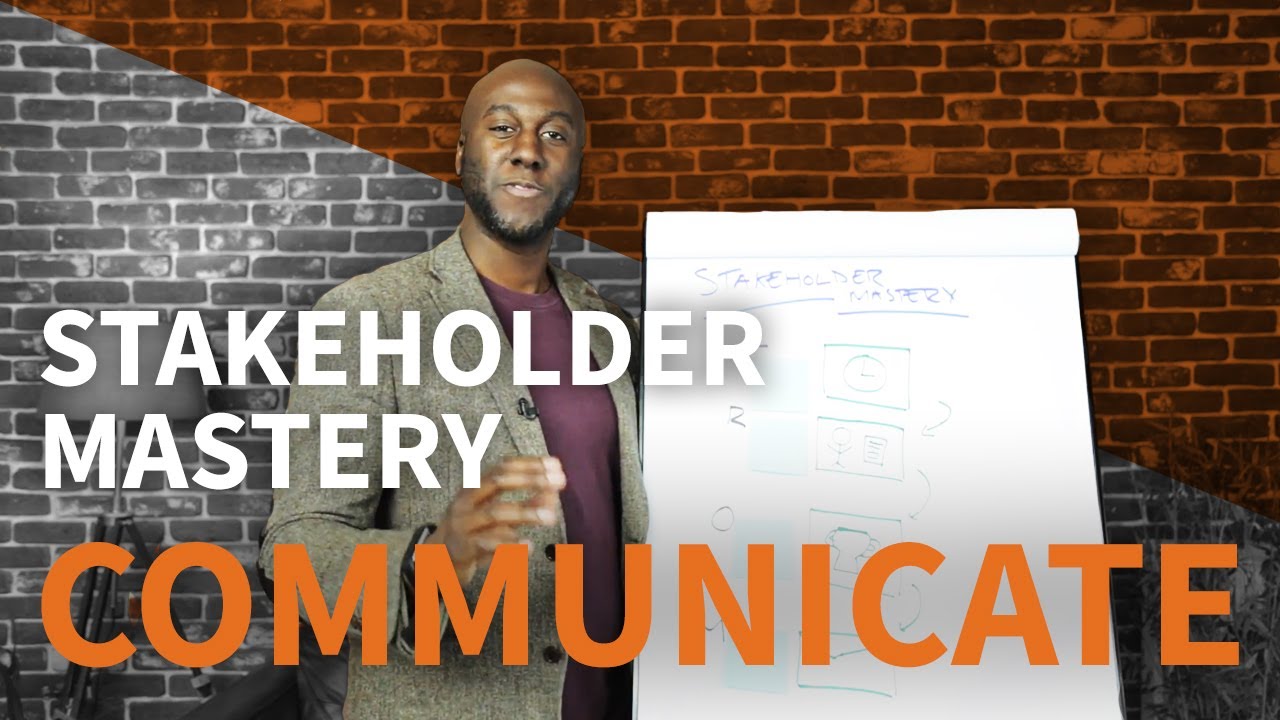
Jermaine Edwards presents TROM: Time, Role, Outcomes, Messaging. A framework for talking to stakeholders that clarifies what each person needs to do, what success looks like, and how often you'll communicate. Clear agreements reduce friction and build commitment.
Chapters
Hey, it's Jermaine Edwards, your customer growth guide. If you're new, welcome. If you're old, welcome back to the fold. In this video, we're on number 3 of a 4-part series called Stakeholder Mastery. If you haven't seen video number 1 on identifying and 2 on verifying and validating, I suggest you go there first, otherwise this video won't make any sense whatsoever. But in this video, we're going to talk about communication and positioning the communication with all of your stakeholder contacts. So now we're talking about communication. We're gonna take you through the TROM sequence, and each of these areas are very important. In the consideration for communication in any kind of business and any kind of contact that we might have. It doesn't really matter. These things are going to be really important to you. So the first thing here is around time, and time is really important here. So time is about what specifically you're asking from the other person. What do they need to allocate to you for this relationship to work? For them to realize the benefits that you've identified right from the beginning and the advantages, the implications of them not doing the work. What do they need to allocate to that time and the relationship with you? Equally, what time would you need to allocate to that relationship to make sure that you deliver on those particular expectations? You need to be really clear and aware of this because oftentimes one of the biggest barriers to commitment and willingness from a customer is to perceive time to effort. But if we can communicate that clearly to the customer upfront, that these are the reasons why we're asking for this time, here are the results and benefits that we are aiming to achieve through this contact, they'll be more open to having that dialogue and committing the time with you. The next piece here is around role. So after you've committed the time, you decide what role do you actually want them to play? Now, it could be that a particular stakeholder, you're asking them to play the role of advocate for you to a specific department or to a particular person in the business. Whatever that might be, you need to determine what role am I asking them to play based on the time we have allocated, and what is the role of me to them on being able to deliver that as well. Those things are really important. You need to understand that they have a working life just like you do. And so the role that they play would now need to fit into their current objectives and current activities. So the clearer you are here, the more they are able and more empowered to offer the time to commit to the kind of role you're asking them to play. Next thing here are outcomes. We need to be clear on where is this relationship going, what are we actually looking for that would determine that this relationship is really working. What do you want from the relationship personally? What outcomes are you looking for? How much better do you want this customer to be? What will be the synergy between you? What would be the expectations between you in regards to those outcomes? What benefits in the short, medium, and long term might you be able to attribute to these contacts? This might sound like a lot, but you would do this with any serious relationship. If you're married, if I had no conversations about the time we're allocating to things, the roles that we both play, and what we're actually after, we wouldn't have a very successful marriage at all. So the same thing with inside a business, we need to really consider these things and know what the outcomes are. So now we've come to the last part of the TROM sequence, and the last part is messaging. Messaging. So we want to communicate and be clear on what we want to communicate on a daily, weekly, or monthly basis. So these specific messages might come from the outcomes that we've determined with a specific contact. Some of these things you could automate, some things might come from marketing or some things might need more personalization depending on where that person is in the stakeholder mapping sequence. You need to determine what that is, and when you do, be consistent with it so they have an expectation that the quality of the engagement will be there, and they can expect that you hold fast to your word so they can do what they need to do with you and for you to get the results that you're looking for. I have all of this written out for you inside the PDF document you can download below if you haven't already. And in that, you'll be able to communicate all those things that are needed to those contacts for you in those most important customers. Take the time to do it because it will be really beneficial. And in video number 4, we're going to talk about how you can engage your customers at a much higher level within this process. Now, see you in video number 4.