What are GAPS and why are they important? - Intermediate Class #5

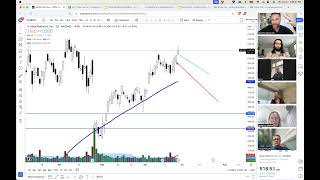
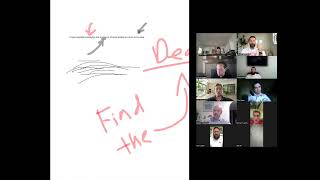
Jerremy Newsome (Real Life Trading) teaches an intermediate lesson on price gaps and how they help spot trend reversals. He defines a gap as a quick price change between timeframes, explains four gap types (bullish/bearish retest and gap-and-go), and demonstrates their sentiment and practical use across timeframes with chart examples (SPY, Apple, Netflix, S&P futures). He also covers protective measures (100/200 simple moving averages on daily/weekly/monthly), volume, and trading behavior, and closes with a personal motivational story.
Chapters
Live from Music City, Nashville, Tennessee, this is your motivational, sensational, inspirational, educational, aspirational, international, keenly awaited, highly anticipated edition of the intermediate trading program, module five. Ladies and gentlemen, boys and girls, team, friends, family, folks from around the entire world, how are each and every one of you doing this fantastic day, night, week, month, year, quarter, wherever you might be in the world, type in A1 if you can see my screen and hear me, okay? Because all the love's coming in. Fantastic. Love it. Let's get jacked. Time to exercise those brains. And it's phenomenal that you're here. If you were here live, thank you. If you're watching this on YouTube, thank you. And if you are here at our website, reallifetraining.com and you're going through this course, thank you. Wherever else you might be watching this, I appreciate it. Most likely you have been referred to real life trading by a friend. That is how most of you have heard about real life trading, which is honestly one of the best ways to hear about any company. And it's all from word of mouth because we are real, we are legit. We are doing our absolute best to perform our mission, which is to enrich lives. We do that by educating the world on how to profitably, safely and consistently trade the markets. Karen says, I was reading one of your other works on the dashboard. I think a happy birthday is in order this weekend. Thank you, Karen. Yes, my birthday is tomorrow. I will be 32 years. So thank you for all the kind words, ladies and gentlemen. It means a lot to me. It is kind of remarkable. Mark Twain says, the two greatest days in your life, the day that you are born and the day that you found out why. And I think about five to six years ago, I really did find my purpose. And I have really been able to lean into it the last three to four years. And it's been incredible to see the growth and the prosperity and the abundance, but not only in my life, but just the lives of those around me, my friends, my family, the ones that are close to me, people I care the most about. It's really quite amazing. So thank you. I really appreciate that. Manhaar says my wife's birthday is on May 8th. Yeah, my mom and sister are on May 15th actually the same time. So Steve says, my first day is a real life trading bundle member. My wife says I'm hanging out with you for the whole day. Yes. Yes, Steve. And thank you for joining real Life trading and joining the morning room, the afternoon room. It was really great hanging out with you today. And yeah, we put in some work, that's for sure. My friends, here's the goal of this module is I want to help each and every one of you uncover the powerful truths of about gaps and trend reversals. When does a trend reverse? How do we know a trend might reverse? How can we take advantage of it? What does it look like if it starts happening? All those good things? We're going to talk a little about that. I'm going to do my best to answer any questions and let's get into it really quick. Just some small pieces about me. Not only is my birthday tomorrow, but this actually did happen. And I'm bragging about it because, man, I just did not think. Not only did I not think it was possible for most people, I didn't think it was possible for me. So the Calendar Club has been completed. I want to thank Robin Steckle and Matt DeLong for pushing me to do that. Robin is the one that told me that it was happening this month and Matt's the one that started getting me on the journey. The Calendar Club, for those who might not know, is just where you have to run the mile of the day every single day. And I'm gonna keep bragging about this for a while. I just had one of my best friends text me and he goes, jeremy, that's insane what you just did, man. Because I never thought anyone was who was not like a Navy SEAL or a Marine or Army Recon or something insane. Some special forces athlete could pull that off. Because I'm not a runner. I hope you all realize that I'm not good at running at all. I'm not a pretty runner. I'm not really good at it. I don't really have any experience with it. I've never really trained for it. I did my very first marathon in my entire Life on April 4th. I've only done three half marathons up to date. And this month I did the math. One of my buddies, very successful businessman and investor. I had two really good friends of mine, Matt DeLong and Mr. Michael Lush, did the last 11 miles with me yesterday. So yesterday was a 30 mile day and I had to do the last 11 miles. They did it with me. Anyway, Michael did the calculations last night and he's like, you did 465 miles in a month. If you divide that by the days of the month, that's 15 miles on average every single day. 15 miles every single day. So that's actually 30 half marathons back to back to back for 30 days. On average, which is really weird. I never even thought about that. But kind of crazy. Kind of crazy. I'm fired up about it. So that's done. That's happened. That is off my calendar. That is on the resume for life. And I am the baby child of five. So I am the baby of the family. I have five siblings, Danielle, Sherry, Jerry, Terry and Gary. Those are my five siblings. I am the baby of the kids, of the whole group. I do have a personal website in case anybody ever wants to go to my website. Jeremy newsom.com and my personal mission statement that I try to do my best to live by is two enriched lives with mentally liberating education. That's what I do. So I do own real life trading, but I also own other companies. I also work with other companies. I also help other people with other endeavors. I don't only trade the stock market, but that is my passion. Again, as normal, if you want some slides, you should do it. That's pretty much what I got. So there we go. All right, so Here we go. Module 5. This is where we're at, how trends change and reverse. We're going to talk about some gaps, we're going to get into it and I want to make sure that we're all comfortable in understanding that trend reversals are literally one of the hardest parts of trading to complete consistently and profitably. I do not often pick trend reversals. Ever so often I'll try to pick the top or pick the bottom on some trades, but it's not something that I would suggest doing to, to try to make money. What I normally suggest is trend reversals are there to. When you start seeing them happen and you kind of get an idea that they're going to happen or beginning to happen, this is where you get to protect yourself. You get to use stops, you get to use options, you get to hedge. You as an investor or a trader get to understand, all right, something's about to happen here. Let me begin to shift my, my perspective, my time frame, my risk control. Let me understand what I need to do and why I need to do it so that I can understand properly how to protect myself. And that's really what a trend reversal is. Oftentimes when a bull. Trend reverses, bull traders will lose money. I want to make sure I ingrain that home because if I'm, I am primarily a bullish trader on the, on the bigger picture swing trading and investing, I am a permeable. I focus on markets going up. That's just my specialty. So when the markets have really weird dips. I normally lose money. Like today today was the market was down. I lost money today. Today was a losing day for me. I was down 3 hours or 3% today. So you're gonna have losing days. Absolutely adequate. Makes sense as part of the game. And when I have a really strong update, I make tons of money. Those are kind of the bigger personalities of the market. Now I do mostly day trade. Bearish. That's kind of how I hedge. So a lot of my day trades are bearish day trades. I had a bearish day trade today. I got off a break. Even if I had held a little bit longer, I might have made money on it. But all I'm getting at is trend reversals are challenging. So just be prepared. I'm not saying, hey, learn about trend reversals and you're never gonna lose money again. No, you're still gonna lose money. Just do less to lose less than you made. Because on the run up in a bull trend, my friends, when this is happening, you're supposed to start making some really good money. And when this happens, on the downside, you're gonna lose some money. The objective is to carve out the goals, right? Snag them and bag them, collect them and protect them. And if you get stopped out or trailed out or whatever up here, and then you eventually get back in the position, you know, somewhere down here or whatever, then at least you were able to cut the bleeding, stop the bleeding, pause the turmoil, and realign all your approaches at that point. Right? So that's realistically it. That's kind of what we need to understand and just really, really be comfortable with everything. So it's gonna be good. Now, oftentimes when a bear trend reverses, bear traders will lose money. So same thing. The goal is to lose less than you make. And, you know, when the getting was good, when the trend was easy. So when the whole Covid thing happened, I wasn't really on board with the bearish train until, like, March 9th or so. So I. I missed some of the first three or four days of the whole Covid sell off. And then there was a certain point in time I was like, all right, well, apparently we got to be very bearish. And then I made tons of money, but then that reversed as well. And then I lost some money. So it's going to happen. It will occur. The concepts that help us spot trend reversals, gaps are going to help. Volume is going to help how far the trend has already moved. That's a big one. If you're in and you're making gobs of gains on the bull side and the stock is just up feverishly high. Those are great spots to have protective puts or trailing stops or trim and trail right. Exit some of your position and increase your stops. Just doing something where you protect yourself and you know generally how to lock in some of those gains. And again, another one is breaking of strong, strong support levels. Sometimes these support levels can be primarily large. Moving averages. The moving averages, the long ones that I like to use are the 100 and the 200. And I like to use them on the daily, weekly and monthly charts. Those are the primary long term moving averages that I focus most of my time and attention on. The 100, 200 on the daily, weekly and monthly. As we start really breaking those, that's where I can become a little bit more concerned and a little bit more of a cause for pause. But these are simple moving averages. Yep, 100, 200 SMA simple moving averages. So when I do look for the long term areas of support, I'm looking at these 100, 200 simple moving averages on day, daily, but really long. Long term oftentimes is your weekly and your monthly timeframes just to kind of see where everything is at and kind of get a general idea of where we're going. And as long as we don't break those supports extremely hard, I don't really reverse most of my positions or my trends. Now, again, you already know this, but I'll ask the question. I use the 100 and 200 simple moving average. Could you use the 100 and 200 exponential moving aver? And the answer is, of course you could. Why not, right? Or could you use instead of a simple or exponential, another random moving average? The answer is, of course. Or could you use a 300 instead of a 100 and 200? Could you use 250 or could you use a 105? The answer is, of course you can do any and all of that. But the way I use them is I just have a general approach for where I like to see something happen and why I like to see it happen there. So an example would be, let's just go look at the broader markets really quick and I'll pull up the spy, which is the ETF for the S&P 500. And as I pull this up, I want to kind of make aware that this is the 100, 200. And again, when I mentioned not really being extremely, extremely bearish on the market, I wasn't really that bearish on this whole Covid action until this day right here. That day is when everything started getting really noticeably bearish. And. And again, you had a really nice drop from there. So. Had a nice drop. And then I thought maybe this was going to roll over again. So when this kind of happened, I got in some more bearish positions and then lost a bunch when that happened right there. But I mitigated my losses and all was fine. So again, made tons of money throughout this move, lost some bear money during this move, and made bull money during this move. So it's going to occur. All is going to happen. But here's the thing I want to point out. Here's your weekly moving averages. These are the 100200 simple moving averages on the spy. And you can see 2018, when everyone thought the world was ending. Then the stock pulled right down to the 200 simple moving average on a weekly chart and bounce perfectly right off of it. How would you like to have gone long? Christmas Day 2018. I mean, look at how fantastic we just Rampage Jackson off of that support. So that was a really, really sexy, gorgeous support area for us to bounce off of. Now if we go to a monthly chart for the spy, type in A4. If you are kind of surprised that we bounced right off of the 100 simple on a monthly chart, that's a very strong support. Now, a lot of people don't know that, but we did. I mean, we pulled right into it and we bounced perfectly off of it. Perfect. So yes, we did make a lower low as far as a wick is concerned, but we did not close down there. We actually just threw in a shadow. So what I'm not saying is that we can't go lower. I'm definitely not saying that. What I am saying is this acted as a very good support. And for me, as of now, that's kind of the low. I think that's the low of the market. I think that's the level that's going to get held up, you know, for the next few months. And if things get really, really, really bad and we start taking that level out, then I'll be really concerned. But realistically, as long as we hold that major level, I mean, we can do all kinds of stuff up in here, but if we take out that level, that's where it can get interesting. The only bad thing is that's a lot of percentage. That's tons and tons of percentage down between where we are now and there. That's another 25%, right? That's how big we Bounced. That's huge. So I'm not saying that I won't take any bearish positions between now and 25% lower from now. I'm just simply saying as far as a bearish market is concerned, we can avoid a bearish market. We can be in a recession or a pausing period or a giant consolidation distribution phase in the market without entering a depression. And I'm also not saying we can't be in or we won't get into a depression. I'm just simply saying based on this chart, we're still in a bullish trend based on just this particular chart. That's all. So I'll play things as they come to fruition. But this did help, really time some good bearish positions. I'm not saying I exited all of my bearish positions there. Obviously I did not, but I wish I did. But it did help me exit some of them because again, it could have bounced lower and it very well might. This is what I think the broader market is likely going to do over the next two or three months. Again, just my guess. I'm not saying it will, but that's just kind of my generic thoughts since a lot of you are wondering. Just kind of like my. And again, this red and purple line, this is the 100200 Simple Moving Average on a daily chart. Kelly says, do you use them on a shorter time frames? I use them on dailies, weeklies and monthlies. I don't generally use them on anything shorter than dailies. You can. However they work. They work very well, just not all the time. All right, awesome. So I just want to kind of break that down and kind of give you some of those thoughts. And that's really what I got. So what we're gonna be covering tonight is we're gonna talk about gap action. We're gonna be going over gap action, what it is, how it is, why it works. Gaps are crucial to your success as traders. Understanding gaps on all timeframes, day trading, swing trading, and even investing can really help you get a great, great edge in the market. Remember, as we discussed in the beginner series, investing is cool and all, but it's for the very long term, right? Multi years. I love investing. Big, big fan. Trading is to create cash flow so you can do epic things with your Money. Type in a 4 if you would love an extra $20,000 in the next five months. Right. That's cash flow. I'd love an extra $20,000 in the next four months too, if anyone's giving it away. But I'm saying, I'm serious, like you can, it is able, you can carve out that type of gain in the market. It's very, very possible. We had traders in April, actually over A, over 100 traders in April make over $20,000 in one month. Over 100 people. It's pretty phenomenal. And do you want to know the average age of real life traders? Go ahead and guess for me. We got saying the average age of real life traders are. So the average age of real life traders is approximately 49 and older. I'm one of the youngest real life traders out there. 49 and older. That is the average age. So out of the traders who I trade with every single day, every single week, on a monthly week, weekly basis, 100 of them are made over $20,000. And those are out of that 100, I would say 80% of them are retired or about to retire. You know, so they're retiring or they're about to retire. So you're talking about a huge, substantial life changing amount of money for someone who is retired. No other source of income. They want to supplement their other income and they're living off of quote unquote fixed income from pensions or retirement or Social Security or whatever, dividends, pensions. And they're getting some money that they can generate without dwindling their savings so that as time progresses, they can actually create more money exponentially rather than just having it sit there growing at 10% a year. How great is that right now? Type in A4. If you also think there are some traders who are much younger than 49, so there's plenty of traders who are younger. So if you're in the younger camp, you can also make money doing this, right? I promise it's extremely achievable. Just takes a little bit of time, that's all. Let's go over the four types of gaps. When I say the four types of gaps, keep in mind this is all mashed potato dance. It's all mashed potato dance. Because these are just names. They're not the only names. They're not the right names. These are just names. I didn't specifically come up with them, trademark these, patent these. People use these terms all the time. People use these terms all the time. There are four types of gaps. And what I'm going to do that no one else does is explain these gaps exceptionally well. A lot of people will give you terms. A lot of people say, hey, this is it. Look how cool it worked. You need to make money, buy this indicator. Tons of People do that. But what I will do is explain why they work the sentiment behind them so that you can use this sentiment to help your trading. Lottie says with a sample. Right. What do you think? What do you think? Of course. Can just teach this without looking at a chart? All right, so number one, what is the trend on this particular company? Hit me up. All right. Bullish. You guys got the answer correct. It is up. So the trend is up is making higher highs and higher lows. So that's the trends. Now, would you all agree that this is a bullish candle? Yep, we can all agree that's a bullish candle. Beautiful. Now, Robin, I think, and Robin and Zach and Trevor, I think the way I made these classes in these new slides, I think it's going to help you in your learning curve with the speed at which I picking these up. So here we go. This is a very important question. Do we know the candle color that's going to follow today? So this is. This is the current candle color. Do we know the next day's candle color? No, we do not. We have no idea. Right? We have no clue. We're not sure. Could be black. It's gonna be one of two. It's gonna be black or white. I mean, bullish or bearish. Maybe a doji. I don't know. But here's what we got to figure out. This is what we need to understand. If the stock gaps up, how will the most recent traders feel? And when I say most recent, that should kind of go without saying. But this guy, how will that particular trader feel? That's the most recent trader. So my argument is, I mentioned that this is a bullish trend, and this is a bullish day. So you have a bullish day, and you have a bullish trend. Imagine that you buy there. So if the stock gapped up the next day, how would most traders feel? And the answer is happy, excited, elated, joyful, profitable. They'll smile from ear to ear. They're feeling jacked. Okay. They're feeling richer. Now, what is a gap, specifically? What. What is a gap? A gap is a change in overnight price or realistic. You know, if you're. If you're looking at a daily chart, specifically a change in price from one time frame to another, quickly. That's what a gap is. A change in price from one time frame to another, quickly. Because you got to remember, there's a large world out there. Doesn't matter what country you live in. There are other countries who participate in the stock market. Or so I'VE been told. And if that happens, if there's other countries while you're sleeping or while you're working or while you're doing whatever, other people are buying and selling other companies and countries and hedge funds and mutual funds and banks. Other people are, well, investing. They're buying, they're selling. They're creating demand, they're creating supply. So that interest, that demand, that supply is going to cause this stuff to move in one direction or another. That's what a gap is. A gap is an overnight change in price or over a different change in price from one day to another. Let's discuss the price, this particular gap. So, Kelly, hang in there with me, if that's okay. By the way, folks, if everyone can change their zoom channel to all panelists and attendees, that would be great. This is what's called the bullish retest gap. Type in a 9 into the chat pane. If you can clearly see the gap on this chart. The gap is this little window, this little white space, this little difference between one price and another. Now, the bullish retest gap is a bull candle gapping up. Diego says, where's the retest? I'll show you. So bull candle gapping up the most recent bulls, AKA the prior day candle. Right there. They are profitable, and at some point, they're likely going to sell to cause the stock to pull back, retrace, and give people another chance to buy because they're already profitable. John says, does the gap have to be above the high of the day? No, it does not. Doesn't have to, but that is a better gap. Those are stronger gaps. If it's above the previous high of the day, those are better gaps always. So a retest gap means that at some point in time, at some point in time, the recent buyers are going to feel very happy and they're going to feel very profitable. And what do very happy, profitable buyers do, ladies and gentlemen? They sell. And when a profitable, happy bullish trader sells, what does that do to the stock? It causes the stock to go lower, thus creating a retest. So why is that important for you? Well, it's important because it gives you the opportunity to either sell with them or if you didn't get into the trade, it gives you an opportunity to find out where it should buy, where it should pull back. Chris says the retest does not have to happen the same day. That is correct. Does not have to happen the same day. Diego says, so at this stage, it's just a simple gap. Until the retest happens, no it's still a retest gap, and the retest will happen. So it's still a retest gap. So the question simply is, are you going to buy here, Diego, at the red arrow, or are you gonna buy here at the green line? Which one? And I want you to answer the question, Diego, are you gonna buy at the green or you're gonna buy at the red? Diego says the green. And there you go. Knowing the sentiment, knowing that this is a retest gap, knowing that there's a strong likelihood that it's gonna retest and pull back, you're gonna want to buy at the green because it's gonna get you at a better entry. It's gonna give you the opportunity to buy a dip, to buy the pullback, to buy at the bottom of this S curve rather than buying high. It gives you an opportunity to go, you know what, let me read the chart. Let me read the sentiment and get in at a lower price rather than chase it. Steve says that low. Don't you put it at 50%. Well, Steve, would you call. Would you consider this to be a long day bullish candle? Steve says yes. Oh, okay. Well, again, if you consider that to be a long day candle, then you can put it halfway into that candle. I don't personally consider that to be a long day candle. Just looks like an average, normal, nothing special candle to me. In my personal opinion, just looks like the same size candles. All these other candles doesn't really stand out to be a massively large candle at any point in time. But if you want to put it halfway into this candle, that's fine. It's totally cool. Now, this is known as a bullish retest gap. Bullish because, well, it's higher. And a retest gap because it's a bull candle gapping up. Ladies and gentlemen, the candle color after the gap does not matter. Candle color after the gap does not matter. This could be black or white. It's irrelevant. If it was black, it gives you even more insight that it's going to retest even stronger. AKA Tesla 2, three days ago. But if it just is a white candle gapping up, you should say, all right, I think it's going to pull back. Some. Arafat says, does it have to retest to support? Well, nothing has to do anything ever. But if you can find a good area of support and you expect it to pull back because it's a retest gap, then you should consider buying at that support level. For example, my friends, would you consider this old resistance right here to be an old resistance and now maybe a new support. A lot of you are saying yes. Could you throw in a limit order to try to buy at that line? Now, do we know if it's gonna hit, my friends? And the answer is obviously no. We have no clue. But what if it does, right? What if we want to use that line as a level in which to buy? And my answer would be, that's fine. Do probably will. But understanding that this is a retest gap will simply save you from trying to go, oh, I need to get on the breakout. This is a breakout. But understand this gap will say, let me let it pull back first before I buy it so that I don't chase it. Christopher says, so if it gaps up and becomes a black candle, is that the retest? Maybe. Maybe, Chris, because again, what you're. What you're getting stuck on, man. You're getting stuck on how far it's going to retest. I don't know the answer to that. I never do. John says, so doesn't need to fill the gap. No, it does not. It does not need to fill the gap. Sometimes it will, sometimes it won't. What if, Christopher, if you set up a trade here to buy there and it does this, are you gonna get stopped out? Yep, of course it can. So if it gaps up and puts into a bearish candle, could that be the retest? And the answer is, of course. Could it go higher from there? Absolutely. But it gives you an idea. It gives you this sentiment. It helps you understand, okay, don't chase. This is gonna pull back. Frank says so does not matter whether the candle is bullish or bearish. That is correct, my dear friends. That's why I have that in bold right here. You are absolutely 100% accurate as a correct statement. Factually does not matter where the candles bullish or bearish after the gap up. It only matters the type of gap that it is. Because once you understand the type of the gap, my friends, it helps you not chase a position. It helps you not run pressure orders. Get in as quickly as you can. On a breakout, if it's not an aggressive gap, if it's a retest gap, you can go, let's. Let me wait. Instead of chasing this trade, let me give it some more time. So, Diego, my friend, do you see the retest? Are you sure, Diego? Are you 100% positive? Diego says, no, I didn't say I didn't think so. That yes didn't seem very confident. This is the retest, my friend, Right there. Anywhere in that red circle. You're buying. You're buying in the red circle. Are you gonna get the exact low, Diego, ever on a trade ever in your entire life, ever? No. So you just have to set up a trade and get in. Right. Understanding that that gap was a retest gap is very helpful because instead of getting in here a breakout, you could have gotten in down here somewhere, and you'd have saved a little bit of money, and you would have been able to buy at a lower price. That's it. That's the whole point of the retest gap. So, my friends, right here, Is this a retest gap? Yes, it is. Did it retest? Yes, it did. Okay, what about this gap right here in pink? Is this a retest gap? Yes, it is. Did it retest, ladies and gentlemen? Yes, it did. Of course it retested. Diego, look at this. How would you not call that a. How would you not call out a retest? Right. Again, instead of getting in up here, chasing the trade, you're like, it's a retest gap. So you're looking for the pullback. It retested. What about this gap right here? Bullish candle gapping up? Is that a retest gap? The answer is, yes, it did, or yes, it is? Absolutely. It's a white candle gapping up. Of course it's a retest gap. Lot A says, I cannot believe this is free. I know, man. Me neither. I can't believe it either. Diego says, is the previous day's color candle important? Yes. It literally is the reason for the determination of the sentiment. Right. So, John, as I mentioned, it does not matter the color of the candle that happens after the gap. Chris says, what do you say if it doesn't retest and gaps up more the next day? I say, that's exactly what happened. Chris Stanley, literally right here. That's exactly what happened. So I say, well, let's see if it pulls back, because I want to wait. I want to get in a good price. I'm not going to chase it. If a bunch. If it just keeps retesting and just goes to a million, well, what do I do at that point, Chris, if it never gets me in and just goes to a million and never pulls back, I just go find another one of the million and a half stocks out there. All right, so let's keep doing this. That was one type of gap. I think you're gonna get a little bit better as progress, as time progresses. My friends, at this point on the slide, is the trend still bullish, yes or no? Okay, so you guys are getting this? That is correct. The answer is yes. Everyone says yes. The trend is bullish. Do we know the candle color that's going to follow this day right here? Do we have any idea? Nope. We don't know. Does it matter what the candle color is gonna be the next day if it gaps? No. No, it does not. So here's what's interesting. If the stock gaps up, right? So keyword if. If the stock gaps up, how will the most recent traders feel? Jason says they're gonna feel trapped, they feel scared. They're gonna be not profitable. Correct. Because you have bearish candles, don't you? Ladies and gentlemen, true or false. These bear traders want the stock to roll over. They want this to happen so they can make money. Is that true? Yeah. Is there anything wrong with them feeling that way? No, it's not. Of course not. They want to make money. Everyone wants to make money. Everyone deserves to make money out there. Let it make as much money as they want. So they want the stock to roll over. They're all excited, man. They're like, whoo, can't wait. Sure am excited, man. This stock's about to drop real hard. I'm a load up and cash in. I'm about to buy me a boat. That's what they think. And there's nothing wrong with them thinking that. Therefore, when the stock gaps up the next day. Hold on one second. Where did that slide go? I think I accidentally deleted the bullish gap and go slide. Oh, well, that's cool. I'll type it in. So this particular gap right here, this is called bullish gap and go. This is the bullish gap and go. Why is it a bullish gap and go. Why, oh, why is it a bullish gap and go. Because you had a bearish candle gapping up. These are more aggressive. You have short traders who are trapped, and they have to buy to cover. And buying, often times will drive up a stock higher. So could that candle have been a black candle? If it gapped up and if it was a black candle, would it still have been a bullish gap and go? Yes to both. So it did happen to be a white candle. And that's cool. But notice, do you all see how that particular gap did not retrace very much? It did retrace some. So it did. You did pull back. It did. It pulled back a little bit the next day and then just kind of continued higher. Diego says, if it says bearish gapping up, I see a white candle gapping up a White candle gapping up. Diego says, All right, Dagger, let me try this. What candle was this color? Diego says, black. All right. Do you see that? That candle gapped up the next day. Don't worry about the candle that gapped up into. Don't worry about that part. Right? That's irrelevant. Remember, doesn't matter. Did the black candle. What color is this candle? Say it again for me. Bearish candle. Did the bearish candle gap up? Yes or no? Yes, it did. Therefore it is a gap and go. That's it. So it opens higher. Bearish candle opening higher, gapping up. Bearish candle opening above. Gapping up. The bearish traders are trapped. They are losing money. They are scared. Ali says on the 23rd. What would that be? You tell me, Ali. Bearish candle, gapping up. What do you think? I'll give you a hint. It's on the screen. Bearish candle, gapping up. What do you think? Bearish candle, gapping up is a bullish gap and goes. Right? Because you have a bear candle and it gapped up, Gap and go. People are trapped. Right, again, remember, folks, you can call us whatever you want. The names are 100% irrelevant. I don't care what you call it. What you have to understand is this is a bear candle. This is also a bullish candle gapping up. Bullish gap and go. This is a bearish candle gapping up. Now, a lot of you might say and ask the question and I'll find out who can answer this for me. This is a bullish gap and go. Right? Bearish candle, gapping up. Did it go? And the answer is yes. It just didn't go very far. It did go higher though. It did go a little bit. So why did this retest? You're like, well, Jeremy, it's a gap and go. It shouldn't have retested. I don't think I ever said that. I said that. This is just the name of the caps. Yes, this gap and go did retest. But why? Who can tell me? It's a bullish gap and go. Bearish candle, gapping up. Why did it retest? Because it was a huge gap. Because the gap was huge. That was massive. We think it's just gonna like open and run forever your don't think there's any people at all in here who are profitable who want to sell something? So that's the thing is it's a massive, massive gap. So that gap up people are gonna want to sell, lock in some profit. Just because you have a gap and go does not mean that it can't pull back. It just simply means that you can look for more aggressive entries. You can be a little bit more aggressive with your trade. If you can look at this chart and go, yep, this is definitely a gap and go. And let's say that you day traded in here. Could you have made some money trading it bullish in that area? And the answer is, of course you could have. Now, once you got a close blow this candle, and you got a close blow this candle, could you go, well, it looks like there's gonna be some aggressive selling, so it might pull back a little bit. It starts pulling back, and then when you see this pattern down here, could you. Could you have said yourself, I want to get in here with a stop right here? Because it's a gap and go. It could be an aggressive trade. So if it works out, great. And if it doesn't, I'm be wrong? I think the answer is yes. Right. Because the bigger the gap, the more it's going to pull back into that gap a little bit. Lottie says, so it turned into a bullish retest gap. No, it's still a bullish gap and go. That's still the type of gap that it is. It just retested. Because the reason that the terminology is here, Lottie, is so that we can go through a chart and I can express what I'm looking at, and people can understand it when they see it. So if I say, hey, this is a gap and go, you kind of get it and you understand it. John says when it gaps, the retest candle does not need to pull back less than 50% the previous candle? Not specifically. No, not really. All right, so let me really boggle your minds at this point, my friends. Would you agree at this point that the trend is still bullish? Yes or no. All right. Trend is still bullish. That is accurate. John says, what percentage of gap and goes are usually huge ones? I don't have the answer to that question, John. So do we know what's going to happen the next day? No, we don't. Do we know the color of the candle the next day? No, we don't. Does the color of the candle matter the next day if we gap to determine what type of gap it is? No, it does not. So I can already tell you if this thing gaps up, it's a bullish gap and go. If it gaps down, it's a bearish retest gap. I can already tell you that regardless the candle color, because it's all about what sentiment Is in this candle right here. This candle is a selling candle. That's all you need, right? Does it gap down? It's a bearish retest gap. Does it gap up? It's a bullish cap and go. I can already tell you that before the next day even occurs because it's irrelevant. The candle that happens afterwards, it's all about the sentiment of this candle. Okay, so what actually ends up happening? Well, the next day we're going to answer this question first. If this bearish candle gaps down, right? So this is a selling candle, Would you agree? Minhara? This is a selling candle. So if the sock gaps down the next day, how will the bears who are in this position, how will they close their trade? How do bear traders close their trades? They have to buy to cover. If the buy to close, they have to exit their position. They btc, they bitcoin their way out of that position. Bear candle gapping down. So a bear candle is filled with short sellers. And when short sellers are happy, they exit. And the way they exit, they are buying. So this is known as a bearish retest gap. The bearish retest gap is a bear candle gapping down. The most recent bears, AKA the prior day candle, AKA the candle we just looked at, they are profitable at some point, are likely to buy to close, causing the stock to pull back and retrace. Steve says, would you fade, would you fade this like today? Yes, I would. Didn't work today. But it will at some point, Steve. I promise. Don't you worry. Sean says, what is fading? Amy says, what is fading. So you trade it in the opposite direction of the gap. It's the term. So if you trade it with a gap, there's no real name for it. A fade is just trading the opposite direction of the gap. So if a stock gaps down, you're trading it higher, the stock gaps up and you're fading it. It means you're trading it lower. Steve says, so you're fading this one bullish because of the trend. Bingo. Exactly. And that's a really, really big takeaway, my friend. Now, could you day trade that? Sure. Could you swing trade that and be buying down there on a longer term level? The answer is of course you could. But what's important to know is that when this thing gaps down, there will be some bearish traders buying to cover. So a is a retest gap because it's a bear candle gapping down. That's how I distinguish this. So what if you are a short seller and you were looking at shorting it. Would it have been helpful to know to not get in down there short, but mostly wait for the retest and short up here so you could have sold higher? Yes or no. And the answer is yes. So knowing that gap sentiment would have given you time to be patient rather than going, oh, I need to get in here. And getting at the low, you're gonna go, wait a minute, wait a minute. This is a retest gap. There's going to be some short traders buying to cover at some point. Let me let those short traders buy to cover, drive the price up a little bit so I can sell a little bit higher. If you shorted it, the red circle. Do you know the trade is going to work? No, you don't. Why do I keep asking that dumb question. Trust me, it's very good to know when you go into a trade and you go, do I know this trade is going to work? No, I don't. You should say that with every trade ever, because you never know what trade is going to work or not. You shouldn't go into a trade going, yeah, this one's going to work, because those are the ones that you normally risk too much money on, do something stupid on, and then blow out your account or lose tens of thousands of dollars. You don't want to do that. All right, cool. Therefore, check out this retest action on that gap. Look how gorgeous that is. Does everyone see the retest that happens in this action? I'm gonna draw it for you regardless. Diego says, now I do. Ladies and gentlemen, give it a round of applause for Diego. Seven years later, he finally gets it. I'm just kidding. Oh, man. I'm just kidding, Diego. Awesome job, ma'. Am. Awesome job. So the thing is that that's the retest, right? That's that pullback, that retracement into the level. So again, my friends, Type in a 9 into the chat pane. Like, if you shorted around here somewhere, could you have had the opportunity to make a little bit of money on the downside? And the answer is yes, you might not have made tons of money, but you could have made some. Could have made a little bit also. By the way, Steve, do you see another bearish retest gap in this scenario? When this candle right here gapped down to the open of this candle right here? Look at that fade. Oh, yeah. Came up all day. Those are the fades, man, that when you get those. Oh, yeah, Bring it in. Jason says, I haven't seen one of those in a while. Winky face. Tell me about it. Man, it's been like a whole three and a half days. Now. For those of you who are in my trading room today, did I try to do that type of trade today? And the answer is yes. And did I lose? And the answer is yes, I lost today. Today I traded like the moldy mop that is in your storage closet that you will never ever use. And it just sits there and just molds. Probably has a whole family of mice living inside of it. That's how I trade today. But it's okay. You are going to have losing days. I'm perfectly happy. I hope you all know that it's all gonna happen. Michael Crawford says, is it bad to dream about candlesticks? Oh, man, just don't tell your wife. Just tell your wife that you dreamed about her. Babe, I had another dream about you. Nah, man, I dream about candles all the time. I wake up at least once a week going, oh, shoot, is Apple at 500, you know, or something? I just could have these random dreams that just giant candle comes in. I'm in the trade. So yeah, it's all good. My friends, here's the truth. Be obsessed or be average, right? If you're obsessed with something, you can start making it work. But if you're just an average person and you don't care and you're not spending time or money or energy into doing what you love, you're not here because you're kind of half baked into it. If you're here live, you're at your, it's a Friday night and you're all sober. Well, maybe some of you, It's a Friday night and you're here with me. Like you were in this, okay? You were in this to win this. So you're already dedicated and I really appreciate you being dedicated, but it's very obvious that you want this, right? You're not half hearted into this position. Here's a quick business idea and you guys are welcome just to steal this from me. I think you guys should make candles. Like if someone out there makes candles, make candles that look like these type of candles that are scented, I'll buy a hundred dollars of them tomorrow. So if anybody makes the candles that are scented, it just look like these candles. Go ahead. Whoever does that first, you're gonna make some money because I'll buy it. You send me the link and consider it done. I have ladies in my life that also like candles. You know, Christopher says, so Jeremy, if you were holding short and the next day the stock gaps down huge, your best play Would be to buy to close at open knowing that it will retest. Yeah, that's pretty much spot on, man. Brolin says someone should make a new white soldier candle. I agree. I'll buy a lot of those. You should charge extra for that one, though. If you make a new ice soldier, make it. Make it a little bit extra. Allen says. Is there a difference in how you would put your buy order in with different gaps? Of course. Absolutely. That's the. That's the point of the entire discussion. Retest gaps. Alan. I'm gonna look to buy a pullback gap and goes. I'm gonna play a little bit more aggressively. I'm not gonna expect it to retest nearly as far, and I'm getting more aggressive than normal. Yep. Great question. All right, team. Brolin says, wait, there are. There are real life trading Christmas ornaments. Oh, yeah, we got Christmas ornaments. Coffee mugs, T shirts, all kinds of merch. So what would occur. Let's go through this one for a moment. What would occur if this gapped up? Just walk through the sentiment. Because this is very, very important to understand the sentiment of this gap. This type of gap they're about to walk through, my friends, is one of my favorite. Okay, One of my favorite. They happen daily. Not on the same stock, but I'm just saying across the market. They happen all the time. All the time. Every you find one of these gaps, I'll play it. And the reason I like it so much is because of the sentiment. So, number one, my friends, what type of gap is it if it gaps up? I want everyone to answer this one correctly for me. What type of gap is it if it gaps up? The good old brg Bullish retest gap. Yep. Why is it a bullish retest gap, John? Why would it be a bullish retest gap? Because it's a white candle gapping up. That's it. Bingo. Done. Easy. Finished. It's a wrap. All right, now, so we have the type of name that it is. This is what's important. What is the sentiment of the gap? If you can explain the sentiment for me, I'll give you a few moments to type it into the chat pane. But what I'm about to do is absolutely blow everyone's minds. It's here. Everyone, except maybe the advanced people have been with me for a while and have heard this story a million times. I'm going to walk you through this. Here we go. We have a gap down. And that gap down is created by short selling. So the short sellers are thinking, oh, Man, I'm gonna make all kinds of money. So a bunch of people pile in the boat and they start shorting stock. So they short and they shorten the short and they take the low, the day breakouts and so on, so forth. And then the stock retests a little bit. So it retests and fills the gap. So when it retests and fills the gap, do you have a bunch of people who short? And the answer is, well, obviously yes, because you can also see that you had a bearish candle gap down the next day. Bearish candle gapping down. So you had tons of people who loaded the boat again, you had people who shorted with both hands here and here, same price. It gapped down to that support. What happened? Buyers piled in and was like, yeah, we just bought at this exact same price last time. So we're all excited. So they got driven all the way up. And when it got driven all the way up, what did the short sellers do again for a third time at the exact same price, they shorted again at the exact same price. And then it gaps. Trade all the way down. And then you had a bullish gap and go very small and bearish candle gapping up. Trade all the way up to that upper shadow. Trade all the way up to the resistance. And the short sellers sold again. So three, again, three mo gans. You had a bunch of short sellers getting in this thing, trying to cause it to go down. But you also have bullish traders who are buying it up. So if it gaps up, you're going to have a strong fight that is decided by the bulls. And if it gaps up, you're going to trap the people who shorted here. You're going to trap the people who shorted here. You're going to trap the people who shorted here, here, here, and here, who are still in the position. So you're going to trap multiple days of people, but you're going to do it barely. Now, why the heck does that matter if I barely trap somebody, what's the difference between if I open here, this purple line, or if I open here at this green line? Like, what's the difference. If it just barely gaps, just like a tiny, tiny gap? If it just small, small gap, what will be the difference? Well, if it gapped up into the. To the purple there, they're not really losing that much, right? So they're like, well, you know, maybe I'll stay in. And so they stay in. But the people who are smart will also go, well, hey, I didn't lose that much. So let me get out of the trade and maybe flip my position, let me exit because I'm only down just a little bit. So the smart traders will start buying the COVID Dumb traders will continue to short. The thing is, if you had a short trader and the stock gapped up all the way up in here to the green, what are they probably gonna do again? They're probably gonna short more. Cause they're like, screw it, I'm already down 20%. Who cares? I mean, honestly, that's generally what'll happen. Because if you get a bunch of people and stock gaps up massive and you're already losing so much. Well, what's it, what's let me just dollar cost average in at this point. So I like these really small gaps because it gives people the opportunity to flip and flex their positions. A tiny gap here is going to trap multiple days of people all at once. And it gives them the room to not only be wrong small and flip their position, but it also gives people the opportunity to snag some breakouts. And this is one of my favorite types of gaps. The very, very small bullish retest gap that humbles everybody. Gaps above a bunch of different pivots and specifically gaps above the bunch of different small upper shadows, trapping multiple people the exact same day. Boom. Look at that retest gap. So on an intraday level, on a five minute chart, this lower shadow would have represented what? On a five minute chart, that lower shadow would have represented what the retest for the day trade. So if you're day trading, that lower, lower shadow would have been you. Now, if you were swing trading, could you have gotten in on that lower shadow on a five minute chart? Maybe had to stop a little bit lower? Sure. If you're also swing trading, are you going to get in up here? And the answer is after this class? I hope not, because you know, it's a retest gap. And look out how well it retested me. So it would have given you an opportunity to buy the dip, buy the pullback, buy the retracement. You would have saved some money getting in higher. But that was a stupendously nice gap. Such a good gap right there because it's just barely above all that resistance, trapping all of those upper shadows. Type in a 1 if that's a little bit of an aha moment for you. I love those gaps. They're my favorite gaps to find. I will trade them a lot. I will day trade them a lot. I will swing trade them a lot. I'm a huge fan for a day trade. That would have been a really, really good move. Now, let's discuss this gap. Steve, you're already the master. This type of gap, what type of gap is it? Steve says, what type of gaps? Anybody else want to take a shot? What type of gap are we looking at? Real easy. Matt's along. Got it. Nicely done, Matt. Oh, Robin. Someone's been studying. Steve is wrong, but good try, Steve. Good try. This is a bearish retest gap. So I'm going to pause because some of you got that wrong. So why. Why'd you get it wrong? What question do you. Diego says black candle gapping down. That is correct. Black candle gapping down. Where does it open? Opens lower. So it is a bearish retest gap. Steve says, so the sellers lock in profit and it comes back up. That is correct. That's what a bearish retest gap does. All good, Steve. No worries. My man John says, sorry, I missed it. Bearish gap. And go. No, sir. It's on the screen in green. Are you able to see that, John? Right here. All right, that's the type of gap. Black candle opening lower. The other one was also not a bearish gap. And go. Because it was a bullish gap. So as a bullish retest gap, the previous one that we were just looking at in the most recent example, right here, white candle gapping up, bullish retest gap. So we have a bullish retest gap, and then this candle was a bearish retest gap. What's more interesting about this particular gap, folks? What's. What's kind of interesting on this particular gap? Well, it is large. Okay, that's very true. But what else. Not only is it large, what else happened, though? Volume is coming in. That's true. Brolin says it's gapping below support. Mmm. What's which support? Most recent support. Yeah, yeah. So check it out. Lower shadow, which means there is some people buying, right? A little bit of people buying there it gap below that candle. And remember how I was talking about the ridonkulously strong gap that candle was? Remember how I like spent seven whole minutes talking about just that gap? So it gaps below all of those, every one of them overnight. Do you think some bulls are a little trapped on this one? Yeah, that is correct. So what's interesting about this gap is. Yes, it is a bearish retest gap. So if it's a bearish retest gap, we expect it to retest, which it has. This is a retest right here. This is it. So we can do this. And I'm not saying we're going to roll over. We could. But if we're talking about a trend reversal, that's kind of the point. Right? If you look at this chart and we draw this trend, that's how a trend reverses. Trends reverse. When the trend gets a gap past it, it's the number one sign for a trend reversal. That's the whole point of this whole class. The number one sign of a trend reversal is when a stock gaps past the trend. Our fat says, isn't it an island reversal? It is, but we're not gonna talk about that in this particular class. I do have a class on island reversals. John says, we did not do the bearish gap and go yet, did we? No, we have not. Stay tuned. Lottie says, is that near the 100 or 200 SMA? No, the 100, 200 SMA are gonna be down here somewhere. Yep, that'll be much lower. So does that mean that they get. It would trade down to the 100 moving average, and then it could bounce from there? And the answer is, sure it could. Yeah. Which would mean that would become the new trend. That would become the new angle. But what if this angle gets taken out? Then it would trade onto that angle. And if that angle gets taken out, then same on, same on. But this is where you can go, all right, well, there's an obvious trend here, and we gapped past it. So when I say gap has. I don't mean close below a trend line. That's kind of. That can be kind of irrelevant sometimes. Talking about gapping past it. Gapping past it when the trends reverse. Lottie, take a screenshot of this. I agree. All right, so let's kind of look at what somewhat happened on that particular chart. So, obviously, we continued lower. It's a really, really strong gap. And yes, obviously, that's a Covid situation. But what you'll notice is, do you see how it did retest a little bit the next day, Continue lower, and then this is a bigger retest right here. All up. All up in this area. That is another area, another situation of that retest. So if I draw this and this and that. Right. That's an example. Now, again, that doesn't mean that you have to go short up here. Okay. It doesn't mean that you had to go short or you would have gone short or you could have gone short, but it means that you could have maybe just not gone bullish. I made no money off of this. Particular move on this particular stock. However, the retest can happen a few days later. And this would happen a few days later like many other examples that we've looked at in this current presentation. So since the retest happened a few days later, it retested, it pulled back some, it gave you that curve. And again up here or somewhere in this realm, you could have been either looking at maybe going bearish or again, at least not going bullish type in A one, if that makes sense. Beautiful. All right, team, so what is the trend on this one? What is the trend? All right, it's obvious answer. What is the sentiment of the most recent candle, the prior day's candle, this candle. What is the sentiment? Bullish indecision. Yep. I would totally agree. I think that's absolutely spot on. Bullish indecision. High wave. You call it a high wave candle? Sure. I mean, I wouldn't fire you for it. Manha says, why bullish? What is the color of the candle? And har. White. There's your answer. So look at the volume. Volume on this candle. Not that great. So you have some bulls, you obviously have some people buying right here because it's a white candle. Are they buying a little bit high? Yeah, they're buying a little bit high. Now. Could it go higher? Sure could. I mean, doesn't, but it could have. Now, the funny part is this was a beautiful trade and I did take this trade and I got called away on. This was a November. So this is November. I got called away on some covered calls at 45 right here, and a lot of people called me an idiot when it was at 50. That's okay. You'll see in just a second. So I love buying low and selling high. I'm a fan. Buy low, sell high. So if I'm in a trade, bullish. Is this a sell high spot, my friends? Yeah, it is. This is a spot to lock in some games. This is it. So let's talk about the bearish gap and go. The bearish gap and go is a very fun, fun gap to find. Bull candle gapping down. The most recent bulls who are profitable, who bought, are excited about the stock going higher. They get trapped, scared, and they begin to sell. The gap type of the color does not matter after the candle, it's all about the sentiment of the gap. Sometimes it's black, sometimes it's white. But when you get a bearish gap and go, you probably have a general idea to be relatively aggressive to look for a short at some point. It could be on whatever Time frame. You don't have to be right, you don't have to be wrong. It's just simply it could happen. West says, isn't that a good looking hammer before the gap candle? Yeah, it's a perfect hammer, man. It's phenomenal. Gorgeous, gorgeous hammer. I hate the location. There's a very nice hammer. Location sucks eggs. But other than that, I like this hammer a little bit better than that one. That one, that makes me a happy panda. This one over here, the blue arrow, that's a sad panda hammer. Happy panda red, sad panda blue. West has explained why. Bro, look how high the stock has already moved. Just look at the chart. Remember, look, look at the right hand side of this thing. This thing went from $25 to $50, like a month and a half. So yeah, I mean I'm just not going to play a stock that's gone 100% on a multi. Guys, I hope you realize this. When a company this publicly traded increases 100% in value, you do realize that means that their market cap increases 100% in value, right? So what you're saying is the market capitalization of a company, this was square, goes from whatever it was, 16 billion to 32 billion in a month and everything is fine, no big deal. Think, think about that for a moment. Just let that sink in. That's what happens when you're trading stocks, when you get a massive, massive move in stock. That's literally what's happening is when you get a Stock that increases 100% in value, the company itself is increasing 100% in value. The market cap of the company is increasing 100%. So you have to ask yourself, did the stock really, did the company's value really just double in a month? So why is Apple so bullish? I mean Apple's bullish over time and they've been around for a very long time and they make a lot of money. So Apple has more cash than most countries, you know. So I'm not saying Square is a bad company, ladies and gentlemen, at all. All I'm saying is when I look at a chart. Remember when we talked about the trend changing, do you remember how I mentioned how far has the stock gone? This is one of those situations. How far has the stock gone? Well, it went from 20 to 50 in a month and a half. Yeah, it needs, it needs to red. This is a multi billion dollar company. That's why when Tesla went from $400 to $900, I knew there would be consequences. So same thing with Shopify. Any stock you're gonna have pullbacks. You're gonna have sharp, sharp retracement. So just simply means to wait, to give it time, to let it calm down, to let it rest. Because it's a real. It's a real thing. When these stocks move, it's an actual impact to the company when they increase in value. Type in A2. If that was a little bit of an aha moment for you, maybe not all the way, but maybe some. Because the thing is, it's like, it's a factual thing. You got to keep in mind is these are actual companies that we're trading. You can't just go, I want to make a bunch of money. Oh, man, you gotta look, look to the right, look at the price. So this gap and go. I mean, west. What I love about your question too is, do you see how it took out that hammer candle relatively early in the day? I mean, when it gapped down, it gapped down here, and then it took out the low of the hammer, like probably in an hour. How do you think all the buyers who bought that hammer felt an hour into market open? So they felt like poop. The stock was pooping the bed, right? It fell down the stairs. Pooping the pants is one thing. Pooping the bed's a whole other thing. That's what happened on this doctor. That's just a bad day. Bad day. So it is just a racking of an incident. So now here's a question, my dear friends. Is it only stocks that gap? I mean, the answer is yes, right? Nothing else, Gaps. Wait, you guys are saying no, what else? Gaps? Maybe I should build that into my slides. Oh, wait, I did. Let's review some gaps. These are futures. Now, futures. A lot of people say futures don't gap, and they are incorrect. My friends. I, man, I have carved out some beautiful moves on some future gaps who can snag and bag it. So let's review all the types of gaps we can see on the daily S and P futures 500. Is this a retest gap right here? Yes, it is. So again, we can see that it didn't actually retest on a daily chart, but do you think intraday at some point, retest a little bit? And the answer is yes, right? Absolutely. What about right here? Is this a retest gap in pink bear candle gapping down? The answer is yes, it is. It's a retest gap. Did we retest? And the answer is yes, we did. Right. That's the recess right there in green. So in this move, you could have just been looking for shorts. Looking for shorts. Looking for shorts. Maybe found one, maybe you didn't. Maybe snagged one, maybe you didn't. I did snag one. I snagged a killer short on that move. Killer. Oh, man. So that was really pretty. That was a nice move. What about this gap right here? What type of gap is that? We could call it a bullish gap and go. It's some type of strong gap. We can tell us a good gap. I'm gonna say a bullish gap and go. You got kind of a bearish doji candle and it's gapping up a little bit. That's a gap and go. Right. What about this candle right here in green, White candle, gapping up. Retest gap. You know what's funny? Type in A3. If you can clearly see that. That retested. I mean, clear as day. And I smoked that retest. Smoked it like it. Like I was Elon Musk on the Joe Rogan podcast. Just bloop, lit it up, man. That was a beautiful move. And it retested. It pulled back. There was actually multiple pullbacks. First of all, you had to pull back the same day intraday. And then on a bigger time frame, you had to pull back really, really nice pattern. Tweezer bottoms. Comes in here. Just nice little, nice little area. Diego says, how'd you handle that? I went long. Pretty much the answer to that question. I went bullish, man. I was looking for bullish plays. Ali says, where'd you enter? This is just a daily chart. I'd have to zoom into some three minute charts. But go do some back trades. Ali, go pull up the 3 minute charts on that candle and I bet you'll see exactly where I played it. Lucian, I don't know the answer to that question, honestly. Kelly says, so you use three minute charts. I use all kinds of charts when I trade futures. What day is that? April 20th. Diego says you didn't buy on the third black candle. I didn't buy on the third. Yeah, I went long somewhere on those days. I mean, I was. I was looking for bullish trades. Only because it was a. It was a bullish retest gap. And the trend was bullish. That is correct. Yep. So bullish retest gap. I was looking for bullish plays. That was the trend. That was the direction. Retest gap went long. It was good. Now for those who are asking, this is an intraday gap on the S P futures. This, sorry, not intraday gap. This is what it looks like on a five Minute chart, right. So I look at all kinds of time frames on trade futures. 5 minute, 3 minute, 1 minute, 2 minute tick charts, 456, 1256, 1333, all kinds of stuff. By the way, folks, do all time frames work on futures? Yes, they do. Do they work all the time? Well, they don't. All right, so you see this little upper shadow, Bear candle gapping down. That was a retest early on. A very, very small fractal. Small fractal blue. That was a retest of some kind. Do you see a bigger retest? Ladies and gentlemen, Frankie Boyd. You see that retest? Nice strong bear candle. Pretty long day candle entry halfway into the candle stop above there. That's a five point stop to catch nine points and some change. That's a good win. Now why in the world would I exit there? Can anyone remind me, why would I take my $2500 win on Futures there? Oh, because it's a new low. I wonder where we learned that from. That's weird. What a strange concept. Shorting a pullback after a retest gap into the halfway of a long day candle, then exiting at a new low. Now can you see a larger retest which occurred on this futures contract? Because remember, this is a five minute chart. So in the five minute chart you see all this. This is the. Mr. Squiggles. This is the short term. Do you remember recently in a previous class I mentioned the short term retest, the long term retest. Welcome to the short term retest. Welcome to the long term retest. Long term retest is where it starts coming back up into that gap to really press it. And look at how beautiful it comes up into that gap and starts failing. Now short term, this would have been the trend. So you draw a trend like that and once it starts breaking down the trend line, once it starts breaking down the angle that we talked about, look at this really nice bullish candle. Starts taking out that bullish candle, you can clearly see that it had already retested. You can absolutely look at this and go, yeah, that's a no brainer. Gap is filled. So you start getting embarrassed over here with a stop up here. It's about a 10 point stop or a thousand dollar risk on a contract or $500. Sorry. And then it breaks down and trades down to where Mr. Frankie. See down to support. Same spot that a bounce. Good place to exit. Boom and boom. Done and done. Oco order. Go to sleep. Thank you for playing. It's not that hard. Yeah. So this, this, this is from A Thursday to a Friday. A lot of people think that futures can only gap on Sundays. That is incorrect. Although I have an 80% win ratio on Sunday night gaps on futures. This is from a Thursday to a Friday and I don't know my intraday, my intra week gap percentages. I haven't really carve those out but I know Sunday's. I'm on fire. Beautiful. All right, so as a reminder, trends begin to reverse because of gaps. So it's really, really key to understand your gaps. Gaps are what cause trends to begin to change. Location of gaps are important, volume is important. Gaps and gaps on forex and cryptos are much more rare. They can theoretically occur, but they're 247 markets, so they're usually harder. I have absolutely found gaps on forex. I have not really found many gaps on cryptos, but it can happen, I assure you. And then as you start drawing these trend lines and angles, you start looking for lower highs and lower lows and higher highs and higher, higher lows. You start just kind of drawing your angles and getting an idea and an identification and location and a structure of where all these things are created and permitted. Now there's a question out there. A lot gaps always fill. That was a question I got in this chat pane tonight a few times. The answer is everything works, just not all the time. Sometimes gap fills, sometimes they don't. I have seen more gaps fill than. No, I would agree on that, absolutely. I would probably say that 80% of every gaps will fill, but there will be 20% of gaps that will never fill. So you can absolutely have gaps that never fill. Most of the ones that never fill are gap and goes. So if you're not going to have a gap that ever fills is generally a gap and go. But there are absolutely gaps out there that will not fill and I'll say about 20% of them will not fill. So before we go look at examples, make sure you follow us on social media. If you're watching this at newsomenuggets, at real life trading our Twitter handles, get us on Facebook, make sure to like us. Instagram, give us some Instagram love. Some social media love. I like interacting with you. So type in a 5 if you want to go through some real life examples together and just go look at some charts. Let's go look at some charms. Let's go. Pull up trend spider and play with this one some. Okay, so throw something at me. What are we looking at? Apple. All right, so Apple on the daily chart. Here we go. Type In a six, if you can see two bullish gap and goes. They're just super obvious right away. Gap and go there. Gap and go there. Alright, perfect. What type of gap is this here in the pink arrow retest gap. Thank you, ladies and gentlemen. Did it retest? Yes, it did. Crazy, huh? Knowing that it was a retest gap, would it have saved you to buy there? Maybe you would have thrown in a lower shadow to buy there, right? I'm not saying that you would have still not gotten stopped out or whatever, but it might have saved you a few pennies or would have saved you some Rs or whatever. I don't know. Steve says, I think we'd have lost on that trade though, right? No, not me. No, man, no, not on this trade. I mean, I say that, but I'm, I'm serious. Like I would have set up an entry to get in there with the actual gap fill. So I would, I would have bought right here. Stop it a bit down here somewhere. That was the analysis. If you go back to the afternoon room on April 14th. Yep. I know Apple like the back of my hand, dude. I know what that one's gonna do all the time. I'm a very good apple trader. I'm actually the best apple trader in the world. So if you know what Apple's gonna do, you just let me know. Which is interesting because I think that this gap very well is gonna fill at some point on Apple. Might take it some time, I take it a month or two. But Apple all the way down here, if it pulls down to 230 or 220, it'd be a very, very good buy zone. But I do think that gap can fill. But there are plenty of gaps on Apple that have never filled ever, ever, ever. In fact, here's one, here's two right here. These gaps I don't think are ever gonna fill. This one right here back in February 2019, that gap probably will never fill. This gap will probably never fill now again, they might, but I doubt it. There's tons of gaps on Apple that have never filled. A lot of them. Half, but some of them don't. Frank says. How long do you wait for the other council form to know it's a gap? How long do you wait for the candles to form again? Frank, you don't need the other candles at all to know it's a gap and go is when it opens. So let me go find a bearish candle today. That shouldn't be that hard. So let's go look at the Spy really quick. And if we look at the spy have a bearish candle, ladies and gentlemen. So, Frank, if spy opens up here, will that be a gap and go? Yes or no? What do you guys think, folks? If Spy opens at the green line, is it a gap and go? The answer is obviously yes. It's a bearish candle gapping up. That's it. Bear candle gapping up. That is a bullish gap and go. All right, throw something else at me. What else you guys want to look at? Netflix. All right, let's go look at Netflix. Netflix. Amy says, do you include the wick? It's up to you. You don't have to. Bear candle gapping down. What type of gap is this, ladies and gentlemen? Try to point to it. Bear candle gapping down. What type of gap is it? Bearish retest gap. Did it retest? Yes, it did. All right, what about this type of gap right here? Bearish. Sorry, bullish candle. That gapped down. What type of gap do we have there on Netflix as a bearish gap and go? Now, the bearish gap and go did retest, but again, you could have had some type of formation, some type of plan, some type of movement to say, I want to play this a little bit more aggressively, and you might have very well won on the trade. I don't know. Depends on all kinds of factors, your time frame, all kinds of things. But you guys are absolutely right. That was a bear gap and go. Nicely done. Nicely done. What type of gap was this right here? Black candle gapping down. Black candle gapping down. What type of gap do we got? Diego looking for you. Black candle. Kelly gapping down. Try again. Black candle gapping down. Bearish retest gap. Bearish retest gap. Does the color of the second candle matter at all? Does this candle matter at all? No, it doesn't. It's just a bearish candle gapping down. So we know it's a bearish retest gap. Did we retest on that trade, ladies and gentlemen? Yes, we did. Someone says only location matters. What kind of gap is it? Yep, Black kind of gapping down. Beautiful retest right there. Really, really splendid retest. This was my most profitable gap in September of last year right here. What type of gap is that? Bearish retest gap. Type in a six, if you can see how it barely just ever so cutely cleared a bunch of pivots on a bunch of different stocks. Yeah. So look at all the support that it trapped just in one day. Barely. Just. Just itty bitty ink T beans Just bloop. Just right below a bunch of gaps. Now Type in a 14. If you can see an absolutely gorgeous hammer that just jumps out your face, saying, you should probably back up the boat because it needs to be loaded. Steve says, how'd you play it? September 20th, I shorted the low of the first five minute candle stop above the high of the first five minute candle and murdered. It was a great trade. Here's your hammer right there. There it is. Obvious. Gorgeous. So if we're talking about hammers, if we're talking about ones we like, does it have an upper shadow, yes or no? Yes. Does it have a lower shadow that goes below recent lows, trapping people? Yes, it does. Entry here, stop, loss there. You're welcome for the money. Do you think you'll ever get a pattern like that ever again in your future, ever, ever again? Or is this the only one? Yep. Someone's asking for mgm. All right, cool. Let's go look at Jim. All right, so Majum MGM Resorts. What type of gap is this? My Green Arrow, Bearish Candle, gapping up. What do we got? Gap and go. Did it go a little bit higher? It did indeed. What about this gap right here? Bearish Candle, gapping up. What type of gap is that? Gap and go. Did it go higher? Yes, it did. What type of gap is this? White candle gapping up. Bullish. Retest gap. Absolutely. Did it retest? Yes, it did. So again, knowing that type of sentiment could have saved you from. Instead of buying this breakout, could you have maybe bought a little bit lower somewhere in this green circle as an example? The answer is, I sure hope so. I sure hope so. My friends, what do you think about that program? How epic. Thank you for being here for me. Thank you for being here with me. What questions can I answer and then I'll tell you a story and then we will be on our way until the next one. Beautiful, guys. Thank you for the kind words. You've been great audience this whole time. Honestly, tremendous, tremendous energy. Thank you so much, Matt. I'll say no for this one. Paige says, thank you. You're awesome. Thank you so much. I appreciate it. Kurt says, what a week. Yes, what a week. It's been so much fun. I really do appreciate your time and energy. You all know how to join us and trade with us if you all want to. I've mentioned it before, so I would love for you all to do that if you get a chance. Jacob says, how was your first couple of years trading? How did you stay motivated, Jacob? Did I pay you to ask that question because I feel like that was just a curve ball perfect layup question to end this whole presentation on. Jacob's just smiling. Alright, so let me. Guys, let me tell you a really quick story. All right team, I won't take up too much of your time. Give me five minutes. When I first started really trading and kind of fully semi generally understanding how this whole world works, I was 20 years old and I worked at Nationwide Insurance. And when I worked at Nationwide Insurance I love, I actually liked my job. I enjoyed the people I worked with. I was really good at, was fun. I made good money. I mean good money for a 20 year old. I think I was getting paid like $22 an hour or something. Had a 401k, had health insurance, had a company car, you know, it's not that bad. And I realized how to grow in that company. I realized how to move up, started moving up, doing well, making more money. Things were good. And then there was a moment that changed my life. I traded silver in my 401k and I bought $9000 worth of a silver stock ticker symbol AG first majestic silver still around bought $9000 worth which bought me approximately 1000 shares and the stock went up $3 and I sold it and that took a month. So I made $3000 in one month in my 401k trading silver. Why was that important? Well, remember at this point I'm 20ish, 20 years old, give or take. And I had just made more money than I made at work in one month. No one in my entire life had ever told me, hey Jeremy, you can actually make more. Let me rephrase. Hey Jeremy, you not, not hey Jeremy, I did this. Look how much money I made, right? I knew there was rich people out there, but I had never experienced, I had never been told. No one ever told me, hey Jeremy, you can make more money trading the stock market than you can working. And I got so excited. I did as much studying as I could. And to make a very long story credibly short, I reached out to my dad and said, hey dad, I'm the master of everything. Give me some money so I can make us a lot more money. I end up taking his entire retirement, which was $103,516. And I took that money and I invested all of it and I lost all of it in a matter of months. Gone out the window. And I had never really failed at anything before in my life. I mean like failed. Have you? I mean very few people in life have honestly failed about something. They'll try things and they'll give up or it won't work. That was like pure, unadulterated, unconsequentially unquestionable failure in every way possible. And I had all these preconceptions about love and pain and judgment and fear, and all these horrible things started creeping in my mind, and I more or less hit rock bottom. There was a time in my life where life wasn't that great. And I was there at rock bottom as a total failure with tens of thousands of dollars in credit card debt, 21 years old, no girlfriend, just. Just miserable. And it wasn't even about the money. It was about that I had. I let my dad down. And then it wasn't even about me letting my dad down. I felt like I had let my entire family down because I was really his only kid that went to college and got a degree, had a good job, was doing anything, really what I considered to be financially relevant with my life. I felt like I let my whole family down because I wanted to leave a legacy. I wanted to do something strong. And something at that point in my brain, changed forever. I've always been the person who has extremely fortitudable character, where if I say something, I'm going to do it. The words come out of my mouth, I will accomplish it. I've always been that way. I'm just. I'm a man of my word. So one of my fears in life is actually committing to something. Because when I commit to something, that's what's happening, that's what's going to get done. And my dad wasn't even mad. His reply to me was, listen, son, I've been broke my whole life, and there's no change. Now I'm just even more broke. I didn't pay for you to go to college. I'm going to consider that your college tuition. And I hope I can get it back. I hope you make it back for me. And so for the next three years, during his cancer treatments and his radiation and other challenges that were in my life and other hardships that I faced, All I did was figure out a way to not make my dad happy, not make me happy, not get out of my financial hole, but to change my entire mental perspective about why my life is valuable. What purpose on this world, on this earth, do I have? And I went through this growth period, and that growth period took time. It took years. It took a lot of patience, it took a lot of work. It took a lot of stupid mistakes. But I grew. And nine days before my dad died, I had a phenomenal opportunity to pay for the hotel for my whole family so that they could be in his hospice room next to him during his last days. And I never thought I would be able to do that. I never thought that would be something that I could even achieve. To my. When my family, knowing that my family would be financially strapped, wouldn't be able to do it. They wouldn't be able to stay up there that long. We knew that he was in hospice. We knew that he wouldn't really recover. And this was the last days were imminent. The hours were counting down. No one could drive back and forth between where they need to be and where they need to be with him. It just wasn't financially feasible. And the fact that I had the opportunity, the privilege and the honor of doing that, and on his deathbed, letting him know, hey, dad, I have your money. I made it back, I got it. And then him saying that he didn't care, he said, listen, son, I'm about to die. Make sure that your mom is always taken care of. Make sure that your family is always taken care of. Don't worry about money, worry about your legacy and what impacts you're going to leave in this world. So when those words, when those memories, when those patterns in your mind get created, you get to determine why you are here. And you have to realize that money is an instrument of that simply moves you from where you are now to the best version of yourself. That's all. It's going to amplify and exemplify who you already are. So if you are a bad person, you're going to become worse. And if you're a great person, you're going to become great. And I'm a great person. I always have been a great person. I want to help people. I want to build and. And that's why I've done this with a team of people. This is not just me. This is so many people and so many hours of work behind the scenes and softwares and websites and administration and coding and accounting and editing and videos and scripts. And there's so much work that goes down. And at some point, my friends, the motivation that you have is purely internal. It is purely internal. What I realized over the last 30 days is that you can actually, and I can actually accomplish anything. If it is an absolute, unquestionable priority in life, if you make any, anything your number one focus, your absolute, unyielding priority, that thing in your life will Happen. An example is I work with coaching students and clients all the time. And they mentioned to me that they don't have the time to do xyz, whatever weird, crazy, insane thing that I mentioned they should do. They always mention they don't have the time. They're tired from work, they get home from work, they're exhausted, they have nine kids, they have wife, they have a husband, they have all these responsibilities. They're too tired, they're too old, their bones hurt, their knees are whatever. They tell me all these things, and yet I always ask that person, all right, if your firstborn child broke their leg and was in the hospital, would you be there now or a week from now? What's your answer, ladies and gentlemen? Obvious. It's an obvious answer. Okay, your firstborn child or the person is closest to your house, you're dropping everything and you're there, right? You don't care about everything else in life stops. Bills, stop. That's what's called being in the moment. That's what's called being in the now. That's what's called being centered. And being enlightened is when you know your number one priority and you're focusing on it and you're entirely there and you're just in the moment and you don't care about anything else. That's why people love orgasms so much, because that's what it is. That's why people love going to religious ceremonies, because they're in the moment. That's why people love anything that gives them spiritual depth, is because it's. You're there. There's nothing else that matters except that for that moment in time. Being in the moment is not about a feeling. It's about priorities. Simply put, anything you want in life, you simply. You absolutely have to make it your main priority and focus. And it will happen with consistency and an unyielding, unwavering commitment and discipline to making it happen, happen. And that's all that I did. I'm no different than anyone else. Everyone has the exact same powers that I do. A lot of people ask me where I get my energy, from, where I get my focus, from where I get my discipline promise. The same place that you guys have inside of you. Everything that I have, you have. We're all made of the exact same thing. We all have some small talents and skill sets that we all can tweak and work on. And one of mine has been displayed for you throughout this presentation. Thank you for being here, my friends. It means the world to me. I really appreciate your energy. And this is only the intermediate program. We have an advanced program. We have a beginner's program, day trading. We have futures. We have so much more to come in the future. And I really appreciate each and everything, all the things that you do. Thank you for being here. Thank you for your time. Thank you for your energy. Remember, your time is no more valuable than my time. We all share the same drives and the same goals and the same enriching elements that are internally housed in our bodies and souls. Thank you, my friends. I truly appreciate each. Every one of you. I love you all. I'll see you later. And until next time. Love life, live life. And trade it. Bye. It.