How Hamilton Created A $42,000 Month With 5.2k Followers.
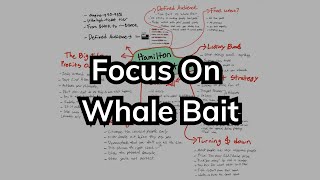
Hamilton built The Trading Initiative to $300-400K annual revenue with just 5.2k followers by targeting wealthy clients instead of the masses. He ditched lead magnets, structured a four-tier pricing model, and focused on advanced problems like taxes and Stripe fees. His brand filters for clients who accept a 50% win rate and value profits over perfection.
Chapters
Welcome folks, today we got Hamilton with us. So usually people make a, a bad job at introducing themselves because they don't lead with the impressive stuff, so I'm gonna, I'm gonna do the favor here and I'm gonna lead with the impressive stuff. Okay, so Mr. Hamilton, uh, we're gonna walk people through a little bit on how these outcomes were achieved, and I'm gonna go deep into other segues. So you just rant, kind of keep it as, as honest and as natural as you can, and I'll get nosy on the things that I think are worth getting nosy about on how you doubled your MRR, created $42K in 30 days. Some clients have been staying with you for 5 years. You have an ultra-premium offer that's multiple times what the other offers are worth, and yet you still get takers for it. Now you're— I don't know if you remember, but like a year ago, you're about making 3, like 3 times as much per month.
Yeah.
And you've developed this idea of profits over prophets that I like to hone in on to show people how they can find theirs. And what use they have or what that has created in their lives. So, okay, in your life. So we're going to start with, um, anyway, why don't you, why don't you walk us through like kind of the, the story on how you started this thing, what you maybe wanted to build it into, and what then you kind of pivoted towards.
Sure. So first things first, this is a hot seat. I'm I have not prepared for any of this, so it's going to be more fun and more real, I suppose. Um, I started the trading initiative in 2020 during the COVID lockdown. I've been involved in my industry for 15 years now, uh, ex-Merrill Lynch, uh, and, uh, moved to Brazil during the— right before COVID lockdowns with my now wife. And, uh, so I just wanted something to do. There was a, a gap in the industry that I felt like I could fill at the time. And, uh, it started off a hell of a lot differently than where I'm at right now. Um, no real direction actually when I started. It was kind of just throw shit out there and saw what, what's, uh, stuck. And, um, the unfortunate part was everybody was doing it, and, uh, not just my industry but literally everything. Everybody was in COVID lockdowns, so it was anything that came to your mind, you would try to start a business or try to sell yourself online. And the barrier to entry was very low. And during the COVID lockdowns, you know, there wasn't a whole lot going on. Everybody was chronically online, and there was some success and there was some failure. But what I've evolved into over the last 5 years now is a very structured program, if you will, with a clearly defined audience, which I think is was I didn't have that to begin with. I didn't have it for the first like year and a half actually. Um, it's actually part of the reason why I found you to begin with was how the hell do I find the right type of people. Uh, and now I have, you know, as you kind of stated the, the, uh, current stats, I have a business now that performs well. I have a dedicated client base. I'm growing every month. Yeah, the money coming in now finally justifies the time that I put into it. For the first, like, 2 years, and, uh, everything is going well. And as a matter of fact, this year is going to be the best year. And all things considered, I— the momentum is on my side. I think that's a really big thing when it comes to business in general, is when momentum is on your side, you don't want to stop. You want to continue to press the gas pedal down. And so, uh, the back half of 2025, I think, is going to be better than the first half, and I think it's going to continue through 2026.
So let's walk, walk us through the numbers. What was it 1 year ago? What is it today? And, uh, yeah, let's start with that.
But I have the specific numbers, but I'll tell you it's a hell of a lot more this year than it was last year. Last year wasn't terrible. Last year I think the business brought in, uh, somewhere around $130,000, $140,000. And this year I'm on pace for probably $300,000 or more, um, specifically since opening up the, the last tier You kind of mentioned that, the big revenue jump. Folks, if you're listening to this and you're afraid to charge people a lot of money, don't be. If you actually deliver on the value that you wanted, that you say you can deliver, they will pay. And the sizable jumps in MMR are coming in on a weekly basis now. So I really don't know where I'm going to end up this year. I think on the low estimates, it'll be $300K. I think it could be probably somewhere realistically $400K, maybe low fours, but you never know. Like I said, when momentum is hot, you grow in spurts, and who knows what happens. So I've more than doubled for sure the revenue. And one other thing to kind of point out is my overhead costs are like minimal. So I keep, other than taxes, like 95% of what I bring in. So I don't have, you know, a bunch of employees. I don't have a brick and mortar. I don't, you know, I'm keeping what I bring in.
So, all right, is that 95?
Like, not— yeah, it's like 90, 95%.
All right, let's get into the details. So I'm interested in the whole defined audience aspect. So I've heard some people say that they have the world's biggest fish tank. Yeah, because how do you not end up there? How do you find the people with money?
So let me tell you guys something. I, I've paid JK for 2 or 3 years now for advice, and for the first year I was just kind of a lurker, like, say, Cash, reading everything, never responding to anything he said to me. I didn't even have my one-on-one with him, I think, for the first year. That took you reaching out to me a couple times, asking me why the hell I haven't scheduled something with you. But the biggest thing that changed immediately once I did have a conversation with you was the, was the fishbait versus whale bait. Specifically in my industry, you know, there's, there's people with a lot of money. And when you create content for context, everybody, what industry is this? Investing, financial markets, right? Um, sorry, I should have started with that, but yes, financial markets. Um, when you create content for engagement or for everybody, you typically get the people at the bottom, as you say, that are looking to learn everything from you, but they don't necessarily want to pay for it. And you don't make any money making people feel good. So the first thing you had me do was go step by step through the process of who do I think about when I think about like my ideal client, my, my, uh, my role model, my MVP or whatever. And we built kind of this, uh, picture of, of who I wanted to work with, like my dream client. And from there, then we started to build out like a strategy on content. It didn't go the other way around. I think that's important, is I didn't create content to find my audience. I knew who I wanted, and then I created the content around that specific individual, and it completely changed not only like my day-to-day, but the performance, revenue started going up.
What's the difference? What's the difference between creating content to reach out to your audience and knowing what you, like being clear on that? How do those apply differently?
So, uh, having conversations with clients that I already liked, I think, is a big thing. You don't have to ask them specifically and make it awkward. You can probe around. And one thing, for example, like clients that I had issues with were like taxes, for example. This is, this is like a niche area of what I do, because guys that have money have to pay taxes. It's life. Uh, and if you have, you know, a million dollars or more in a brokerage account, you're paying taxes. So I never used to talk about taxes or even bring it up at all, uh, because let's be honest, most people don't ever have that issue. Once they started just like, uh, kind of talking about it, just referencing it, like around January, February, hey, make sure you're reaching out to the right guys to help you file your taxes. Who do you think responded? Was it the guys with $500 in a Robinhood account and a dream? No, it was the guys with 7 figures in their brokerage accounts that might have made 7 figures and have to pay 35% in taxes. So all of a sudden, those are the guys that are paying attention, uh, to what I'm saying. So the engagement obviously came down. I would get like 3 to 5 likes per post instead of like 50 or whatever, but the 3 to 5 likes were the exact people I wanted to like the damn post. And from those 5 people, maybe 1 or 2 clicked the link, came into the funnel, convert 1 at a relatively high price point. That's all you need. So one thing that I don't do, uh, that I think goes against mainstream is giveaways, lead magnets. I don't believe in any of that shit. Uh, my audience might be a little bit different than some people's, but my audience is not attracted to free anything. Uh, they want to pay because they perceive, uh, higher cost with higher value. And so when I'm willing to give something away for free, they almost look at it like it's not worth their time. And so I completely stopped doing giveaways, the lead magnets, like, you know, reply back TTI and I'll send you a link. Like I ran that stuff, I did it, it got engagement. I couldn't tell you the last guy that actually bought something that came through that funnel. So I just completely stopped doing it. And I know that goes against like every growth hacker's dream. And maybe that does work for some people's, you know, industries or whatever. But for me it was a net negative because it, cheapened my brand. When I was willing to give away stuff that we were charging for for free, it made people ask, why the hell would I want to pay for it? I'll just wait till it's free. So the— it's a big deal, guys. I'm telling you, JK talks about this a lot, but the fish bait first, whale bait completely changed everything for me.
So we'll, we'll take— there's a really— there's many segues we can take this in. So one that I, one that I really liked was when you mentioned And I want to kind of make it define into a sentence. When you mentioned taxes, I saw another post the other day about some dude that said, here's how you avoid paying this many fees on Stripe. And people who engaged with it, you could see the likes, they were only people who, you know, have fees on Stripe, people with money, right?
Yep.
So it's often you want to talk about the second, third, fourth order consequences problems and not just the one that are beginners. So like showing people how to get from zero to something is probably not gonna get you anything, but showing and being in tune with the problems that advanced people have, it's not like their problems disappear. It's, uh, there's other problems, but it's just they're so scarce, uh, compared in content, like they don't see it as much. So by you providing that, you'd be surprised at how little of that content people see, because it's just so advanced and nobody's like thinking about it. So think about what is the second or third order consequence.
For those of you that are old school, if you remember way back in the day, like Google keywords, if you go and like you're a bodybuilder or something and you're trying to start a business and you want to rank for like bodybuilding, it's going to be very difficult. You have all these people looking to compete with you. If you're running ads, it's going to cost you a lot. But if you go to like the 5th, 6th, 7th, I don't know, long tail keyword, right? That's what it was called. If you went bodybuilding for men over 50 with, you know, a chest injury, you might get 50 views per month, but those 50 views are going to be extremely nuanced and you're going to solve an issue that most people aren't even addressing. And those people are going to be the people that pay you. So yeah, 100%. Go out to the 4th, 5th magnitude, answer those questions. You'd be very surprised at how many questions people have that nobody answers. Good.
I like that. So, okay. Cheapening brand. What are, what are some things that you stopped doing that cheapened the brand before? And what are some things that you started doing that gave that brand kind of that luxury, higher-end feel?
So there's a couple things, uh, and I'm going to be 100% honest with you folks. I want you to take this like, at least for what I'm doing, real, like this is really what I do. One thing is within my industry is there's like a, let's say like a small account challenge, you know, like take your account from $0 to $1,000 or $0 to $10,000. That's fine, but you're going to attract the people that have $0 and those people are going to have a lot of time and no money to pay you. So those are going to be the guys sitting Discord all day, with $250, uh, in a dream. And those are the guys that are going to message you on a Saturday night, you know, and if you don't respond to them by Sunday morning, they're pissed. And it's like, bro, why am I even wasting my time? So I completely stopped, uh, talking about anything that regards small anything, uh, and by doing that, it, it completely changed the type of people that viewed my content because the people that were in those shoes are no longer engaging with me, which is great. Another thing, and this is, uh, it's funny but it's true within my industry, and I think with a lot of industries, is people are very superficial. And I'll tell you just from personal experience, uh, networking is kind of a double-edged sword because most of the people that want to network are not people that you necessarily want to know because they don't have shit. And so you can network through different ways of things you talk about online, pictures you post, A great one, and this is going to sound stupid, but it works, folks, is like smoking cigars. There's only, there's a niche portion of the world that likes to smoke cigars. So when you post a cigar picture on, you're automatically kind of grabbing the attention of other people that like to smoke cigars. And I'll tell you, most people that don't have a lot of money aren't smoking cigars. So even if you're, my content is financial markets on a Saturday, I'll be like, hey, I hope you guys are having a great day. There's a picture of Monte Cristo. I'm up in the mountains in southern Brazil. Who do you think is going to like the post? It's not the guy with the dream, $250. It's the guy that maybe he's smoking on a Cohiba, you know, and he's, hell yeah, this is great. It's like virtue signaling, kind of. This is like a way to network with the type of people you want. You have a nice car. I know it's stupid. I don't like influencer marketing or whatever, luxury marketing. But if you have a nice car, you're automatically going to draw the attention of people that also have nice cars. You don't have to be an asshole about it. But these like little nuances are going to start piquing interest of people that share the same type of interest as you, and, uh, you're gonna start rubbing elbows with them just because you have shared commonality and, uh, interests. And that brings people into your funnel.
That's a great point. I knew about a guy that he had a funnel and he split, split tested A and B. So, uh, one of the ads said, this is how much my business make, sign up. Whatever, right? It did okay. The other one was, this is how much my business makes so that I can help my family and my wife. And that one had 4 times the conversions, and nothing else changed. And it's just that I asked him, who do you do really well with? And he's a business guy, right? But he's like, married men. Yeah, people in relationships with children. So it's almost like exposing the behaviors that you want your whales to reflect back to you, it works 'cause life kind of works in mirrors. So if you expose the way you believe in, you'll attract people who believe in that stuff.
Like when you start to build a community or a business or whatever, people wanna hang out with people that they share common stuff with. So yeah, if you can, kids are a great one for those of you. I just had my first kid in March. I'm going through it right now. So I automatically, When somebody says something about a kid, I perk up a little bit. It's true, but it's like that with everything in life. It's wife, kids, cars, cigars, drinking, whatever it is, nice liquor, wine, anything, right? The more niche, the better. You know, the smaller the community that revolves around that particular luxury good or idea, the better you can capture it.
Let's go on, um, content, because you have a really I wouldn't call it like you have a Notion dashboard that's structured on every single thing you create content, but you do have some really nice variability between like personal and also business related and case studies. What's your thought process behind what do you post and what buckets they belong to?
So this is something that I, I'm still improving on, um, but I've come to notice within my particular audience It's all about the results. So I'll give you a great example. Um, you do this better than anybody I know. Maybe Trump does it better, but, uh, you make an enemy out of somebody and you give them a nickname. Or like, it's not necessarily an enemy, but it's like an idea that you can poke fun at. So for example, today I posted something called Doomer Derek, which is the guy that thinks the world's gonna end every time he sees his own shadow. Or Day Trader Danny, or, you know, these guys that you can just poke fun of it. You can kind of use your brand, your positioning to kind of explain why it's better. Um, and why do you think that works so well?
Because I've experienced it, but what's your theory on it?
You know, you make like a, it's, you want to build people that share the same like thought process as you, the same values as you. And so if you can vilify, like an idea is better than a person, by the way, an idea, if you can give it a name, it makes it funny. Which automatically gives it a little bit more power. But if you can vilify an idea and position your stance as being superior to that other idea, people will rally around that idea, which is part of the reason why TTI itself is not a brand based off of me. It's a brand based off of the idea of profits over profits. Everything is— if you can build that like core loyalty around the idea, I could leave, which I'm sure we'll talk about eventually today. I could leave for a week and the business will continue to run because it's the idea that works. It's not me. So if you can vilify, you know, Doomer Derek, Day Trader Danny, Macro Marty— I mean, I've come up with them because of you, and they work great. You know, the guys inside the community and other people, they laugh at it, they kind of make jokes, and it like strengthens the brand. But the content strategy in and of itself, I'm still working on. The results are generally what worked for me in my industry. Everybody's posting charts, uh, you go on FinTwit and everyone's posting the same goddamn things every day. One person posts something and then you have 5,000 people posting the same thing, and your audience kind of sees it from somebody else, and then, you know, there's no like edge to that, you know. It's like all the same goddamn idea every day, and it's just stupid. And so I thought to myself last year, like, what makes TTI stand out? Like, what can I do? Because I can't share better charts than everybody. Nobody really can.
TTI is the Trading Initiative, by the way. That's his company.
Yes, sorry. Um, and so I focused on the end result instead. And what I realized was the guys that are focused on the end result cared more about the charts because the charts are all the same. And so the process process became less important than the end result, and the marketing showed that. So I just stuck with it. So now I turn the result pictures into minor case studies. I give little insights through the case studies, like, hey, this is kind of how we did it, enough to make people curious but not enough for them to do it by themselves. And it's worked great. But I focus on the end result. I don't focus on the process, like, at all anymore, because I realized when I focused on the process, it brought the people that I didn't want to work with. The guys that are going to message me on a Sunday morning, can I help this person? And I'm like, no, it's Sunday. But when I focused on the results, uh, it drew in the people that are like, okay, I see that it works. It's just a different type of crowd.
So, so what's, uh, what's this— what's a process look like?
So the process is like a full trading system, and I have like built-in courses and stuff. It's It's like a— it's a way to view the market. I'm not going to get into it right now because it's super technical, but essentially it's like— it's a way to view the market that's very specific to like the way we do things. And I realized when I was— when I was marketing that, like, hey, our way is better than everybody's, people would look at that and go, so what? Like, this guy's saying that, this guy's saying that, this guy's saying that. But one thing my competitors couldn't do was show the fucking profits. Excuse me for swearing. That the people that were paying me got. So everybody has their way to do stuff, but does it actually work? And that's what I realized really drove conversions was, hey, it works. Look at everybody that's in the community. They're doing this. Here's their equity curves. Here's their, you know, their, their profits on this trade or whatever. And that attracted the type of people that are there to win and not just learn.
Nice. How do you— how big does a case study have to be Or a result have to be in order for you to consider it, uh, uh, this could work as a case study. Do you have a certain, like, what do you consider?
Well, I'll tell you right now, I've asked you about this before and I think it's funny. I've had, I mean, we have guys that are making, verified by the way, this is not bullshit, uh, like 6 figures a trade. We have 7-figure earners in, in our community and I'll post some of those and they don't actually convert any better than the small wins. As long as it's a win. So it's— I don't know if I could potentially be doing better at framing those bigger wins, but I think consistency matters more than the big odd lot win. Uh, a couple of times a week I can post results because we get them consistently. And so I think when somebody is sitting there, like, let's say somebody follows you on Twitter or whatever and they see a win, and then they see a win 2 days later, and then they see a win 2 days later, I think that matters more than one single big win. And I've turned those big wins into YouTube videos. I've tried Instagram and TikTok. And personally, I think it's the consistency of the results that matter more than the one big win.
I really like that. And no win is small enough. Yes, right. It's, sometimes it's emotional. Sometimes it's just about a feeling that went away, like not being scared anymore.
Well, so here's one that I'm gonna post. I don't know if I'm gonna post it today or later this week, but we have, uh, one of the guys that's been with us now for 3 years, one of the tier 4 guys, he just— he took profits from earlier this, this year and bought a $110,000 Tesla, just taking delivery of it today. And so he's posting pictures in our group and stuff. And I mean, which I always ask everybody, is it okay if I post? Because you never want to post somebody's personal stuff on the internet for your own gain without their approval. I think that's fair, right? So this individual, you know, take— taking a delivery of a brand new, whatever, souped-up Tesla he bought. And I mean, like I said, the people that are attracted to those type of big, big purchases, the $100K cars and stuff, those are the guys that are going to look at that and go, hell yeah. And so that case study is probably going to be great. I mean, it's probably going to do well. But these are the types of things that, uh, I think people should focus on, are the wins. It doesn't have to be at the $110,000 Tesla, but focus on the wins inside of the community and show other people that are on the fence that they could do it too.
What are other wins that are, that you've shared that are maybe not the impressive ones? Are there others that are maybe non-financial?
Yeah, I mean, uh, I mean, we've had like, I'm running case studies where it's just like, um, we had one a couple years ago that did really well where this, this woman came in, she did well, and and she made enough money to like build a deck in her house. And this did surprisingly well. I mean, it's not like this huge thing, $15 grand or whatever, is not the biggest win in the world, but it just, that kind of pulled the strings on kind of the middle ground. So for those of you that are privy to JK's Offer Show, you know, you have, I have 4 tiers. Tier 1 is a one-off product. Tier 2 is a lower monthly sub. Tier 3 is a bigger monthly sub. And Tier 4 is a big annual sub. And, you know, getting that middle ground for the tier 2 kind of lower cost monthly subs is super important too. I mean, that's kind of where your majority of your recurring revenue comes in on a monthly basis. So don't be afraid to show the small wins either, because that, you know, that might give a completely different, uh, you know, like might take a different audience that is still wanting to pay you, but it's more relatable than buying the $110,000 Tesla, because these guys, maybe they don't want that. Maybe they just want to renovate their backward, you know, that's fine too.
I really like that. So I'm gonna write here, different wins appeal to different segments. And that matters. Because we see our audience as this amorphous one thing, like this one blob, like the audience is one thing, but it's actually not, it's something that is segmented infinitely. So let's say you have like this is your audience, right? Every time you make an offer, let's say you share a case study about a really big win, the Tesla, right? You make an offer to this segment, right? And then you make another one that's also about a big win. You're making it to the same segment. Then another big win. It's the same one, it's the same one. But what you haven't realized is that you haven't made offers or case studies that are relevant to almost all of your audience. And so by creating case studies, small, big, and all the way in the middle, you actually tap into people with different problems and segments in your audience. So if you share a really small one, then you'll get the people who just invest kind of a little bit of their income every, every month. And then if you share the big ones, you're going to get the big whales and so on. And both matter because the people who are whales in your audience, they're really ultra high-ticket folks. They're the minority. The other majority, they're not gonna pay you life-changing amounts every time, but the volume makes up for it. And that's why the audience— I don't see it personally as a way to get clients. It's just a pool of people, and your job is extracting as much as you can out of the people that are willing to pay from all of that segment.
Yep.
Makes sense.
And you'd be surprised at how many people join your, like, run your full offer stack. You know, there's guys that are out there that will pay tier 4, they just need a little push and they're gonna come through tier 1, tier 2, tier 3 first and you're gonna have no idea. It's happened to me. I had a guy that started off with the $99 product just to make sure I wasn't complete bullshit. He didn't even use the product, by the way. There's like a, inside of our platform, I can see how long somebody went through like a course or whatever. He went through 5% and then paid me for the tier 2, eventually paid tier 3, and now he's in tier 4. So, you know, don't ever put, uh, like limitations on anybody coming in, which can be very easy to do, particularly if somebody reaches out in an email and they're kind of coarse or they're— they come off as rude. You know, treat everybody like they're gonna pay you for tier 4, and you'd be surprised at how many people eventually come through the full funnel set.
What are some things you've noticed on better ways to upsell people? Like, let's say people are reading or listening to this and they have people inside of like their tier 1 or 2, and they can kind of tell that they could get into tier 3 or 4. Like, what are some things you've noticed and some insights that you've got to get people to move up?
So for me, it— I just learned this recently, so some of it was just random. Um, I worked through Tier 4 with you for a while. As a matter of fact, you told me for like 6 months, create the goddamn Tier 4, and I was like, I don't know, I don't know. And I finally did, and it's worked great. Imagine that, JK knows what he's talking about. But, um, the biggest thing for me was I knew who would already be the clientele for Tier 4, at least like the first batch of people I pitched it to. And I did kind of probably what I'm going to say you shouldn't do, but I did it anyway, is I just asked them what their problem was. Like, what are you dealing with that we could be doing better? And so a big one for us was the tier 3 is, uh, as your offer shell kind of talks about, it's all about access. So tier 3 is like access during the day for me inside of Discord. And so we're talking together during the, the trading day and there's about 80 people in there. And so as you can imagine, if there's 80 people inside of a Discord, there's a lot of chatter. So, uh, the biggest gripe for most people that wanted to get into Tier 4 was, I just want less noise. I was like, okay, well, what do you think that looks like? Like, you know, I want less people talking, I want more like straight to the point, I want to be able to come online, read exactly what's going on, and then leave because I got X, Y, and Z to do. I got kids, I got a business to run. And I said, okay, how about we, you know, create a little area inside of the Discord, uh, you know, that is only for accounts over $250,000, which I think is important because put a, uh, you know, a barrier to entry to that, um, because first off, it creates higher premium on the brand, but secondly, you're going to filter out a lot of the noise that comes through with the smaller Well, counts out there. Unfortunately, it's how life works. And so kind of set the standard at $250,000 or more. And, you know, every single person with over a million was like, yeah, where do I sign up? I don't want— you know, I want it now. Like, let's just— let's do it now. Everybody said yes. And so unironically, I asked them what they wanted and then I made it for them. It's amazing. But you want to do it in a way where it's not like you're— I don't know, like you're underprepared or you're learning yourself. You know, you want to position yourself as like an expert that wants to help them. Uh, you just don't know how to help them. And so very plainly told me how to help them. I did it, they all said yes, and here we go.
There's some people that have specific barriers, as in you have to make this much amount of money. I know others that have, uh, consumption barriers. They say that if you want to ascend, you first need to buy this and consume this, or else it doesn't work. Like, it works different for different people. But, uh, I think the concept is the same for you, right?
I mean, the concept is the same. The same is you don't want your tier 4 to be like infiltrated by tier 2 and tier 3. You don't. You want to keep them segmented out because like you said earlier, your tier 4 is what moves the needle. You know, if you're— if somebody's paying you $350 a month versus somebody that's willing to pay you $10 grand right now, who are you going to take, right? And so you don't want to filter down that tier 4 tranche with tier 2, tier 3 guys. It's just, you know, it might sound like an asshole, but it's the way the world works. Tier 4 is paying to have exclusivity, so give it to them.
Well, I agree. I think, uh, I think one-on-one and really close access gets a bad rep, uh, if you end up— like, I'm a really big introvert, right? And I've found that I, at the end of some calls, I'm completely drained and I just want to sleep. And at the end of other calls, I'm excited and I want to go out for a walk, think about what just happened. And it's not so much what you do, but who you do it with that really tires you. So the whole tier thing, it makes sense not only as a, like I said, efficient way to make money. Yes, that is the main reason, but also kind of as a defense mechanism to your energy. There's some people I've told Christian and he won't let me lie that I'd be like, This guy asks you for the details, you do not send it to him.
You, you're the one that told me this, uh, a year and a half ago when I was, you know, I had, I had an issue with too many people and I wanted to raise the price, and you were like, just kick some people out. If the clients suck, kick them out. And I did. And let me tell you something, I'm making more money now and I'm enjoying my time a hell of a lot more. I just simply did not extend the invitation again. I said, it's been a good time, good luck, you know, try to do it as professionally as possible, but Every client is not worth your time. They're not all worth the same. They might all pay you the same, but if they're taking up your mental capacity like crazy, no, get rid of them. It's not worth it.
Exactly. And you made a good point. You can kick them out, which is the hardcore version, or you can just not invite them again.
Yeah, that's what I just did.
Yeah, yeah, me too.
I'm just like, I don't ever want to make enemies. You got to do it professionally, right?
So All right, let's, let's shift gears to the, um, to the big idea: profits over profits. I love that. And, uh, I think the, the, the fact that you came up with it and it's so like eloquent and nice. But, uh, walk us through how did you develop it first, and then I'll ask a bunch of questions.
Sure. So the first big idea I had was only price pays. And then I ran with that for like a year and a half, and I was like, this is great because it sums up exactly what I'm trying to do. And then I got an email from somebody telling me they were going to sue me if I didn't remove the branding because they had trademarked the phrase. And I said, what the hell is going on? Are you crazy? And so I've had a conversation with you, and you were like, make this a good thing, turn it into like, hey, it's so good someone had to trademark it, and then pivot. And it took me a while to figure out what I wanted to do. And I did, I kind of joked around about it. And, uh, but then I eventually just like ceased to bring it up. I tried to remove it off of everything. So I didn't want people to reference me from it anymore because I wanted to move in a different direction. So we had a conversation, uh, about a year ago and I'd already kind of thought about this Profits Over Profits idea. And you were like, why the hell are you not using this? This is great. And so I said, I don't know why. And so I kind of tested it a little bit on Twitter. In my newsletters, and it stuck, and then it took off. I started to build the brand around this idea that you don't have to be the smartest guy in the market to make money. And that's the whole idea, is if you think you're smarter than the market, you're probably not. And the dumber guys are the guys that are buying the boat. There's this, this great— you know, for those of you that are in the market, 15 years ago, E-Trade ran these great series of commercials that were essentially like The dumbest guy in high school is buying a boat. What are you doing? And it was all about, you know, you don't need to be the smartest guy to make money. And so it inspired me, and that's kind of the core messaging is, you know, most of the time the smartest guys in the market are the biggest underperformers because they think they know everything. You don't have to know everything. All you have to do is what we do, right? So positioning myself is kind of the answer to that, that conundrum. So the big idea there is, is, uh, You don't have to be the smartest guy in the room to make money. As a matter of fact, in certain circumstances, it's probably better to be more dumb. And it's worked very well. I will tell you right now that it doesn't work well with everybody. There are people out there that would prefer to think they're smarter, but those are the people I don't want to work with anyway. So I think it's a— it attacks two different issues. It filters out people I don't want to talk to and, uh, and attracts the right type of people.
When did it go for you from, okay, this concept is cute to this is profitable?
I mean, pretty— like, you— I mean, pretty quickly. You deserve all the credit in the world for kind of kicking me in the ass to do it. But I— we had the conversation, and JK, you know me probably better than a lot of people in the business world. I don't plan, I don't you know, sit and think. I don't, I don't, I just do. So, uh, you told me to do it, and next 35 minutes after we got off the call, I did it. I changed all the branding. I went into Canva. I mean, I look at the damn, uh, banner profile picture on Twitter. It's just Times New Roman, like size 35 font, Profits Over Profits. That's it. Started to append it to all the newsletters, and, and, uh, it just immediately stuck. It started to work. And now, you know, just like on Twitter, Well, you're the likes ain't cash guy. We now have guys saying profits over profits. I'm that guy. So it's just, you gotta say it, say it a lot, put it in everything, but also you have to embody it. I think that's important. You have to embody what you're saying. You have to actually provide what you're saying in general, by the way. For those of you, you provide a service, please actually provide the service that you're trying to pitch. But embody the idea. So all of JK's marketing is you don't need likes to make money. And all my marketing is you don't need to be the smartest to make money. So how—
when you say stuck, I want to get deep into that. What does stuck mean?
I mean, you and I both know because we kind of joke around about it, but you have people that they procrastinate not because they're lazy, but because they're—
I mean, like when the idea that's stuck, you know?
Oh, gotcha.
Uh, like, how did you know, oh man, people are— this is not— it's not just a me thing, you know what I mean?
Oh yeah, people started paying me more. I mean, that's the ultimate— I mean, that's it. That's all it comes down to. If you see a big bump in your revenue or your profits or whatever, uh, continue to do what you're doing. 2 or 3 exits. I'm a big believer in, uh, Mr. Gary Vaynerchuk. Like, way back when, maybe 10 years ago, I used to listen to his his podcast. He said something that will stick with me forever is, you know, forget your weaknesses. I don't give a shit about trying to make myself better at something I suck at. I would prefer to double and triple down at things I'm good at. And I embodied that since I heard that. And the same idea goes through when you're trying out ideas. If something sticks, don't stop. Push the gas pedal down. And you immediately find that through profits. If people are paying you for a new marketing angle or whatever, don't slow down. Double, triple down and keep going until it stops. Or, you know, in most cases it probably won't. You might pivot a couple times, but when you catch something, it's rare to catch something with momentum. Keep going.
Did it feel a little cringe when you first started saying it? Were you finding like some hesitation on both of these ideas, or were you just—
I don't give a shit. Let's just— I don't care. I don't care about anything. Uh, if, if I post something and it doesn't work, I just move right on and I don't care. It's the internet age. I'm a little bit older than probably some people listening to this. I'm 36. I grew up with the internet since I was like 8 years old. You gotta have thick skin in the business world. If you post something or you try to sell something and it doesn't work, move on to the next idea with no loss of enthusiasm. You have to, or it's going to eat you alive, you know, and especially with today's kind of internet culture where everybody's going to call you a fraud or a scam or an idiot or whatever. You know, fuck them, just keep going.
Is that, uh, is that something that was always from you, or is that something you learned?
Uh, I mean, you gotta learn it. I'm a big guy in trial by fire. I don't, you know, I tell the guys that pay me, I'm a trial by fire guy. You got to put money down and learn to lose, and it's going to happen in every aspect of your life. It doesn't matter if you're working out, you're going to learn what works and what doesn't. Business, trading, whatever. Marketing is no different. You're going to swing and strike out a couple times, but when you hit that home run, run the bases and swing for the, you know, swing for the fences again.
I want to— one, one thing that is really interesting now is, uh, you're, you're in, uh, the way you help people is you obviously have a really big skill set on identifying what to invest on, but it's also really big risk because you— and nobody gets 100% success rate on this. And then you add the fact that with coaching, you're only really responsible for like 5% of people's like stuff. Like, it's mostly them. You just kind of enable them to do things. So How do you have that conversation with, with people and set up the expectations right? Like, dude, I'm not here to save you. Like, I'm here to guide you and show you the way, but it's like, you can't sandbag around here.
Yep. I mean, this is a good question specifically for my industry because it's, it's illegal technically to give specific advice or to manage other people's portfolios.
You can double the dilemma. That other people have? Oh yeah, the coaching and you got the industry.
Yeah, I mean, I came from a corporate, uh, 7 and 66. I used to do this professionally and I could, you know, we could get sued if we fucked up. But now I'm not licensed anymore. And, uh, I think the biggest thing is who you choose to work with. If you work with the right type of clients and people, they will have the understanding that it's not going to be 100% on you, that it's going to be on them as well. And so that's part of the reason why I don't like approaching this specific industry with like every single person that wants to pay me is a good client. It's not true. Maybe in the tier 1 or tier 2 is fine, but if someone's expecting you to save their, their, their like out of bankruptcy, or you know, they expect you to pay their fucking mortgage through trading, like you don't want to deal with those types of people. And so you try to filter that out before they pay you. And then also, and this only works to a certain extent, but disclaimers, you know, obviously, and how you— at least with my industry, there's certain things you can say and things you can't say. You can't overpromise, you can't do anything. And so one thing I guess I'll add, a different angle to this question, is I illustrate the fact that we don't win 100%. As a matter of fact, I'm very vocal on Twitter that I only win about half of the time that I put a trade on. So the expectation when people come in is, hey, you're going to win half the time, you're going to lose half the time, but if you understand the math behind it, you should end up on the right side of profitability. And that tends to strike the right chord with the right type of people. It's the people that aren't dreamers, you know what I mean? Like the $500 in a Robinhood account, they want to buy a Lamborghini next week. Like, those guys aren't attracted to me because that's not the marketing that I'm putting out. I'm telling you, you're going to lose. But there's a backend process that should put you up over time. And that's kind of where the case studies come in, by the way. It all— I try to tie it all in.
So do you actually say, guys, we're going to be losing 50% of the time?
Oh yeah, you can search on Twitter. I don't give a shit. Yeah, no, listen, I'm a realist. I'm a professional with what I do. I've been doing it for 15 years. My industry is plagued with scams, 21-year-olds selling prop firm accounts, and like, you know, weirdo 40-year-olds that are like, you I don't know, just a lot of shit, man. If you can— one great way to cut through the shit is to say, I'm not perfect. I'm not perfect. You don't need to be perfect. That's the whole premise of Profits Over Profits. You don't need to be perfect. Uh, and I think honestly, I don't have the largest following. I think I have like 5,200 people right now, but the people that follow me follow me because they know that I'm not perfect and there's no shit coming in on my side. Uh, you'll see people with 100,000 followers on, uh, on FinTwit and stuff and You know, they're posting like $100,000 weeks and they're 22 years old, and you're just like, the type of people that attracts are other 22-year-olds with 50 bucks. You're not going to sell a guy with a million dollars in their brokerage account anything as 22-year-old making $100K a week. Nobody believes you, you know? So be real.
I really like that. I like that you're showing that, and it's a feeling that I was ignoring for a big time, but now I'm leaning more into that. On my marketing, I show this result takes time. Like, this isn't immediate. This is not an Ozempic thing. Like, you need to put some effort into this kind of stuff. So you understand. And it does strike the right chord with people because if you just elevate kind of the promise, you're— that's really good for a problem-aware market. But if you're listening to this, you're probably in a solution-aware market in which enhancing the promise is not going to do as much as kind of showing the different philosophies and proof more than making the thing much bigger. Smaller promises are easier to keep. And if you promise that you're not perfect, then well, there you go. Easy.
I mean, I think it's easy to sell a lot if you overpromise, but if you underdeliver, that, you know, you're going to get a lot of bad reviews and You're gonna get people talking bad about you. You don't want that, right? You don't want people to be talking shit about you or your brand. And that really happens by over-promising and under-delivering. And so you might get 6 months of some crazy return if you're able to convince a lot of people that you could change their life overnight. But what happens after 6 months when everybody realizes you're bullshit? You know, my brand's been open for 5 years now, and every year it's made more money than the last. That's what I care more about, is building like a community of, what's the right word, evangelists. I think that's the right word. People that are gonna go out and talk about you in a good way.
Now you are in a position in which you can turn money down pretty easily because you have enough money. You have a really strong set of convictions. Was it hard? Did you start that way? Always with that fuck you attitude, or was there a period of time in which you took in less than ideal clients and you're like, yeah, I'm not gonna do that shit anymore? How do you— yeah, it was turned into you now.
It was a learning— yeah, it was a learning, uh, opportunity for me. Uh, for the first 2 years, I took— I, I really tried my hardest to like help everybody, you know. I was like Robin Hood, you know, I was trying to help the poor. So if you just gave me your time, I'd sit there and I would talk to you and I would help you. And at one point we had this huge, huge group, like 5,000 people in Discord, and it's, it's just so mentally taxing. Uh, it's just not worth it. Most people are very unserious people. You guys, everybody listening to this needs to like remember that most people are very unserious, even if they pay you. There are people that are going to pay you and like never show up. You know, I don't know why they do it, but they do. Uh, and so for the first 2 years, I was kind of an open book. I let everybody that wanted to come in, and the bad apples were in there. And, uh, then, you know, started listening to you talk about why that's not a good thing, and maybe turning down clients was not— or was not the worst idea. So I started to do it. It, it was kind of a two-edged thing. I turned down clients while also increasing price. Price, which is another thing I know we haven't talked about. I don't know if you wanna talk about, but everyone's kind of afraid of increasing their price because you've set like a standard and you don't know if somebody else is gonna value your, your work at a higher price point. So you kind of like afraid, like, I don't know if I raise my price, my revenues are gonna dip or whatever. And it's like, you gotta test it. Just do it. If you find yourself with a lot of people in your community or buying from you that you don't like, raise your price. It will weed out a lot of that stuff kind of by itself. But it was a learning process. I accepted everybody. And now, particularly with the tier 3 Discord where we sit every day, it's— I don't— matter of fact, I probably turned down more than 50% of the people trying to get in. Fuck yeah, man. I don't want to deal with them.
Was there a number or what, was there an event or a number that you thought, okay, I'm okay with turning fish down?
To be honest with you, the business is like, I don't wanna say a side hustle because obviously it's grown into something where it actually makes a decent amount of money. But it was when I first started a side hustle, it was like a thing to do. And so I never really expected it to turn into something that was going to substantially give me anything. And so I never really had, like, used to talk about a freedom number, never really had that freedom number in mind. But obviously now that, you know, 2020, the end of 2024, and obviously the 2025 thing has really started to catch up, uh, there was never a specific number. It was more like a feeling. I don't know how to put it. It's more like a just a fuck you feeling where it's, you know, I just don't want to deal with idiots on a day-to-day basis and I don't— I have no advice. You know, if you can pay your monthly bills and bring some money in on the top of it and you feel comfortable with what you're doing, you can save some and everything, uh, you're— I hate to use the word mental health because you can probably tell I'm not that kind of guy, but if there's like a segment of your audience that, that like makes you feel shitty, just get rid of them. Like, it's hard to put a toll on that mental health part of your life, but it's true. I mean, I'm glad I don't have to— like, I'll tell you guys, I used to work on Sundays. Like, I used to come in, I didn't charge people. I'd be like, hey, you want extra help on Sundays? I'm here. I used to give 6 hours on a Sunday, 30-minute increments, and talk to people. What the fuck was I doing now that I'm looking back at that? But it was like this urge to like, I need to give more. And once again, it was because of you. Stop doing that, take some stuff away. I took it away and I'm better off.
So, you know, yeah, volume isn't value.
No, it's not.
The more, the more advanced the person is, I find that they buy an offer a lot for what it's not. So, uh, a big, uh, thing that sells for me at the higher tiers It's just saying, hey, it's not anybody else.
It's—
you're talking to me. You're not going to be handed off to goblets, you know, to do this stuff. We just— we just talk. It's just you and I.
Don't worry about it. Tier 4, I did this with you. I was like, hey, we'll do monthly Zooms or quarterly Zooms. We'll talk through your portfolio because these are higher value clients. We can talk through your portfolio. They're like, I don't want to talk to my portfolio. I just want like a monthly recap and then intraday commentary once a week. And I'm like, that's even better. I don't want to do Zooms either. So this is great. But you're right, I mean, the guys that are your, your whales, if you will, the problem is they have money and no time. So they want you to solve a problem with as little time as possible. So, you know, okay, I don't want to sit on a Zoom with you either going through your portfolio, but I offer. It's great too.
It's so true. Like, I had the— we're gonna get on a weekly call shtick, and then I noticed that it was getting kind of draggy. Like neither of us, neither of us wanted to be there. And then I switched it to, you can book a call whenever you want with me. And people started booking less calls.
Yep.
And I'm like, what the hell is going on? Again, not, not what you do, but who you do it with, right? Select, select correctly.
I can give you a real world example. Uh, in my industry, everybody's looking to build courses and teach and stuff. And I'll tell you right now, at least my audience, they don't want to learn how to do what I do. Like, a very small niche of them do, which is great. Like, I actually like this, what I do every day, so I don't mind yapping about it every day. So like, the core group of people that actually want to be able to do this by themselves because they find it fun too, fuck yeah, that's fun for me. So I don't look at it as work. But, you know, earlier this year I ran like a master class where I'm like, every week we're going to go through a new topic, and I have hundreds of paying clients, and like 3 people would show up. And I did this for 6 weeks, and then I just stopped. I just never scheduled it again. I never talked about it again. Nobody even brought it up. And I'm like, okay, but you know, I was making, I was making content they didn't want, and that's fine. So I just stopped making, and nobody even said anything. So like, if your audience isn't consuming what you make, it's not necessarily a bad thing. You just know that it might not be valuable to them. That's okay. Yeah, just move on.
Yeah, if there's a dish people don't like in the menu, you're not hurting anybody by taking it down.
No, totally fine.
Yeah, it's gonna be fine. Like, I, I removed the weekly calls, like the, like the mid-tier weekly calls, and yes, some people didn't like it. Other people were like, well, I didn't go to those calls anyway, so whatever.
I love you. But I did not. I got most of my value like on the weekends when I had a couple minutes to do what I needed. Here's the one thing I've noticed between whales and fish. Fish are going to consume every piece of content you make because they're like desperately looking for an answer. Whales are going to look for an answer to a specific problem. And that's what I did. Yeah. Like I have an issue with this. Let's go see if JK talked about it. Look, there it is. I consume it. I fix what I need to do and move on. I don't have the time not to be a dick. I don't have the time to sit on a weekly call and like learn about things that I already have the answer to. So I'm not gonna be there, but obviously I've been paying you for multiple years cuz you fixed my problem. So it's all good.
Say that again. I, I really like the how do, how do the fish buy and how do whales buy? Like what are they looking for?
Fish want you to answer every single issue they, they have. They don't even know half the issues they have. They want to consume all of your content and they want, you know, they, they're there every day. They're there 5 minutes early. They're wondering why you didn't start early. Those guys, Then you have whales that are just picking through the content that they have a very specific problem to. That's what I did. You know, if I had an issue with fish bait versus whale bait, which I did, I went and found the content that you made on that. I consumed it and I moved on. But I didn't need to sit through your weekly calls talking about stuff that I already knew the answers to. So—
I love that. I think specificity matters a lot also in the offers that you create. And that's why I actually scaled down on the promises that I make because I wanted my stuff to be hyper-specific. So I went from, I don't know, the make $100,000, whatever, I'm gonna give you the blueprint with this workshop, right? I went and scaled down to one template that does this one thing, one landing page template, copy and pastable, that does this. And I found that when I get really specific on the things that I do, almost like I see myself not as a, like, a messiah, but I'm just working at the, at the Apple Store. I'm like, okay, so this is a charger, this is a case, this is an iPad, and this does that. I make more because then the whales come in, they're like, I need a charger. But what happens if I'm like, no, what you need is a blueprint to create impact, to they go to another store, right? But I'm like, I have a charger, it's very specific.
I'm, I'm that guy. I mean, I'm— you're, you're talking exactly what I did. Uh, you fixed very specific pain points within my process, and you continue to do so. But there's lots of content that you've made that I've probably never watched because I've already either gotten past it or it just isn't relevant to me. That's fine too.
That's fine too. Well, this was fantastic, man. I'm going to open up the floor if anybody's got any questions. I know I have questions for the, for the cash creators, but I'm going to stop talking now. And before actually we open stuff, where can people get more from you? Because there's going to be people here that they have the money, they got the coaching money, and they're looking to like, okay, where do I put this money? Where do I invest in? And You show people how to invest this kind of stuff, right? So where can people find out more about you?
You can find me on Twitter @HowToSwingTrade, or you can email me at info@thetradinginitiative.com. But I want to open this up to— if you're a part of Likes8Cash and you have a specific question regarding something that I yapped about today, doesn't have to be investing related, I'll help out. I like JK, he's helped me with everything I've done, so I have no problem helping out as well. You can send me a DM on Twitter, is probably where I'll be the most responsive.
All right. Well, that was it for me, I think. Now I'm going to open up the floor for somebody else, but thank you for doing this with them. This was fantastic.
Yeah. Thanks, man.










