How To Revive Your Dead Audience With Plural Thinking
David Molina argues creators with stalled audiences haven't exhausted them, just the people who want expensive bundled offers. Unbundle into smaller products at different price points: a $47 course, a $7 email series, a $200 workshop. He built $150k revenue this way and compares it to dating before marriage.
Chapters
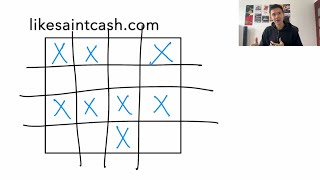
So what do you do when you've tapped out your audience, tapped out your audience, and they're no longer buying? Short answer, if you wanted to stop the video here, is you stop thinking about your audience as a singular thing, but more of audiences plural. And what I mean by that is that the people who you sell your current offer to, it has like your offer by nature, it just has a lot of things on like bundled within Right? So a typical group coaching call or group coaching offer has calls. It has some sort of material, maybe some sort of access to you, asking questions in some way and some other things. So these are all like components of the offer, right? And the angle is when you buy this, you get all of this, right? But, uh, that's like attractive to a segment of the audience. That's not attractive to all of the audience. Of the audience. So when that stops selling, let's say you completely tapped out, the correct sentence, like the correct diagnosis of what's happening is you haven't tapped out your audience. You have tapped out the segment of your audience that wants that thing all bundled up together. So what do you do instead? Instead of like getting ads and just getting like more traffic, which might be the solution, right? Because I'm not saying it's not. But it's what I call a nuke solution. Like, it's really expensive and it's a big one, right? Like, you would have to, like, learn ads or get more traffic somehow. I find that a better solution that's just kind of faster— that's what I mean by better, it's just faster and easier— is don't think about your audience as a singular being, but think of it as a plural being. It's many different audiences and they want different things. So to explain that visually, I got the trustworthy iPad with me. And we're gonna be doodling. So how does this play out? Let's say this is your current offer, right? So this is all you sell in your current offer. These are all the components right now. Individually, that's what it looks like. You just sell it as the program, the offer, but The truth is it has many subcomponents of it, right? The calls, the material, the GPTs, the access to you, the texting. Like, it has many things together. And the chances are not zero of somebody saying, actually, I don't really want to get the entire thing, but half of it looks really appealing to me. Do you have an offer for that in place? And maybe you don't, but that's wasted opportunity because then they would really like to buy that. So when you sell it all bundled up together, you limit yourself only to those people who want everything bundled up together, which is actually the minority. The majority of people actually want 1, 2, 3, half, or 75% of the components bundled up together. So for example, let's say you sell, you sell your program, but somebody would be really interested in just getting to pick your brain on one thing. Well, maybe you can unbundle one part of that and then you sell that. When you only sell that specific part, then it's almost like if you had two audiences, the audience that appeal— that to which the new— the previous offer was appealing, and now the new audience to which this specific thing is appealing, right? And then you'll find out that a lot of people who you haven't ever seen, they start buying. Because they follow you, they like what you have, but there was never really like an avenue to pay you because they really didn't want the other thing, but they really want this other thing. And this is infinitely divisible because maybe some people only want the trainings that you offer. Maybe some people only want one training. Maybe some people want a bundle of those two, training plus call. And maybe somebody just wants to text you every once in a while. right? So what you realize is that the audience that you feel like you tapped out is not the entirety of it. It's just one small segment of it. But when you unbundle it, you realize the audience is actually bigger than it feels. Like, it feels small right now. Why does it feel small? Because the people who want everything together, that's a very small percentage, right? But when you unbundle it, you open it up to— there's so many other people who want to give you money, and unbundling is the key to reach them. It's not of thinking of your audience as a singular being, but as a plural being. You have multiple audiences. And what happens is that people, once they buy one thing, they pay attention to it, they see you doing your magic, they're like, what else is there? This doesn't happen as much in content, like free content specifically. The reason being is that they don't really pay attention to it. Like they, they see it and maybe they have all the YouTube videos right next to it, or all the other posts, they scroll past it. They only read like the headline and they stop reading. They read a part of the email and then a notification pops up and they read the other emails and whatnot. But people behave differently when it's actually paid because they paid and then they pay more attention. And what you do through this is you benefit your business in two ways. I'm gonna make it bigger now. You benefit your business in two ways. The first one being you tap into more segments of the audience, which actually will make you feel like your audience is bigger than it really is. And the second one is it gets people consuming your stuff and therefore more upsells. Because it happens often that when people like see you in your magic doing your thing, actually like you remove the barrier of here's how I can help you and here's me actually helping you. Like you delete the here's how I can help you, you show them how you actually help. And when they see it, they're like, oh my God, this is amazing. Like how, what are you not marketing this? This makes a lot of sense. And that happens often. It happens often with the folks I work with. They're like, this guy bought and I had no idea who he is, but he bought. Cheap thing, and then he bought the next expensive thing, and he bought the next expensive thing. Because that's just what happens when you unbundle things, right? It's like when you, when you want to date somebody, right? You don't want to sell the big offer right off the bat. You don't want to show up and somebody be like, let's get married, right? You start with unbundling. If you start with a few dates, you start with a few like really nice events, and eventually you start leaning to bigger and bigger commitments. Same thing here. If you start with smaller commitments, then yes, you're going to make some money from selling the smaller things, but that's not really going to change your life. That's not really going to be the big money maker. What's really going to be the big money maker is when people realize actually, oh, this is what I'm buying when I'm buying that other thing, and the people upselling in the back. So the audience— I don't, I don't like the phrase of the audience is dead, they're not responding. It's just that that segment that is appealing, that finds your main offer all bundled up together appealing, that segment, that's the one that's slightly burned out. It's not even that, it's just slightly burned out, right? And you can appeal to so many different people if you unbundle what you currently bundle. They would buy that other thing and some people, most people will actually stay there, but at least you got some money from it. Some people will upsell into your main thing. But they wouldn't have done that if you hadn't unbundled it first. So I wouldn't recommend you think of your audience as an individual being, it's actually plural. There's like, you have infinite audiences and like the bottleneck here is how many offers you can come up with at different price points, duration, promises to fit all those different segments. And if you create that, then you're gonna find these small purchases like all over the, um, all over your business, and they're all going to be consuming you. And the likelihood that you get more clients out of it is higher than you sold only the client offer first and only that. So that's just what, what's been really helpful to, um, to us. It's unbundling. It's nothing in so much as you get everything, but it's what are the components here? How can I like kind of not expand, but segment them and sell some individually in a way that makes sense for people. So that's what we do. Not a singular audience, but a plural audience. Now, what do I do? You can go here to likesandcash.com. I'll show you how I do it. I send emails every day. You can unsubscribe whenever you want, but it's just tips on how we've done this, how I built a $150,000 $4,000 in MRR business. And, um, yeah, I email every day, so maybe you'll find one of those instances helpful. And if you'd like to work with me, there's ways there to do so.










