Jeremy Pound Interview About CRM 5 5 16
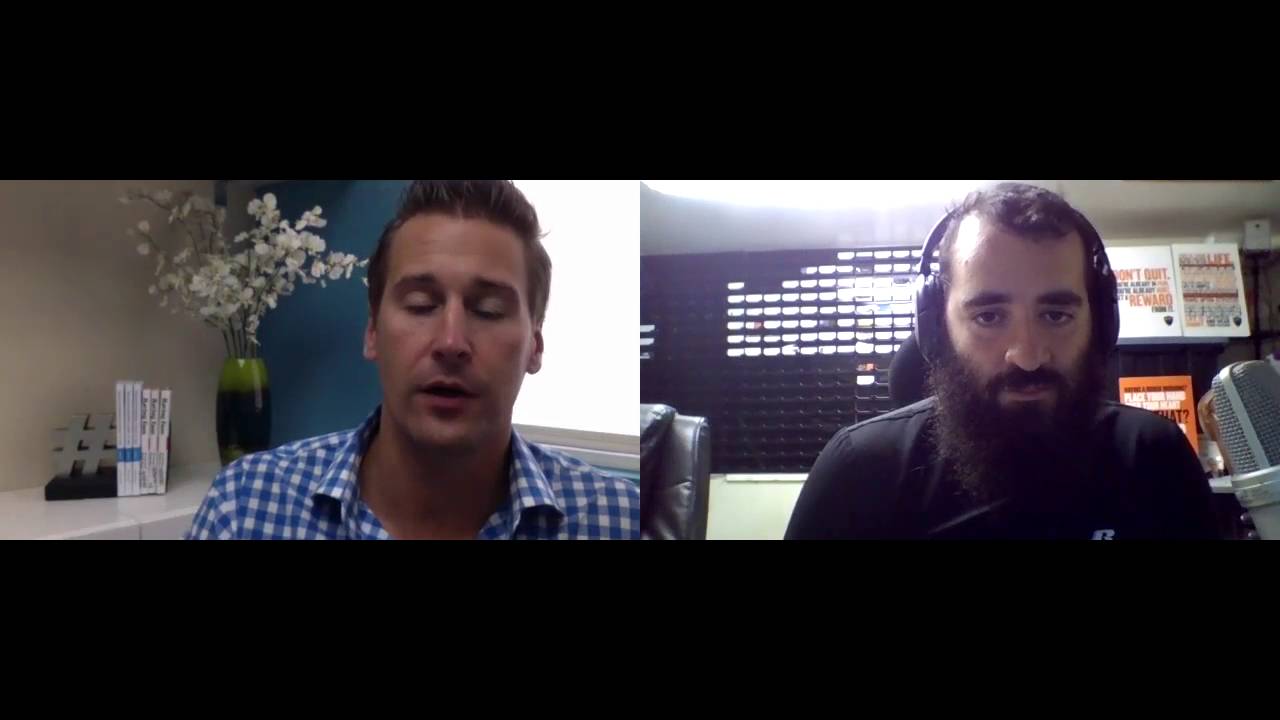
Jeremy Pound, CEO of Juicy Results, explains why fast-growing companies treat CRM as a strategic tool while struggling ones treat it like IT software. He shares seven practices successful firms follow, including assigning a dated next step to every record and consistent training.
Chapters
Hello everybody and welcome to this incredible interview that I'm going to be doing right now with an amazing entrepreneur. His name is Jeremy Pound, the CEO and founder of Juicy Results. And Jeremy has a very important announcement that he wants to make today, and I want to ask him a few questions about his announcement. Jeremy, tell us what you've been up to in the world of CRM.
Well, this is a topic that we've been spending a lot of time on here. It's one I'm really excited about. And we found that by working with some of these amazing companies that were growing fast, you know, our clients, other companies that we went out and studied that we know from our entrepreneur networks, and I kept seeing this pattern of the difference of how the great fast-growing companies were using their CRM, their, their mindset, the focus they put on their CRM. Versus the struggling companies, how they treated CRM like an email. It's like they know it's important, they give it to everyone, and there's no more discussion about it, right? I feel like that's the status quo at most companies. And so I said, you know what, there's these 7 things that the better companies are doing. I'm gonna turn this thing into an ebook. I'm gonna give it to all my clients.
That's fantastic. That's fantastic, Jeremy. But, but you're a marketing guy. What is a marketing guy that's an expert marketing guy? And I, Joe Apfelbaum, I'm a marketing guy too, right? I have an agency too, but What does a marketing guy know about CRM? Isn't that CRM something that would be for an IT department?
Yeah, yeah, exactly. That is what I think most companies think. And so I'm really glad that you bring that up because most of these companies, you know, our clients, the people that I talk to, they're like, all right, hold on, like the CRM, let me go get the IT guys, right? They're treating it like a piece of technology rather than a sales and marketing tool. And so for me, we got involved in this because I was so tired of generating leads and not having the data on what happened to them, right? So I know you're the same way, Joe. So our job is to generate leads for our clients. So I call my client, I go visit them, and I'm like, Tom, you know, looks like we sent 100 leads to you last month. How are they? How's it going? Are you closing deals? And then this is really what would play out every time. You know, I don't know, Jeremy. Let me, let me get the sales guys on the phone, right? They walk over, they Hey Bob, you know those leads that Jeremy's been sending in? Like, how are they, right? You know, oh, um, they're okay. You know, some called me back, some didn't.
You know what I mean?
Like, I don't know, they're all right. It was all this anecdotal measurement, right? So everything I'm doing, my team's performance was coming from, you know, people, Bob's memory, right? Which is ridiculous. And I'm like, so I'm like, no, we need to get a CRM in here. I need to know how many leads you got, how many times they were called, What the quality was, what are the segments that are working. And so it was really a necessary evil to protect, you know, and learn from the work that I was doing. And so, no, I think you gotta get over that attitude that the CRM is for the IT department.
So for the sake of marketing, you gotta do some IT, get into it, and figure out a good process, a marketing process. And sometimes you need to involve the IT department if you're integrated with your customer service and with other stuff, but reality is A marketing guy should be looking at your systems and processes for your CRM, and not all CRMs were created equal. So Jeremy, if somebody's using a CRM and they're questioning whether or not they should be using that CRM, what CRM do you recommend as the CRM expert right now?
So everybody asks me this, right? And I think people spend— they get way too hung up on which is the right CRM. So I'll say this, any CRM is better than no CRM, right? So, you know, one is better than zero. But really, I just say it depends, right? So a small organization that has, you know, a really long sales cycle has different needs than, you know, a conglomerate sales team that's fielding thousands of phone calls a day and they've got to close the deal right there on the phone. So just really understand what you want to do with the CRM. That— I want you to spend all your time and energy into how you're going to use the CRM And then just go find the one that does that, right? And it's not as hard as you think. And I think too many people spend time learning all the features rather than understanding how they're gonna use it.
So Salesforce, Insightly, Zoho CRM, all those CRM do the basic stuff. If you have very few leads, just use a spreadsheet as a CRM or use Pipedrive or Pipeline, whatever it's called. What's it called? Pipeline Drive?
Pipeline Deals. Nutshell is great. Yeah, Podio, now Infusionsoft and HubSpot, all the marketing tools have CRMs. Just find the one that you guys are going to use.
You know, something, have a process, use something. Excellent advice. So what's the biggest mistake, the most common mistake that B2B marketers that have sales teams usually face when they're using their CRM?
So I think what, what I find is that companies are on the extremes, right? So they either have inconsistent use of a CRM, like I joked in the beginning, hey, here's your CRM login, and they never train their people. They never talk about it. Or they've got these cumbersome, you know, over-the-top, everything you do is in the CRM to the point where the salespeople are like, I can't work here. This is insane. Right? So what I would say the biggest mistake I see people make is just not having a consistent, you know, best practice. Look guys, this is what we do. Every lead goes in no matter what, every lead gets a follow-up, right? And just use it consistently is really my, my biggest, you know, my mantra.
Vern Harnish says with businesses, have a few rules and repeat them often. Same thing with your CRM, have a few rules and repeat them often. Repeat them often. Very good advice. Thank you for that. And what's one tip that our viewers can implement today that will help them use their CRM better? What's that one tip, Jeremy, that you want to give?
Well, it goes back to what I was just saying. I mean, consistent use is so important. So I'm, you know, I scream from the mountaintops that the biggest mistake people make with their CRM or the biggest problem I see people in sales is They don't always have a dated next step for everybody that gets in there.
Right.
So Joe, you send me somebody and they go in my CRM, my dated next step is call them, you know, like call them back 'cause they didn't take my phone call. Once I talk to them and they say, look, we're not really ready for this until 2 months from now, I'm gonna have a dated next step to follow up 2 months from now. If they tell me they went with my competitor, they bought from somebody else, then I have a dated next step for 6 months from now to check in and see if they're still happy, right? Everyone should have a dated next step, and if you do that, you will— your CRM will pay for itself times 10.
Amazing. Have a dated next step. Huge tip, huge tip. And if you want all the other tips that Jeremy has, he worked so hard putting together this amazing ebook for you. You have to check out his website. He set up a special landing page so that you could download the ebook. It's juicyresults.com/crm. There's going to be a link on the bottom of this video. Go there, download the ebook. Read it. If you know somebody that's a B2B marketer that has a CRM, they probably have problems. Download this free resource that gives you the information that you need so that you could stop making mistakes and take your life and your business to a whole new level. It's all about a few simple processes and procedures that you could put in place so that you could have more effective marketing, you could measure better, and you will get motivated, right, Jeremy? Are people going to get motivated once they get the right CRM in place and they realize that, holy moly, I was missing out so much opportunity?
When you got a report coming across your desk as a sales manager, manager and entrepreneur every week with how many new leads you have, how many have been closed, how many follow-ups there are, you're going to think about your business in a whole other way. And that's total motivation right there.
Awesome. And then from motivation, you go to marketing automation, and we'll talk about that in another episode. Thank you very much everyone for joining this. Thank you, Jeremy, for doing this and for putting together this free resource that adds so much value to our industry. And again, juicyresults.com/crm, check out the link on the bottom and contact Jeremy. Let him know what you think, give him some feedback, tell him how he could improve it, because Jeremy is all about taking things to the next level and finding a better way. Thank you very, very much and have a wonderful day everyone. Thank you, Jeremy.
Bye guys.
More from Joe


How to Beat the Algorithm: Remove Hidden Watermarks & Scale Content with evyAI









AEO & GEO: SEO's Future Explained! Master Answer & Generative Engines! #shorts