Revolutionizing Recruitment: How Paraform’s CEO, John Kim, Raises $3.6 Million
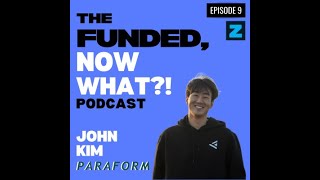
John Kim raised $3.6 million for Paraform, a marketplace connecting companies with specialized recruiters for hard-to-fill roles. He charges companies listing and success fees while keeping recruiters free. Kim uses outbound email, case studies, and referrals to grow, and plans to expand engineering and go-to-market teams with the new capital.
Chapters
Welcome to the Funded Now What podcast with your host Andrew Lee Miller, brought to you by Growth Experts. You are in store for a chat about funding, marketing, startups, and all things growth.
All right everybody, thanks so much for coming back to the Funded Now What podcast. I'm super excited to have John Kim, the founder and CEO of Paraform, here. Paraform's an awesome startup in the recruitment space, which is a huge deal right now. You know, AI is trying to revolutionize everything across the board. But the reason I'm so excited is I don't think I've ever had more reschedulings with the podcast guests than John. So, you know, it's just like if your first date gets put off with somebody and you just get more and more excited. Now the hype is more important than the actual interview. John, thanks for coming, man. Appreciate you.
Yeah, thanks for having me.
Yes. So let's get right into it, man. Just give us a couple-minute overview on what Paraform is and why'd you start this company?
Yeah. So Paraform is essentially a recruiter marketplace. So on one side, there are companies that are hiring hard-to-fill positions, and on the other side, there are recruiters who can fill them. The interesting thing about this is the network effect we create. So let's say a company posts a product— let's say a Series B company posts a product security engineer role because they're struggling to hire. They could have internal recruiters, they could have a good network with their engineers, but because their hiring bar is high or it's hard to recruit good people, they still need that help. They post that role on Paraform and based on what their requirements are, they would get matched with specialized recruiters. So they'll get matched with recruiters maybe that are ex-Brex, Airtable, who happen to recruit product security engineers for like 5+ years of their career. Imagine the adjacent network that they can tap into to say, hey, these are some of the best product security engineers I know. And not only that, you can leverage their time and sourcing skills. So you can reach out to the pool of talent you want. We've been growing pretty fast this year. You know, obviously we can talk about this too, where we were preempted for our seed round, which we did in March and basically sort of been doubling ever since in revenue.
Nice.
And yeah, we're also a pretty lean team. So small operation here, but yeah, was to, you know, grow. So I guess that's why we're on the podcast.
Yeah. Yes. So, so many marketing-related questions I need to hold off until like the second half of the podcast. But so it's a two-sided marketplace. Are you generating revenue from both sides then? You charge the recruiters and the companies, or how does that work?
Yeah, no, we, we don't charge recruiters. Um, so we call the supply side and companies the demand side. Uh, we charge companies, so that we charge like a listing fee for them to post on the platform and a success fee, which is also interesting when it comes to a go-to-market perspective that we can talk about. But yeah, so we generate money off the companies that are hiring.
Awesome. So seed round closed a few months ago, $3.6 million. Congratulations. I mean, it's the right time, right place. This is the right problem to solve. You know, as more and more companies are avoiding raising money or getting that next round, they're more tighter on their recruitment operations and staying lean in that. And you know, like finding the right recruiter can save a lot of time and money. But walk us through what you raised that seed round for and what you're doing with the money.
Yeah, I think it'll be interesting to talk about like the seed round story as well.
Please.
Yeah. So essentially, you know, we weren't thinking of raising. I mean, we raised a pre-seed round the year before and we were pretty like profitable and operating well. Didn't really need the cash. But then I think what happened was, yeah, we were just focused on our customers and product really. And we had a Series B company, one of our customers called Hightouch. They were hiring for an engineering manager, a leader, and they were struggling to fill that role for a very long time. They have a super high bar for talent and it's just really hard to recruit for that role. We came in and filled it in 2 months, including Christmas and New Year's. So it was like, wow, it's like faster. And according to their engineering leader, their VP of engineering, apparently that hire changed the trajectory of the company and changed his job. And so it was a huge impact. And so we just focused on our customers to make sure we deliver. And, you know, at Hightouch, someone at Hightouch actually introduced us to someone at A-Star who led her around, and we actually met them. And I just thought it would be something like, hey, let's catch up and keep, you know, keep a warm relationship so we can talk in the future when we raise. But actually, you know, actually on the same day we first met them, we got a term sheet and they were excited about what we do, what we did. They understood it. Obviously did a lot of due diligence, both from our customers and all that before we came. But yeah, the round just kind of happened in one day. And, you know, obviously we had like really great strategic partners come on as well. So the CTO of Palantir, you know, participated in the round. One of the OG recruiters, his name is Peterson. He was one of the first recruiters for Palantir, PayPal, and all these companies. And yeah, just a bunch of other exciting, you know, funds like Soma Capital, and a bunch of other angels joined the round. So yeah, that was like the story behind the raise.
That is a unique story. I mean, but no better due diligence than getting introduced by an actual customer that's like, this company changed our trajectory of our business. So that's all the DD that a lot of people would need. Yeah, that's, that's really awesome. So you're going to have a very unique answer, I think, to my most common question is how many calls did it take to close that round? It's probably pretty low then for you considering you weren't, you know, the ideal position in any kind of negotiation is I don't need the other person. So, you know, if you're the startups, like we don't really need cash, we're crushing it, but we'll let you in is very different than we're, we're going to run out of money. Please give us money. And it's the exact opposite almost. So.
Yeah, I think it was just like, yeah, because we weren't really even thinking about it. I mean, I think the question is almost, yeah, there's no answer. It's just one, one conversation. And I think maybe, you know, since you asked like, hey, what's, advice. I mean, I didn't really think about this. I didn't really think about, hey, am I going to give advice to other founders about this? But I guess one thing could be just like focusing on your customers and your product and making sure that goes well, I think is really the, probably the most important advice.
100%. Yeah, I actually say that even in my marketing keynotes is, you know, like from a marketing point of view, also focusing on customer satisfaction, everything else falls in line. If you're crushing it at that, you're never going to run out of money. You're never going to have trouble raising money. You're never going to have trouble figuring out everything else. If people love using your product so much that they start telling the world, then you can layer on top of that with making it easier and incentivizing it and, you know, et cetera, et cetera. So, yeah, I mean, that's really the difference of here in San Francisco versus a lot of the rest of the world. People are so focused on how can I make money off of my users right away. Meanwhile, you're not even charging the recruiter still, which is incredible because they pay for everything that makes their job easier, like very effortlessly. Um, you know, and that's really something that separates projects here. It's how can we improve this old process that doesn't really work, that takes 6 months, that often leads to bad hires. I mean, I, our, our entire business at Growth Experts was built around how common it is to make early bad hires at, at tech companies. So we like buy founders, especially engineering-focused founders, time to not have to worry about that as like an interim marketing solution. Because it's like so common. And even the client we just onboarded right now, it was a 6-figure mistake for the company. And if you're only raising a couple million dollars, like that really adds up. Yeah. Yeah, dude. And morale, having someone let go so quickly. And so, so that's awesome that you're able to do that. But yeah, that is the lowest answer I've ever gotten. Sam Oblitz, an earlier episode, said 12 calls. But really it's like it's it's a sliding scale based on how much you need the money versus how much people are begging to put it in with you. And so if you build a marketplace that really works, you know, that's amazing. So what are you going to do with the money though?
Yeah, so we are planning to, you know, finally grow our team. I think like it's like sort of a different muscle now. Like first was just like, like pre-seed and seed and Series A, it's all different. I think now we're thinking about, you know, how do we hyperscale and grow? So obviously we're growing our team. So we hired engineers. Operators ready and hiring, continuing to hire more. So yeah, that's really mainly where the expenses go. Yeah, I think just hiring incredible people.
That makes sense. That makes sense. So I didn't hear anything on the marketing side, so we can move into that. You know, I already, even before speaking to you, could think of 20 free growth hacking ways to scale this business. So don't necessarily need a lot of money, but with the target, if you're focusing on later stage companies, you do need to spend money on like brand awareness and, you know, like almost, I don't want to call it like the HubSpot model, but if you've been in the city for a while, you know, like AWS would throw events and HubSpot would throw events and like bigger tech type company things. Like it's hard, you know, what is your customer acquisition strategy right now? How are you acquiring your customers? Don't just say it's word of mouth. Yeah. VCs are introducing you because that's not really scalable.
Yeah, yeah, no, I'll try to make it like helpful as well. So yeah, we have multiple channels. You know, I guess firstly, like let's talk about like outbound. I think that as an early stage company, I mean, yeah, there's companies that don't do outbound, but I really think like you need to go out there and get your customers. Like a lot of people think that you build a product, you build, launch something and a lot of people will give a shit. But like, turns out like no one, no one.
Thank you for saying that, John. Thank you. You need to have some marketing foundation to cause that PLG in the beginning. Yeah.
Yeah, you have to go out there and get your users. It's a competition, right? So I think when it comes to our outbound, we actually built an outbound, like email outbound engine, actually heavily inspired by the Retool Founder's Operator Playbook. I read it like earlier and I was like, wow, like this totally makes sense. So we have this thing where, you know, obviously Google is like cracking down on like email outbound, like doing that too much cold email. So within that bounds, we operate by having like, you know, different emails that we use for outbound. And then we like prospect leads using tools and also like contract SDRs overseas. And then, you know, use that to like outbound and target a lot of companies.
Nice.
I think my unique sort of insight when doing outbound, if I had to pick one, is not around like, hey, like write this really, really good copy that will set you apart or anything like that. It's actually thinking about what market you're in and what product you're selling really deeply. Because I think with recruiting, if you say like, what problem are you solving? I'm— it's hard to hire, so we'll help you hire. That's too ambiguous and it just doesn't— it's not a compelling problem. What we did was, okay, let's think about who are our buyers, like who wants to buy this product just because they're hiring an intern or you see someone post a job. Or you see someone hiring head of talent, like there's actually not that many ways to tell whether, okay, this is like a high intent, at least in our market and with our product, you have to reach out and like ask if you're interested, in my opinion. So we went for a little bit of volume. It was inevitable that we went for a bit of volume because there were so many different reasons and buyer personas that responded and said, I want to use your product because of this reason. So I think like we just went for more volume and just like reached out and had a good conversion rate there. And then another channel we do is inbound. So, um, we do a lot of organic, uh, social. So we write stuff like, let's say, how Ramp hired so quickly to be the fastest growing company, you know, ever to exist. Um, a lot of our potential customers are interested in that story because maybe they want to be like Ramp or they want to at least hire like Ramp. They read it and we got a ton of customers off that article. So we have this content engine going as well where we post about new updates, acquiring companies and all that. So there's an inbound channel and, you know, the, the good old like referrals, word of mouth. We actually do generate a lot of our business through word of mouth.
Yeah. Only changing the trajectory of companies. If that person's not a referral engine for you, then I don't know who is.
Yeah, exactly. I think the only way a company can really exponentially grow is for every customer that you have, they tell 5, 10, 100 other people.
Yeah.
Then you, and then those people tell tell another 5, 10, 100 other people, and that's sort of how you kind of scale.
So how are you— sorry to interrupt you— how are you incentivizing that? Are you just hoping that they're doing it, or are you building that into the product?
Yeah, I mean, we did have like referral programs and stuff like that we, we put in place, but honestly, I didn't find that to be that helpful. What really helped the most is just obsessing over customers and saying, hey, like, how do we help you make and hire? What's the problem? You're giving really good customer support. I think that really just led to more.
Totally. No. Yeah, if the product's awesome, they're still going to tell people. But incentivizing, it does work. It really— you have to hone in on how you're incentivizing it. And from what I hear, this is an employee at a company. They're not— they're spending their company's budget. So if it's just like get one roll free, if you recruit someone, they don't care about that. So if it was literally $250 Amazon card and we'll just ship it to your house or a Visa card like that kind of thing, like, oh wow, that's a perk I can actually get. For myself and not for the company, then it actually incentivizes them. Or, or, you know, for every person you refer, you get an entry to win an iPad or something. As ridiculous as it seems, the, the— everyone wants an iPad. It's just a subconscious thing. Look, oh yeah, I'll click that, copy that URL, and go share it a little bit more. So you can definitely— I mean, you want both. You want them to love the product so much because you did an incredible job for them, But then also what's in it for me is what we think as humans and that's how we evolve. So that is what you want to play into. But going back to what you said about the outbound, you know, volume's the right play because at the end of the day, recruiters are also all recruiters and you're totally right. You have to have a different message from a regular recruiter outreach and recruiters are, hope they're not listening to this, a bit spammy with the outreach. You know, I get them. I'm the recruit, I lead recruitment at our company. I mean, I lead hiring. At our company, Nick, sorry, Nick leads recruitment and also is a Paraform user. So we're on there somehow, some way, but that's how I found out about you and begged you to be on this podcast. He's like, dude, this thing is awesome. You gotta talk to them. So, but I think that the secret is, you know, we're also doing volume for many, many companies in B2B space, writing messages just how you would write it to friends. And so you mentioned about how Google's cracking down on stuff. The secret to beating that is not using hello, writing hi or hey, and a one-line message. One line, no HTML, nothing. It will always get through. Google will have no way of figuring out. There's about 10 words you don't want to include in it, like offer, marketing, sales, discount, price, these kinds of words. But right now, get, these are all words that Google looks at as a high probability that they're spam. But the one line, you know, you, what was it you said? Like, you know, you know, asking them that question, it'll always go through and they will never know. I never include an unsubscribe link, by the way. We don't have GDPR rules in America. It's the only country left on the planet where you can do all this stuff. And you know, when we work with UK clients, they're like, you know, you can't do this, can't do that. I'm like, eh, we can still kind of do it. But the key is just trying to create as much value as possible, just like for your customers. Even the people at the top of the funnel, you know, like, hopefully this creates value for you. Do you need this value that we create, by the way? Like, hey, would it help you if you could find the right recruiter and get a role hired in 2 months? Let me know. I'd love to send you a case study or something like that. So I think that those, you know, the longer the message gets, the lower the success rate. So I don't know, have you tried that one line, like, like a friend sending a question message?
Yeah, I can't say I have tried like one line, although maybe I should now. Like we should add some variants to some A/B testing. I do know that when people text or email each other, like when I email my co-founder or whatever, it's like—
3 words.
Yeah, formal, you know, I've also noticed like, you know, yeah, the subject line not being capitalized, you know, just things like that, I think like matter. And also like what time you send it to. But yeah, I'll probably try the one line. I think that's a good thing.
So subject-wise, so again, I have probably sent I don't know, 20 million emails over the past 5 years total. I'm just guessing, but maybe 4 million a year. Let's make— anyway, so the subject lines that work generally are like 1 or 2 words, and it's not, hey, name, you know, um, if— so first email, we'll get back to, I need some more time to think about that. But the, you know, if they don't respond to like 1 or 2 emails, the highest open rate I've ever had is What gives? What gives? Question mark on the subject. Like, what gives? I'm just trying to help you save months and hundreds of thousands of dollars on recruitment. Like, if you're not interested, let me know. Like, that level of tone, like, people are like, oh shit, I'm so sorry, Andrew. Yeah, I saw your emails. I'm just really busy. Like, you know, so what gives is the best subject line for open rate. Something like 37% open rate across the board for me when using that. But To the first email, probably being really blatant, like recruitment help. Recruitment help will make them not open it if they're nowhere near needing for it, or recruitment software, or AI for recruitment, question mark, or like, you know, save money on recruitment. I can't put save in the subject. I just talked myself out of being an expert there. But, but, but yeah, so I like blatant subject in the first email because that way they, if they're not interested, they just like they totally skip over. And then if there's— usually we get high, high interest in the first email compared to many others, just so you get those, those first interests. Anyway, so love that you're doing that, um, you know, testing a bunch of tools. One other, uh, tool you're probably not using, just as I try to give you as much value as possible, is when people are doing outbound, they're like building lists, buying lists, they're not cleaning lists. So we use a tool called Neverbounce, neverbounce.com. Have you used that?
Yeah, we actually use that too.
All right. I was hoping. Okay, so shout out to Neverbounce. They can give me free credit again for shouting them out a lot, but amazing tool for anybody that doesn't know it. Essentially, you know, you lose a lot of the list that you build, but they include— they create 100% deliverability, which that then doesn't hurt your, your sender status, which is so important for email marketing. A lot of people don't think about it. Okay. One other tool maybe you haven't— as I try to find something— you heard of MailTester? Mail-Tester.com? No, I haven't. Okay, so Mail, like email, -Tester.com is a free tool to test your domain sender status at any time. So, you know, you're using these, these subdomains that you're, that you're setting up. But even if for Paraform.com or for any of those other domains, sometimes they're not warmed up enough. Sometimes you're in a spam directory and you don't know about it. So that free tool will let you know when you need to bail on an old domain and start a new one. So if you're doing a lot of outbound, like somehow, some way you've been added to a spam directory, if you don't know that and you continue using that domain, you'll never have the same performance that you need. So that just is a free tool. You should tell every employee to check it, check their email sender status if they're doing any kind of outreach. So mail-tester.com. We got one. He doesn't know. Awesome. So, um, cool.
Okay.
So outreach, let's talk on about the inbound stuff a little bit. Um, you know, uh, sounded like you haven't thought about like the event stuff, like you haven't done like a virtual event funnel or anything like that. Like the, you know, yeah.
What we haven't done is yeah. In-person events, virtual events, and paid ads. We've never done that.
Those awesome. Perfect. Let's talk for 10 minutes about all that and then I'll let you go. I promise. So it's Friday. Gotta get, you know, I'm sure you put a lot of time in. So, um, the reason why I like for this target and events funnel is because like the hiring manager and the recruiter on both sides, like they want to network with other people in their space and they want to learn about something new and you're bringing an innovative new tool to the market. So you can do a learn how to save X time or X money from in your, on your recruitment. And like, oh wow, I got, that's a big task that I'm struggling with at work. Like it's a big offer. I'll come to that networking event. Or, so here in San Francisco, you, it doesn't need to cost a lot of money. Any bar, venue, whatever will give you free space that everyone just pays for drinks. You can even just pay for drinks and it will be like $2,500 maybe. You know, and then you do that same outbound to the same people that weren't converting on earlier messaging. And it's like, hey, exclusive invite-only event, you know, you're interested, like, and then you have your team just invite, you know, like 100 people, maybe only 30 come, but you know the cost of a, of the value of a new customer for you. Like it's probably 10, 20, 30x the cost of that whole event. And then you can, yeah, like use the content from that event for social, for, you know, like you interview people, it's ask them about the problem, you know, you get a couple superstar clients that are already users and you invite them to that event. You can also invite the media. To that event, like, so SHRM or like any other HR-related media, they will come to that event. So you can use these events to tick a bunch of boxes to where it's a totally worthwhile cost for an in-person one. But I have noticed that meeting face-to-face with leads shortens the sales cycle like massively. So I would be very surprised if you can't close, you know, 5 new clients out of, out of an event like that, especially if you at the event, you have that guy whose company you changed the trajectory of, like, hey bro, will you come and talk for 2 minutes? He's going to close everybody better than any paid ad. You should also think about working him into paid ads, and I'll get to that in a second. So in-person event, virtual event, way more lightweight. You know, you just— it's just you, you get that guy to come and speak. You probably run paid ads for that because the invite-only stuff, you're not— you know, you don't have a threshold of a physical space, but also less people show up for those. And then the reason I like the virtual event is even if only 10 people come, we did one for a cybersecurity client a couple of months ago. Only one person showed up out of like the 39 people that said they would. It was midday, whatever. But then we turned that into an ad. So on LinkedIn, you can run only the first 5 minutes of video and there's a clickable YouTube link. And then he got a lot of leads out of running that ad because people just watch the webinar. So you can repurpose that into a blog, onto YouTube content, Shorts, all kinds of stuff. So that's really easy. And you could probably do that with little to no prep. On the paid ad side, I think the first two things I would focus on immediately are retargeting. So anybody coming to your website and moving away because it's not a super easy to understand concept from the very beginning. So people are going to get outreach from you. They're going to hear word of mouth. They're not going to understand it. They're going to bounce away. Maybe your conversion rate's not as high. As, you know, an easy to understand, oh yeah, I need a recruiter, click, contact them, book, right? I have to figure out what the concept is. So retargeting or essentially showing paid ads to people who've already engaged with your content one way or another is really powerful because you can have messaging that's further down the funnel. Like, hey, I'm John, I'm the founder of Paraform, and I wanted to just talk to you for a second about why Paraform is going to save you blank amount of dollars on recruitment. You know, like, oh, you know, so you can get more aggressive. I would recommend if you did it, just a Calendly link as the landing page, like just book a meeting with our team right now. It's no obligation, whatever. Get a demo. And that is generally the most expensive paid ad you can do. But it's people that already know. I mean, they're— the conversions are legit. And so that is very easy. There's a tool called Perfect Audience. You can go in there and set it up with your team in a day. You can do the Google retargeting network because, I mean, as well, but Perfect Audience will promote your content retargeting across Facebook, Google, a bunch of other places. Shout out to Perfect Audience. And actually, I think they just got bought, so they might have a different name. But so that's really good. The second thing is Google search. So super expensive, crowded, but you have a unique message. So the keywords might be the same as other recruitment agencies are vying for, but your message will stand out. I think it'll be quite unique and different, you know, as the number one marketplace, find the top, you know, what did you keep saying? Something about recruiting bar. What was it? The talent bar.
Yeah.
Something about that. Like, I think that's the real unique selling point. If somebody has a really high bar for talent, they can't just pick a random recruitment agency. Like, that's really where I think your ad content would stand out. Like, If you're really picky, you need us, you know, like something like that. And that was a great idea. Yeah. So those two places, I mean, you don't even need $5,000 to test those two ad campaigns. I mean, your retargeting is not even going to be $1,000 depending on your website traffic. But, you know, as somebody many, many years ago in the Bay told me, like, if you're not doing retargeting and you're doing content and all this other stuff, you're just wasting money because anybody that comes to the website, I mean, let's just say you have a 5% conversion rate, which there's no way it's even near that. 95% of the traffic is going away and never engaging with you ever again. So showing the ads to them and, you know, down the line when you want to raise money again, retargeting is a hack for that too, because you get PR, said potential investor sees article, clicks hyperlink, goes to your website, and then sees your fucking ads everywhere and they can't stop thinking about you. We've done that as a hack for clients to raise money. We'll get a, we know a big piece of PR is coming out. We're going to retarget everyone that comes to the website for that week. And then we just showed, they just, they don't know the technology. And so they just like, wow, you guys are everywhere. We got to get involved with this team. You know what I mean? So it's, it's, it pays, I think, dividends many ways. But any questions about that kind of marketing stuff?
No, I mean, I think that's all really good advice. And, you know, some, some of the things that we haven't like tried yet. And you know, now that we're not like, you know, as bandwidth constrained and we're like hiring more, I think, yeah, I'm excited to try them out.
Yeah. So do you have a head of marketing right now or you're trying it out? You're doing these tests?
Yeah, I mostly do growth. You know, we have like operators and stuff. We, we do it together, but yeah, we're actually hiring a head of, head of like, we're founding go-to-market as well right now.
So I'm excited. Okay. Are you using your own product?
Yeah, so one really cool thing we are—
You better dogfood it.
Yeah, we are and we have like a sort of candidate at the on-site stage and 100% of our team so far has been filled by Paraform on our platform.
Of course. Yeah, I mean, if it doesn't work for you, it doesn't work for anybody. So that makes sense. Awesome, man. Well, anything you want to add for listeners about where can they, you know, find Paraform, when should they use Paraform, etc.?
Yeah, I think like I'll go with what you recommended. If you're picky, you need us. I think really if you have a high— I mean, you can visit paraform.com to like look at who our customers are, what kind of results we're able to bring for them. But one common thing is these customers of ours are some of the best, the fastest growing companies right now in the US, and they have extremely high talent bar. So like we don't really do like grad roles, internships, or roles that you can just post a job. Get some applicants, like that is not the right audience for us. Our audience is if your roles are hard, you should come to us. So yeah, anyone who's struggling or has a hard position, let me know and we can help.
Love it. Love it. And if I see that tagline all over Paraform's ads, I'm going to be hitting you up for some kind of free credit at least. Awesome, man. Thank you so much for coming today, John. Really appreciate your time. And yeah, see you soon.
Thanks, Andrew.
That has been another episode of the Funded Now What podcast with your host Andrew Lee Miller, brought to you by Growth Experts. If you liked the episode, please subscribe, and if you really liked it, please share with other founders and entrepreneurs. Thanks, and we'll see you in the next episode.
More from John


The AI Recruiting Platform Used by Palantir, Shopify & Coinbase | Warp speed | Episode 2




Surprising a Million-Dollar Recruiter With a Porsche and a Suite at the Four Seasons