AEA Plant Sap Analysis - Explainer Video
6 Sept 2018 · 1 min
1:02
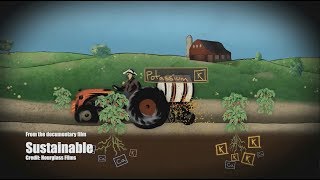
John Kempf explains plant sap analysis, which works like blood tests for humans. Excess potassium can block calcium from moving into fruit, creating a secondary deficiency that requires managing the dominant nutrient rather than just adding more calcium.
Questions this video answers
2013
Excess potassium
Manganese
Chapters
More from John

youtube.com
Episode 186: The Power of Precision Management and Multi-Species Covers with Mike Thompson
2mo ago





youtube.com
Podcast Extra: John Kempf on Soil Biophysics, Plant Immunity & Foliars on the Permaculture...
2mo ago


See all content
