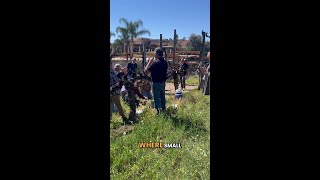
Wilson Creek Winery in Temecula is testing regenerative practices through the Regenerative Viticulture Foundation's One Block Challenge, comparing treated and control vineyard blocks. A simple soil infiltration test measures how fast water percolates: one inch takes minutes in regenerative soil versus hours in compacted ground. Cover crops create channels that speed drainage and reduce rain damage to bare earth.
Chapters
Hello everyone, we are here in Temecula, California, Wilson Creek Winery, and we're being part of a group that is enrolling into the One Block Challenge by the Regenerative Viticulture Foundation based in the UK, but it's now doing these across California where small growers have a side-by-side treated versus control, and they're implementing different regenerative practices and collecting data, sharing the results so people can learn from the pitfalls as well as the successes. Here we're right now doing some infiltration tests to show how to do that and how to collect the data so they can later on share.
This particular test just says if you add 1 inch of water, how long does it take to perk in? It is a super simple test. This is a kit that we bought, but you can just get a piece of pipe You just bang it in. The idea of the Saran Wrap is if you actually pour the water, it'll compact the surface and it'll disrupt your test. Putting the water in, you put the water in, you pull the Saran Wrap out, and it more mimics what would happen. Now also realize if you have a viable cover crop, the plants themselves act as a channel for the water to go into the soil. Soil. So if we were to actually put this on one of those where there's roots going into the soil, it would probably perk a little faster. You also wouldn't get the impact of rain. Rain is probably actually the number one compactor of soils if the soils are bare. If you've got a cover, the rain's going to hit the plant and it's going to break that compaction.