Regenerative agronomist Shelley controls aphids on loquat trees by keeping amino acids in plant sap moderate through low-rate nitrogen fertilization, building soil organic matter with vetiver, and treating alkaline irrigation water. Healthy plants with balanced nutrition resist pests without chemicals.
Chapters
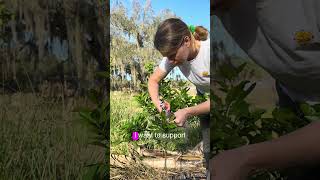
Hey, my name is Shelley. I'm a regenerative ag agronomist, which just means that I look for a systems approach in dealing with things like insect and disease issues and boosting yield. So I got rid of aphids on my loquat trees using the following practices.
These practices are supported by research articles as well as my own anecdotal experience by getting rid of aphids on my loquat trees.
My primary goal here is just to keep amino acids in a healthy range in the plant sap. I don't want amino acids to get super high because then that creates abundant food source and attracts sap-sucking pests like aphids, whiteflies, etc. My first step is to avoid creating the problem in the first place, so I use low rates of nitrogen and I spoon feed. And this is especially useful because I have very sandy soils. I fertigate with Macro Pack, which is a 2-2-2, and I fertigate low rates quite often, maybe a couple times a week. And of course, the foundation of my farm is organic matter. I use chop and drop perennials like vetiver.
The next thing I'm very careful with is plant stress. So I'm trying to reduce plant stress, reduce water stress, because stressed plants can start breaking down proteins, which leads to higher amino acids in the sap.
So while we're on the topic of protein, let's get into step 5. I want to support complete protein synthesis by making sure the plant doesn't have a deficiency of nutrients that are required for photosynthesis and protein synthesis. To understand my deficiencies, I have soil tests to reference, and I also test citrus leaves with the Crop-Tech sensor to understand nutrient uptake and availability and if my management practices are working correctly. And the last thing that made all the difference for me, I have very high total alkalinity and high carbonates in my irrigation water. It's high pH water. And so I started treating that water and I did see what I believed was a very positive effect on plant health after treating that water. High total alkalinity, high pH all reduce nutrient availability in the soil. So this is my problem tree that had the worst aphid outbreak that you saw in the clips at the beginning of the video. I now have clean, beautiful flush, and stay tuned because these guys also get fire blight. So I'm managing both fire blight, aphids, and Sri Lankan weevils on these trees.