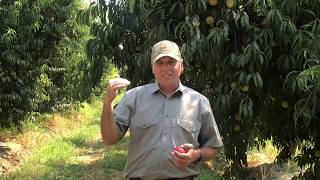
John Kempf explains why modern apples have lost 70% of their calcium compared to what our grandparents ate, and how regenerative farming can restore nutrient density while farmers face rising costs for labor, water, and chemicals. Consumers increasingly want healthier food, but the economics force a choice.
Chapters
So there's a saying, it says it takes three apples today to get as much calcium as an apple that our grandparents would have eaten. And that's because over the last 50 years, the nutritional density level of calcium, of magnesium, of certain vitamins and other minerals have dropped in the food we're producing. That's the situation with a lot of food that's grown by conventional agriculture today. It doesn't have nutrient density that it's supposed to. So people are eating this food expecting you to get health benefit from it, and they're not.
The fact that we're growing still this time of the year is really amazing.
When you're talking about fruit trees being.
Able to size a very heavy crop and push a lot of fruit, wood is the, the ultimate sign of a healthy tree and a lot of energy in the tree. So these are expressing very nicely. The frontier we're looking to get to at AEA is to be able to help farmers raise food that not only fulfills nutritional requirements, but actually acts as medicine to the people who eat it.
I think agriculture is really at a crossroads. I think there are several key forces that are coming together right now that affect farmers very directly. Labor is more expensive, water is more expensive. Inputs are more expensive. And there are also new pressure coming from government regulation as far as chemicals and fertilizers. And then there's also the changing consumer market. Consumers are looking for food that's healthy and safe for their families and looking to things like organics to guarantee that.
That demand on the consumer side is what's going to make the fruit that we help to grow more marketable. If we can come out with a fruit that's large, it's firm, it tastes good, and it also is raised with a minimal chemical input until we can pass it on to consumers, then that's going to be a win.