This is a short presentation advising how to engage salespeople with analytics. Key recommendations: start by working with sales reps who are already enthusiastic about analytics, learn which metrics and interventions produce measurable improvements, nurture team-performance culture (e.g., commission components), and embed easy-to-access, contextual dashboards inside CRM/workflow using flexible analytics tools to avoid heavy data synchronization and slow CRM-native reporting.
Chapters
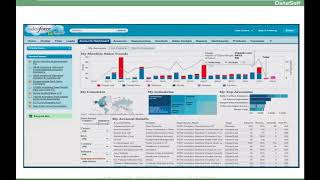
So let's talk about how to engage salespeople with analytics. Many of my clients, they say, Johnny, you know my salespeople, they are great. They're very sales, they're very people people. And I'm having challenges getting them to look at data, to look at reports and analytics the way that they should. I hear this quite often. And reality is salespeople are people people. And many of them are not very data driven per se. At least there are many reasons why they might not be data driven. And usually by hearing our clients listen to their story, giving some suggestions, we learn some of the things that usually help them become better at engaging their sales force or their sales team with more data. The first thing is focus first on your reps that are excited about analytics. If you have several reps, usually a fraction of them, are very excited. They want data, they want more reports, more dashboards. They understand the benefit, they are excited to help you figure it out and focus on them. The reality is until you turn this process around, usually for months, not even weeks, it's for months. And working with these people who are excited, until you do that for months, you don't even know exactly yet what's going to make a difference. And if you start pushing things that don't make a difference to everyone else, boy, you're going to lose the interest even more. So do not push things that are not proven yet before you get them validated. And focus first on the reps that want to be part of it. Some of them, they want to, they just, they want it. You know, you're going to tell, yes, call me, I love it. And some of the people like, yeah, let me know, whatever, so don't bother. Focus first on the people who are excited. Second, learn with these excited people what makes a real difference. And it's not a feeling difference, it's an actual numbers. You see a difference because I did this, we see this better result. So try to learn from the process, the things that actually make a difference in the whole process. Nurture team performance culture. So as I mentioned before, try to come up with ways that you encourage people to share with other people. Put a component of your commission based on the team performance so everyone will win as you sell more. This is very important also to get these first reps excited and actually talking with other people in helping the other guys to engage as well. One thing that I've said a lot and I've seen a lot with my client is don't push analytics to everyone. Focus first on the reps that are excited and just run with it. And what happens is the other reps that are not so excited, that don't care much about this new initiative, but in every meeting you talk a little bit about it and you're dealing with these reps that are engaging with you. And what will happen is many of the other reps will be, I want to be part of it as well. The guys become more successful and start talking with them and eventually they're going to be part of it. So let them come to you. Don't push them down the throat. Focus first on the ones that would be excited and naturally the others will come. The ones that want to engage, they will come to you. And when they ask you, give me, give me this as well. Give me more access. Boy, now they want it, now they use it. Now they'll be actively engaging with the process. So keep that in mind. Try to incorporate only the relevant metrics into the sales process. Don't put too much, don't put too little. Try to find the right balance of critical metrics that will make a difference. Make it easy to access analytics. Some people are always sitting on the desktop. Some people are visiting clients. So find ways that they can find it anytime, anywhere using their desktops or notebooks or mobile devices. Make it easy. This is one example that I usually tell people it's very, very effective is put analytics inside of the salespeople processes. So if they use CRM, it can be any CRM system. You should overall insert dashboards and reports inside of the CRM process. So when they go from looking at the pipeline, looking at the accounts, the contacts on each one of these pages that they're going through all the time. Find contextual reports and dashboards that can be inserted into these sections. They are interactive so the salesperson will be able to see the data on their face. Even if they don't want to, it's going to be right there. So inserting in their sales process is usually a great way to get more traction. By the way, when I was talking before that I showed a dashboard. Let me just go back to that dashboard. I think it's an interesting story. This dashboard here, when I showed you this dashboard that you can click here and you can go to a client and go to all of these different options. I see many organizations with CRM system, any CRM system that they want to have more information for salespeople and what they do is they start to bring data from their other systems, you know, from the ERP system, from market automation inside of the CRM. So they go through a very complex technical data synchronization process to bring sales and whatnot into the CRM, and then they start building reports inside of the CRM system. It's unreliable, it's slow, and it's complex. What I showed you here is you could have a dashboard like this inside of your CRM and then inside of this dashboard, because you're using a flexible analytics tool, you can create all of these other reports and data points together without changing the CRM, without bringing data from other data sources into the CRM, without synchronization, without slowing down. If you want to change this report, you don't need to call it, you don't need to call the CRM company. You just come, you change the report, you slice and dice it, you save it, and now you have a new modified perspective inside of your CRM, bringing data from financials, from purchasing, payables, whatever it is. So being able to use an analytics tool that is flexible and incorporating those reports and dashboards into the workflow of the salesperson can dramatically expedite the time that's going to take your business to figure out what metrics and what variation of metrics will help your sales team to be more efficient.