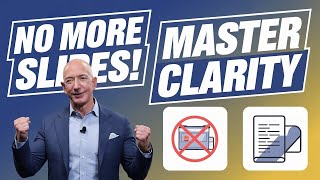
Joshua Fraser explains Amazon's six-page narrative memo, which Jeff Bezos introduced in 2004 to replace slide decks. Prime, Kindle, and AWS all started as six-page memos. The format forces clearer thinking and surfaces weak arguments before meetings begin.
Chapters
Amazon's six page Memo what if I told you that one of the most successful companies in the world owes part of its success to a document? And it's a simple six page memo. All of our meetings are structured around a six page narrative memo. Amazon's approach to decision making, meetings and innovation starts with a written narrative, not PowerPoint slides. And today we're going to deep dive into how Amazon's six page memo became a cornerstone of their culture and how you can use this tool to foster clarity, alignment and better decisions. The first time I came across Amazon's six page memo, one of my good friends, Maverick, he's running a startup called Getro. They were in the Techstars class of 2017 in Boulder with us and his girlfriend at the time was a software engineer, I think a level 2 or 3 at Amazon and she was showing me how they go into their meetings every single day and their framework for the six page memo. And I thought it was absolutely incredible for project design, clarity and the way that the process works to ensure that the entire team is aligned. So let's get into how they actually use this. In 2004, Jeff Bezos implemented a unique approach to meetings at no slides, no decks, just a well crafted six page memo. Why? Because narratives force deep thinking and make ideas clear. The goal wasn't just to share information, it was to tell a story, identify the key issues and foster a meaningful discussion. Unlike presentations which often skim the surface, Amazon's memos provide comprehensive context. They answer not just what, but why, ensuring that every decision is grounded in facts, strategy and foresight. The key to the six page memo is structured storytelling. It walks readers through the problem, context, proposed solution and supporting data, making complex ideas clear and actionable. And if you think about everything that Amazon has launched over the last 20 years with prime same day delivery AWS. Now they have their movie studio, Kindle. The list goes on for how dominant Amazon has been over the last 20 years. Amazon's Prime LAUNCH When Amazon decided to launch prime, one of their biggest bets, the idea wasn't pitched in a flashy presentation. It was laid out in a detailed six page memoir. The memo covered not just the value of fast shipping, but the long term impact on customer loyalty, projected growth and the infrastructure needed to deliver on the promise. The memo guided one of the most successful subscription programs in history, Kindle Strategic Evolution. The development of the Kindle also followed a six page memo format. Each iteration from the first generation device to Kindle Unlimited, which now you can have a subscription and download a couple books a month. It began with a written proposal detailing customer needs, market trends and innovative opportunities. These narratives helped Amazon refine their vision and continuously evolve their products. On a side note, if you do have a Kindle, the best app you can get is Read Wise. I am such a big fan. My Kindle somewhere on this mess of a desk right now. But every single day Read wise I think it's $4 a month. Six sends me a detailed five or six notes from Highlights that I have from previous books that I've read. Now I've read hundreds of books on my Kindles so I can go back and look through books and see the pages I bookmarked, anything that I've highlighted and I really enjoy getting these reminders for the retention I have on books. Let's move into the third product that Amazon launched with the six Page Memo, the AWS expansion. AWS is one of the most popular programs on the Internet. Almost every business I know is in some way or another has some use of aws. It had explosive growth and generated billions of dollars. I believe it's about 30% of Amazon's annual revenue. So it started with a foundational memo. The document outlined Amazon's opportunity to offer scalable cloud infrastructure addressing a critical pain point for developers and businesses alike. The clarity in that memo helped align the team's vision and laid the groundwork for AWS to dominate the cloud computing market. It came out before Microsoft Azure, it came up before Google Cloud. They were ahead of the game with AWS and they got a huge leader's advantage because of that. Next, let's go into how do you actually write a six page memo? Number one Start with context, outline the background and define the problem. Why is this important? What's at stake? This section ensures that everyone at the table understands the foundation before diving into the details. Step 2 Explain the solution Outline the solution, describe the approach, who it impacts, how it addresses the problem, and avoid Avoid jargon. Focus on clarity and concrete examples. Number three Provide supporting data. Include relevant data that backs your proposal. This could be customer feedback, industry trends, or financial forecasts. Numbers should enhance your narrative, not overwhelm it. Anticipate questions and concerns Think ahead. Address potential questions, risks and objections within the memo. By acknowledging challenges up front, you build trust and strength in your argument. And last, conclude with action. Steps end with a clear call to action. What should the team do next? By providing a roadmap, you ensure that discussions lead to concrete outcomes. At Amazon, writing isn't just about sharing ideas. It's about refining them. The process of drafting a six page memo focuses clarity and exposes weak points in reasoning and thinking. As Jeff Bezos put it, writing a good memo is harder than writing a good PowerPoint slide. It forces better quality thinking. The act of writing sharpens your strategy and helps you anticipate outcomes. Now if you're looking for some resources of how to go and write this, of course you can just google it or ask ChatGPT. You can also use Notion. There's templates we'll add some links in below this. Google Docs also have six page memo templates that you can go and use. And one thing that I always like to add into this is Grammarly. It's a monthly paid for app. It plugs right into your browser, into your desktop, and it cleans up all your writing and thinking to remove any grammatical errors or bad sentence structure. One of the things that Amazon does that's really interesting is they don't circulate this six page memo to everyone before the meeting. They have it printed out on paper and everyone who goes into the meeting spends the first 15 to 30 minutes reading this document real time. And then the discussion starts. Whoever's the presenter will outlay it all and then they will go through each step to ensure that the thinking is clear, the roadmap is clear, and that this is a good or a bad idea. The six page memo isn't just a document, it's a tool for smarter decisions and clearer communication. By using narratives to guide your meetings and strategies, you'll foster deeper understanding and better outcomes. If this video helped you rethink how you approach communication, hit the like. Subscribe and share it with your team if you want to learn more. We're creating a hundred best business lessons for entrepreneurs that have ever existed. You can join us at the Everyday Entrepreneur on School or just stay tuned to the YouTube channel. Thanks for tuning in. Another one's coming next Friday. Take care.