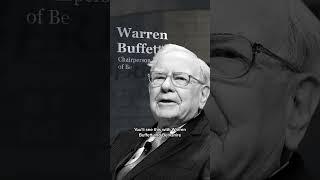
Joshua Fraser explains how compound growth turns small, consistent actions into exponential results over decades. Warren Buffett started investing at age 10 and turned modest sums into hundreds of billions, far outpacing the S&P 500. Berkshire Hathaway's assets are projected to eventually exceed a trillion dollars.
Chapters
Albert Einstein reportedly referred to compound interest as the eighth wonder of the world. The law of compound growth is a fundamental principle in finance and personal development, demonstrating how small, consistent actions or investments can lead to significant results over time by reinvesting earnings or continually improving by small margins. The growth achieved is not just linear, but exponential. The essence of compound growth lies in its reinvestment of gains, whether it's financial returns or personal skill development. Each improvement builds upon the previous ones, creating a snowball effect that leads leads to substantial growth over time. You'll see this with Warren Buffett's and Berkshire over the last 40 years. They've compounded well above the S&P 500. But the reason that Warren Buffett is worth billions and billions and billions of dollars is because he's been doing this since he was 10 or 15 years old. So the compound growth over 80 years has turned from tens of dollars to hundreds of billions. And soon, I'm sure Berkshire in total will have well over a trillion dollars in assets.