Creating my kitchen garden for just 6 months!
A gardener in Canada plants hibiscus, tomato, herbs, and flowers on her balcony, knowing most won't survive the harsh climate beyond two months. She shares watering tips, soil care, and reflects on the cycle of creation and destruction through the lens of Durga Puja, weaving in seeds brought from India.
Chapters
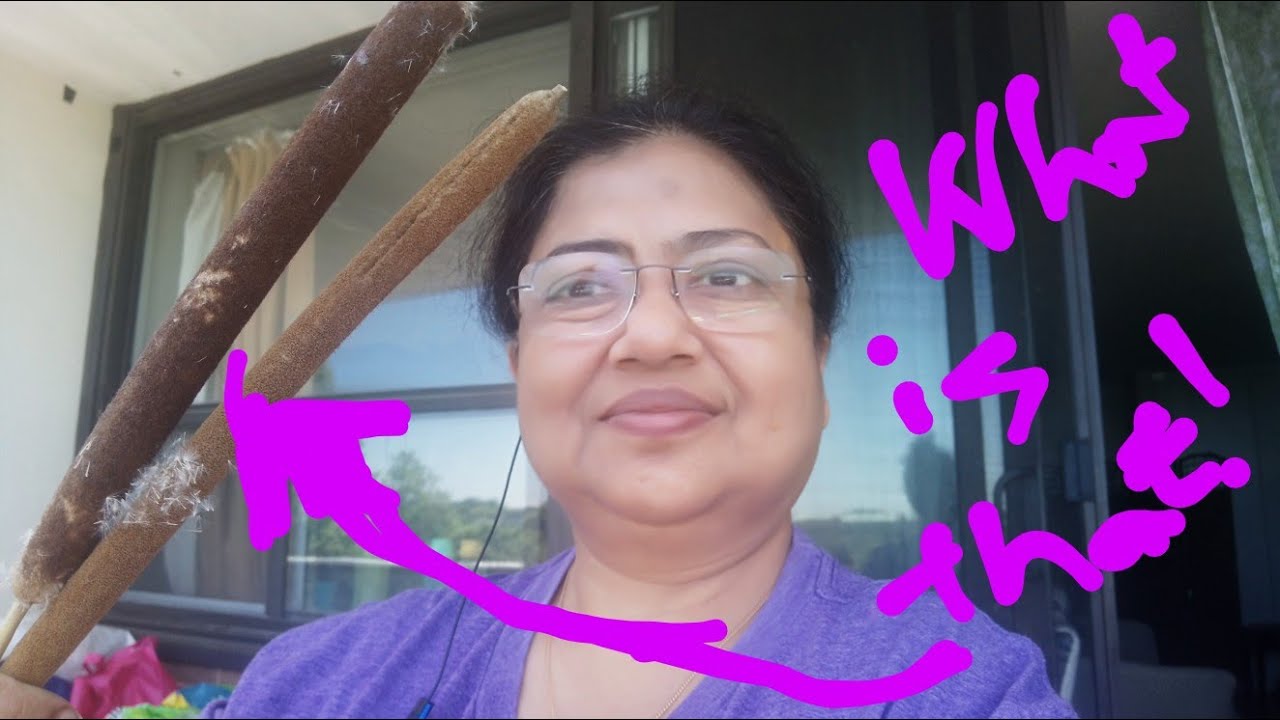
Hello everybody, how are you doing today? I just wanted to show you a sunny, bright sunny morning. Look at the, that, that deep blue hole that you see over there at the end. That is going to be our swimming pool in a couple of, a couple of days, like in 15 days' time. I mean, 1st of July is going to open. That is our swimming pool, so Generally, kids are going to go swimming in that. Lots of adults also go swimming in that pool. So we have our own personal pool. That's nice. And it's nice to watch the kids splash the water about. It's so much fun. And it's you know it's really hot. Then it's so much fun to watch. Other times and other baki six months rest of the 6, 8 months. It's open only for 2 months of the year, and the rest of the 10 months it's covered with a mesh so that leaves don't fall and the water is drained out. No point in having a swimming pool in this kind of weather, in this cold. Okay, today's my mission is to show you my newly— new plants that I have planted just yesterday. The saplings. This is a hibiscus, that's joba. This is a red hibiscus. I'm just hoping we will have some nice lovely flowers to show. This is lily. This is tomato. This is tomato plant. This is rosemary, it's my son's favorite. This is another leaf plant which is called, um, this is called boganvili. Actually, this is begonia. Begonia. Okay, this is called begonia and it is bronze leaves. See, and the flowers are going to be red. Such creation of nature, such creation of nature. I just marvel at it. This plant is such a unique plant. I've kept it in the shed because it's its first day. I don't want to overwhelm this plant. All the leaves in this plant are half. Have you seen? I don't know. I forgot the name. I lost the name of the plant. All the petals, sorry, the petals are really actually half. This is ordek full. Half of the petals have been done. I first thought they were torn, but actually they are not. So the petals are actually— this is like half petals. It looks like a half flower. See, all of them are half flowers. How strange is that? This is definitely my hobby, and I wait for summer come what may. I have to go and collect the plants. And the funny part is all these plants will only survive for 2 months, and then we will have to get rid of them. We have to clean up this mess, this place, and everything. And everything— this place becomes a, a board of snow. So in spite of that, we— this is a life, I guess, you know, it comes and goes. So Okay, so this is like Durga Puja, you know, like every year you, uh, you do the plant— every year you do the puja, the pandals, the goddesses, and get them immersed in the water. So they just last for 4 days. So nothing is more a bigger example than this, creating and then destroying. Nothing is a bigger example than this, and Kanada really shows you how to do that. It's This is so painful, but it's so delightful at the same time. So as soon as summer comes, we are here planting our trees. Now these are baby saplings of nine o'clock. I don't know. I think this one is not going to survive because I did not find good, good saplings this time because of the COVID There were not many good, strong, healthy saplings. So I don't think these will survive, but I'm trying my best. They're like little babies for me now. You know, trying my best to put them back in the soil while this come out. And these pigeons and birds, they come and eat up the baby saplings, and that's what makes them even hard to survive. But like they say in Jurassic Park, I just watched it a while back, like they say, life will find a way. So I'm just hoping life will find a way for my baby saplings. You know, once they start growing, these saplings, they become huge and they become a mesh of 9 o'clock flowers, flowers which bloom in the morning. And this one is wave flowers. This is also going to have a lot of flowers. I'm sure this is not going to have any problems getting, you know, its nutrients because I've planted it. It has a solid Root, so this will survive. This is interesting. Look at this Indian Kerala. So we're going to watch how this grows. Okay, every week I'm going to or every yeah every week I'm going to show you how much it has grown. And let's see if we have some Karelas. And Mamuni, show me. Show na hai chotai. This is for you. This video is for you because you watch my videos so much. I feel so So connected. I feel like you're here right with me in Canada, and I feel like you know I'm not alone. I feel I'm not alone. I feel I'm sharing everything with my friends. So here this video is just for you. Also, Totadi, if you're watching. Okay, so this is a Chinese version of Indian Kerala. This is Chinese bitter melon. Okay, let's see. This is the first time I'm planting, and first time I'm going to taste if there is any bitter melon. I want to know how bitter they are. This is a rose plant which unfortunately, like, it had a lot of flowers initially, but these flowers all died and there are no buds as yet. So I don't know whether this plant is going to make it. Let me put some water. This looks dry. Okay, so I've Put the rose petals inside the the dry petals in the soil itself because their own petals make a good for a good manure. Okay, this one see this one is all dried up. So I'm not very sure some of the किचुकिचु plant अच्छे जिगरो जिस रोपड़े rose शादानों तके do don't have a good root. So I really don't know whether this plant is going to survive. Let's try. I'm going to try it every day and you have to get your hands. in the mud if you want your plants to survive, because plants like the touch. I've seen you cannot do it otherwise, any other way. Plants love the touch, and the more you touch them, the more they'll grow to your expectations, you know. So that's, that's why I have had very good, like, harvest, you could say. This year I did not find any Like fruits or vegetable, nothing. Only tomatoes I found. No saplings. Probably for the COVID nobody could grow them. Whatever I found, I brought them over some flowers. So this year it's going to be all about flowers. So and this is धनिया पत्ता। This is parsley. So you have to go into the soil and you know sink your finger in to find out if the plant needs water or not. It should not be like too watered. This was like too dry, so I had to water it, huh? And you have to also poke holes in the soil so that, you know, air passes through. This is how you have to— you have to go down on your knees with the plants and treat them like babies. They should not fall, they should be standing straight upright, then only they survive. Each leaf should be, you know, strong and firm. And this, this is my Last tree from last year, which grew this big. This is lemon basil. This is tulsi, actually lemon lemon basil. So tulsi in as in lemon basil. Okay. So this is this plant is very tasty. This is very tasty plant. Sorry, I hate you, but actually I love the leaves. I take them straight from the tree. I don't need to wash them. Not everything needs to be washed. This is nature. And I'm— yeah, it may be having some dust, but that's okay. This dust is going to give me some immunity against COVID. So, okay, so these are the dried stems which I'll take off if they get— they have too many dried stems, you break them off from the place where it's dry, not from this. This is, this is still, you know, it has some still norm, so I won't break them off there. I'll just break them off from the place which is dried, so that way it— this— these will not harm the other part. If I break them off in the place where it's dried off, then they will not harm the main root. This is going— this is a stronger one. Okay, and this, this is monjuri. So you can just— these are seeds which germinate and fertilize. So this, I can just drop them on the ground anyway, they will fertilize, and then I can tear off the stem. Okay, here, this one or two, they germinate on their own. I can just you know even blow the seeds around so that they can germinate. We'll see in this country somewhere. They'll go flying around and they'll germinate somewhere in those plants among those plants. So that can be done. And yeah, I also have these. I want to show you these. You know what are these? Do you have any idea what are these? This is for a what's it called thumbnail. I didn't take a photo, so how do I make it thumbnail? Anyway, so this is for a thumb. I'll take a photo next time. This is what? This is hogla. Can anybody tell me what is this? Leave in the comment below. So I've just said it. I got them from India, from a village, and they've been with me for the past 25 years, and they are the same. So these kind of sometimes burst, and these flowers are here, you know. They just, they just find a way. Life finds us, find a way, finds a way. See this? This is pollen. This is, this is They're flying away. They're going to find a way to breed here in Canada. Let's see. I have just now contaminated Canada with spores, spores of seeds from India. Oh my God, this is going to be so good. I feel so good. It's a blend and multicultural. It's a blend of culture and multicultural. Okay, you're seeing something to me? No. And this is— I have a very nice piece of harikin I'd like to show you. This is a piece of, um, like nice piece of, um, curio that I— this gets got spoiled. It's been here with me for a long time, so it's— it doesn't work anymore. The wire has got spoiled, so I've just kept it as a prop or as a decoration in the garden. And here's of course my 2 Somalian couple, which I had picked up from the roadside sidewalk somewhere. Somebody had dumped them, so they're also with me for the past 9 years now. Okay guys, okay, why didn't I show you this? This is Also not a plant. This is ajwain, and we Bengalis, we love to have ajwain after dinner or after food. So I'm marinated them in lemon and black salt, that is bitnoon, and now I'm sun drying them. I don't usually get sun during the other parts of the year, but now that I've got sun, I'm drying them. I'll keep a weight on it because— no, this is a dirty weight. I'll put a weight on it because the pigeons or the birds might come and topple the birds of prey. Okay, so I hope you had a nice— these are my solar lamps, they light up at night. And I hope you had a nice good look at my garden. We'll check out after a month how it grows. Till then, Bye-bye. Here's leaving you with the lovely green-blue-green— oh my, blue-green-blue view. Take that view. If you look further away, further and further into that, you can just, you know, my camera doesn't have that much strength, so if you look further, that's the Lake Ontario. And beyond that, the end of the Lake Ontario is New York State. Actually, New York State, it's USA. So you get a glimpse of the USA from my balcony. Okay, here's the green-blue, blue-green-blue combination for you guys. Bye-bye, take care.
More from Kaberi


Real Life #blackmirrorvibes | Gen Alpha Will Be The Dumbest Of All Generations!


My 1995 Planchette Story | The Science of Ghosts | Author Kaberi D. Chatterjee's story

60-Yr-Old Breaks Down To "Earth Song" | Fan From MJ's Cassette Era #michealjackson


#micheal #michaeljackson I can't believe we actually saw these created in real time!