In this YouTube segment, host Kanika Bakshi Khurana tours an 80‑year‑old Italian kitchen manufacturer (referred to as Snyder/Schnidero) showcased at Milan Design Week. The conversation with a company representative (Speaker A) covers the brand’s heritage, its collaborations with renowned designers such as Pininfarina, Massimo Iosaghini, and others, and how these partnerships generate a diverse portfolio. They explain the three product collections – entry‑level, mid‑range, and the high‑end Icons line – and detail the innovative materials and finishes used: stainless‑steel front doors, aluminum structures, ceramic benchtops, quartzite surfaces, matte lacquer (including a red leather‑like finish), hand‑scratched metal‑dust coating that shifts color with light, and a “Frame” collection that is handleless yet classical. The segment highlights functional innovations like foldable pocket doors that slide up and disappear, a diamante‑patterned aluminum door, integrated range‑hoods with wine‑glass holders, and a chunky Pitt induction cooktop. Throughout, Kanika emphasizes design principles that make a kitchen feel expensive: high‑quality finishes, hidden storage that reduces visual clutter, and flexible customization that lets users mix finishes across islands and cabinetry. The dialogue is interspersed with visual admiration, reinforcing the idea that thoughtful material choice and clever hardware turn a kitchen into a piece of artwork.
Chapters
But this is definitely one of our most popular. It's called Frame, modern and a new look on a classical kitchen. And I love the color variation as well. So you know, depending on how the light shines on it, you've got the golden tones, you've got the reddish. It's gorgeous. Very clever mechanism. Yeah, and it just slides, slides up, and it just disappears.
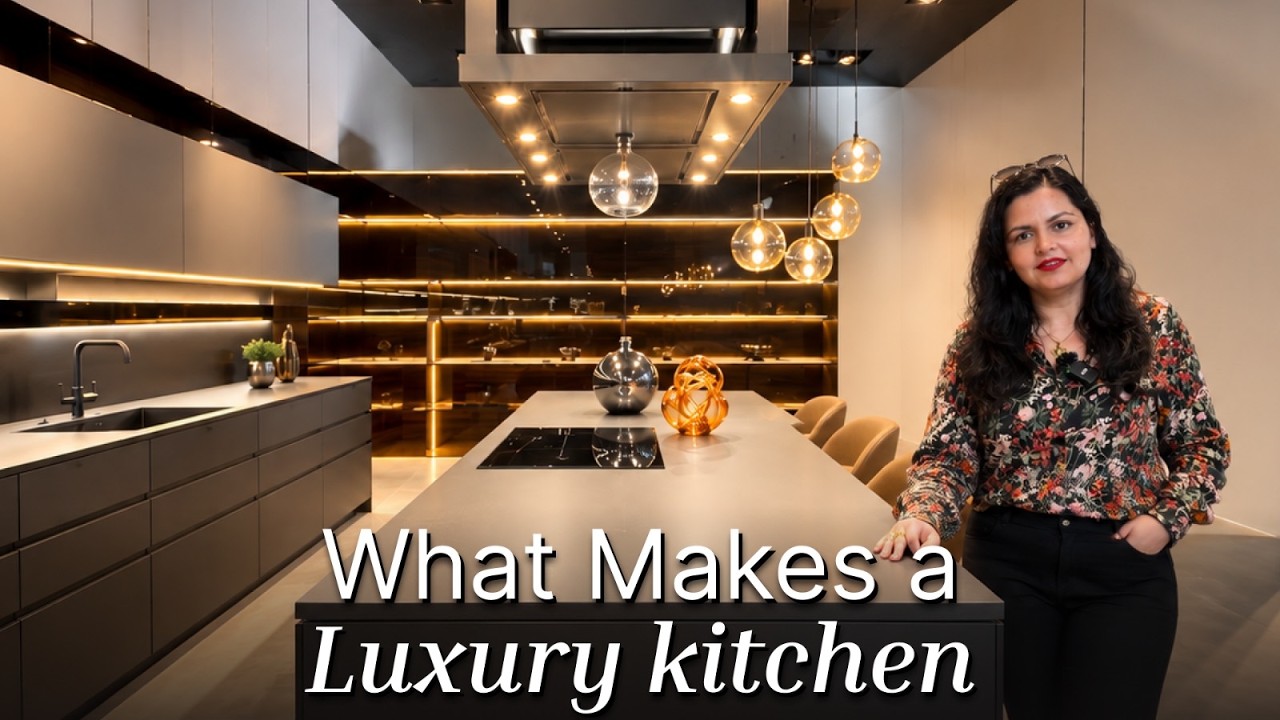
It's like a foldable door. It's the end of the night, you've had a party, last minute someone's coming over, you can Or that. If you're planning a kitchen renovation, this one's for you. I visited an 80-year-old Italian kitchen maker at Milan Design Week, and honestly, they figured out exactly what makes a kitchen feel expensive. And to help break it all down, I have another expert with me who's going to take us through what really makes these kitchens stand out. But first, here's a quick look at the story behind their designs.
Snyder is part of the pillars of Italian design, especially when it comes to kitchens. We've been around for about 80 years, and you know our focus has always been on kitchens. Started with kitchens as you know a local manufacturer company, and then obviously we've introduced a lot of technological evolution to to our designs.
Okay.
The great thing that I think stands out with Schneidero is the collaboration with different designers that leads to you know a lot of different styles and different looks. People that are not necessarily linked to the kitchen world, like Pininfarina. that comes from the automotive world. He's the designer of Ferraris and Maseratis. He's designed a few kitchens, uh, for us. Architects like Massimo Iozzaghini. So we have a lot of big names that sort of contributed to building this very varied portfolio of what the company is like today.
Nice.
And yeah, we've got a few kitchens on display here. We've got 4 different designs.
Yeah.
With elements that sort of take from, you know, other designs. Generally, we have 3 collections: the entry level, then, you know, a mid-range, which is sort of very flexible in terms of finishes and also, you know, customization, and then the Icons collection, which is, you know, the higher end.
The finish is the first thing your eye lands on, and it's on every surface in the room, so it carries the whole kitchen. It's what you see and touch up close every day. Get that right, and the kitchen feels expensive. Take a look at what they did with the metal on these cabinets to get this mirrored effect.
This kitchen in particular has a brand new finish actually, which we launched today.
Oh, nice.
So these doors are actually stainless steel front doors.
Yeah.
The whole entire door is made of aluminium. So inside we've got an aluminium structure with an aluminium backing. This handle that's sort of detailing throughout, you know, all the perimeter of the door. Okay.
And what's this top again?
The top is ceramic.
It's ceramic.
Yeah, so it's a very durable material when it comes to, you know, kitchen benchtops. Yeah, this is also a brand new finish, and it's my personal favourite, to be honest. When I first saw it, I thought it's leather. It does give that effect, very soft, very textural, but it's not leather. The base of it is a matte lacquer. In this case, it's a red matte lacquer.
Okay.
And then what happens is each single door is hand-scratched by a person singularly, very, very lightly. There is a dust of, you know, like a metal, a golden metal dust in this case, that gets sprayed. It creates this very, very soft elegant finish, and I love the colour variation as well. So, you know, depending on how the light shines on it, you've got the golden tones, you've got the reddish tones. So throughout the day, it changes. It does change.
Oh, it's really nice.
It's gorgeous. Scratching, it's very dense material, so very strong. Advisable to use on a kitchen benchtop for sure.
Sorry, what stone is this again?
It's quartzite. Okay, it's a type of quartzite, yes. This is stainless steel. Oh, this is stainless steel. Yes. So basically it is a lot more resistant to scratching because of the pattern. Exactly. Yeah, any new scratches won't be very visible. And a Phoenix top to basically match that with the matte lacquer. So it creates this very sort of monolithic sculptural almost look, all in the same or similar type of material. But this is definitely one of our most popular. It's called Frame.
Okay.
And it's been designed by Italian architect Massimo Iosaghini. It's very interesting because although it is a classical take on a kitchen, it's still handleless. The finishes used are very, you know, modern and, you know, a different, a new look on a classical kitchen. So it offers quite a lot of flexibility in terms of, you know, marrying. Maybe you've got the island in one finish and the cabinetry here in another finish, and you can sort of marry the both. In here by recalling the same, the same finish into, into this side.
I really like this tape where it's kind of like almost like a design element itself.
It really is. Yeah. Have you seen their gas version as well?
No, I have not seen their gas version.
I, in terms of the look of it, I really love the gas. Oh, really? Yeah, because they're quite chunky, like very big. In, I think they have a couple of different finishes. The brand is called Pitt. And this is their induction model. It's actually the first time I I see it installed.
Oh, okay.
Yeah, very beautiful and incredible also performance too.
It's like a piece of artwork. I love it.
Yeah, it is. Absolutely.
The second idea is all about hiding the clutter. Countertops get crowded fast. Appliances, dishes, jars, and everyday mess instantly make a space feel small and chaotic. Snydero solves this with clever hidden storage that tucks everything neatly out of view. The moment that visual noise disappears, the kitchen feels Instantly calm, spacious, and high-end. Watch this.
Just in case, you know, maybe you're— you've got all your dirty dishes, it's the end of the night, you've had a party, you've entertained, you want to tuck them inside.
Or like last minute someone's coming over, you can just—
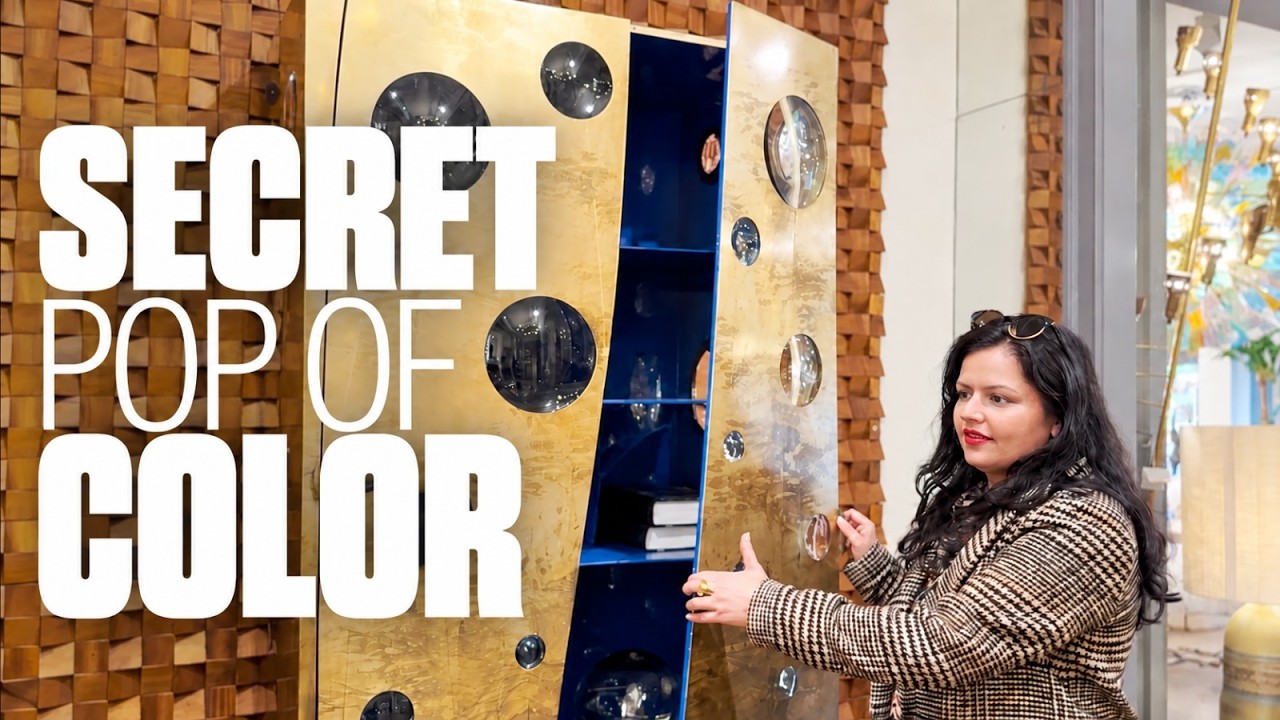
Or that. Yeah, absolutely. So this is our pocket door system, which is very popular if you want to, you know, hide away a section of your kitchen for whatever reason. Maybe it is the section where you have your appliances. So it's a very clever Mechanism. Yeah, and it just slides up and it just disappears.
It's like a foldable door.
Yeah.
Okay, foldable pocket door.
That's right. Yeah. Okay, again, an aluminum door, and the finish in the front is diamante. Okay, so you know it has this pattern throughout.
And is this metal?
Yeah, it's aluminum. All aluminum inside as well. And the Yeah.
Okay.
And the front has got this beautiful pattern that gives some depth and texture too. Yeah, so this is a range hood system with some integrated wine glass holders. Oh, nice. I like that. And also some light for basically the workspace.
So those are the 2 biggest ideas I am taking home from Milan. When you are planning your kitchen, remember that the right materials carry the whole room and finding clever ways to hide the everyday clutter is what actually makes the space feel expensive. Let me know in the comments, which of these 2 ideas would you use in your own kitchen?