Finding Brave 160: Former FBI Special Agent Shares 5 Steps to Building Trust & Rapport, Robin Dreeke
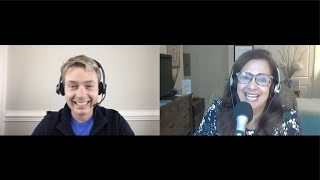
Interview (YouTube) with Robin Dreeke, retired FBI special agent and author, discussing his background recruiting spies and practical frameworks for building trust, rapport, and leadership. Dreeke explains a five-step approach to inspire trust (goals/means-end, identifying others’ priorities, understanding context, language, and integrating validation), contrasts authentic rapport-building with manipulation, and offers examples from espionage and corporate contexts. The conversation includes ethics, emotional intelligence, and resources (books, online academy with code FindingBrave25).
Chapters
Hello everybody. Welcome to another riveting episode of Finding Brave. I'm laughing. I just, I cannot wait to have this discussion with the fascinating Robin Drake. We already, you know, you're gonna have a good podcast or I think it's good episode when you are talking beforehand and you just can't, you can't stand how interesting it is and that's what we were doing. So Robin, thank you for being here especially. I made you wait 15 minutes.
Yeah, that's right. I always, you know, the first thing you do in life's journey is the more self aware you become, the more accountable for your own actions. So I figured I must have screwed up. It's me somehow.
Boy, you sound like a therapist. And everyone you're going to hear this is just an amazing person and we are talking about this and a million other things, but keys to building trust and rapport. And I think we're also going to talk about when you walk away and don't want to do that and when is it manipulation and when is it transparent parent and oh, it's going to be fantastic. So let me tell you a little bit about Robin and then we'll get right to the heart of it. Robyn Dreek is a best selling author, professional speaker, trainer, facilitator and retired FBI special agent and chief of the counter intelligence Intelligence behavioral analysis program. Robin has taken his life's work of recruiting spies and broken down the art of leadership, communication and relationship building to five steps to trust. We're going to get into that, I hope. And six signs of who you can trust. Since 2010, Robin has been working with large corporations as well as small companies in every aspect of their business. Whether it's newly promoted leaders, executives, sales teams or customer relations, Robin has crafted his people formula for quick results and maximum success. All right, my friend, here's what I want to want to know. A little bit of context. I'm fascinated. You know, you were sharing with me your values and you spewed them off and they were incredible. But one of them is transparency, authenticity. You don't lie, you don't bs. And so I'm really interested how you got into the job of recruiting spies. How can you tell me a little bit about that?
Yeah, I failed at everything else.
Wait a minute, how did you just end up there and you know, Washington or wherever you were. Yeah, you know, you sound like you're a therapist. Did you have that kind of training?
Probably self therapy. You know, first things therapists do is go through their own counseling sessions.
I Know better.
I did the whole. I did the whole sequence for it. So it's really funny. I laugh about that, but it's really true. You know, when I was younger, I want to go to. We had a friend of the family that was a retired Navy pilot during Vietnam War and he was a United Airlines pilot. And I came up in a family with zero money. Neither My parents went to college. They were very blue collar worker. And I grew up in upstate New York, not too far from you, where you live. And it was doing that during the 70s with the economy at that time. I always laugh. People laugh, think that, you know, the 2000s, 2008, the economic, you know, struggle was rough. I said, really? He ought to try to live where I lived and how I lived in the 70s, you know, with gas lines a couple hours long, with an oil embargo and everything. So I wanted to go to the Naval Academy because I wanted to serve my country. I want. I was, I was. Grew up in a. I grew up in a time period where service was something that was important to me and being a patriot was important. And again, I had a couple of role models that I thought were pretty inspirational. And, and so I wanted to go there. I'm a big lover of space and exploration and all that. So I want to be. So I wanted to become a Navy pilot, aerospace engineer, astronaut, and become this great inspirational leader. And so people said, so how did you take over the behavioral analysis program for the FBI? I failed at all that. No, you know, I had the right teacher, mentors and guides that got me in. I barely got out. I fail. Failed out of aerospace engineering. I went political science. My eyesight went a little south, you know, that I couldn't be a Navy pilot. So I went Marine Corps. And then I was at Parris Island, South Carolina, you know, training recruits. And we had this FBI recruiter come down as I was contemplating, get it out. And he said, I think FBI. I think Marine Corps officers make great FBI agents. And I go, okay, what. What do you do? And he said, well, depends on what you. I said, so I literally had two questions. I said, does all my military time count towards retirement? And he said, yes, I'm only a. Only a Gen Xer from the, you know, from that time period will offer that question. And then my next question was, what's the retirement rate? Because I really had nothing, no idea about what I would do. I never thought about counterintelligence or anything. And he's. So I said, what's the retirement rate? In other Words, I want to know if people like the job or not. And so I asked. And he said, well, he said 95% to 98% of the agents that come on board, state of retirement. I said, well, they must like the job. Sign me up. And literally, that was how it all started. I got assigned to New York City after new agent training. And, you know, I was. I was familiar with New York because I grew up in New York, and I remember growing up in the. If you were up in that area during the time, you know, growing up in this, in the 70s in New York, I swore up and down I would never work in New York City or commute to New York City because, you know, you had Son of Sam, the commute. And that's exactly where I wound up being, was living in. Working in New York City. And I was. I remember I was in firearms, you know, because we qualify four times a year, you know, with our firearms. And you go through rotation in New York City, so you can kind of learn. The city is long before gps. You had a Hagstrom's map, and you're trying to figure out where you're going to do interviews. And I go to Firearms for the first time, and I'm standing there, and I had. I wore a Marine Corps baseball hat. Very proud Marine. And on both sides of me had some really, really senior agents, Actually, they were younger than me now. And they said. They said, what squad are you being assigned to? I said, I have no idea, because we haven't been assigned yet. He goes, well, you ought to work with us. I said, what do you do? And the one guy was a Vietnam vet from. He's also a Marine. He was at the Tet Offensive during Khe Sanh in the Vietnam War. And I was like, wow. And he goes, well, we work counterintelligence. Our job is to recruit Russian spies. And I go, russian spies? Yeah. And he goes, everyone on the squad is former military because we. Our target, you know, our people were trying to recruit our Russian military intelligence, the gru. They work at the United Nations. And so everyone on squad is military. Everyone that we want to talk to is military. So it's kind of one big happy understanding each other because we all have shared suffering. I said, well, that sounds interesting. I'll try that. And I got on the squad. I petitions, there's a vacancy and everything.
Just kind of fantastic at it.
I was fantastic at realizing what I sucked at, and I had great mentors and guides, and I was very humble because, you know, when you're in the world of recruiting spies, which is literally, as I call it, the toughest sales job in the world because my job was to sell American patriotism, which is a service to individuals that are diplomats at diplomatic establishments and they are intelligence collectors, intelligence officers for foreign countries. So. And there's also the other challenge of it besides that it's illegal for me to make a cold call. In other words, I could not initiate contact with them to sell my product. So. And so what? So I always say so. Exactly. So how do you recruit Russian spy? How do you recruit any spy? How do you sell a product? It's the easiest thing in the world to really think about this. I've really tried to simplify everything in life to these simple notions. We all always will act in our own best interest in terms of safety, security, and prosperity. We're genetically and biologically coded to do that for ourselves and the people we care about in our lives.
Safety, security, and what?
Prosperity?
Yeah. Okay.
Now all I have to do is figure out which one of these people had one of their priorities, because those are priorities which aligned with resources that I had. In other words, if some of someone had in their makeup that they didn't want their children to grow up in the regime that they grew up in, if they thought it was oppressive, if they thought there was more liberty and freedom here and more opportunity for themselves, in other words, if there's more potential prosperity in our way of life, my job is to figure out who had that priority, and I can offer them resources. At the same time, I'll share my resources. I mean, my priorities with you in terms of, hey, my job is to protect the national security of my country and our NATO allies to the best of my ability. And if I share that with you and you're willing to share your resource and I share my resources with you, well, then we have a relationship, then we have trust, and you move on from there. It's the same thing when you're selling any product. Figure out what the needs and priorities of the individual that you want to interact with are, and you offer resources in terms of those things. It's really that simple. People that overcomplicate it are really overcomplicating life.
God, you think very simply. It's incredible. And that's not a judgment. I don't think like that. So let me ask some questions to get to think like that. The reason I don't think it's simple is so I sell products and services. I'm a coach, trainer, speaker. I got what I got. I know what it delivers. I know what you're looking for. If I'm a good salesperson, I'm going to highlight exactly what you need, that I give, and. And I'm going to listen very carefully to where your needs aren't being met.
Yes.
And I'm going to nail it. I'm going to get the gig. Yes, but where is that it. But where the spy thing I feel is different is if you approached me, for instance, and you wanted to recruit me to be a Russian, to turn against my country. Seems to me that you're cracking into something that is part of someone's identity.
Did you ever think you had a crack into someone's identity to sell them a product? Or did you have to just discover which. Which of these potential clients had those priorities? Or. Or in some instances, maybe you helped them discover a deficiency in their life that they might not have been aware of, that they had. There's no difference.
Turning against your country isn't the same as hiring me as a speaker, is it?
So. Well, I never told. See, and that's an interesting mis.
Yeah.
Tell me, mischaracterization.
What do I know about spies? But, you know, I never told Red October or whatever. Whatever.
That's actually a great analogy.
It is?
Yeah. Think. Think of, you know, you know, Ramius, you know, the Captain and Hunt, Red October. What were his priorities? Did anyone flip him? Did everyone can. Did anyone convince him to turn against his country? No, it was in his mind that what his country was doing was wrong. All he was doing was looking for an opportunity to service his own priorities and his own sense of.
All right, so you're not flipping anyone.
I never.
You are accessing the pathway they're already on. Yes, but how did you find people who were already flipping? How do you find that?
Well, how do you find any potential client? You talk to other people. You talk to people that they're in contact with. You look for signs. You look for leads, you know, of. Of. Of different individuals that might be dropping hints that they. Or interest that they might have in certain products and services, you know, and you just pay attention to people that deviate from a normal pattern behavior for someone that's in that line of work. And then if you see different deviation from a normal pattern behavior from someone that line of work, you try to create access points, you know, where you can offer them, you know, and so you can kind of just feel out, you know, is this. Is this a real access point? Is this something that, in other words, you're just trying to discover the priorities in any way you possibly can.
What's so interesting to me is it's exactly how we sell anything.
Yes.
And I bet you see what I see. So I work with breakthrough. You're not going to be working with me for 10 years. It's six sessions or 10 sessions and you're gonna, you're not gonna be the same person you were before. But you have to have a readiness for that. I'm not a typical coach, so I'll have people that I talk to who say they're ready and then they never can register. They won't do it. I bet you saw that in the spy world, right? That they thought they were on the pathway. But no, you were better at sales than I was then because.
No, no, I'm saying, you know, and you're totally right. You know, coaching and mentoring is a, it's. You're at the highest level because you're dealing. Generally if someone wants to come to a coach and a mentor is because they have that they're at a point in life where they've actually have a higher level of self awareness and humility and they know it's time to seek out others that have other ideas. And so generally when you're working with a potential client of mine, you know, in my previous life of recruiting spies, they were generally in general, I mean, there's, there's, there's those occasions when you have individuals that are at the kind of lower end of the sales, are just looking for a quick quid pro quo. I give you a little bit, I get a little bit of money. Those are very rare. They exist kind of like, you know, when you're selling a car or you're selling, you know, a widget or tie in a little. Right. You know, and it's just, hey, you give me a car, give you some money. You know, we do a little bartering and then we'll never see each other again. Coaching and mentoring is a little bit different. It's more like in the world of the spy world in the sense of, you know, you're dealing with people that have a higher cognitive, thoughtful self awareness about what they're really end goals in life really are. You know, it's not just I want to buy a car, it's just where do they see themselves in 15 or 20 years? And they realize in order to get there, I need other ideas because, you know, this is the. One of my great things I definitely believe in life is that, you know, we are meant to have Great, healthy relationships with each other and be resources for each other because, you know, you can. You can have the greatest biology and genetics on the face of the planet, be the smartest person alive, but if you don't have good, healthy relationships, you might as well be a moron on a mountain by yourself. So really. So the people that go for the mentoring, coaching, and everything are the ones that are actually aware of the fact that I might be the top of my game, but who cares?
That's not working anymore. Whatever game I'm doing, I'm done.
And I need what I call, you know, I have levels of mentors, and the highest level for me is what I call the beta tester. The beta tester is the one that is. Is totally committed to your success and prosperity. You know, is. Is. Is forthright with it, is proactive with it, but they're not emotionally tied to your results because it's ultimately up to you to. Yeah, absolutely. And they are the ones and the rare. And that's what a great coach and mentor is, is they are unconditionally vested in your success and they're to be objective, they're empathetic with what's going on in your life, but they're not riding the emotional roller coaster with you. And that's. And someone that can seek and knows that they need to have that kind of person in life, those are the ones going to be successful anyway.
What a fascinating conversation over here. All right, now can we. I want to talk about a few things. How do I get it all in? I'd love to know five steps of trust. But before that, I want to talk a little bit about manipulation in your view of it. And I was sharing with you, I know a lot about narcissism and it's. And sadly, there are millions of narcissists.
Sure.
And there are millions of adult children of narcissists who have narcissistic wounds.
Sure.
So they're attracted to narcissists. And, you know, I run a course for six years, three times a year. And so many people who are broken down in their careers, you know, my question is, well, how old is that problem that you just shared that you have? And, you know, my boss treats me terribly. I get passed over. I can't use my voice. My boundaries are. I always say, how old is the problem? And it's usually old. It's usually from childhood. But anyway, the point is, there's a lot of manipulators out there who, through their own wounds, they're really Good at doing you what you and I just said we do, sussing out what you need, being really good at winning you over, that I got what you need right and that there will be power that I give you through giving you what you need. What do you think about and everything you've seen? Like I think you're really in a, I don't know you, but an above board person with some spiritual beliefs. You believe in the sanctity of relationships, of trust. But I'm guessing you've seen some manipulators in your career. No.
Oh absolutely. See them every day.
What, what do you say about manipulation? Just let me hear your thoughts.
So manipulation. So I always love giving labels and meanings to behaviors because once you give labels and meanings, behaviors you recognize more easily. That's what I call the new car effect.
I do that too. Framework. Just give me a framework.
Because once it has the framework you see it and you can avoid it and at least recognize it and you recognize it for others. And so manipulation to me is any attempt of control of actions, thoughts or time with the use of subterfuge or deception. And the key there is being subdiffusion, deception in any way. My fail safe to avoid manipulation at all costs. This full transparency, you know when in doubt, when someone poses a challenge or a question with me about what should I do, Robin, if I can't come up with a solution that makes it about the other person. Because ultimately every human being, we're genetically and biologically coded as you know, is we want it to be about us. We want to be accepted by others and we want to be valued by others. The way we do this is to make sure that we're making the conversation about others with sincerity, genuineness and transparency. So we're going to seek the thoughts and opinions of others instead of giving them ours. We're going to talk in terms of their priorities instead of ours. We're going to validate them without judging them. In other words, be non judgmentally curious about them. Doesn't mean you agree with them, just means curiosity is a beautiful way to validate. And finally we're going to give them choices. So when you're doing the least one of those four things and everything you say, the conversation shifts to them. It demonstrates value, demonstrates affiliation. When you're doing this with transparency, that's what relationships are based upon. It's about how you build those. And so what I'm seeking, so what manipulators will do is and I deal with a lot and you know, this in this industry, you know, when your job to coach, mentor, teach, train, be a resource for companies being successful, organizations being successful. The one difference between what I profess and what I do and other people, potentially not everyone, but is I don't tell you how to win because winning is about you. I tell you how to be a resource for the success of those around you. Because the most important thing to me is to build those relationships, be a resource for others. And in doing that, the most important thing in the world in business and person and personal life is building that great personal brand. Because your personal brand transcends everything. I mean, the FBI was under major, still is, you know, major criticism from both sides of the aisle for the last four or five years, you know, before I even retired. And yet it did not affect my, my functionality, my success as an FBI agent once because the organizational brand did not affect my personal brand with the people I interacted with. Because I was always a resource for others. I had no expectation of reciprocity. If you want to be a, you know, if I share my priorities with you and you want, and you want to volunteer to, you know, if something pops up in your life, you think you can be a resource, great. If not, that's fine too because I didn't try to win. You know, the greatest inspirational leaders in life are the ones that are understanding about how to be a resource for the success and prosperity of those around them with no expectation to gain. I mean, it was a huge mantra, you know, that I learned in the Marine Corps kind of, you know, a lot of people can articulate it. You know, I am a natural born self centered narcissist too. I am, you know, this hard charging type A is it, you know, I call my three books, I wrote my manuals on how not to be the moron I was born to be, you know, because I.
Humans are self, self oriented, let's face it.
Yes. And when, you know, it's our nature and when you have the understanding of the things I need to incorporate, add to myself, you can start mitigating those things. Because I'm a, I love emotional intelligence, I love eq. And that whole, and the whole paradigm of that is that you don't have to stop trying to be who you are because you can, what you can do is though, you can add a lot of things to yourself to mitigate the things that might have been out of balance. And so I've spent my entire life adding a lot of things to try to mitigate, you know, so I can make it about others. Because everyone always said, you know, when I was failing in leadership positions, they would say to me so well you just need to make it about everyone else but yourself. And I like that sounds great. I thought I was, how do I do that? And he goes, I don't know, just do it.
They said, you need to talk fast here. They said to you stop making about you, make it about others. And you're like great, but give me strategies for that.
And they had no idea. Well, now here's how you seek their thoughts and opinions instead of giving them yours. You talk in terms of what's important to them instead of yours. You validate them. In other words, have that non judgmental curiosity. Instead of judging them and arguing their context of how they see the world through their particular optic and if appropriate, and when appropriate, give them choices. You know, it's really that simple. If you want to tell.
But there's another one in there. Listen 100 books here. It also I learned as a therapist which is amplifying something you said. Always when you're saying something, you better be saying it for their benefit, not your benefit.
Oh yeah, absolutely.
And I remember going, wait, what does that mean? Oh my God. I mean still in my coaching training I'll tell a story and I will need to make sure that I'm telling it not to just hear myself talk, but that it's truly illustrative of the point that I'm trying to make because I like to talk. Right. But I think, tell me what you think. You're the expert here on this. I think that we can change behavior but if we don't change the internal desperate need. It's just acting.
Yeah. So I think the really I always live another mantra I live by. I don't allow any, anyone to bother me.
And that bothers you?
No, I don't. I try to dig deep to try to understand why you have behaviors that might be inappropriate. And I mean, and you know this too. The, the underlying theme of most people's inappropriate behaviors is some deep rooted insecurity in them. Yeah.
Like somebody pisses you off and it's coming from them, which everything is you. It helps look at. I perturbed at this. When it's about you. Not really about me.
Absolutely. And the first thing I look at is alright, so you have an insecurity about something and we all do. You know, we're. I have this fuss. We were all born perfect and the world messes up for the first, you know, developmental stages of life until around the age of 19. Then we spend the rest of our lives trying to overcome those insecurities that was inbred in us. And so if you have an inappropriate behavior, the first thing I do is take accountability for what did I do to flare up your insecurities. And then as soon as I identify what the insecurity that you have is, I'm going to validate you. In other words, be curious about it, not judge you about it. So I can get you to lower your shields so you can stop worrying about being judged, so you can stop, you know, stop get that insecurity out of your way as you realize you don't have to be insecure around me. I will. I will find your greatness. I don't care whether it's professional, personal. I will find an area that you are a beautiful human being in so that you will not bother. Doesn't mean I'll agree with you necessarily. Doesn't mean I'm going to be your best friend. It just means that I can now communicate with you in a way that I'm not judging you in any way. And I've had massive practice because I've worked with espionage subjects. I've half. I'll tell you, half the espionage subjects in the world are also pedophiles. They are hate, you know, because a lot of times people that are. Because if something. If you're. If you're doing a behavior that's betraying something that's. I guarantee you that's literally the only. It's not the only thing going sideways in your life. There's a lot of other things that are. That cluster.
You mean these spies that you've recruited are also doing these other things?
No. So there's so many different types of people. So the individuals I worked with that you're trying to recruit that are foreign intelligence officers working on behalf of their countries, they are literally the highest level of intellectuals and diplomats and everything from their country because their job is as intelligence collectors. Their job is being tasked by their government to gather information in information gaps that they have that can save their economic, you know, thing. I mean, right now. So I guarantee you this. One of the. What do you think is the most. Is the most critical intelligence gathering bit of information every single intelligence organization, organization in the entire world is working on right now today.
How Biden's going to change what's going on? No, what.
Covid. Covid.
The vaccine or.
Absolutely. Vaccine for Covid. How the first responders are dealing with lockdowns are going with cause and Effect of that, because that affects what affects economies, it affects functioning of governments, right? Absolutely. You know, Biden, who cares? I mean, that'll come next. But the most major critical vulnerabilities of information and information gaps is Covid. You know, so think about, think about the amount of money that the United States and our researchers have poured into Covid research.
Untold amount.
Absolutely. And so if you could actually pay your regular salary of five intelligence collectors from another country to take someone out to dinner to woo them, to buy them a couple nice gifts, or you can actually get some leakage over in course of a dinner, or you can get them to, I mean, I once, you know, there's a couple of great books out on this, but there's individuals I knew that, you know, one of the gaps that they had, and this was years ago, was some cancer research. And this one intelligence officer paid $600 to fly this guy, this researcher for cancer research from San Francisco to the New York area. Took him out to a buffet Chinese dinner, paid for the airline ticket, paid for the dinner, paid about $600 and he got $5.4 million worth of cancer research. So that's what intelligence collectors.
So you're separating that from the people going sideways who are pedophiles and all of that. Tell me what espionage, whatever term.
Yeah, absolutely. So. So those are the ones that, you know, we're trying to recoup because now they have the, the knowledge of what their countries are going at. So we, so once we know what they're targeting, of what they're trying to do to, to promote their own national object objectives, it helps us understand what do we need to harden, what do we need to protect better here?
What companies, they understand that when they're out to dinner, over the Chinese meal, they're telling America what America needs to know. Do they understand that?
Some do, some don't. Yeah, very. Most of them.
Are they just so excited to talk about them?
Oh, yeah, because. Because the greatest recruiters are doing what they're seeking their thoughts and opinions, talking in terms of their priorities.
We all feel good.
We get bamboozled dopamine starts flowing and.
Drink little sake, whatever.
There you go. So now on the opposite side, you know, if, you know, for the espionage subjects that we have, those are the ones that are actually committing crimes against the United States or our NATO allies or any, it doesn't matter United States, because there's corporate espionage where people, you know, are insider threats to their own companies and so they're disgruntled employees I mean, it happens all over the place. Those are the ones. If you're willing to betray trust in one aspect of your life, the likelihood of you betraying a trust in another aspect of your life or being like you already talking about narcissism and everything, being so self centered that one, you feel a victim and you, and you feel like you're vengeful. You have to get back at people. And if you live a life as a victim, you're going to take it out on a lot of things and a lot of people, not just in one area in general.
Wow, Robin, you, you know a lot. I got a crazy question for you. You said nothing's off the table, right? How do I want to put this? You know, a lot of my friends who became therapists said, geez, being a therapist is hard on a marriage because, you know, a lot, you know, you know what I mean? You're like, uh huh, I know why you're doing that. I know exactly why you're saying that. I know where that came from. And, and a lot of spouses go, oh, here she goes, or here he goes, therapizing me. Do you find that having. This is just not what we plan to talk about, but having relationships where you understand so much of what is going on between people, does that ever feel difficult?
It's very calming.
Calming?
Yeah. Everything in my life is pretty calm and it's mostly because I.
Why is that common?
Because I don't judge it. Because I mean, when you spend and you, you know, for me, when I've spent a lot of my life, my professional life, having to talk to and interview people from all over the world. Different, different, different everything. Because every time a conflict broke out somewhere in the world, I had to interview everyone from everyone from that country here. And so when you spent an entire lifetime and, and so here's, here's, here's a golden truth.
Wait, let me just understand. You feel calmed because you understand what's going on more. You were 15.
Oh my God. All I did, I mean, I grew up in New York. I'm an extrovert, you know, from New York. You know, my job is to judge the heck out of everyone and be snarky about it. I mean, you know, but, you know, and the challenge with that is, you know, if your job is to build relationships and hopefully gather resources and allies to help, you know, protect, you know, and be a service to the world, basically to keep the world calm and not blowing up. If you start judging people and being surprised by things you hear where your non verbals are showing stress and anxiety, you know, their shields are up and they're not going to share with you and then you're screwed, you know. So I.
Such a therapeutic. Yeah that was I sharing it on other. Another podcast. You can't help someone if you are judging them. So rape, pedophilia, suicidality, drug addiction, attempted murder. I'm looking at a person and if I'm only judging and I can't find something to love, really love, what can I do with this person? I can't help.
So I think the most challenging, you know. And when I talk about validation with groups and I'm. When I'm talking about it this, you know, I've had people say, oh, I just can't, you know. How do you validate something I said? Well, validation isn't agreeing with them. Validation is just understanding. In other words, walk a mile in my shoes and see what choices you'd wind up making. You can't. And the greatest that some of the examples I use, you know, we had a. We had an espionage subject that was also a pedophile. And the things he had done was horrendous and disgusting. He had journaled about the 60 victims, the 60 young children. But part of this journal was actually a poem he had written. And the guy was in his 50s. But part of his journal was a poem he had written when he was nine years old. And this poem he'd written about how he was stalked and raped by his cub scout master that lived next door and how he's raped by the boy scouts from the ages of 9 to 19. And he defined what love for him was, was when sex wasn't for and how love was when sex wasn't forced. It gave you context. It was the most tragic thing I ever saw in my entire life. I saw how someone was made into what he was doing because of his circumstances. Doesn't mean he was making good choices. It meant I understood. Doesn't mean I agree. I meant I understood. And it was horrendously tragic. You know.
And so, you know, therapy, we're trained. Every behavior makes sense when you understand the concept.
Yes, that's absolutely right. It doesn't make it right or it does make it right or wrong, but what it does make is if you're, if your job is to inspire them instead of convince them. Because convincing is about what I want. Inspiration is about what you want and need. If I can inspire you to share with me so I can actually be a resource for you. Moving Forward and I can be a resource for helping to be in service to others. That's what's important.
Oh, Ramen, I love, love it. I could talk to you for hours. But let's do this. Have we talked about the five steps of trust? Did we do that already?
No.
Can we do that? So I love to leave people with practical. Their heads are going to be.
Oh, absolutely.
They're going to be like, why do I do. Let's do strategies. Give it to me.
So it's funny. So the five principles of trust is something that's in the book and those are great and nice, but these are the five steps I actually do when strategizing how to inspire trust. Trust Step one, what are your goals? What is it you're trying to achieve? And this makes it a leadership thing. And to me, every human being is a leader. Because a leader to me is not about title, position leader is just about someone, anyone that has a goal and objective and a priority and a strategy on how to achieve it. That's it. So what is it you're trying to achieve? But now this is where we're going to reverse it. So the second part of step one is, so how can I inspire you to come, come along and want to be a resource for me? Because this is realizing that you can achieve anything without relationships, everything. And so now that's the second part of it. And this is where we set our goals. And I call the means goals and ends goals. And the means goals are those very tangible smaller steps we need to get to the end. And I used to think that the way to get to the actual end, ultimate goal, was to achieve all these milestones. And I mentioned some of them to you before, which was Naval academy, aerospace engineering, test pilot, astronaut, all these things, those are the means to the end of trying to become an inspirational leader.
Yeah, how about just do that? How about the hell with the other stuff?
Well, because we. So what are these all these other things require? They require relationships. And so if you focus on the ends goals first, that's what I realized, all these means goals fall into place. So my three anchored ends goals already mentioned these. And they're my values that I live by. My number one, ends goals, healthy professional relationship. In all circumstances. I always ask myself is what am I about the do or say going to help or hinder a healthy relationship? Number two, open, honest communication, transparency. Because I cannot have the healthy without that. And my third is an available resource for your success and prosperity with no expectation or reciprocity available means I will not insert myself in your life unless you want me. Prosperity as you define it, not me. No expectation, reciprocity. So I'm not doing this for me or my gain because then we are in the world of manipulation. Shields up and you will come across as creepy. And then other end goals like before was I want to become an inspirational leader and the FBI, we want to protect national security, my community, those are all the ends goals. If you focus on those, all the other ones fall into place. Because if you have relationships, all the milestones fall into place. So that's step one and you give you. And what happens is you give it number one.
Oh my, that's a lot.
You give it label and meaning. When you have a label and meaning, you recognize opportunities because you see it. For me, I call it my Toyota Tundra effect because I have a Toyota Tundra truck day. I bought my truck. Poof. 300 people in my town bought the same truck. Because labels and meanings, you just see it, it clears the fog.
This is number two. Now this is part of number one.
It's just explaining the labels and meanings and the power of step one. Now step two. Identify the priorities of others. Give those labels and means or needs, wants, dreams and aspirations, personal, professional, long term, short term. How do they see prosperity from their point of are their jobs? What are their roles? What are their responsibilities, what are their challenges? You give that label and meaning. Very practical thing to do. When you start writing those things down and taking account of those, your brain automatically starts recognizing opportunities to be a resource in terms of those things. So now we gave label meanings to our priorities in one. We give label and meanings to their priorities in step two. Step three. Understand their context, how they see the world through their particular optic. Their values, their generation, their ethnicity, their orientation, their demographic, their economic status, Status. This is just in other words, see the steps they walked in life with that non judgmental curiosity. And this is where we're going to build our overlapping too with potential commonality. One of my favorite commonalities I love with human beings is traditions growing up that we had. I don't care where you are in the world, you have a tradition that you had growing up. So did I. They don't have to be the same. Just the fact that you had one and you'll share it with me and I'll share mine with yours. And mine is also as kids I suffered proud parent syndrome. I'm. I'm over, over the top proud of my kids. I love them to death. My greatest hobby in Life is watching them be successful. And so you either have kids, were a kid, knows kids. So that's another area. So context is a beautiful thing to see how you see the world through your optics. So I know how to one how to communicate with you in a way that you want to communicate. Step four is language. Now I'm going to start putting this all together. So now that I know my priorities. I know your priorities, I know your content. How do I make this conversation about you? And I said it already, I'm going to make sure that in every statement I make and every statement I write, I'm going to make sure it's about seeking your thoughts and opinions, talking in terms of what's important to you, validating you in some way and giving you a choice in some way. And so and we do this all the time. This is just this on steroids. You know, we always, if we got to send an email to someone, we write down what it is we want to say. Then also we think about who it's going to and we do a little massaging. This is that on stage, this is just making sure you're doing. I always say, you know, think about the greatest, healthiest relationships you have in life. How often during the course of that last conversation with this great human being in your life did you actually seek their thoughts and opinions, talk about what's important to them, validate them and give them choices? Anecdotally, probably 10 to 15% at max the power now of the depth of the great relationship you can have if you do it 100% just being thoughtful and mindful of shifting it to them. And again it's not manipulation because again I have no expectation reciprocity. I just, these are my checklists to make sure I'm not being a self centered fool. So that's step four. Step five is now we're going to put it all together. How do we make this all about you? This is you don't script because scripting now becomes about me and things I'm trying to do. What the thing I love to always start out with though when kind of crafting this encounter to make sure I'm doing this for you is start out with a very specific non judgmental validation of a strength, attribute or action that I've observed in you. There's no better way to start a conversation than saying I see you and I see your greatness. And it's not. And it's. And it's very specific because I pay attention, I pay attention to what you do and who you are. And I give myself the most important thing. Another important thing, I think, dying to.
Know what my greatness is over here. Robin, what would you say?
Oh, you take a great deal of pride in helping people and being a resource for them. Them. You know, it's your great. It's your great depth, passion you keep mentioning. It's what drives you. It's your calling in life. It's what you. It's your service, you know, and so when you see those things and you validate those things, you know, that's what human beings want to see. That's what they. And so those. When the shields are down, that's why if you can give yourself, like we've already said, we're all working on something, we're all insecure about something. If you give yourself a negative confirmation bias, like you're always going to find a negative in someone. Give yourself a positive confirmation bias. Always look for the greatness in others, because if you see their greatness, what better thing is there to have than that? I can guarantee you we're all working on something. Stop paying attention to it. Screw it. That's their. That's their. That's their path, not yours.
That's a lot. That is incredible. All right, I want to ask one more question, then I'm going to let you go. I just got off another podcast with Ed Frauenheim, who's a co author of Reinventing Masculinity, and that you have a lot to say about that. But.
No, I just find it fascinating. What a. What a. Neat. What a neat topic.
Neat topic. But we were talking about. And, you know. Yep. I'm a feminist, but I'm for all people and equal rights and. But tell me what you think. I think that we were talking about how quick, you know, in a patriarchal world, the masculine is a certain thing. It's a rigid gender stereotype. You're strong, you're dominant, you're assertive. You get things done. You're not emotional, you're not vulnerable. The feminine is soft, malleable, pleasing, connective. Do you find. I have a feeling I know what your answer is. Do you find that any of this stuff is more difficult for men than women?
I get asked this a few times, and believe it or not, I've never, in my line of work, recruiting spies or anything else, or even in my own company, I am extremely. And it might be even a deficiency. I'm gender blind. I know you're gonna say that because it really comes down to me how Self aware is someone.
Well, men don't tend to be very self aware sometimes.
And if that's the case, that's the case.
Really. True.
Yeah.
This is not a judgment. This is how we're programmed.
There lies the challenges of societal norms. I think it really depends on where and how you grew up.
Totally. And your social, cultural, societal, all of those influences, you know, and also, you.
Know, so you know, I've said already, you know, everyone's born with at least one superhero strength. I'm not quite sure what mine is, but I think one of them might be. I never placed the blame of my circumstances on anyone else. And so every time I had a humbling moment, which are vast and many, like many of us, I never said, I never blamed anyone, I was like, what did I do do? And so those are the people I love in life, you know, those are the ones that, you know, can use a lot of self deprecating humor, can laugh at themselves and they see people with the clarity of who they are and the path they're on without judging that path and trying to be a resource for them where they're at in their path. And so, and so, and I see.
Victims, I think that's what.
Oh, definitely not victims.
You don't like that victimization nonsense? Okay, okay, I don't mean that.
Yeah.
And it's not even victims and it's.
Not that I like it or dislike like it because some people, that's where they're at on their path, they, they're at a point where they, they need to feel like a victim. All I ever do is ask. I love asking discovery questions instead of telling people. You know, as a therapist, that's, that's your mainstay of everything. It's like, do you like who you are today and you like the path you're on and more importantly, do you like how you feel? You know, if you don't like how you feel, all right, how's what you're doing helping or hindering that, you know, so to me, to me it all comes down to self awareness. And so I see self awareness as. Yeah, and you're right. I'll definitely say it can be more challenging for, for males in different, you know, especially in different parts of the country, different parts of society, in other parts, not as much.
Wow.
I've seen, I've seen, I've seen up and down and all over. That's why I'm kind of blind to it, I guess.
What a unique individual. What would I say? Your area of greatness is, you know what I'd say you have taken, taken so much time and effort to be able to make sense of a reality that is helpful for you and for others. That's what I would say. Does that make sense?
It does. Thanks, that's very kind. I try to see the world as the matrix. You just see the, you see the code behind the behavior.
That's what you've done to help you make sense and others make sense. Oh, I love talking. You got to come back again. We just touched the surface. Where can people learn of you? Where do they get the.
Their.
Your book? Where do they hire you to speak and help?
And I hope you'll indulge me. I didn't get a chance to tell you ahead of time. And so if you need to cut it out. So my website is the end all, be all, stop all for everything. That's peopleformula.com and you can, you know, links to my books are on there. They're on Amazon, Barnes and Noble and all that. I have three and they're all about. This one's about rapport, next about trust. And the last one is about assessing others others so you can understand them at a deeper level for a great connection. But the big thing I've been doing, I really try to be a service for others and that is my online training. I do a lot of online training. I have an online training academy and one thing I love to do for beautiful people like you that are willing to have me on the show is I created a special code for your listeners called Finding Brave 25. So if they, if you type in, if you go to my online training academy for any of the training I have on there, if you type in, if you want to subscribe to it, finding brave 25, you get 25% off of any of the training I have.
That is so kind. Thank you. And is that for leaders, managers, anybody who wants to build rapport?
Absolutely. So these are my communication skill strategies for. I deal a lot with corporate, I deal a lot with the finance industry and CEOs, but also I'm in universities and leadership programs. It's really about understanding, inspiring people to take action. So it's really leadership, self leadership, leadership of others. Whether you're a new person starting out and you're in your 20s and you're just trying to figure out how to, how to sell yourself, you know, for an interview, you know, by making it in terms of other people or you're at the top of your game and you just want to Take that next level to understand how do I inspire these people and most importantly, how do I create a great brand for myself and a great brand for our organization? So finding Brave 25.
Oh, that's so kind. Oh, I'm heading over there right this minute. Well, first of all, thank you, Robin. Holy cow. I can sense we're just, you know, that was a thimble full of everything you've got. Well, of course, you know, but you've got mountains of information and resources and expertise. I can't thank you enough. I've got a lot to think about here, people. What do you think we want? You know, Robin's going to respond. I have a feeling if you, wherever you post a question, you. You speak fast. So people are going to have to listen to this, I think three times. But if we. I would. Would you agree with this? I would agree with myself if you don't have a question. We're not. We're not stirring things the way we want to stir them. We want questions. Wouldn't you agree with that?
Absolutely. And I'm. Except, you know, I am freakishly responsive to. Reach out to me on LinkedIn, contact me through the website. It's. I am very easy to access and I do answer questions. And if you. And if for some reason I miss it, give me a poke and I'll feel very bad and I'll apologize profusely.
All right, people, there's your challenge. We want to hear from you. What is your question? Question, what is your challenge? What? Did you not like anything? We'd love to hear from you. I hope this was helpful for you. Thank you for being here. Thank you. Robin, come back.
Thank you for having me, Kathy. Absolutely.
Have a great week, people. Bye.
More from Kathy


Elevate Yourself, Elevate Others, and Amplify Good | Chris Cooper | Finding Brave Ep. 334

Finding Brave Epis #333: How Leaders Can Harness AI Without Losing Their Humanity, w/Bennett Borden

Finding Brave Epis 332- How to Stay Brave, Valuable and Visible in the Age of AI, with Raman Rai

Finding Brave Epis 331 - The Power of Positive Disruption, with Dr. Patrick Leddin


Finding Brave Epis 330 - Being 40: Letting Go and Embracing Who You Are, with Stacey Lindsay

Disrupt Career Reinvention with Kathy Caprino - via The Disruption Lab Podcast w/Patrick Leddin

Creating Neurodiversity-Friendly Work Cultures: Simple Workplace Adjustments Matter

Finding Brave Epis 329 - How To Create a Neurodiversity-Friendly Workplace, with Kristen Pressner

Finding Brave Epis. 328: Reclaiming the Power to Trust Your Own Voice, with Dr. Cindy McGovern